We Use Cookies 🍪
We Use Cookies And Other Similar Technologies To Improve Your Browsing Experience And The Functionality Of Our Site. Learn More In Our Privacy Policy.

Company Rankings in the Transportation Equipment Industry

Last Updated: December 12, 2025


Welcome to the Transportation Equipment Industry Companies Rankings by Verity Rank. This list focuses on commercial brands in the end-user market, providing a quantified assessment and ranking of top brands like Toyota, Volkswagen, and Mercedes-Benz based on multi-dimensional data including financial scale, global search popularity, brand influence, and product innovation. We aim to cut through the marketing noise and reveal the true value leaders recognized by professionals and consumers alike. Our data is synthesized from third-party authoritative sources, including global industry research, independent market intelligence, and AI-driven analysis of market sentiment and patent data, ensuring an objective and neutral ranking for your reference and strategic decision-making.

Toyota Motor Corporation

Toyota Motor Corporation is the absolute leader and the world's largest automobile manufacturer by volume, headquartered in Toyota City, Japan. As a vertically integrated giant operating in over 200 countries, Toyota has built a complete industrial chain encompassing R&D, core component manufacturing, vehicle assembly, and sales. With FY2025 revenue of approximately $380 billion and vehicle sales exceeding 11 million units, its enduring success is built upon the globally renowned Toyota Production System, an unparalleled reputation for quality and reliability, and its dominant leadership in hybrid technology, as it now embarks on a strategic shift towards electrification and intelligent mobility.
Strengths: Toyota's core strengths are its massive economies of scale as the world's largest automaker, the exceptional efficiency and quality derived from its renowned Toyota Production System, its long-established technological leadership and consumer trust in the global hybrid vehicle market, complemented by full industrial chain integration and powerful global brand influence.
Weaknesses: The company's primary challenge is navigating the global industry's rapid shift towards full electrification, where its established product and technology roadmap (centered on hybrids) faces significant inertia, leaving it notably behind competitors like Tesla and emerging Chinese brands in the pure electric vehicle market. Its vast traditional supply chain and asset base also represent a transformation burden, and it remains relatively weaker in software-defined vehicle areas like smart connectivity.
Toyota
Toyota
Brand Name
Toyota City, Aichi Prefecture, Japan
Address
1937
Founded
375K+
Number of Employees
200+ Countries
Business Scope
70+ Production Plant
Automobile Assembly Plant
Official Website
Cars & Automotive Vehicles Industry​
Sedans Industry
Sports Cars & Convertibles Industry
SUVs Industry
Gasoline & Diesel Vehicles Industry
Hybrid Electric Vehicles (HEV) Industry
Plug-in Hybrid Electric Vehicles (PHEV) Industry
Battery Electric Vehicles (BEV) Industry
Commercial Vehicles Industry​
Trucks Industry
Vans Industry
Specialized Work Vehicles Industry​
Emergency & Rescue Vehicles Industry
Intelligent Transportation Systems (ITS) Industry​
Autonomous Driving Kits Industry
EV Charging Infrastructure Industry
Intelligent Mobility Service Platforms Industry
Automotive Core Parts Industry​
Automotive Powertrain Systems Industry
Automotive Energy Storage Systems Industry
Automotive Replacement Parts Industry
Cars & Automotive Vehicles Industry​
Sedans Industry
Sports Cars & Convertibles Industry
SUVs Industry
Gasoline & Diesel Vehicles Industry
Hybrid Electric Vehicles (HEV) Industry
Plug-in Hybrid Electric Vehicles (PHEV) Industry
Battery Electric Vehicles (BEV) Industry
Commercial Vehicles Industry​
Trucks Industry
Vans Industry
Specialized Work Vehicles Industry​
Emergency & Rescue Vehicles Industry
Intelligent Transportation Systems (ITS) Industry​
Autonomous Driving Kits Industry
EV Charging Infrastructure Industry
Intelligent Mobility Service Platforms Industry
Automotive Core Parts Industry​
Automotive Powertrain Systems Industry
Automotive Energy Storage Systems Industry
Automotive Replacement Parts Industry

Volkswagen AG

Volkswagen AG is one of the world's largest automobile manufacturers and the undisputed leader of the European automotive industry, headquartered in Wolfsburg, Germany. As a diversified conglomerate operating over a dozen brands from Volkswagen and Audi to Porsche, its business spans more than 150 countries through a network of joint ventures and wholly-owned plants. Behind its FY2025 revenue of approximately $350 billion and sales of nearly 10 million vehicles, the Group is pursuing an unprecedented electrification transformation, with its dedicated electric platforms like MEB and PPE serving as core pillars. Meanwhile, China, its largest single market (nearly 40% of sales), is both a crucial source of scale and profit and a point of strategic dependency.
Strengths: Volkswagen's core strength is its unparalleled diversified brand portfolio, enabling it to cover the entire market spectrum from economy to ultra-luxury segments through brands like Volkswagen, Audi, and Porsche, creating powerful internal synergies and risk dispersion. Its early and massive investment in dedicated electric vehicle platforms (e.g., MEB) has also established a solid foundation for its electrification shift in core markets like Europe.
Weaknesses: The Group's primary challenge is intensifying competition in its largest single market, China, where it faces significant pressure on market share and pricing power from domestic EV brands like BYD. Its comprehensive electrification and smart/connected vehicle transformation requires sustained massive capital investment, pressuring profitability, while its capability-building in new areas like software-defined vehicles lags behind.
Volkswagen
Volkswagen
Brand Name
Wolfsburg, Lower Saxony, Germany
Address
1937
Founded
682K+
Number of Employees
150+ Countries
Business Scope
120+ Production Plant
Automobile Assembly Plant
Official Website
Cars & Automotive Vehicles Industry​
Sedans Industry
Hatchbacks Industry
Sports Cars & Convertibles Industry
SUVs Industry
MPVs / People Carriers Industry
Gasoline & Diesel Vehicles Industry
Hybrid Electric Vehicles (HEV) Industry
Plug-in Hybrid Electric Vehicles (PHEV) Industry
Battery Electric Vehicles (BEV) Industry
Motorcycles Industry​
On-Road Motorcycles Industry
Commercial Vehicles Industry​
Trucks Industry
Vans Industry
Intelligent Transportation Systems (ITS) Industry​
Autonomous Driving Kits Industry
EV Charging Infrastructure Industry
Intelligent Mobility Service Platforms Industry
Automotive Core Parts Industry​
Automotive Powertrain Systems Industry
Automotive Energy Storage Systems Industry
Automotive Replacement Parts Industry
Cars & Automotive Vehicles Industry​
Sedans Industry
Hatchbacks Industry
Sports Cars & Convertibles Industry
SUVs Industry
MPVs / People Carriers Industry
Gasoline & Diesel Vehicles Industry
Hybrid Electric Vehicles (HEV) Industry
Plug-in Hybrid Electric Vehicles (PHEV) Industry
Battery Electric Vehicles (BEV) Industry
Motorcycles Industry​
On-Road Motorcycles Industry
Commercial Vehicles Industry​
Trucks Industry
Vans Industry
Intelligent Transportation Systems (ITS) Industry​
Autonomous Driving Kits Industry
EV Charging Infrastructure Industry
Intelligent Mobility Service Platforms Industry
Automotive Core Parts Industry​
Automotive Powertrain Systems Industry
Automotive Energy Storage Systems Industry
Automotive Replacement Parts Industry

Mercedes-Benz Group AG

Mercedes-Benz Group AG is the definitive leader of the global luxury automotive market, headquartered in Stuttgart, Germany. Focusing exclusively on the premium segment, it operates in over 130 countries with a complete product portfolio spanning sedans, SUVs, sports cars, and the EQ electric series. Achieving approximately $180 billion in revenue for FY2025, the Group continues to solidify its dominance in the top-tier automotive sector by leveraging its unparalleled brand equity as a luxury icon, its frontier investments in electrification (e.g., EVA2 platform) and smart/connected vehicle technology (e.g., DRIVE PILOT autonomous driving), and its deep presence in its largest single market, China (contributing 30% of revenue).
Strengths: Mercedes-Benz's core strength is the nearly irreplaceable brand aura and customer loyalty associated with being the world's most valuable luxury car brand, granting it exceptional pricing power and high profit margins. Its commitment to a premium technology roadmap during electrification, including dedicated EV platforms and advanced autonomous driving, effectively upholds its image as a benchmark for luxury technology.
Weaknesses: The company faces significant challenges from direct competition by Tesla and Chinese EV startups in the electrification and smart vehicle race, where rivals threaten with superior software experiences and faster innovation cycles. Its business model focused on the high-end market also results in an inherently high-cost structure and makes its performance more vulnerable to global macroeconomic fluctuations and shifts in premium consumer sentiment.
Benz
Benz
Brand Name
Stuttgart, Baden-Württemberg, Germany
Address
1926
Founded
170K+
Number of Employees
130+ Countries
Business Scope
30+ Production Plant
Automobile Assembly Plant
Official Website
Cars & Automotive Vehicles Industry​
Sedans Industry
Sports Cars & Convertibles Industry
SUVs Industry
MPVs / People Carriers Industry
Gasoline & Diesel Vehicles Industry
Hybrid Electric Vehicles (HEV) Industry
Plug-in Hybrid Electric Vehicles (PHEV) Industry
Battery Electric Vehicles (BEV) Industry
Motorcycles Industry​
On-Road Motorcycles Industry
Commercial Vehicles Industry​
Trucks Industry
Vans Industry
Specialized Work Vehicles Industry​
Emergency & Rescue Vehicles Industry
Intelligent Transportation Systems (ITS) Industry​
Autonomous Driving Kits Industry
EV Charging Infrastructure Industry
Intelligent Mobility Service Platforms Industry
Automotive Core Parts Industry​
Automotive Powertrain Systems Industry
Automotive Energy Storage Systems Industry
Automotive Chassis Control Systems Industry
Automotive Replacement Parts Industry
Cars & Automotive Vehicles Industry​
Sedans Industry
Sports Cars & Convertibles Industry
SUVs Industry
MPVs / People Carriers Industry
Gasoline & Diesel Vehicles Industry
Hybrid Electric Vehicles (HEV) Industry
Plug-in Hybrid Electric Vehicles (PHEV) Industry
Battery Electric Vehicles (BEV) Industry
Motorcycles Industry​
On-Road Motorcycles Industry
Commercial Vehicles Industry​
Trucks Industry
Vans Industry
Specialized Work Vehicles Industry​
Emergency & Rescue Vehicles Industry
Intelligent Transportation Systems (ITS) Industry​
Autonomous Driving Kits Industry
EV Charging Infrastructure Industry
Intelligent Mobility Service Platforms Industry
Automotive Core Parts Industry​
Automotive Powertrain Systems Industry
Automotive Energy Storage Systems Industry
Automotive Chassis Control Systems Industry
Automotive Replacement Parts Industry

Bayerische Motoren Werke Aktiengesellschaft (BMW AG)

The BMW Group is a global premium automobile and motorcycle manufacturer renowned for its exceptional driving pleasure and sporty luxury positioning, headquartered in Munich, Germany. Operating in over 140 countries through a brand portfolio encompassing BMW, MINI, and Rolls-Royce, the Group achieved revenue of approximately $160 billion in FY2025, firmly placing it among the leaders in the global luxury vehicle market. Leveraging its new-generation "Neue Klasse" electric architecture and iconic iDrive intelligent system, BMW is actively advancing its electrification and digital transformation. Its success in China, its largest single market (32% of sales), serves as a central pillar of its global growth.
Strengths: BMW's core strength is its highly distinctive brand identity centered on "Sheer Driving Pleasure" and its sporty luxury positioning, which fosters strong emotional connections with premium consumers. Its engineering heritage in core powertrains and chassis tuning is now being integrated with forward-looking technologies like the Neue Klasse platform, building competitive strength for the future.
Weaknesses: The company's key challenge is the need to redefine the value of its engineering prowess—traditionally focused on sporty handling—in the electric era. It faces intense competition from Tesla and Chinese EV startups in user experience areas defined by software and smart cockpits. Its relatively complex multi-path technology strategy (simultaneously developing ICE, hybrid, and BEV) also tests its resource allocation and strategic focus.
BMW
BMW
Brand Name
Munich, Bavaria, Germany
Address
1916
Founded
150K+
Number of Employees
140+ Countries
Business Scope
31+ Production Plant
Automobile Assembly Plant
Official Website
Cars & Automotive Vehicles Industry​
Sedans Industry
Sports Cars & Convertibles Industry
SUVs Industry
MPVs / People Carriers Industry
Gasoline & Diesel Vehicles Industry
Hybrid Electric Vehicles (HEV) Industry
Battery Electric Vehicles (BEV) Industry
Motorcycles Industry​
On-Road Motorcycles Industry
Specialized Work Vehicles Industry​
Emergency & Rescue Vehicles Industry
Intelligent Transportation Systems (ITS) Industry​
Autonomous Driving Kits Industry
EV Charging Infrastructure Industry
Intelligent Mobility Service Platforms Industry
Automotive Core Parts Industry​
Automotive Powertrain Systems Industry
Automotive Energy Storage Systems Industry
Automotive Chassis Control Systems Industry
Automotive Replacement Parts Industry
Cars & Automotive Vehicles Industry​
Sedans Industry
Sports Cars & Convertibles Industry
SUVs Industry
MPVs / People Carriers Industry
Gasoline & Diesel Vehicles Industry
Hybrid Electric Vehicles (HEV) Industry
Battery Electric Vehicles (BEV) Industry
Motorcycles Industry​
On-Road Motorcycles Industry
Specialized Work Vehicles Industry​
Emergency & Rescue Vehicles Industry
Intelligent Transportation Systems (ITS) Industry​
Autonomous Driving Kits Industry
EV Charging Infrastructure Industry
Intelligent Mobility Service Platforms Industry
Automotive Core Parts Industry​
Automotive Powertrain Systems Industry
Automotive Energy Storage Systems Industry
Automotive Chassis Control Systems Industry
Automotive Replacement Parts Industry

BYD Company Limited

BYD Company Limited is a global high-tech enterprise driven by deep vertical integration and innovation in new energy technologies, headquartered in Shenzhen, China. Its business has expanded from being a world-leading new energy vehicle manufacturer (covering the Dynasty, Ocean series, and premium brands) to encompassing power batteries (Blade Battery), energy storage systems, rail transit (SkyRail/SkyShuttle), and electronics manufacturing. With FY2025 revenue of approximately $120 billion and vehicle sales exceeding 3.5 million units, BYD has built unique cost and technological advantages by controlling the entire industrial chain from batteries, motors, and electronic controls to complete vehicles. It is rapidly expanding globally from its position as the dominant leader in the Chinese market (75% of revenue).
Strengths: BYD's core strength is its globally rare, deeply vertically integrated capability covering the essential "three electric" systems of new energy vehicles (battery, motor, electronic control) and semiconductors (IGBT). This provides significant cost advantages and supply chain security, enabling unprecedented speed in technology iteration and product innovation, resulting in formidable market competitiveness.
Weaknesses: The company's primary challenge is its still-developing brand image in international premium markets, where global consumer perception often remains focused on "high cost-effectiveness" rather than "premium brand." Additionally, its rapid diversification into multiple businesses (vehicles, batteries, rail transit, electronics manufacturing) creates significant management complexity and resource allocation challenges.
BYD
BYD
Brand Name
Shenzhen, Guangdong, China
Address
1995
Founded
960K+
Number of Employees
70+ Countries
Business Scope
30+ Production Plant
Automobile Assembly Plant
Official Website
Cars & Automotive Vehicles Industry​
Sedans Industry
SUVs Industry
MPVs / People Carriers Industry
Plug-in Hybrid Electric Vehicles (PHEV) Industry
Battery Electric Vehicles (BEV) Industry
Commercial Vehicles Industry​
Vans Industry
Buses & Coaches Industry
Last-Mile Delivery Vehicles Industry
Rail Transit Equipment Industry​
Urban Rail Transit (Metro, Light Rail) Industry
Two-Wheeled Mobility Industry​
Electric Bicycles (E-Bikes) Industry
Intelligent Transportation Systems (ITS) Industry​
Autonomous Driving Kits Industry
EV Charging Infrastructure Industry
Automotive Core Parts Industry​
Automotive Powertrain Systems Industry
Automotive Energy Storage Systems Industry
Automotive Intelligent Control Systems Industry
Mobile Components and Assembly Business
Rechargeable Batteries & Photovoltaic Business
Energy Storage Battery Industry
Solar Power Plant Industry
Cars & Automotive Vehicles Industry​
Sedans Industry
SUVs Industry
MPVs / People Carriers Industry
Plug-in Hybrid Electric Vehicles (PHEV) Industry
Battery Electric Vehicles (BEV) Industry
Commercial Vehicles Industry​
Vans Industry
Buses & Coaches Industry
Last-Mile Delivery Vehicles Industry
Rail Transit Equipment Industry​
Urban Rail Transit (Metro, Light Rail) Industry
Two-Wheeled Mobility Industry​
Electric Bicycles (E-Bikes) Industry
Intelligent Transportation Systems (ITS) Industry​
Autonomous Driving Kits Industry
EV Charging Infrastructure Industry
Automotive Core Parts Industry​
Automotive Powertrain Systems Industry
Automotive Energy Storage Systems Industry
Automotive Intelligent Control Systems Industry
Mobile Components and Assembly Business
Rechargeable Batteries & Photovoltaic Business
Energy Storage Battery Industry
Solar Power Plant Industry

Ford Motor Company

Ford Motor Company is a century-old global automobile manufacturer headquartered in Detroit, USA. As an icon of the American automotive industry, its business core is the near-dominant leadership in the North American market established by its F-Series trucks and Transit vans, alongside mainstream models like the Explorer SUV. With FY2025 revenue of approximately $170 billion, Ford is driving its transformation centered on the "Ford+" plan by electrifying iconic products such as the Mustang Mach-E SUV and F-150 Lightning. However, its operations remain heavily reliant on the North American market (65% of revenue), and its electrification progress is still in a catch-up phase.
Strengths: Ford's core strength is its near-monopolistic leadership and deep brand loyalty in the American pickup truck and van markets, which provides stable, high-margin profits and strong market resilience. Its strategy of electrifying its most iconic product lines (e.g., F-150, Mustang) effectively leverages existing brand equity for the transition.
Weaknesses: The company's fundamental challenge is that its overall transition pace and resource commitment lag significantly behind leaders in electrification, revealing gaps in battery technology, electronic architecture, and software capabilities. Its performance in key overseas markets like China is weak, while its massive legacy internal combustion engine business and unionized structure create substantial cost and organizational inertia hurdles for a full transition to electrification.
Ford
Ford
Brand Name
Dearborn, Michigan, USA
Address
1903
Founded
170K+
Number of Employees
100+ Countries
Business Scope
60+ Production Plant
Automobile Assembly Plant
Official Website
Cars & Automotive Vehicles Industry​
Sedans Industry
Sports Cars & Convertibles Industry
SUVs Industry
Gasoline & Diesel Vehicles Industry
Plug-in Hybrid Electric Vehicles (PHEV) Industry
Battery Electric Vehicles (BEV) Industry
Commercial Vehicles Industry​
Trucks Industry
Vans Industry
Specialized Work Vehicles Industry​
Emergency & Rescue Vehicles Industry
Intelligent Transportation Systems (ITS) Industry​
Autonomous Driving Kits Industry
EV Charging Infrastructure Industry
Intelligent Mobility Service Platforms Industry
Automotive Core Parts Industry​
Automotive Powertrain Systems Industry
Automotive Replacement Parts Industry
Cars & Automotive Vehicles Industry​
Sedans Industry
Sports Cars & Convertibles Industry
SUVs Industry
Gasoline & Diesel Vehicles Industry
Plug-in Hybrid Electric Vehicles (PHEV) Industry
Battery Electric Vehicles (BEV) Industry
Commercial Vehicles Industry​
Trucks Industry
Vans Industry
Specialized Work Vehicles Industry​
Emergency & Rescue Vehicles Industry
Intelligent Transportation Systems (ITS) Industry​
Autonomous Driving Kits Industry
EV Charging Infrastructure Industry
Intelligent Mobility Service Platforms Industry
Automotive Core Parts Industry​
Automotive Powertrain Systems Industry
Automotive Replacement Parts Industry

Honda Motor Co., Ltd.

Honda Motor Co., Ltd. is a diversified global mobility manufacturer with a unique dual-core business in automobiles and motorcycles, headquartered in Tokyo, Japan. Leveraging its profound engine technology heritage, the company has built a broad portfolio spanning automobiles (e.g., Accord, CR-V), motorcycles (global sales leader), power products, and even the HondaJet. With FY2025 revenue of approximately $140 billion, Honda is advancing its measured electrification transition based on its mature i-MMD hybrid technology while accelerating its e:N pure electric series and solid-state battery development. Its operations are balanced across major global regions, with North America as its largest market.
Strengths: Honda's core strengths are its undisputed global leadership in the motorcycle market (annual sales exceeding 18 million units) and its stellar reputation for engine technology, which provide stable profit streams and a distinct brand identity. Its diversified portfolio across automobiles, motorcycles, power products, and aviation effectively mitigates cyclical risks inherent to any single industry.
Weaknesses: The company's primary challenge is its relatively cautious transition pace amid the industry's rapid shift towards full electrification, lagging behind leaders in pure electric vehicle product rollout speed, platform technology, and brand presence. It also faces intense competitive pressure from domestic new energy brands in China, the world's largest automobile market.
Honda
Honda
Brand Name
Tokyo, Japan
Tokyo, Japan
Address
1946
Founded
200K+
Number of Employees
150+ Countries
Business Scope
40+ Production Plant
Automobile Assembly Plant
Official Website
Cars & Automotive Vehicles Industry​
Sedans Industry
SUVs Industry
Gasoline & Diesel Vehicles Industry
Hybrid Electric Vehicles (HEV) Industry
Battery Electric Vehicles (BEV) Industry
Motorcycles Industry​
On-Road Motorcycles Industry
Electric Motorcycles Industry
Off-Road Motorcycles Industry
Aircraft Industry​
Commercial Passenger Aircraft Industry
Specialized Work Vehicles Industry​
Emergency & Rescue Vehicles Industry
Intelligent Transportation Systems (ITS) Industry​
Autonomous Driving Kits Industry
EV Charging Infrastructure Industry
Automotive Core Parts Industry​
Automotive Powertrain Systems Industry
Cars & Automotive Vehicles Industry​
Sedans Industry
SUVs Industry
Gasoline & Diesel Vehicles Industry
Hybrid Electric Vehicles (HEV) Industry
Battery Electric Vehicles (BEV) Industry
Motorcycles Industry​
On-Road Motorcycles Industry
Electric Motorcycles Industry
Off-Road Motorcycles Industry
Aircraft Industry​
Commercial Passenger Aircraft Industry
Specialized Work Vehicles Industry​
Emergency & Rescue Vehicles Industry
Intelligent Transportation Systems (ITS) Industry​
Autonomous Driving Kits Industry
EV Charging Infrastructure Industry
Automotive Core Parts Industry​
Automotive Powertrain Systems Industry

Hyundai Motor Company

Hyundai Motor Company is a global automobile manufacturer headquartered in Seoul, South Korea, renowned for its design innovation and technology-driven strategy. As the core of Hyundai Motor Group, it operates in over 190 countries through a multi-brand portfolio including Hyundai, Kia, and the luxury brand Genesis. With FY2025 revenue of approximately $130 billion, its core competitiveness lies in its globally leading E-GMP dedicated electric vehicle platform and hydrogen fuel cell technology. This dual-path approach of "BEV + FCEV" provides a strategic advantage in its electrification transition, while it actively explores future mobility areas like Urban Air Mobility (UAM).
Strengths: Hyundai's core strengths are its established first-mover advantage in dedicated EV platform technology (E-GMP) and its globally leading industrial capability in hydrogen fuel cell vehicles (e.g., NEXO). This forward-looking "dual-track" technological strategy, combined with significant recent improvements in design and quality, has powerfully driven its brand value upward.
Weaknesses: The company's key challenge is the severe erosion of its brand influence and market share by domestic EV brands in China, the world's largest auto market. Its luxury sub-brand Genesis faces significant difficulties breaking through the entrenched barriers of traditional premium brands in mature markets like Europe and North America. Simultaneously pursuing multiple technology pathways results in high R&D and manufacturing costs.
Hyundai
Hyundai
Brand Name
Seoul, South Korea
Seoul, South Korea
Address
1967
Founded
120K+
Number of Employees
190+ Countries
Business Scope
30+ Production Plant
Automobile Assembly Plant
Official Website
Cars & Automotive Vehicles Industry​
Sedans Industry
SUVs Industry
Gasoline & Diesel Vehicles Industry
Plug-in Hybrid Electric Vehicles (PHEV) Industry
Battery Electric Vehicles (BEV) Industry
Extended-Range Electric Vehicles (EREV) Industry
Commercial Vehicles Industry​
Trucks Industry
Vans Industry
Buses & Coaches Industry
Specialized Work Vehicles Industry​
Emergency & Rescue Vehicles Industry
Intelligent Transportation Systems (ITS) Industry​
Autonomous Driving Kits Industry
EV Charging Infrastructure Industry
Intelligent Mobility Service Platforms Industry
Automotive Core Parts Industry​
Automotive Powertrain Systems Industry
Automotive Energy Storage Systems Industry
Automotive Replacement Parts Industry
Cars & Automotive Vehicles Industry​
Sedans Industry
SUVs Industry
Gasoline & Diesel Vehicles Industry
Plug-in Hybrid Electric Vehicles (PHEV) Industry
Battery Electric Vehicles (BEV) Industry
Extended-Range Electric Vehicles (EREV) Industry
Commercial Vehicles Industry​
Trucks Industry
Vans Industry
Buses & Coaches Industry
Specialized Work Vehicles Industry​
Emergency & Rescue Vehicles Industry
Intelligent Transportation Systems (ITS) Industry​
Autonomous Driving Kits Industry
EV Charging Infrastructure Industry
Intelligent Mobility Service Platforms Industry
Automotive Core Parts Industry​
Automotive Powertrain Systems Industry
Automotive Energy Storage Systems Industry
Automotive Replacement Parts Industry

Stellantis N.V.

Stellantis N.V. is a global automotive group formed from the merger of Fiat Chrysler Automobiles and PSA Group, headquartered in Amsterdam, Netherlands. As the world's fourth-largest automaker, the group operates a portfolio of 14 brands—including Alfa Romeo, Citroën, Jeep, Maserati, and Peugeot—covering every segment from mass market to luxury and performance. With FY2025 revenue of approximately $195 billion and sales of 6 million vehicles, its core strategy revolves around integrating multi-brand resources through the “STLA” modular electric platforms. It leverages its leadership in the European light commercial vehicle market and a balanced presence in Europe and North America to drive its electrification and smart mobility transformation under the “Dare Forward 2030” plan.
Strengths: Stellantis's core strength is the unparalleled diversified brand portfolio and global scale achieved through its merger, which has established its leadership in the European light commercial vehicle market. Through platform sharing and cost synergies, it has achieved exceptional profitability and financial resilience in the traditional internal combustion engine vehicle sector.
Weaknesses: The group faces one of its most severe challenges in its weak business foundation and low brand presence in China, the world's largest auto market. Managing the integration and coordinated electrification transition of 14 historically and culturally distinct brands presents extreme complexity. Its technological accumulation and investment in cutting-edge areas like software-defined vehicles and smart connectivity also lag behind competitors.
Stellantis
Stellantis
Brand Name
Amsterdam, Netherlands
Address
2021
Founded
260K+
Number of Employees
130+ Countries
Business Scope
100+ Production Plant
Automobile Assembly Plant
Official Website
Cars & Automotive Vehicles Industry​
Sedans Industry
Hatchbacks Industry
Sports Cars & Convertibles Industry
SUVs Industry
MPVs / People Carriers Industry
Gasoline & Diesel Vehicles Industry
Plug-in Hybrid Electric Vehicles (PHEV) Industry
Battery Electric Vehicles (BEV) Industry
Commercial Vehicles Industry​
Vans Industry
Specialized Work Vehicles Industry​
Emergency & Rescue Vehicles Industry
Intelligent Transportation Systems (ITS) Industry​
Autonomous Driving Kits Industry
EV Charging Infrastructure Industry
Intelligent Mobility Service Platforms Industry
Automotive Core Parts Industry​
Automotive Powertrain Systems Industry
Automotive Energy Storage Systems Industry
Automotive Replacement Parts Industry
Cars & Automotive Vehicles Industry​
Sedans Industry
Hatchbacks Industry
Sports Cars & Convertibles Industry
SUVs Industry
MPVs / People Carriers Industry
Gasoline & Diesel Vehicles Industry
Plug-in Hybrid Electric Vehicles (PHEV) Industry
Battery Electric Vehicles (BEV) Industry
Commercial Vehicles Industry​
Vans Industry
Specialized Work Vehicles Industry​
Emergency & Rescue Vehicles Industry
Intelligent Transportation Systems (ITS) Industry​
Autonomous Driving Kits Industry
EV Charging Infrastructure Industry
Intelligent Mobility Service Platforms Industry
Automotive Core Parts Industry​
Automotive Powertrain Systems Industry
Automotive Energy Storage Systems Industry
Automotive Replacement Parts Industry

China International Marine Containers (Group) Company Ltd( CIMC )

China International Marine Containers (Group) Co., Ltd. is a globally dominant “hidden champion” in the logistics and energy equipment sectors, headquartered in Shenzhen, China. Building upon its cornerstone container manufacturing business which commands over 40% of the global market, the company has successfully expanded into diverse high-end equipment manufacturing fields, including road transport vehicles, airport equipment (boarding bridges), energy & chemical equipment, and offshore engineering. With FY2025 revenue of approximately 120 billion RMB, CIMC leverages its global production footprint and profound manufacturing expertise to offer comprehensive, integrated equipment solutions across the two main axes of logistics and energy.
Strengths: CIMC's core strength is its significant scale-driven global market leadership in foundational logistics equipment segments like shipping containers and semi-trailers. This not only positions it as a provider of “infrastructure” for global trade but also, through its integrated “manufacturing + services” full industry chain model, fosters powerful cost control capabilities and strong customer loyalty.
Weaknesses: The company's primary challenge is the high susceptibility of its core businesses (e.g., containers, offshore engineering) to direct impacts from global trade cycles and macroeconomic fluctuations, leading to significant earnings volatility. Concurrently, severe fluctuations in the prices of key raw materials like steel persistently erode its profit margins, while it faces intense international technological competition in emerging high-end equipment areas like energy and chemical processing.
CIMC
CIMC
Brand Name
Shenzhen, Guangdong, China
Address
1980
Founded
50K+
Number of Employees
100+ Countries
Business Scope
60+ Production Base
Processing Facilities
Official Website
Commercial Vehicles Industry​
Special Purpose Vehicles Industry
Trailers & Logistics Equipment Industry
Airport & Port Ground Support Equipment (GSE) Industry
Ships & Marine Vessels Industry​
Workboats & Special Vessels Industry
Offshore Equipment Industry​
Oil & Gas Platforms Industry
Tanker Truck Industry
Construction Vehicle Industry
Municipal Sanitation Vehicle Industry
Emergency Support Vehicle Industry
Semi-trailers Industry​
Passenger Boarding Bridges Industry
Logistics Equipment Base Units Industry
Containers Industry
Energy & Chemical Equipment Industry
Commercial Vehicles Industry​
Special Purpose Vehicles Industry
Trailers & Logistics Equipment Industry
Airport & Port Ground Support Equipment (GSE) Industry
Ships & Marine Vessels Industry​
Workboats & Special Vessels Industry
Offshore Equipment Industry​
Oil & Gas Platforms Industry
Tanker Truck Industry
Construction Vehicle Industry
Municipal Sanitation Vehicle Industry
Emergency Support Vehicle Industry
Semi-trailers Industry​
Passenger Boarding Bridges Industry
Logistics Equipment Base Units Industry
Containers Industry
Energy & Chemical Equipment Industry

Transportation Equipment Companies

There are no products to list in this category.

FAQ

The Verity Rank “Transportation Equipment Industry Rankings” adhere to the principles of objectivity, transparency, and multi-dimensional assessment. Our rankings are not based on a single metric or subjective opinion, but are generated through a systematic analytical model. Core evaluation dimensions include Financial & Operational Scale, Core Technological Strength & Innovation, Global Market Influence & Footprint, Brand Value & Public Perception, and Leadership in Specific Product Categories. Data for each dimension is sourced from publicly available, authoritative channels, including but not limited to corporate financial reports, global industry analyses, independent market research, academic publications, and calibrated AI-driven big data analytics. By synthesizing this information with a weighted algorithm, we aim to present a truthful, multi-faceted, and dynamic picture of the industry landscape, offering you insightful and valuable reference.
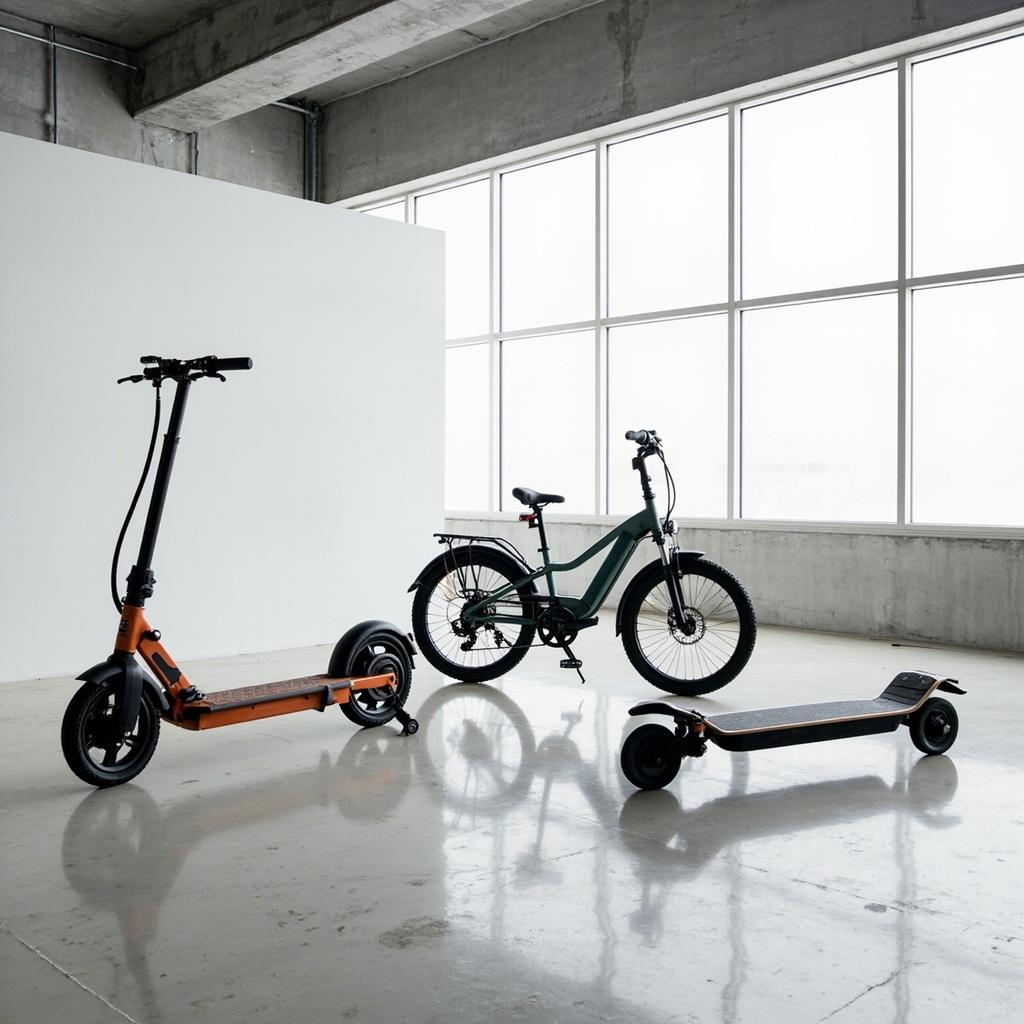
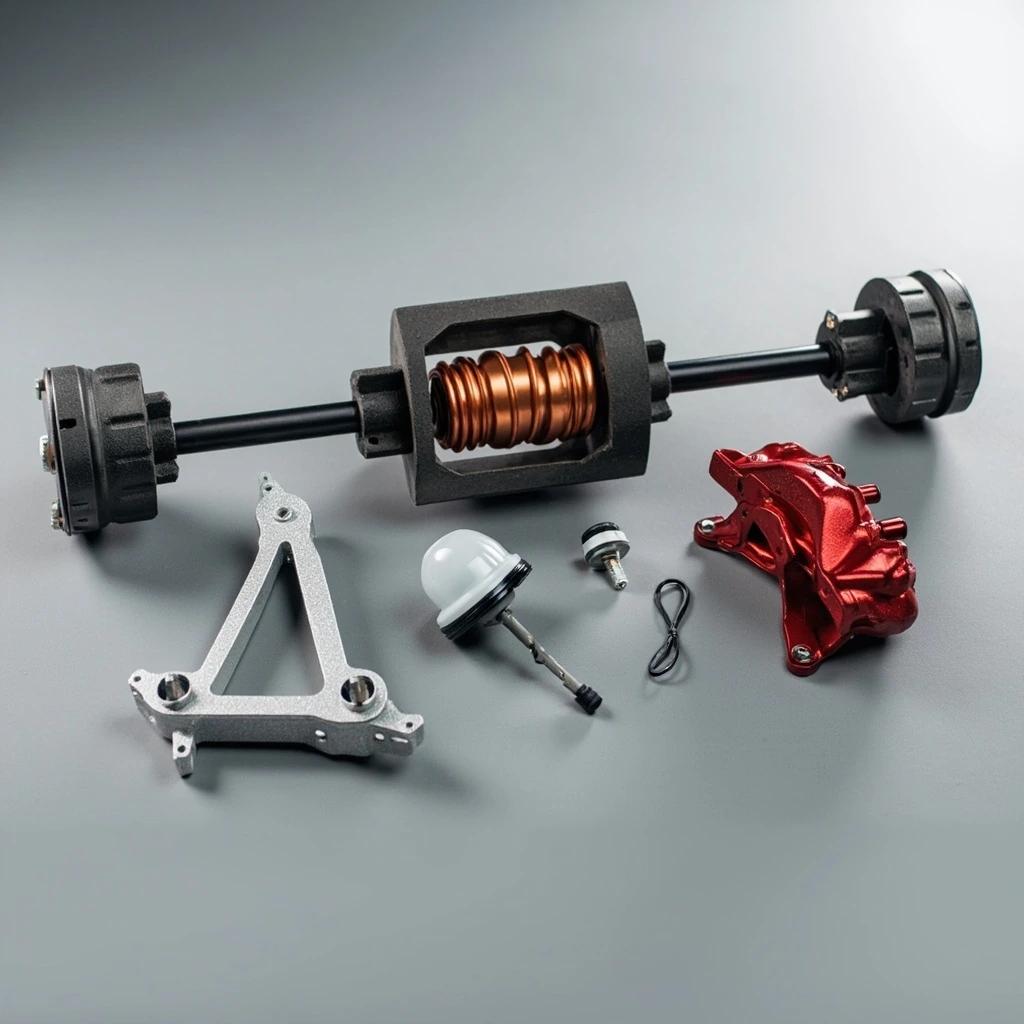
The Transportation Equipment Industry encompasses the design, manufacturing, and maintenance of all vehicles and systems used to move people and goods. It’s a massive sector divided into key segments: Cars & Automotive Vehicles (from sedans to electric cars), Commercial Vehicles (trucks, buses), Motorcycles, Rail Transit Equipment (high-speed trains, metros), Aircraft & Aerospace, Ships & Marine Vessels, and emerging areas like Micromobility (e-scooters, e-bikes) and Intelligent Transportation Systems. It’s a core driver of global manufacturing, technology innovation, and economic activity.
The industry is undergoing a profound transformation driven by three mega-trends: Electrification, Autonomous Driving & Connectivity, and Sustainability. Electric vehicles (EVs) are rapidly evolving across cars, buses, and even aircraft. Simultaneously, vehicles are becoming “smarter” through advanced driver-assistance systems (ADAS) and connectivity. Sustainability pushes for cleaner fuels (e.g., hydrogen), lightweight materials, and circular economy practices in manufacturing. These trends converge to redefine future mobility.
Beyond everyday cars, the industry’s scope is vast. Key sub-sectors include: 1. Automotive: Passenger and commercial vehicles. 2. Motorcycles & Two-Wheelers: Including e-bikes and scooters. 3. Rail: High-speed trains, urban transit systems, and freight trains. 4. Aerospace: Commercial aircraft, helicopters, drones, and spacecraft. 5. Marine: Cargo ships, workboats, and luxury yachts. 6. Specialty Vehicles: Construction, agricultural, and emergency response vehicles. 7. Core Components: Engines, batteries, and advanced electronics critical to all modes.
The market features a mix of established giants and dynamic newcomers. In automotive, traditional leaders like Toyota, Volkswagen, and Mercedes-Benz now compete with EV-focused companies like BYD and Tesla. In aerospace, Boeing and Airbus dominate commercial aviation. Rail is led by conglomerates like CRRC (China). Marine and heavy equipment have leaders like Hyundai and Caterpillar. The landscape is evolving as technology blurrs traditional boundaries, with tech companies also becoming important players in areas like autonomous driving and connectivity.
The industry is a major focus for reducing global emissions. Key strategies include: transitioning to Electric Vehicles (EVs) and exploring Hydrogen Fuel Cells for heavier transport; investing in Sustainable Aviation Fuels (SAFs) and more efficient aircraft designs; developing lighter, stronger materials (e.g., composites, aluminum) to improve fuel efficiency across all vehicles; and implementing circular economy principles in manufacturing (recycling, remanufacturing parts). Regulations and consumer demand are powerful drivers for these green innovations.