
Global Brand &
Manufacturer Rankings
Independent, data-driven rankings across 55+ industries. Verified information on every company — from founding to global reach.
Top Global Brands
by Industry
Our verified rankings identify the most resilient brands across every industry, evaluated on market presence, innovation, and global reach.
View All Industries
Company Rankings in the Biopharmaceutical Industry
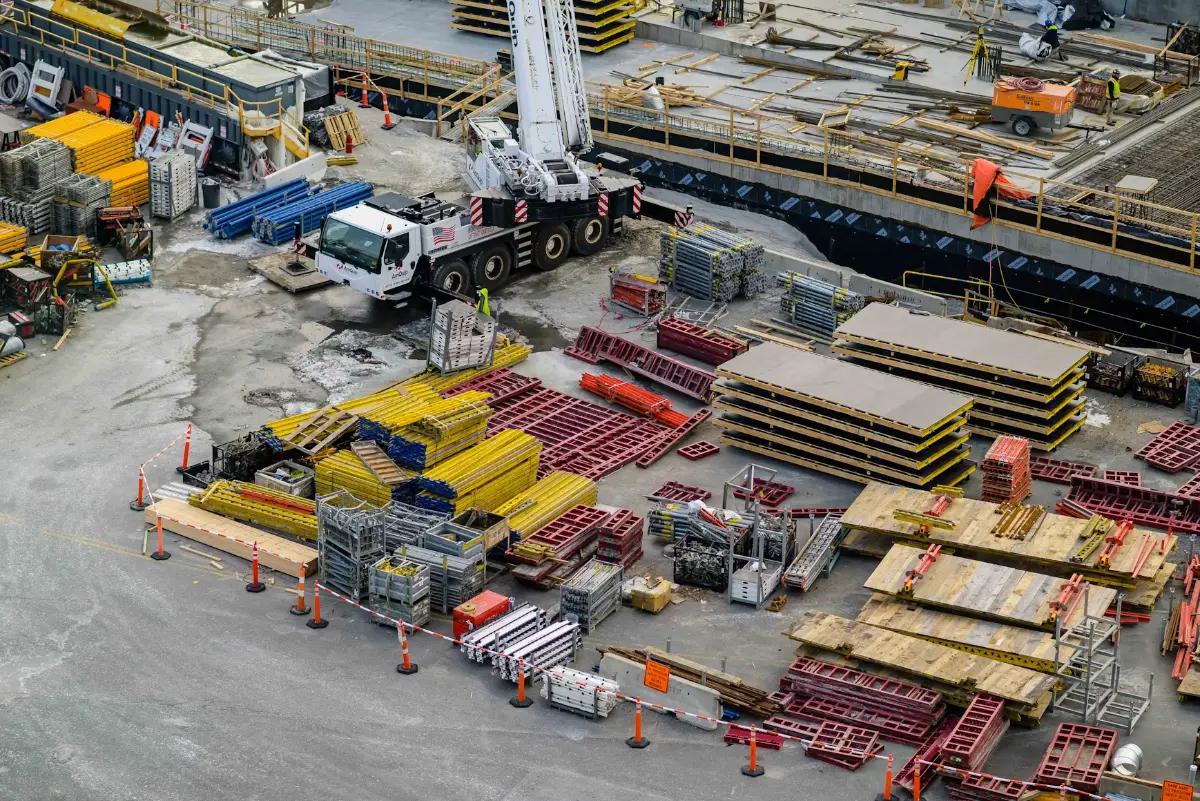
Company Rankings in the Building Materials Industry
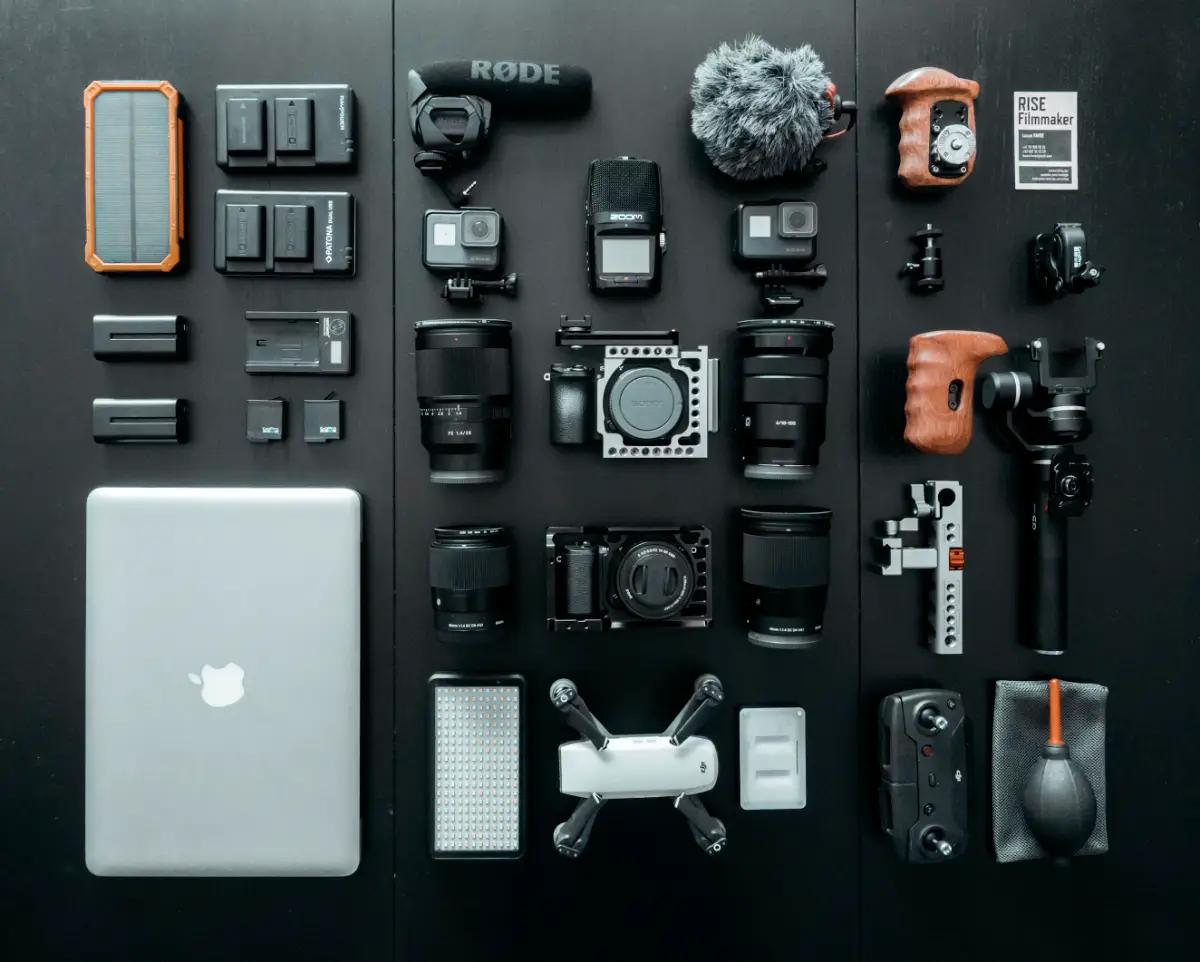
Company Rankings in the Electronic Equipment Industry
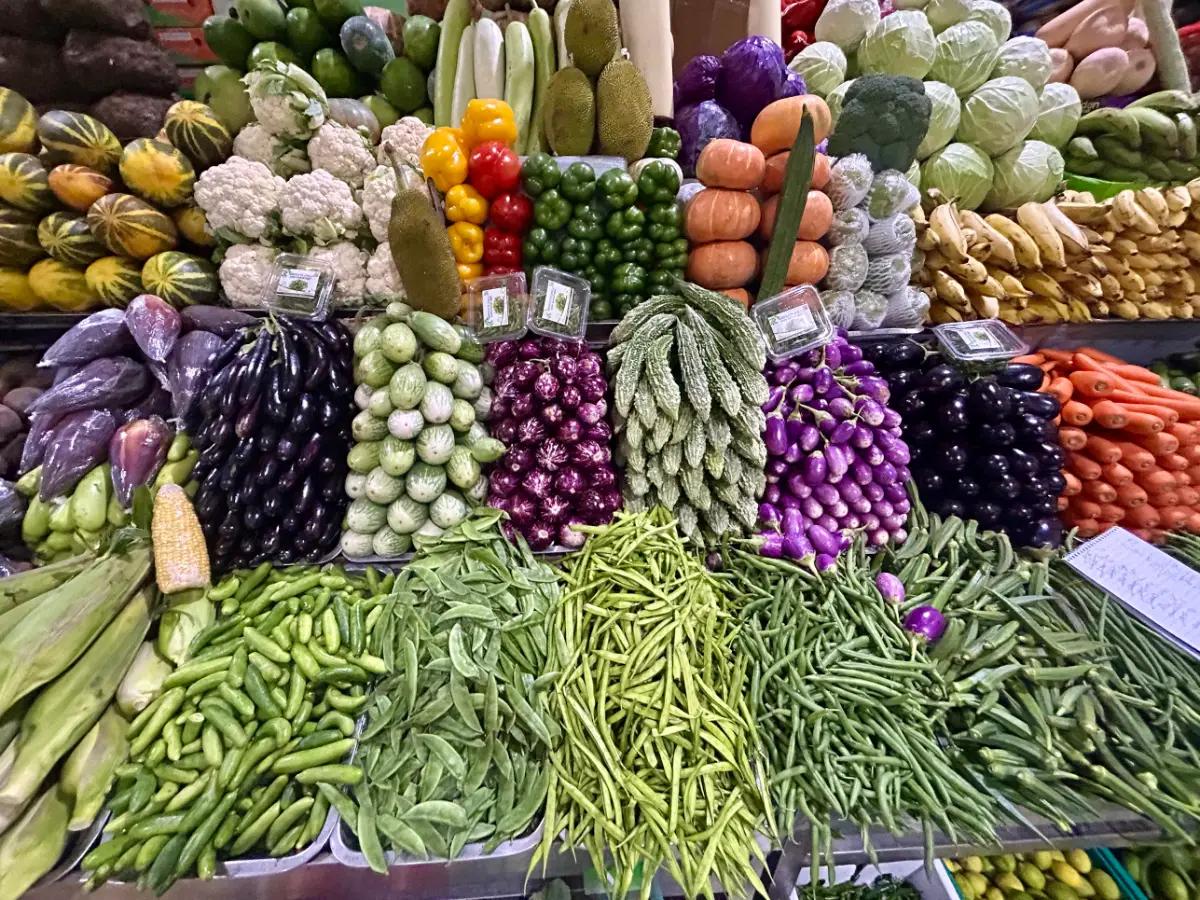
Top 10 Agricultural Products
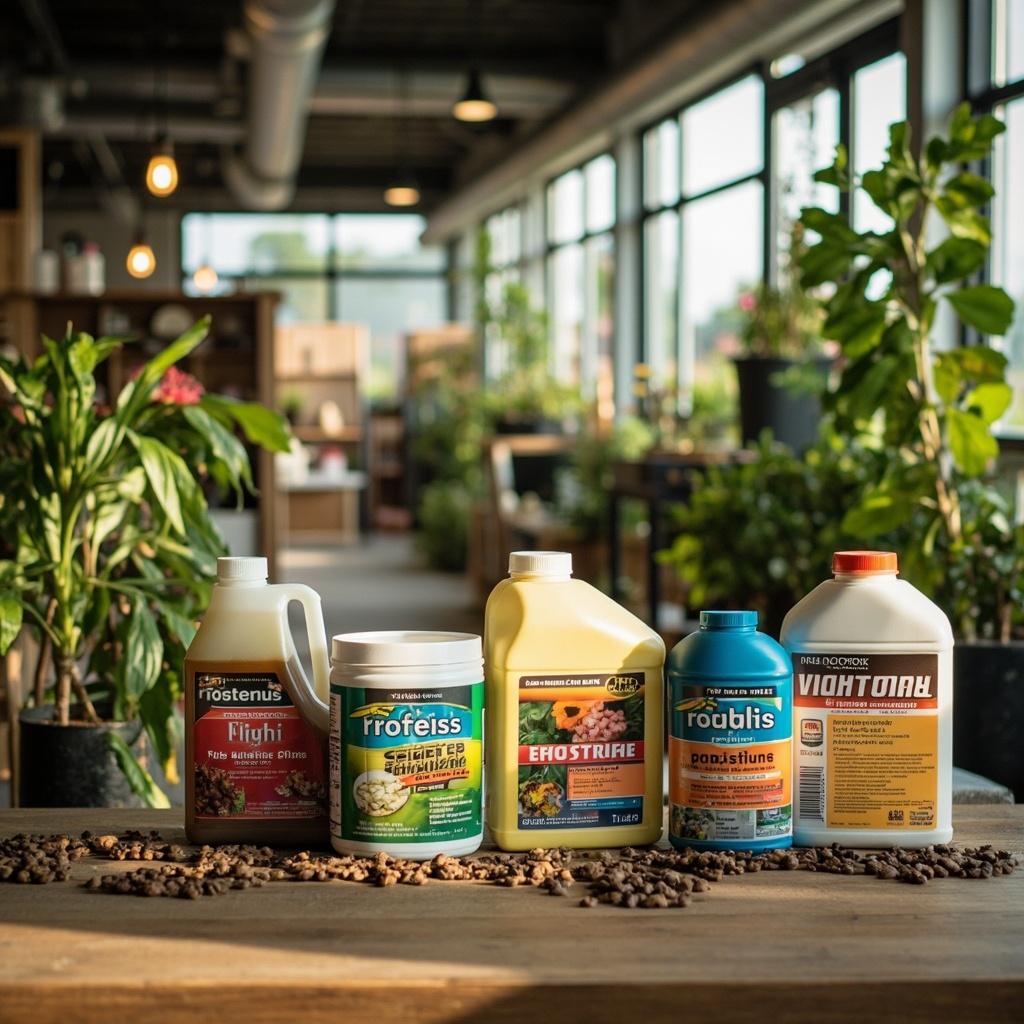
Top 10 Agrochemicals & Horticulture

Top 10 Artistic Metal Crafts
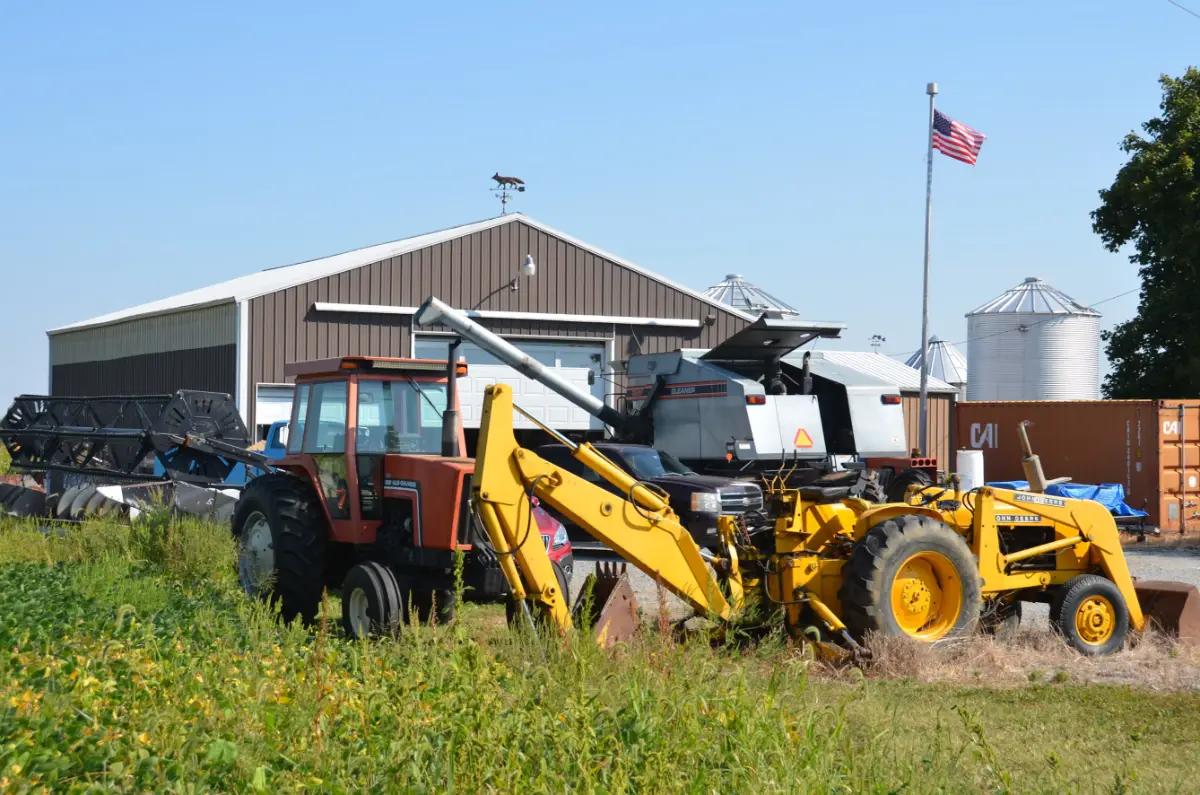
Top 10 Machinery & Equipment

Top 10 Machining Equipment
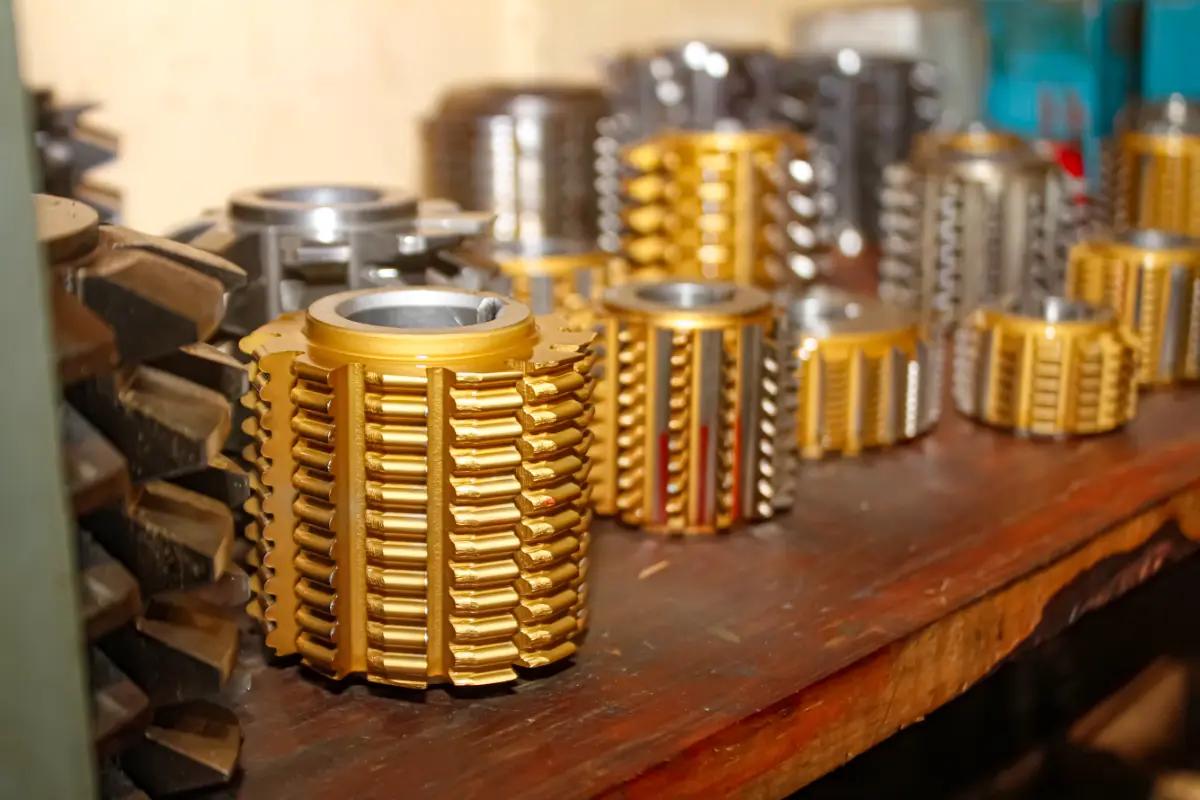
Top 10 Metal Products
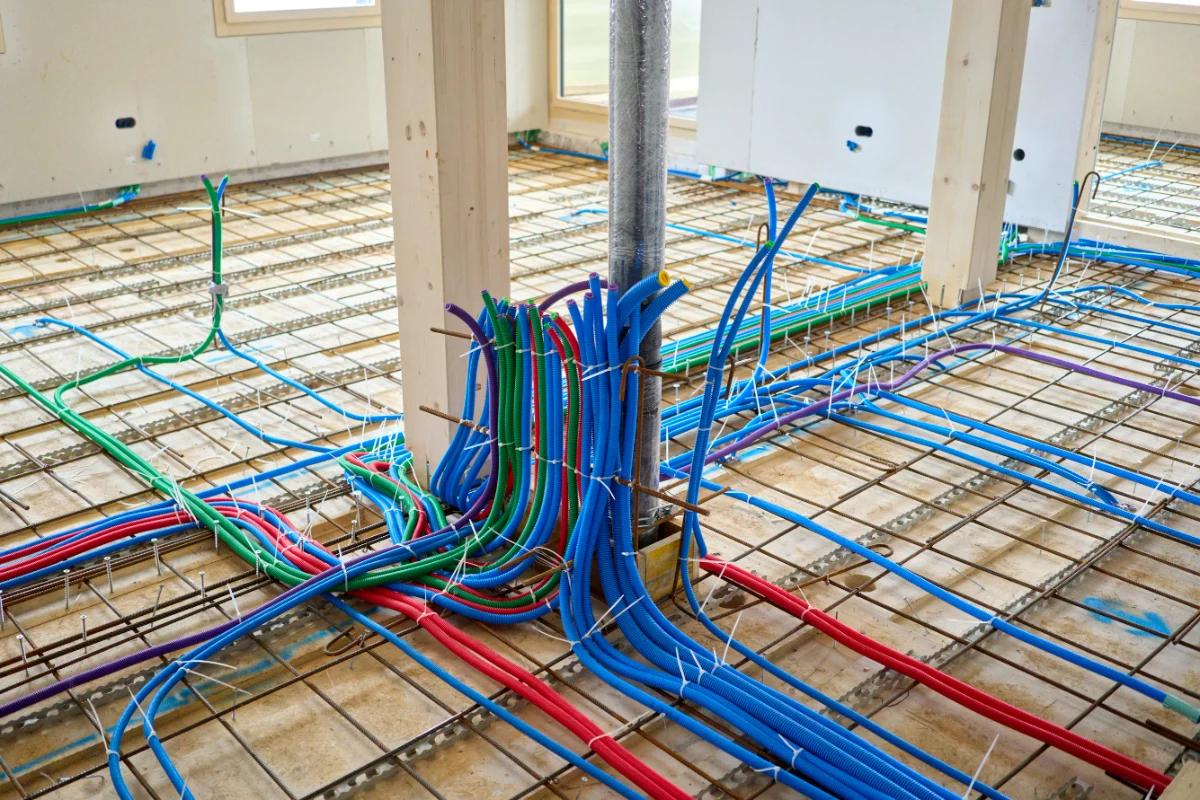
Top 10 Plumbing & Electrical Systems

Top 10 Transportation Equipment

Manufacturer Rankings in the Biopharmaceutical Industry
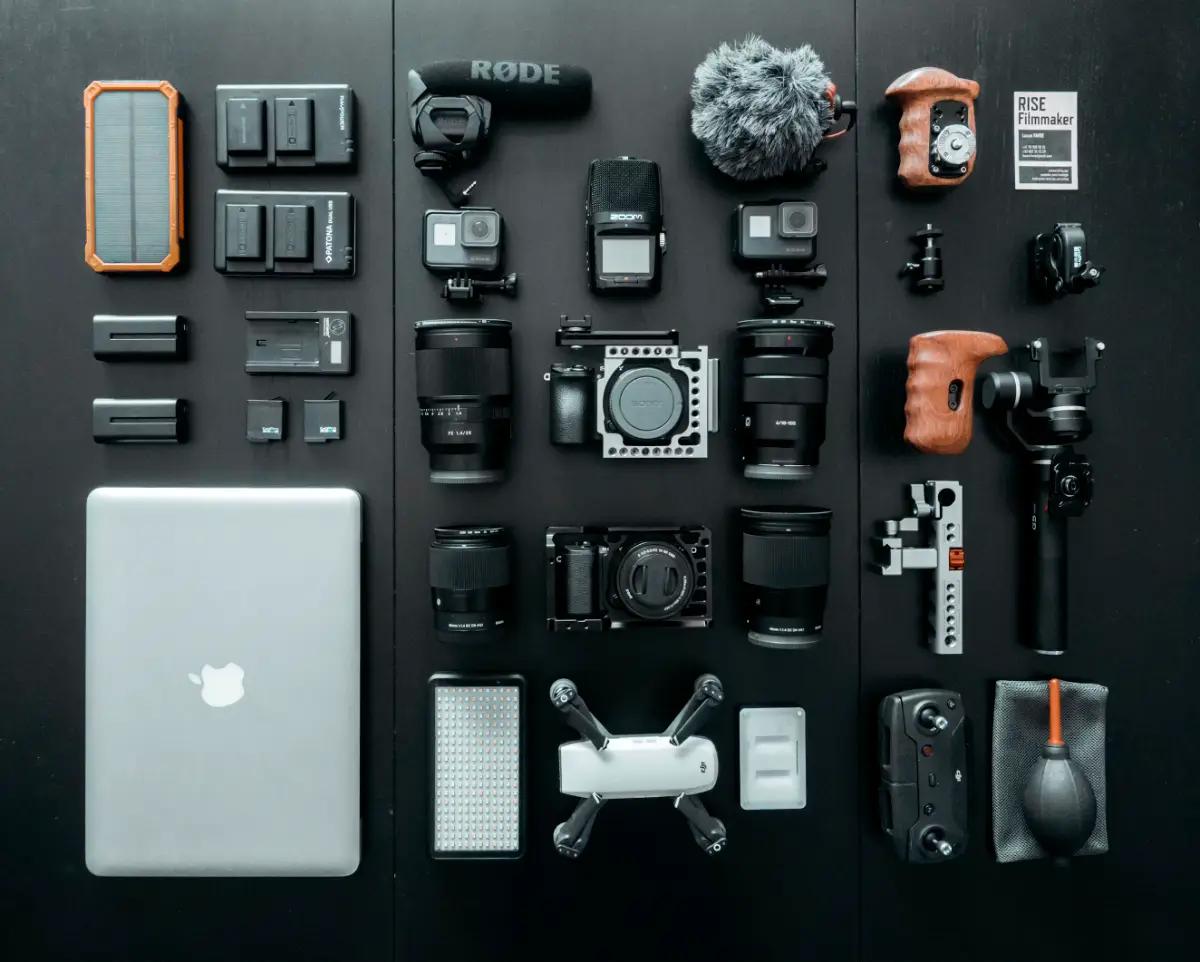
Manufacturer Rankings in the Electronic Equipment Industry
Suppliers Rankings in the Building Materials Industry

Top 10 Agricultural Products Manufacturers &
Top 10 Machinery & Equipment Manufacturers &
Top 10 Metal Products Manufacturers &
Top 10 Transportation Equipment Manufacturers &
Leading Manufacturers
by Sector
Assessing supply chain robustness, sustainability metrics, and technological integration to rank the manufacturers powering global infrastructure.
View All SectorsMathematical Rigor for
Enterprise Decision-Making
We aggregate millions of unstructured data points into precise, unbiased rankings for the world's leading brands and manufacturers. Our methodology combines quantitative analysis with expert verification.
Global Coverage
Rankings across 15+ industries and 41+ countries
Verified Data
Every company profile undergoes multi-source verification
Proprietary Scoring
Our algorithm evaluates 50+ data dimensions per company
Industry Authority
Trusted by enterprise decision-makers worldwide

Featured Enterprises
A curated selection of organizations demonstrating exceptional market presence and verified performance data.

Great Star Industrial Co., Ltd.
China
Strengths: Great Star's successful pivot from pure OEM/ODM to OBM through brands like WORKPRO and DURATECH represents a rare Chinese manufacturing success story, with own-brand sales now accounting for a significant and growing share of revenue. The company's mastery of cross-border e-commerce platforms (Amazon, AliExpress, regional platforms) enables direct-to-consumer sales that capture the full value chain margin rather than leaving it to Western distributors. Comprehensive in-house manufacturing capabilities spanning forging, stamping, CNC machining, heat treatment, surface finishing, and assembly provide quality control and cost advantages. Strategic expansion into professional tool storage (tool chests, cabinets) and laser measurement tools diversifies beyond traditional hand tools. Record net profit of ¥2.51 billion with 8.95% YoY growth demonstrates the earnings power of the brand transformation strategy.
Weaknesses: International brand recognition for WORKPRO and DURATECH remains significantly below century-old competitors like Stanley and Makita, limiting pricing power in premium professional segments. Heavy dependence on North American and European export markets exposes Great Star to tariff and trade policy risks. The rapid transition from manufacturing-first to brand-first requires deep organizational and cultural changes that present execution challenges.

Yue Yuen Industrial (Holdings) Limited
China
Strengths: Yue Yuen's core strengths are its unparalleled manufacturing scale and deep vertical integration, building formidable barriers in cost control, quality assurance, and supply chain synergy; concurrently, its long-term, deep-rooted partnerships with key clients like Nike and Adidas ensure order stability, and its globalized production network across Southeast Asia provides flexible capacity allocation to mitigate risks.
Weaknesses: Yue Yuen's main weaknesses are its heavy revenue reliance on a few cornerstone clients, making its performance directly vulnerable to their order fluctuations; furthermore, its highly concentrated production base in Southeast Asia exposes operations to risks from local geopolitics, trade policy shifts, and rising labor costs, and as a capital-intensive manufacturer, it faces persistent pressure from automation upgrades and environmental compliance.

Packaging Corporation of America
United States
Strengths: Exceptionally efficient hub-and-spoke manufacturing network with 10 mills feeding 91 converting plants achieving best-in-class utilization; Q4 2025 containerboard production reached 1.407 million tons demonstrating formidable throughput; 17% year-over-year daily shipment surge following successful Greif packaging business integration; $774 million full-year 2025 net income reflecting superior heavy-industry profitability; aggressive 760,000 share buyback program signaling management confidence in cash flow generation; concentrated North American focus enabling operational excellence without geographic complexity.
Weaknesses: Pure North American geographic concentration creating vulnerability to regional winter storms causing multi-state production shutdowns; elevated SG&A expenses challenging long-term cost compression targets; limited exposure to high-growth Asian and emerging markets constraining revenue diversification; production interruptions from severe weather events increasing operating and transportation costs unpredictably; smaller global scale compared to mega-merged competitors Smurfit Westrock and International Paper.

Nilfisk Holding A/S
Denmark
Strengths: Nilfisk commands exceptional brand heritage spanning over 115 years in professional cleaning equipment, with its industrial vacuum and high-pressure washing systems enjoying strong specification positions across European manufacturing, food processing, and pharmaceutical facilities. The company's strategic factory relocation from the USA to Mexico (Querétaro) under USMCA framework provisions has structurally reduced manufacturing costs while maintaining tariff-free North American market access—a textbook near-shoring execution. Nilfisk's 42% gross margin reflects premium pricing power derived from proprietary technology in industrial vacuum filtration, explosion-proof motor design, and hygiene-critical cleaning systems for regulated industries. The company's SBTi-approved net-zero climate targets and rare CDP 'A' rating provide ESG credentials that increasingly differentiate Nilfisk in European municipal and institutional tenders where carbon footprint scoring determines bid eligibility. Nilfisk's Hybrid 7 digital fluid cleaning system represents a genuine IoT innovation, enabling real-time cloud monitoring of cleaning temperature, detergent concentration, and energy consumption for food industry clients subject to stringent hygiene audit requirements.
Weaknesses: Nilfisk's €93.1 million restructuring charge from the USA-to-Mexico factory relocation and Hungarian plant consolidation caused a rare operating loss (EBIT -€25.7 million) in 2025, eroding investor confidence and balance sheet flexibility. The company's sub-€1 billion revenue scale places it at a structural disadvantage against larger competitors like Kärcher (€3.48 billion) in R&D investment capacity and procurement leverage. Nilfisk's forced divestiture of low-margin US pressure washer business sacrificed top-line growth for margin improvement, reducing its competitive presence in the world's largest cleaning equipment market. The pending Freudenberg takeover (announced early 2026) introduces ownership uncertainty that may delay strategic decision-making and trigger customer and distributor relationship instability during the transition period.

Medtronic
Ireland
Strengths: Unmatched scale as the world's largest pure-play medical device company with deep R&D capabilities. Leading position in diabetes home care with the MiniMed product ecosystem. Strong regulatory expertise across FDA, CE, and global markets. Robust supply chain with manufacturing redundancy across North America, Europe, and Asia. Revenue growth acceleration with 10+ quarters of enterprise growth momentum.
Weaknesses: Diabetes division subject to intense competition from Dexcom and Insulet in the CGM and patch pump segments. Recent spin-off evaluation for diabetes business creates organizational uncertainty. Legacy product lines in cardiac and surgical segments face margin pressure from newer entrants.

Siemens Energy
Germany
Listed on the Frankfurt Stock Exchange (ENR), Siemens Energy holds a record €138 billion order backlog and delivered €39.1 billion revenue in FY2025 with 15.2% organic growth, making it one of Europe's largest power equipment manufacturers by order intake. Its Grid Technologies division is a global benchmark for grid modernization across North America, Europe, and Asia, and its transformers and switchgear are specified in some of the world's largest renewable interconnection projects.
Strengths: Its heavy-duty gas turbines and HVDC transmission systems are the industry reference for thermal efficiency and grid stability, trusted by national grid operators and energy majors. The Grid Technologies division is expanding at scale, backed by a $2.3 billion manufacturing buildout through 2028. A global network of 79+ owned factories provides deep vertical integration in turbine, transformer, and switchgear production. The company also commands a dominant position in large-scale industrial compressors for chemical and LNG plants.
Weaknesses: The Siemens Gamesa wind power unit has suffered years of quality defects, supply-chain delays, and heavy losses that continue to drag group margins, with breakeven only expected in 2026. Its service-heavy revenue mix leaves the group exposed to long-duration project execution risk in emerging markets, and the €138 billion backlog, while impressive, pressures delivery capacity and working capital in the near term.

NSK Ltd.
Japan
Strengths: 1) Century-old precision bearing technology with deep materials science and tribology expertise accumulated since 1916; 2) Historic 2026 merger MOU with NTN to create a bearing superpower with combined ¥1.8 trillion revenue scale; 3) FY2025 sales grew +14.4% year-over-year with operating profit surging +36.4% to ¥38.8 billion, reflecting strong recovery momentum; 4) Core supplier position to semiconductor equipment manufacturers and high-end CNC machine tool builders, two of the most demanding and highest-value bearing end markets; 5) Extensive global manufacturing and distribution footprint with 144 overseas bases providing localized supply capability.
Weaknesses: 1) ¥9.4 billion in one-time restructuring costs weigh on near-term reported profitability; 2) NTN merger integration carries significant execution risk risk — the two companies have distinct corporate cultures, overlapping product lines, and separate ERP/manufacturing systems that will require years of painstaking consolidation.

Kennametal Inc.
United States
Strengths: Complete vertical integration in tungsten carbide technology from powder to finished tools; proprietary carbide grades and advanced CVD/PVD coating technologies are industry benchmarks; closed-loop carbide recycling program provides sustainability and cost advantages; diversified end-market exposure across aerospace, energy, mining, and engineering; plant consolidation and digital manufacturing investment expected to improve margins 200-300 basis points.
Weaknesses: Modest organic revenue decline in FY2025 reflecting global industrial weakness; significantly smaller scale than primary competitor Sandvik; narrow product focus limits cross-selling opportunities; cyclical exposure to commodity-driven mining and energy end markets creates earnings volatility; limited brand recognition outside professional engineering sectors.
Trusted by Industry Leaders


Top Enterprises
Top Rated

Saudi Arabian Oil Company
Saudi Arabia · 1933

Amazon.com, Inc.
United States · 1994

Apple Inc.
United States · 1976

State Grid Corporation of China
China · 2002

PetroChina Company Limited
China · 1999

China Petroleum and Chemical Corporation
China · 1998

Exxon Mobil Corporation
United States · 1882

Nestlé S.A.
Switzerland · 1866

Samsung Electronics Co., Ltd.
South Korea · 1969

Shell plc
United Kingdom · 1907
Food & Beverage
Nestlé S.A.
Switzerland · 1866

PepsiCo, Inc.
United States · 1898

JBS S.A.
Brazil · 1953

The Coca-Cola Company
United States · 1892

Anheuser-Busch InBev SA/NV
Belgium · 2008

Mars, Incorporated
United States · 1911

The Kraft Heinz Company
United States · 2015

WH Group Limited
China · 1958

Danone S.A.
France · 1966

Inner Mongolia Yili Industrial Group Company Limited
China · 1993
Textile & Apparel

LVMH Moët Hennessy Louis Vuitton SE
France · 1987

Nike, Inc.
United States · 1964

Chanel Ltd
United Kingdom · 1910

Industria de Diseño Textil, S.A. - Zara
Spain · 1985

Guccio Gucci S.p.A.
Italy · 1921

Hermès International S.A.
France · 1837

adidas AG
Germany · 1949

Fast Retailing Co., Ltd. - Unique Clothing Warehouse
Japan · 1984

Lululemon Athletica Inc.
Canada · 1998

Anta Sports Products Limited
China · 1991
Furniture

INGKA Holding B.V. - IKEA
Sweden · 1943

Ashley Furniture Industries, Inc.
United States · 1945

Natuzzi S.p.A.
Italy · 1959

Flexform S.p.A.
Italy · 1959

Poltrona Frau S.p.A.
Italy · 1912

Kuka Home Co., Ltd.
China · 1982

MillerKnoll, Inc. ( Herman Miller )
United States · 1905

Suofeiya Home Collection Co., Ltd.
China · 2001

QuanU Furniture Co., Ltd.
China · 1986

Roche Bobois Group
France · 1960
Building Materials

The Home Depot, Inc.
United States · 1978

Lowe's Companies, Inc.
United States · 1921

ADEO Group
France · 2007

Saint-Gobain
France · 1665

The Sherwin-Williams Company
United States · 1866

Ferguson Enterprises Inc.
United States · 1953

Kingfisher plc
United Kingdom · 1982

Mohawk Industries, Inc.
United States · 1878

Sika AG
Switzerland · 1910

Nippon Paint Holdings Co., Ltd.
Japan · 1881