Global Brand &
Manufacturer Rankings
Independent, data-driven rankings across 55+ industries. Verified information on every company — from founding to global reach.
Top Global Brands
by Industry
Our verified rankings identify the most resilient brands across every industry, evaluated on market presence, innovation, and global reach.
View All Industries
Brand Rankings in the Agricultural Products Industry

Company Rankings in the Biopharmaceutical Industry
Company Rankings in the Building Materials Industry
Company Rankings in the Electronic Equipment Industry
Company Rankings in the Machinery & Equipment Industry
Company Rankings in the Metal Products Industry

Company Rankings in the Transportation Equipment Industry
Top 10 Agrochemicals & Horticulture
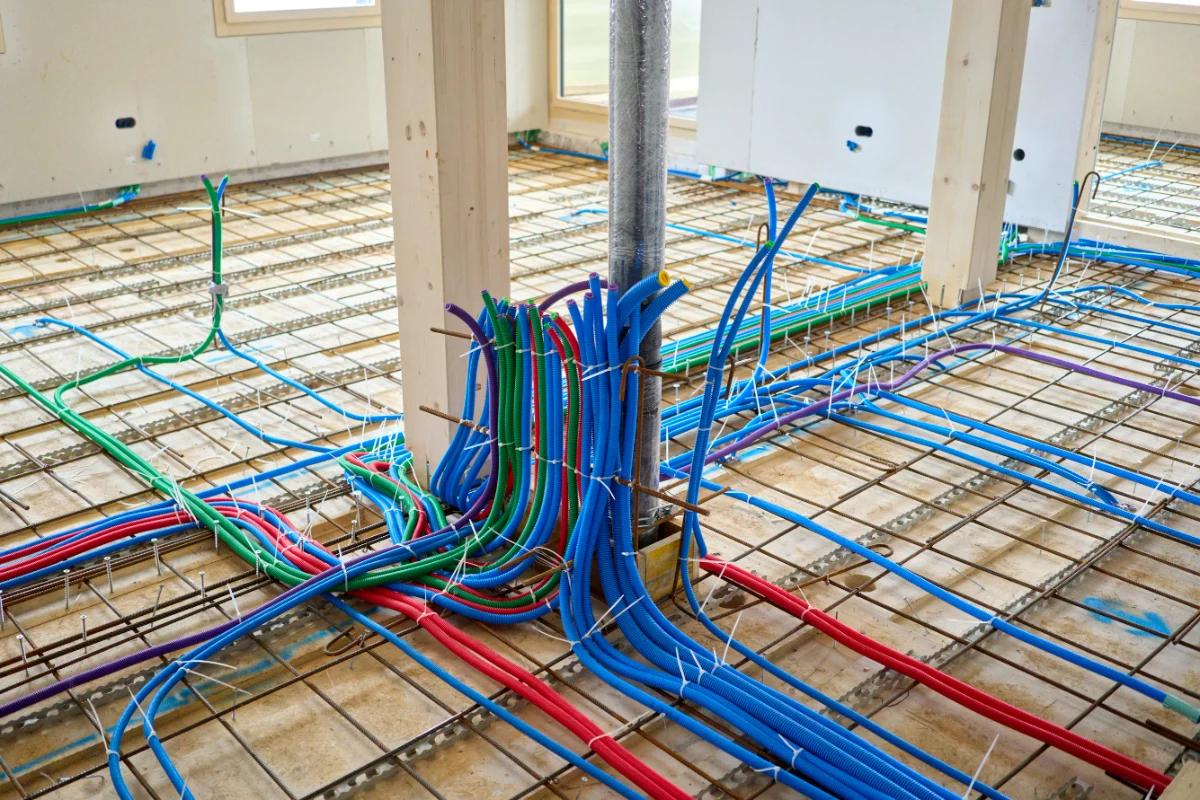
Top 10 Plumbing & Electrical Systems

Manufacturer Rankings in the Biopharmaceutical Industry
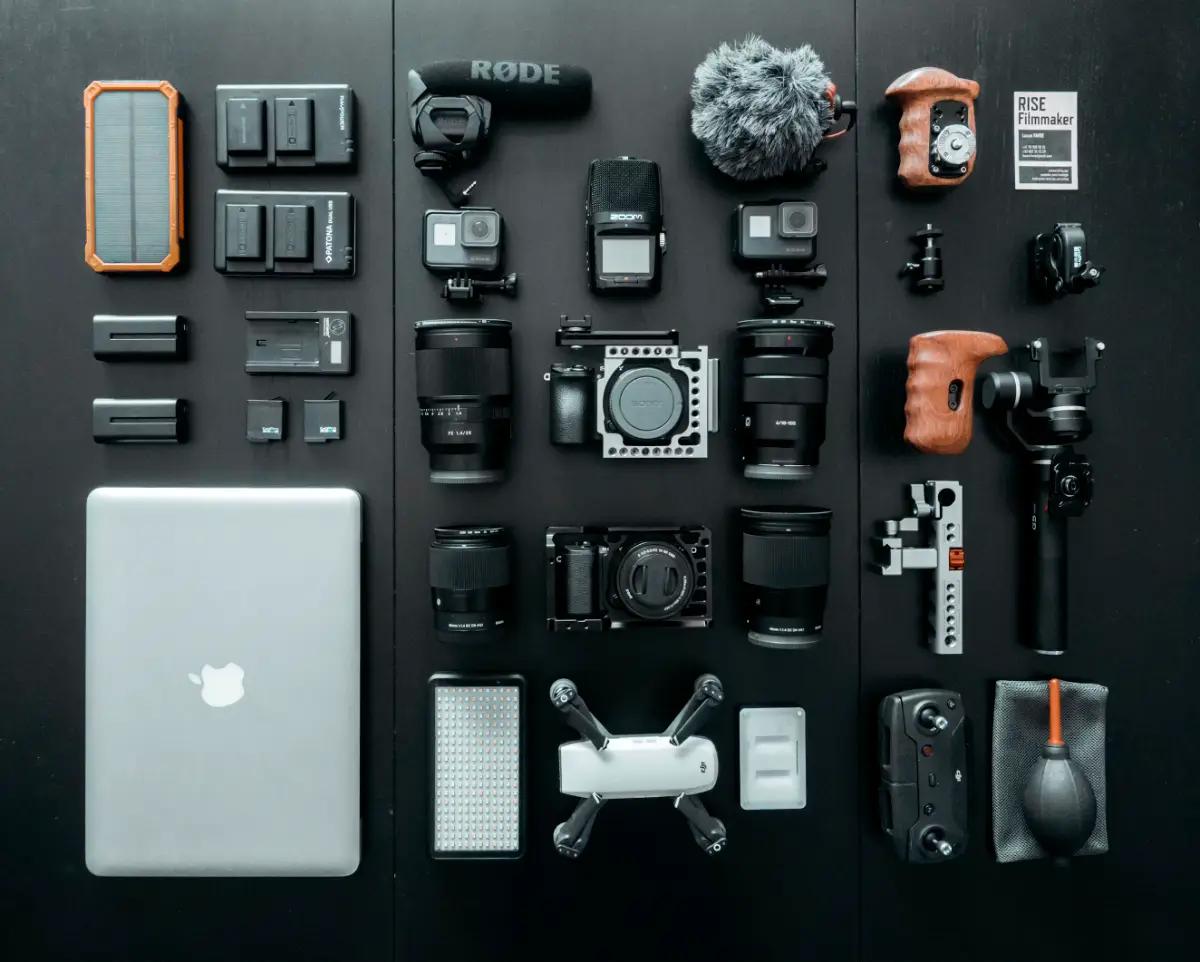
Manufacturer Rankings in the Electronic Equipment Industry
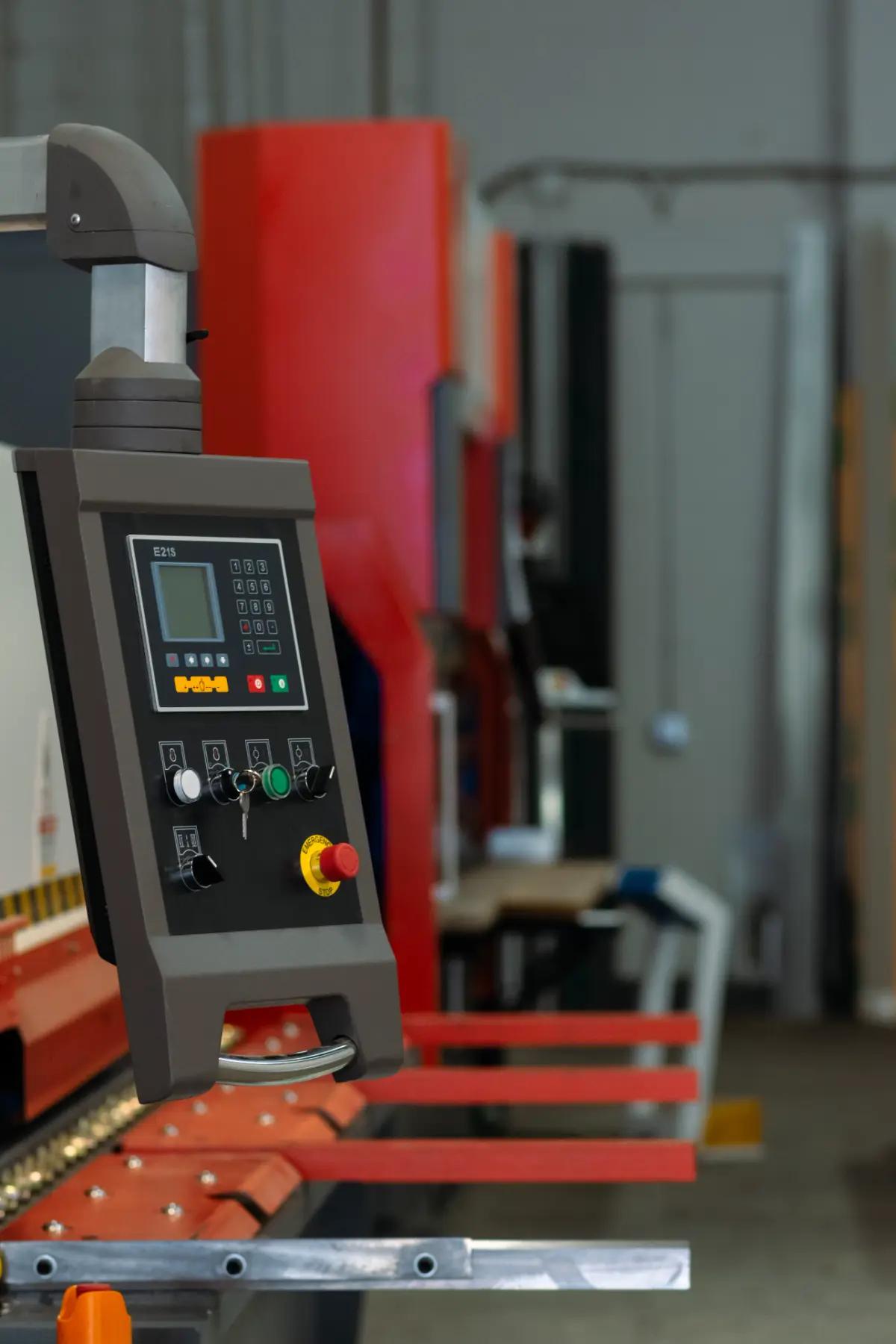
Manufacturer Rankings in the Machinery & Equipment Industry
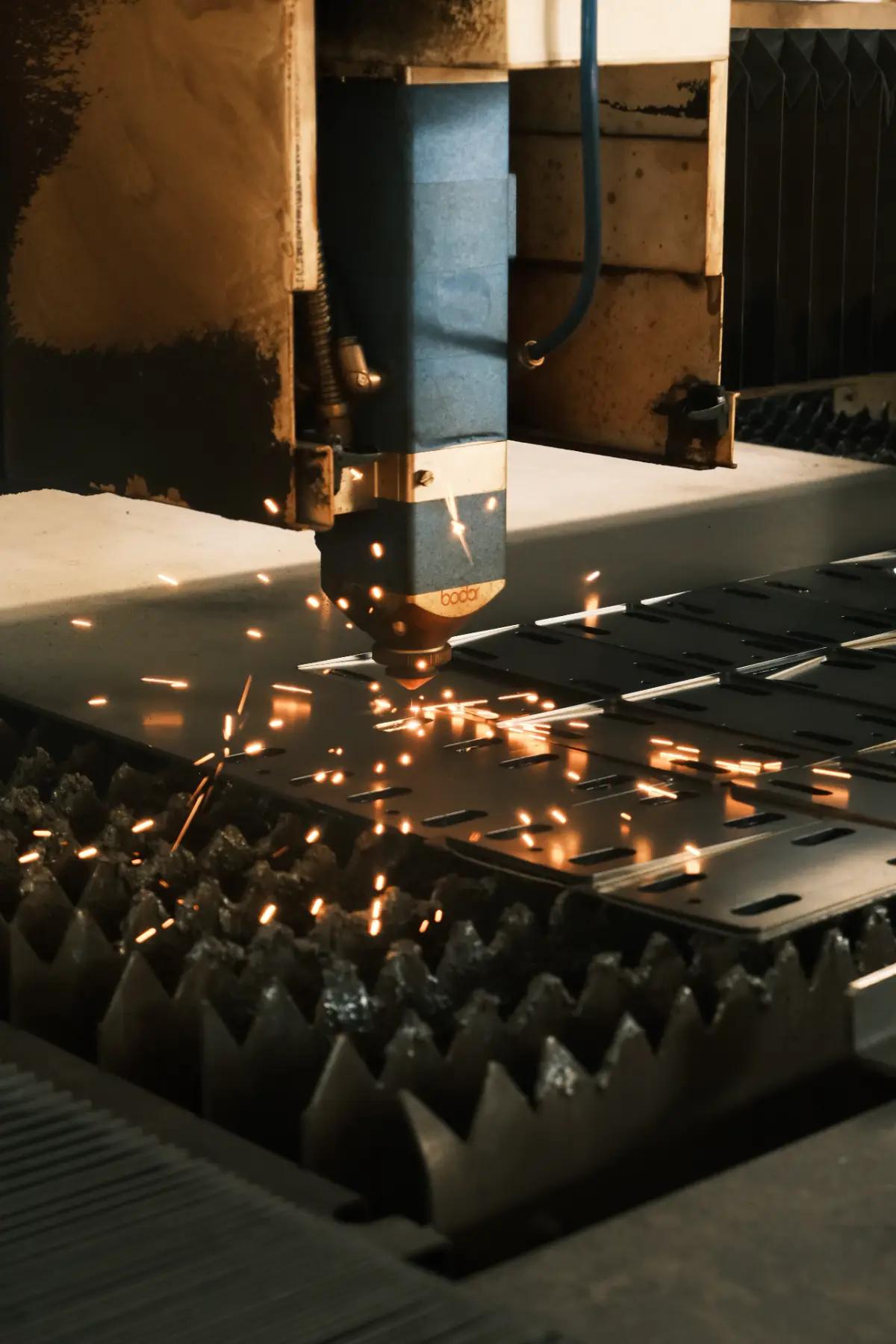
Manufacturer Rankings in the Metal Products Industry

Manufacturer Rankings in the Transportation Equipment Industry
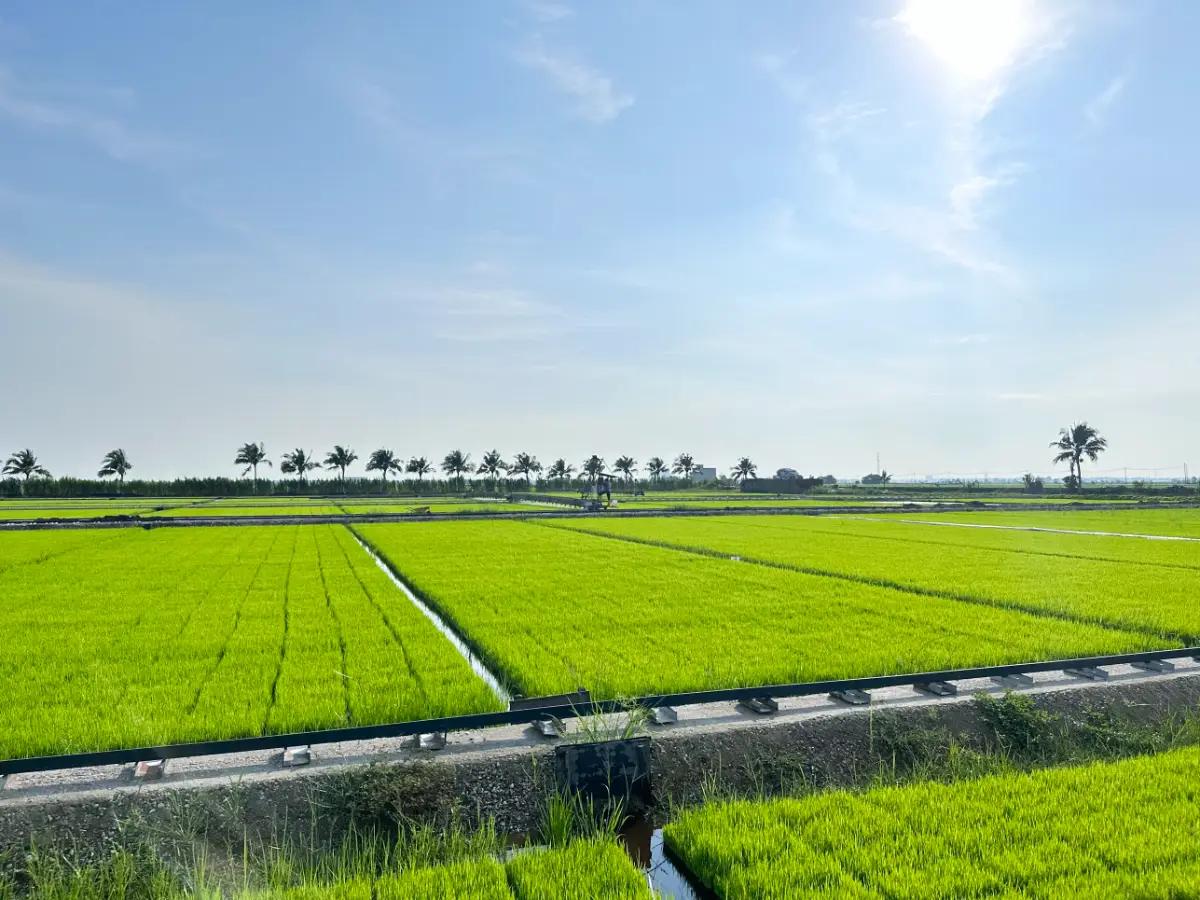
Suppliers Rankings in the Agricultural Products Industry
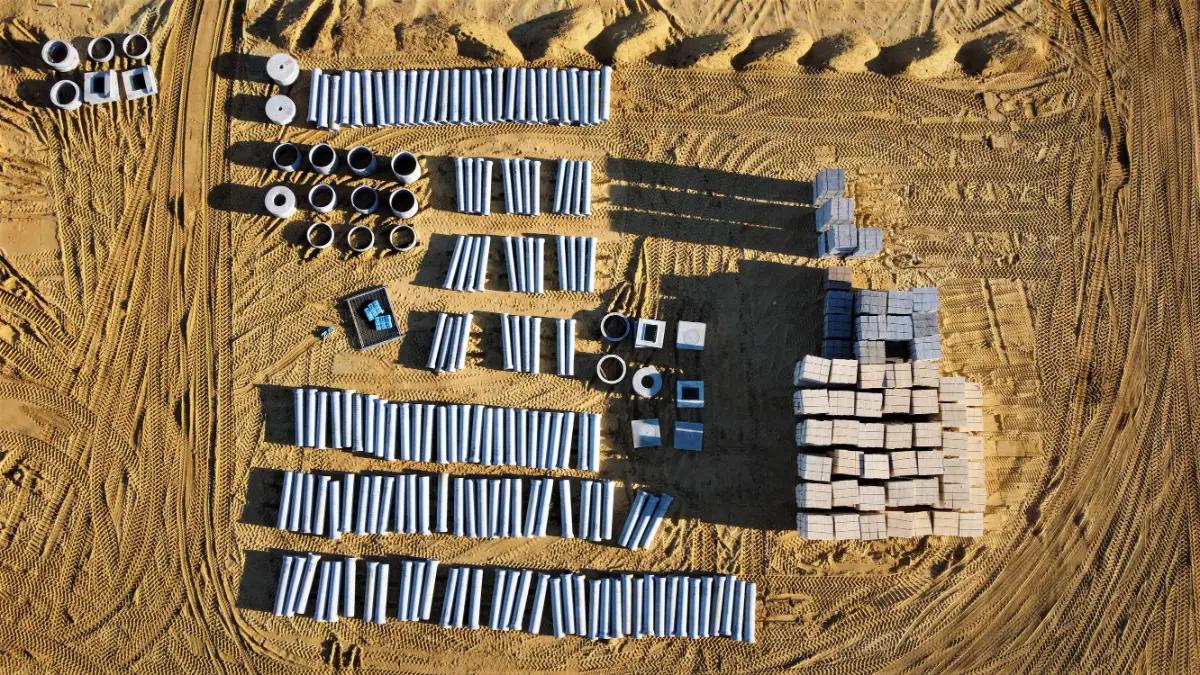
Suppliers Rankings in the Building Materials Industry
Leading Manufacturers
by Sector
Assessing supply chain robustness, sustainability metrics, and technological integration to rank the manufacturers powering global infrastructure.
View All SectorsMathematical Rigor for
Enterprise Decision-Making
We aggregate millions of unstructured data points into precise, unbiased rankings for the world's leading brands and manufacturers. Our methodology combines quantitative analysis with expert verification.
Global Coverage
Rankings across 15+ industries and 41+ countries
Verified Data
Every company profile undergoes multi-source verification
Proprietary Scoring
Our algorithm evaluates 50+ data dimensions per company
Industry Authority
Trusted by enterprise decision-makers worldwide

Featured Enterprises
A curated selection of organizations demonstrating exceptional market presence and verified performance data.

Anglo American plc
United Kingdom
Strengths: Diversified commodity portfolio including copper, PGMs, and diamonds provides natural hedge against single-commodity cycles; copper growth pipeline led by Quellaveco — one of the world''s newest Tier-1 copper assets; De Beers diamond brand equity commands premium pricing in luxury consumer markets; PGM leadership through Anglo Platinum positions the company for hydrogen economy and automotive catalyst demand; strong balance sheet enables continued investment in future-facing commodities after rejecting BHP bid.
Weaknesses: Post-takeover-defence restructuring uncertainty creates execution risk around portfolio simplification; South African operational concentration exposes the company to power, logistics, and labor risks; diamond market structural challenges from lab-grown competition pressure De Beers'' premium positioning.

Goya Foods, Inc.
United States
Strengths: Goya's core strengths are its absolute leadership in the U.S. Latino food market with 60%+ share; high cultural affinity and trust built over 85 years of brand history; the broadest product line covering 2,500+ authentic Latino items across all categories; and unique channel depth with deep penetration in Latino communities and mainstream retail networks.
Weaknesses: Goya faces intensifying competition as major food companies enter the Latino segment, leading to price wars and market share defense; cost pressures from raw material fluctuations, rising production expenses, and margin squeeze; challenges in adapting to shifting consumer tastes and health trends; and limited international expansion beyond the Americas, constraining diversification.

Hilti 喜利得
Liechtenstein
Strengths: Industry-leading manufacturing scale and vertical integration providing cost advantages and quality control that competitors cannot easily replicate. Strong brand portfolio and market position with loyal professional customer base driving recurring revenue and premium pricing power. Significant R&D investment enabling continuous innovation in cordless technology, smart tool ecosystems, and next-generation product development.
Weaknesses: Exposure to cyclical construction markets and macroeconomic headwinds creating periodic revenue volatility. Intense competitive pressure from both established players and emerging low-cost producers, particularly from Chinese manufacturers. Supply chain complexity and tariff exposure requiring continuous manufacturing network optimization and capital investment.

Salomon SAS
France
Strengths: Salomon's core strengths are its absolute technical authority in the two niche fields of trail running and skiing, built upon dominance in top-tier competitions and deep patent portfolios, which forms its highest professional barrier and basis for brand premium; concurrently, its successful translation of professional performance DNA into a "mountain-style" cultural symbol with strong community appeal and functional aesthetics enables precise cross-over from elite athletes to high-end lifestyle consumers.
Weaknesses: Salomon's main weaknesses are its high concentration on the niche mountain sports market, which has a natural ceiling for total addressable market size, and faces intense competition from emerging brands like HOKA in trail running; furthermore, its hybrid "European tech hub + Asian scale manufacturing" supply chain faces challenges in balancing capacity and quality when meeting explosive global demand for hit products, and the brand's ongoing trendification carries the risk of diluting its hardcore professional foundation.

Nomad Foods Limited
United Kingdom
Strengths: Nomad Foods' core strengths are its powerful multi-brand portfolio management with leading European brands like Birds Eye, Iglo and Findus; extensive retail network coverage across 22 European countries; and sustained competitiveness through health-oriented and plant-based product innovations.
Weaknesses: The company relies excessively on European markets, contributing 95% of revenue; faces intensifying competition and cost inflation pressures; has relatively limited expansion in growth markets; and must address challenges from rapidly evolving consumer preferences.

Lotte Corporation
South Korea
Strengths: Lotte's core strengths are its unique owned retail network including Lotte Mart supermarkets, department stores and convenience stores providing strong sales support; significant synergies from business diversification; and 70-year accumulated brand value with high Korean market recognition.
Weaknesses: The food business represents a relatively limited portion, contributing only 18% of group revenue; faces intense competition and management complexity from diversification; and maintains high reliance on the Korean domestic market with international expansion challenges.

Hilti Corporation
Liechtenstein
Strengths: Hilti's direct-sales business model — with 300,000+ daily customer contacts through its fleet of field engineers — creates unparalleled customer intimacy and application expertise that no distributor-based competitor can match. The company reinvests 6%+ of annual revenue into R&D, producing industry-leading innovations like the Nuron 22V cordless platform that unifies its entire tool ecosystem. Hilti's fleet management and ON!Track asset management software create recurring SaaS-like revenue streams with high switching costs. The company commands premium pricing (typically 20-40% above competitors) justified by superior durability and lifetime service guarantees.
Weaknesses: Hilti's premium pricing positions it above the addressable market for price-sensitive contractors and DIY users, limiting volume growth potential. The direct-sales model requires heavy fixed-cost investment in field personnel, creating margin pressure during construction downturns. As a family-trust-owned private company, Hilti has limited access to public capital markets for large-scale acquisitions, constraining its ability to match the M&A-driven growth strategies of publicly traded competitors like Stanley Black & Decker.

Suntory Holdings Limited
Japan
Strengths: Suntory's core strengths are its 125+ years of brand heritage with unique brewing traditions, diversified beverage portfolio covering both alcoholic and non-alcoholic categories, and distinctive technical expertise particularly in whisky production and tea extraction.
Weaknesses: The company faces challenges including limited brand influence in European and American markets despite global presence, intensifying competition across all beverage categories, and vulnerability to raw material cost fluctuations.
Trusted by Industry Leaders


Top Enterprises
Top Rated

Saudi Arabian Oil Company
Saudi Arabia · 1933

Amazon.com, Inc.
United States · 1994

Procter & Gamble
United States · 1837

The Sherwin-Williams Company
United States · 1866

Apple Inc.
United States · 1976

State Grid Corporation of China
China · 2002

BASF
Germany · 1865

Rio Tinto Group
United Kingdom · 1873

BHP Group Limited
United Kingdom · 1885
Syngenta Group
Switzerland · 2000
Food & Beverage

Nestlé S.A.
Switzerland · 1866

PepsiCo, Inc.
United States · 1898

JBS S.A.
Brazil · 1953

The Coca-Cola Company
United States · 1892

Anheuser-Busch InBev SA/NV
Belgium · 2008

Mars, Incorporated
United States · 1911

The Kraft Heinz Company
United States · 2015

WH Group Limited
China · 1958

Danone S.A.
France · 1966

Inner Mongolia Yili Industrial Group Company Limited
China · 1993
Textile & Apparel

LVMH Moët Hennessy Louis Vuitton SE
France · 1987

Nike, Inc.
United States · 1964

Chanel Ltd
United Kingdom · 1910

Industria de Diseño Textil, S.A. - Zara
Spain · 1985

Guccio Gucci S.p.A.
Italy · 1921

Hermès International S.A.
France · 1837

adidas AG
Germany · 1949

Fast Retailing Co., Ltd. - Unique Clothing Warehouse
Japan · 1984

Lululemon Athletica Inc.
Canada · 1998

Anta Sports Products Limited
China · 1991
Furniture

INGKA Holding B.V. - IKEA
Sweden · 1943

Ashley Furniture Industries, Inc.
United States · 1945

Natuzzi S.p.A.
Italy · 1959

Flexform S.p.A.
Italy · 1959

Poltrona Frau S.p.A.
Italy · 1912

Kuka Home Co., Ltd.
China · 1982

MillerKnoll, Inc. ( Herman Miller )
United States · 1905

Suofeiya Home Collection Co., Ltd.
China · 2001

QuanU Furniture Co., Ltd.
China · 1986

Roche Bobois Group
France · 1960
Building Materials

The Home Depot, Inc.
United States · 1978

Lowe's Companies, Inc.
United States · 1921

ADEO Group
France · 2007

Compagnie de Saint-Gobain S.A.
France · 1665
The Sherwin-Williams Company
United States · 1866

Ferguson Enterprises Inc.
United States · 1953

Kingfisher plc
United Kingdom · 1982

Mohawk Industries, Inc.
United States · 1878

Sika AG
Switzerland · 1910

Nippon Paint Holdings Co., Ltd.
Japan · 1881
Industry Insights
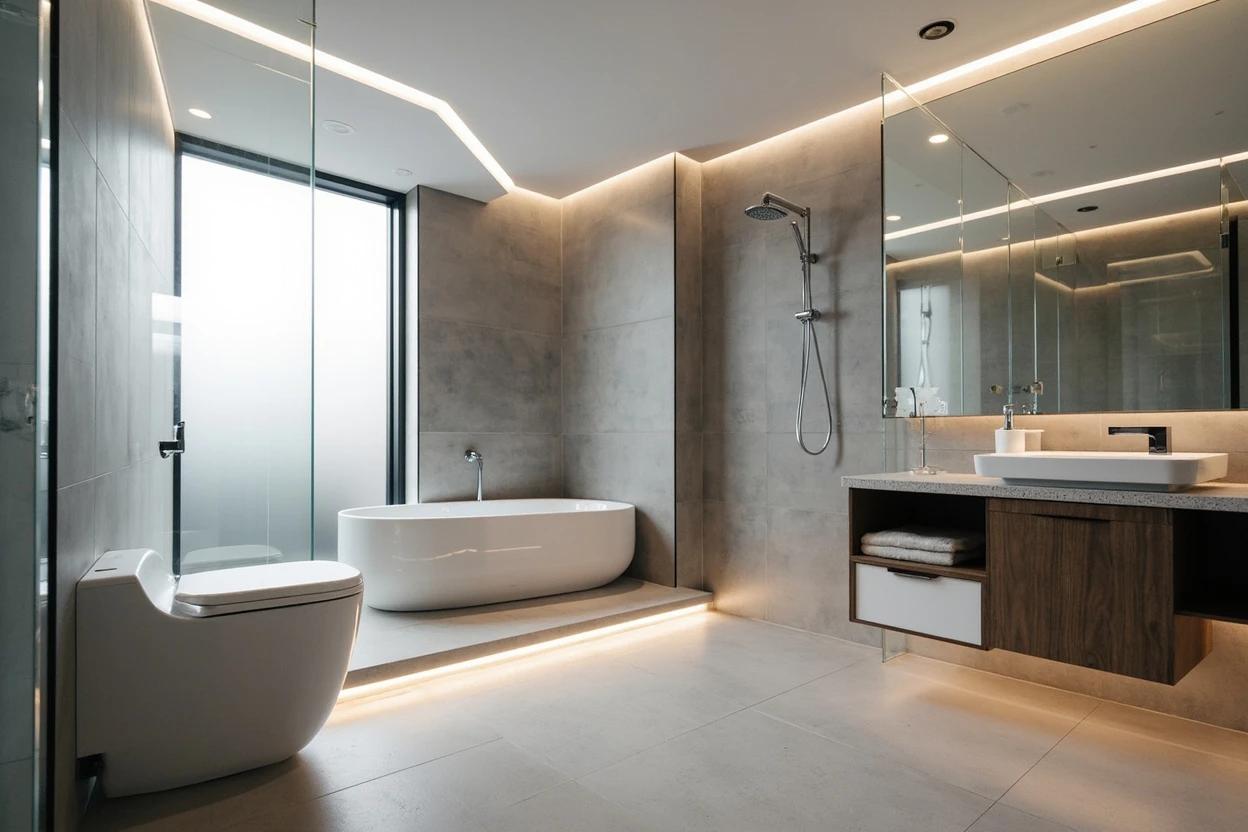
Smart Toilet Functions: A $16 Billion Market by 2030 – What B2B Buyers Must Know
Read More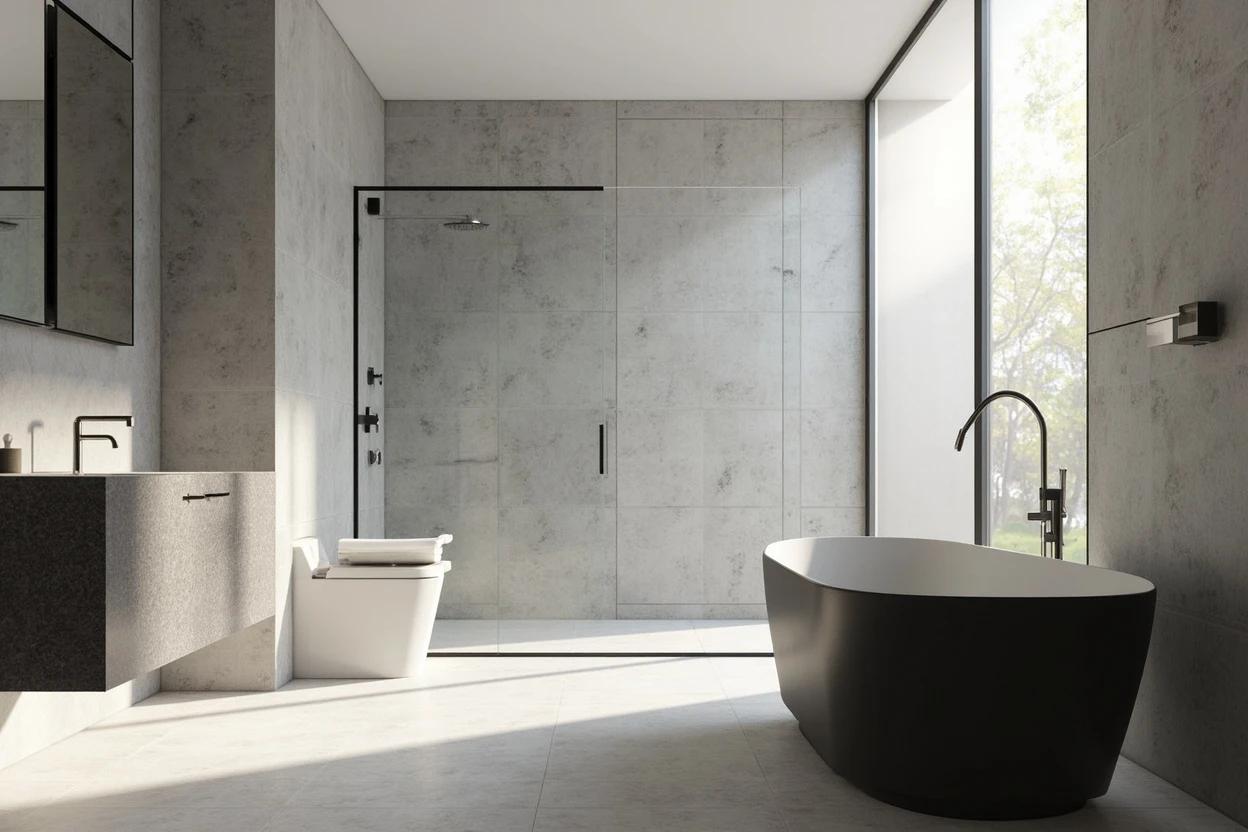
Waterproofing Materials Market to Hit $50.52B by 2033: The Bathroom Fixtures Revolution
Read More