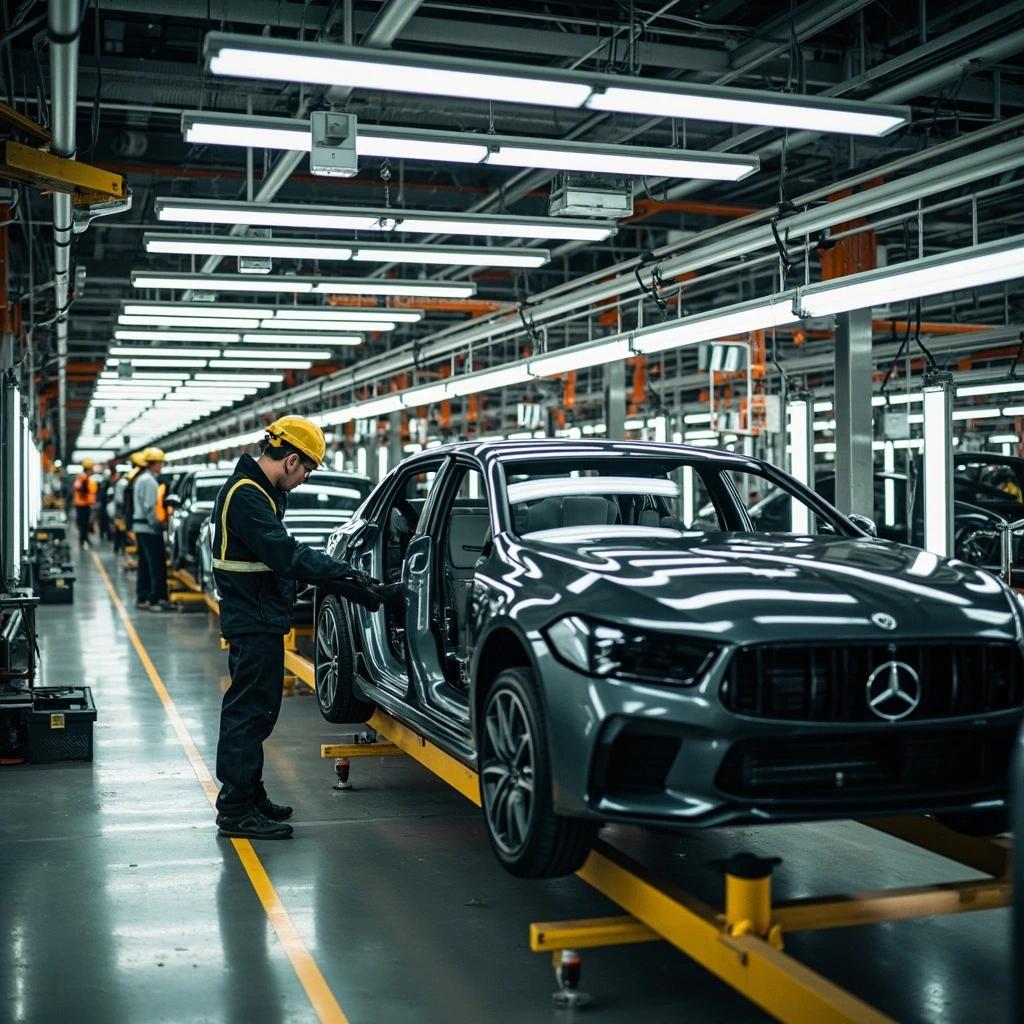
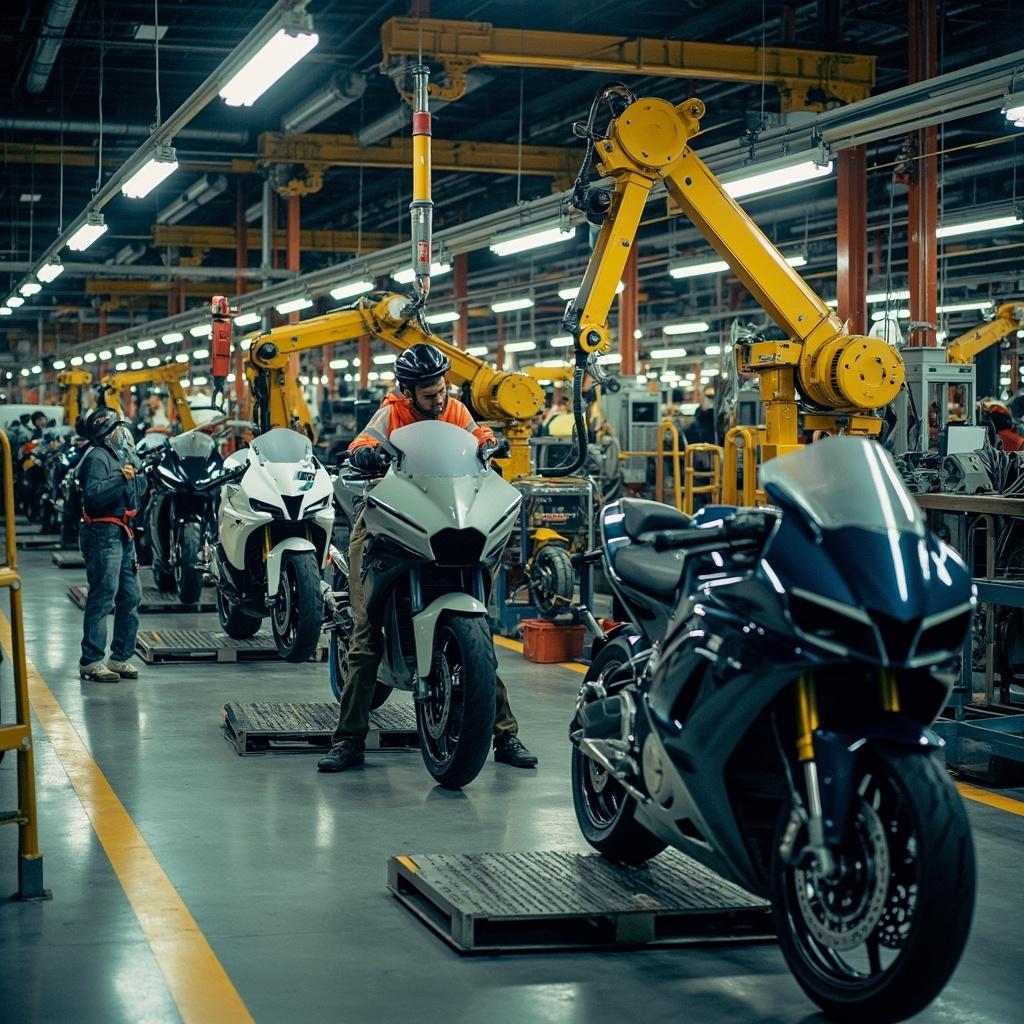
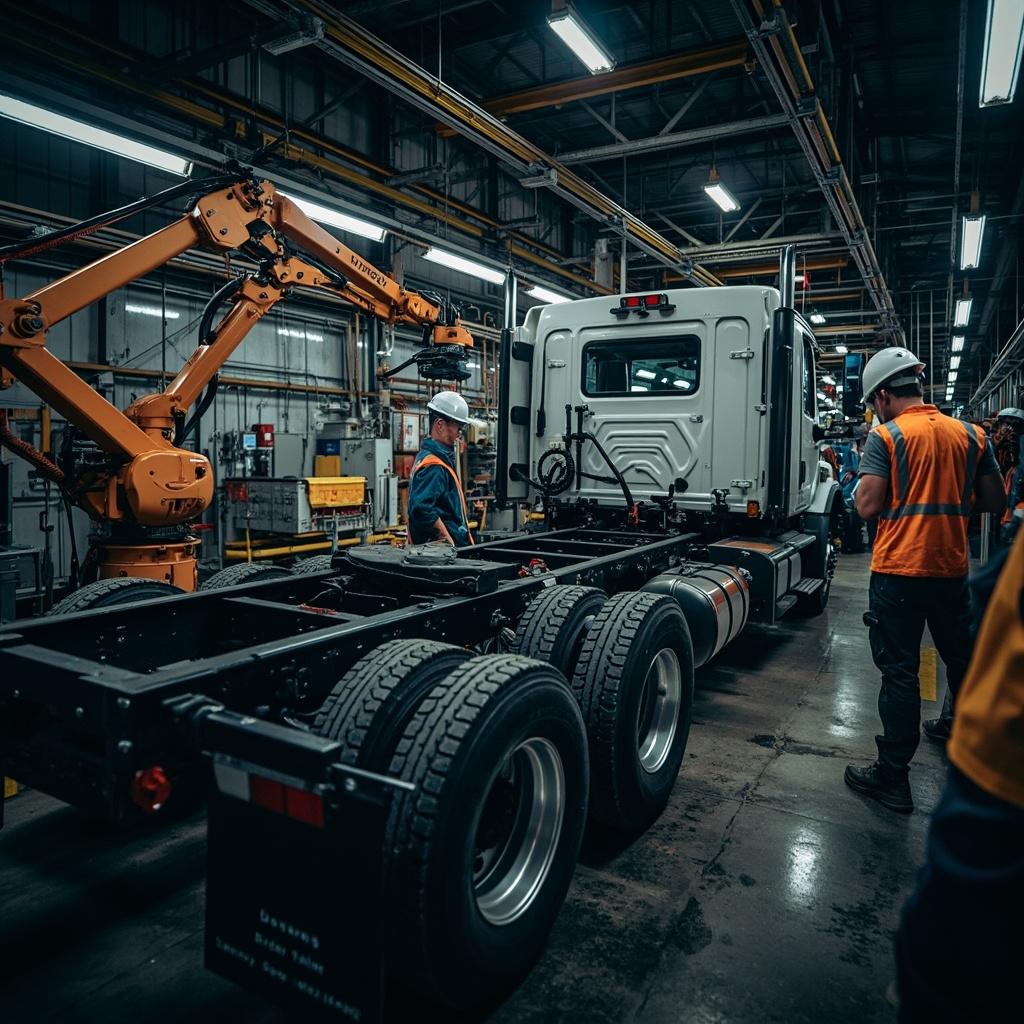
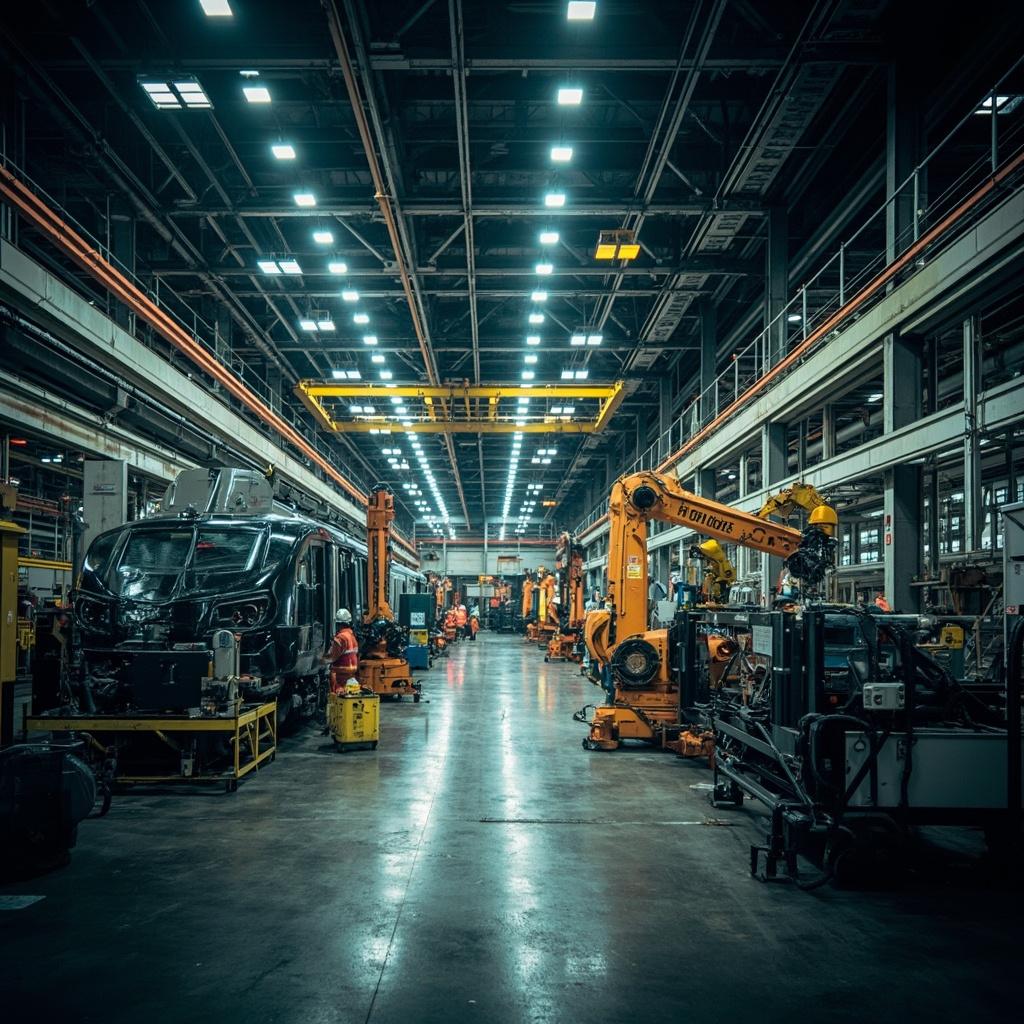
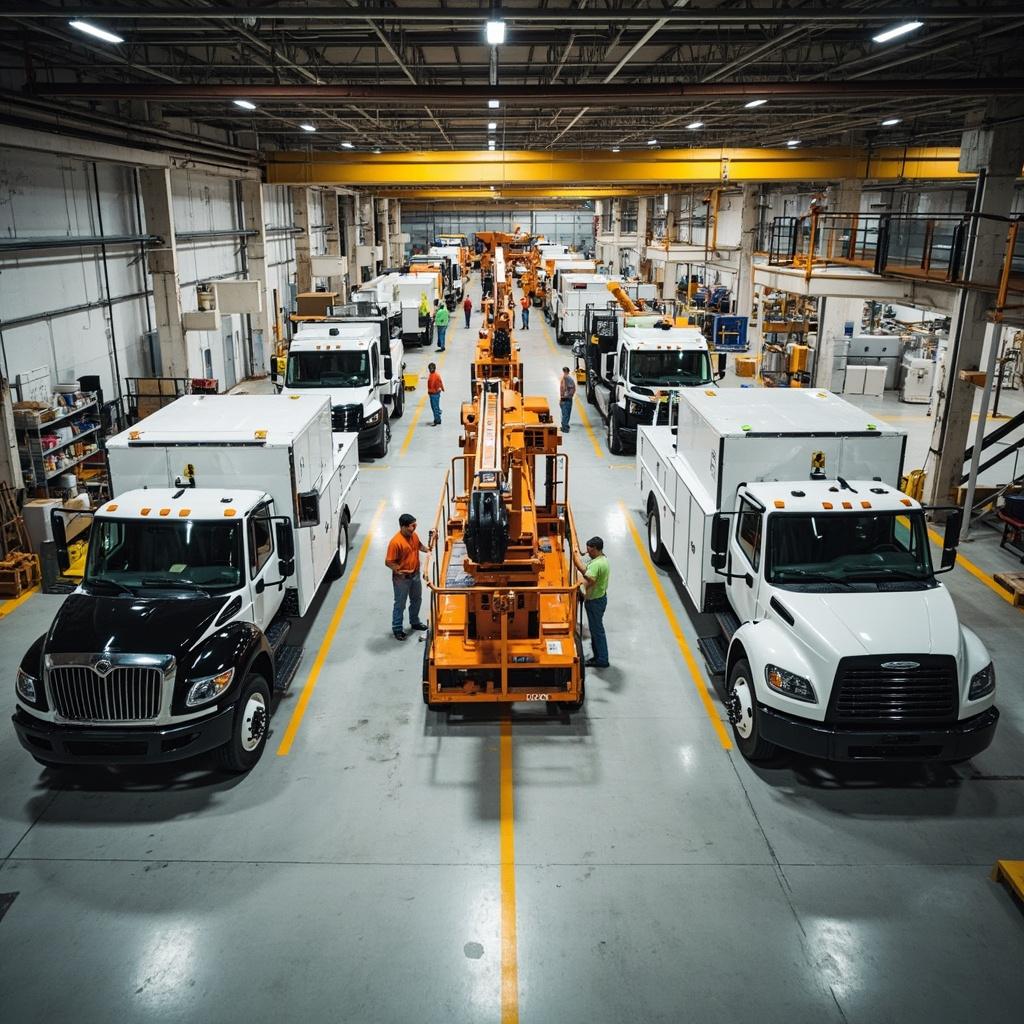
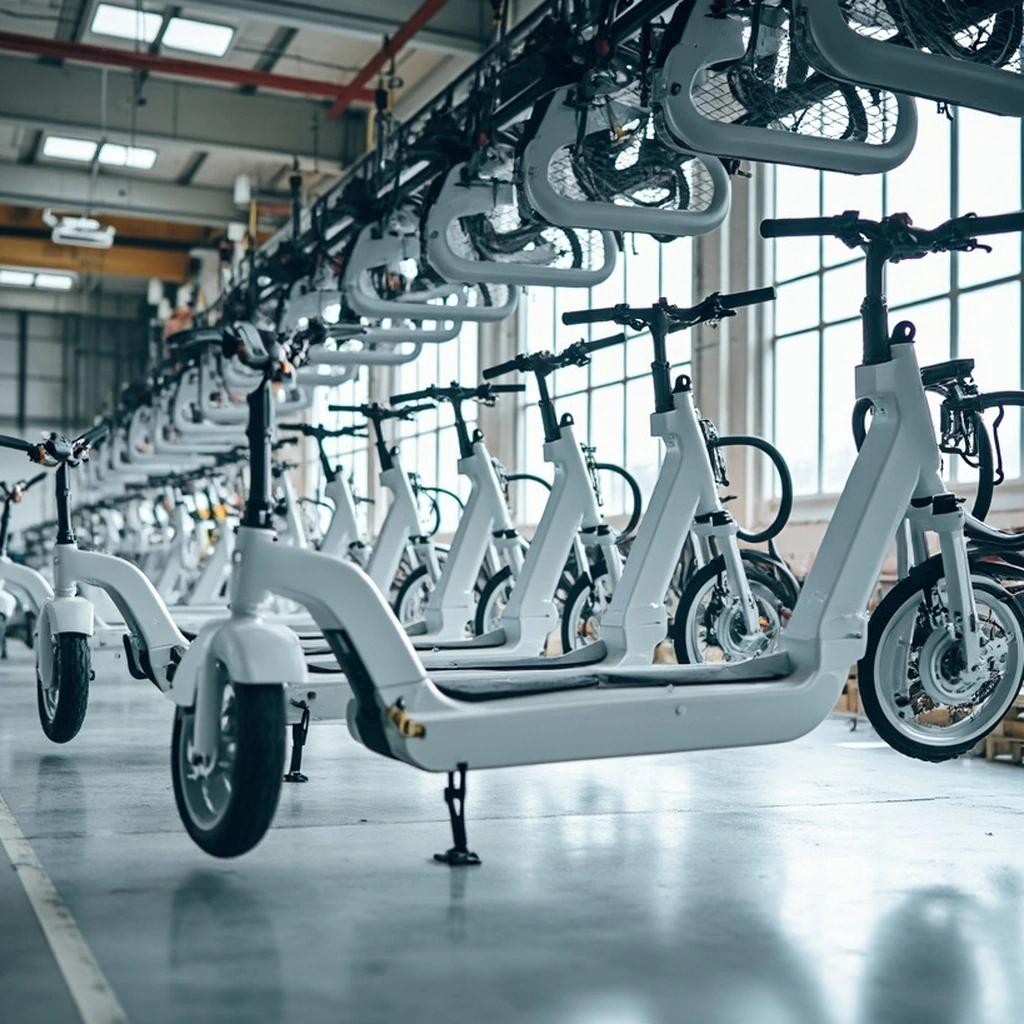
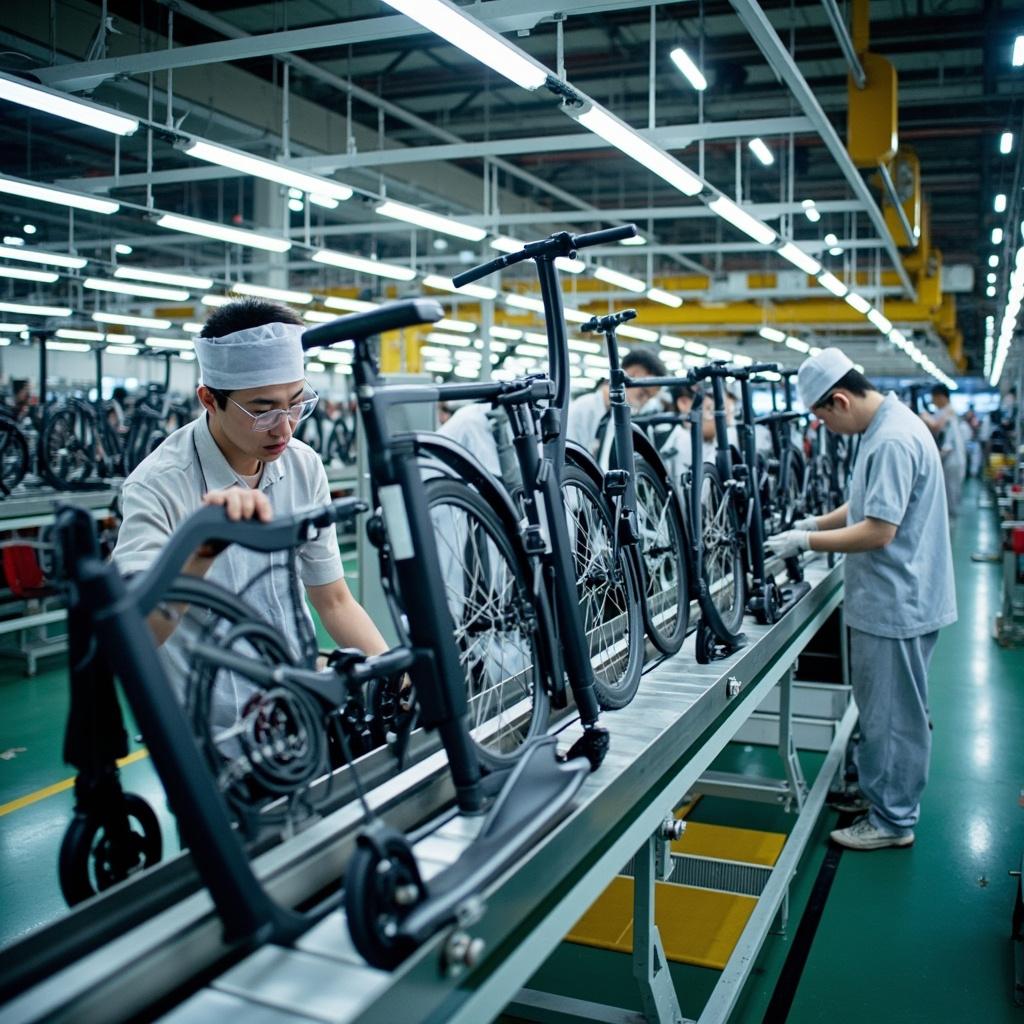
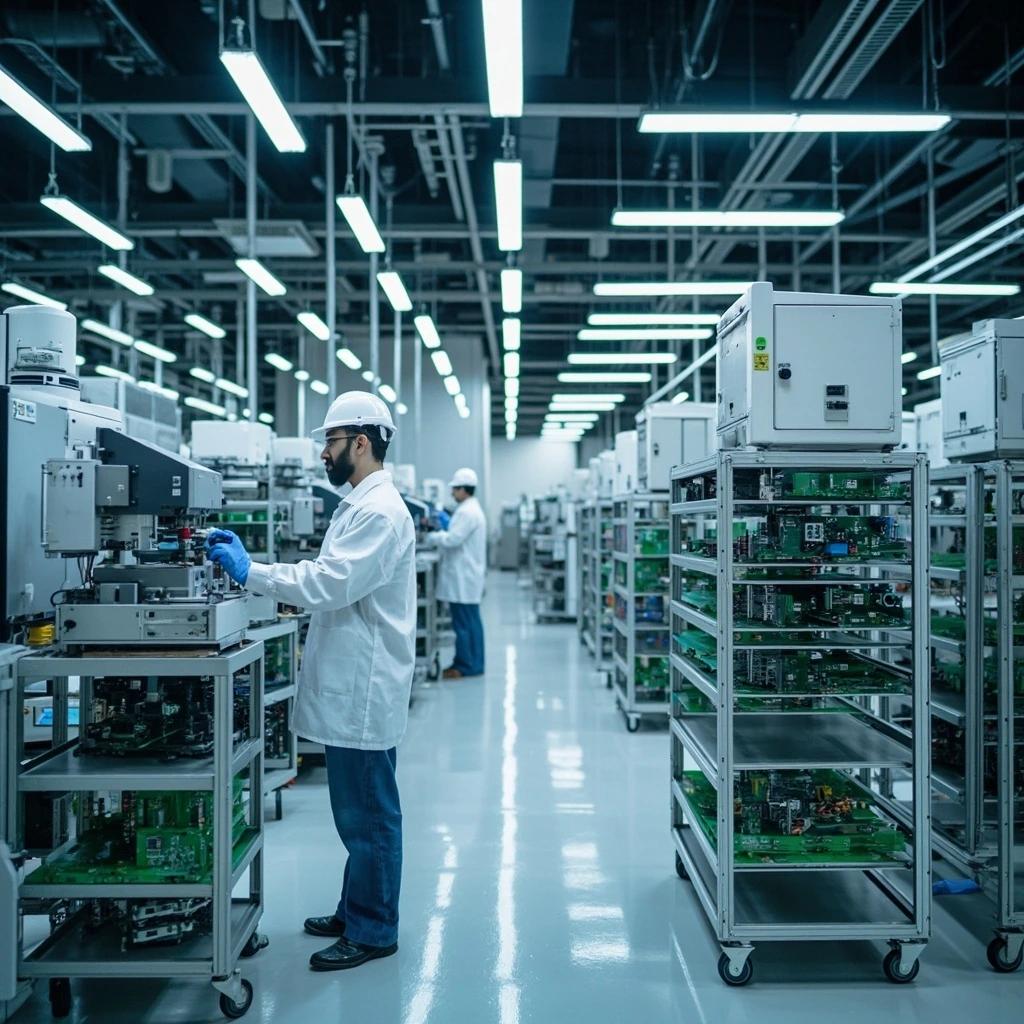
Heavy-asset self-production is the admission ticket to this ranking. Every manufacturer on the list owns its factories, controls core component production, and passes a strict "no-outsourcing" test: pure brand-licensing shells, fabless assemblers, and logistics operators such as FedEx or Uber are excluded entirely.
Scale of production carries 40% of the score. Toyota operates 67 vehicle and powertrain plants and produced a record 11.22 million vehicles in 2025. BYD's super-factories in Shenzhen, Xi'an, and Changsha produced 4.6 million NEVs plus 155.7 GWh of batteries. CSSC's seven shipyards captured roughly one-third of global alternative-fuel ship orders. Plant count, output, and heavy-asset investment define this dimension.
Category coverage adds 25%. The most valuable manufacturers span multiple transportation domains: Honda builds cars, motorcycles, aircraft, and marine engines; Hyundai covers cars, commercial vehicles, autonomous driving, and robotics; CRRC spans high-speed trains, metro systems, and wind power equipment.
Revenue and profitability contribute 25%, and brand standing 10%. A manufacturer can rank high on output yet lose points on profitability — BYD's net profit fell 19% in 2025 amid China's price war — while Boeing's 83/100 brand score reflects the reputational damage of its quality crises despite $89.5 billion in revenue. The composite reveals which manufacturers combine scale with sustainable value creation.
BYD and Toyota represent the two most advanced models of vertical integration in transportation manufacturing, followed closely by China's CSSC and CRRC.
BYD is the extreme case. Through its FinDreams (Fudi) subsidiary structure, the company controls everything from lithium mining and blade battery production to IGBT/SiC power semiconductors, electric motors, vehicle electronics, and final assembly — nearly 100% of the NEV value chain. This integration allowed BYD to maintain production schedules during 2025's supply disruptions and to undercut rivals on cost.
Toyota's model is supplier-network integration. Rather than owning every component factory directly, Toyota holds controlling or significant stakes in Denso, Aisin, and Toyota Industries, creating a captive supply chain that delivers just-in-time reliability across 67 plants. Its 48 trillion yen FY2025 revenue proves the model's resilience.
China's heavy industry takes integration to national scale. CSSC owns shipyards, marine diesel engine plants, and special steel forming capacity, building LNG carriers and 24,000 TEU container ships entirely in-house. CRRC controls the full rail value chain from bogies and traction systems to signaling.
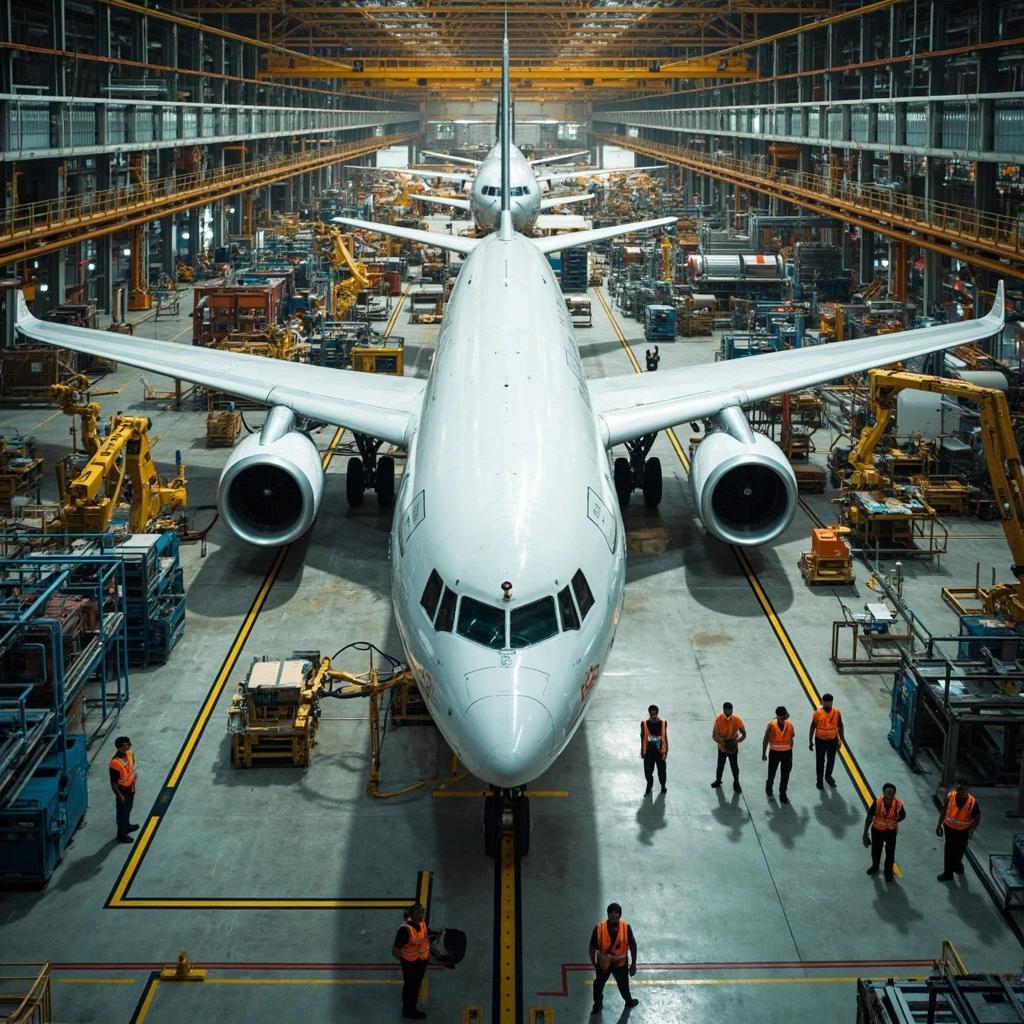
Even Boeing is now reversing outsourcing. Its re-acquisition of Spirit AeroSystems brings fuselage manufacturing back under direct control — a strategic admission that over-outsourcing was the root cause of its quality failures. Vertical integration has become the industry's defining competitive advantage.
Five trends are reshaping global transportation equipment manufacturing in 2026: capacity globalization, the hybrid renaissance, software-defined vehicles, green shipbuilding, and AI-enabled factories.
Capacity is globalizing at unprecedented speed. Chinese manufacturers are building plants in Hungary, Brazil, Thailand, and Indonesia to bypass tariffs and shorten supply lines. BYD's European headquarters and local assembly in Hungary, plus new plants in Brazil and Thailand, exemplify this "glocalization" — regional production networks replacing single-country export models.
Hybrids are experiencing a demand renaissance. Toyota's electrified sales topped 5 million units with hybrids at 60%, and Hyundai's hybrid and Genesis sales exceeded 21% of its US volume. Pure-EV growth slowed in Western markets while PHEV and HEV demand surprised upward — rewarding manufacturers with multi-path powertrain portfolios.
Vehicles are becoming software-defined. Tesla's FSD and Cybercab robotaxi rollout, Volkswagen's CARIAD (revenue up 33.8% to EUR 1.8 billion), and Hyundai's Motional autonomous venture show hardware increasingly subordinate to AI software.
Green shipbuilding is creating a new order cycle. CSSC captured about one-third of global alternative-fuel ship orders, and its 652-ship backlog includes LNG, methanol, and ammonia-ready vessels. In rail, CRRC's new Xuankun hybrid and battery freight locomotives target low-carbon corridors.
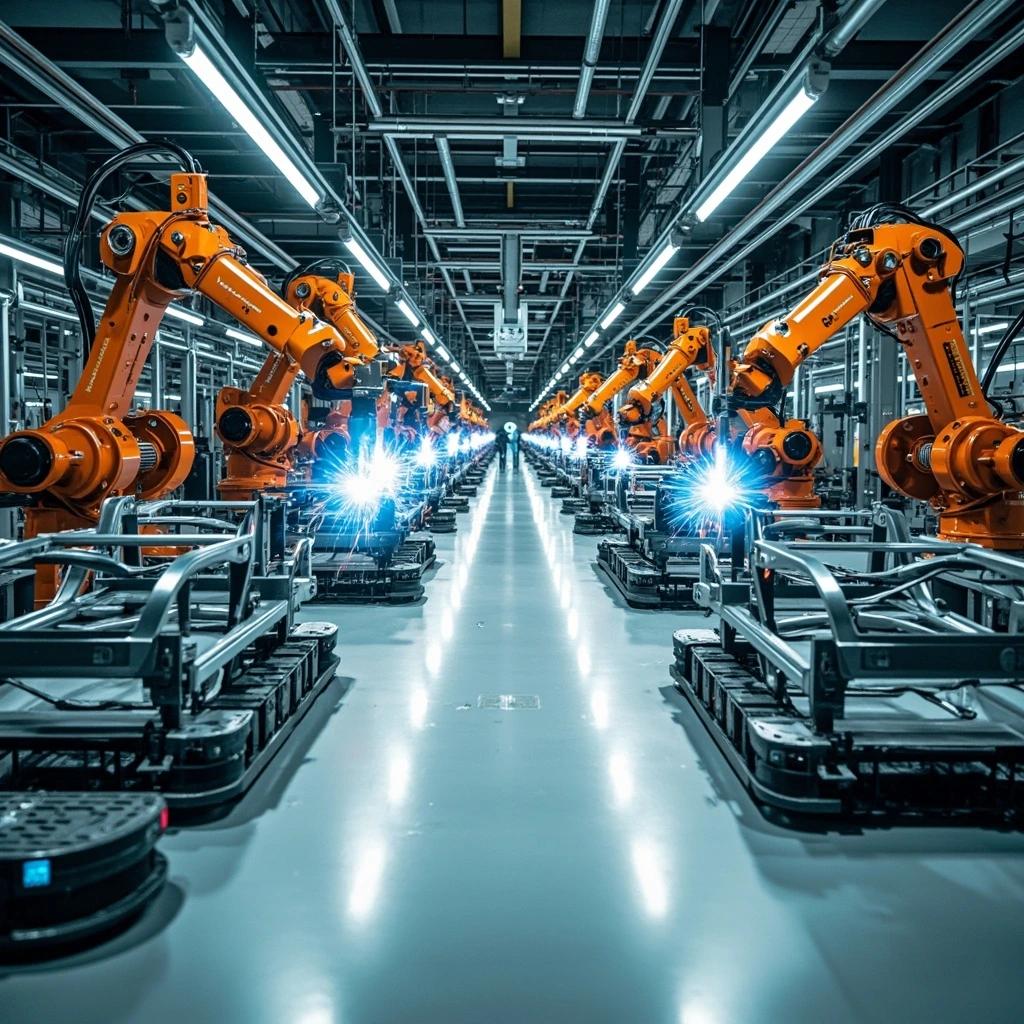
Factories themselves are transforming. Tesla's Gigafactories and BYD's super-plants deploy extreme automation — "dark factories" — while traditional automakers retrofit existing lines for flexible multi-energy production.
China's CSSC and CRRC compete in domains where Western manufacturers have few equivalents, but their models differ fundamentally from the auto industry's.
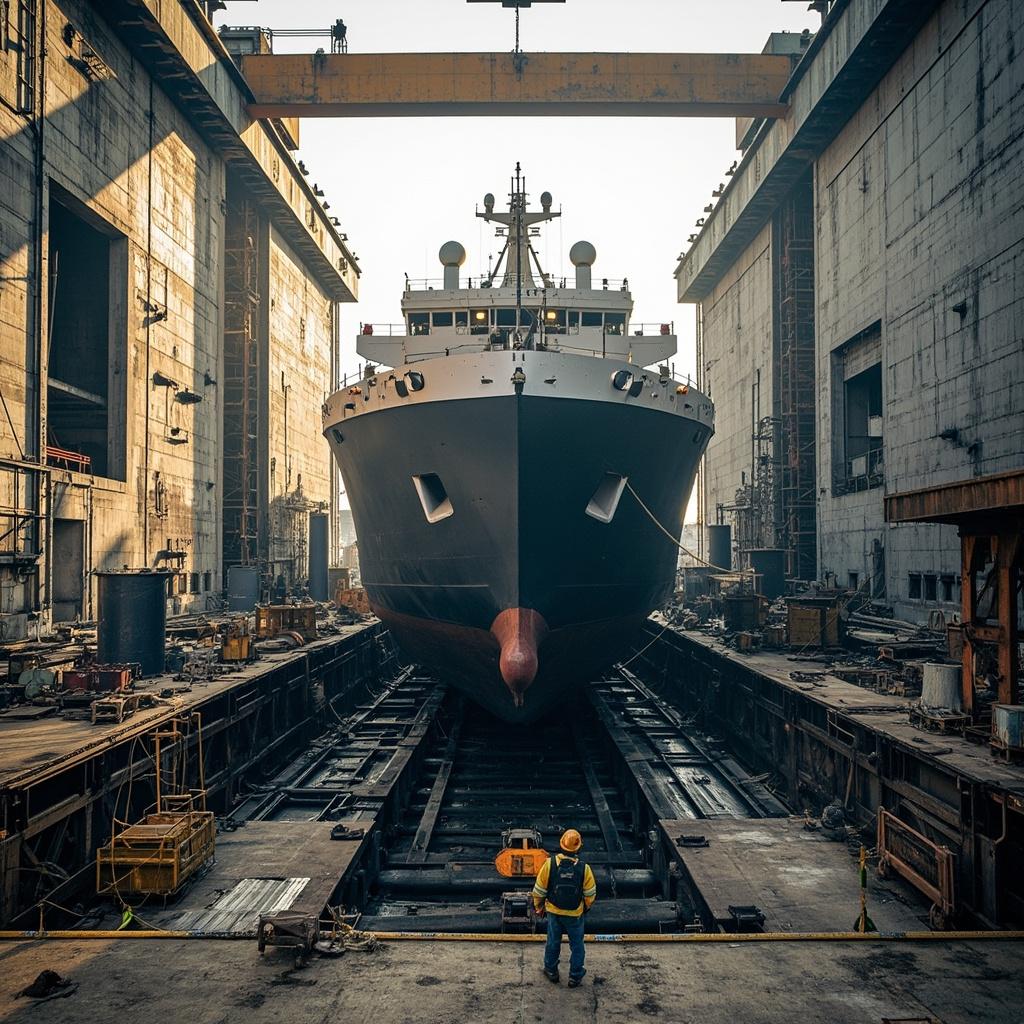
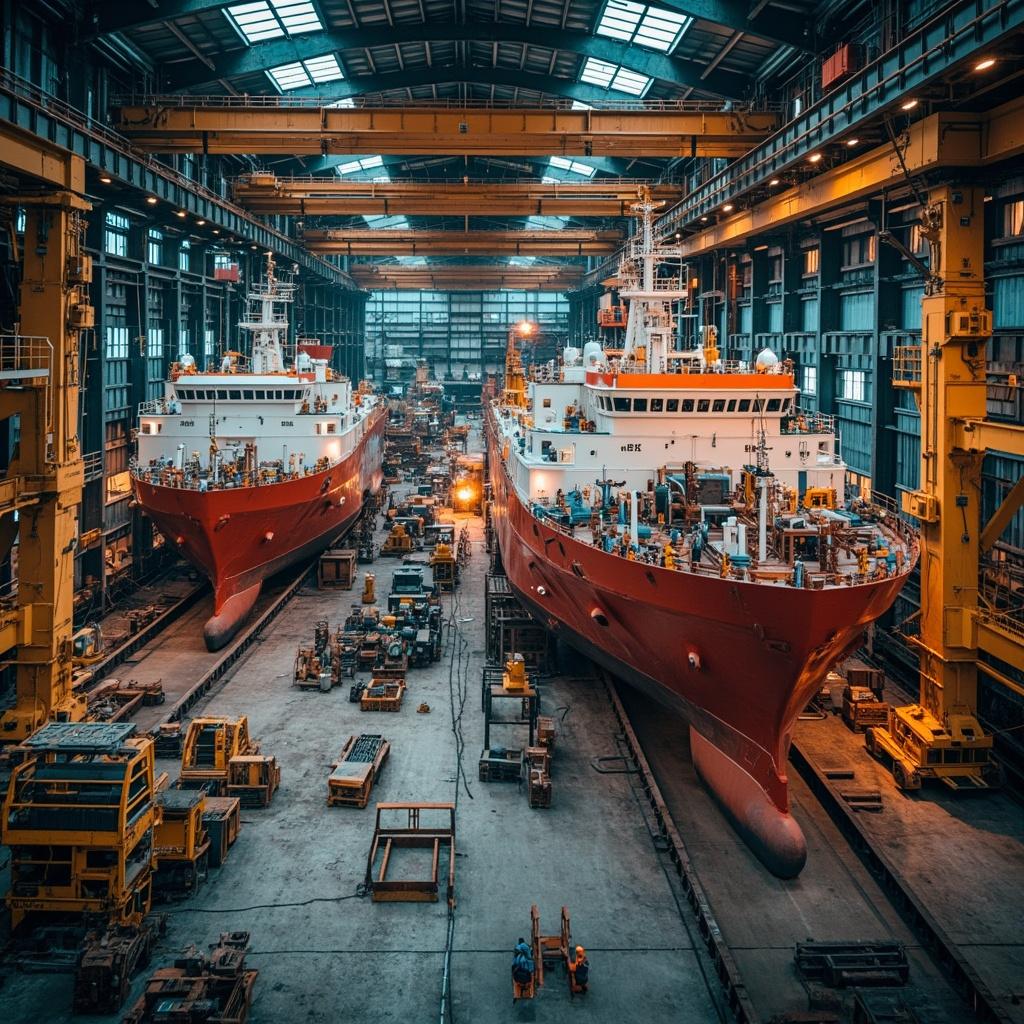
CSSC dominates global shipbuilding. The 2025 merger of CSSC and CSIC created a group controlling seven major shipyards and 15 supporting enterprises. In 2025 it secured roughly one-third of global alternative-fuel newbuild orders, held a 652-ship backlog (80 million DWT, worth over CNY 467 billion), and saw net profit surge 86%. Its counterparts — South Korea's HD Hyundai, Samsung Heavy, and Hanwha Ocean — remain strong in LNG carriers but ceded the volume crown.
CRRC is the world's rail monopoly by scale. With first-half 2025 revenue of CNY 119.8 billion, CRRC ships high-speed trains, metros, and locomotives to more than 110 countries. Western rivals such as Alstom and Siemens Mobility lead in premium European markets but operate at a fraction of CRRC's volume. CRRC's 350-400 km/h Fuxing trains and its new hybrid freight locomotives extend its lead.
The structural difference is ownership and capital. CSSC and CRRC are state-backed industrial champions with access to policy finance, domestic procurement, and national infrastructure programs — enabling capacity investments Western public companies cannot match. Their challenge is the mirror image: trade barriers, anti-subsidy investigations, and "national security" reviews limit access to US and EU markets.
The comparison matters because scale compounds. Both Chinese groups use their domestic monopolies to fund international expansion, and both are moving up the value chain into green propulsion and software — the same trajectory Japanese and Korean shipbuilders and rail makers followed decades ago.
This ranking is updated annually with a mid-cycle review, using the latest full-year financial results, production statistics, and industry databases available as of 2025-2026.
The data foundation includes four source types. First, audited financial statements: Toyota's FY2026 results, Volkswagen's annual report 2025, Boeing's 10-K, and Airbus's FY2025 press release. Second, production statistics from OICA and company disclosures — covering vehicle output, deliveries, and capacity. Third, industry databases such as CompaniesMarketCap for revenue cross-checks. Fourth, news and regulatory filings capturing major events like mergers (CSSC-CSIC), recalls, and restructuring announcements.
The mid-cycle review catches fast-moving changes. For example, Hyundai's record US market share and BYD's Q3 2025 profit decline were incorporated within the same reporting period, while Boeing's Spirit AeroSystems acquisition and Volkswagen's 100,000-job cut plan were reflected as soon as announced.
All data is publicly verifiable. Every score can be traced to its source: revenue figures to annual reports, production numbers to OICA or company releases, brand values to Interbrand and Kantar BrandZ. This transparency is what separates VerityRank's methodology from marketing-driven "best of" lists.
Readers should expect the next full refresh in 2026 once FY2025 annual reports from Chinese state groups and the full 2026 delivery year data become available.