VerityRank

Brand Rankings in the Agricultural Products Industry

HomeFood & BeverageBrand Rankings in the Agricultural Products Industry

Welcome to the “Brand Rankings in the Agricultural Products Industry” presented by Verity Rank. This list focuses on commercial brands in the consumer end market, providing a systematic evaluation and ranking of global top brands such as Cargill, Tyson Foods, and Dole. The assessment is based on key dimensions including global revenue scale, international brand popularity, market influence, and supply chain leadership. We aim to cut through the industry noise and reveal the brands that truly define quality and reliability across the farm-to-fork continuum. Our rankings integrate data from third-party authoritative sources, including global industry research reports, financial disclosures from reputable institutions, and AI-driven market sentiment analysis, ensuring objectivity and reference value.

Top 10 Rankings

2026.05 Edition
1
Cargill, Incorporated

Cargill, Incorporated

Cargill Incorporated is the world's largest food and agriculture company, headquartered in Minneapolis, Minnesota, USA. As the biggest privately-held corporation globally, it operates in 70 countries, comprehensively covering the entire food value chain from farming and processing to trade and distribution. With estimated FY2023 revenue of $177 billion, it holds global leadership in grain trading, food ingredients, and meat processing, maintaining an unparalleled global supply chain network.

Strengths: Established complete food and agriculture value chain from farm to table with full industrial integration. Possesses world's largest agricultural trading scale and food processing capacity. Maintains comprehensive global supply chain network across 70 countries. Demonstrates outstanding advantages in risk management and commodity trading.

Weaknesses: Faces operational risks from volatile commodity price fluctuations. Agricultural production significantly impacted by climate change. Geopolitical factors pose challenges to global operations. Private company structure limits financial transparency while sustainability pressures continuously increase.

Brand

​​Cargill​

Founded

1865

Workforce

160K+

Presence

200+ Processing Plants

Headquarters

United States

Market

Unlisted ( Privately Held Company )

Key Product Categories
Food & Beverage BrandsFrozen Prepared Foods CompaniesCertified Organic & Health Foods CompaniesSpecialty Foods CompaniesFood & Beverage ManufacturersFrozen Prepared Foods ManufacturersCertified Organic & Health Foods SuppliersSpecialty Foods SupplierFood & Beverage BrandsFrozen Prepared Foods CompaniesCertified Organic & Health Foods CompaniesSpecialty Foods CompaniesFood & Beverage ManufacturersFrozen Prepared Foods ManufacturersCertified Organic & Health Foods SuppliersSpecialty Foods Supplier
2
Archer Daniels Midland Company ( ADM )

Archer Daniels Midland Company ( ADM )

Archer Daniels Midland Company (ADM) is a globally leading agricultural processor and food ingredient supplier headquartered in Chicago, USA. As one of the “ABCD” major agricultural commodity traders, its core lies in transforming bulk commodities like soybeans and corn into ingredients for food, feed, beverages, and industrial products. With FY2024 revenue of $93.9 billion and a vast network of approximately 500 processing plants across about 60 countries, ADM is not only a commodity processing giant but also an innovator successfully pivoting toward high-value-added human and animal nutrition solutions through strategic acquisitions.

Strengths: ADM's core strengths are the powerful scale and synergies derived from its extensive, efficient global network of agricultural processing and logistics assets in key producing and consuming regions, and its successful pivot toward high-margin, high-growth human and animal nutrition businesses through forward-thinking acquisitions, creating diversified profit growth engines.

Weaknesses: The company's main weaknesses are the significant exposure of its core commodity processing earnings to cyclical fluctuations in global agricultural prices and processing margin squeezes; the management and cultural integration challenges arising from its rapid expansion and acquisition-led growth in nutrition (e.g., the purchase of WILD Flavors); and intense competition in both traditional processing and emerging nutrition sectors from rivals like Cargill and DSM.

Brand

Archer Daniels Midland

Founded

1902

Workforce

44K+

Presence

200+ Countries

Facilities

500+ Production Base

Headquarters

United States

Market

NYSE:ADM

Key Product Categories
Agricultural Products BrandsGrains Industry​Staple Grains IndustryCoarse Grains IndustryWheat IndustryCorn IndustryAgricultural Products SuppliersGrains Industry​Staple Grains IndustryCoarse Grains IndustryAgricultural Products BrandsGrains Industry​Staple Grains IndustryCoarse Grains IndustryWheat IndustryCorn IndustryAgricultural Products SuppliersGrains Industry​Staple Grains IndustryCoarse Grains Industry
3
Bunge Limited

Bunge Limited

Bunge Limited is a globally leading agribusiness and food company with operational headquarters in St. Louis, Missouri, USA. Operating in 40+ countries, it specializes in three core areas: oilseed processing, grain trading, and food ingredients, maintaining a partial supply chain from farm to consumer. With 2023 revenue of $57.2 billion, its expertise in global agricultural supply chains and risk management establishes it as an important player in global agricultural processing.

Strengths: Established comprehensive global agricultural supply chain network with 300+ processing facilities across 40+ countries. Maintains core competitive advantages in oilseed processing and grain trading with outstanding risk management capabilities. Continuously invests in sustainable development with growth potential in specialty oils and plant-based proteins.

Weaknesses: Business relatively concentrated in primary agricultural processing with room for product value-added improvement. Significantly impacted by commodity price fluctuations creating profitability instability. Faces increasingly intense industry competition and geopolitical risks. Brand recognition remains relatively limited compared to diversified food companies.

Brand

Bunge

Founded

1818

Workforce

23K+

Presence

40+ Countries

Facilities

300+

Headquarters

United States

Market

NYSE:BG

Key Product Categories
Agricultural Products BrandsGrains Industry​Staple Grains IndustryCoarse Grains IndustryWheat IndustryBarley IndustryAgricultural Products SuppliersGrains Industry​Staple Grains IndustryCoarse Grains IndustryAgricultural Products BrandsGrains Industry​Staple Grains IndustryCoarse Grains IndustryWheat IndustryBarley IndustryAgricultural Products SuppliersGrains Industry​Staple Grains IndustryCoarse Grains Industry
4
JBS S.A.

JBS S.A.

JBS S.A. is the world's largest meat processing company headquartered in São Paulo, Brazil. Through aggressive global acquisitions and vertical integration, it has established an unparalleled scale advantage in the slaughtering, processing, and branded sales of beef, poultry, and pork. With FY2024 revenue of $72.4 billion, its operations span over 190 countries with more than 500 production units, positioning it as a central hub in the global protein supply chain. The company is currently planning to spin off and list its U.S. and international branded food business (JBS Foods) to focus on and unlock the potential of its downstream, higher-value-added operations.

Strengths: JBS's core strengths are the immense scale and cost advantages derived from its global acquisition-driven leadership across multiple protein categories (beef, poultry, pork), and the strong supply control and operational efficiency afforded by its vertically integrated chain from feed and farming to processing and branded sales.

Weaknesses: The company's primary weakness is the severe Environmental, Social, and Governance (ESG) challenges it faces, particularly the ongoing major risks to its brand reputation and customer relationships from allegations linking its supply chain to Amazon deforestation. Additionally, its parent brand has low recognition in consumer markets, and its core business profitability is vulnerable to fluctuations in feed and livestock prices.

Brand

JBS

Founded

1953

Workforce

270K+

Presence

190+ Countries

Facilities

500+ Processing Plant

Headquarters

Brazil

Market

B3: JBSS3
Key Product Categories
Agricultural Products BrandsBeef Products IndustryPork Products IndustryPoultry Products IndustryLamb & Mutton IndustryPre-marinated Meats IndustryAgricultural Products SuppliersBeef Products IndustryPork Products IndustryPoultry Products IndustryAgricultural Products BrandsBeef Products IndustryPork Products IndustryPoultry Products IndustryLamb & Mutton IndustryPre-marinated Meats IndustryAgricultural Products SuppliersBeef Products IndustryPork Products IndustryPoultry Products Industry
5
Tyson Foods Inc.

Tyson Foods Inc.

Tyson Foods, Inc., headquartered in Springdale, Arkansas, is America's largest meat processing corporation. This vertically integrated leader operates across four core segments: beef, pork, chicken, and prepared foods, processing approximately 45 million chickens, 130,000 cattle, and 300,000 pigs weekly. Leveraging complete supply chain control from breeding to branded sales, Tyson dominates the U.S. meat market with FY2023 revenue of $52.8 billion and Fortune 500 ranking of #70.

Strengths: The vertically integrated business model provides comprehensive control over the entire supply chain from farming to distribution. Supported by strong brands including Tyson, Jimmy Dean, and Hillshire Farm, it maintains leading market positions across chicken, beef, and pork segments in the U.S.

Weaknesses: Significant exposure to raw material cost volatility, particularly in feed and livestock prices. International expansion remains limited while facing profitability pressures, labor market challenges, and shifting consumer preferences toward alternative proteins.

Brand

​​Tyson Foods​

Founded

1835

Workforce

138K+

Presence

100+ Countries

Facilities

200+

Headquarters

United States

Market

NYSE:TSN

Key Product Categories
Agricultural Products BrandsBeef Products IndustryPork Products IndustryPoultry Products IndustryPre-marinated Meats IndustryFrozen Semi-finished IndustryAgricultural Products SuppliersBeef Products IndustryPork Products IndustryPoultry Products IndustryAgricultural Products BrandsBeef Products IndustryPork Products IndustryPoultry Products IndustryPre-marinated Meats IndustryFrozen Semi-finished IndustryAgricultural Products SuppliersBeef Products IndustryPork Products IndustryPoultry Products Industry
6
Wilmar International Limited

Wilmar International Limited

Wilmar International Limited is a globally leading agribusiness group headquartered in Singapore, renowned for its unique integrated "plantation-to-brand" business model. Its operations are deeply vertically integrated, spanning the cultivation, crushing, and refining of oilseeds (particularly palm oil) and sugar crops, through to the production and sales of branded consumer products (such as “Jinlongyu” cooking oil, rice, and flour in China). With FY2024 revenue of $57.3 billion, Wilmar has established itself as a critical bridge connecting global tropical agricultural resources with Asia's vast consumer markets, leveraging its scale as one of the world's largest palm oil producers and its powerful brand and channel dominance in China and broader Asia.

Strengths: Wilmar's core strengths are the powerful cost synergies and risk resilience afforded by its unparalleled, highly vertically integrated business model covering the entire agricultural value chain, and its dual market dominance in key Asian consumer markets like China, combining strong B2B raw material supply with leading C2C brand presence.

Weaknesses: The company's main weaknesses are the significant Environmental, Social, and Governance (ESG) pressure on its core operations like palm oil, with ongoing risks to its reputation and customer relationships from deforestation-linked allegations; high dependence on Asian (notably Chinese) markets, representing substantial geographical concentration risk; and the vulnerability of its upstream plantation and processing earnings to cyclical fluctuations in international agricultural commodity prices.

Brand

Wilmar

Founded

1991

Workforce

90K+

Presence

50+ Countries

Facilities

500+

Headquarters

Singapore

Market

SGX:F34

Key Product Categories
Agricultural Products BrandsGrains Industry​Staple Grains IndustryCoarse Grains IndustryWheat IndustryRice IndustryAgricultural Products SuppliersGrains Industry​Staple Grains IndustryCoarse Grains IndustryAgricultural Products BrandsGrains Industry​Staple Grains IndustryCoarse Grains IndustryWheat IndustryRice IndustryAgricultural Products SuppliersGrains Industry​Staple Grains IndustryCoarse Grains Industry
7
Charoen Pokphand Group Co., Ltd.

Charoen Pokphand Group Co., Ltd.

Charoen Pokphand Group Co., Ltd. (CP Group) is a multinational conglomerate headquartered in Bangkok, Thailand, globally renowned for its deeply vertically integrated “farm-to-fork” business model centered on agri-foods. Operating through listed subsidiaries like Charoen Pokphand Foods PLC, its portfolio spans feed production, livestock and aquaculture farming, breeding stock, food processing, and retail (e.g., 7-Eleven franchise), creating powerful industrial synergies. With an estimated total revenue of approximately $70 billion, CP Group has established deep-rooted influence and brand strength in key Asian markets (notably Thailand and China), positioning it as a global leader in poultry, shrimp, and animal feed.

Strengths: CP Group's core strengths are the immense cost synergies, operational efficiency, and food safety control derived from its unparalleled vertical integration across the entire value chain from feed and farming to processing and retail; and the powerful brand equity, distribution networks, and deep understanding of local consumer preferences built through decades of presence in key Asian markets.

Weaknesses: The group's main weaknesses are the inherent high complexity and operational challenges of managing its vast, vertically integrated empire across multiple countries and industries; the persistent biosafety threats from major animal diseases (e.g., African Swine Fever, avian influenza) to its core farming operations; ongoing cost pressure from volatility in key feed ingredient prices (e.g., corn, soybean meal); and vulnerability to geopolitical and policy shifts due to its extensive global footprint.

Brand

CP Group

Founded

1921

Workforce

450K+

Presence

20+ Countries

Facilities

100+

Headquarters

Thailand

Market

Unlisted ( Subsidiary Listed )

Key Product Categories
Agricultural Products BrandsGrains Industry​Staple Grains IndustryIndustrial Crop Feedstocks Industry​Oilseeds IndustryLivestock & Poultry Farming Industry​Agricultural Products SuppliersGrains Industry​Staple Grains IndustryIndustrial Crop Feedstocks Industry​Agricultural Products BrandsGrains Industry​Staple Grains IndustryIndustrial Crop Feedstocks Industry​Oilseeds IndustryLivestock & Poultry Farming Industry​Agricultural Products SuppliersGrains Industry​Staple Grains IndustryIndustrial Crop Feedstocks Industry​
8
Nutrien Ltd.

Nutrien Ltd.

Nutrien Ltd. is the world's largest crop nutrient and agricultural retail company, founded in 2018 through the merger of PotashCorp and Agrium (with origins tracing to 1859). Headquartered in Saskatoon, Canada, Nutrien operates 1,900+ retail locations across North America, South America, and Australia with 25,000 employees and US$26.885 billion in 2025 revenue.

Strengths:

Unmatched scale and vertical integration in crop nutrition: With over 25 million tonnes of annual phosphate, potash, and nitrogen production capacity and 1,900+ retail outlets under the Nutrien Ag Solutions brand, Nutrien commands the most comprehensive mine-to-farm supply chain in global agriculture.

Strong 2025 financial rebound with robust free cash flow: Revenue reached US$26.885 billion, adjusted EBITDA surged to US$6.046 billion, net profit hit US$2.297 billion, and free cash flow reached US$1.979 billion—fueled by stabilizing fertilizer prices, record upstream volumes, and retail EBITDA growth to US$1.74 billion.

Strategic portfolio optimization and asset monetization: The US$600 million sale of Profertil S.A. (50% stake) and other divestitures generated approximately US$900 million in cash proceeds, improving capital efficiency and reducing leverage ratios.

Weaknesses:

Commodity price cycle exposure: As the world's largest fertilizer producer, Nutrien's earnings remain structurally correlated to global crop commodity prices and fertilizer market cycles, creating inherent earnings volatility during agricultural downturns.

International retail currency headwinds: A strengthening US dollar and macroeconomic uncertainty pressured international retail segment earnings, partially offsetting the strong North American operational performance in 2025.

Brand

Nutrien

Founded

2018 (roots tracing to 1859)

Workforce

25,000

Presence

Operations in North America, South America, and Australia; 1,900+ retail locations

Facilities

25 midstream distribution assets; world-class potash/nitrogen mines and processing plants

Headquarters

Canada

Market

NYSE: NTR
Key Product Categories
Agricultural Products BrandsPlant Propagation Materials Industry​Seeds IndustryAnimal Feed Industry​Feed Additives IndustryCrop Nutrition ( Fertilizer ) IndustryAgricultural Products SuppliersPlant Propagation Materials Industry​Seeds IndustryAnimal Feed Industry​Agricultural Products BrandsPlant Propagation Materials Industry​Seeds IndustryAnimal Feed Industry​Feed Additives IndustryCrop Nutrition ( Fertilizer ) IndustryAgricultural Products SuppliersPlant Propagation Materials Industry​Seeds IndustryAnimal Feed Industry​
9
Dole plc

Dole plc

Dole plc is a globally leading vertically integrated producer and distributor of fresh fruits and vegetables, renowned for its iconic banana and pineapple businesses. It operates a complete supply chain from owned plantations and partner farms to global cold-chain packing, logistics, and marketing, delivering a diverse portfolio of fresh and value-added produce. With FY2024 revenue of $9.0 billion, Dole has established a unique leadership position in the competitive fresh produce market, leveraging its world-renowned “Dole” brand, strong control over key supply chain segments, and successful expansion into higher-value products like berries, avocados, and ready-to-eat salads.

Strengths: Dole's core strengths are its unparalleled consumer mindshare and brand loyalty as one of the most recognized fresh produce brands globally, and the powerful control over its vertically integrated cold-chain supply chain from farming to retail, which ensures product quality, traceability, and supply stability.

Weaknesses: The company's main weaknesses are the persistent margin pressure from inflationary costs of inputs like fertilizer, labor, and logistics; high vulnerability of its agricultural production to climate-dependent factors and extreme weather events; and intense competition on price and market share from international brands, local producers, and retailer private labels.

Brand

Dole

Founded

1851

Workforce

38K+

Presence

80+ Countries

Headquarters

Ireland

Market

NYSE:DOLE

Key Product Categories
Agricultural Products BrandsFresh Fruits Industry​Citrus Fruits IndustryOrange IndustryTangerine IndustryTropical Fruits IndustryAgricultural Products SuppliersFresh Fruits Industry​Citrus Fruits IndustryOrange IndustryAgricultural Products BrandsFresh Fruits Industry​Citrus Fruits IndustryOrange IndustryTangerine IndustryTropical Fruits IndustryAgricultural Products SuppliersFresh Fruits Industry​Citrus Fruits IndustryOrange Industry

Frequently Asked Questions

How Do We Generate Our Rankings?
At Verity Rank, our ranking methodology is built on data, not opinions. We aggregate and cross-validate information from multiple authoritative third-party sources.

1. Data Sources: National Statistical Agencies, University-Affiliated Research Institutions, AI-Driven Global Consumer Sentiment Analysis (40+ languages), Publicly Listed Company Financial Reports.

2. Four-Dimensional Scoring Model: Market Influence (25%), Brand Reputation (25%), Innovation & R&D (25%), Sustainability & Ethics (25%).

3. Our Commitment: We do not accept payment for rankings. Rankings updated quarterly.

Disclaimer: The data in this ranking is compiled from third-party authoritative sources and is intended for reference and market decision support only. It does not constitute direct investment advice or brand endorsement.
What is the Agricultural Products Industry and What Does It Include?
The agricultural products industry encompasses the cultivation, harvesting, processing, and trading of crops, livestock, and their derivatives — forming the foundation of the global food system and a significant portion of international trade. With global agricultural output exceeding $4 trillion, it is one of the oldest and most essential economic sectors.

Major Categories:
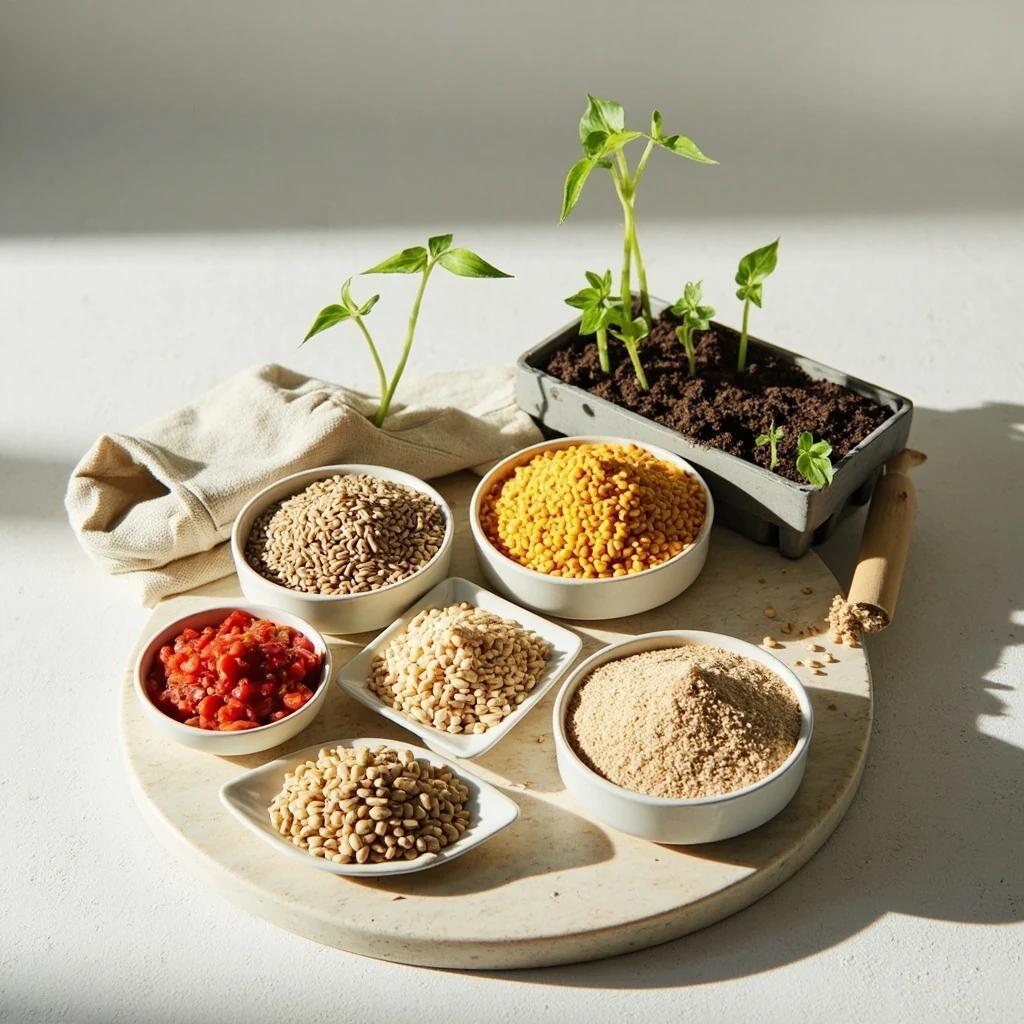
Grains & Cereals: Wheat, corn (maize), rice, barley, sorghum, oats, and millet — the world''s staple foods. Corn is the most produced grain (~1.2 billion tons annually), with the US, China, and Brazil as top producers. The "ABCD" trading companies (Archer Daniels Midland/ADM, Bunge, Cargill, Louis Dreyfus) dominate global grain trading.
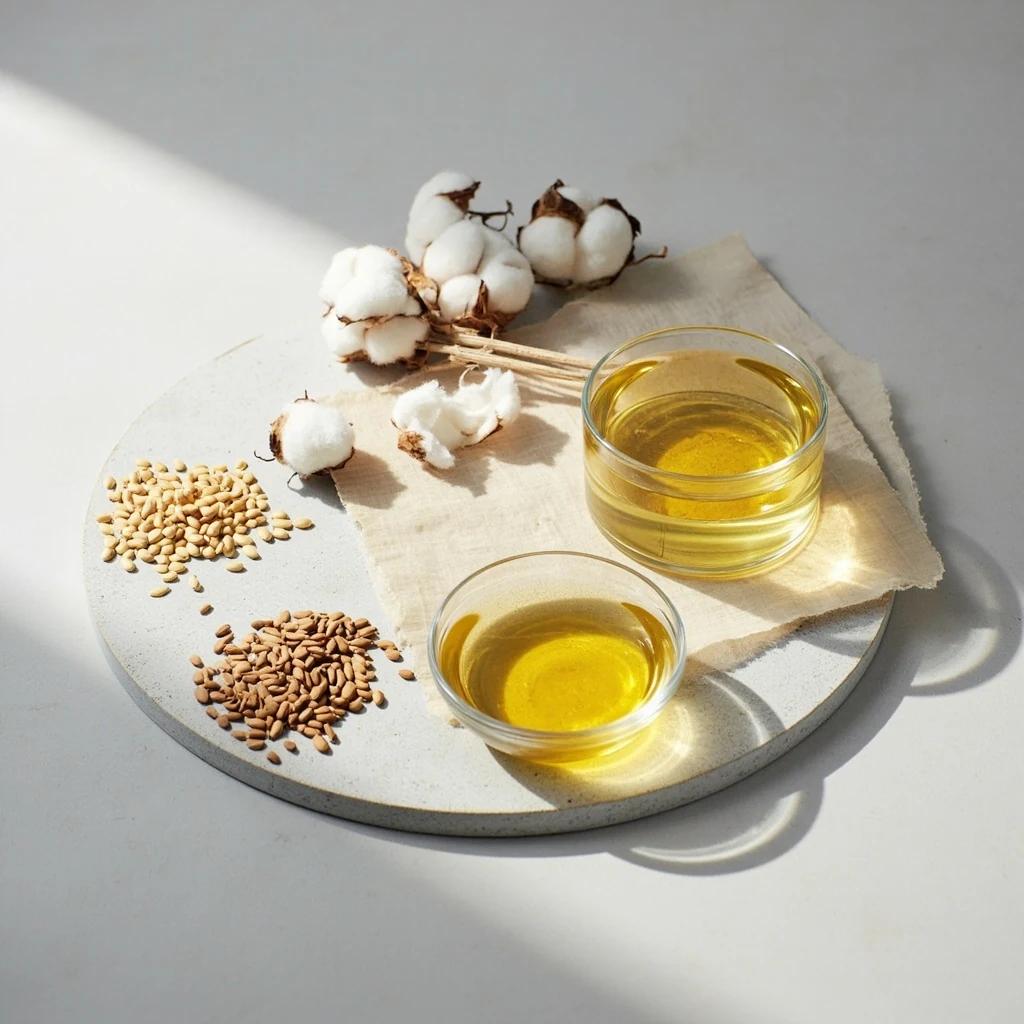
Oilseeds & Vegetable Oils: Soybeans, rapeseed/canola, sunflower seeds, palm fruit, peanuts, cottonseed, and olives. Soybeans are the most traded oilseed (~370 million tons annually). Palm oil (from Indonesia and Malaysia) is the most consumed vegetable oil globally.
Fruits & Vegetables: Fresh, frozen, canned, dried, and juiced — China, India, and Brazil are top producers. High perishability demands sophisticated cold chain logistics and rapid market access.
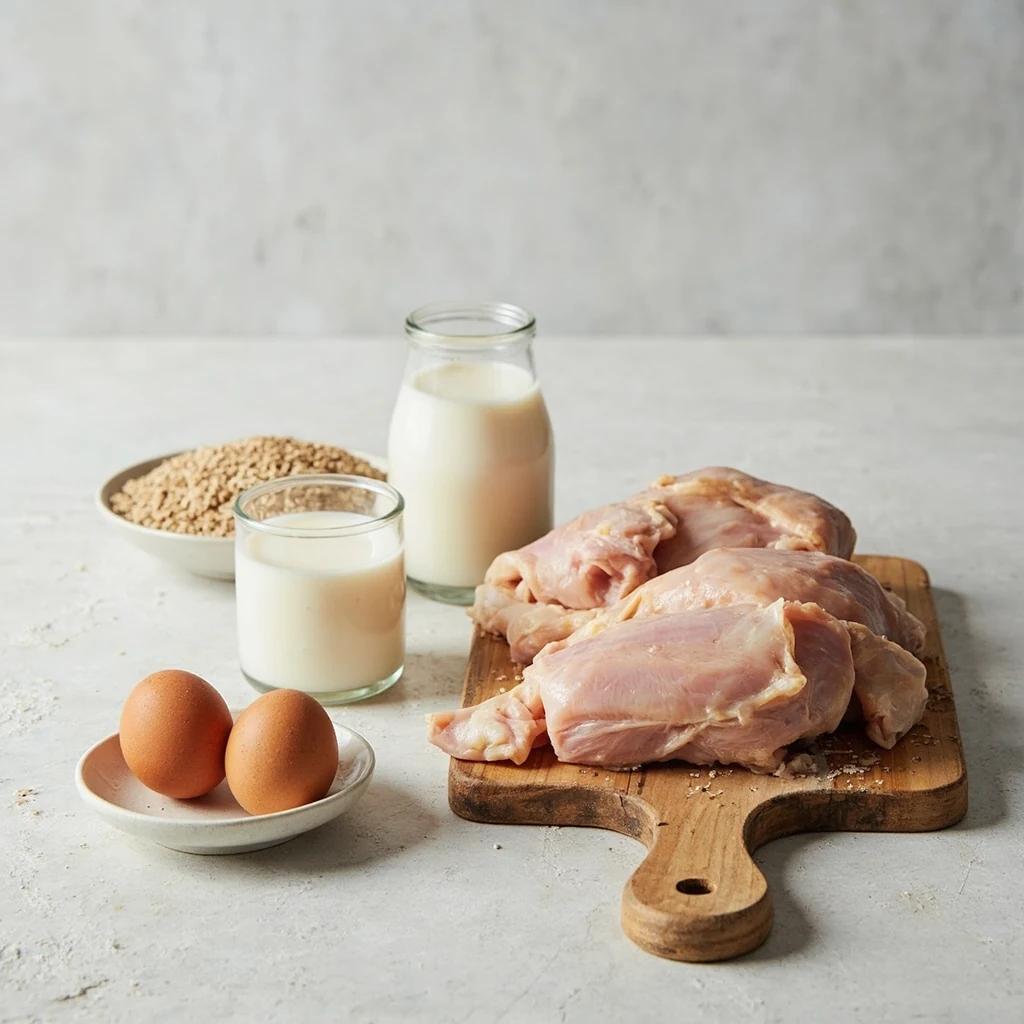
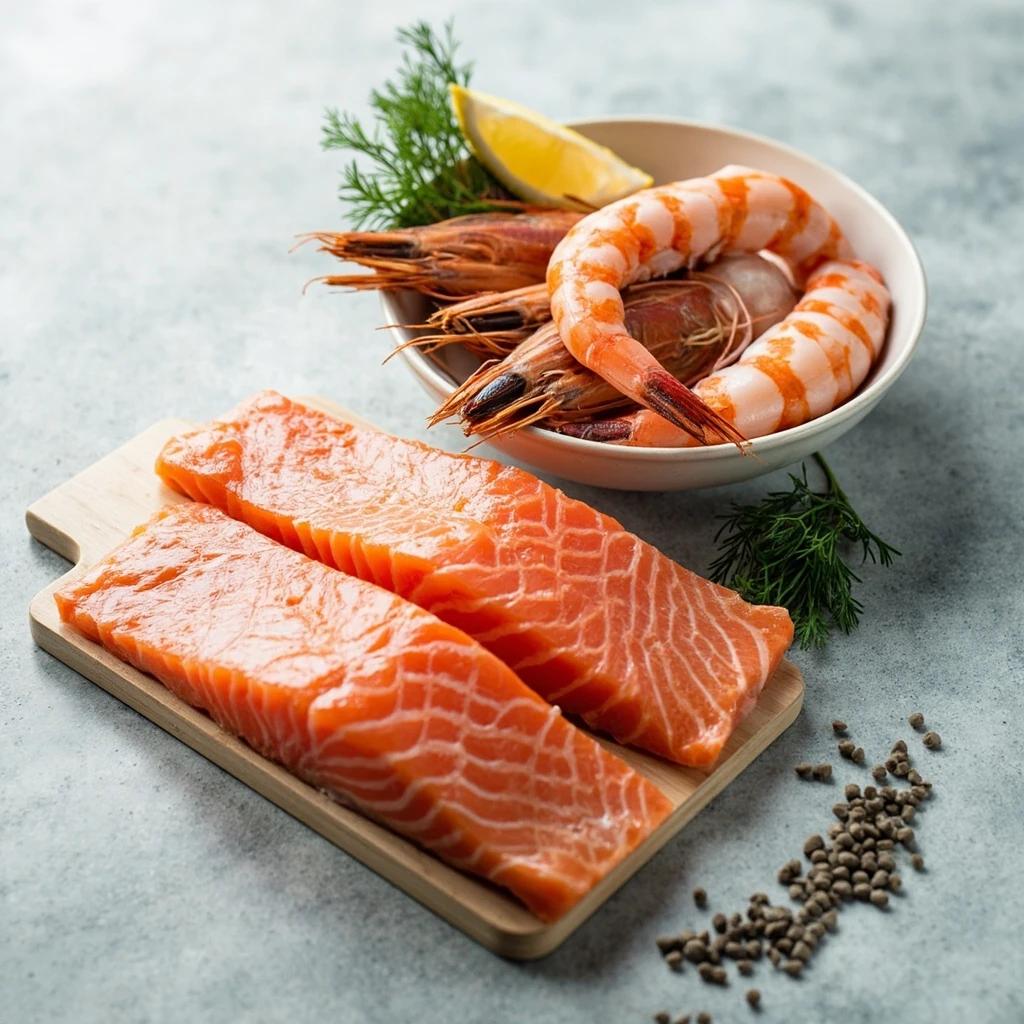
Livestock & Meat: Cattle (beef), swine (pork), poultry (chicken, turkey), sheep (lamb), and aquaculture (fish, shrimp). The livestock sector accounts for ~40% of global agricultural GDP. Major exporters: Brazil (beef, poultry), US (beef, pork, poultry), Australia (beef, lamb), EU (pork).
Dairy: Raw milk, milk powder, butter, cheese, whey, and casein — India is the largest producer, New Zealand and EU are the largest exporters.
Sugar & Sweeteners: Sugarcane (Brazil, India) and sugar beet (EU, Russia) represent ~80% and ~20% of global sugar production respectively. High-fructose corn syrup (HFCS) from corn is a major alternative sweetener in the US.
Coffee, Tea & Cocoa: Coffee (Brazil, Vietnam, Colombia), tea (China, India, Kenya), cocoa (Côte d''Ivoire, Ghana — ~60% of global production). These are among the most traded tropical commodities.
Textile Fibers: Cotton (India, China, US), wool (Australia, China, New Zealand), jute, flax (linen), hemp, and sisal — linking agriculture to the textile and apparel industry.

Industry Dynamics: The agricultural products industry is uniquely shaped by weather and climate (El Niño/La Niña cycles, droughts, floods), geopolitics (trade disputes, export bans — India''s rice export ban, Russia-Ukraine grain corridor), and sustainability pressures (deforestation-free supply chains — EUDR, regenerative agriculture, carbon farming). Technology is transforming agriculture through precision farming (GPS-guided tractors, variable-rate application, drone-based crop monitoring), biotechnology (GMO and gene-edited crops — CRISPR), and digital platforms connecting farmers directly to buyers.
What Are the Key Factors, Technologies, and Quality Standards in Agriculture?
Modern agriculture combines traditional farming knowledge with cutting-edge technology — satellite-guided tractors, gene-edited seeds, AI-powered pest detection, and blockchain-based supply chain traceability are now production realities, not science fiction.

1. Production Technologies:Precision agriculture: GPS/RTK-guided auto-steer tractors (±2cm accuracy), variable-rate application of seeds, fertilizers, and pesticides based on soil maps and yield data, drone and satellite imagery for crop health monitoring (NDVI — Normalized Difference Vegetation Index). • Biotechnology: GMO crops (Bt corn, Roundup Ready soybeans — developed since 1990s, now >190 million hectares globally), gene editing (CRISPR — non-transgenic, precise trait modification for drought tolerance, disease resistance, nutritional enhancement). • Irrigation technology: Drip irrigation (90-95% water use efficiency vs. 50-60% for flood irrigation), center pivot systems, soil moisture sensors, and AI-driven irrigation scheduling.

2. Post-Harvest & Processing: Grain storage — controlled atmosphere silos with temperature, humidity, and CO₂ monitoring prevent spoilage and insect infestation. Cold chain — pre-cooling, refrigerated transport, and cold storage critical for perishables (fruits, vegetables, meat, dairy). Food safety — HACCP, FSMA (Food Safety Modernization Act — US), GLOBALG.A.P. certification.

3. Quality & Trade Standards:Grain standards: Test weight, moisture, protein content, foreign material, damaged kernels, mycotoxin levels (aflatoxin, DON/vomitoxin, fumonisin, ochratoxin). • USDA/FGIS grading (US No.1-5); GAFTA (Grain and Feed Trade Association) standards for international trade. • Organic certification: USDA Organic, EU Organic, JAS (Japan). • Sustainability certifications: Rainforest Alliance, Fair Trade, RSPO (palm oil), RTRS (soy), BCI (cotton), 4C (coffee). • Non-GMO verification for markets that require it (EU, Japan — for certain products). • Maximum Residue Limits (MRLs) for pesticides — each importing country has different MRLs, creating significant compliance complexity.

4. Climate & Weather Risk Management: Agriculture is uniquely exposed to weather. Tools include: crop insurance (subsidized in US, EU, China, India), weather derivatives for hedging, diversification across geographies and crops, drought-resistant and flood-tolerant crop varieties, and irrigation infrastructure as climate adaptation.
What Should Buyers Consider When Sourcing Agricultural Products?
Sourcing agricultural products — whether for food manufacturing, animal feed, biofuel production, or commodity trading — operates in a world of extreme price volatility, weather dependency, geopolitical interventions, and intensifying sustainability requirements.

1. Price Risk & Contracting Strategies: Agricultural commodity prices can swing 50-100%+ in a season due to weather, trade policy, currency movements, and speculative activity. Strategies include: • Fixed-price contracts for known volumes. • Basis contracts — locking the differential between local cash price and futures price. • Futures and options hedging on CME Group (Chicago), ICE (New York/London), Euronext (Paris), DCE (Dalian). • Physical offtake agreements with minimum/maximum price floors and ceilings.

2. Quality & Specification Management: Agricultural products are biological materials — quality is inherently variable. Define clear specifications: grade, moisture, protein/oil content, foreign material, damaged/defective kernels, mycotoxin limits, pesticide MRLs, GMO status, and country of origin. Use independent inspection and testing (SGS, Bureau Veritas, Intertek, Cotecna) at loading and discharge ports. Certificate of Analysis (COA) and phytosanitary certificates are standard requirements.

3. Logistics & Supply Chain Management: Agriculture involves massive bulk movements — Panamax/Capesize vessels for grains and oilseeds (60,000-200,000+ DWT), reefer containers for perishables, barges and rail for inland transport. Key logistical considerations: port infrastructure, draft restrictions, loading/discharge rates, demurrage and dispatch terms, fumigation requirements (phosphine for grains, methyl bromide for some perishables — increasingly restricted), and cold chain integrity for temperature-sensitive products.

4. Sustainability & Traceability: EU Deforestation Regulation (EUDR) — from December 2025, requires proof that soy, palm oil, cocoa, coffee, cattle, rubber, and wood products are deforestation-free (post-December 2020 cutoff). Carbon footprint of agricultural supply chains is increasingly scrutinized. Regenerative agriculture programs — buyers (Nestlé, Unilever, PepsiCo) increasingly require suppliers to implement practices that improve soil health, sequester carbon, and enhance biodiversity. Third-party certifications (Rainforest Alliance, Fair Trade, RSPO, GLOBALG.A.P.) provide independent verification.

5. Geopolitical & Trade Policy Risk: Agriculture is highly politicized — export bans, import tariffs, sanctions, and subsidies can suddenly disrupt trade flows. Monitor: export restrictions (India rice/onion export bans, Argentina beef export quotas), sanctions (Russia/Belarus fertilizer), trade disputes (US-China soybean tariffs), and WTO/regional trade agreement developments. Diversify sourcing across multiple origins to reduce concentration risk.
Which Regions and Countries Dominate Global Agriculture?
Global agricultural production is shaped by climate, soil quality, water availability, and centuries of farming tradition — creating distinct regional specializations that define international agricultural trade flows.

1. North America — The Grain Belt & Protein Powerhouse: The US is the world''s largest corn producer and exporter, #2 in soybeans, and a top producer of wheat, beef, pork, poultry, and dairy. The Midwest Corn Belt (Iowa, Illinois, Nebraska, Minnesota, Indiana) is one of the most productive agricultural regions on Earth. Canada is the world''s largest canola producer and exporter and a major wheat producer (Saskatchewan — the "breadbasket of Canada"). The Mississippi River system provides cost-effective barge transport to Gulf of Mexico export terminals.

2. South America — The Soybean & Beef Superpower: Brazil is the world''s largest soybean producer and exporter, largest coffee and sugar producer, #2 in corn, and a top beef and poultry exporter. The Cerrado savanna transformation from infertile scrubland to highly productive farmland is one of agriculture''s greatest achievements — and controversies (deforestation, biodiversity loss). Argentina is a top soybean, corn, wheat, and beef exporter — the Pampas are among the world''s most fertile agricultural regions.

3. Europe & Black Sea — The Breadbaskets: Russia is the world''s largest wheat exporter. Ukraine — one of the world''s top grain and sunflower oil exporters; the Russia-Ukraine war has severely disrupted Black Sea grain flows. EU (France, Germany, Romania, Poland) is a major wheat, barley, rapeseed, dairy, pork, and sugar beet producer. The EU''s Common Agricultural Policy (CAP) provides significant subsidies and production incentives.

4. Asia — Rice Bowls and Growing Demand: China is the world''s largest agricultural producer by value — #1 in rice, wheat, pork, fruits, vegetables, and aquaculture. Despite massive production, China is also the world''s largest agricultural importer (soybeans, corn, meat, dairy). India — #1 in milk, #2 in rice, wheat, fruits, vegetables, and sugar. Southeast Asia (Thailand, Vietnam, Indonesia, Myanmar) — major rice exporters (Thailand, Vietnam), palm oil (Indonesia, Malaysia), coffee (Vietnam), and rubber.

5. Oceania — The Livestock & Dairy Exporters: Australia — major wheat, barley, beef, lamb, wool, and cotton exporter. New Zealand — world''s largest dairy exporter (Fonterra), major lamb and wool producer. Both countries'' agricultural exports are heavily oriented toward Asian markets.