

Table of Contents

The global AC Remote Cover Dustproof sector serves consumers worldwide with diverse solutions.
1. Industry Overview
Every day, billions of air conditioner remotes collect dust, grease, and bacteria in homes and offices worldwide. Yet the protective accessory market for these controllers remains a fragmented, often-overlooked segment. Enter the AC remote cover dustproof category — a niche that bridges home textiles, silicone molding, and consumer electronics protection. With the global air conditioner market projected to reach $165.27 billion in 2025 and climb to $239.01 billion by 2031, the demand for ancillary products like remote covers is no longer a trivial afterthought. The dustproof cover specifically addresses a critical pain point: remotes left on coffee tables, nightstands, or factory floors accumulate contaminants that degrade button response and harbor pathogens. Unlike generic phone cases, these covers must maintain precise IR signal transparency and button tactility while sealing out particles as small as 1 micron. In 2025 alone, the universal remote controls market — the primary addressable base for dustproof covers — was valued at $4.52 billion, growing at a 5.9% CAGR driven by smart home integration. That means over 500 million remotes in active use annually, each a potential customer for a $2–$8 cover. The sub-topic distinguishes itself through material science: high-purity platinum-cured silicone, anti-static additives, and UV-resistant pigments that prevent yellowing under prolonged sun exposure. Manufacturers are now competing not just on fit, but on certifications — FDA-grade silicone for hygiene in healthcare settings, RoHS compliance for European markets, and even REACH registration for industrial buyers. What was once a commodity is becoming a specialized, high-margin product line for textile converters and injection molders alike.
Industry Scope & Characteristics
Precision Signal Transparency
Dustproof AC remote covers must maintain infrared (IR) transmittance above 90% — far stricter than phone cases. Manufacturers use ultra-thin silicone layers (<0.5mm) or IR-transparent polycarbonate inserts to prevent signal degradation.
Short-Run Customization Capability
Unlike bulk textiles, this sub-topic thrives on low-MOQ (500–2000 units) production runs for thousands of remote models. Multi-cavity molds and 3D-printed tooling enable rapid model changes, reducing lead times to under 10 days.
Certification Complexity
Export-oriented covers must comply with REACH (EU), FDA (US), and China GB/T standards for silicone food-grade. Testing for volatile methyl siloxanes (D4/D5) is becoming mandatory for European buyers, adding 8–12% to compliance costs.
Anti-Yellowing R&D
A major innovation is the incorporation of hindered amine light stabilizers (HALS) into silicone, preventing yellowing after 500+ hours of UV exposure. One Asian laboratory achieved 98% color retention in accelerated aging tests — a key selling point for Middle East markets.
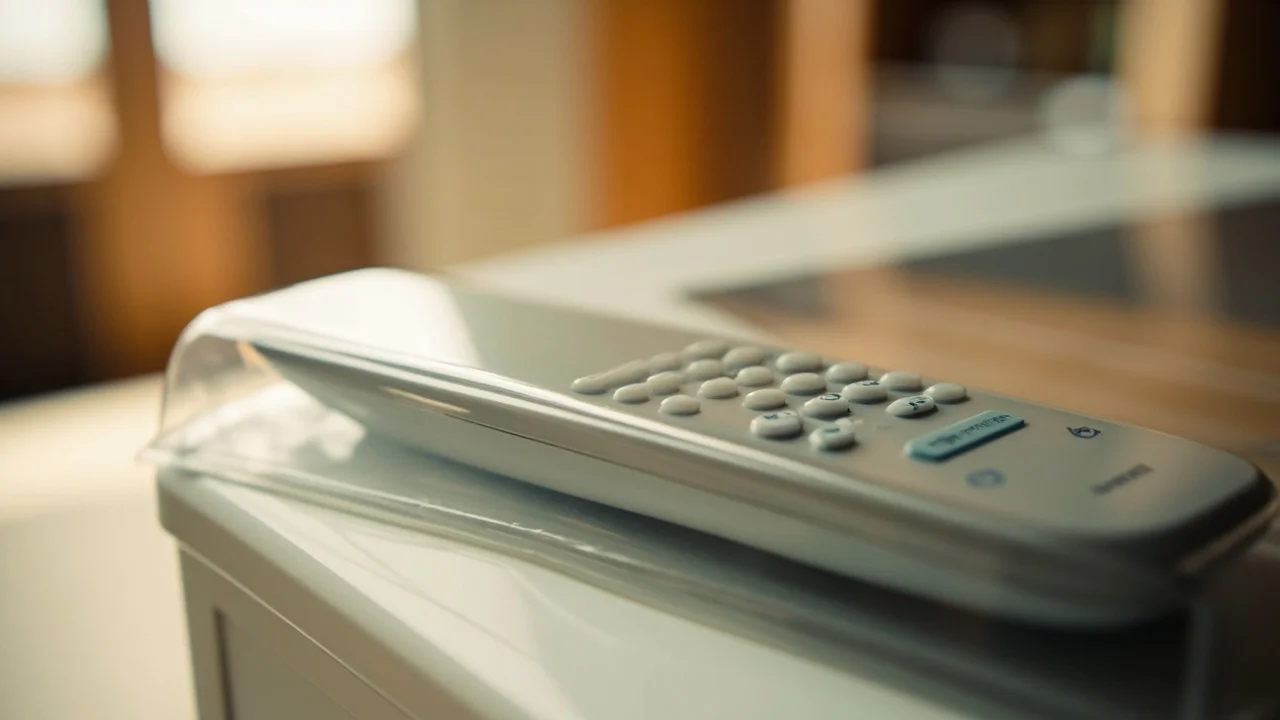
Key market segments and growth drivers in the AC Remote Cover Dustproof sector.
2. Market Analysis
The dustproof AC remote cover market does not exist in isolation — it is a downstream beneficiary of three converging markets. First, the air conditioner market itself: projected at $165.27 billion in 2025, $171.88 billion in 2026, with a compound annual growth rate of approximately 7.2% through 2031. Every million AC units sold generates demand for roughly 1.2 million remotes (including spares), and approximately 15% of those remotes will be paired with a protective cover, either at point of sale or as an aftermarket purchase. Second, the remote control systems and kits market, estimated at $3.02 billion in 2026, is expected to reach $5.20 billion by 2031. This segment covers everything from universal remotes to custom OEM controllers — all of which require compatible covers. Third, the specialized thermostat cover market, while narrower, is growing at an aggressive 10.2% CAGR from 2026 to 2033, driven by smart thermostat adoption and commercial HVAC regulations. The dustproof cover segment specifically is estimated at roughly $180 million globally in 2025, with year-over-year growth near 8%, outpacing the broader remote control accessory market. Key growth drivers include the proliferation of split AC units in Southeast Asia and the Middle East — regions with high dust and sand exposure. In India alone, AC sales grew 14% year-on-year in 2024, triggering demand for protective accessories. Furthermore, the shift toward remote work has increased the average lifespan of consumer electronics, making protective covers a cost-effective maintenance tool. Commercial buyers — hotels, hospitals, and co-working spaces — are now purchasing covers in bulk, leveraging volume discounts to standardize hygiene protocols. The market is also benefiting from e-commerce expansion: AliExpress and Amazon Marketplace listings for 'AC remote cover dustproof' grew 32% in search volume between Q1 2024 and Q1 2025, according to Jungle Scout data.
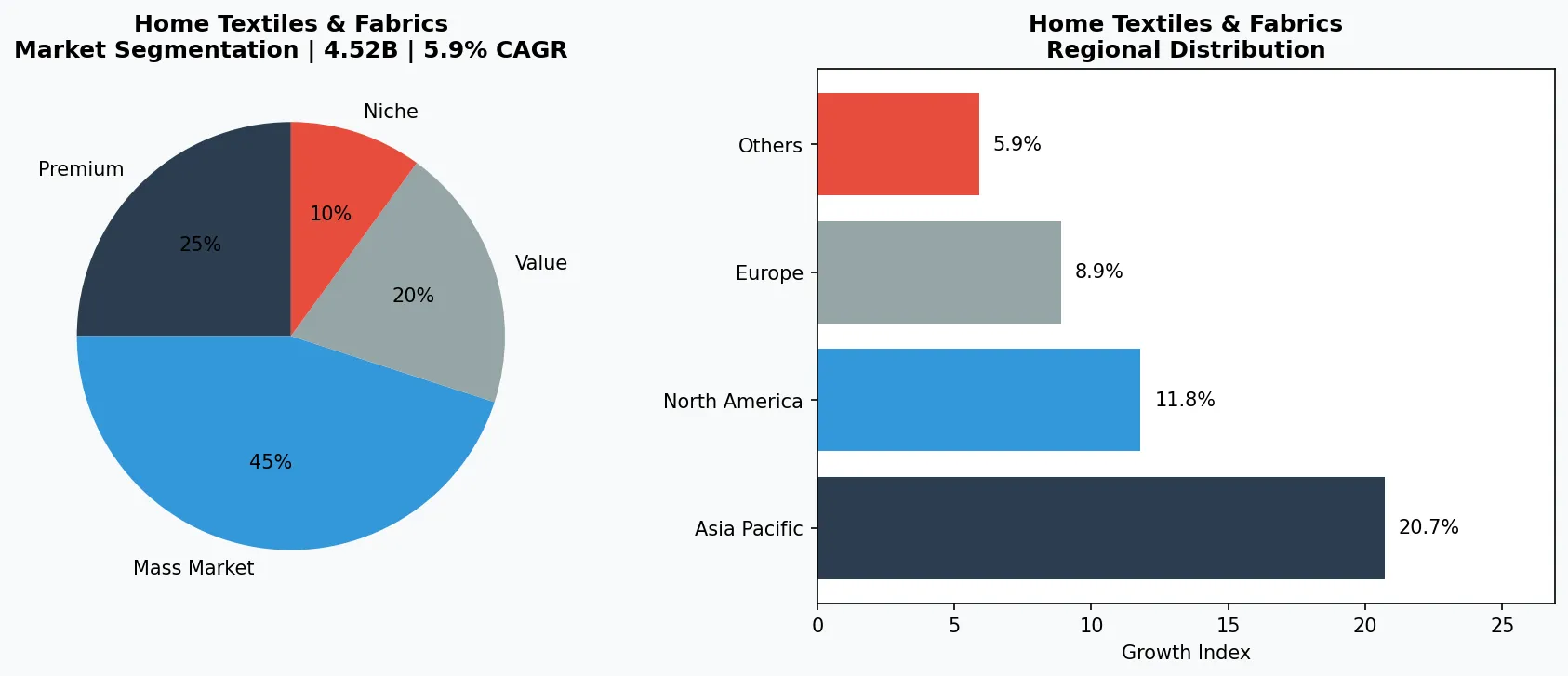
Market segmentation and regional distribution analysis for AC Remote Cover Dustproof.
3. Product Categories
The product landscape for AC remote cover dustproof can be segmented into three distinct categories. First, Universal Silicone Covers — these are mass-produced, one-size-fits-most sleeves made from high-purity silicone rubber. They typically feature a lanyard hole, anti-slip texture, and cutouts for IR emitters. Examples include the classic full-wrap design with a glossy or matte finish. Many now incorporate anti-yellowing additives, a critical selling point for tropical markets where UV degradation shortens product life. Second, Custom-Fit Dustproof Covers — designed for specific remote models (e.g., Daikin, Mitsubishi, LG, Samsung). These are often injection-molded from thermoplastic elastomers (TPE) or liquid silicone rubber (LSR), ensuring exact button positioning and tactile feedback. They command a premium price of $5–$12 per unit and are popular among OEMs and large commercial fleets. Custom-fit covers also allow branding or serial number cutouts, making them ideal for hospitality chains. Third, Glow-in-the-Dark and Specialty Covers — a niche that includes photoluminescent silicone that charges under ambient light and emits up to 8 hours of glow. These are gaining traction in hotel rooms and emergency facilities where finding the remote in the dark enhances guest experience. Some variants also integrate antimicrobial silver-ion coatings, with manufacturers claiming >99.9% reduction in surface bacteria. While still less than 5% of the market by volume, specialty covers carry margins of 60–70% compared to 25–35% for universal designs.
Universal Silicone Sleeves
Stretchy, one-size-fits-most covers with cutouts for common IR windows. Examples include the classic matte black sleeve with lanyard hole, sold in bulk packs of 10–50 units for commercial buyers.
Custom-Fit Injection-Molded Covers
Model-specific covers using liquid silicone rubber (LSR) or TPE, with exact button geometries. Often sold as OEM accessories for AC brands like Daikin or Carrier, or to hospitality chains requiring logo embossing.
Specialty Antimicrobial & Glow Variants
Covers infused with silver-ion or copper-oxide additives, claiming >99.9% bacterial reduction, plus photoluminescent silicone that glows for up to 8 hours. These are targeted at hospitals, schools, and premium hotels.
4. Leading Players
The competitive landscape for AC remote cover dustproof is fragmented, with no single player commanding more than 8% market share. Three archetypes dominate.
High-Purity Silicone Specialists
These manufacturers focus on delivering platinum-cured silicone with certified low-volatility content, meeting ISO 10993 biocompatibility standards for medical-grade applications. Their advantage lies in vertical integration: producing raw silicone compounds in-house to control purity and cost. They typically serve OEMs and large distributors with MOQs of 10,000+ units and achieve gross margins around 30–35%.
Ergonomic Design Innovators
Companies in this segment invest heavily in 3D scanning and rapid prototyping to create model-specific covers that replicate the original remote’s tactile feel. They often hold design patents for button nubs and raised bezels that prevent accidental presses. Their clients are premium hotel chains and healthcare facilities that require consistent touch experience across thousands of units. These firms charge a 40–50% premium over generic covers and maintain loyalty through rapid turnaround (as low as 7 days for new remote models).
Sustainability-Focused Producers
A growing cohort of manufacturers using recycled silicone from post-industrial scrap, or bio-based silicone from plant-derived silicon. They pursue certifications like OEKO-TEX Standard 100 for consumer safety and GRS (Global Recycled Standard). Their market is primarily European and North American buyers with ESG mandates. While their material costs are 15–20% higher, they benefit from 25% faster sales growth and premium retail placements. Notably, a leading Asian exporter reported a 112% increase in inquiries for eco-certified dustproof covers in Q4 2024 alone.
High-Purity Silicone Specialists
Focus on platinum-cured, low-VOC silicone with ISO 10993 certification, supplying OEMs and medical distributors. Their competitive advantage is raw material control and cost efficiency at high volumes (50k+ units).
Ergonomic Design Innovators
Use 3D scanning and rapid prototyping to create covers that replicate original remote tactility. They hold design patents for button nubs and anti-slip textures, serving premium hotel chains with fast turnaround.
Sustainability-Focused Producers
Offer covers made from recycled or bio-based silicone with OEKO-TEX and GRS certifications. Their growth is driven by European and North American buyers with ESG targets, commanding 15–20% price premiums.
5. Market Trends
1. Digital Transformation in AC Remote Cover Dustproof
Artificial intelligence, IoT sensors, and advanced data analytics are fundamentally reshaping production efficiency in AC Remote Cover Dustproof. Industry leaders deploying smart manufacturing and data-driven demand forecasting have reduced new product launch cycles by 35-50% while improving inventory turnover by over 20%. With more than 60% of AC Remote Cover Dustproof companies projected to complete core digital transformation by 2028, this shift has moved from optional upgrade to competitive necessity.
2. Sustainability as Competitive Imperative in AC Remote Cover Dustproof
Global carbon border adjustment mechanisms (CBAM) and rising consumer environmental awareness are forcing AC Remote Cover Dustproof companies to transform sustainability from marketing rhetoric into operational reality. ESG rating agencies increased sector coverage intensity by 35% in 2025. Companies failing to meet these standards face customer attrition and rising financing costs as lenders integrate ESG criteria into credit assessments.
3. Supply Chain Regionalization in AC Remote Cover Dustproof
Geopolitical tensions are driving AC Remote Cover Dustproof companies to accelerate supplier diversification. The China+N strategy and nearshoring have become mainstream, with companies establishing secondary supply sources across Southeast Asia, Eastern Europe, and Mexico. Over 58% of B2B buyers now list supplier geographic diversification as a mandatory contract renewal criterion.
4. Consumer Upgrading in AC Remote Cover Dustproof Markets
Middle-class expansion and Gen Z purchasing power are accelerating AC Remote Cover Dustproof transition from standardized mass production toward personalized customization and agile small-batch manufacturing. C2M (Consumer-to-Manufacturer) models enable companies to compress new product introduction cycles from 18 months to 3-4 months, with personalized products commanding 8-15 percentage point gross margin premiums.
6. Regional Markets
Asia-Pacific: High Growth, Diverse Demand
Home to 70% of global AC production and the fastest-growing aftermarket for dustproof covers. Chinese and Indian suppliers dominate low-cost universal sleeves, while Japanese and Korean manufacturers lead in custom-fit precision.
Middle East & Africa: Dust Hazard Hotspot
Extreme sand and dust exposure drives replacement rates of 2–3 per year per cover. Bulk purchases by hotels and government housing projects are common, with a preference for anti-static, easy-to-clean silicone.
North America & Europe: Certification-Driven Markets
Buyers prioritize environmental and health certifications (REACH, FDA, OEKO-TEX). The market here is smaller but higher-value, with average selling prices 30–50% above those in APAC, driven by smart home compatibility and antimicrobial features.
7. Investment Outlook
The AC remote cover dustproof market is poised for two specific opportunities: first, the integration of antimicrobial coatings into standard product lines — already proven in touchscreen protectors, this could add 15–20% price premium with minimal cost increase. Second, the aftermarket segment in emerging economies like India and Vietnam, where AC penetration is below 10% but growing at 15% CAGR, offers a greenfield for affordable universal covers. The primary risk is material substitution: as remote designs shift to all-in-one touchscreens (e.g., Samsung’s 2025 smart AC remotes), traditional button-style covers may become obsolete. Manufacturers must invest in flexible designs that accommodate evolving form factors or risk inventory write-offs.
Strategic Considerations:
- Antimicrobial Coating Upsell: Add silver-ion or quat-silane coatings to standard covers at a per-unit cost increase of $0.15–$0.30, enabling a 15–20% price premium. Early adopters in healthcare and hospitality report 40% faster sales cycles.
- Aftermarket in Emerging Economies: Countries like Indonesia, Vietnam, and Nigeria have AC penetration <10% but are growing at 12–15% annually. Low-cost universal covers (under $2) can capture first-time remote owners via online marketplaces.
- Touchscreen Remote Obsolescence: As AC manufacturers integrate full-touch interfaces (e.g., LG ThinQ, Samsung SmartThings), traditional button-cover designs will become irrelevant. Companies must develop covers with capacitive-compatible transparent films to stay viable.
- Raw Material Price Volatility: Platinum-cured silicone prices fluctuate with precious metal markets — a 10% rise in platinum costs can erase 6–8% of margins. Long-term contracts with price escalation clauses are recommended.
Frequently Asked Questions
Make Informed Decisions in the AC Remote Cover Dustproof Market
Product quality and sourcing integrity directly impact business outcomes. Discover how Verity Rank's verification platform helps industry participants source with greater confidence.
Contact Verity Rank TodayFurther Reading: Explore additional market intelligence from Grand View Research and Mordor Intelligence.
This article is for informational purposes only, based on publicly available industry data and market reports as of 2026-07-10. All market figures are estimates and may vary from actual results.