

Table of Contents

The global Bathtub & Basin Selection sector serves consumers worldwide with diverse solutions.
1. Industry Overview
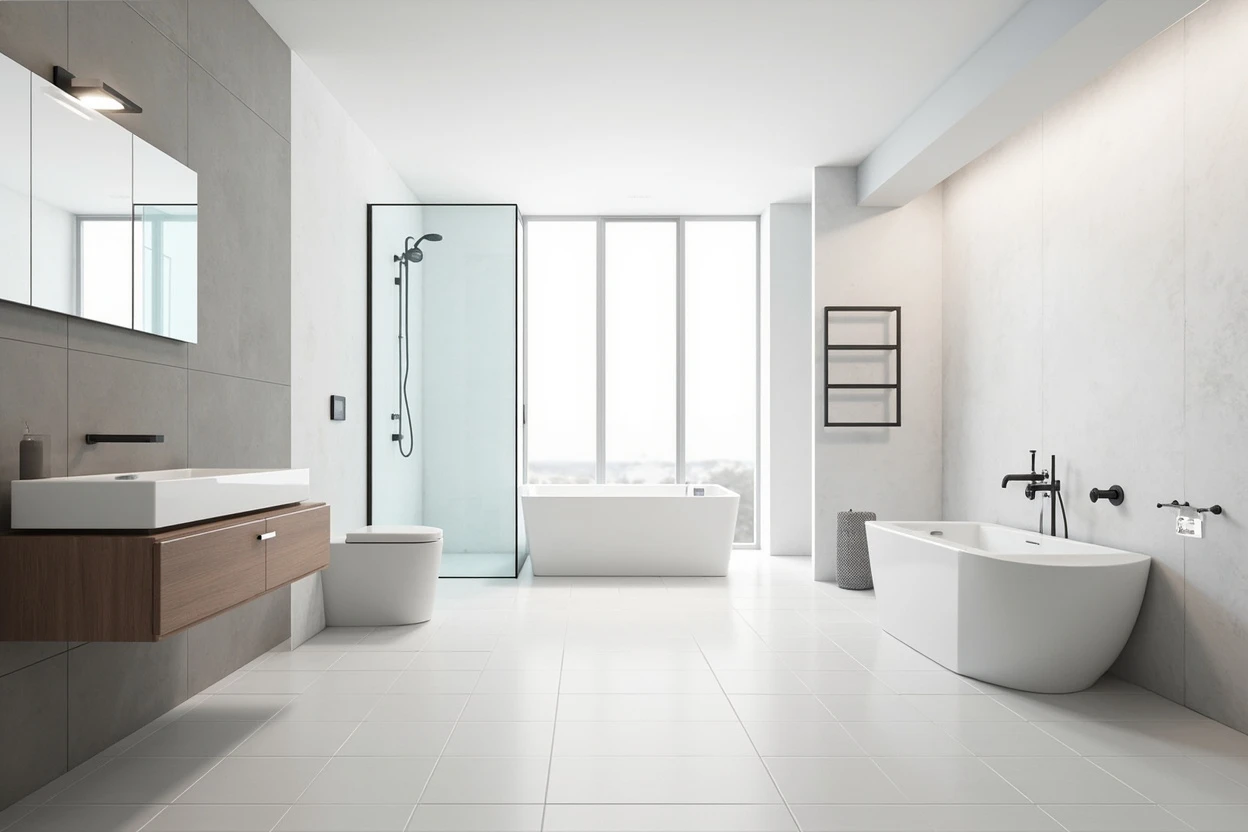
Bathtub and basin selection is no longer a simple choice between a soaking tub and a pedestal sink. It is a strategic procurement decision that now accounts for nearly 40% of a bathroom renovation's total fixture budget, a share that has climbed steadily since 2023. The global bathtub market alone is projected to grow from $8.66 billion in 2025 to $8.96 billion in 2026, a 3.4% CAGR, driven by a convergence of lifestyle personalization and smart-home integration. For B2B buyers—hotel developers, multifamily contractors, and wholesale distributors—this sub-topic demands a data-driven approach to product selection, supplier verification, and material specification. What makes bathtub and basin selection distinctive within the broader bathroom fixtures industry is the dual pressure of aesthetic customization and functional durability. Unlike faucets or showerheads, which are often interchangeable, a basin or bathtub is a structural commitment: it must harmonize with plumbing rough-ins, support weight loads, and meet rigorous water-tightness standards. The rise of integrated sinks, which blend countertop and basin into a single seamless unit, exemplifies this shift. These designs, increasingly specified in 2026, eliminate grout lines and crevices, reducing maintenance costs in high-traffic commercial settings. Simultaneously, the North America built-in bathtub market is expanding at a remarkable 6.3% CAGR through 2033, signaling a regional preference for permanent, high-capacity fixtures over freestanding alternatives. For procurement professionals, the lesson is clear: bathtub and basin selection is a high-stakes decision that directly impacts installation timelines, long-term warranty costs, and end-user satisfaction. VerityRank's verification tools help buyers validate supplier claims against these evolving market realities.
Industry Scope & Characteristics
Structural Commitment
Bathtubs and basins are permanent fixtures that must align with rough-in plumbing dimensions and support weight loads. Built-in tubs, for example, require precise alcove measurements within 1/8 inch to avoid costly field modifications.
Material Diversity & Supply Chain
Products range from vitreous china (fired at 1200°C) to acrylic (thermoformed sheets) and natural stone. Each material requires different supply chains: china relies on regional clay deposits, while acrylic uses petrochemical derivatives.
Certification Requirements
Key certifications include ANSI Z124.1 (acrylic tubs), ASME A112.19.2 (vitreous china basins), and ISO 9001:2015 (quality management). Compliance is mandatory for commercial projects and often required for warranty validity.
Innovation in Surface Technology
TOTO's CeFiONtect glaze and Duravit's DuraCeram finish represent R&D investments in stain resistance and durability. These coatings reduce maintenance frequency by up to 50% in high-traffic settings.
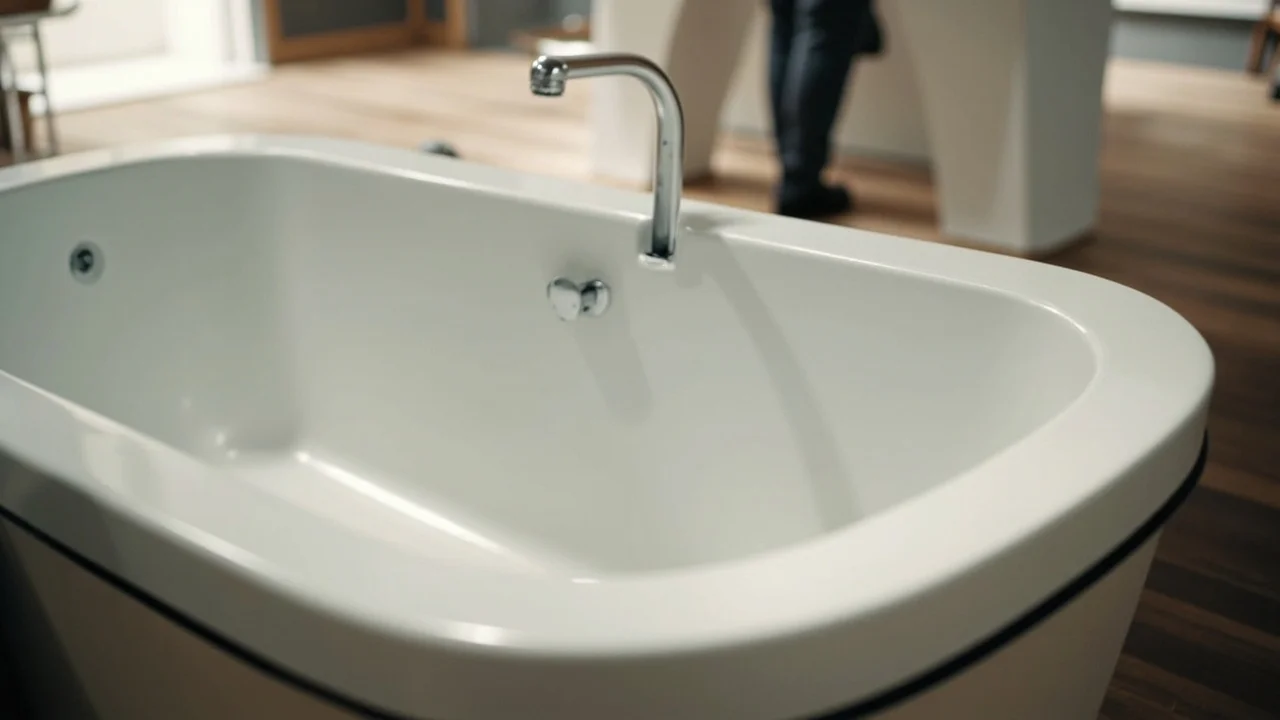
Key market segments and growth drivers in the Bathtub & Basin Selection sector.
2. Market Analysis
The bathtub and basin market is not a monolith; it is segmented by product type, material, and installation method, each with distinct growth trajectories. The global bathtub market, valued at $8.66 billion in 2025, is forecast to reach $8.96 billion in 2026, a steady 3.4% CAGR. However, the built-in bathtub segment in North America is outpacing the global average significantly, growing at a 6.3% CAGR from 2026 to 2033. This divergence reflects a regional preference for alcove and drop-in tubs, favored in new multifamily developments where space efficiency and standardized plumbing connections reduce installation costs. Three growth drivers are reshaping the market. First, the integration of home technology: smart baths now represent an estimated 12% of new installations in luxury residential projects, with features like digital temperature control, auto-fill, and integrated lighting becoming standard specification items. Second, the bathroom trends 2026 report highlights color and finish innovation—matte black, brushed brass, and earthy terracotta tones are replacing chrome and white as default options, forcing suppliers to expand their finish portfolios. Third, sustainability mandates are accelerating demand for water-efficient basins and tubs. The U.S. EPA's WaterSense program now certifies basin faucets that use 1.5 gallons per minute or less, a 30% reduction from standard models. For B2B buyers, these trends mean that supplier verification must extend beyond price to include certification documentation (e.g., ANSI Z124.1 for acrylic tubs, ISO 9001 for manufacturing quality) and proof of material sourcing. The market is also witnessing a shift toward modular components: basins with pre-drilled tap holes and integrated overflow systems reduce on-site labor and error rates, a critical factor for contractors managing multiple units.
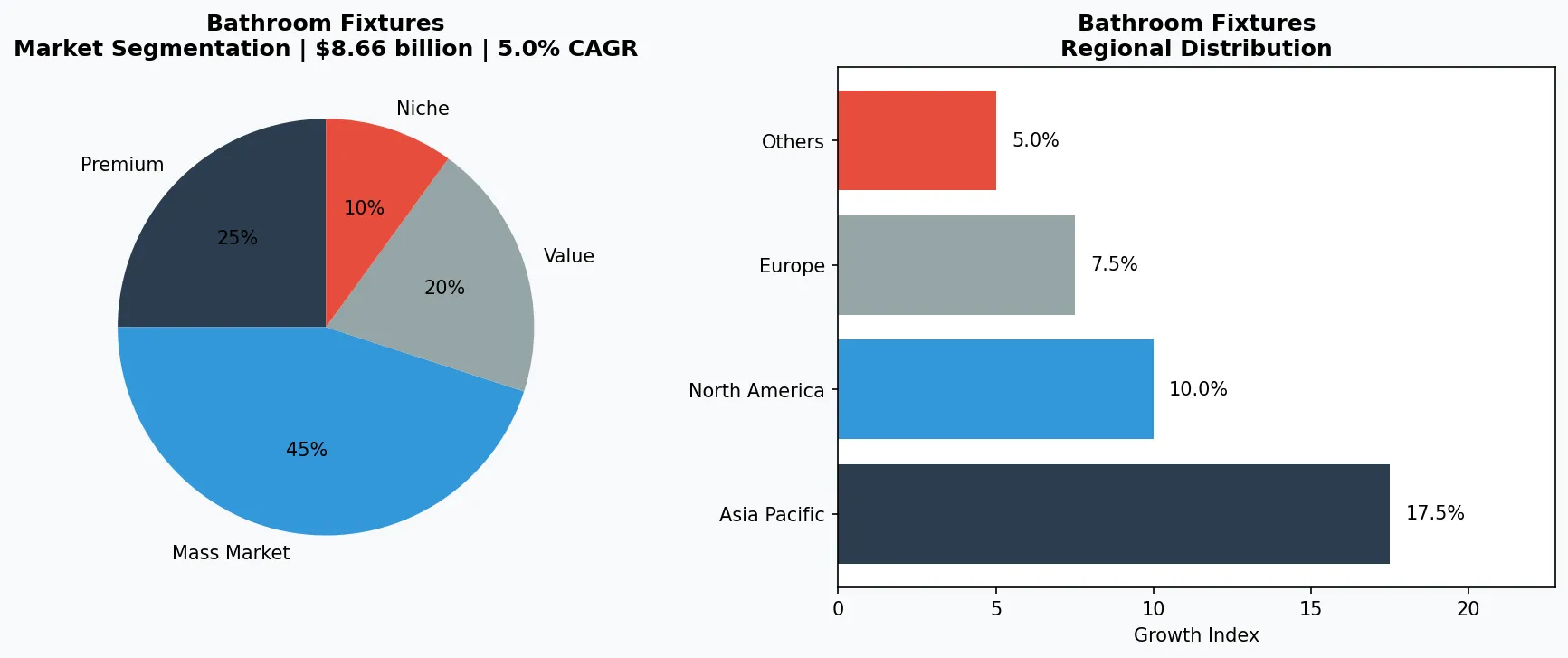
Market segmentation and regional distribution analysis for Bathtub & Basin Selection.
3. Product Categories
Bathtub and basin selection encompasses three primary product categories, each serving distinct project requirements. Built-in bathtubs dominate the North American market, growing at a 6.3% CAGR through 2033. These tubs are designed to be installed into a three-wall alcove or a drop-in deck, making them ideal for standardized multifamily and hospitality projects. Key materials include acrylic (lightweight, easy to install) and fiberglass-reinforced plastic (FRP) (durable, lower cost). For example, Kohler's Villager 60-inch alcove tub is a staple in hotel chains due to its consistent dimensions and slip-resistant floor. Freestanding bathtubs represent the premium segment, often specified in luxury residences and boutique hotels. These tubs require reinforced flooring and dedicated plumbing, but offer design flexibility with styles ranging from claw-foot to modern oval. Materials include cast iron (heat retention, high durability) and solid surface composites (seamless, customizable colors). The second category is washbasins, which have evolved from simple bowls to integrated sink-countertop units. The integrated sink trend for 2026 eliminates the seam between basin and counter, reducing cleaning time and preventing water damage. Materials like Vitreous China remain the standard for commercial applications due to their hardness and stain resistance, while natural stone basins (marble, granite) are specified in high-end projects. The third category is vanity tops with integrated basins, increasingly popular in space-constrained bathrooms. These combine storage, countertop, and sink into one unit, reducing installation labor. TOTO's Nexus series offers a 24-inch integrated basin vanity that fits small powder rooms without sacrificing usability.
Built-In Bathtubs
Alcove and drop-in tubs dominate North American projects. Examples include Kohler's Villager 60-inch alcove tub (acrylic, slip-resistant floor) and American Bath Group's Sterling line (recycled acrylic, LEED-compliant).
Freestanding Bathtubs
Premium segment for luxury hospitality and residential. Cast iron models (e.g., Kohler's Memoirs) offer heat retention; solid surface composites (e.g., Duravit's Happy D.2) allow seamless color integration.
Integrated Sink-Countertop Units
Seamless basins that eliminate grout lines. TOTO's Nexus series and Kohler's Lystra integrated basin are top choices. Materials include solid surface, fireclay, and natural stone.
4. Leading Players
Three archetypes dominate the bathtub and basin supply landscape, each with a distinct competitive strategy. Kohler Co., a U.S.-based manufacturer with over 140 years of history, leverages its vertical integration—from foundry to finishing—to offer consistent quality across its built-in and freestanding tub lines. The company's strategy focuses on rapid prototyping and digital tools: its KOHLER Konnect smart bath platform allows B2B buyers to specify digital showers and tubs with programmable settings, a differentiator in the luxury hospitality segment. Kohler's market position is reinforced by its extensive distribution network and compliance with North American standards (CSA B45.5 for bathtubs, ASME A112.19.2 for vitreous china basins). TOTO, the Japanese giant, dominates the basin segment with its advanced manufacturing processes. TOTO's strategy revolves around innovation in surface technology and water efficiency. Its CeFiONtect glaze, a patented super-smooth surface, prevents debris and mold buildup on basins, reducing maintenance costs in commercial facilities. The company's NEOREST series integrates bidet functionality into the basin area, a growing trend in luxury residential projects. TOTO's supply chain is optimized for just-in-time delivery, a critical advantage for large-scale hotel projects with tight schedules. Duravit, a German brand, occupies the design-forward niche. Its strategy is to collaborate with architects and designers (e.g., Philippe Starck, Sebastian Hoek) to create basin and tub collections that double as statement pieces. Duravit's Happy D.2 series, for example, offers square basins with sharp geometric lines, popular in contemporary European and Asian projects. The company's competitive advantage lies in its material science: its DuraCeram finish provides exceptional hardness and scratch resistance, backed by a 25-year warranty. For VerityRank users, verifying a supplier's adherence to ISO 9001:2015 and specific product certifications (e.g., EN 14688 for basins) is essential when comparing these players.
Vertically Integrated Manufacturer (Kohler)
Controls the entire production chain from foundry to finishing. Competitive advantage: consistent quality across high-volume built-in tub lines and rapid prototyping for custom hotel projects.
Technology & Efficiency Leader (TOTO)
Focuses on surface innovation (CeFiONtect glaze) and water efficiency. Competitive advantage: basin and smart bath integration reduces total lifecycle costs for commercial buyers.
Design-First Specialist (Duravit)
Collaborates with top architects for basin and tub collections. Competitive advantage: material science (DuraCeram finish) with 25-year warranty, appealing to luxury specifiers.
5. Market Trends
1. INTEGRATED SINK DESIGNS
The 2026 bathroom trends report identifies integrated sinks as the defining aesthetic shift. These units combine the countertop and basin into a single seamless piece, eliminating grout lines and the crevice where counter meets sink. Why it matters: for B2B buyers, this reduces cleaning time by up to 40% in commercial settings and lowers the risk of water damage behind the counter. Kohler's Lystra integrated basin is a notable example, offered in solid surface and fireclay with a continuous curve from counter to drain. SMART BATH TECHNOLOGY
2. Rapidly evolving home technology is reshaping the modern bath. Smart tubs and basins now include features like voice-activated fill, temperature presets, and leak detection sensors. Why it matters: for hotel chains, smart baths reduce water waste and enhance guest experience, with some properties reporting 15% lower water consumption after retrofitting. TOTO's Washlet+ integrated basin system combines a smart toilet, basin, and hand dryer in a single unit, a space-saving solution for compact hotel rooms. SUSTAINABLE MATERIALS AND WATER EFFICIENCY
Sustainability mandates are driving demand for recycled-content materials and low-flow fixtures. Why it matters: compliance with LEED v4.1 and WELL Building Standard requires certified water-efficient products. Duravit's Vero Air basin uses 30% less water than standard models while maintaining performance, achieved through a redesigned inner rim geometry. The trend also extends to tubs: acrylic tubs with recycled content (e.g., from American bath group's Sterling line) are gaining traction in green building projects.
6. Regional Markets
North America: Built-In Bathtub Dominance
Growing at 6.3% CAGR through 2033. Driven by multifamily construction and standardized plumbing. Buyers favor acrylic alcove tubs with ANSI Z124.1 certification.
Europe: Design-Led Basin Innovation
Demand for integrated sinks and geometric designs. Duravit and Villeroy & Boch lead with EN 14688-certified basins. Sustainability mandates (EU Ecolabel) drive material choices.
Asia-Pacific: Smart Bath Integration
Rapid adoption of smart tubs and basins. TOTO's NEOREST series with bidet integration is a top seller. Market growth fueled by luxury hotel development in China and Southeast Asia.
7. Investment Outlook
Two specific opportunities emerge for B2B buyers in the bathtub and basin selection space. First, the North America built-in bathtub market's 6.3% CAGR through 2033 signals sustained demand in multifamily and hospitality construction. Buyers who pre-qualify suppliers with ANSI Z124.1 certification and proven lead times of under 8 weeks will capture cost advantages as demand tightens. Second, the integrated sink trend offers a chance to reduce installation labor costs by up to 30% compared to traditional separate counter-and-basin setups, a margin improvement that compounds across large projects. One concrete risk: the rapid shift toward smart technology creates compatibility challenges. A smart tub specified in 2025 may not integrate with a building's updated BMS (Building Management System) in 2027, leading to costly retrofits. Buyers should insist on open-protocol systems (e.g., BACnet, KNX) and require suppliers to provide firmware update commitments in contracts. VerityRank's supplier verification tools can help buyers audit a vendor's track record of backward compatibility and software support.
Strategic Considerations:
- Pre-Qualify for Built-In Tub Demand: With North America's 6.3% CAGR through 2033, buyers who secure suppliers with ANSI Z124.1 certification and sub-8-week lead times will reduce project delays and cost overruns.
- Integrated Sinks for Labor Savings: Specifying integrated sink-countertop units can cut installation labor by up to 30% versus traditional setups, a significant margin gain for large hospitality projects.
- Smart Tech Compatibility Gaps: Rapid firmware evolution may render 2025 smart tubs incompatible with 2027 building management systems. Mitigate by requiring open-protocol (BACnet, KNX) and contractual firmware support.
- Material Supply Volatility: Acrylic resin prices fluctuate with petrochemical markets; vitreous china relies on regional clay quality. Diversify supplier base and verify raw material sourcing via VerityRank.
Frequently Asked Questions
Make Informed Decisions in the Bathtub & Basin Selection Market
Product quality and sourcing integrity directly impact business outcomes. Discover how Verity Rank's verification platform helps industry participants source with greater confidence.
Contact Verity Rank TodayFurther Reading: Explore additional market intelligence from Grand View Research and Mordor Intelligence.
This article is for informational purposes only, based on publicly available industry data and market reports as of 2026-06-01. All market figures are estimates and may vary from actual results.