

Table of Contents

The global Miniature Dollhouse Furniture sector serves consumers worldwide with diverse solutions.
1. Industry Overview
The global dollhouse miniature furniture market was valued at USD 1.24 billion in 2024, and it is not just a children’s plaything anymore. This sub-topic within the broader Kids Furniture industry has evolved into a sophisticated, dual-market sector serving both children and a rapidly growing adult collector base. What makes miniature dollhouse furniture distinct is its extreme precision: pieces are crafted at scales like 1:12 or 1:24, requiring micro-joinery, advanced materials, and detailed finishing that mirrors full-size furniture production. Unlike standard children’s furniture—such as cribs or desks—miniature pieces demand tolerances measured in millimeters, often using laser-cutting and 3D printing alongside traditional woodworking.
Industry Scope & Characteristics
Precision Micro-Manufacturing
Miniature dollhouse furniture requires laser-cutting and CNC machining to achieve tolerances under 0.5mm, a stark contrast to standard children's furniture. Products like Rolife's DIY kits use pre-cut plywood sheets with interlocking joints.
Dual Supply Chain Channels
The market operates through both mass-market toy distributors (e.g., Amazon, Target) and specialty craft retailers (e.g., Etsy, dedicated hobby shops), each requiring different packaging and quality standards.
Scale-Specific Safety Standards
Miniature furniture for children under 3 must comply with ASTM F963 or EN 71 for small parts, while collector-grade pieces often bypass these regulations, creating a bifurcated compliance landscape.
Hybrid Material Innovation
R&D is focused on combining traditional materials like wood with modern polymers and LEDs. For instance, some makers now use 3D-printed resin for intricate chair legs, then hand-paint them to mimic real wood grain.
This niche is no longer a simple toy category. The dollhouse market is projected to expand at a CAGR of 7.87% through 2030, reaching USD 2.54 billion. The key driver? Exponential growth in the adult collecting and hobbyist segment, which demands high-value, specialized miniature kits. In Asia, the market is projected to grow at a value CAGR of 6–8% over 2026–2035, with volume increasing at a slower 4–6%, indicating a shift toward premium, higher-margin products. This trend is reshaping how manufacturers approach design, materials, and distribution.
Technological integration is another distinctive feature. Modern miniature furniture incorporates LED lighting, modular assembly systems, and even smart-home elements scaled down to fit dollhouse rooms. Meanwhile, the rise of social media platforms like Instagram and TikTok has turned miniature furniture into shareable content, driving demand for photorealistic pieces that look good on camera. For B2B buyers—from specialty retailers to children’s furniture brands—understanding this sub-topic means recognizing that miniature furniture is now a high-growth, cross-generational market with its own supply chain and quality standards.
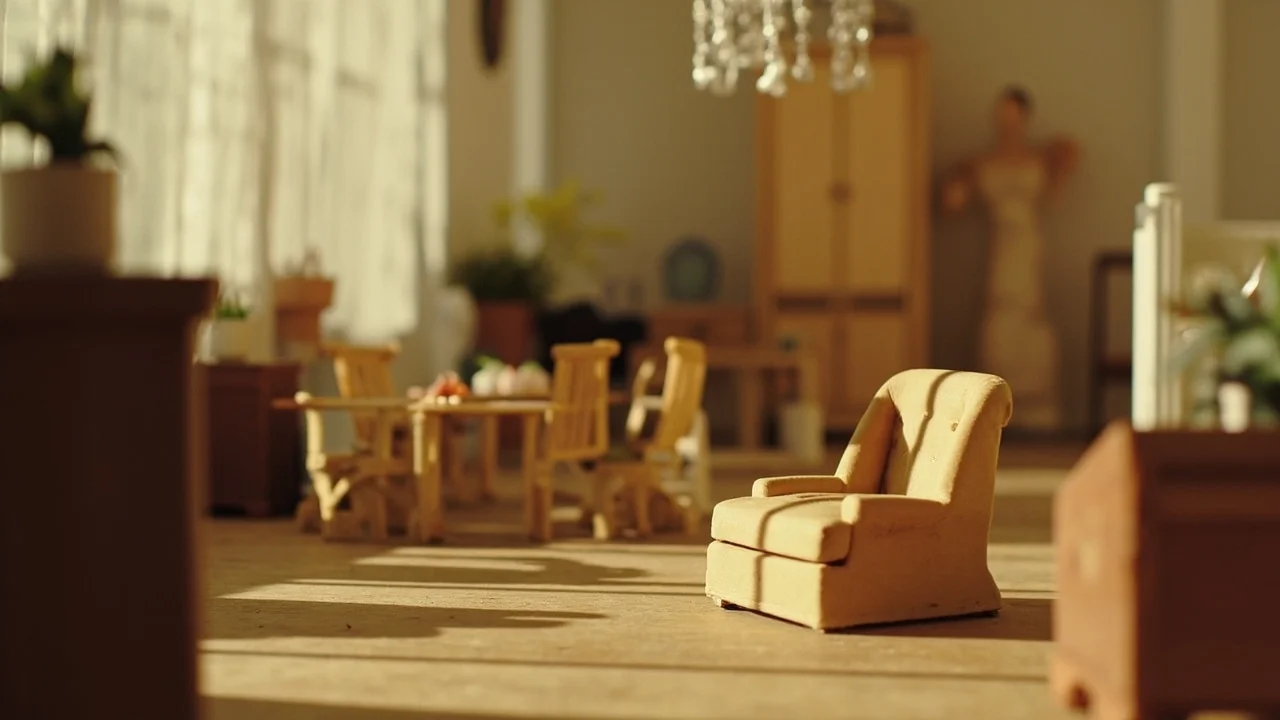
Key market segments and growth drivers in the Miniature Dollhouse Furniture sector.
2. Market Analysis
The dollhouse furniture market is riding a powerful wave of dual demand. Valued at USD 1.24 billion in 2024, the market is forecast to hit USD 2.54 billion by 2030, growing at a compound annual rate of 7.87%. This growth is not uniform; it is being propelled by two distinct engines: the children’s play segment and the adult collector segment. The latter, in particular, is driving value growth, as collectors seek intricate, handcrafted pieces that command premium prices.
Asia is the fastest-growing region, with a projected value CAGR of 6–8% from 2026 to 2035. Volume growth in the region, however, is slower at 4–6%, signaling a clear pivot toward higher-value products. This is especially evident in markets like Japan and South Korea, where miniature furniture is often treated as an art form. In China, the rise of domestic brands offering eco-friendly miniature sets is capturing both child and adult demographics. The wide availability of products through e-commerce platforms has further accelerated market penetration, with platforms like Taobao and Amazon becoming primary channels for specialty miniature furniture.
Key challenges include fluctuating raw material prices, particularly for wood and metal, which squeeze margins for smaller producers. However, the trend toward sustainable and eco-friendly materials is creating new opportunities. Brands that use FSC-certified wood or recycled plastics are gaining traction, especially among environmentally conscious parents in Europe and North America. The market’s resilience is also supported by the dollhouse’s enduring appeal as an educational tool, with Montessori-inspired miniature furniture sets seeing increased adoption in preschools and therapy settings.
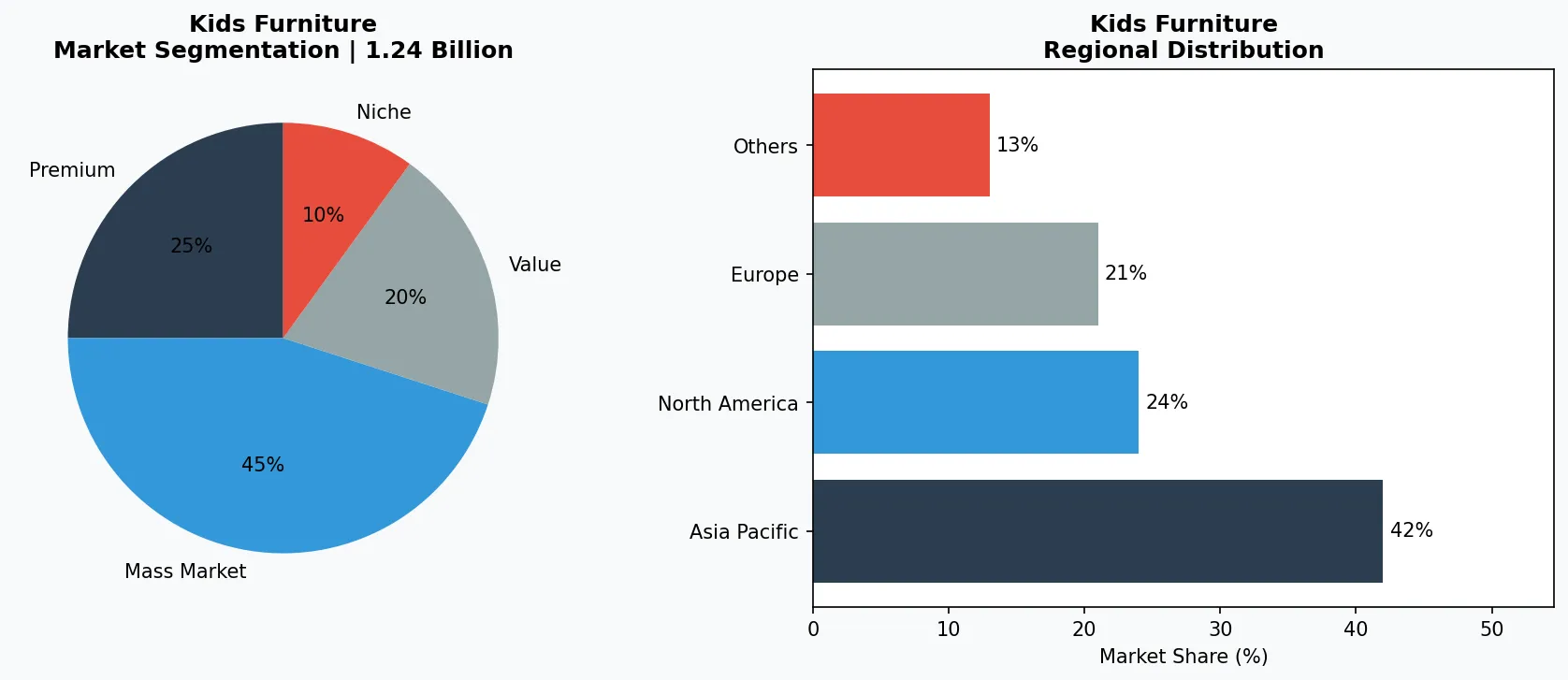
Market segmentation and regional distribution analysis for Miniature Dollhouse Furniture.
3. Product Categories
The miniature dollhouse furniture market can be organized into three distinct product types. First, bedroom and living room sets dominate sales, including tiny beds, wardrobes, sofas, and coffee tables. These are often sold as coordinated collections, such as a 1:12 scale bedroom set with a four-poster bed and armoire. Brands like KidKraft and Melissa & Doug offer mass-market versions, while artisan makers produce one-of-a-kind pieces with real wood veneers and fabric upholstery.
Second, kitchen and dining furniture represents a growing segment, driven by the popularity of cooking-themed play and social media content. Miniature stoves, refrigerators, and dining tables with intricate details—like working oven doors and tiny utensils—are highly sought after. For example, the Hape Gourmet Kitchen set includes a miniature wooden stove with turning knobs, appealing to both children and adult collectors who value realism.
Third, specialty and themed furniture pieces are carving out a niche. These include miniature high chairs, cribs, and even toy storage units that mirror full-size children’s furniture. The rise of ‘room box’ kits—pre-designed miniature rooms that come with all furniture and decor—has made it easier for hobbyists to create complete scenes. Companies like Rolife offer DIY miniature furniture kits that include laser-cut wood pieces and LED lighting, blurring the line between toy and craft project.
Room Box Furniture Kits
Pre-packaged sets of miniature furniture designed to fit a specific room box, like a 1:12 scale living room with sofa, coffee table, and bookshelf. Rolife's 'Green House' kit is a top seller.
Themed Collector Sets
High-detail furniture collections based on historical periods or pop culture, such as Victorian-era bedroom sets or Harry Potter-inspired dormitory furniture, often sold as limited editions.
Educational & Montessori Miniatures
Simplified, open-ended furniture pieces like tiny wooden chairs and tables used in preschools for role-play. These emphasize natural materials and lack small parts, targeting the early childhood segment.
4. Leading Players
Three archetypes dominate the miniature dollhouse furniture landscape. The first is the mass-market toy brand, exemplified by Mattel’s Barbie line, which produces scaled furniture for its iconic Dreamhouse. Mattel leverages its global distribution network and brand recognition to sell millions of miniature pieces annually, focusing on durability and playability. Their strategy emphasizes cross-selling with dollhouse sets and accessories, creating an ecosystem that drives repeat purchases.
The second archetype is the specialty craft and hobbyist brand, such as Rolife (a subsidiary of Robotime). Rolife targets adult collectors with DIY miniature furniture kits that require assembly and customization. Their competitive advantage lies in precision engineering: each kit includes pre-cut wooden pieces, fabric, and metal fittings, allowing users to build detailed furniture like a miniature grandfather clock or a Victorian sofa. Rolife’s strategy capitalizes on the growing ‘adult crafting’ trend, with kits priced between $30 and $100, significantly higher than mass-market toys.
The third archetype is the artisan or bespoke maker, often operating through Etsy or direct-to-consumer channels. These small-scale producers, like Miniature Crush or Dollhouse Direct, focus on handcrafted, one-of-a-kind pieces using premium materials such as mahogany, brass, and silk. Their strategy is built on exclusivity and customization, serving high-net-worth collectors and museums. While their volume is low, their margins are high, and they drive trend innovation that eventually filters down to mass producers.
Mass-Market Ecosystem Builder
Mattel leverages its Barbie brand to sell coordinated furniture sets that drive attachment rates to dollhouse sales, using global retail partnerships and cross-promotion.
DIY Craft Innovator
Rolife (Robotime) dominates the adult hobbyist segment with laser-cut wood kits that include LED wiring and step-by-step instructions, competing on precision and user experience.
Artisan Bespoke Maker
Small Etsy sellers like Miniature Crush offer handcrafted, museum-quality pieces using exotic woods and hand-sewn fabrics, targeting collectors willing to pay $200+ per item.
5. Market Trends
1. SUSTAINABLE MATERIALS
The rising demand for eco-friendly miniature furniture is reshaping production. Brands are transitioning to FSC-certified wood, bamboo, and recycled plastics. For example, KidKraft has introduced a line of dollhouse furniture made from reclaimed wood. This trend matters because parents and collectors increasingly factor sustainability into purchase decisions, and regulators in the EU are tightening material standards.
2. TECHNOLOGICAL INTEGRATION
Miniature furniture now incorporates LED lighting, working drawers, and even smart-home features like battery-powered ‘lamps’ that turn on with a switch. Rolife’s DIY kits include pre-wired LED components, enabling hobbyists to create illuminated room boxes. This trend matters because it elevates the product from a static toy to an interactive experience, justifying higher price points.
3. ADULT COLLECTOR BOOM
The adult hobbyist segment is growing at double-digit rates, driven by social media communities and the desire for analog hobbies in a digital age. Platforms like Instagram and Pinterest are flooded with photos of meticulously decorated dollhouse rooms. This trend matters because it expands the market beyond children, creating demand for high-detail, premium-priced pieces that mimic real furniture designs, such as mid-century modern sofas or Shaker-style tables.
6. Regional Markets
Asia-Pacific: Premiumization Hub
Value CAGR of 6–8% (2026–2035) driven by Japanese collector culture and Chinese middle-class demand for high-end miniature sets, with volume growth lagging at 4–6%.
North America: E-commerce Dominance
Amazon and specialty sites like Etsy account for over 60% of miniature furniture sales, with strong demand for sustainable and DIY products among millennial parents.
Europe: Regulatory Frontier
Stringent EU safety directives (EN 71) and eco-labeling requirements push manufacturers toward sustainable materials, favoring brands like KidKraft that already comply.
7. Investment Outlook
Two specific opportunities stand out. First, the Asia-Pacific region offers the highest growth potential, with a value CAGR of 6–8% through 2035. Manufacturers should partner with local distributors in Japan and South Korea, where collector culture is strong, and develop region-specific designs like traditional tatami-mat room sets. Second, the integration of augmented reality (AR) in e-commerce—allowing customers to visualize miniature furniture in a virtual dollhouse—could reduce returns and increase conversion rates, a strategy few players have adopted.
One concrete risk is the volatility of raw material prices, especially for hardwoods and metals, which could compress margins for smaller producers. Companies should hedge by diversifying suppliers and investing in alternative materials like bamboo or recycled composites. Additionally, the market’s reliance on discretionary spending makes it vulnerable to economic downturns, particularly in the premium collector segment. Brands that maintain a mix of affordable and premium offerings will be best positioned to weather any slowdown.
Strategic Considerations:
- Opportunity: Asia-Pacific Expansion: Manufacturers should launch region-specific miniature sets (e.g., Asian-style tea tables) to capture the 6–8% value CAGR in Japan and South Korea through 2035.
- Opportunity: AR-Enhanced E-Commerce: Implementing augmented reality tools on product pages could reduce return rates by up to 30% by letting customers preview miniature furniture in virtual dollhouses.
- Risk: Raw Material Price Volatility: Fluctuating costs for hardwoods and metals could shrink margins; companies should diversify into bamboo or recycled composites to maintain pricing stability.
- Risk: Economic Downturn Sensitivity: Premium collector segments are discretionary; brands should offer entry-level kits under $20 to retain budget-conscious buyers during recessions.
Make Informed Decisions in the Miniature Dollhouse Furniture Market
Product quality and sourcing integrity directly impact business outcomes. Discover how Verity Rank's verification platform helps industry participants source with greater confidence.
Contact Verity Rank TodayFurther Reading: Explore additional market intelligence from Grand View Research and Mordor Intelligence.
This article is for informational purposes only, based on publicly available industry data and market reports as of 2026-05-20. All market figures are estimates and may vary from actual results.