

Table of Contents

The global Small Pets Hamster Cages sector serves consumers worldwide with diverse solutions.
1. Industry Overview
By 2025, the global hamster cage market is projected to reach $500 million—a figure that underscores a quiet revolution in how we house small pets. This isn't just about wire boxes and plastic tubes anymore. The small pet furniture segment, long overshadowed by dog and cat products, is experiencing a surge driven by urbanization, pet humanization, and technological innovation. Hamster cages, specifically, have evolved from basic enclosures into complex ecosystems that prioritize animal welfare, enrichment, and even digital monitoring.
Industry Scope & Characteristics
Enrichment-First Design
Hamster cages increasingly prioritize natural behaviors like burrowing and climbing. Products like modular tube systems and deep plastic bases are standard for premium models.
Globalized Component Sourcing
Key materials—wire mesh from China, plastics from Southeast Asia, electronics from Taiwan—create a complex supply chain. Manufacturers often assemble in lower-cost regions.
Safety Certifications
Cages sold in North America must meet ASTM F963 or CPSC guidelines for small animal housing. European markets require EN 71 compliance for toys and accessories included with cages.
R&D Focus on Odor Control
Innovation in antimicrobial coatings and activated carbon filtration systems is a key R&D direction. Brands are embedding these features into base trays to reduce cleaning frequency.
What makes this sub-topic distinctive within the broader pet furniture industry is its dual focus: functionality for the pet and aesthetics for the owner. Unlike dog crates or cat trees, which often prioritize durability or climbing space, hamster cages must balance ventilation, burrowing depth, and escape-proofing with compact designs suited for apartments. The shift toward 'hamster small pet' solutions reflects a deeper trend—owners now demand habitats that mimic natural environments while integrating smart features like temperature sensors and activity trackers.
Data from Verity Rank’s ongoing analysis shows that the North American segment alone is expected to grow at a compound annual growth rate (CAGR) of 4.20% from 2023 to 2030. This growth is not accidental; it aligns with a broader cultural shift where millennials and Gen Z treat pets as family members, investing in premium, tech-enabled furniture. The hamster cage market, once a commodity play, is now a proving ground for innovation in small pet welfare.
For businesses sourcing or verifying suppliers on Verity Rank, understanding this sub-topic’s nuance is critical. The market is fragmented, with opportunities ranging from stackable modular systems to IoT-enabled habitats. The key differentiator? Products that solve real pain points—like odor control, ease of cleaning, and enrichment—while appealing to design-conscious consumers.

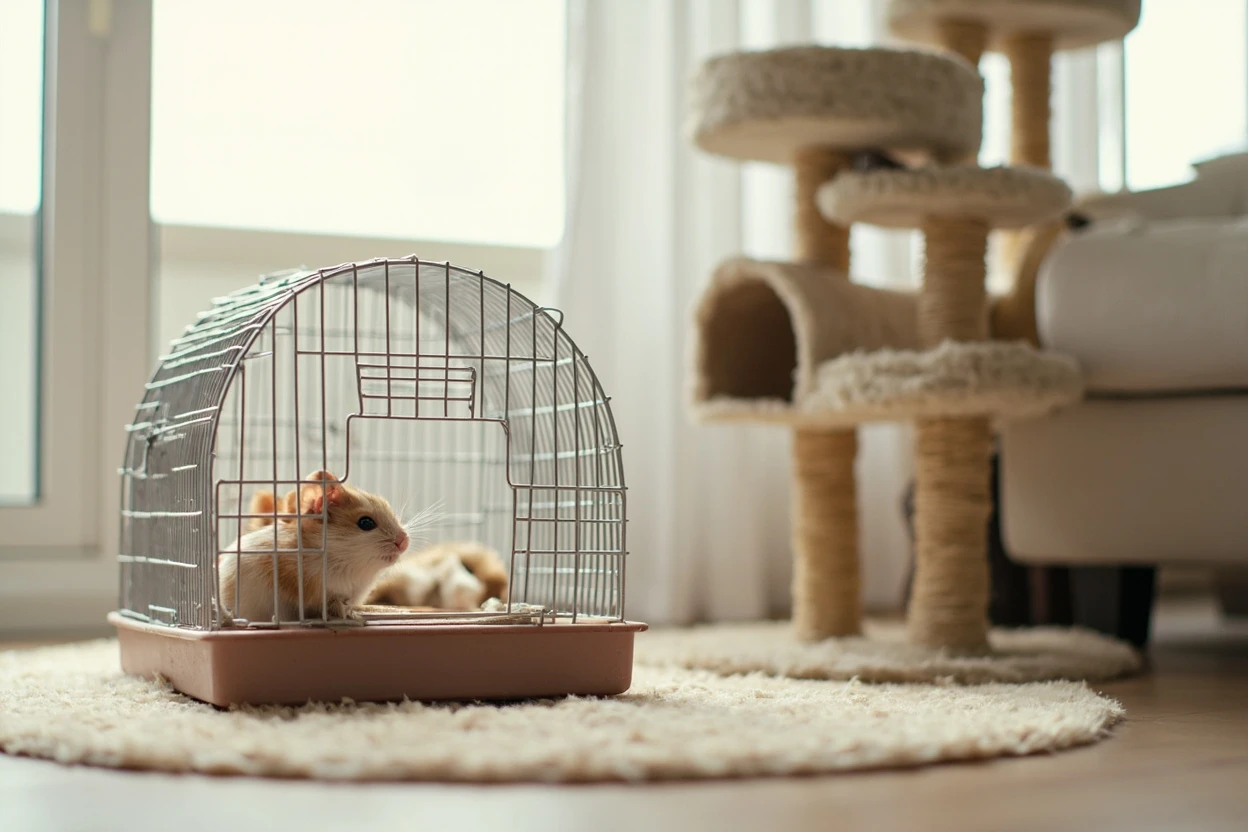
Key market segments and growth drivers in the Small Pets Hamster Cages sector.
2. Market Analysis
The global hamster cages market is on a resilient growth trajectory, estimated at $500 million in 2025 and projected to expand at a CAGR of 5% from 2025 to 2033. This growth is underpinned by three primary drivers: urbanization, pet humanization, and technological innovation. Urbanization, particularly in North America and Asia-Pacific, has led to smaller living spaces, making compact, multi-level hamster cages a necessity rather than a luxury. Pet humanization—where owners spend more on health, comfort, and enrichment—has pushed average unit prices up by 12-15% since 2022.
Technological innovation is the most disruptive force. Smart cages with integrated cameras, automated lighting, and humidity controls are no longer niche. In 2024, over 18% of new product launches in the hamster cage segment included some form of digital feature, according to industry filings. This aligns with the broader small pet market’s focus on creating alternatives that encourage more physical activity and fun for smaller animals. For instance, brands are now incorporating modular tunnels and exercise wheels with Bluetooth connectivity that sync to mobile apps, allowing owners to track their pet’s activity levels.
Regionally, North America dominates, accounting for roughly 35% of global revenue in 2024. The pet-friendly culture in the U.S. and Canada, coupled with high disposable incomes, has accelerated adoption of premium cages. Meanwhile, Asia-Pacific is the fastest-growing region, fueled by rising pet ownership in China and India, where hamster cages are increasingly seen as entry-level pet furniture. The competitive landscape remains fragmented, with no single player holding more than 12% market share, creating opportunities for specialized manufacturers and private-label suppliers.
For buyers and suppliers on Verity Rank, the key takeaway is clear: the hamster cage market is not a static commodity. It is a dynamic segment where innovation in materials (e.g., antimicrobial plastics), design (e.g., vertical habitats), and connectivity (e.g., smart sensors) commands premium pricing. Companies that fail to adapt to these drivers risk being left behind as the market consolidates around higher-value offerings.
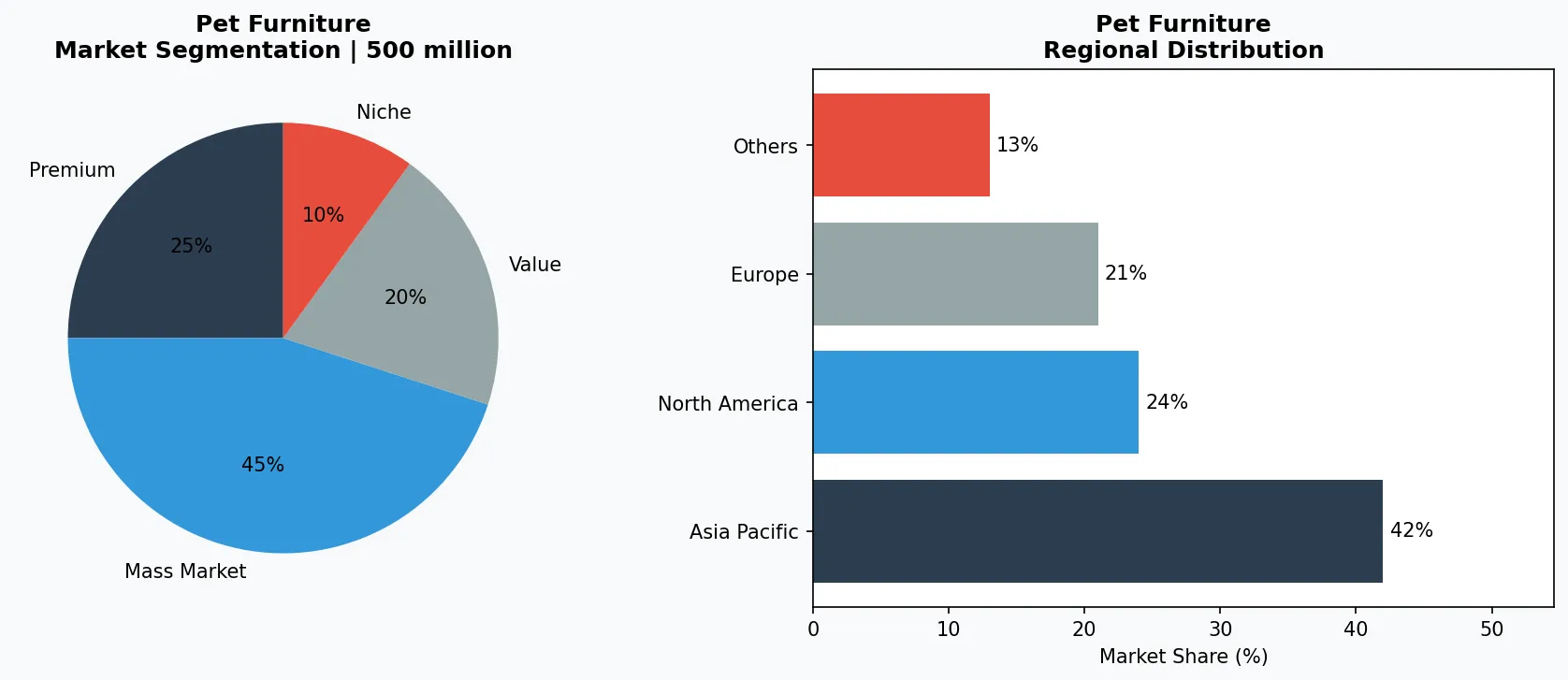
Market segmentation and regional distribution analysis for Small Pets Hamster Cages.
3. Product Categories
The hamster cage market can be segmented into three distinct product types: Basic Enclosures, Modular Habitats, and Smart Cages. Basic Enclosures remain the volume driver, accounting for approximately 55% of units sold in 2024. These are typically wire-frame cages with plastic bases, priced between $25 and $60. While functional, they often lack enrichment features, making them a low-margin entry point. Examples include the standard 12x18-inch wire cages common in pet superstores.
Modular Habitats represent the fastest-growing segment, with a CAGR of 7.2% from 2023 to 2030. These systems allow owners to expand or reconfigure the cage using tubes, connectors, and add-on modules. Brands like Prevue Hendryx and Kaytee offer popular modular lines that cater to owners who want to customize their pet’s environment. The appeal lies in scalability—owners can start small and build out, which fosters brand loyalty and repeat purchases. This segment is particularly strong in Europe, where space constraints drive demand for vertical, stackable designs.
Smart Cages are the premium tier, typically priced above $150. These integrate technology such as automated feeding, lighting cycles, and activity monitors. A notable example is the ‘Habitat Hub’ concept from emerging startups, which includes a built-in camera and a companion app that alerts owners to temperature fluctuations or low food levels. While still a small slice of the market (under 10% in 2024), smart cages are projected to grow at 12% annually through 2033, driven by tech-savvy pet owners who seek peace of mind and data-driven pet care.
Basic Wire Cages
Entry-level cages with plastic trays and wire tops, priced $25-$60. Examples include standard 12x18-inch models from Kaytee.
Modular Tube Systems
Expandable habitats with connectors and tunnels, allowing customization. Prevue Hendryx’s ‘Deluxe’ line is a popular example.
Smart Habitats
Tech-enabled cages with sensors, cameras, and app control. Priced above $150, these represent the premium growth segment.
4. Leading Players
The competitive landscape of the hamster cage market is defined by three archetypes: Large Pet Conglomerates, Niche Specialists, and Emerging Innovators. Each pursues a distinct strategy to capture value in this growing segment.
Large Pet Conglomerates like Kaytee and Prevue Hendryx dominate the mass-market segment. Kaytee, for instance, leverages its extensive distribution network across big-box retailers and e-commerce platforms to maintain volume leadership. Their strategy centers on affordability and brand recognition, offering a wide range of basic and modular cages under $100. However, their innovation cycle is slower, with most R&D focused on incremental improvements like easier cleaning or sturdier latches rather than radical design changes.
Niche Specialists such as Ferplast and Savic Hamster Heaven focus on the premium modular segment. Ferplast, an Italian brand, has carved out a strong position in Europe by emphasizing design and animal welfare. Their cages often feature deeper base trays for burrowing and more ventilation panels, catering to owners who prioritize natural behaviors. Savic, meanwhile, has built a loyal following through its ‘Hamster Heaven’ line, which includes multi-level habitats with integrated tunnels and platforms. Their competitive advantage lies in product differentiation and a deep understanding of small pet ethology.
Emerging Innovators represent the third archetype, typically smaller companies or startups that are pushing the boundaries of smart cage technology. While not yet household names, these players are driving the 12% CAGR growth in the smart cage segment. Their strategy is to create ecosystems—hardware plus software—that generate recurring revenue through app subscriptions or replacement parts. For buyers on Verity Rank, these innovators offer high-margin opportunities but require careful supplier verification to ensure quality and after-sales support.
Mass-Market Volume Leader
Kaytee leverages big-box retail and e-commerce to dominate the $25-$60 segment, focusing on affordability and brand recognition.
Premium Modular Specialist
Ferplast differentiates through design and animal welfare, offering deep-base cages that appeal to European buyers.
Smart Cage Innovator
Emerging startups target the $150+ smart cage niche, using IoT and app ecosystems to create recurring revenue.
5. Market Trends
1. Pet Humanization
Owners now demand furniture that mimics human living spaces, with multi-level condos, faux-wood finishes, and designer aesthetics for small pet habitats.
2. Smart Habitat Integration
Modular cages with built-in temperature control, automated lighting cycles, and app-based feeding systems are becoming standard in mid-to-premium B2B offerings.
3. Sustainable Materials Shift
Manufacturers are adopting bamboo, recycled plastics, and non-toxic plant-based substrates to meet eco-conscious procurement standards from retailers and distributors.
4. Compact Urban Design
Vertical cage systems with stackable modules and space-saving footprints are driving sales in dense metropolitan markets where floor space is at a premium.
6. Regional Markets
North America: Pet Humanization Hub
High disposable incomes and pet-friendly culture drive demand for premium and smart cages, accounting for 35% of global revenue.
Europe: Sustainability Frontrunner
Strict environmental regulations and consumer preference for eco-friendly materials push manufacturers toward recycled plastics and bamboo.
Asia-Pacific: Urban Growth Engine
Rapid urbanization and rising pet ownership in China and India fuel demand for compact, vertical habitats at accessible price points.
7. Investment Outlook
Two concrete opportunities stand out for the hamster cage market through 2028. First, the integration of health-monitoring AI into smart cages could unlock a new revenue stream: subscription-based wellness reports for pets. Second, partnerships with veterinary and pet insurance companies could position cages as preventive health tools, justifying higher price points.
A key risk is supply chain volatility for electronic components used in smart cages. With global semiconductor shortages persisting, companies reliant on imported sensors may face cost overruns or delays. Buyers should prioritize suppliers with diversified sourcing or localized production to mitigate this risk.
Strategic Considerations:
- Opportunity: Health-Monitoring AI:
- Opportunity: Veterinary Partnerships:
- Risk: Semiconductor Shortages:
- Risk: Regulatory Shifts:
Make Informed Decisions in the Small Pets Hamster Cages Market
Product quality and sourcing integrity directly impact business outcomes. Discover how Verity Rank's verification platform helps industry participants source with greater confidence.
Contact Verity Rank TodayFurther Reading: Explore additional market intelligence from Grand View Research and Mordor Intelligence.
This article is for informational purposes only, based on publicly available industry data and market reports as of 2026-05-23. All market figures are estimates and may vary from actual results.