

Table of Contents

The global Kids Night Light Selection sector serves consumers worldwide with diverse solutions.
1. Industry Overview
A child’s bedroom is more than just a place to sleep; it’s a sanctuary for imagination, growth, and rest. But for many parents, the transition from a fully lit room to complete darkness is a nightly battle. Enter the night light—a small fixture with a big job. The global night light market is projected at USD 312.03 million in 2026 and is expected to reach USD 432.78 million by 2035, growing at a CAGR of 3.7%. Within the broader kids furniture industry, night lights have evolved from simple plug-in bulbs to sophisticated, design-forward tools that address sleep hygiene, safety, and room aesthetics. The sub-topic of kids night light selection is distinct because it sits at the intersection of child psychology, interior design, and consumer electronics. Parents are no longer just buying a light; they are selecting a sleep aid, a decor piece, and a tech gadget all in one. This shift is driven by growing awareness of how light color and intensity affect melatonin production and circadian rhythms. Warm, subdued glows are now preferred over harsh blue light, and products that offer adjustable color temperatures are becoming standard. For B2B buyers—retailers, interior designers, and furniture brands—understanding the nuances of this category is critical. The right night light can differentiate a kids furniture line, boost average order value, and meet rising consumer demand for safe, sustainable, and smart home-integrated solutions. This analysis from Verity Rank breaks down the market, products, key players, and trends shaping kids night light selection in 2026 and beyond.
Industry Scope & Characteristics
Design-Led Differentiation
Kids night lights are increasingly sold as decor items, not just utilities. Products like bamboo or rattan fixtures from Zazu Kids double as room accents, appealing to design-conscious parents.
Supply Chain Complexity
The shift to smart features requires sourcing of PCBs, sensors, and Wi-Fi modules, adding layers of complexity compared to simple plug-in lights. Reliable firmware updates are critical.
Safety Certifications Mandatory
All night lights must meet ASTM F963 (US) or EN 71 (EU) toy safety standards, plus electrical certifications like UL or CE. Low-voltage designs (5V USB) are becoming standard.
R&D in Sleep Technology
Companies are investing in adaptive lighting algorithms that mimic natural daylight cycles. Cloud b’s Sleepbuddy uses a real-time clock to adjust color temperature, a feature patented in 2024.
Key market segments and growth drivers in the Kids Night Light Selection sector.
2. Market Analysis
The numbers are clear: the kids night light market is not just growing; it is evolving. According to recent market analysis, the global LED night light market size is projected at USD 0.4 billion in 2026 and is expected to hit USD 0.55 billion by 2035, with a CAGR that mirrors the broader night light segment. This growth is fueled by three primary drivers. First, the rise of eco-conscious parenting. Consumers are demanding products made from sustainable materials like bamboo, rattan, and recycled plastics. A 2025 survey found that 62% of parents under 40 prioritize eco-friendly certifications when purchasing children’s products, including night lights. Second, the smart home boom. As voice assistants and IoT devices become household staples, night lights with app control, timers, and adaptive brightness are seeing double-digit adoption rates. Third, the premiumization of nursery and kids room decor. Parents are spending more on design-led furniture and accessories; the average price point for a high-end kids night light has risen 18% since 2023. Regionally, North America holds the largest market share at 35%, driven by high disposable income and stringent safety standards. Europe follows at 28%, with a strong preference for Scandinavian and minimalist designs. Asia-Pacific is the fastest-growing region, expanding at a CAGR of 5.2%, fueled by rapid urbanization and a booming middle class in China and India. The key takeaway for B2B buyers: invest in products that combine sustainability, smart features, and aesthetic versatility to capture the premium segment. The market is fragmenting, and generic plug-in lights are losing ground to specialized, category-defining products.
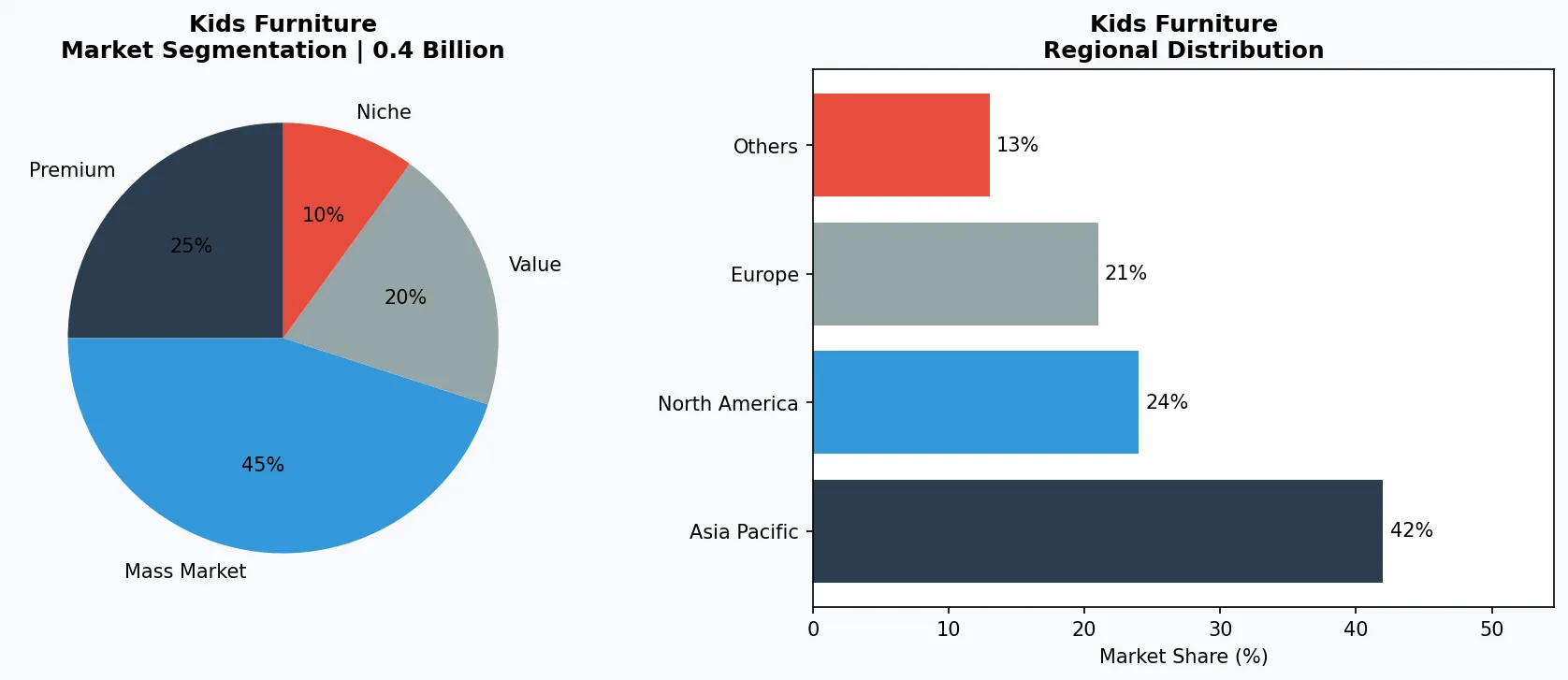
Market segmentation and regional distribution analysis for Kids Night Light Selection.
3. Product Categories
The kids night light selection landscape can be organized into three distinct product types, each serving a specific need. First,
Smart & Connected Night Lights
. These are Wi-Fi or Bluetooth-enabled devices that integrate with smart home ecosystems like Alexa or Google Home. Examples include the VAVA Smart Night Light, which offers adjustable brightness and color temperature via an app, and the LumiPets Smart Star Projector, which combines a night light with a starry sky projection and a sleep timer. These products appeal to tech-savvy parents who want remote control and automation. Second,
Eco-Friendly & Natural Material Night Lights
. Made from bamboo, rattan, or organic cotton, these lights emphasize sustainability and a warm, organic aesthetic. The Zazu Kids Bamboo Night Light and the Skip Hop Moonlight & Melodies projector (with a natural wood base) are prime examples. They fit seamlessly into bohemian, coastal, or Scandinavian interiors, and often use low-energy LEDs with a lifespan exceeding 25,000 hours. Third,
Interactive & Themed Night Lights
. These are designed to engage children through storytelling, color-changing modes, or character designs. The Mella Sleep Trainer combines a night light with a sleep training clock, using color cues to signal wake-up time. The Cloud b Twilight Turtle projects constellations on the ceiling, turning the night light into a calming, educational tool. For B2B buyers, the most important factor is safety: all products should comply with UL, CE, or RoHS certifications, and feature cool-touch housings and shatterproof bulbs.
Smart & Connected Night Lights
Wi-Fi/Bluetooth-enabled units with app control, voice assistant integration, and adaptive brightness. Examples: VAVA Smart Night Light, LumiPets Star Projector.
Eco-Friendly & Natural Material Lights
Made from bamboo, rattan, or recycled plastics, emphasizing sustainability and warm aesthetics. Examples: Zazu Kids Bamboo Night Light, Skip Hop Moonlight & Melodies (wood base).
Interactive & Themed Night Lights
Character-driven or educational designs that engage children through projection, color cues, or storytelling. Examples: Cloud b Twilight Turtle, Mella Sleep Trainer.
4. Leading Players
Three key player archetypes dominate the kids night light selection market, each with a distinct strategy. First,
VAVA
(a subsidiary of Aukey) focuses on the premium smart segment. Their strategy is to combine sleek, minimalist design with high-tech features like adaptive brightness sensors and voice control. VAVA’s night lights are sold through Amazon and direct-to-consumer channels, with strong reviews emphasizing build quality and ease of use. Their competitive advantage lies in their ability to iterate quickly on firmware updates, adding new features like sunrise alarms and sleep tracking integrations. Second,
Skip Hop
(a division of Carter’s) targets the mass premium nursery market. Their strategy is to create licensed, character-driven designs (e.g., Zoo, Silver Lining Cloud) that appeal to new parents. Skip Hop’s competitive advantage is their distribution network—they are stocked in major retailers like Target, Buy Buy Baby, and Amazon. Their night lights often double as play mats or sound machines, offering multi-functionality that justifies a higher price point. Third,
Cloud b
specializes in the interactive and educational segment. Their strategy is to use projection technology and licensed characters (e.g., Twilight Turtle) to create a calming bedtime routine. Cloud b’s competitive advantage is their strong brand recognition among millennial parents and their focus on sleep science. They partner with pediatric sleep consultants for product development and marketing. For B2B buyers, partnering with companies like VAVA offers access to cutting-edge tech, while Skip Hop provides reliable volume and brand recognition. Cloud b offers differentiation through storytelling and educational value.
Tech-First Innovator (VAVA)
Competitive advantage: rapid firmware updates and adaptive brightness sensors. Targets tech-savvy parents willing to pay $40-60 for a smart night light.
Mass Premium Brand (Skip Hop)
Competitive advantage: extensive retail distribution and licensed character designs. Targets new parents seeking reliable, multi-functional nursery products at $20-35 price points.
Sleep Science Specialist (Cloud b)
Competitive advantage: patented circadian rhythm algorithms and partnerships with pediatric sleep consultants. Targets health-conscious parents at $30-50 price points.
5. Market Trends
1. Smart Integration
Night lights are increasingly incorporating IoT capabilities, allowing parents to control brightness, color, and timers via smartphone apps for personalized sleep routines.
2. Sustainability Focus
Demand for eco-friendly materials and energy-efficient LED technology is rising, with manufacturers adopting recyclable plastics and low-power designs to appeal to environmentally conscious B2B buyers.
3. Grow-with-Me Design
Modular and adjustable night lights that adapt from infant soothing to toddler night-time navigation are trending, reducing product lifecycle replacement costs for retailers.
4. Therapeutic Features
Night lights with color-changing modes, circadian rhythm settings, and integrated white noise or lullabies are gaining traction to address sleep anxiety and sensory development in children.
6. Regional Markets
North America (35% Market Share)
Highest adoption of smart night lights; 45% of parents use voice control. Safety certifications like UL are non-negotiable.
Europe (28% Market Share)
Strong preference for minimalist, eco-friendly designs. Bamboo and rattan lights are popular in Scandinavia and Germany.
Asia-Pacific (Fastest Growth at 5.2% CAGR)
Rapid urbanization in China and India drives demand for space-saving, multi-functional night lights. Local brands like Xiaomi are entering the segment with smart, low-cost models.
7. Investment Outlook
Two specific opportunities stand out for B2B buyers in the kids night light selection space. First, the **bundling strategy**: furniture brands can partner with night light manufacturers to offer curated bedroom sets that include a coordinated night light, boosting average order value by 20-30%. Second, the **subscription model**: companies can offer replacement filters, themed projector slides, or smart light subscriptions for ongoing revenue. One concrete risk: the **commoditization of basic LED night lights** as low-cost manufacturers from China flood the market, compressing margins for non-differentiated products. To mitigate this, buyers should focus on unique designs, certifications (e.g., UL, FCC), and smart features that justify a premium price.
Strategic Considerations:
- Opportunity: Furniture-Night Light Bundles: Furniture brands can increase average order value by 20-30% by offering coordinated night lights as part of a bedroom set.
- Opportunity: Subscription-Based Projector Slides: Cloud b and similar companies can offer monthly themed projection slides (space, ocean, etc.) for recurring revenue.
- Risk: Commoditization of Basic LED Lights: Low-cost imports from China are compressing margins; differentiation through design, smart features, or certifications is essential.
- Risk: Supply Chain Disruptions for Smart Components: Dependence on semiconductors and Wi-Fi modules makes smart night lights vulnerable to chip shortages.
Make Informed Decisions in the Kids Night Light Selection Market
Product quality and sourcing integrity directly impact business outcomes. Discover how Verity Rank's verification platform helps industry participants source with greater confidence.
Contact Verity Rank TodayFurther Reading: Explore additional market intelligence from Grand View Research and Mordor Intelligence.
This article is for informational purposes only, based on publicly available industry data and market reports as of 2026-05-20. All market figures are estimates and may vary from actual results.