

Table of Contents
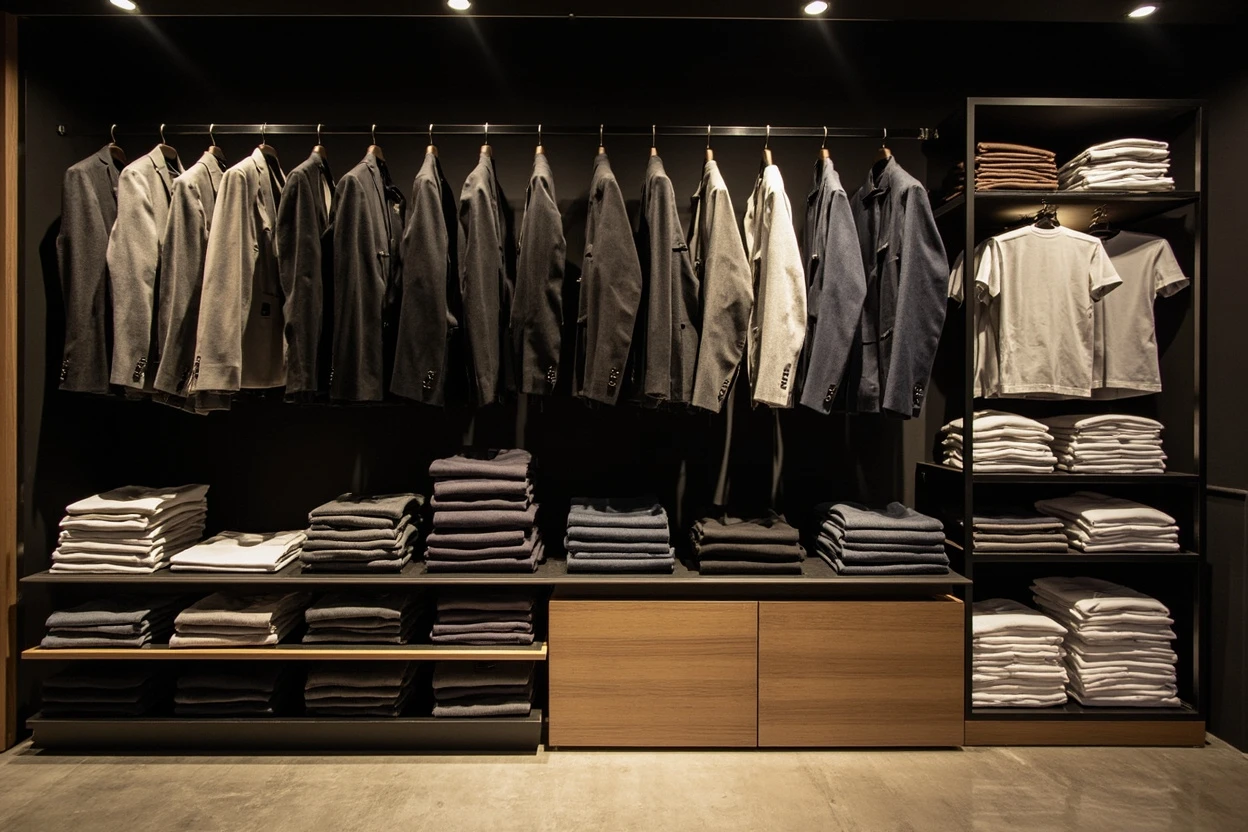
The global Men's Tie Accessories sector serves consumers worldwide with diverse solutions.
1. Industry Overview
After a decade of steady decline—neckwear sales in the U.S. fell 23% between 2014 and 2020—the necktie is making an emphatic comeback. In 2025, global tie sales rebounded by 12% year-over-year, driven by the return of office dress codes and a resurgence in formal events. The 2026 runway shows at Pitti Uomo and Paris Fashion Week cemented the shift: deconstructed ties, alternative materials, and bold patterns are no longer niche styling experiments but mainstream commercial categories. This is not a nostalgic revival; it’s a structural redefinition of a product category that had been written off as obsolete. For buyers and suppliers in the men's clothing industry, understanding the forces behind this uptick—texture-driven design, mid-width geometry, and color psychology—is critical to capturing share in a market projected to reach $8.2 billion globally by 2027. VerityRank’s analysis of the men's tie accessories segment identifies the specific product types, manufacturing shifts, and brand strategies that will define the next cycle.
Industry Scope & Characteristics
Hand-Rolled vs. Machine-Stitched
The highest-quality men's tie accessories, particularly silk ties, are distinguished by hand-rolled edges (three- or seven-fold construction). Machine-stitched ties dominate the mass-market segment but lack the drape and durability of handcrafted ones.
Italian and Chinese Manufacturing Hubs
Approximately 70% of premium silk tie fabric is woven in Como, Italy, while final assembly—especially for mid-tier products—is concentrated in factories in Zhejiang, China. This dual-location supply chain creates quality consistency challenges.
ISO 9001 and Oeko-Tex Certifications
Top-tier tie manufacturers often hold ISO 9001 for quality management and Oeko-Tex Standard 100 for absence of harmful substances. These certifications are increasingly requested by B2B buyers to meet corporate sustainability and compliance requirements.
Woven Label and Anti-Wrinkle R&D
Innovation in this category focuses on woven labels (tagless, integrated into the neckband) and anti-wrinkle finishes that allow ties to be packed flat or rolled. A few mills are developing shape-memory interlinings that self-recover after creasing.
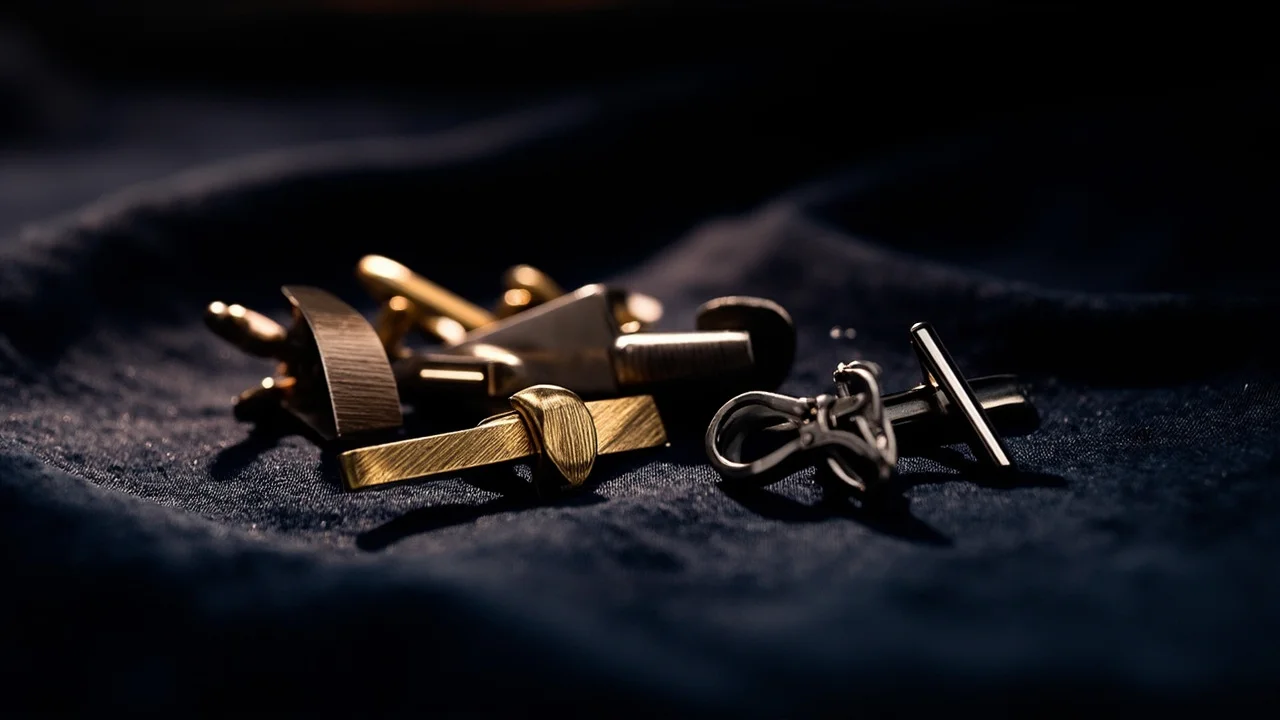
Key market segments and growth drivers in the Men's Tie Accessories sector.
2. Market Analysis
The global men's tie accessories market—encompassing neckties, bow ties, cravats, and complementing items like tie bars and pocket squares—was valued at approximately $6.5 billion in 2024, according to industry estimates. Growth has been uneven: the pandemic erased two years of gains, but a compound annual growth rate (CAGR) of 4.8% from 2025 to 2030 is now projected, with the strongest momentum coming from the Asia-Pacific region, where formalwear adoption is rising among younger professionals. Three drivers explain the acceleration. First, the hybrid-work equilibrium: companies like Goldman Sachs and JPMorgan have reinstated formal dress codes at least three days per week, directly boosting tie sales. Second, the personalization trend: consumers increasingly seek unique textures and patterns—knitted wools, raw silks, even upcycled materials—pushing average unit prices up 7% since 2023. Third, the revival of formal social calendars: wedding and gala attendance in the U.S. hit pre-pandemic levels in 2025, fueling demand for ties as gifting items. For B2B buyers, the implication is clear: inventory mix must pivot away from basic polyester solids toward premium, texture-forward SKUs that command higher margins.
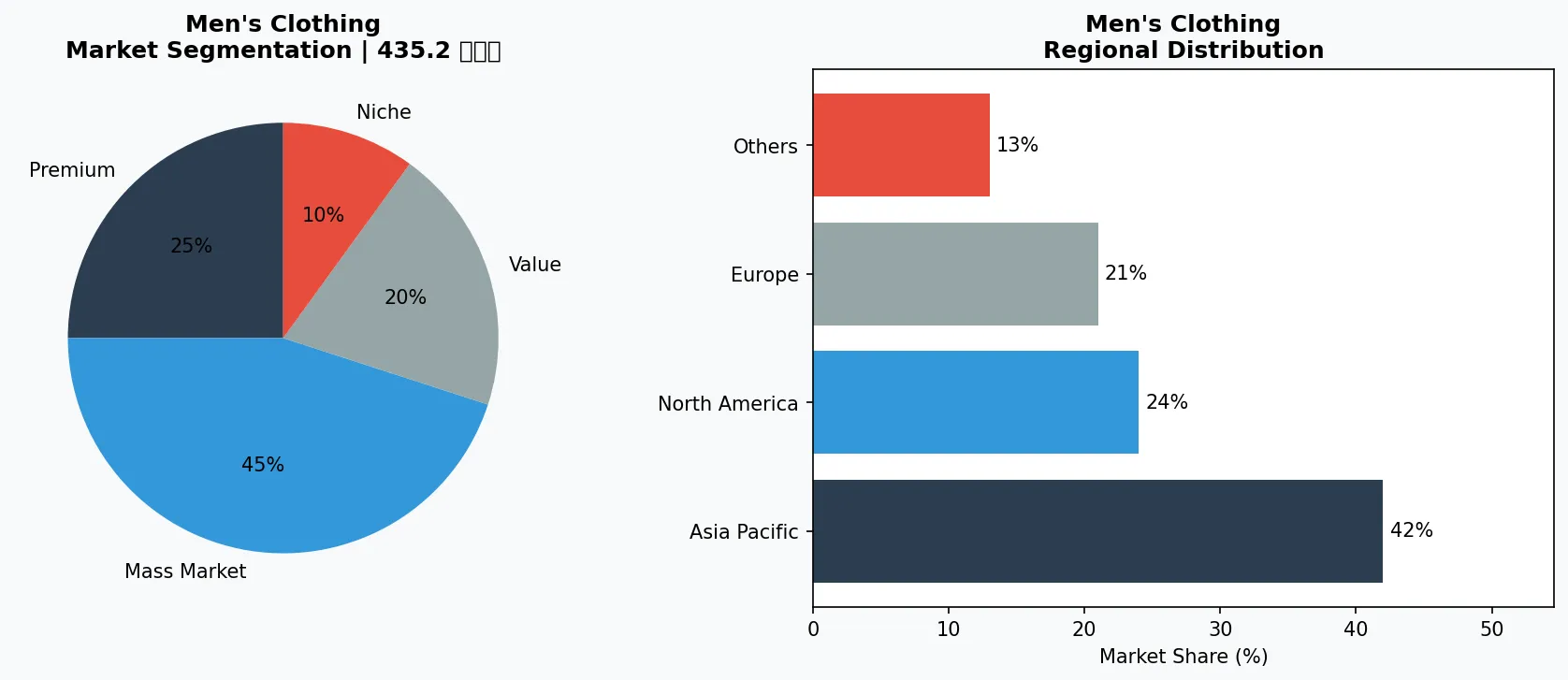
Market segmentation and regional distribution analysis for Men's Tie Accessories.
3. Product Categories
Silk ties remain the anchor product of the category, accounting for roughly 55% of revenue. The shift here is from standard twill to more tactile weaves: grenadine, foulard, and jacquard. English heritage house Turnbull & Asser continues to produce hand-rolled silk ties using 100-year-old looms, a gold standard for quality. Knitted ties represent the second major segment, growing at 18% annually through 2025. These are favored for their relaxed formality—perfect for weddings and creative-office dress codes. J.Crew and Brooks Brothers offer knitted silk and wool blends at accessible price points, while luxury Italian mills produce cashmere-knitted interpretations. The third product type is the novelty tie, which has moved beyond niche. Bold plaids, paisleys, and abstract graphic prints—often from French pattern specialists—are now considered a wardrobe essential rather than a statement piece. Finally, the accessories category—tie bars, cufflinks, and tie chains—is expanding in tandem, with laser-engraved and monogrammed options driving a 9% sales increase in 2025.
Premium Handcrafted Silk Ties
Examples include Turnbull & Asser seven-fold silk ties and Hermès printed silk squares. These command retail prices above $200 and are sold through specialty retailers and direct-to-consumer luxury sites.
Casual Knitted & Wool Ties
Brooks Brothers does a robust business in knitted silk ties priced $60–$90, while J.Crew offers wool-blend versions. This segment thrives on texture and color variety, often merchandised alongside chinos and sport coats.
Novelty & Graphic Print Ties
French pattern specialists like Maison Labiche produce limited-run printed ties with whimsical motifs. These appeal to the fashion-forward customer and are popular as gift items, with lower volume but higher margins per unit.
4. Leading Players
Turnbull & Asser remains the benchmark for traditional silk neckwear, producing ties that often retail above $200. Their strategy hinges on heritage craftsmanship and bespoke services, appealing to high-net-worth individuals and corporate uniforms for luxury hotels. Brooks Brothers, by contrast, has successfully repositioned its tie business as a bridge between accessibility and quality. Its preppy knitted varieties and classic rep stripes dominate the mid-tier market, with a distribution network spanning 200+ stores globally. Italian suiting powerhouses—including Ermenegildo Zegna and Loro Piana—have expanded their necktie lines to leverage their fabric expertise. Zegna’s ‘Oasi Cashmere’ ties, made from traceable fibers, command premium placement in department stores. On the avant-garde end, Schiaparelli and Saint Laurent are driving the deconstructed tie trend: Schiaparelli’s cowboy-inspired neckwear (fringe, leather, and hardware) and Saint Laurent’s slim, undone silhouettes influence fast-fashion adaptations. For B2B buyers, these players signal two distinct sourcing pathways: heritage-only quality or fashion-forward innovation. VerityRank’s supplier verification tools help buyers assess which partner aligns with their price and quality targets.
Heritage House: Turnbull & Asser
This British brand leverages 125 years of craftsmanship, hand-rolling each tie in its Gloucester workshop. Its competitive advantage lies in bespoke services for high-net-worth individuals and corporate clients like The Ritz.
Italian Fabric Powerhouse: Ermenegildo Zegna
Zegna uses its vertically integrated mills to produce ties from proprietary fabrics like Oasi Cashmere. Its strategy positions ties as an extension of its fabric-first brand, appealing to luxury department stores seeking traceable materials.
American Prep Reboot: Brooks Brothers
Having survived bankruptcy, Brooks Brothers refocused its tie line on classic repp stripes and preppy knits, leveraging its collegiate heritage. The strategy targets mid-market B2B corporate gift programs and uniform supply deals.
5. Market Trends
1. TEXTURED FABRICS
The single biggest trend of 2026 is the move away from flat, shiny silk toward tactile materials—bouclé, wool challis, linen blends, and even velvet. This matters because texture conveys a sense of craftsmanship and uniqueness that modern consumers crave. Italian mills like Ratti are investing in jacquard looms to produce three-dimensional surfaces.
2. MID-WIDTH MEASUREMENTS
After years of skinny ties (2 inches) and the brief return of wider 4-inch models, the sweet spot is 3 to 3.5 inches at the blade’s widest point. It balances proportion with modern tailoring. Brands like Suitsupply have realigned their entire tie assortment to this width.
3. BOLD COLORS AND PATTERNS
Deep jewel tones (emerald, burgundy, cobalt) and painterly floral prints are replacing safe solids. The driver is social media visibility: ties that photograph well. Saint Laurent’s 2026 runway featured a cobalt silk jacquard tie with oversized paisleys that became an instant Instagram reference.
4. DECONSTRUCTED STYLING
Ties are being worn untied, loosened, or tucked into waistbands. Schiaparelli’s cowboy tie and the ‘unfinished’ look from Hermès signal a shift toward intentional imperfection, which influences how accessory sets are merchandised—fewer matched sets, more mix-and-match.
6. Regional Markets
Europe: Luxury Fabric Leadership
Italy and the UK dominate the high-end tie fabric market. Como-based mills supply 60% of global premium silk tie fabric, while UK manufacturers hold sway over bespoke and heritage production. Sustainability regulations here push innovation in eco-dyes.
Asia-Pacific: Volume and Growth
China remains the largest producer of finished ties by volume, with factories in Zhejiang and Jiangxi. The region’s own formalwear market is expanding at 7% CAGR, driven by rising business formal occasions in India and Southeast Asia.
North America: Retail Consolidation
U.S. department store consolidation has reduced shelf space for ties, but direct-to-consumer brands (e.g., The Tie Bar) and online marketplaces have partially offset this. Corporate uniform programs—hotels, airlines—are a key B2B channel in this region.
7. Investment Outlook
Two opportunities stand out for B2B suppliers. First, sustainable materials: ties made from organic silk, recycled polyester, or plant-based dyes are still a small fraction (under 5%) of the market but are growing at 22% annually. Early movers can secure long-term contracts with eco-conscious brands. Second, the corporate uniform segment—companies rebranding their dress codes post-pandemic—represents a stable, repeat-order channel. However, a concrete risk remains: the casual workplace trend is not dead. If major employers relax dress codes again, tie demand could soften. The hedge is to invest in versatility—ties that work with both suits and blazers, or that can be marketed as ‘smart casual’ accessories. VerityRank’s supplier ratings now include a ‘trend responsiveness’ metric to help buyers navigate this volatility.
Strategic Considerations:
- Technology & AI Integration: Artificial intelligence and IoT are revolutionizing production efficiency, quality assurance, and demand forecasting across the supply chain.
- Sustainability as Business Strategy: Regulatory pressure and consumer expectations are making environmental commitments essential, not optional.
- Transparency & Traceability: Consumers demand increasingly granular information about product origins, ingredients, and production methods.
- Emerging Market Penetration: Africa, Latin America, and second-tier Asian cities represent the next wave of volume growth.
Frequently Asked Questions
Make Informed Decisions in the Men's Tie Accessories Market
Product quality and sourcing integrity directly impact business outcomes. Discover how Verity Rank's verification platform helps industry participants source with greater confidence.
Contact Verity Rank TodayFurther Reading: Explore additional market intelligence from Grand View Research and Mordor Intelligence.
This article is for informational purposes only, based on publicly available industry data and market reports as of 2026-06-13. All market figures are estimates and may vary from actual results.