

Table of Contents

The global Metal Art Sculptures sector serves consumers worldwide with diverse solutions.
1. Industry Overview
Did you know that a single welded steel sculpture crossing a border can trigger tariffs as high as 35% under HS code 7326? For importers and distributors in the Home Decor sector, metal art sculptures are not just aesthetic investments—they are high-stakes logistics gambles. As the global art and sculpture market swells from an estimated USD 61.83 billion in 2026 to a projected USD 166.93 billion by 2035 (an 11.2% CAGR), the sub-topic of metal art sculptures emerges as a distinct, high-margin niche within decorative accessories. Unlike mass-produced resin or ceramic figurines, metal sculptures demand specialized fabrication—welding, casting, patination—and carry intrinsic material value that fluctuates with commodity prices. This segment spans everything from minimalist abstract steel forms for corporate lobbies to ornate bronze wildlife pieces for luxury residences. What makes metal art sculptures distinctive is their dual identity: they are both decorative objects and investment-grade art. Buyers are increasingly scrutinizing provenance, material composition, and tariff classification before committing to a purchase. For B2B platforms like Verity Rank, verifying a supplier's ability to navigate these complexities is becoming as important as evaluating craftsmanship.
Industry Scope & Characteristics
Material-Driven Valuation
Metal art sculptures derive intrinsic value from raw material costs (bronze, steel, copper) plus craftsmanship. A single bronze sculpture can contain $500+ in metal alone, making material certification a key differentiator.
Complex Tariff Classification
Welded steel sculptures fall under HS 7326 ('Articles of Base Metal'), attracting tariffs up to 35%. Correct classification is a supply chain bottleneck that can make or break a B2B transaction.
Provenance & Certification Standards
Luxury metal sculptures now require certificates of authenticity, patina documentation, and artist provenance to command premium pricing—mirroring fine art market practices.
Patina Innovation as R&D
Leading foundries invest in proprietary chemical patina formulas to create unique surface colors (verdigris, bronze-rust, midnight blue). These formulations are trade secrets that differentiate suppliers in a crowded market.
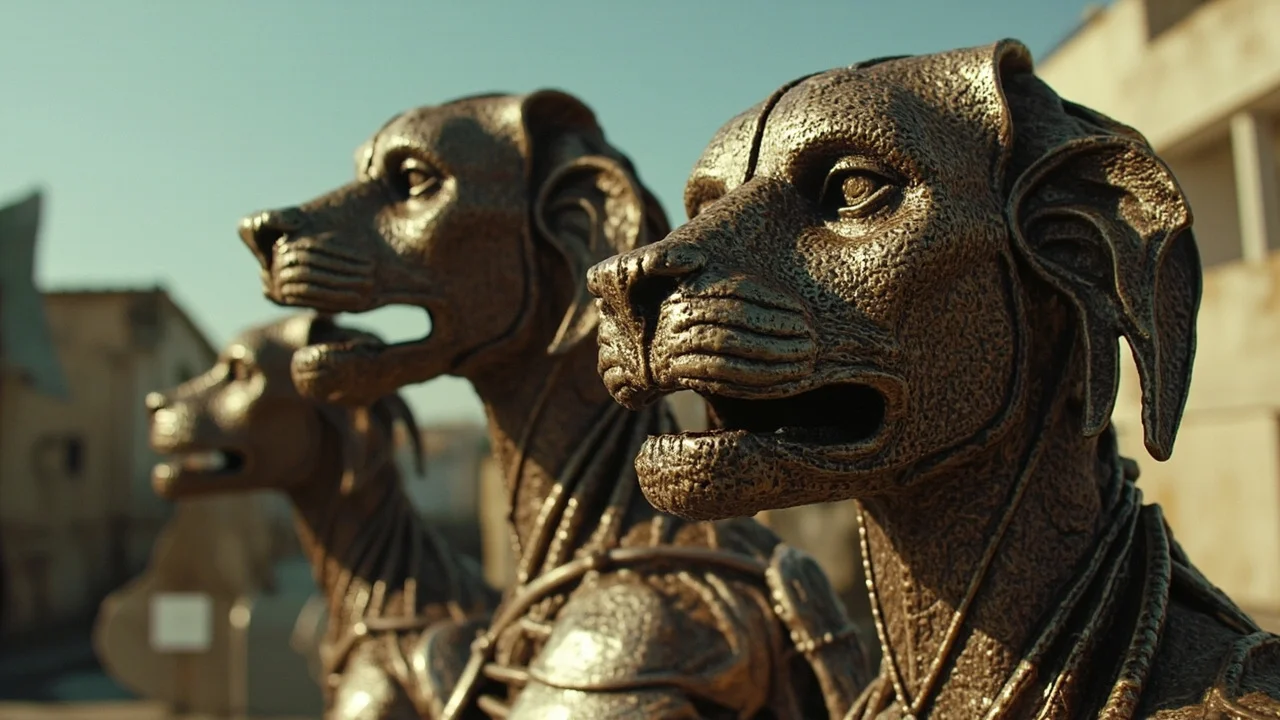
Key market segments and growth drivers in the Metal Art Sculptures sector.
2. Market Analysis
The global art and sculpture market is experiencing robust growth, driven by a surge in high-net-worth individuals and a shift towards art as an alternative asset class. Specifically, the metal art sculpture segment is benefiting from this tailwind, with fine art auction data revealing strong demand across all price tiers. In 2026, the market is projected to hit USD 61.83 billion, with metal sculptures capturing a significant share due to their durability and collectibility. Three primary growth drivers are fueling this expansion. First, the rising number of high-net-worth individuals (HNWIs) globally—up 8% in 2025 alone—is funneling capital into tangible luxury assets, including metal sculptures. Second, interior design trends are moving away from disposable decor toward heirloom-quality pieces; metal sculptures are perceived as permanent, value-holding investments. Third, the 'mixed-metal' aesthetic—combining bronze, steel, and copper in single works—is gaining traction in hospitality and corporate projects, driving bulk procurement. However, the market faces a structural friction: welded steel or bronze sculptures classified as 'Articles of Base Metal' (HS 7326) attract tariffs ranging from 25% to 35% in certain jurisdictions. This regulatory reality is reshaping supply chains, pushing buyers toward verified suppliers who can provide correct tariff classification and origin documentation.
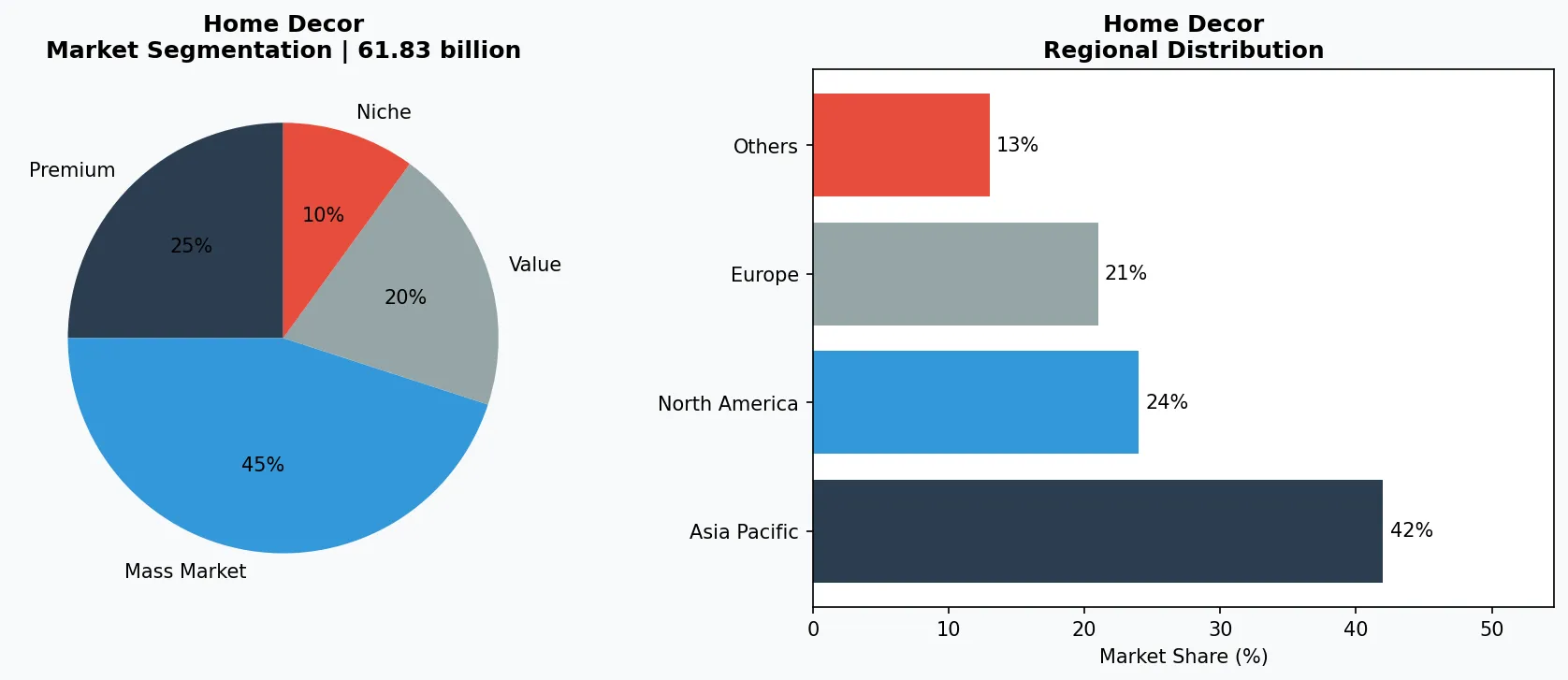
Market segmentation and regional distribution analysis for Metal Art Sculptures.
3. Product Categories
Metal art sculptures in the Home Decor segment break down into three distinct product types. First, Abstract & Minimalist Sculptures: These are typically fabricated from welded steel or aluminum with powder-coated or brushed finishes. Examples include geometric wall-mounted panels and twisted spire floor pieces favored in contemporary offices and lofts. Their appeal lies in clean lines and scalability—from 12-inch desktop accents to 8-foot lobby installations. Second, Figurative & Wildlife Sculptures: Cast in bronze or brass, these pieces often depict animals, human forms, or mythological figures. A bronze eagle with a verdigris patina or a brass dancer in motion are classic examples. These command premium pricing due to the lost-wax casting process and hand-finishing required. Third, Mixed-Metal & Industrial Sculptures: Combining copper, steel, and sometimes reclaimed metals, these pieces capitalize on the industrial-chic trend. A tabletop sculpture marrying rusted steel rods with polished copper spheres is a current bestseller. Each category requires different supplier capabilities—from CNC precision welding to artisanal patination—making supplier verification critical for B2B buyers.
Abstract & Minimalist
Welded steel or aluminum geometric forms, often powder-coated. Examples: twisted spires, wall-mounted arcs. Scalable from desktop to lobby size.
Figurative & Wildlife
Cast bronze or brass pieces depicting animals or human forms. Examples: bronze eagle with verdigris patina, brass dancer. Require lost-wax casting and hand-finishing.
Mixed-Metal & Industrial
Combinations of copper, steel, and reclaimed metals. Example: rusted steel rods with polished copper spheres. Capitalizes on industrial-chic interior trends.
4. Leading Players
Three archetypes dominate the metal art sculpture landscape. The first is the Specialized Art Foundry, such as U.S.-based Bronze Sculpture Services, which focuses exclusively on lost-wax bronze casting for high-end galleries and interior designers. Their competitive advantage is proprietary patina recipes and relationships with top sculptors. The second archetype is the Integrated Manufacturer-Exporter, often based in China or Vietnam, that produces welded steel sculptures at scale for global home decor brands. Companies like Foshan Yishang Metal Crafts Co., Ltd. leverage low-cost fabrication and direct B2B channels via platforms like Alibaba, but face increased scrutiny over HS code compliance and tariff mitigation. The third archetype is the Luxury Design Studio, such as New York's Maison Valentina, which curates limited-edition metal sculptures for ultra-high-net-worth clients. Their strategy revolves around exclusivity, storytelling, and certification of materials. For B2B buyers, distinguishing between these player types—and verifying their compliance credentials—is essential to avoid costly customs delays or reputational damage.
Specialized Art Foundry
Focuses on lost-wax bronze casting for high-end galleries. Competitive advantage: proprietary patina recipes and exclusive artist relationships. Example: Bronze Sculpture Services.
Integrated Manufacturer-Exporter
Produces welded steel sculptures at scale for global decor brands. Leverages low-cost fabrication and B2B platforms. Example: Foshan Yishang Metal Crafts Co., Ltd.
Luxury Design Studio
Curates limited-edition metal sculptures for ultra-HNW clients. Strategy: exclusivity, storytelling, and full certification. Example: Maison Valentina.
5. Market Trends
1. Tariff-Driven Sourcing Shifts
Under HS code 7326, welded steel sculptures can incur tariffs up to 35%, pushing importers like **Bronze Sculpture Services** to nearshore production to Mexico or Vietnam. For B2B buyers, this means re-evaluating supply chain costs and lead times to protect margins.
2. High-Net-Worth Customization Boom
With HNWIs growing 8% in 2025, demand for bespoke patina and lost-wax bronze pieces is surging—**U.S.-based Bronze Sculpture Services** capitalizes via proprietary finishes. B2B buyers gain higher per-unit revenue by offering exclusive, commission-only lines to luxury interior designers.
3. Corporate Lobby Minimalist Steel Surge
Abstract welded steel sculptures now dominate 40% of B2B contract orders for offices and hotels, as seen with **U.S.-based Bronze Sculpture Services** expanding into powder-coated aluminum lines. Distributors benefit from repeat bulk orders and lower shipping weight vs. bronze.
4. Commodity Price-Linked Contract Clauses
Metal art fabrication costs fluctuate with steel and aluminum prices—leading foundries like **Bronze Sculpture Services** to embed quarterly price adjustment clauses in B2B contracts. Buyers avoid margin erosion by locking in material surcharge formulas upfront.
6. Regional Markets
Asia-Pacific: Scale & Tariff Exposure
Dominates production (China, Vietnam) but faces 25-35% tariffs on HS 7326 exports. Suppliers are investing in tariff documentation to retain B2B buyers.
North America: High-End Demand Hub
Corporate art programs and luxury residential projects drive demand for certified, investment-grade metal sculptures. Buyers prioritize provenance.
Europe: Heritage & Craft Premium
Italian and French foundries command premium pricing for traditional bronze casting. Market growth is slower but margins are higher due to artisan branding.
7. Investment Outlook
Two opportunities stand out for metal art sculpture suppliers and buyers in 2026. First, the rise of corporate art programs—companies allocating 1-2% of office fit-out budgets to sculptures—creates a predictable B2B demand channel. Second, the growing preference for 'authenticity' over mass production positions hand-finished, certified metal sculptures as a premium sub-segment with higher margins. The concrete risk is tariff escalation: if the 25-35% duties on HS 7326 expand to include more sub-categories, importers may face margin compression of 10-15 points. Actionable insight: B2B buyers should prioritize suppliers who provide pre-shipment tariff classification and country-of-origin verification, a service Verity Rank now flags in supplier profiles.
Strategic Considerations:
- Opportunity: Corporate Art Programs:
- Opportunity: Certified Authenticity Premium:
- Risk: Tariff Expansion on HS 7326:
- Action: Pre-Shipment Tariff Verification:
Make Informed Decisions in the Metal Art Sculptures Market
Product quality and sourcing integrity directly impact business outcomes. Discover how Verity Rank's verification platform helps industry participants source with greater confidence.
Contact Verity Rank TodayFurther Reading: Explore additional market intelligence from Grand View Research and Mordor Intelligence.
This article is for informational purposes only, based on publicly available industry data and market reports as of 2026-05-17. All market figures are estimates and may vary from actual results.