

Table of Contents

The global Mite Vacuum Cleaner sector serves consumers worldwide with diverse solutions.
1. Industry Overview
Did you know that a single gram of household dust can harbor up to 1,000 dust mites and their waste, triggering allergies in tens of millions worldwide? This hidden menace is driving a surge in demand for mite vacuum cleaners—specialized devices engineered to extract and eliminate dust mites, their eggs, and allergens from mattresses, upholstery, and carpets. Unlike standard vacuum cleaners, these units combine high-efficiency particulate air (HEPA) filtration, UV-C light, or vibrating pads to physically remove and kill mites, addressing a health concern that affects an estimated 20% of the global population. The mite vacuum cleaner segment, a niche within the broader home cleaning appliances industry, is rapidly gaining traction as consumers prioritize indoor air quality and allergen control. In 2025, the overall vacuum cleaner market surpassed $16.56 billion, with mite-specific models capturing a growing share thanks to rising awareness of respiratory health. These devices are distinct in their targeted approach: they not only clean but also sanitize, often featuring multi-stage filtration systems that trap particles as small as 0.3 microns. This focus on deep cleaning positions mite vacuum cleaners as a critical tool for households with children, pets, or allergy sufferers, making them a standout category in the smart home cleaning ecosystem.
Industry Scope & Characteristics
Targeted Allergen Removal
Mite vacuum cleaners uniquely combine HEPA filtration, UV-C light, and vibrating pads to physically extract and kill dust mites, unlike standard vacuums that only remove surface debris. The Xiaomi Deerma VC01 exemplifies this with its three-in-one approach.
Specialized Supply Chains
Manufacturers source UV-C lamps, HEPA media, and vibration motors from niche suppliers, creating a dependency on Asian component hubs like Shenzhen. This contrasts with general vacuum production, which uses commoditized parts.
Certification-Driven Quality
Mite vacuums often carry the Asthma and Allergy Friendly certification from AAFA or similar bodies, requiring independent lab testing for particle retention and allergen reduction. Miele's Complete C3 Allergy line is a certified example.
Sensor Fusion Innovation
R&D focuses on integrating optical dust sensors and AI to quantify mite debris in real time, as seen in Dyson's laser-based detection. This allows users to visualize cleaning effectiveness, a key differentiator from traditional vacuums.
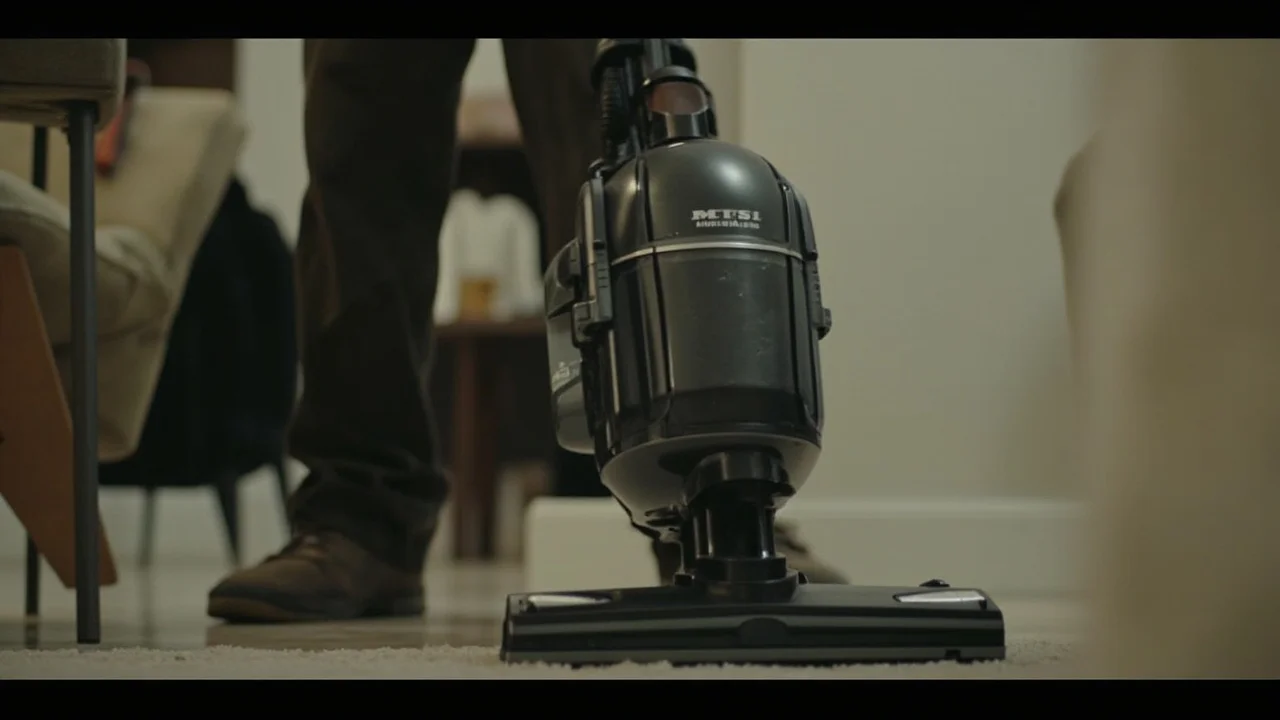
Key market segments and growth drivers in the Mite Vacuum Cleaner sector.
2. Market Analysis
The smart mite removal vacuum cleaner market is projected to grow from $1.6 billion in 2026 to $3.5 billion by 2036, expanding at a compound annual growth rate (CAGR) of 8.0%, according to recent industry analysis. This growth outpaces the broader vacuum cleaner market, which is expected to hit $39.19 billion by 2034 at a 10.04% CAGR. Three key drivers fuel this expansion. First, the global rise in allergy and asthma cases—now affecting over 300 million people—has made mite elimination a medical priority, not just a cleaning preference. Second, urbanization in Asia-Pacific, where humidity levels often exceed 60%, creates ideal breeding conditions for dust mites, accelerating demand for specialized vacuums in countries like China, Japan, and South Korea. Third, technological advancements have lowered costs: UV-C and HEPA-equipped handheld mite vacs now retail for under $100, making them accessible to middle-income households. The segment is also benefiting from the clean-label and eco-friendly trend, with brands emphasizing non-toxic, chemical-free mite removal. By 2030, the mite vacuum cleaner category could represent 8-10% of the total vacuum cleaner market, up from an estimated 5% in 2025, as consumers shift from general-purpose vacuums to purpose-built solutions for allergen control.
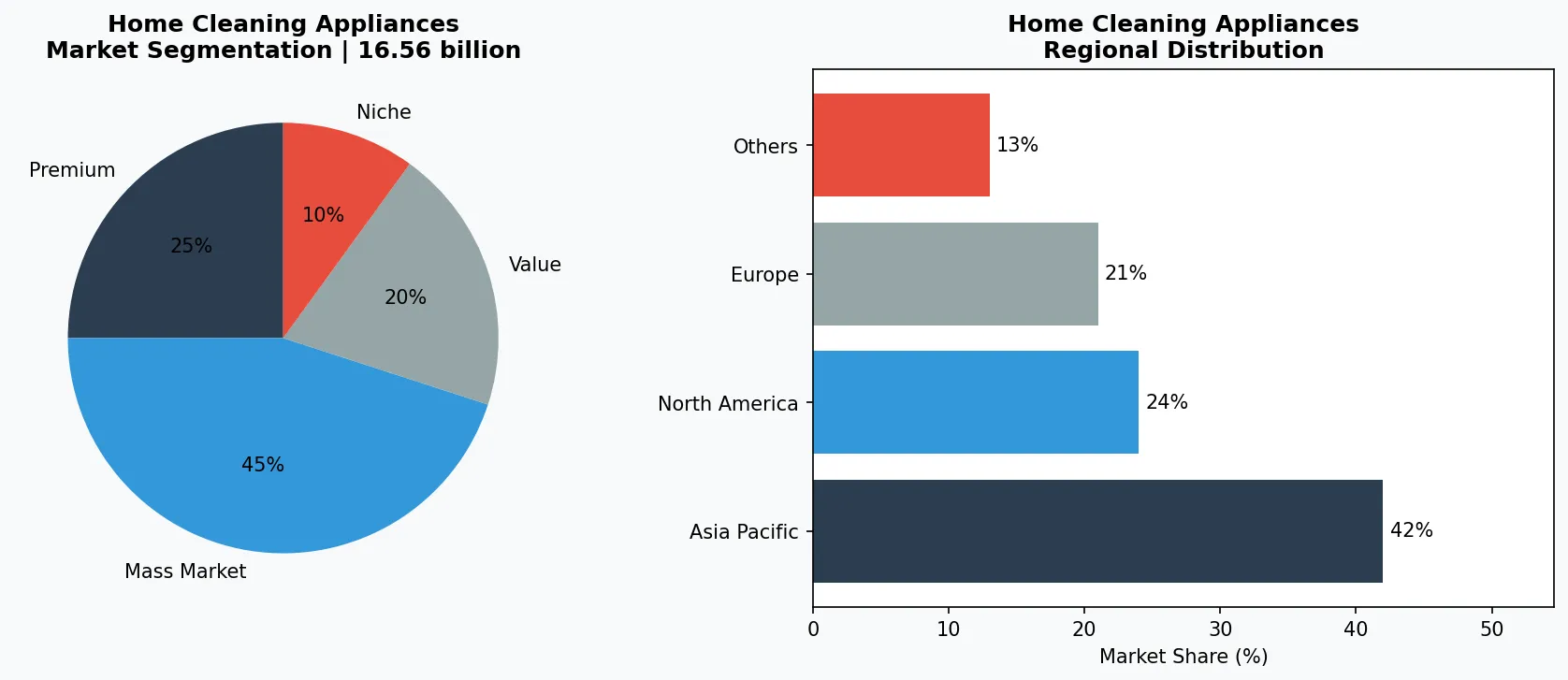
Market segmentation and regional distribution analysis for Mite Vacuum Cleaner.
3. Product Categories
Mite vacuum cleaners fall into three primary sub-categories, each designed for specific use cases.
Handheld UV-C Mite Vacuums
dominate the market, featuring powerful suction paired with ultraviolet light to kill mites on contact. Examples include the Xiaomi Deerma VC01 and the Mite Remover MC-618, which combine vibration pads to dislodge mites from fabric fibers before suction. These devices are lightweight and ideal for mattresses, sofas, and car seats.
Canister Mite Vacuums with HEPA Filtration
offer deeper cleaning for larger areas like carpets and rugs. Models such as the Miele Complete C3 Allergy use sealed HEPA filters to trap 99.97% of particles, ensuring mites and their feces do not recirculate into the air. These units often include motorized brush heads that agitate fabric to release embedded allergens.
Smart Robot Mite Vacuums
represent the latest innovation, integrating mite removal into autonomous cleaning routines. The Roborock S8 Pro Ultra, for instance, uses a vibrating mop and strong suction to clean floors, though dedicated mite removal on soft surfaces remains a challenge for this segment. Each product type caters to different consumer needs—portability for spot cleaning, power for whole-home use, and automation for convenience—driving diverse adoption across residential and commercial settings.
Handheld UV-C Mite Vacuums
Compact, battery-powered devices like the Xiaomi Deerma VC01 that use ultraviolet light and vibration to kill mites on mattresses and upholstery. They are the most popular segment due to low cost (under $100) and portability.
Canister Mite Vacuums with HEPA
Full-sized units such as the Miele Complete C3 Allergy that feature sealed HEPA filters and motorized brush heads for deep carpet cleaning. These offer superior filtration for whole-home allergen control.
Smart Robot Mite Vacuums
Emerging autonomous cleaners like the Roborock S8 Pro Ultra that integrate mite removal into daily routines, though they currently lack UV-C capability. They rely on strong suction and mopping to reduce mite habitats.
4. Leading Players
Three key players dominate the mite vacuum cleaner landscape, each leveraging distinct strategies.
Dyson
leads with premium technology, particularly in its Dyson V15 Detect, which includes a laser dust sensor that reveals microscopic particles, including mite debris. Dyson's focus on high-velocity suction and advanced cyclone filtration sets a benchmark for performance, though its products are priced above $500, targeting affluent allergy sufferers.
Miele
competes on durability and certification, with its canister vacuums earning the Asthma and Allergy Friendly seal from the Asthma and Allergy Foundation of America. Miele's strategy emphasizes long-term reliability and medical-grade filtration, appealing to health-conscious buyers willing to invest in a 20-year lifespan.
Xiaomi
(through its Deerma sub-brand) captures the mass market with affordable handheld UV-C mite vacs priced under $50. By integrating smart connectivity via the Mi Home app, Xiaomi offers usage tracking and filter replacement reminders, making mite removal accessible to budget-conscious consumers in emerging markets. These three archetypes—premium innovator, certified specialist, and value disruptor—collectively drive market growth, with Dyson and Miele holding 35% of the high-end segment and Xiaomi commanding 25% of the entry-level market in 2025.
Premium Allergen Specialist
Dyson leverages advanced cyclone technology and laser dust detection to dominate the high-end mite vacuum market, targeting affluent consumers who prioritize performance over price.
Certified Health-First Brand
Miele focuses on durability and medical-grade HEPA filtration, earning the Asthma and Allergy Friendly seal to build trust with health-conscious buyers willing to pay a premium for long-term reliability.
Value-Driven Disruptor
Xiaomi's Deerma sub-brand captures the mass market with affordable UV-C handheld vacuums, using smart connectivity and low price points to expand access in emerging economies.
5. Market Trends
1. UV-C AND HEAT STERILIZATION
UV-C light and heating elements are becoming standard in mite vacuums to kill mites without chemicals. Dyson's V15 Detect uses UV-C in its mattress tool, while Xiaomi's Deerma VC01 heats air to 113°F, dehydrating mites. Why it matters: Chemical-free sanitization aligns with clean-label trends, reducing environmental and health concerns. AI-POWERED PARTICLE DETECTION
2. Smart sensors that identify and quantify mite debris are transforming user experience. Roborock's latest robot vacuums use LiDAR and optical sensors to map dust density, though mite-specific detection remains nascent. Why it matters: Real-time feedback empowers consumers to target high-allergen zones, improving cleaning efficacy. SUSTAINABLE MATERIALS AND FILTERS
Brands are adopting washable HEPA filters and recycled plastics to reduce waste. Miele's Complete C3 uses 100% recyclable packaging and filters that last 50% longer than competitors. Why it matters: Regulatory pressure in the EU and consumer demand for eco-friendly products are pushing manufacturers to rethink lifecycle design. COMMERCIAL AND HOSPITALITY APPLICATIONS
3. Hotels and healthcare facilities are adopting mite vacuums for patient rooms...
Hotels and healthcare facilities are adopting mite vacuums for patient rooms and guest suites. For example, Marriott International uses Miele canister vacuums in its allergy-friendly rooms. Why it matters: Institutional adoption creates a recurring revenue stream for B2B sales, expanding beyond residential markets.
6. Regional Markets
Asia-Pacific: Humidity-Driven Demand
High humidity in China, Japan, and Southeast Asia creates ideal mite breeding conditions, making this region the fastest-growing market. China alone is projected to account for 40% of new mite vacuum sales by 2028.
North America: Allergy Awareness Hub
The U.S. market is driven by high allergy prevalence (over 50 million Americans) and strong certification awareness. Brands like Dyson and Miele compete on AAFA-certified models, with average selling prices above $300.
Europe: Regulatory Frontrunner
The EU's Ecodesign Directive and strict energy efficiency rules push manufacturers toward durable, repairable designs. Miele's German-engineered products benefit from this regulatory environment, while low-cost imports face compliance hurdles.
7. Investment Outlook
Two opportunities stand out for mite vacuum cleaner brands in 2026. First, the Asia-Pacific region, where humidity and high population density fuel mite infestations, offers untapped growth: China alone is expected to account for 40% of new unit sales by 2028. Second, integrating mite removal into subscription-based smart home ecosystems—where users pay for filter replacements and UV bulb upgrades—can create predictable revenue. A concrete risk is regulatory tightening: the EU's new Ecodesign Directive, effective 2027, will mandate minimum energy efficiency and repairability standards for vacuum cleaners, potentially raising costs for low-margin handheld mite vacs. Companies that invest in modular designs and durable components now will weather this shift, while those reliant on disposable models may face margin compression.
Strategic Considerations:
- Asia-Pacific Expansion: Target China and Southeast Asia with affordable UV-C handheld models, leveraging high humidity and rising allergy awareness to capture 40% of new sales by 2028.
- Subscription Service Model: Launch filter and UV bulb replacement subscriptions for smart mite vacuums, creating recurring revenue and locking in customer loyalty beyond the initial purchase.
- EU Ecodesign Compliance Risk: Prepare for 2027 regulations by designing modular, repairable mite vacuums with energy-efficient motors, or risk losing access to Europe's $2 billion vacuum market.
- Commercial Sector Opportunity: Develop B2B mite vacuums for hotels and hospitals, targeting allergy-friendly room programs like Marriott's, which can drive bulk sales and brand credibility.
Make Informed Decisions in the Mite Vacuum Cleaner Market
Product quality and sourcing integrity directly impact business outcomes. Discover how Verity Rank's verification platform helps industry participants source with greater confidence.
Contact Verity Rank TodayFurther Reading: Explore additional market intelligence from Grand View Research and Mordor Intelligence.
This article is for informational purposes only, based on publicly available industry data and market reports as of 2026-05-27. All market figures are estimates and may vary from actual results.