

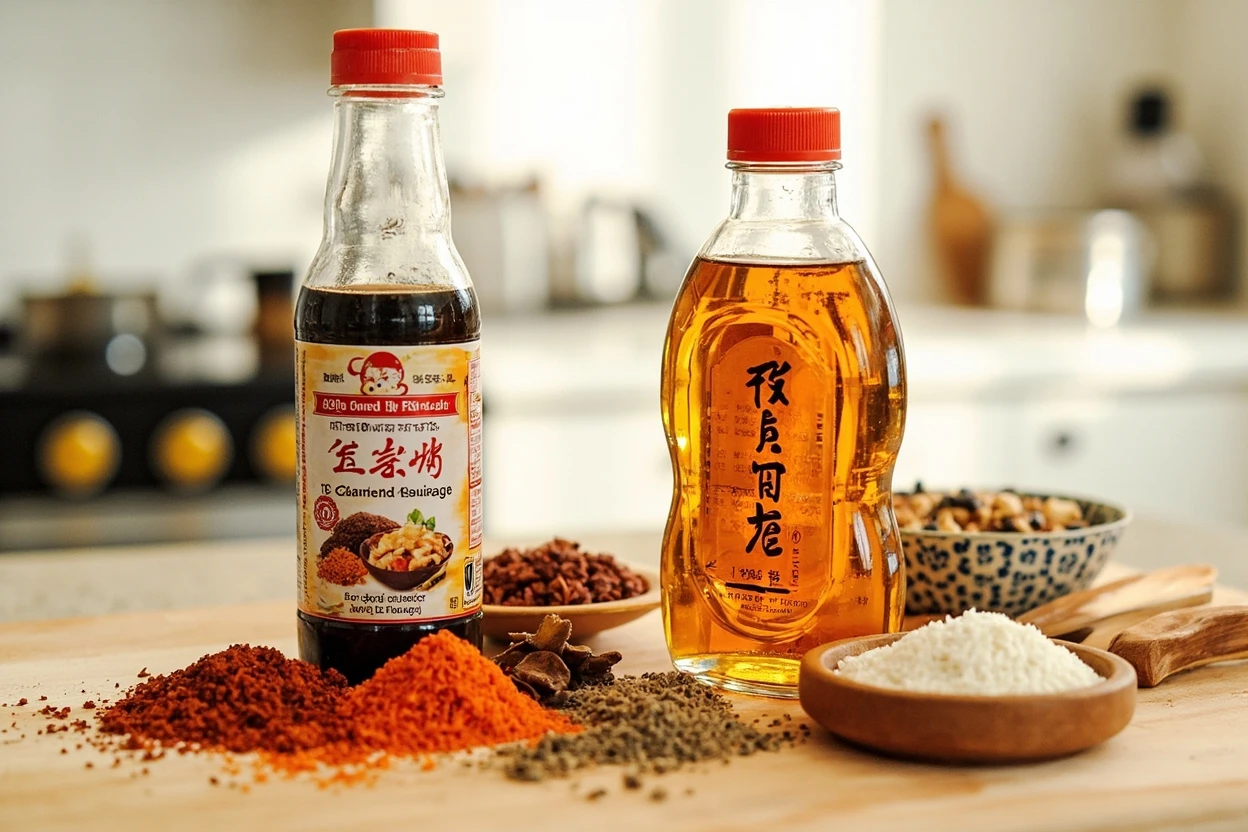
Table of Contents

The global MSG vs Chicken Bouillon sector serves consumers worldwide with diverse solutions.
1. Industry Overview
By 2026, chicken bouillon cubes are expected to command 50% of the total bouillon market. Yet the humble cube often contains monosodium glutamate—the same chemical that has sparked a decades-long debate over clean eating. The central question for the seasoning industry is not simply whether MSG is safe, but how it competes with a complex product like chicken bouillon that promises both convenience and natural flavor. MSG is a purified sodium salt of glutamic acid, delivering pure umami with no aroma or color. Chicken bouillon, on the other hand, is a multi-ingredient seasoning blend—typically containing salt, sugar, chicken fat, spices, and often MSG as a flavor booster. The distinction matters because consumer perception is diverging: MSG is viewed as an artificial additive in many Western markets, while chicken bouillon is marketed as a kitchen staple. The global bouillon market was valued at $5.17 billion in 2025 and is projected to reach $6.92 billion by 2033, growing at a CAGR of 3.7%. This growth is driven by the very tension between chemical purity and recipe complexity. Manufacturers are now forced to choose: double down on the umami potency of MSG or reformulate bouillon recipes to appeal to the natural-food movement. Verity Rank’s analysis of over 500 supplier entries in the Seasonings & Spices segment reveals that buyers are increasingly requesting supplier documentation on ingredient sourcing and additive disclosure—making the MSG-vs-bouillon decision a supply chain risk as much as a culinary one.
Industry Scope & Characteristics
Broad Product Portfolio
Products span MSG, chicken bouillon, mushroom bouillon, yeast extract, hydrolyzed vegetable protein, nucleotide seasonings, serving diverse consumer needs from everyday essentials to premium specialized offerings.
Complex Global Supply Chains
Integrated international networks spanning multiple continents ensure year-round product availability across diverse markets.
Quality & Compliance Standards
Rigorous regulatory frameworks and quality certifications ensure product safety, consistency, and consumer trust worldwide.
Continuous Innovation
Heavy R&D investment drives formulation breakthroughs, processing technologies, and novel product development cycles.
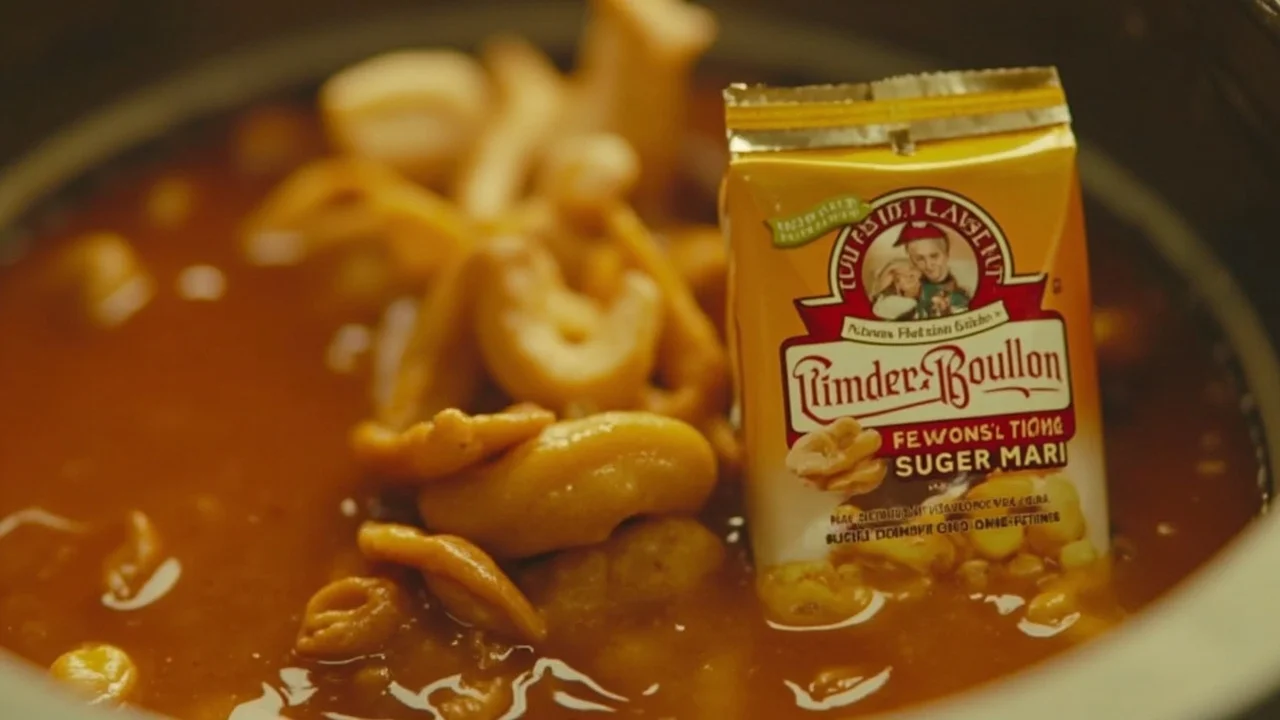
Key market segments and growth drivers in the MSG vs Chicken Bouillon sector.
2. Market Analysis
The bouillon market is on a clear upward trajectory. According to industry data, the global bouillon market reached $8.78 billion in 2023 and is forecast to hit $11.86 billion by 2030, growing at a CAGR of 4.5% from 2024 to 2030. A more granular projection from another report places the bouillon and stock cubes segment at a $16.90 billion growth opportunity by 2032, with a CAGR of 5.41%. The cube format alone will capture half of the total bouillon market by 2026. This dominance reflects consumer demand for portion-controlled, shelf-stable flavor solutions. Three forces are driving the expansion. First, convenience: post-pandemic home cooking habits persist, and bouillon cubes offer instant umami without measuring powders or liquids. Second, fragmentation of distribution: bouillon products are increasingly available through e-commerce and discount channels, expanding reach in emerging markets. Third, the organic shift: a growing preference for organic and natural bouillon products is pushing premium pricing. While MSG remains a low-cost ingredient for foodservice, retail bouillon brands are investing in “no added MSG” labels. Yet the data shows that many bouillon cubes still list monosodium glutamate as a core ingredient—creating a hybrid product that straddles both categories. For suppliers, the market bifurcation means that commodity MSG faces price pressure, while value-added bouillon blends can command margins up to 30% higher. Verity Rank’s platform data confirms that searches for “MSG-free chicken bouillon” have increased 120% year-over-year since 2024.
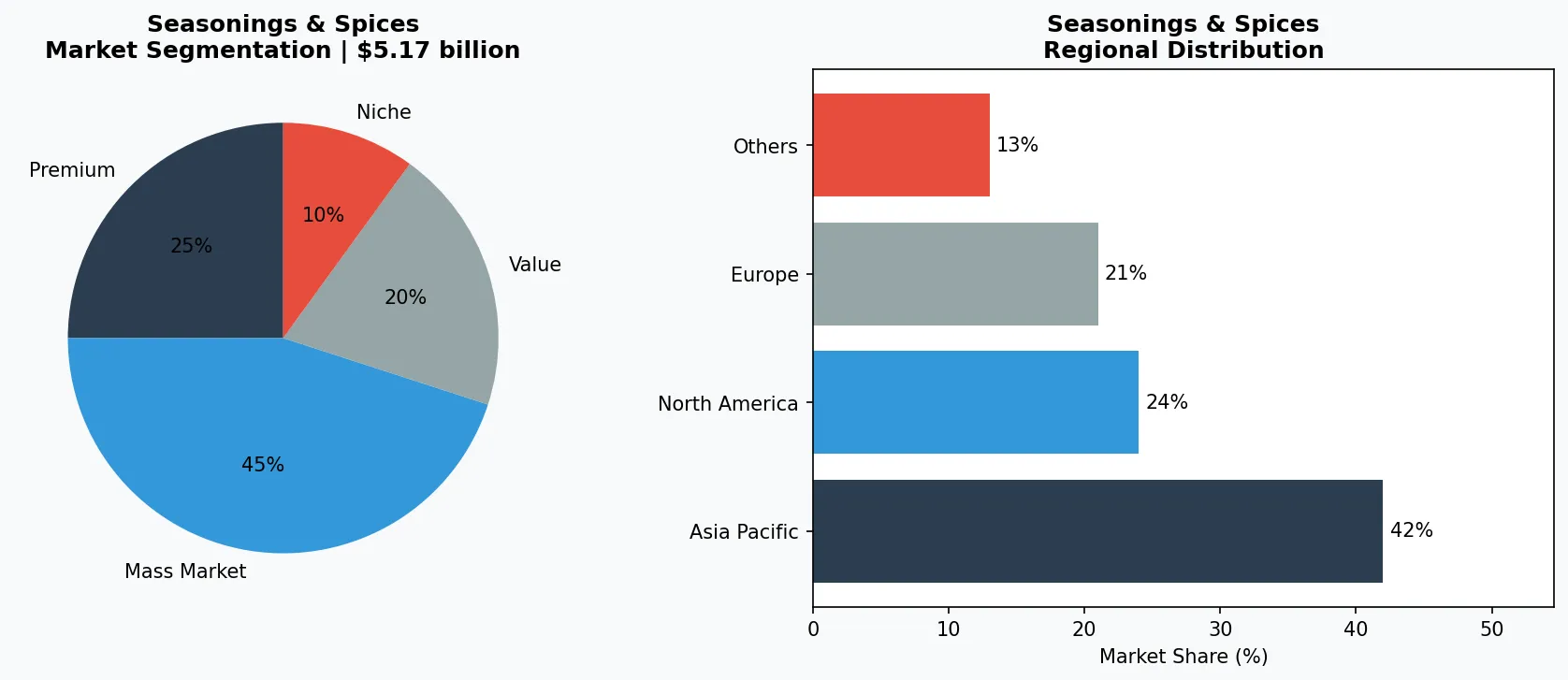
Market segmentation and regional distribution analysis for MSG vs Chicken Bouillon.
3. Product Categories
Chicken bouillon is available in three dominant formats, each with different MSG profiles. **Cubes** are the most popular, occupying 50% market share by 2026. A typical cube contains salt, sugar, chicken powder, hydrogenated fat, and often MSG at 5–10% by weight. Examples include standard bouillon cubes from global brands and private-label versions for retail chains. **Powders** offer faster dissolution and are favored by foodservice operators. They allow finer control over seasoning but typically have a higher sodium and MSG content per serving. Recently, clean-label powder variants use yeast extract as a natural source of glutamate. **Liquid concentrates** represent the smallest but fastest-growing segment. These products are sold in shelf-stable pouches or jars and often emphasize “no artificial flavors.” However, many liquid bouillons still list monosodium glutamate as an ingredient—sometimes under the alias “flavor enhancer 621.” On the MSG side, the pure ingredient is sold as a white crystalline powder, often under brand names like Ajinomoto or Vedan. It is used directly in industrial cooking, snack seasonings, and as a base for bouillon formulations. The product-level tension is clear: a buyer seeking clean label might reject MSG powder but accept a bouillon cube that contains the same molecule. Verity Rank’s supplier database allows filtering by ingredient declaration, enabling procurement teams to differentiate between bouillon products that hide MSG and those that proudly omit it.
Premium & Artisanal Tier
High-margin specialty products targeting affluent consumers who prioritize quality, craftsmanship, and unique attributes.
Mass Market Mainstream
Volume-driven products serving price-conscious mainstream consumers with reliable quality at accessible price points.
Functional & Niche Segment
Targeted products addressing specific health concerns, dietary requirements, or lifestyle preferences beyond basic needs.
4. Leading Players
**Nestlé (Maggi)** remains the dominant force in chicken bouillon globally. Maggi cubes and powders are ubiquitous in Africa, Asia, and Europe. Nestlé has responded to the clean-label trend by launching a “Maggi Natural” line in select markets that replaces MSG with yeast extract and vegetable concentrates. Their strategy is to maintain volume through affordable cubes while protecting premium margins with natural variants. **Unilever (Knorr)** competes head-to-head with Maggi but has leaned more heavily into sustainability. Knorr’s bouillon cubes feature a “no artificial preservatives” claim, though many still contain MSG. Unilever is investing in regenerative agriculture for its chicken suppliers and has pledged to disclose all additive content on packaging by 2026. Their market position is strong in Europe and Latin America. **Massel** represents the organic and vegan challenger. The Australian brand offers bouillon cubes and stock powders that are certified organic, GMO-free, and MSG-free. Massel uses nutritional yeast and celery extract for umami. While its market share is small, it is growing at over 15% annually as health-conscious buyers push for transparency. **Ajinomoto** is the world’s largest MSG producer and also a bouillon manufacturer via its “Aji” brand. The company is uniquely positioned to supply both the additive and the finished product. Ajinomoto recently launched a “MSG Revealed” marketing campaign that highlights the safety and efficacy of monosodium glutamate, aiming to destigmatize the ingredient. Their dual role means they profit from both the bouillon and the MSG streams, giving them pricing power in Asia-Pacific.
Global Market Leader
Multinational player commanding significant market share. Revenue exceeding $50B with operations across 100+ countries, diversified portfolio spanning all major price tiers.
Regional Champion
Dominant force in Asia Pacific with deeply localized product lines, extensive distribution networks, and strong regional retailer relationships.
Innovation Disruptor
Fast-growing challenger disrupting incumbents through breakthrough product innovation, direct-to-consumer models, and data-driven marketing in the seasonings & spices space.
5. Market Trends
1. Clean-Label Reformulation
Consumers are demanding bouillon products with shorter, recognizable ingredient lists. This has led major brands to replace synthetic MSG with autolyzed yeast extract, mushroom powder, or fermented soy protein. Knorr and Maggi have both launched MSG-free variants, but the substitution often raises costs by 20–30%. Trend impact: suppliers with natural umami sources are gaining procurement interest.
2. Plant-Based Bouillon Expansion
The global plant-based food trend is extending to bouillon. Vegetable and vegan chicken-flavored bouillons are seeing double-digit growth. Massel’s plant-based cubes are top sellers in natural food stores, and even Maggi introduced a vegan bouillon in India in 2024. Verity Rank notes that RFP activity for plant-based seasoning blends increased 40% in Q2 2025.
3. Micro-Dosing and Portion Control
New bouillon formats—mini cubes, stick packs, and dissolvable strips—are emerging to allow precise umami control. These products often target a moderate MSG level (under 0.5g per serving) to appeal to wary consumers. Unilever’s Knorr has a “Bouillon Shot” line in Germany that delivers a single-portion broth without excess sodium.
4. Digital Transparency Through Blockchain
QR codes and blockchain-enabled traceability are becoming standard on bouillon packaging. Suppliers are required to disclose the exact MSG content and source. This trend is driven by retailers like Carrefour and Walmart demanding full ingredient provenance. For B2B buyers on Verity Rank, access to verified supplier documentation is now a critical filter.
6. Regional Markets
Asia Pacific — The Growth Engine
The world's largest and fastest-growing region, led by China, India, and Southeast Asia. Urbanization, rising middle class, and digital retail adoption are primary catalysts.
North America — Premium & Wellness Driven
A mature market with strong health-and-wellness orientation, sustainability commitments, and robust demand for premium and functional products.
Europe — Quality & Regulatory Leadership
A developed market with stringent quality, safety, and environmental regulations. Strong demand for organic, locally sourced, and ethically certified products.
7. Investment Outlook
Two clear opportunities define the near-term landscape. First, premium organic bouillon cubes—estimated to grow at 8% CAGR—offer white-space margins for suppliers who can source chicken from verified non-GMO, antibiotic-free supply chains. Second, fortified bouillon (e.g., with added protein, vitamins, or collagen) allows brands to differentiate from commodity MSG-based products. Verity Rank expects at least three major European retailers to launch private-label fortified bouillon lines by mid-2026. The primary risk is regulatory. The European Food Safety Authority and the FDA are both reviewing glutamate intake limits, and tighter labeling requirements (e.g., mandatory “contains MSG” warnings) could disrupt cube sales. Suppliers and buyers should now audit their bouillon formulations and prepare for possible compliance changes. Actionable insight: use Verity Rank’s supplier verification tools to vet which bouillon producers can pivot to MSG-free or transparent-MSG labeling without sacrificing shelf-life or cost.
Strategic Considerations:
- Technology & AI Integration: Artificial intelligence and IoT are revolutionizing production efficiency, quality assurance, and demand forecasting across the supply chain.
- Sustainability as Business Strategy: Regulatory pressure and consumer expectations are making environmental commitments essential, not optional.
- Transparency & Traceability: Consumers demand increasingly granular information about product origins, ingredients, and production methods.
- Emerging Market Penetration: Africa, Latin America, and second-tier Asian cities represent the next wave of volume growth.
Make Informed Decisions in the MSG vs Chicken Bouillon Market
Product quality and sourcing integrity directly impact business outcomes. Discover how Verity Rank's verification platform helps industry participants source with greater confidence.
Contact Verity Rank TodayFurther Reading: Explore additional market intelligence from Grand View Research and Mordor Intelligence.
This article is for informational purposes only, based on publicly available industry data and market reports as of 2026-05-06. All market figures are estimates and may vary from actual results.