

Table of Contents
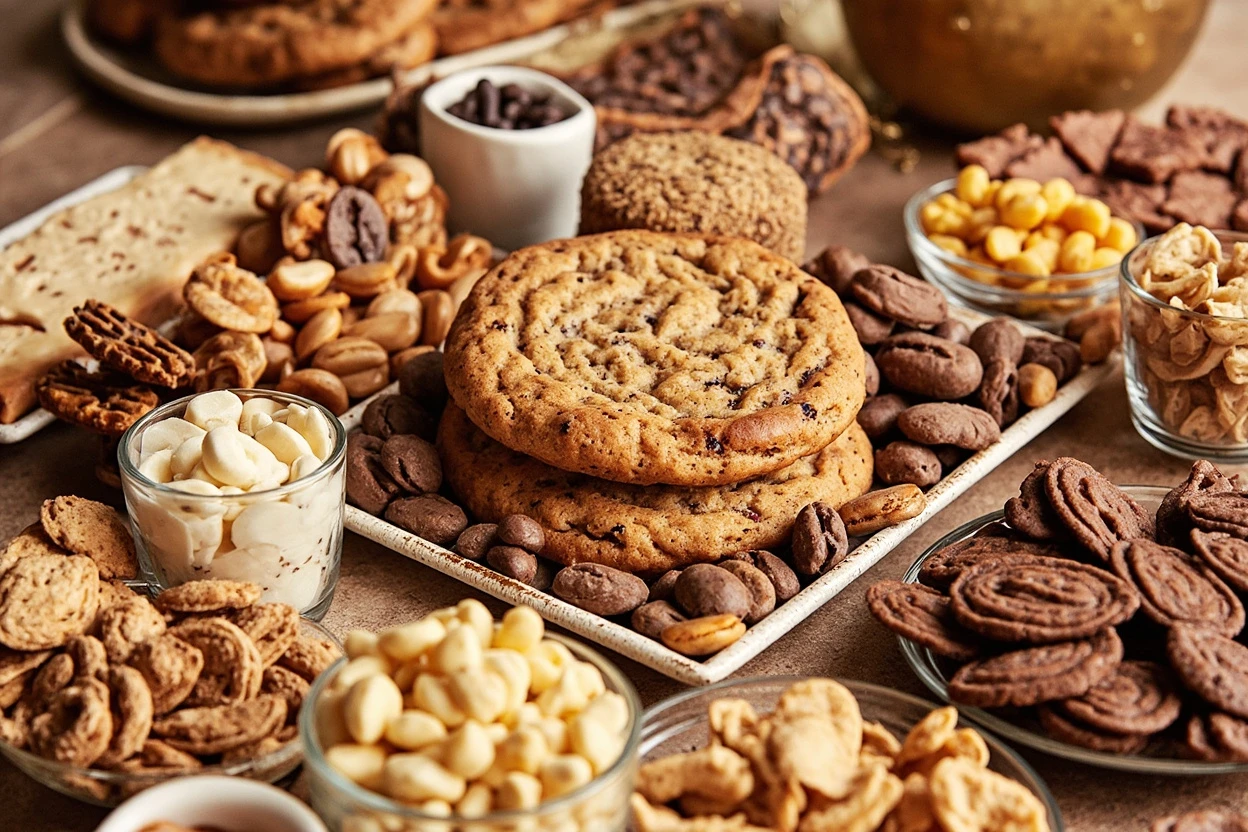
The global Nuts & Snacks Industry Report sector serves consumers worldwide with diverse solutions.
1. Industry Overview
What if the key to a $100+ billion market was a simple, natural ingredient? The global nuts and snacks segment, a powerhouse within the broader Bakery Ingredients & Ready-to-Eat Snacks industry, is proving just that. Distinct from processed confectionery or baked goods, this sector is anchored by the fundamental appeal of nuts—a nutrient-dense, versatile, and inherently plant-based food. Its growth is not merely a snack food fad but a structural shift driven by health-conscious consumers and innovative product formats. The market's scale is already immense, with valuations placing it between USD 65.01 billion and USD 69.49 billion as of 2025. This foundational strength sets the stage for explosive expansion, transforming simple kernels into a complex, high-value global industry. The segment's distinctiveness lies in its dual nature: it serves as a critical raw ingredient for food manufacturers and a finished, consumer-ready snack, creating multiple, overlapping revenue streams and investment opportunities across the supply chain.
Industry Scope & Characteristics
Broad Product Portfolio
Products span roasted almonds, salted cashews, pistachios, macadamia nuts, mixed nuts, walnut kernels, dried mango, serving diverse consumer needs from everyday essentials to premium specialized offerings.
Complex Global Supply Chains
Integrated international networks spanning multiple continents ensure year-round product availability across diverse markets.
Quality & Compliance Standards
Rigorous regulatory frameworks and quality certifications ensure product safety, consistency, and consumer trust worldwide.
Continuous Innovation
Heavy R&D investment drives formulation breakthroughs, processing technologies, and novel product development cycles.
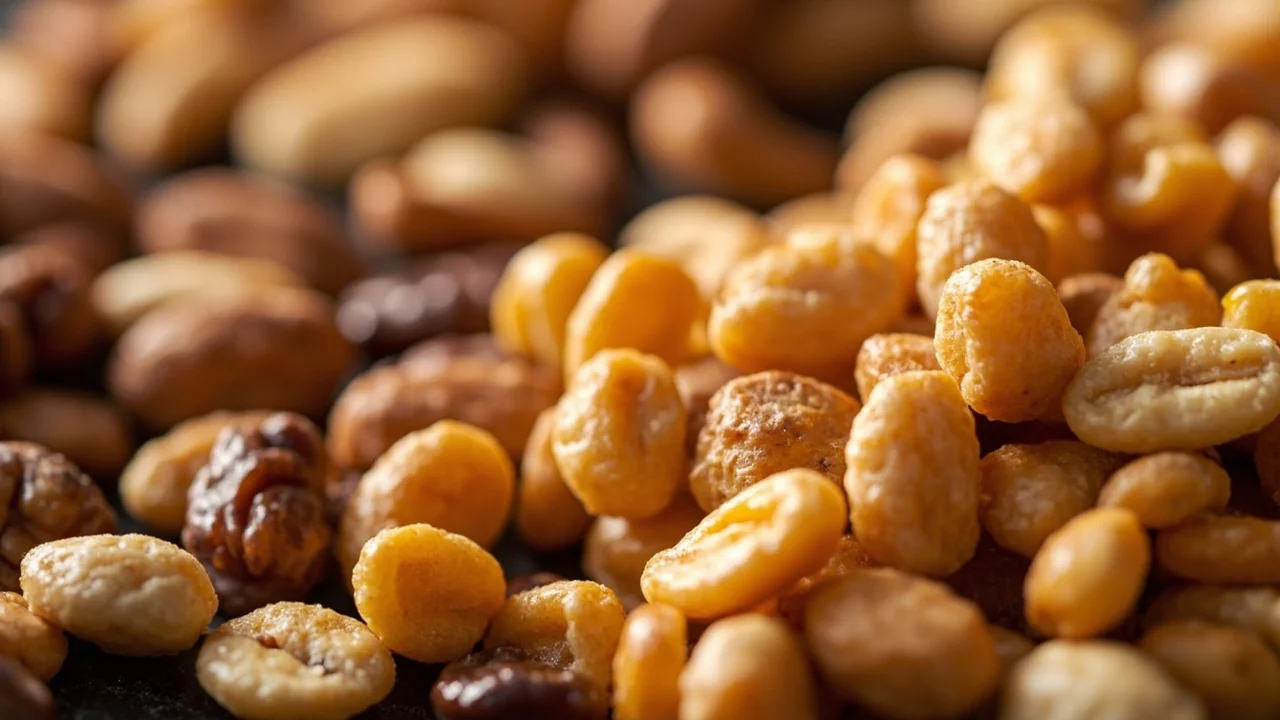
Industry application and market overview for Nuts & Snacks Industry Report.
2. Market Analysis
The nuts market is on a clear, upward trajectory, with multiple forecasts converging on robust growth through the next decade. Starting from a base of approximately USD 69.49 billion in 2025, the market is expected to reach roughly USD 73.17 billion in 2026. From there, projections indicate a climb to between USD 101.66 billion by 2034 and USD 134.7 billion by 2036, representing a compound annual growth rate (CAGR) in the range of 4.4% to 5%. This consistent growth is fueled by several powerful drivers. The primary engine is the global rise of vegan and plant-based diets, which position nuts as a vital source of protein and healthy fats. Secondly, increasing health awareness is turning consumers away from empty-calorie snacks toward nutrient-rich options like almonds, walnuts, and pistachios. Finally, the demand for convenience, met through single-serve and on-the-go packaging, has expanded the consumption occasions for nuts beyond the kitchen pantry into daily commutes and office snacks, directly boosting retail sales.
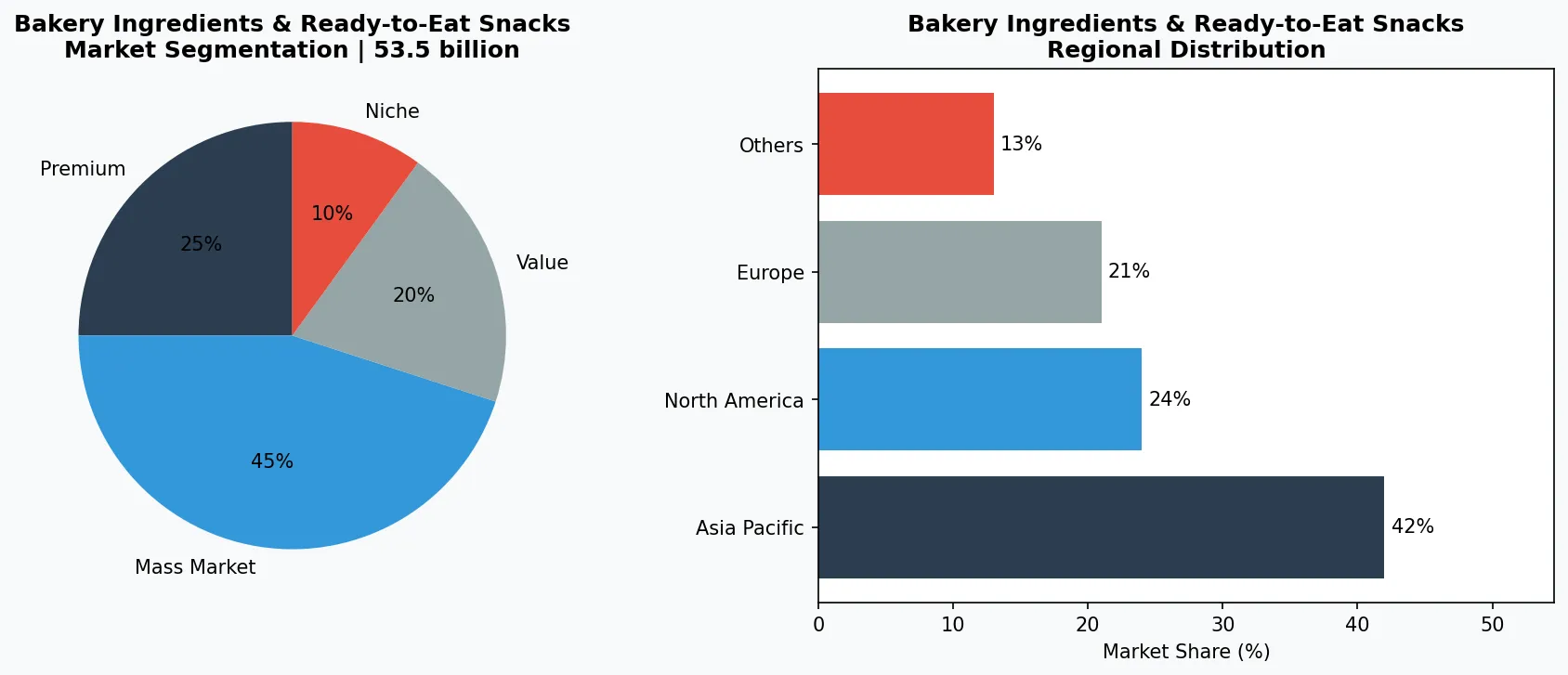
Market segmentation and regional distribution for Bakery Ingredients & Ready-to-Eat Snacks - Nuts & Snacks Industry Report.
3. Product Categories
The product landscape within the nuts and snacks segment is diverse, catering to various consumer needs and price points. First, **Raw and Whole Nuts** form the core commodity segment, including bulk almonds, cashews, walnuts, and pecans. These are sold as ingredients for home cooking, food service, and industrial manufacturing (e.g., for almond butter or granola). Second, **Processed and Value-Added Snacks** represent the high-growth retail category. This includes roasted and salted mixes, honey-glazed nuts, and exotic flavored varieties (like sriracha or truffle). Brands like Blue Diamond with its flavored almonds dominate this space. Third, **Functional and Fortified Snacks** are an emerging premium sub-segment. These products combine nuts with seeds, superfoods like goji berries, or are fortified with added vitamins and minerals, targeting specific health benefits such as energy boosting or heart health.
Premium & Artisanal Tier
High-margin specialty products targeting affluent consumers who prioritize quality, craftsmanship, and unique attributes.
Mass Market Mainstream
Volume-driven products serving price-conscious mainstream consumers with reliable quality at accessible price points.
Functional & Niche Segment
Targeted products addressing specific health concerns, dietary requirements, or lifestyle preferences beyond basic needs.
4. Leading Players
The competitive field is led by established agri-food giants and nimble specialists. **Olam International**, through its Olam Food Ingredients (OFI) division, is a behemoth in the global nut supply chain, controlling significant sourcing and processing capabilities for almonds, cashews, and peanuts. Its strategy is built on vertical integration, sustainability programs, and supplying industrial-scale ingredients to global brands. **The Kraft Heinz Company**, via its Planters brand, represents the dominant consumer-facing power in many Western markets. Its strategy focuses on brand recognition, extensive retail distribution, and leveraging classic products like mixed nuts while cautiously innovating with new flavors. **Blue Diamond Growers**, a cooperative owned by California almond growers, exemplifies a targeted, ingredient-focused success story. It has masterfully built a global brand by moving beyond bulk almonds into value-added retail products (smoked, flavored) and marketing almonds as the quintessential healthy snack, directly influencing consumer perception and demand.
Global Market Leader
Multinational player commanding significant market share. Revenue exceeding $50B with operations across 100+ countries, diversified portfolio spanning all major price tiers.
Regional Champion
Dominant force in Asia Pacific with deeply localized product lines, extensive distribution networks, and strong regional retailer relationships.
Innovation Disruptor
Fast-growing challenger disrupting incumbents through breakthrough product innovation, direct-to-consumer models, and data-driven marketing in the bakery ingredients & ready-to-eat snacks space.
5. Market Trends & Innovations
1. Sustainability & Eco-Friendly Innovation
Sustainability has become a core competitive priority. Companies like Kraft Heinz (Planters) and Blue Diamond Growers are investing in eco-friendly materials, carbon-neutral production, and circular economy initiatives to meet growing consumer demand for responsible products.
2. Digital Transformation & E-Commerce Growth
The shift to digital sales channels continues to accelerate. Wonderful Pistachios (The Wonderful Co.) and John B. Sanfilippo & Son are leveraging data analytics, AI-driven personalization, and omnichannel strategies to enhance customer engagement and streamline distribution.
3. Premiumization & Product Innovation
Rising consumer expectations are driving premiumization across the market. Snyder's-Lance (Campbell) has introduced high-end product lines, while Diamond Foods focuses on innovative features and superior quality to capture value-conscious yet quality-seeking customers.
4. Health, Wellness & Functional Benefits
Health-oriented consumer preferences are reshaping product development. PepsiCo (Sabra) and Sempio are pioneering functional products with demonstrable benefits, commanding premium pricing and driving category expansion.
6. Regional Markets
Asia Pacific — The Growth Engine
The world's largest and fastest-growing region, led by China, India, and Southeast Asia. Urbanization, rising middle class, and digital retail adoption are primary catalysts.
North America — Premium & Wellness Driven
A mature market with strong health-and-wellness orientation, sustainability commitments, and robust demand for premium and functional products.
Europe — Quality & Regulatory Leadership
A developed market with stringent quality, safety, and environmental regulations. Strong demand for organic, locally sourced, and ethically certified products.
7. Investment Outlook
Two specific opportunities stand out for businesses in this space. First, the expansion into emerging markets in Asia-Pacific and Latin America presents a massive growth frontier, as rising disposable incomes fuel demand for packaged healthy snacks. Second, the innovation frontier in 'snackification'—creating hybrid products that combine nuts with other functional ingredients like protein clusters, chocolate, or freeze-dried fruit—offers a path to higher margins and new customer segments. However, a concrete and escalating risk is climate volatility and water scarcity in key growing regions like California (almonds) and Southeast Asia (cashews). This threatens supply stability, commodity prices, and the sustainability narratives that brands depend on. Companies that invest in climate-resilient agriculture and diversified sourcing will be best positioned to navigate this uncertainty.
Strategic Considerations:
- Technology & AI Integration: Artificial intelligence and IoT are revolutionizing production efficiency, quality assurance, and demand forecasting across the supply chain.
- Sustainability as Business Strategy: Regulatory pressure and consumer expectations are making environmental commitments essential, not optional.
- Transparency & Traceability: Consumers demand increasingly granular information about product origins, ingredients, and production methods.
- Emerging Market Penetration: Africa, Latin America, and second-tier Asian cities represent the next wave of volume growth.
Make Informed Decisions in the Nuts & Snacks Industry Report Market
Product quality and sourcing integrity directly impact business outcomes. Discover how Verity Rank's verification platform helps industry participants source with greater confidence.
Contact Verity Rank TodayFurther Reading: Explore additional market intelligence from Grand View Research and Mordor Intelligence.
This article is for informational purposes only, based on publicly available industry data and market reports as of 2026-04-22. All market figures are estimates and may vary from actual results.