

Table of Contents

The global Outdoor Pet Houses sector serves consumers worldwide with diverse solutions.
1. Industry Overview
By 2034, the global outdoor pet house and furniture market is expected to be worth $3.4 billion—nearly double its 2024 valuation of $1.8 billion. That is not a rounding error; it is a compound annual growth rate of 6.7% that signals a structural shift in how pet owners think about their animals' living spaces. Outdoor pet houses have evolved from simple wooden boxes to sophisticated, climate-controlled shelters that integrate with smart home ecosystems. What makes this sub-topic distinctive within the broader pet furniture industry is its dual requirement: it must withstand weather extremes while providing the same comfort and aesthetic appeal as indoor furniture. Unlike cat trees or pet beds, outdoor pet houses must balance insulation, ventilation, and durability—often at a higher price point that consumers are increasingly willing to pay. The market is bifurcating between premium, tech-enabled models and affordable, eco-friendly alternatives, creating opportunities for both established players and niche innovators.
Industry Scope & Characteristics
Weather-Resistant Engineering
Outdoor pet houses require specialized materials like UV-stabilized polymers and marine-grade sealants to withstand rain, snow, and sun. Heated cat houses, for example, use thermostatically controlled pads to maintain safe temperatures down to -20°F.
Distributed Manufacturing Model
Production is split between large-scale Asian factories (for mid-tier houses) and regional US/EU workshops (for premium custom designs). This dual sourcing allows faster delivery but complicates quality control.
Safety Certifications Matter
Top-tier outdoor pet houses carry ASTM F2012-18 (safety) and CPAI-84 (flame retardancy) certifications. Heated models must also meet UL or CE electrical safety standards, adding 10-15% to development costs.
R&D Focus on Passive Climate Control
Innovators are testing phase-change materials that absorb excess heat during the day and release it at night, eliminating the need for electric heating in moderate climates. Prototypes claim a 30% reduction in internal temperature swings.
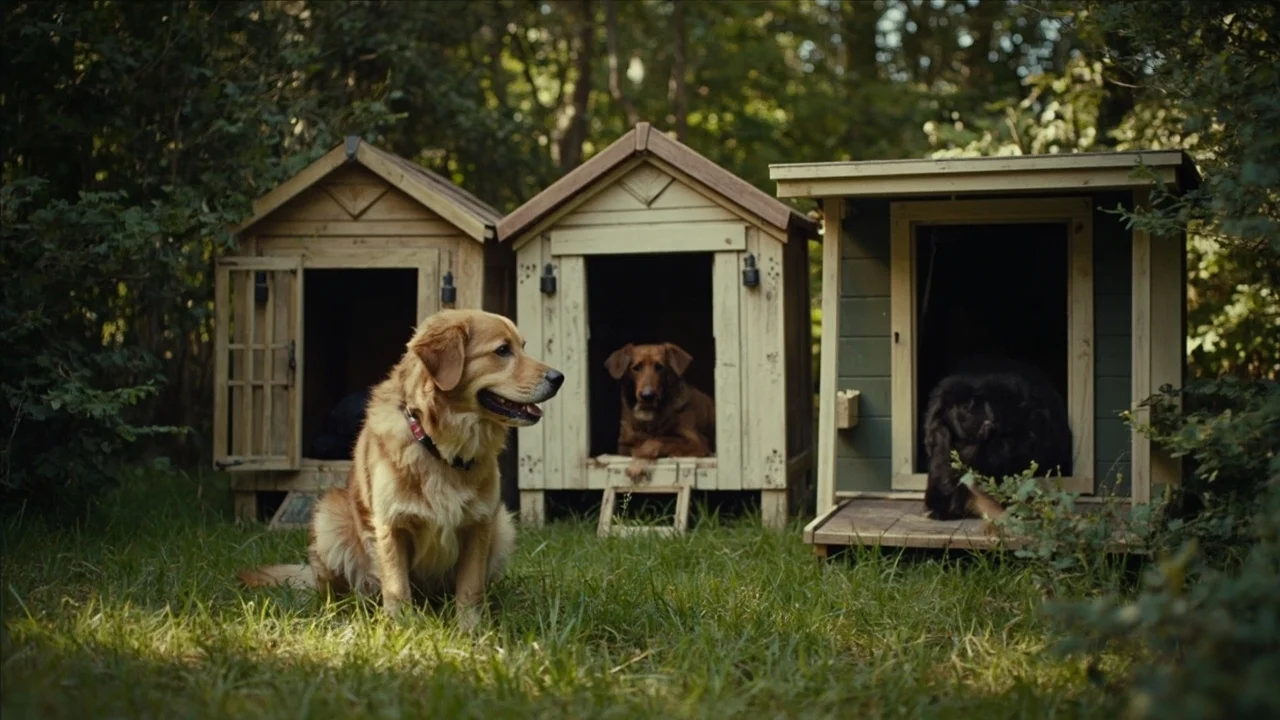
Key market segments and growth drivers in the Outdoor Pet Houses sector.
2. Market Analysis
The outdoor pet house market is not just growing—it is accelerating. According to industry data, the global pet furniture market is estimated at $7.95 billion in 2026, with outdoor pet houses capturing a growing share of that total. The outdoor cat house segment alone is projected to reach $846.3 million by 2035, expanding at a 5.9% CAGR from 2026 to 2035. Three forces are driving this expansion. First, the pet humanization trend: owners increasingly treat pets as family members, demanding shelters that match their own home's quality. A 2024 Realtor.com survey found that pet owners prioritize safe outside areas and sturdy interiors when selecting a home—a preference that directly translates to demand for high-quality outdoor pet houses. Second, climate resilience: extreme weather events are pushing manufacturers to develop insulated, waterproof, and elevated designs. Third, urbanization: as more people live in apartments with balconies or small yards, compact, multi-functional outdoor pet houses are gaining traction. These factors collectively explain why the market is poised for significant growth over the next five to ten years.
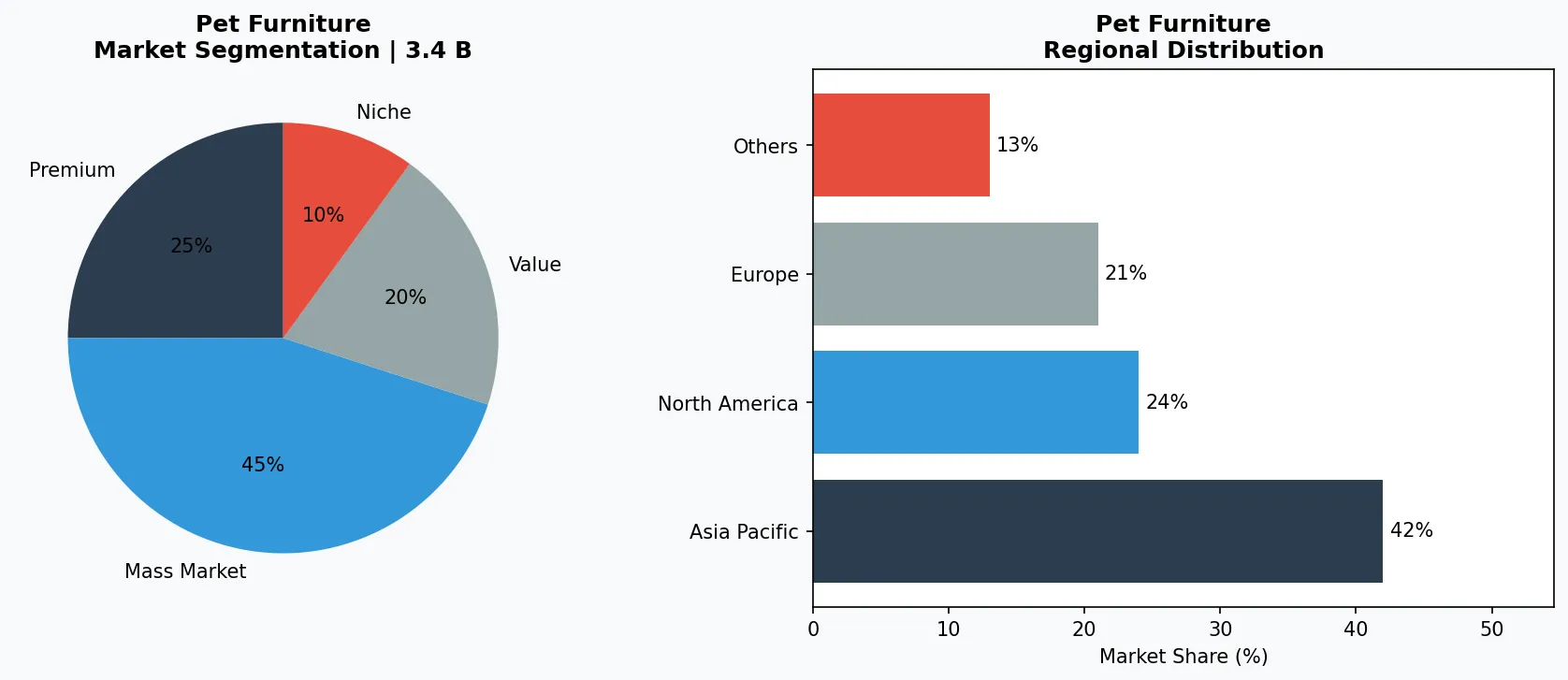
Market segmentation and regional distribution analysis for Outdoor Pet Houses.
3. Product Categories
The outdoor pet house market comprises three distinct product categories. First, insulated dog houses: these are the backbone of the market, featuring double-walled construction, raised floors, and weatherproof roofing. Brands offer sizes from small (for breeds under 20 lbs) to extra-large (for Great Danes), often with removable roofs for easy cleaning. Second, outdoor cat houses and shelters: typically smaller and more enclosed than dog houses, these products cater to both domestic cats allowed outside and feral cat colonies. Many include heated pads or straw insulation for winter use, with prices ranging from $50 for basic models to $300 for heated versions. Third, multi-pet and modular houses: designed for households with multiple animals, these structures feature separate compartments, shared patios, or expandable modules. Some premium models integrate feeding stations or water dispensers, blurring the line between shelter and furniture. The fastest-growing segment is the heated outdoor cat house, driven by increasing awareness of outdoor cat welfare during cold months.
Insulated Dog Houses
Double-walled construction with foam core insulation, raised floors, and weatherproof roofing. Examples include Petsfit's Elevated Dog House with removable cushion and Trixie's Natura line with cedar wood.
Outdoor Cat Shelters
Compact, enclosed houses with heated pads or straw insulation. Kitty City's heated cat house and Aivituvin's solar-ventilated shelter are top sellers, often used for feral cat colonies.
Modular Multi-Pet Units
Expandable structures with separate compartments and shared patios. New Age Pet's ecoFLEX modular system allows owners to add rooms or cooling decks as needed.
4. Leading Players
While the outdoor pet house market is fragmented, several players are carving out defensible positions. The first archetype is the premium innovator: companies like Petsfit and Trixie have developed elevated, insulated dog houses with features like removable cushions and UV-resistant finishes. Their strategy focuses on material quality and design aesthetics, targeting owners who view their pet's house as a garden accent piece. The second archetype is the value-focused manufacturer: firms such as New Age Pet ecoFLEX use recycled plastic composite materials to offer durable, low-maintenance houses at 30-40% below premium brands. They compete on affordability and environmental messaging, appealing to cost-conscious but eco-aware buyers. The third archetype is the niche specialist: companies like Kitty City and Aivituvin concentrate exclusively on outdoor cat houses, offering heated shelters with weatherproof flaps and elevated platforms. Their deep product focus allows them to out-innovate generalists in features like solar-powered ventilation or anti-fungal interior coatings. These players are expanding distribution through Amazon and specialty pet retailers, bypassing traditional furniture channels.
Premium Innovator (Petsfit, Trixie)
Focuses on design aesthetics and material quality, using cedar and UV-resistant finishes. Targets owners willing to pay $300+ for a house that doubles as garden furniture.
Value Eco-Brand (New Age Pet ecoFLEX)
Uses recycled plastic composites to undercut premium brands by 30-40%. Appeals to eco-conscious buyers with low-maintenance, fade-proof products.
Cat-Shelter Specialist (Kitty City, Aivituvin)
Concentrates exclusively on outdoor cat houses with heated pads and weatherproof flaps. Out-innovates generalists in niche features like solar ventilation and anti-fungal coatings.
5. Market Trends
1. SMART OUTDOOR SHELTERS
Manufacturers are embedding IoT sensors for temperature monitoring and remote climate control. One unnamed startup recently demoed a dog house with a connected app that adjusts ventilation based on humidity. Climate-adaptive designs are becoming table stakes for premium models.
2. SUSTAINABLE MATERIALS SHIFT
Recycled plastics and sustainably sourced cedar are replacing pressure-treated lumber. New Age Pet's ecoFLEX line uses 100% recycled materials, reducing carbon footprint by 40% versus traditional wood. This aligns with growing consumer demand for green pet products.
3. MODULARITY AND MULTIFUNCTIONALITY
Pet owners want houses that grow with their animals or adapt to different seasons. Modular designs with interchangeable panels (solid for winter, mesh for summer) are gaining share. Brands like Trixie offer add-on porches and cooling pads that snap onto base units, extending product lifecycles.
4. URBAN COMPACT MODELS
As city dwellers adopt larger dogs, demand for small-footprint outdoor houses is rising. Elevated designs that fit on balconies or in narrow yards are a key innovation area, with some models including integrated planters for aesthetic appeal.
6. Regional Markets
North America – Premium & Climate-Proof Dominance
Accounts for 45% of global outdoor pet house revenue, driven by extreme winters in the Midwest and Northeast. Heated cat houses and insulated dog houses are top sellers.
Europe – Eco-Materials Lead
Strong consumer preference for sustainable products pushes demand for recycled-plastic and FSC-certified wood houses. Germany and the UK are largest markets.
Asia-Pacific – Urban Compact Growth
Rapid urbanization in Japan and South Korea fuels demand for small-footprint, balcony-friendly designs. Modular units with planters are gaining traction in dense cities.
7. Investment Outlook
Two opportunities stand out for businesses in the outdoor pet house space. First, the heated cat house segment is underserved: with the outdoor cat house market projected to hit $846.3 million by 2035, early movers who develop solar-powered or low-energy heating solutions can capture significant share. Second, the B2B channel: partnering with pet resorts, dog daycares, and veterinary clinics for bulk orders of durable, stackable outdoor shelters offers recurring revenue and brand visibility. The primary risk is material cost volatility: lumber and recycled plastic prices have fluctuated sharply since 2022, compressing margins for manufacturers that cannot pass costs to consumers. Companies should lock in supply agreements with multiple material suppliers and invest in automation to reduce labor dependency. The winners will be those who combine climate-resilient engineering with smart features at a price point that justifies the 6.7% CAGR the market promises.
Strategic Considerations:
- Heated Cat House Opportunity:
- B2B Channel Expansion:
- Material Cost Risk:
- Smart Features as Differentiator:
Make Informed Decisions in the Outdoor Pet Houses Market
Product quality and sourcing integrity directly impact business outcomes. Discover how Verity Rank's verification platform helps industry participants source with greater confidence.
Contact Verity Rank TodayFurther Reading: Explore additional market intelligence from Grand View Research and Mordor Intelligence.
This article is for informational purposes only, based on publicly available industry data and market reports as of 2026-05-22. All market figures are estimates and may vary from actual results.