

Table of Contents

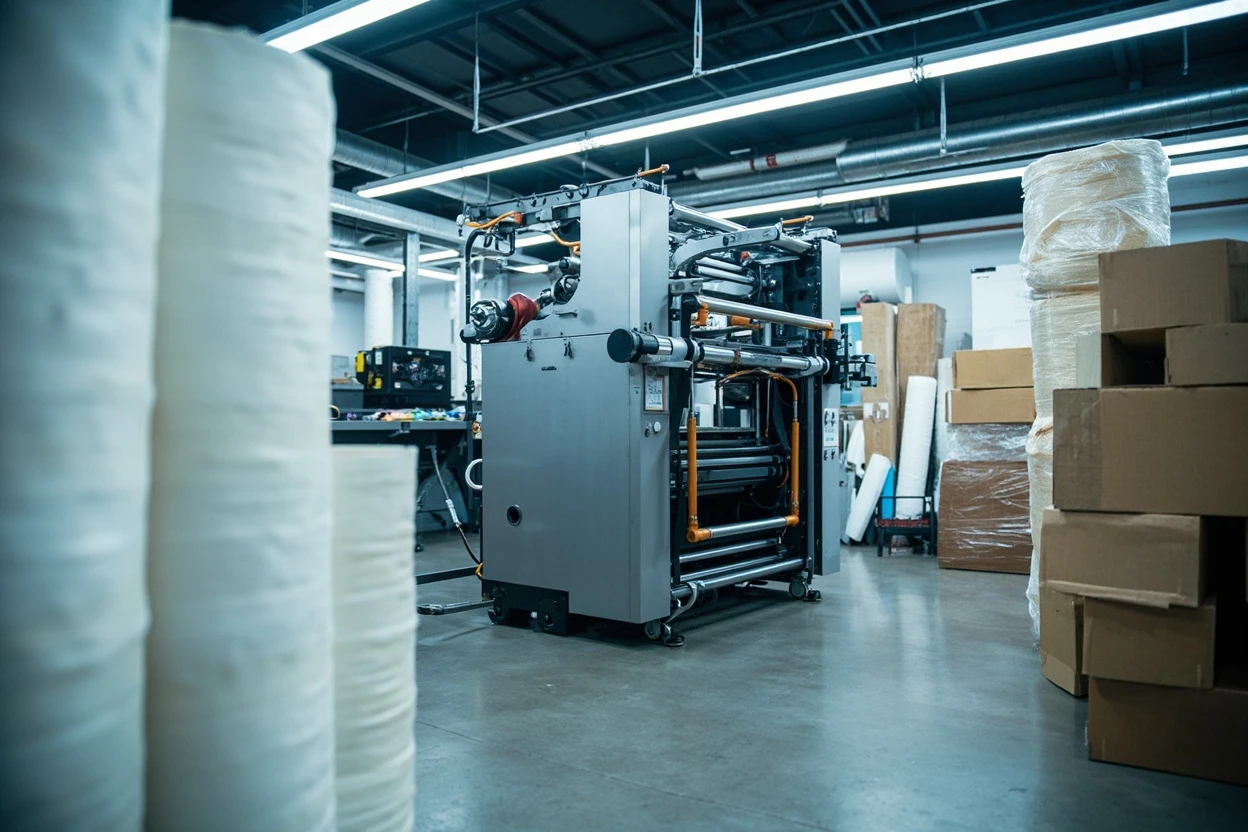
The global Paper, Printing & Packaging sector serves consumers worldwide with diverse solutions.
1. Industry Overview
What will $416.1 billion buy you in 2025? The entire global paper packaging market, for starters. That figure, projected to expand to $611.7 billion by 2033, underscores a seismic shift underway in an industry often dismissed as mature. Paper, printing, and packaging no longer play a supporting role in the economy—they are at the center of the sustainability revolution, e-commerce explosion, and digital transformation. The sector spans everything from corrugated boxes protecting Amazon shipments to specialty papers used in medical diagnostics and luxury stationery. In the last three years, a historic pivot toward recyclable and fiber-based materials has forced giants like International Paper and WestRock to rethink their production lines. Meanwhile, digital printing has slashed minimum order quantities, allowing brands to customize packaging at scale. The industry's identity crisis is over: it is now a technology-driven, sustainability-led growth engine.
Industry Scope & Characteristics
Broad Product Portfolio
Products span printing paper, packaging materials, specialty papers, artisanal paper, printing equipment, stationery, industrial paper, serving diverse consumer needs from everyday essentials to premium specialized offerings.
Complex Global Supply Chains
Integrated international networks spanning multiple continents ensure year-round product availability across diverse markets.
Quality & Compliance Standards
Rigorous regulatory frameworks and quality certifications ensure product safety, consistency, and consumer trust worldwide.
Continuous Innovation
Heavy R&D investment drives formulation breakthroughs, processing technologies, and novel product development cycles.
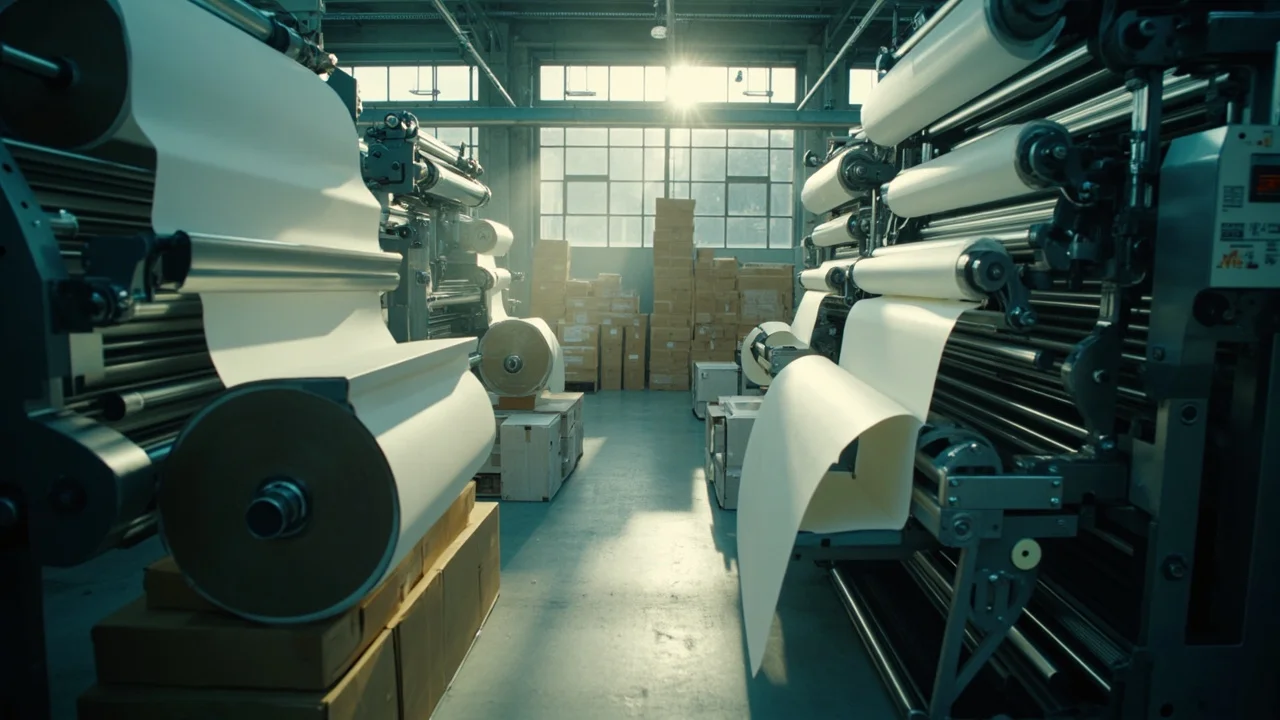
Key market segments and growth drivers in the Paper, Printing & Packaging sector.

Key market segments and growth drivers in the Paper, Printing & Packaging sector.
2. Market Analysis
The paper packaging market alone was valued at $416.1 billion in 2025, with projections showing steady acceleration. By 2026, the market is expected to reach $435.7 billion, before climbing to $611.7 billion by 2033 at a compound annual growth rate (CAGR) of 5.0%. Within this broad category, the flexible paper packaging segment is forecast to expand from $57.97 billion in 2026 to $86.74 billion by 2035, growing at a CAGR of approximately 4%—driven by demand for lightweight, recyclable pouches in food and personal care. The global packaging printing market, valued at $365.21 billion in 2026, is set to hit $680.07 billion by 2034, reflecting a 4.9% CAGR. Three forces are fuelling this growth: the global push to eliminate single-use plastics, the rise of direct-to-consumer e-commerce requiring robust yet lightweight boxes, and stricter regulatory mandates in the European Union for recyclable packaging by 2030. Asia-Pacific leads in volume, with China accounting for over 30% of global paper packaging output, while North America remains the largest value market due to premium packaging for electronics and pharmaceuticals.
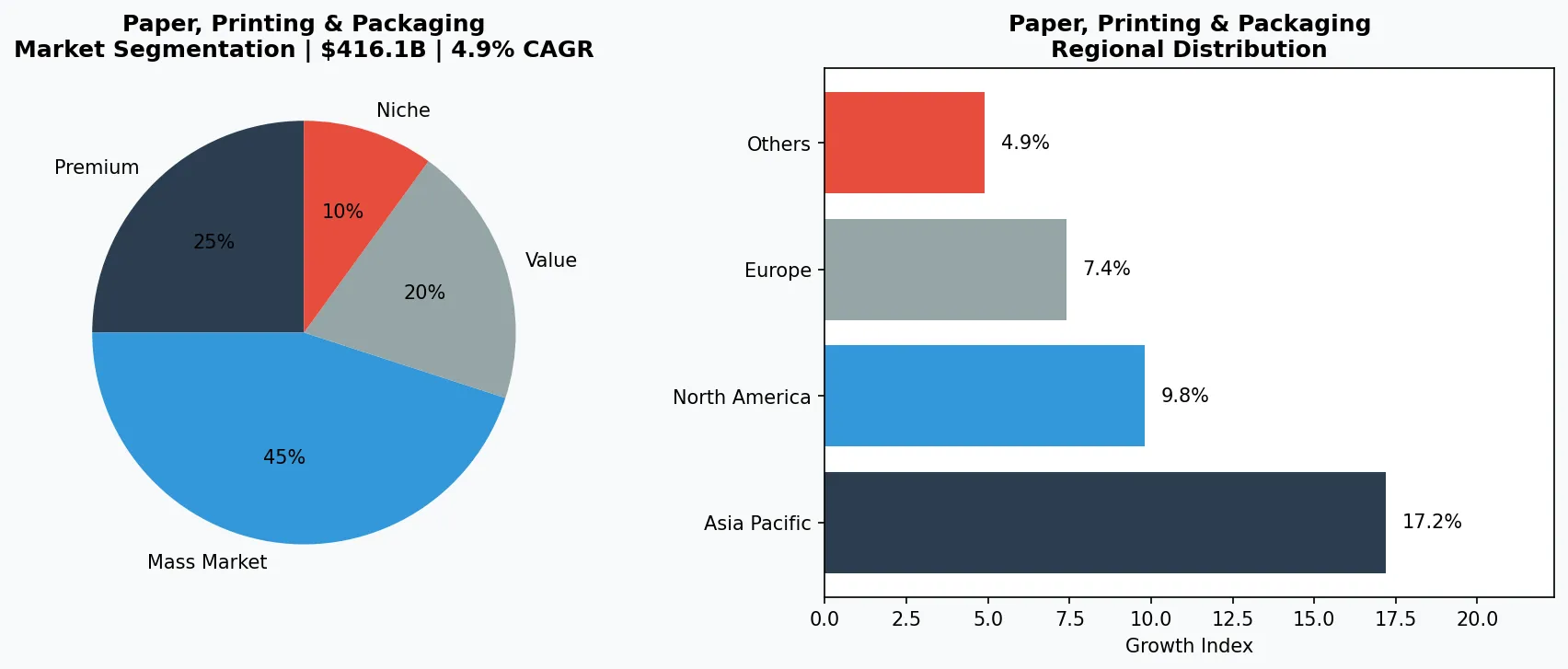
Market segmentation and regional distribution analysis for Paper, Printing & Packaging.
3. Product Categories
Printing Paper: This category includes coated and uncoated woodfree papers, newsprint, and specialty printing substrates. Brands like UPM’s Finesse and Stora Enso’s Lumiflex are widely used for magazines, brochures, and high-quality catalogs. The rise of digital printing has created demand for papers optimized for toner adhesion and inkjet drying.
Packaging Materials: Corrugated boxes, folding cartons, and paperboard dominate this segment. WestRock’s ColorBurst display boards and Smurfit Kappa’s AquaStop barrier boards are examples of innovation in moisture resistance and printability for retail packaging. The e-commerce boom has made lightweight, high-strength micro-flute corrugated a standard.
Specialty Papers: Thermal paper for receipts, filter paper for coffee and industrial applications, and release liners for labels. Mondi’s Advantage range offers functional coatings for liquid packaging, while Nine Dragons Paper produces recycled-based linerboard for industrial use. Artisanal paper—handmade, textured sheets—remains a niche but growing segment for premium invitations and packaging.
Premium & Artisanal Tier
High-margin specialty products targeting affluent consumers who prioritize quality, craftsmanship, and unique attributes.
Mass Market Mainstream
Volume-driven products serving price-conscious mainstream consumers with reliable quality at accessible price points.
Functional & Niche Segment
Targeted products addressing specific health concerns, dietary requirements, or lifestyle preferences beyond basic needs.
4. Leading Players
International Paper: The Memphis-based giant is the world’s largest pulp and paper producer, with 2024 net sales exceeding $18 billion. Its recent strategy involves divesting non-core mills and doubling down on corrugated packaging for e-commerce. In 2025, International Paper opened a fully automated box plant in Ohio, reducing lead times by 30%.
WestRock: Following its 2024 merger with Smurfit Kappa, the newly formed Smurfit WestRock commands a combined market cap of over $20 billion. The merger created a global leader in sustainable paper-based packaging, with an integrated supply chain across 40 countries. The company is investing heavily in barrier coatings to replace plastic laminates in food packaging.
Stora Enso: This Finnish-Swedish company is pivoting from traditional printing paper to renewable packaging solutions. It produces the world’s first fully renewable polyethylene-coated board, reducing fossil-based content by 80%. Stora Enso also opened a pilot plant for lignin-based carbon materials in 2025, targeting battery applications.
Mondi: Headquartered in Austria, Mondi generated €7.8 billion in revenue in 2024. It leads in flexible paper packaging with its EcoVantage range, which reduces plastic content by 70%. Mondi’s “Paper to Paper” recycling program in Europe achieved a 92% recovery rate in 2025.
Global Market Leader
Multinational player commanding significant market share. Revenue exceeding $50B with operations across 100+ countries, diversified portfolio spanning all major price tiers.
Regional Champion
Dominant force in Asia Pacific with deeply localized product lines, extensive distribution networks, and strong regional retailer relationships.
Innovation Disruptor
Fast-growing challenger disrupting incumbents through breakthrough product innovation, direct-to-consumer models, and data-driven marketing in the paper, printing & packaging space.
5. Market Trends
1. Sustainable Barrier Coatings
The race to replace plastic laminates with renewable, recyclable paper barriers is intensifying. Nestlé has committed to making 100% of its packaging recyclable or reusable by 2025 and is partnering with Stora Enso to develop water-based barrier coatings for dry foods. These coatings allow paper packaging to be recycled in standard paper mills, a critical requirement under EU regulations.
2. Digital Printing Adoption
Short-run, customized packaging is becoming the norm, driven by HP Indigo and Durst digital presses. Smurfit WestRock launched its “Print & Go” service in 2026, enabling brands to order as few as 500 custom boxes with variable data printing. This reduces inventory waste and speeds time-to-market for seasonal products.
3. Smart Labels & RFID Integration
The Internet of Things is embedding intelligence into packaging. Avery Dennison has partnered with Mondi to produce RFID-tagged paper labels for retail apparel. These smart labels enable real-time inventory tracking and anti-counterfeiting, with the global smart label market expected to grow at 12% CAGR through 2030.
4. E-commerce Lightweighting
As shipping costs rise, Amazon and major retailers demand thinner yet stronger packaging. Nine Dragons Paper developed a 25% lighter corrugated medium in 2025 that retains compression strength. This reduces carbon footprint and shipping costs simultaneously, making lightweighting a top priority for logistics-heavy customers.
6. Regional Markets
Asia-Pacific: China remains the undisputed production powerhouse, with Nine Dragons Paper operating the world’s largest single-site paper mill in Dongguan. The region’s share of global paper packaging output exceeds 45%, driven by domestic e-commerce giants like Alibaba and JD.com. India is emerging as a fast-growth market, with the Indian Paper Manufacturers Association reporting a 7% annual increase in packaging paper demand due to food delivery expansion.
Asia Pacific — The Growth Engine
The world's largest and fastest-growing region, led by China, India, and Southeast Asia. Urbanization, rising middle class, and digital retail adoption are primary catalysts.
North America — Premium & Wellness Driven
A mature market with strong health-and-wellness orientation, sustainability commitments, and robust demand for premium and functional products.
Europe — Quality & Regulatory Leadership
A developed market with stringent quality, safety, and environmental regulations. Strong demand for organic, locally sourced, and ethically certified products.
North America: The United States is the largest consumer of paper packaging by value, with corrugated boxes for e-commerce representing 35% of the market. The US Environmental Protection Agency’s tightened recycling mandates are pushing converters like WestRock to invest in advanced sorting lines that achieve 99% fiber purity. Canada’s forestry-rich provinces supply virgin fiber for high-strength applications.
Europe: The EU’s Packaging and Packaging Waste Regulation (PPWR), effective January 2025, mandates that all packaging be recyclable by 2030. This has spurred innovation in recyclable coatings and mono-material structures. Smurfit Kappa operates 35 paper mills across Europe and has committed to net-zero emissions by 2050, investing €1 billion in carbon-neutral production.
7. Investment Outlook
Two opportunities stand out. First, bio-based barrier coatings: companies that develop cost-effective, scalable coatings to replace plastic in paper packaging will capture significant market share as regulations tighten. Mondi and Stora Enso are already commercializing such solutions, with pilot lines running at 10,000 tons per year capacity. Second, AI-driven quality control in paper mills: International Paper is deploying machine vision to detect defects in real time, reducing waste by up to 15% and improving yield.
The primary risk is pulp price volatility. Global softwood pulp prices swung from $700 to $1,200 per metric ton between 2023 and 2025, squeezing margins for converters without long-term supply contracts. Diversifying fiber sources—using agricultural residues like wheat straw or bagasse—can mitigate this risk, but scaling remains a technical challenge. Verity Rank recommends B2B buyers assess suppliers’ fiber procurement strategies as a key due diligence criterion.
Strategic Considerations:
- Technology & AI Integration: Artificial intelligence and IoT are revolutionizing production efficiency, quality assurance, and demand forecasting across the supply chain.
- Sustainability as Business Strategy: Regulatory pressure and consumer expectations are making environmental commitments essential, not optional.
- Transparency & Traceability: Consumers demand increasingly granular information about product origins, ingredients, and production methods.
- Emerging Market Penetration: Africa, Latin America, and second-tier Asian cities represent the next wave of volume growth.
Frequently Asked Questions
Data Sources
- Grand View Research
- Statista
- Smithers Pira
- International Paper Annual Report
- Smurfit Kappa Sustainability Report
Make Informed Decisions in the Paper, Printing & Packaging Market
Product quality and sourcing integrity directly impact business outcomes. Discover how Verity Rank's verification platform helps industry participants source with greater confidence.
Contact Verity Rank TodayFurther Reading: Explore additional market intelligence from Grand View Research and Mordor Intelligence.
This article is for informational purposes only, based on publicly available industry data and market reports as of 2026-07-29. All market figures are estimates and may vary from actual results.