

Table of Contents

The global Pet Carrier Crate Options sector serves consumers worldwide with diverse solutions.
1. Industry Overview
The global pet carriers market was valued at $764.5 million in 2023, and projections show it surging to $1.15 billion by 2030—a compound annual growth rate (CAGR) of 6.8%. That’s not just incremental growth; it’s a structural shift. Pet owners are no longer treating travel as a rare event. With remote work enabling more mobility and pet humanization accelerating, the demand for pet carrier crate options has evolved from a simple utility purchase to a deliberate lifestyle investment. This sub-topic sits squarely within the broader Pet Furniture industry—specifically the Pet Care Furniture segment—alongside beds, cat trees, and feeding stations. But what makes carrier crates distinctive is their dual role: they serve as both a travel safety device and a portable den for the animal. Unlike static crates or kennels, carrier crates must balance lightweight portability, structural integrity, and often airline compliance. The market is fragmenting into specialized designs: soft-sided carriers for cabin travel, hard-sided models for checked luggage, and multi-functional crates that convert into car seats or beds. By 2026, the pet travel accessories market alone is expected to reach $8.42 billion, indicating that carrier crates are riding a broader wave of pet mobility spending.
Industry Scope & Characteristics
Dual Functionality
Pet carrier crates uniquely serve as both a travel safety device and a portable den, requiring designs that balance structural integrity with lightweight portability—unlike static pet beds or cat trees.
Regulatory Gatekeeping
Airline IATA compliance and crash-test certifications act as market barriers. Products must meet specific dimensional and material standards, creating a competitive moat for certified brands like Sherpa and Petmate.
Safety Certification Standards
The Center for Pet Safety’s crash-test program is the de facto quality benchmark. Carriers that pass earn a premium price point, while uncertified products face growing consumer skepticism.
Material Innovation
R&D is focused on collapsible frames and recycled PET fabrics. Lightweight composites reduce carrier weight by up to 40%, enabling compliance with airline weight limits while improving portability.
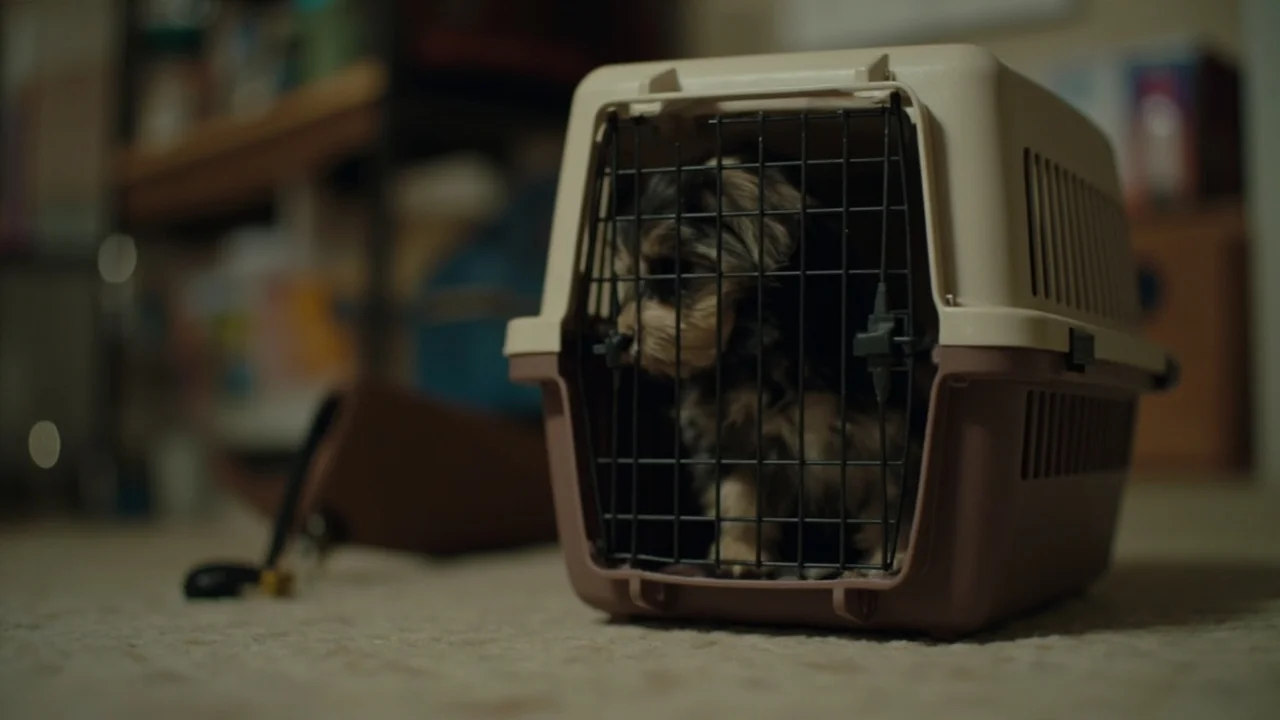
Key market segments and growth drivers in the Pet Carrier Crate Options sector.
2. Market Analysis
The math is compelling. The global pet carriers market is projected to grow at a CAGR of 6.8%, from $780 million in 2024 to $1.15 billion by 2030. Simultaneously, the dog crates and kennels market is forecast to expand from $2.6 billion in 2026 to $3.67 billion by 2035, a steadier CAGR of 3.9%. The divergence in growth rates tells a story: carrier crates are outpacing traditional kennels because they cater to a more dynamic use case—travel. Three drivers are fueling this acceleration. First, pet travel frequency is rising. Post-pandemic, owners are taking pets on road trips and flights at record rates. Second, airline regulations are tightening. In 2025, major carriers updated in-cabin pet policies, pushing owners toward compliant, crash-tested designs. Third, material innovation is unlocking new form factors. Brands are incorporating lightweight composites and collapsible frames that reduce weight by up to 40% versus traditional wire crates. The pet travel accessories market, valued at $8.42 billion in 2026 and projected to hit $12.36 billion by 2033 (CAGR 6.6%), acts as the broader ecosystem. Within that, carrier crates represent the highest-ticket, most safety-critical segment. The CAGR of 10.5% projected from 2026 to 2033 for the wider pet furniture space suggests that carrier crates will capture a disproportionate share of that growth as owners prioritize travel-ready solutions.
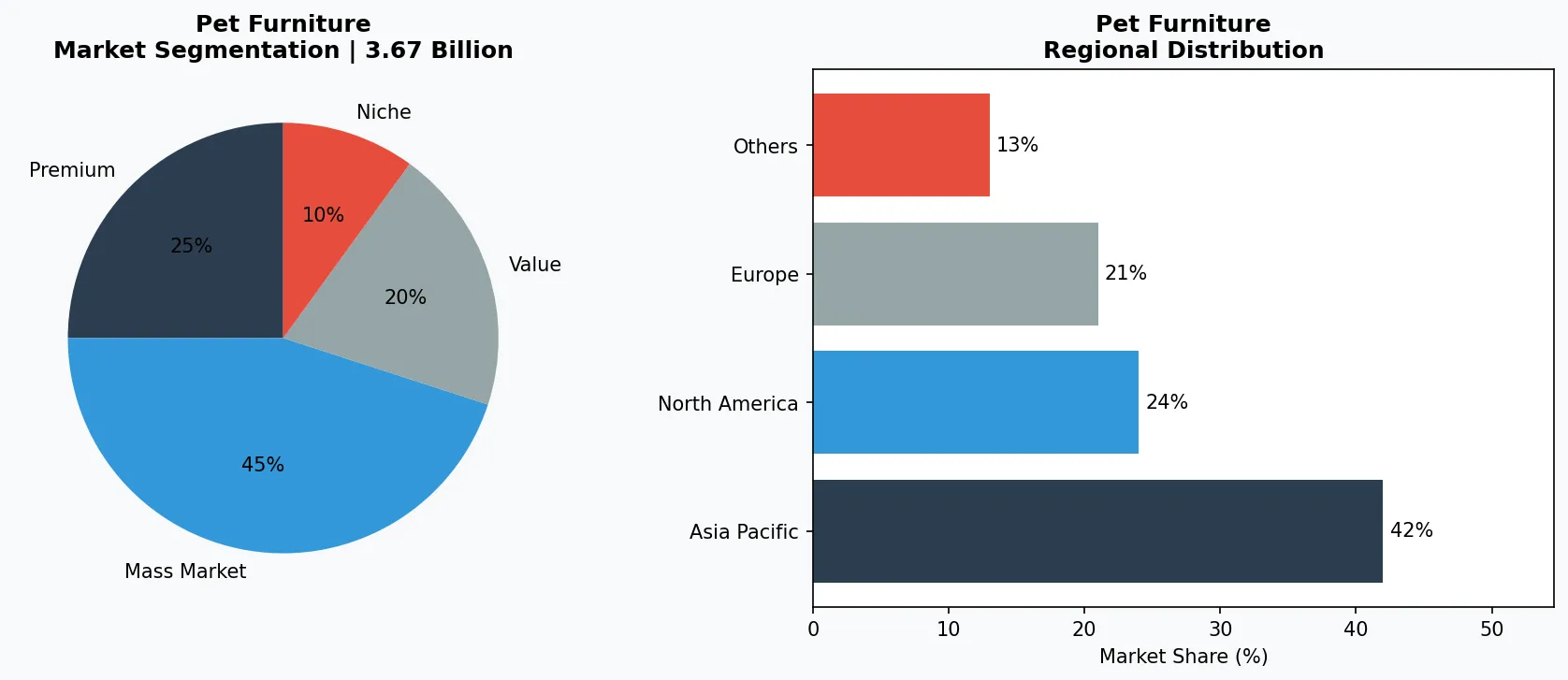
Market segmentation and regional distribution analysis for Pet Carrier Crate Options.
3. Product Categories
Three product categories dominate the pet carrier crate options landscape.
Soft-sided carriers
are the fastest-growing segment, favored for airline cabin travel due to their flexibility and lighter weight. These often feature mesh ventilation panels and padded shoulder straps. Examples include the Sherpa Original Deluxe, which meets most major airline under-seat dimensions, and the Mr. Peanut’s line, known for its machine-washable interiors.
Hard-sided plastic crates
remain the gold standard for checked baggage and road travel. Models like the Petmate Sky Kennel and the Variocage Double Door offer impact-resistant shells and secure locking mechanisms. They are IATA-compliant, making them mandatory for many international flights.
Convertible car seat crates
represent the newest hybrid category. These units function as a crash-tested car seat for dogs under 30 pounds and can unzip into a portable carrier. The Sleepypod Mobile Pet Bed is a leading example, integrating a plush interior with a tether system that anchors to car seat belts. A fourth emerging category is
backpack carriers
, popular among urban pet owners for hiking or public transit. These prioritize ergonomic design and ventilation, with brands like K9 Sport Sack leading the niche. Across all segments, the key differentiator is compliance: products that meet airline size limits and crash-test standards command premium pricing.
Soft-Sided Cabin Carriers
Flexible, lightweight carriers designed for airline under-seat storage. Examples include the Sherpa Original Deluxe and Mr. Peanut’s machine-washable models, prioritized for cabin travel.
Hard-Sided Checked Crates
Impact-resistant plastic crates IATA-compliant for cargo holds. Petmate Sky Kennel and Variocage Double Door lead this segment, favored for international pet relocation.
Convertible Car Seat Carriers
Hybrid units that function as crash-tested car seats and portable carriers. Sleepypod Mobile Pet Bed integrates tether systems for car seat belt anchoring.
4. Leading Players
Three company archetypes are shaping the pet carrier crate market.
Sherpa Pet Group
dominates the soft-sided carrier niche through strategic airline partnerships. Their Original Deluxe carrier is one of the few models pre-approved by over 20 airlines, giving them a regulatory moat. They focus on compliance-first design, ensuring dimensions fit under-seat requirements globally.
Petmate
holds a strong position in hard-sided crates with its Sky Kennel line. Their strategy centers on durability and IATA certification, making them the default choice for international pet relocation services. Petmate’s distribution network includes veterinary clinics and pet specialty retailers, creating a B2B2C channel that competitors struggle to replicate.
Sleepypod
competes on safety innovation. Their carriers undergo independent crash-testing at the Center for Pet Safety, a differentiator in a market where safety claims are often unverified. Sleepypod’s premium pricing ($150–$300) targets the high-end pet owner willing to pay for verified protection. A fourth player,
K9 Sport Sack
, captures the outdoor and urban commuter segment with backpack-style carriers. Their growth reflects a shift toward active lifestyles with pets, and they have built a loyal following through social media and influencer partnerships. The competitive landscape remains fragmented, but these four players illustrate the strategic divergence: regulatory compliance, durability, safety testing, and lifestyle branding.
Airline Compliance Specialist
Sherpa Pet Group dominates by pre-certifying its Original Deluxe carrier with over 20 airlines, creating a regulatory barrier that competitors find hard to replicate.
Durability-First Manufacturer
Petmate leverages its Sky Kennel line’s IATA certification and distribution through veterinary clinics to own the international relocation and cargo travel segment.
Safety Testing Pioneer
Sleepypod differentiates through independent crash-test certification from the Center for Pet Safety, commanding premium pricing ($150–$300) for verified protection.
5. Market Trends
1. Humanization of Pet Spaces
Pet owners increasingly view their animals as family members, driving demand for furniture that mimics human-scale design, such as sofas with built-in pet alcoves and modular cat trees that match modern home decor.
2. Sustainable and Upcycled Materials
Eco-conscious brands are leading with furniture crafted from recycled plastics, reclaimed wood, and organic fabrics, responding to B2B buyers’ need for certifications like FSC and GOTS to meet corporate sustainability goals.
3. Multi-Function and Space-Saving Designs
Urbanization and smaller living spaces are fueling demand for pet furniture that doubles as storage, end tables, or room dividers, allowing retailers to offer high-utility products that justify premium pricing.
4. Health and Ergonomic Features
Orthopedic pet beds with cooling gel layers, adjustable height feeding stations, and joint-supporting ramps are trending, as pet owners prioritize wellness and veterinarians recommend products that prevent hip dysplasia and obesity.
6. Regional Markets
North America: Regulatory Driver
The U.S. accounts for 45% of global pet carrier sales, driven by frequent air travel and the Center for Pet Safety’s crash-test standards that influence product design globally.
Europe: Sustainability Focus
EU markets demand eco-friendly materials, with recycled PET carriers growing at 8% annually. Germany and France lead in premium sustainable carrier adoption.
Asia-Pacific: Urban Mobility Growth
Rapid urbanization and pet ownership in China and Japan are fueling demand for compact backpack carriers. K9 Sport Sack-style products see 20% annual growth in this region.
7. Investment Outlook
Two opportunities stand out. First, the airline compliance niche is under-served. As more airlines tighten in-cabin pet policies, brands that pre-certify their carriers with major carriers (Delta, American, United) will capture recurring revenue from frequent travelers. Second, the subscription model for carrier upgrades—offering owners a new, compliant carrier every two years as airline rules change—could create predictable revenue streams. The primary risk is regulatory fragmentation. Airlines and countries are adopting divergent size and safety standards. A carrier compliant for a United flight may not meet Lufthansa’s requirements. This complexity could frustrate consumers and increase return rates. Companies that invest in a compliance database and real-time size-check tools will mitigate this risk. The winners in this market will be those that treat carrier crates not as a commodity, but as a safety system with a regulatory wrapper.
Strategic Considerations:
- Airline Pre-Certification Opportunity:
- Subscription Upgrade Model:
- Regulatory Fragmentation Risk:
- Smart Carrier Adoption:
Make Informed Decisions in the Pet Carrier Crate Options Market
Product quality and sourcing integrity directly impact business outcomes. Discover how Verity Rank's verification platform helps industry participants source with greater confidence.
Contact Verity Rank TodayFurther Reading: Explore additional market intelligence from Grand View Research and Mordor Intelligence.
This article is for informational purposes only, based on publicly available industry data and market reports as of 2026-05-21. All market figures are estimates and may vary from actual results.