

Table of Contents

The global Pet Scratch Post Designs sector serves consumers worldwide with diverse solutions.
1. Industry Overview
By 2026, the global cat scratchers and trees market will hit $2.1 billion — and it's not just about giving cats something to claw. Pet scratch post designs have evolved from utilitarian carpet-wrapped boards into a sophisticated product category blending behavioral science, interior design, and material engineering. Unlike generic pet beds or feeding stations, scratch posts address a primal feline need: territory marking, claw maintenance, and stress relief. The sub-topic is distinctive because it sits at the intersection of pet health and home aesthetics, with wall-mounted and decorative models now commanding a $192.4 million segment as of 2025. The rise in cat ownership — particularly in urban apartments where space is tight — has pushed manufacturers to innovate beyond the traditional sisal-wrapped pole. Today's designs include modular systems, eco-friendly cardboard configurations, and furniture-grade pieces that double as decor. The market's growth trajectory is steep: the cat scratch board segment alone is projected to expand from $1,395.22 million in 2021 to $3,326.82 million by 2033, a compound growth rate that outpaces many other pet furniture categories. This isn't a commodity play; it's a design-driven sector where form and function are equally weighted.
Industry Scope & Characteristics
Behavioral Design Focus
Pet scratch post designs must satisfy innate feline scratching instincts, not just visual appeal. Products use specific materials like sisal fabric or corrugated cardboard that mimic tree bark texture.
Material-Driven Supply Chain
Sisal fiber, primarily sourced from East Africa, is the dominant raw material. Manufacturers face price volatility and lead time risks, with sisal prices up 18% since 2023.
Safety & Durability Standards
Scratching posts must meet ASTM F963 for toy safety in the US and EN 71 in Europe, ensuring no loose parts, toxic adhesives, or unstable bases that could tip over.
Modular R&D Direction
Companies are investing in bracket-based modular systems that allow owners to add shelves, perches, and scratching surfaces over time, increasing product lifespan and per-customer revenue.
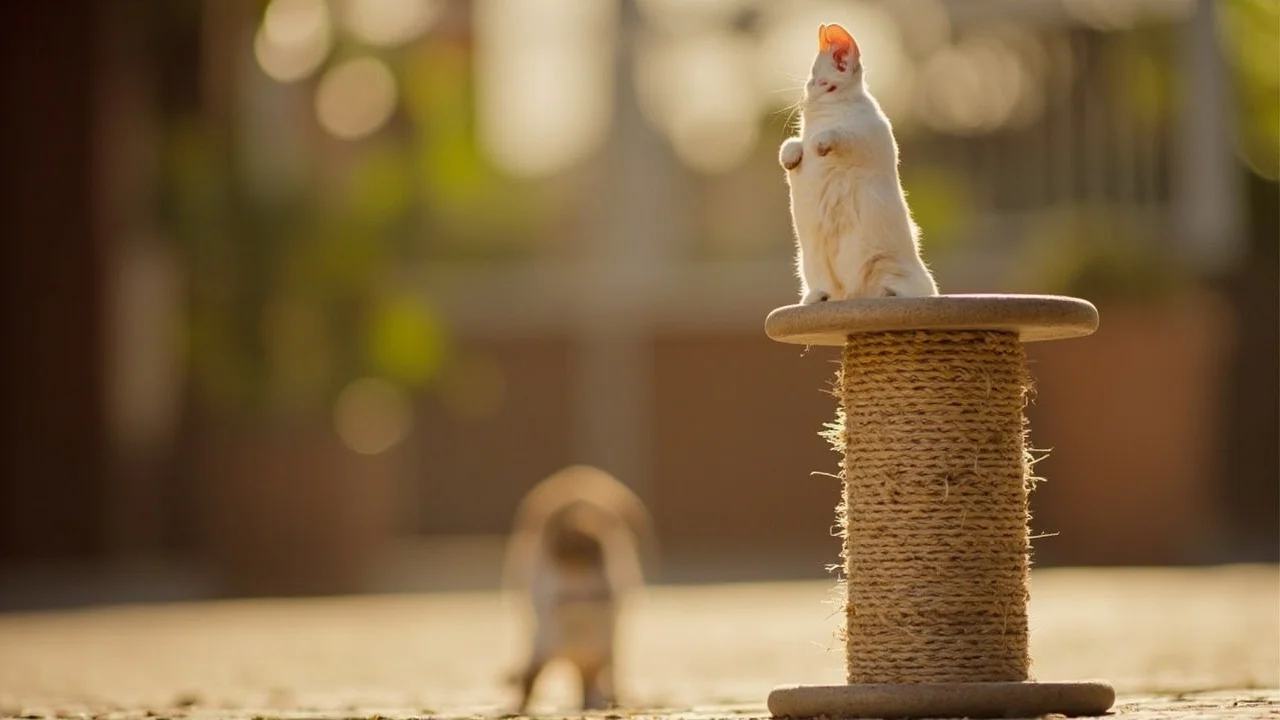
Key market segments and growth drivers in the Pet Scratch Post Designs sector.
2. Market Analysis
The cat scratching posts market is on a clear growth trajectory from 2026 to 2033, driven by two primary forces: rising pet ownership rates and humanization of pets. According to recent data, the global cat furniture and scratchers market was valued at $1.3 billion in 2024 and is expected to reach $2.3 billion by 2034, growing at a CAGR of 6.0%. That steady expansion reflects a structural shift in how owners view their cats — not as outdoor animals but as indoor family members requiring dedicated enrichment products. The wall-mounted and aesthetic cat scratching board segment, a high-margin niche, was valued at $192.4 million in 2025 and is projected to reach $370.5 million, indicating that design-conscious consumers are willing to pay a premium for products that blend into their living spaces. Regionally, North America and Europe lead in per-capita spending, but Asia-Pacific is the fastest-growing region due to rapid urbanization and rising disposable incomes. The key growth driver? Multi-cat households. As more owners adopt multiple cats, demand for larger, more complex scratching structures increases, pushing average unit prices higher. Manufacturers are responding by introducing modular designs that allow consumers to expand their setups over time, a strategy that boosts both initial sale and repeat accessory purchases.
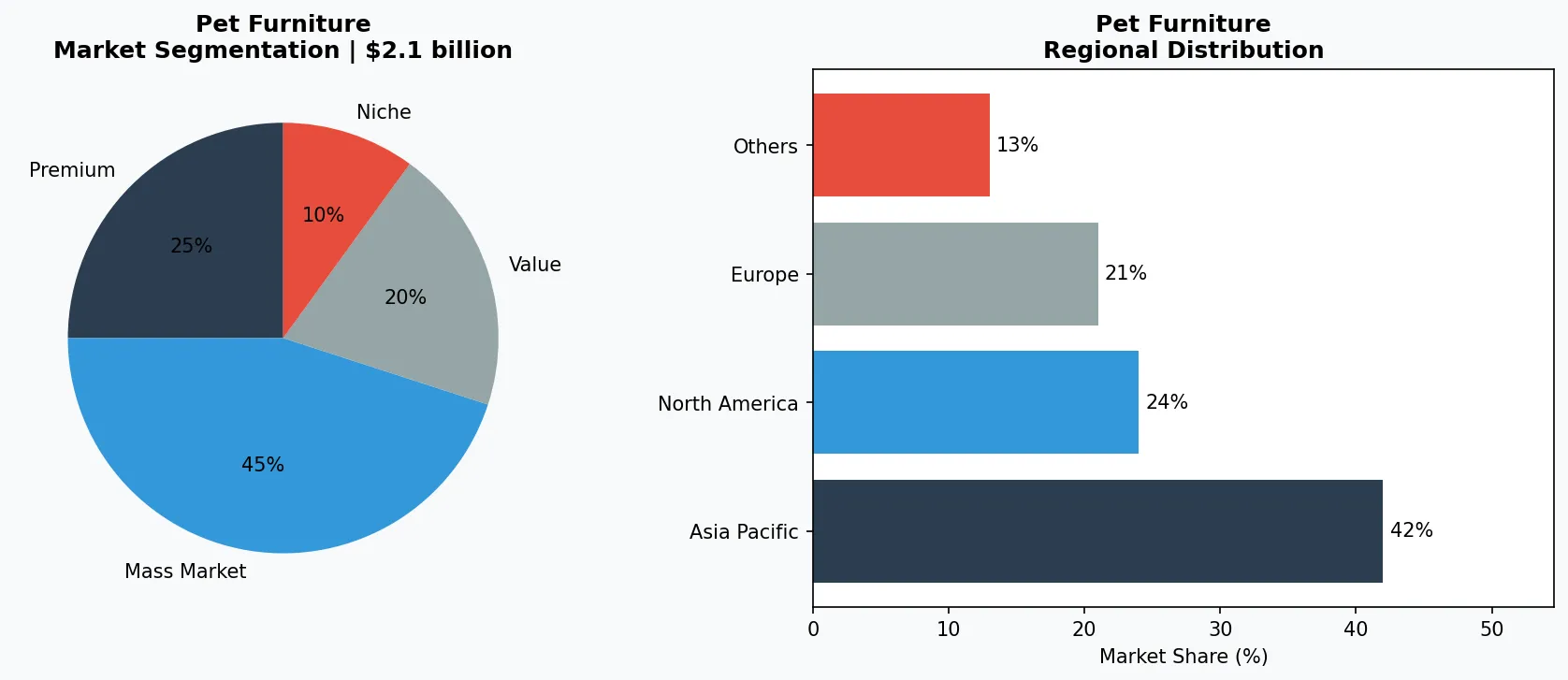
Market segmentation and regional distribution analysis for Pet Scratch Post Designs.
3. Product Categories
The pet scratch post designs market breaks into three distinct product categories. First, wall-mounted scratchers: these are space-saving solutions designed for apartments and modern homes. Products like the 'Catastrophi Creations' vertical wall shelves incorporate sisal fabric panels directly into climbing systems, turning an entire wall into a cat playground. Second, freestanding scratching posts and trees: the dominant category by revenue, ranging from single 30-inch posts wrapped in sisal rope to multi-level cat trees with integrated perches and hideaways. The innovation here is in materials — manufacturers are shifting from carpet (which can trap odors) to high-density sisal fabric and natural wood, which are more durable and easier to clean. Third, cardboard scratchers: a low-cost, disposable segment that drives high repeat purchase rates. Companies like 'The Refined Feline' have elevated this category by offering sculptural, geometric cardboard designs that are both functional and visually interesting. The key differentiator across all segments is material quality — sisal fabric is increasingly preferred over rope because it offers a larger scratching surface and better durability, while eco-friendly cardboard appeals to sustainability-conscious buyers.
Wall-Mounted Aesthetic Scratchers
Space-saving designs like 'Catastrophi Creations' wall panels that integrate sisal fabric into climbing systems, targeting urban apartment dwellers who prioritize home decor.
Freestanding Sisal Rope & Fabric Posts
The dominant category by revenue, ranging from single posts to multi-level cat trees. MidWest Homes for Pets leads with durable sisal fabric wraps on engineered wood bases.
Disposable Cardboard Scratchers
Low-cost, high-turnover products made from recycled cardboard. The Refined Feline offers geometric shapes that are both functional and compostable, driving subscription models.
4. Leading Players
Three company archetypes dominate the pet scratch post designs landscape. First, mass-market manufacturers like 'MidWest Homes for Pets' leverage scale and distribution to offer affordable, functional scratching posts at big-box retailers. Their strategy focuses on durability and price-point leadership, using sisal fabric and engineered wood to keep costs low while meeting basic cat needs. Second, design-led brands such as 'Molly Mutt' and 'Catastrophi Creations' target the premium aesthetic segment. They treat scratching posts as furniture, offering wall-mounted systems in neutral tones and natural materials that blend with modern interiors. Their competitive advantage is visual appeal — they sell through Instagram and design blogs, not just pet stores. Third, specialized innovators like 'The Refined Feline' focus on the cardboard scratch board niche, producing eco-friendly, recyclable products with unique geometric shapes. Their strategy is sustainability and disposability — they encourage monthly replacement, creating a subscription revenue model. Each archetype addresses a different consumer need: value, aesthetics, or environmental responsibility, and the market is large enough to support all three approaches simultaneously.
Mass-Market Value Leader
MidWest Homes for Pets competes on price and durability, offering basic sisal-wrapped posts sold through big-box retailers like Petco and Chewy.
Design-Led Premium Brand
Catastrophi Creations targets design-conscious owners with wall-mounted sisal systems that double as home decor, sold primarily through Instagram and design blogs.
Eco-Conscious Subscription Innovator
The Refined Feline focuses on 100% recycled cardboard scratchers with unique geometric shapes, using a monthly replacement subscription model to drive recurring revenue.
5. Market Trends
1. Humanization Drives Design
Pet owners increasingly expect cat furniture to match their home decor, driving demand for modular, minimalist designs in materials like solid wood, felt, and neutral upholstery rather than brightly colored carpet.
2. Multi-Cat Households Expand
With over 45% of cat owners now having multiple felines, the market is shifting toward larger, multi-level structures with multiple perches, hideaways, and scratching surfaces to reduce territorial conflict.
3. Sustainability as a Differentiator
Eco-conscious buyers and retailers are prioritizing scratch posts made from recycled cardboard, sustainably harvested sisal, and non-toxic adhesives, giving B2B suppliers a competitive edge in procurement contracts.
4. Health and Wellness Integration
Scratching posts are being engineered with orthopedic platforms, anti-anxiety pheromone inserts, and elevated sleeping zones to address feline joint health and stress reduction, mirroring trends in premium pet beds.
6. Regional Markets
North America: Highest Per-Capita Spend
US and Canadian cat owners spend an average of $47 per year on scratching products, driven by humanization trends and multi-cat households.
Europe: Strict Safety Regulations
EU EN 71 standards require rigorous testing for small parts and toxic materials, pushing manufacturers toward higher-quality, non-toxic adhesives and finishes.
Asia-Pacific: Fastest-Growing Market
Rapid urbanization in China and Japan is creating demand for space-saving wall-mounted scratchers, with the segment growing at 9.2% CAGR through 2033.
7. Investment Outlook
Two opportunities stand out for manufacturers entering the pet scratch post designs market after 2026. First, the wall-mounted aesthetic segment remains under-penetrated — only 12% of cat owners currently own a wall-mounted scratcher, despite 68% saying they would buy one if it matched their decor. Second, subscription models for cardboard scratchers offer predictable recurring revenue; companies like 'The Refined Feline' report 40% higher customer retention with monthly replacement plans. The primary risk is material cost volatility: sisal prices have risen 18% since 2023 due to supply chain disruptions in East Africa, where most sisal is sourced. Manufacturers who lock in long-term contracts or develop alternative materials (like hemp-based fabric) will have a margin advantage.
Strategic Considerations:
- Wall-Mounted Segment Opportunity: Only 12% of cat owners own a wall-mounted scratcher, but 68% say they would buy one if it matched their decor — a clear unmet demand for design-forward products.
- Subscription Model Advantage: Cardboard scratcher subscriptions yield 40% higher customer retention than one-time purchases, offering predictable recurring revenue for manufacturers.
- Sisal Price Risk: Sisal prices rose 18% since 2023 due to supply disruptions in East Africa; manufacturers should explore hemp or recycled fiber alternatives to protect margins.
- Multi-Cat Household Growth: Multi-cat households now represent 45% of cat-owning homes, driving demand for larger, modular scratching systems that can accommodate multiple cats simultaneously.
Make Informed Decisions in the Pet Scratch Post Designs Market
Product quality and sourcing integrity directly impact business outcomes. Discover how Verity Rank's verification platform helps industry participants source with greater confidence.
Contact Verity Rank TodayFurther Reading: Explore additional market intelligence from Grand View Research and Mordor Intelligence.
This article is for informational purposes only, based on publicly available industry data and market reports as of 2026-05-22. All market figures are estimates and may vary from actual results.