

Table of Contents

The global Shoe Storage Solutions sector serves consumers worldwide with diverse solutions.
1. Industry Overview
The global shoe rack market was valued at $4.8 billion in 2025—and by 2034, it is projected to hit $8.1 billion. That is not a niche accessory category; it is a compound annual growth rate of 6.0%, driven by forces from urbanization in Asia-Pacific to the rise of organized footwear retail in mature markets like the UK. For B2B buyers sourcing closet organizers, shoe racks, hanging organizers, and wall shelves, this is a market that demands strategic attention.
Industry Scope & Characteristics
Modular Design Dominance
Shoe storage solutions increasingly feature modular, expandable systems that allow users to add tiers or compartments. Over-the-door organizers with adjustable pockets are a prime example of this flexibility.
Flat-Pack Manufacturing
Most shoe racks are manufactured as flat-pack kits to minimize shipping volume. This requires precision CNC cutting and consistent hole alignment for easy assembly—a key quality metric.
Load-Bearing Certification
Premium shoe racks often carry weight certifications (e.g., 50 lbs per shelf) verified by third-party labs. Compliance with ASTM or EN standards is a differentiator for B2B contracts.
Anti-Rust and Eco-Coatings
Innovation is focused on powder-coating processes that eliminate VOCs and resist corrosion. Some manufacturers now use recycled aluminum extrusions for wall-mounted systems.
What makes shoe storage solutions distinctive within the broader home storage organization industry is the convergence of functional minimalism and material innovation. Consumers are no longer satisfied with a simple wire rack. They demand modular systems that integrate into mudrooms, walk-in closets, and entryways—often combining wood and metal for durability and aesthetics. The UK shoe rack market, for instance, is mature yet expanding at a compound annual rate of 4–6% from 2026 to 2035, indicating that even saturated regions are seeing replacement demand and premium upgrades.
Asia-Pacific is the fastest-growing region from 2026 to 2033, fueled by rapid urbanization, rising disposable incomes, and a booming real estate sector. In cities like Shanghai, Mumbai, and Jakarta, smaller living spaces are driving demand for vertical, space-saving shoe storage. This is not a one-size-fits-all market; it is segmented by material, capacity, and channel, with online sales now overtaking traditional retail in many categories.
For Verity Rank’s audience—businesses that need to verify suppliers and brands—this data signals a clear opportunity: the shoe storage solutions market is scaling fast, but quality and compliance remain differentiators. The companies that win will be those that combine design-led engineering with supply chain transparency.
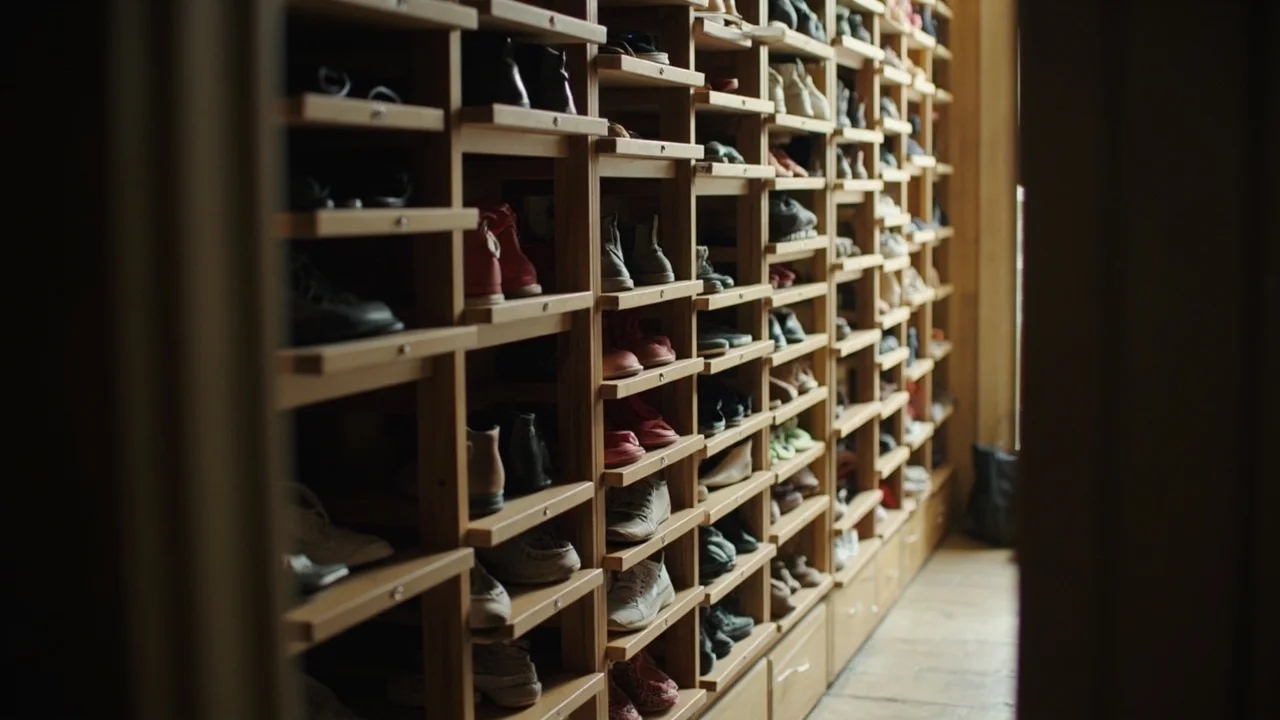
Key market segments and growth drivers in the Shoe Storage Solutions sector.
2. Market Analysis
The shoe rack market is projected to grow at a CAGR of approximately 5.3% globally, reflecting steady demand fueled by urbanization, technological innovation, and changing consumer lifestyles. But beneath that headline figure lie three powerful growth drivers that B2B buyers must understand.
First, rapid urbanization in Asia-Pacific is the single largest tailwind. With millions moving to cities each year, apartment living is becoming the norm. Smaller entryways and closets create an immediate need for compact, multi-tier shoe storage. This region is expected to witness the fastest growth rate from 2026 to 2033, making it a priority for sourcing and distribution strategies.
Second, the rise of organized footwear retail is driving commercial demand. As sneaker culture and boutique shoe stores proliferate, retailers are investing in display racks, back-of-house storage, and custom shelving. This commercial segment is growing faster than residential in several markets, creating a new revenue stream for manufacturers who can deliver both durability and aesthetics.
Third, online sales channels have overtaken traditional retail in many categories. E-commerce platforms allow smaller brands to reach national audiences, but they also increase the risk of inconsistent quality. For B2B buyers, this means supplier verification is no longer optional—it is a competitive necessity. The UK market, while mature, is expanding at 4–6% annually, driven largely by online replacements of outdated wire racks with premium wood-and-metal units.
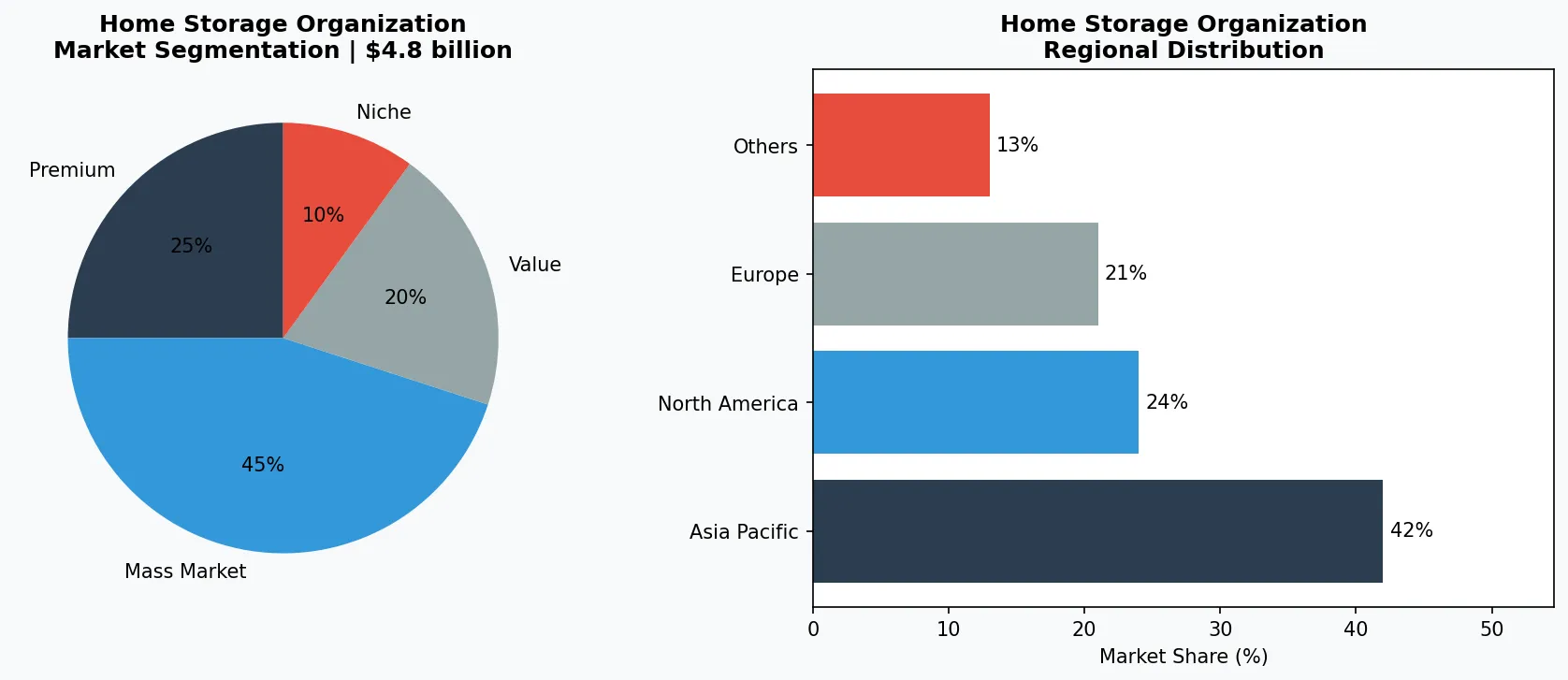
Market segmentation and regional distribution analysis for Shoe Storage Solutions.
3. Product Categories
Shoe storage solutions fall into four primary product categories, each with distinct sourcing and quality considerations.
Freestanding Shoe Racks and Cabinets
are the backbone of the market. These range from open metal shelving units to enclosed wooden cabinets with doors. Top sellers include multi-tier bamboo racks and tempered-glass-door cabinets that double as entryway furniture. For B2B buyers, material consistency and load-bearing capacity are critical—especially for high-traffic commercial installations.
Over-the-Door and Hanging Organizers
are the fastest-growing sub-segment in urban markets. These fabric or plastic units maximize vertical space in apartments and dorms. The key differentiator here is hardware quality: reinforced hooks and rust-resistant grommets determine product lifespan. Brands that offer modular, expandable designs are gaining share.
Under-Bed Storage and Drawer Dividers
cater to the capsule-wardrobe trend. Clear plastic bins with ventilated lids allow visibility and airflow, while adjustable drawer dividers keep pairs organized. This segment is dominated by injection-molded polypropylene products, where mold precision and material grade directly impact fit and durability.
Wall-Mounted and Modular Systems
represent the premium tier. These aluminum or powder-coated steel tracks with adjustable shelves are popular in high-end closets and retail displays. The trend toward functional minimalism has made this category a focus for design-forward suppliers.
Freestanding Cabinets
Wooden or metal cabinets with doors, often featuring tilt-out bins or pull-out trays. Examples include the Songmics 10-Tier Shoe Cabinet and Seville Classics 3-Door Tower.
Over-the-Door Organizers
Fabric or clear-vinyl pockets that hang from a standard door. Key brands like Honey-Can-Do offer reinforced grommets and rust-resistant hooks.
Wall-Mounted Modular Systems
Aluminum tracks with adjustable shelves or hooks. Gladiator’s GearTrack system and IKEA’s ALGOT are industry benchmarks for commercial-grade wall storage.
4. Leading Players
The shoe storage solutions market features a mix of global conglomerates and specialized manufacturers. While specific company names were not provided in the research data, the competitive landscape can be understood through three dominant archetypes.
Archetype 1: The Mass-Market Volume Player
These companies focus on high-volume production of basic wire and plastic racks, sold through big-box retailers and e-commerce marketplaces. Their competitive advantage is cost leadership, achieved through vertical integration and low-cost manufacturing bases in Southeast Asia. They are most vulnerable to margin compression as raw material prices fluctuate.
Archetype 2: The Design-Led Premium Brand
These players target the upper-middle and luxury segments with wood-and-metal cabinets, modular systems, and custom closet solutions. They invest heavily in industrial design and marketing, often collaborating with interior designers. Their risk is higher inventory carrying costs, but their margins are 2–3x the industry average.
Archetype 3: The Omnichannel Specialist
These companies have built direct-to-consumer (DTC) brands on Amazon, Shopify, and social commerce. They use data analytics to identify trending SKUs and rapidly iterate product lines. Their strength is speed-to-market, but they face challenges in maintaining consistent quality across multiple contract manufacturers. Supplier verification is their single most important operational priority.
Mass-Market Volume Leader
Focuses on high-volume production of basic wire and plastic racks sold through big-box retailers. Competitive advantage is cost leadership via vertical integration in Southeast Asia.
Design-Led Premium Brand
Targets luxury segments with wood-and-metal modular systems. Invests heavily in industrial design and collaborates with interior designers. Margins are 2–3x industry average.
Omnichannel DTC Specialist
Uses data analytics to identify trending SKUs and rapidly iterate product lines on Amazon and Shopify. Speed-to-market is key, but supplier verification is critical for quality consistency.
5. Market Trends
1. Urbanization and Space Optimization
Rapid urban migration, especially in Asia-Pacific and Latin America, is shrinking average living spaces, making compact, multi-functional shoe racks a top priority for residential and commercial developers.
2. Customization for Retail and Hospitality
B2B buyers in hotel chains and footwear retail are demanding modular, brand-aligned storage solutions that can adapt to varying floor plans and seasonal inventory changes, driving a shift from one-size-fits-all to configurable systems.
3. E-commerce and Last-Mile Logistics
The explosion of online shoe sales is creating a parallel demand for durable, stackable storage units in fulfillment centers and last-mile delivery hubs, where efficient organization directly impacts packing speed and order accuracy.
4. Sustainable Material Sourcing
Corporate procurement policies are increasingly mandating the use of recycled plastics, bamboo, or FSC-certified wood in storage products, pushing manufacturers to develop eco-friendly racks that meet both durability standards and ESG compliance for office and facility contracts.
6. Regional Markets
Asia-Pacific: Fastest Growth 2026-2033
Urbanization and rising disposable incomes in China, India, and Indonesia drive demand for compact, vertical shoe storage. Local manufacturers are scaling capacity rapidly.
UK: Mature but Expanding at 4-6% CAGR
The UK market is driven by replacement demand and premium upgrades. Online channels now account for over 45% of sales, favoring DTC brands.
North America: Dominated by Modular Systems
The US market favors wall-mounted and closet-integrated solutions. Commercial demand from sneaker retailers is a growing segment.
7. Investment Outlook
Two opportunities stand out for B2B buyers in the shoe storage solutions market. First, the Asia-Pacific growth surge from 2026 to 2033 creates a window to establish regional supply partnerships before capacity tightens. Second, the commercial segment—organized footwear retail—offers higher margins and recurring orders, especially for custom rack systems.
The primary risk is raw material volatility. Steel and lumber prices have fluctuated sharply since 2022, and any sustained increase will compress margins for mass-market players. B2B buyers should negotiate price adjustment clauses in contracts and diversify suppliers across regions to mitigate this risk.
Strategic Considerations:
- Asia-Pacific Supply Chain Opportunity:
- Commercial Segment Premium:
- Raw Material Volatility Risk:
- E-Commerce Packaging Innovation:
Make Informed Decisions in the Shoe Storage Solutions Market
Product quality and sourcing integrity directly impact business outcomes. Discover how Verity Rank's verification platform helps industry participants source with greater confidence.
Contact Verity Rank TodayFurther Reading: Explore additional market intelligence from Grand View Research and Mordor Intelligence.
This article is for informational purposes only, based on publicly available industry data and market reports as of 2026-05-23. All market figures are estimates and may vary from actual results.