

Table of Contents
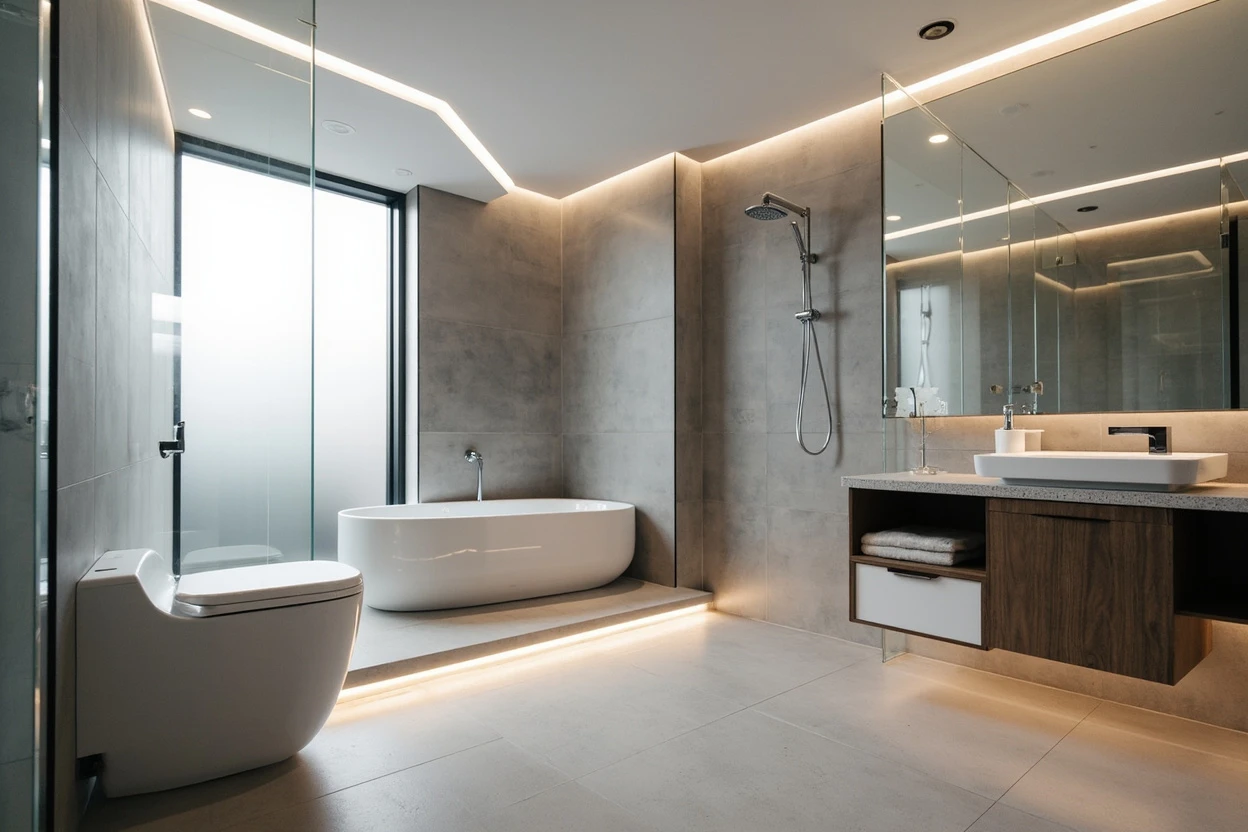
The global Smart Toilet Functions Deep Dive sector serves consumers worldwide with diverse solutions.
1. Industry Overview
By 2030, the global smart toilet market will be worth $16.09 billion, expanding at a compound annual growth rate of 8.04%. That is not a forecast for a niche gadget—it is the trajectory of a fundamental redefinition of bathroom hygiene. Smart toilets are no longer just heated seats and bidet sprays. They now integrate self-cleaning surfaces, automatic lid operation, adjustable water temperature and pressure, air dryers, deodorizers, and even built-in nightlights. The core distinction from conventional toilets lies in the marriage of sanitation with sensor-driven automation and data collection. These functions transform a basic fixture into a health-monitoring, water-saving, and hands-free experience. For B2B buyers in the Bathroom Fixtures industry—hotel chains, hospital systems, high-end residential developers, and commercial facility managers—the decision to adopt smart toilets is increasingly a matter of operational efficiency, guest satisfaction, and long-term cost savings. The technology has matured to the point where reliability and interoperability with building management systems are now table stakes.
Industry Scope & Characteristics
Sensor-Defined Hygiene
Smart toilets use infrared and capacitive sensors for automatic lid operation, flush activation, and seat temperature adjustment. Products like TOTO's Auto Flush eliminate the need for any physical contact, a defining feature over standard toilets.
Supply Chain Complexity
Smart toilet manufacturing requires integration of electronic components (PCBs, solenoids, heating elements) with ceramic production. Only a few facilities worldwide combine these capabilities, making lead times longer than conventional fixture supply chains.
Water Efficiency Certifications
To qualify for WaterSense or similar labels, smart toilets must demonstrate effective flush performance using 1.28 gallons per flush or less. Many models also meet ANSI Z124.5 for plastic toilet seats and ISO 9001 for manufacturing quality.
AI-Powered Diagnostics
R&D is focused on embedding machine learning to detect anomalies in flush patterns, water pressure, and user movement. TOTO's AI algorithms can predict component failures before they occur, reducing maintenance downtime in commercial settings.
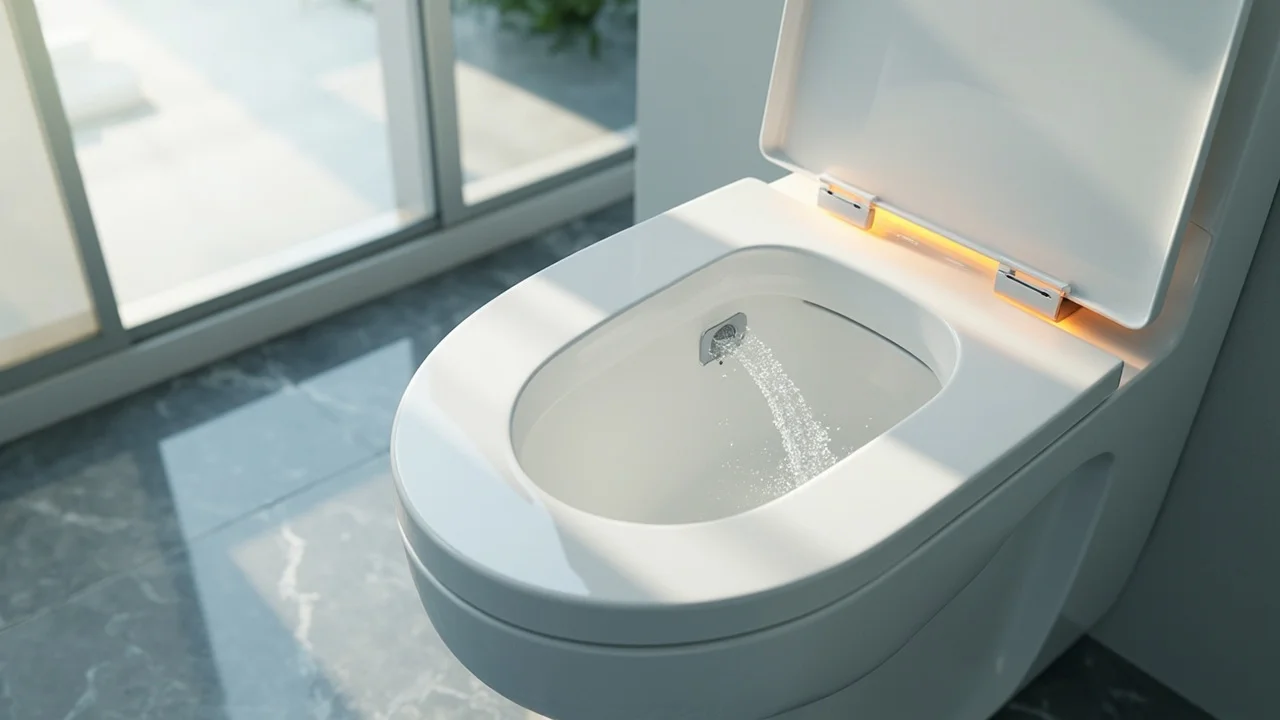
Key market segments and growth drivers in the Smart Toilet Functions Deep Dive sector.
2. Market Analysis
The smart toilet market presents a striking range of growth projections, but the consensus is clear: double-digit expansion through the next decade. According to one major analysis, the market was valued at USD 10.11 billion in 2024 and is expected to hit USD 16.09 billion by 2030, a CAGR of 8.04%. Another study pegs 2026 at USD 9.33 billion, climbing to USD 14.26 billion by 2031 at an 8.85% CAGR. A third, more aggressive forecast sees the market reaching USD 51.14 billion by 2035, driven by a CAGR of 15.12%—reflecting the accelerating adoption in Asia-Pacific and the embedded sensor revolution. Three growth drivers stand out. First, aging populations in Japan, Europe, and North America demand accessible bathroom fixtures—smart toilets with automated opening, closing, and self-cleaning reduce physical strain. Second, water conservation mandates in drought-prone regions like California and Australia push municipalities and property owners toward low-flow, sensor-controlled units. Third, the luxury hospitality sector uses smart toilets as a differentiator; high-end hotels in the Middle East and Southeast Asia now list smart bidet toilets as a standard amenity. The commercial segment (hospitals, airports, offices) is the fastest-growing channel, as touchless operation becomes a hygiene imperative post-pandemic.
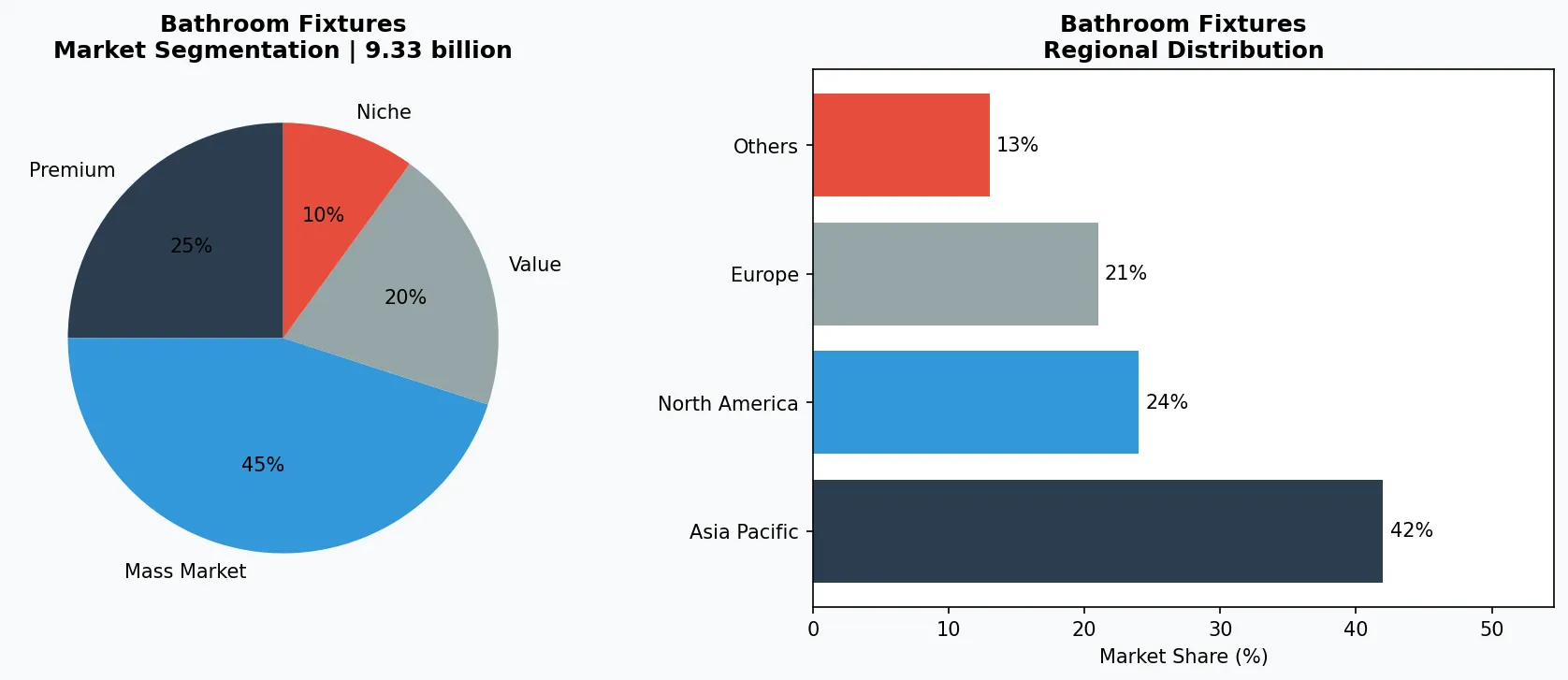
Market segmentation and regional distribution analysis for Smart Toilet Functions Deep Dive.
3. Product Categories
Three product categories dominate the smart toilet landscape. First, integrated smart toilets: all-in-one units where the toilet bowl and bidet functions are built together. TOTO’s Neorest series leads here, combining a self-cleaning glaze, lid that opens automatically, and a warm water bidet with adjustable spray position. These units typically include a remote control or wall panel, and some now offer voice command compatibility. Second, smart toilet seats: retrofit seats that mount onto standard toilets to add bidet, heated seat, and deodorizer functions. Kohler’s PureWash E930 is a popular example, offering a tankless instant water heater and a nightlight. This segment is ideal for property managers upgrading existing bathrooms without replacing the entire fixture. Third, touchless flush systems: sensor-activated flush valves that can be integrated into any toilet. Brands like American Standard offer battery-powered or hardwired models that eliminate handle contact. While less feature-rich, they are key for commercial restrooms seeking low-touch environments. Each category targets a different buyer need—integrated for premium new builds, seats for renovation projects, and touchless for high-traffic public facilities.
Integrated Smart Toilets
All-in-one units like the TOTO Neorest or Kohler Numi combine the bowl, bidet, and seat in a single ceramic piece. They feature self-cleaning glazes, heated seats, and customizable wash cycles, targeting high-end residential and luxury hotel projects.
Retrofit Smart Seats
Add-on bidet seats such as the Kohler PureWash E930 or Brondell Swash attach to existing toilets. They offer core functions like warm water spray and heated seat without requiring a full replacement, ideal for renovation projects or budget-conscious commercial clients.
Touchless Flush Actuators
Sensor-based flush valves from brands like American Standard or Sloan enable hands-free operation. These are often battery-powered and can be mounted on standard toilets, making them the most cost-effective option for public restrooms and healthcare facilities.
4. Leading Players
Three companies illustrate the strategic approaches shaping the smart toilet market. TOTO, the Japanese pioneer, holds the strongest brand equity in smart toilets globally. Its strategy centers on proprietary technologies like the Tornado Flush (a cyclonic cleaning action) and Cefiontect glaze (a photocatalytic surface that repels waste). TOTO invests heavily in R&D for health monitoring features—its Washlet+ models track user weight, urine output, and even analyze stool samples via a built-in chemical strip. This positions TOTO at the intersection of bathroom fixtures and preventive healthcare. Kohler, the American giant, competes by integrating smart toilets into broader home automation ecosystems. Its Numi 2.0 toilet connects to the Kohler Konnect platform, allowing control via Amazon Alexa, Google Assistant, or a mobile app. Kohler’s advantage is interoperability: its smart fixtures talk to each other, appealing to high-end residential developers building fully automated homes. LIXIL Group, owner of American Standard and GROHE, focuses on accessibility and water efficiency. LIXIL’s Satis series in Asia offers budget-friendly smart seats with basic bidet functions, while American Standard’s VorMax flushing technology combines power with low water consumption (1.28 GPF). LIXIL’s strategy is volume and breadth—it targets both mid-range commercial projects and emerging markets where price sensitivity matters.
TOTO – Health Ecosystem Pioneer
TOTO leverages its Washlet technology to integrate health monitoring sensors (weight, urine analysis) and proprietary ceramic glazes. Its strategy positions smart toilets as preventive health devices, giving it a premium foothold in hospital and elder-care markets.
Kohler – Home Automation Integrator
Kohler's Numi 2.0 and Konnect platform focus on seamless integration with smart home systems (Alexa, Google). This appeals to builders of luxury connected residences, where the toilet is part of a larger interoperable ecosystem.
LIXIL – Volume & Accessibility Driver
Through brands like American Standard and GROHE, LIXIL targets mid-range commercial and emerging markets with cost-effective smart seats and water-saving flush technologies. Its strength lies in high production volume and global distribution networks.
5. Market Trends
1. HEALTH MONITORING INTEGRATION
Smart toilets are evolving into wellness devices. TOTO’s Washlet+ models can track daily weight, body fat, and urine analysis. This trend matters because it shifts the toilet from a purely sanitation product to a health data hub, opening new revenue pools in preventive care. Companies like Panasonic are exploring similar sensors. The challenge remains data privacy and regulatory compliance (e.g., HIPAA in healthcare settings). SUSTAINABILITY AND WATER SAVING
2. Manufacturers are embedding water flow sensors and dual-flush optimization to meet LEED and WaterSense certifications. Kohler’s Numi 2.0 uses a 1.0 GPF ultra-low-flush mode, while TOTO’s Aquia Dual Flush reduces water use by 20% compared to standard models. For B2B buyers, these features translate directly into utility cost reductions and green building credits. VOICE CONTROL AND IOT CONNECTIVITY
The shift toward smart home ecosystems is redefining user interfaces. Kohler’s Konnect platform allows toilets to be controlled via voice assistants or scheduled through a smartphone app. In hotels, this enables guests to preset seat temperature and spray patterns before entering the bathroom. The market for IoT-connected toilets is projected to grow at a CAGR of over 10% through 2030, driven by consumer demand for seamless integration.
6. Regional Markets
Asia-Pacific – Largest and Fastest Growing
Japan and South Korea lead adoption with over 80% household penetration of smart toilets. China's market is surging at a CAGR above 15% due to urbanization and rising disposable incomes. B2B buyers here prioritize hygiene and status, with TOTO and LIXIL dominating.
North America – Retrofit and Hospitality Driven
The U.S. market is growing at 8–10% CAGR, driven by hotel chain upgrades and high-end residential construction. Touchless features are critical for commercial restrooms. WaterSense compliance is a key purchasing criterion in California and other drought-prone states.
Europe – Slow but Steady Adoption via Renovation
European buyers tend to retrofit smart seats rather than purchase integrated toilets. Germany and the UK lead, with demand for energy-efficient models that meet EU eco-design directives. Bidets are less culturally ingrained, so marketing focuses on hygiene and water savings.
7. Investment Outlook
Two specific opportunities stand out for smart toilet adoption in B2B channels. First, the healthcare and assisted living segment: hospitals and nursing homes can leverage smart toilets with built-in health sensors to reduce patient falls and monitor vital signs without invasive procedures. TOTO’s prototype for stool analysis could become a standard screening tool for gastrointestinal issues, offering facilities a new service differentiator. Second, the retrofitting boom in commercial real estate—office towers and airports that installed basic toilets during the early 2000s now need touchless upgrades. Smart toilet seats (retrofit) offer a lower upfront cost (typically $500–$1,500 per unit) versus integrated units ($2,000–$8,000). One concrete risk is the cybersecurity vulnerability of connected toilets. A breach of a hotel’s IoT network via a smart toilet could compromise guest privacy and lead to liability. Manufacturers must prioritize end-to-end encryption and frequent firmware updates to secure B2B contracts.
Strategic Considerations:
- Health Monitoring in Senior Care: Integration of urine and stool analysis sensors can turn smart toilets into non-invasive diagnostic tools for assisted living facilities, offering a new revenue stream and competitive edge for manufacturers like TOTO.
- Retrofit Kits for Commercial Real Estate: Property managers of aging office buildings can deploy smart seats at under $1,500 per unit to achieve touchless operation and water savings, avoiding the cost of full toilet replacement while meeting post-pandemic hygiene standards.
- Cybersecurity and Data Privacy Compliance: Connected toilets collect sensitive user data; a breach could expose personal health information. B2B buyers must require encryptions standards (e.g., TLS 1.3) and ISO 27001 certification from suppliers to mitigate liability.
- High Upfront Cost for Integrated Models: Premium integrated smart toilets cost $3,000–$8,000, which can exceed renovation budgets. This limits adoption to luxury segments unless manufacturers achieve cost reductions through scale or modular designs.
Frequently Asked Questions
Make Informed Decisions in the Smart Toilet Functions Deep Dive Market
Product quality and sourcing integrity directly impact business outcomes. Discover how Verity Rank's verification platform helps industry participants source with greater confidence.
Contact Verity Rank TodayFurther Reading: Explore additional market intelligence from Grand View Research and Mordor Intelligence.
This article is for informational purposes only, based on publicly available industry data and market reports as of 2026-06-02. All market figures are estimates and may vary from actual results.