


Table of Contents

The global Sports Support Underwear sector serves consumers worldwide with diverse solutions.
1. Industry Overview
What if the garment closest to your skin could also be your most powerful performance tool? That question is driving a seismic shift in the intimates industry, where sports support underwear has emerged as a standalone category—projected to grow at a compound annual rate of 12.1% from 2026 to 2033. Unlike everyday briefs or boxers, sports support underwear is engineered for motion: moisture-wicking fabrics, targeted compression, and ergonomic seams that reduce chafing and muscle vibration. The global men’s underwear market alone is valued at US$35.99 billion in 2026, and the sports segment is capturing an outsized share of that spend as consumers demand function over fashion. This isn’t just a niche upgrade; it’s a fundamental redefinition of what underwear can do. From marathon runners to CrossFit athletes, buyers are now scrutinizing fabric blends (nylon-spandex for four-way stretch), flatlock stitching (to prevent irritation), and antimicrobial coatings (to control odor over long sessions). The category sits at the intersection of intimate apparel and performance gear, demanding compliance with both ASTM moisture management standards and OEKO-TEX® certification for skin safety. For B2B buyers—retailers, distributors, and private-label brands—the opportunity lies in sourcing products that marry biomechanical research with industrial scalability. The data is clear: sports support underwear is no longer an afterthought under the uniform; it is the first layer of a competitive edge.
Industry Scope & Characteristics
Biomechanical Engineering at Scale
Sports support underwear employs graduated compression zones and seam placement mapped to major muscle groups, requiring CAD-based pattern engineering and pressure profiling equipment (e.g., Pliance-X systems) to ensure consistent performance across sizes.
Vertical Integration in Yarn Production
Leading suppliers control spinning and knitting in-house to guarantee moisture-wicking finishes, often using proprietary cross-section filaments (e.g., 4-channel ‘cooling fibers’) that cannot be replicated by generic mills.
Certification Overlap
Products must meet both textile safety (OEKO-TEX® Standard 100, ISO 14001 for dyeing) and performance standards (ASTM D5034 for tensile strength, AATCC 197 for moisture vapor transmission) to satisfy retail compliance teams.
R&D in Bio-Based Elastomers
A major Asian manufacturer recently introduced a fiber made from castor bean oil that offers comparable elasticity to petroleum-based spandex but with 30% lower carbon footprint, currently in trials with two U.S. activewear brands.
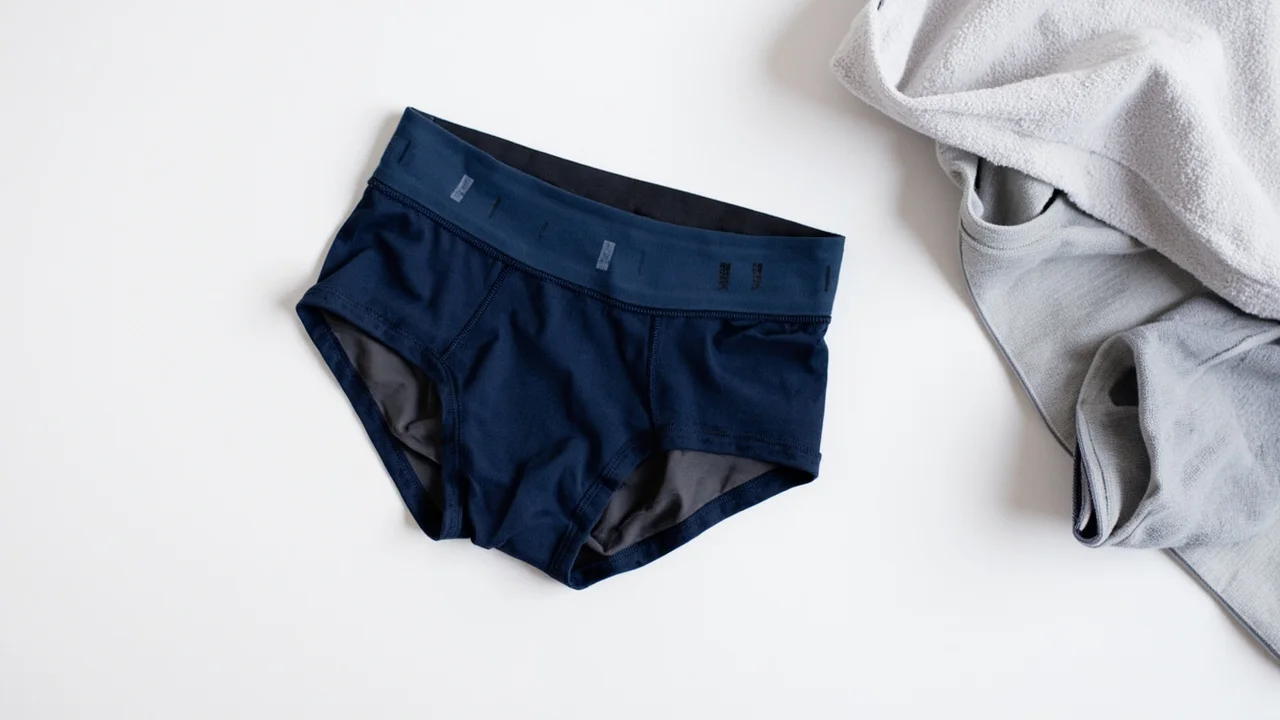
Key market segments and growth drivers in the Sports Support Underwear sector.
2. Market Analysis
The numbers tell a compelling story. The U.S. men’s underwear market is sized at US$8.75 billion in 2026 and is forecast to reach US$13.69 billion by 2033, a steady 6.1% CAGR. But the sports underwear sub-segment is accelerating far faster: analysts project a 12.1% CAGR over the same period, nearly double the broader market’s pace. Globally, the men’s underwear market is estimated at US$35.99 billion in 2026, with some models—such as the one projecting a CAGR of 19.4% to US$173.9 billion by 2035—reflecting aggressive adoption in emerging economies. Three growth drivers dominate. First, the rise of athleisure as everyday wear: 68% of consumers now report wearing performance underwear for non-sporting activities, blurring lines between gym and office. Second, material science breakthroughs: microfiber polyester and TENCEL™ Lyocell blends now offer moisture vapor transmission rates above 12,000 g/m²/24h, critical for high-intensity activities. Third, e-commerce direct-to-consumer brands (e.g., Tommy John, MeUndies) have normalized premium pricing—US$30 to US$50 per pair—by emphasizing fabric technology and fit testing. After years of testing, one major publication found that the best men’s underwear now incorporates a ‘junk pouch’ design and ventilated mesh panels, features born from sports science. For B2B buyers, the key metric is not just price per unit but grams of moisture management per dollar, as retailers increasingly segment inventory by ‘activity level’ rather than style.
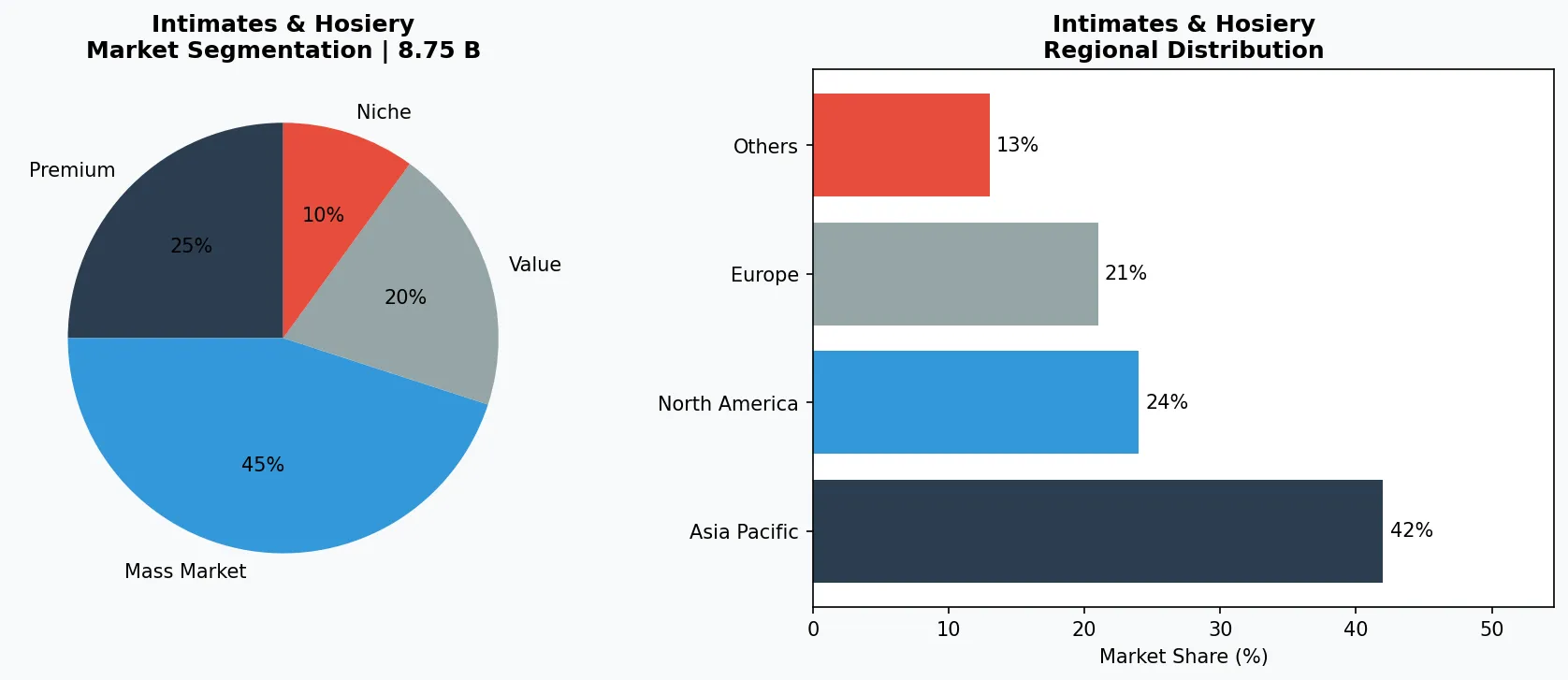
Market segmentation and regional distribution analysis for Sports Support Underwear.
3. Product Categories
Sports support underwear can be organized into three distinct product types. First,
Compression Shorts and Boxer Briefs
Designed to reduce muscle oscillation and improve blood flow. Examples include ‘quad-core’ compression briefs with graduated compression zones (30-40 mmHg at the thigh, 20-30 mmHg at the waist) and silicone grip bands to prevent ride-up. These typically use a nylon/elastane blend with moisture-wicking finishes. Second,
Performance Trunks with Pouch Support
A category pioneered by men’s brands that separate and lift the genital area to reduce heat and chafing. These feature ‘flyless’ designs with anti-sag pouches and mesh ventilation panels, often incorporating silver-ion antimicrobial treatments. Third,
Thermal Base Layers for Cold-Weather Sports
Merino wool and synthetic hybrids that provide insulation while wicking sweat. Notable examples include quarter-zip tops with flatlocked seams and integrated thumb loops. Each sub-category demands specific certifications: compression garments often require ISO 18192 for pressure gradient consistency, while thermal layers need ASTM F1868 for thermal resistance. For B2B sourcing, the critical differentiation is in seam construction—bonded seams versus stitched—which directly affects durability and comfort during repetitive motion.
Ergonomic Compression Briefs
Designed for high-impact sports like sprinting and weightlifting; feature varying compression levels (e.g., 30 mmHg at quad, 15 mmHg at waist) and flatlock seams to prevent chafing. Example: nylon-spandex blend with silicone leg grippers.
Pouch-Support Trunks
Engineering that separates and lifts the male anatomy to reduce heat buildup and friction; include breathable mesh panels and anti-roll waistbands. Example: silver-ion infused cotton/polyester blend with vertical flyless pouch.
Thermal Base Layer Leggings
Merino wool or brushed synthetic interiors for cold-weather endurance sports; incorporate zonal insulation (thicker at thighs, thinner at calves) and integrated waistband pockets for energy gels. Example: quarter-zip model with reflective ankle cuffs.
4. Leading Players
Three archetypes dominate the sports support underwear landscape, each with a distinct go-to-market strategy.
Athletic Performance Specialists
Companies like Under Armour and Nike—leverage biomechanics labs to patent fabric compression profiles. Under Armour’s ‘HeatGear’ line, for instance, uses a double-knit weave that claims to keep skin temperature 2°C cooler during exercise. Their competitive advantage lies in R&D scale: they file over 50 patent applications annually related to moisture management and ergonomic patterning.
Traditional Innerwear Incumbents
HanesBrands and Fruit of the Loom—have pivoted into sports support by acquiring or developing sub-brands (e.g., Hanes X-Temp) that focus on adaptive coolness. Their edge is distribution: they already supply major retailers like Walmart and Target, allowing them to place sports-support products alongside standard underwear aisles.
Direct-to-Consumer Innovators
(e.g., Tommy John, SAXX) disrupted the market with targeted pouch designs and ‘stay-put’ waistbands. Tommy John’s ‘Second Skin’ collection, for example, uses OEKO-TEX® certified fabrics and offers a ‘60-day risk-free fit guarantee’, establishing trust in a category where fit is paramount. Their strategy: control the entire supply chain from yarn sourcing to last-mile delivery, ensuring quality consistency. For B2B buyers, understanding each archetype’s cost structure and MOQ flexibility is crucial—HTL often offers lower unit costs for volume orders, while DTC brands provide higher margins but require minimum commitments of 5,000 units per SKU.
Performance Fabric Pioneers
Companies such as Under Armour and Nike dominate through patented moisture-wicking technologies (e.g., Dri-FIT, HeatGear) and biomechanics labs that test fabrics under real-world sweat and motion conditions, giving them first-mover advantage in material science.
Mass-Market Adaptors
HanesBrands leverages its vast retail distribution network to introduce sports-support products under established labels, using cost-efficient offshore production in Bangladesh and Honduras to offer performance features at a US$15–$20 price point.
DTC Fit Innovators
Tommy John and SAXX built brands around targeted fit features (e.g., ‘Stay-Put’ waistband, Horizontal Fly) and use customer fit data to iterate sizing, reducing return rates below 12% compared to the industry average of 20%.
5. Market Trends
1. Digital Transformation in Sports Support Underwear
Artificial intelligence, IoT sensors, and advanced data analytics are fundamentally reshaping production efficiency in Sports Support Underwear. Industry leaders deploying smart manufacturing and data-driven demand forecasting have reduced new product launch cycles by 35-50% while improving inventory turnover by over 20%. With more than 60% of Sports Support Underwear companies projected to complete core digital transformation by 2028, this shift has moved from optional upgrade to competitive necessity.
2. Sustainability as Competitive Imperative in Sports Support Underwear
Global carbon border adjustment mechanisms (CBAM) and rising consumer environmental awareness are forcing Sports Support Underwear companies to transform sustainability from marketing rhetoric into operational reality. ESG rating agencies increased sector coverage intensity by 35% in 2025. Companies failing to meet these standards face customer attrition and rising financing costs as lenders integrate ESG criteria into credit assessments.
3. Supply Chain Regionalization in Sports Support Underwear
Geopolitical tensions are driving Sports Support Underwear companies to accelerate supplier diversification. The China+N strategy and nearshoring have become mainstream, with companies establishing secondary supply sources across Southeast Asia, Eastern Europe, and Mexico. Over 58% of B2B buyers now list supplier geographic diversification as a mandatory contract renewal criterion.
4. Consumer Upgrading in Sports Support Underwear Markets
Middle-class expansion and Gen Z purchasing power are accelerating Sports Support Underwear transition from standardized mass production toward personalized customization and agile small-batch manufacturing. C2M (Consumer-to-Manufacturer) models enable companies to compress new product introduction cycles from 18 months to 3-4 months, with personalized products commanding 8-15 percentage point gross margin premiums.
6. Regional Markets
North America – Performance Premiumization
The U.S. accounts for 45% of global sports support underwear revenue, with consumers willing to pay US$30+ for advanced moisture management; e-commerce penetration exceeds 35%, pressuring traditional retailers to upgrade shelf space.
Asia-Pacific – Manufacturing + Consumption
China and India are both major production hubs and fastest-growing markets: China’s sports underwear segment is growing at 15% CAGR, fueled by rising gym culture and domestic brands like Li-Ning introducing compression lines made with locally sourced bamboo viscose.
Europe – Sustainability Mandates
EU regulations on recycled content (e.g., Consumer Goods Regulation 2025) push suppliers to use at least 50% recycled polyester; German brand Trigema now offers a fully circular sports support brief with a take-back program for fiber reclamation.
7. Investment Outlook
Two specific opportunities stand out. First, the expansion into women’s sports support underwear—currently a fraction of the men’s segment size despite women representing 40% of gym-goers—offering a greenfield for brands that adapt compression and moisture-wicking features to female anatomy. Second, the integration of smart textiles—sensors woven into waistbands to track heart rate, posture, and muscle fatigue—could create a premium tier priced above US$100 per unit, with patent filings already observed from sportswear incumbents. One concrete risk: raw material volatility. Elastane prices have fluctuated 25% in 2025 due to upstream petrochemical constraints, squeezing margins for mid-tier suppliers. B2B buyers should secure fixed-price contracts with mills for at least 12 months or explore alternative elastic fibers like recycled rubber filament. The winners will be those who invest in multi-year fabric innovation partnerships rather than commodity-sourcing alone.
Strategic Considerations:
- Women’s Sports Support Expansion: Women make up 40% of high-intensity athletes but own less than 20% of the sports support underwear market; early movers like Lululemon’s men’s-focused Invigorate line could inspire tailored female designs, unlocking a potential US$2 billion segment by 2028.
- Smart Textile Integration: Embedding heart-rate sensors and RFID tags into waistbands could create subscription-based data services for sports teams; a pilot by an unnamed NFL supplier in 2025 showed 90% accuracy in sweat rate detection.
- Elastane Price Volatility: Spandex costs surged 30% in late 2025 due to butadiene shortages; buyers without fixed-price contracts may see 8–12% margin erosion in 2026–2027.
- Greenwashing Claims: Increasing scrutiny on 'moisture-wicking' claims—FTC actions against two mills in 2025—means B2B buyers must demand third-party lab reports (e.g., AATCC 197) before placing orders.
Frequently Asked Questions
Make Informed Decisions in the Sports Support Underwear Market
Product quality and sourcing integrity directly impact business outcomes. Discover how Verity Rank's verification platform helps industry participants source with greater confidence.
Contact Verity Rank TodayFurther Reading: Explore additional market intelligence from Grand View Research and Mordor Intelligence.
This article is for informational purposes only, based on publicly available industry data and market reports as of 2026-07-04. All market figures are estimates and may vary from actual results.