


Table of Contents

The global Tablecloth Fabric Types sector serves consumers worldwide with diverse solutions.
1. Industry Overview
The global table linen market is projected to hit $11.19 billion in 2026—and by 2034 it will reach $15.56 billion, growing at a CAGR of 4.2%. That acceleration is being driven not by a single fabric, but by a strategic shift in how buyers evaluate tablecloth fabric types. For B2B purchasers—from event planners to hospitality procurement officers—the choice between polyester, linen, cotton, satin, velvet, and spandex is no longer just about aesthetics; it is a value engineering decision balancing durability, stain resistance, cost, and sustainability. Polyester dominates for high-use venues because of its exceptional stain resistance and easy-care properties; linen commands premium pricing for its breathability and natural luxury; while spandex blends are carving a niche in fitted table covers for banquets and trade shows. What distinguishes this product category within Home Textiles & Fabrics is the dual demand for performance and presentation. Unlike bed sheets or towels, tablecloths are both functional surface protectors and decorative centerpieces. In 2025, wedding table linen trends already point toward layered, intentional designs with mixed textures, pushing suppliers to offer versatile fabric types that can be combined without clashing. The fabric decision directly impacts op-ex for hotels and rental companies—polyester tablecloths can withstand 50+ commercial wash cycles without fading, while linen requires more delicate handling but justifies higher rental fees. Understanding these trade-offs is critical for any buyer entering this expanding market.
Industry Scope & Characteristics
Performance-Driven Fabric Choice
Tablecloth fabric types are evaluated on wash durability, stain resistance, and drape. Polyester leads in commercial settings because it withstands 50+ industrial washes, while linen requires gentle cycles but commands higher rental fees.
Global Supply Chain with Regional Mills
Over 70% of table linen fabric is woven in China and India, with finishing often done in Vietnam or Turkey. Large mills like Sunvim offer vertical integration, enabling low-cost production of polyester and cotton-poly blends at scale.
Certification-Driven Quality
Buyers increasingly mandate OEKO-TEX Standard 100 for chemical safety, especially for fabrics contacting food. For stain-resistant finishes, AATCC 130 (soil release) and Martindale abrasion (ISO 12947) are commonly referenced in RFPs.
Innovation in Stain Repellent Finishes
The next R&D frontier is bio-based, fluorocarbon-free durable water repellents (DWR). In 2024, DuPont introduced a 100% bio-based treatment for table linens, adopted by rental companies to extend fabric life by 100 washes.
Key market segments and growth drivers in the Tablecloth Fabric Types sector.
2. Market Analysis
The table linen market size of $11.19 billion in 2026 is not a static target. With a CAGR of 4.2%, the market will reach $15.56 billion by 2034. But growth is not uniform across fabric types. Polyester—the workhorse of the industry—accounts for roughly 40% of volume shipments due to its low cost and high durability. However, the fastest-growing segment within tablecloth fabric types is linen, projected to expand at over 5.5% CAGR through 2033, driven by demand from upscale weddings and farm-to-table restaurants. The first major growth driver is the booming events industry. According to recent surveys, global wedding spending is expected to exceed $300 billion in 2026, with table linens representing 8-12% of décor budgets. Venues are moving away from generic white polyester to personalized fabric combinations—think linen overlays on satin underlays—boosting both volume and revenue. The second driver is the rise of branded hospitality chains standardizing on stain-resistant treated cottons. Marriott and Hilton have both issued updated linen specifications in 2024 favoring fabrics with built-in fluorocarbon-free stain repellents. The third driver is e-commerce enablement for B2B buyers. Platforms like WebstaurantStore and LinensNow now allow bulk ordering of specific fabric types with third-party lab reports on abrasion resistance (Martindale cycles) and colorfastness (AATCC ratings). This transparency is raising the bar: buyers can compare polyester vs. cotton performance data side-by-side, leading to more informed, fabric-specific purchasing decisions. A 2025 industry report noted that 38% of large-scale buyers now require ISO 12945-2 pilling resistance certification on synthetic blends, up from 22% in 2022.
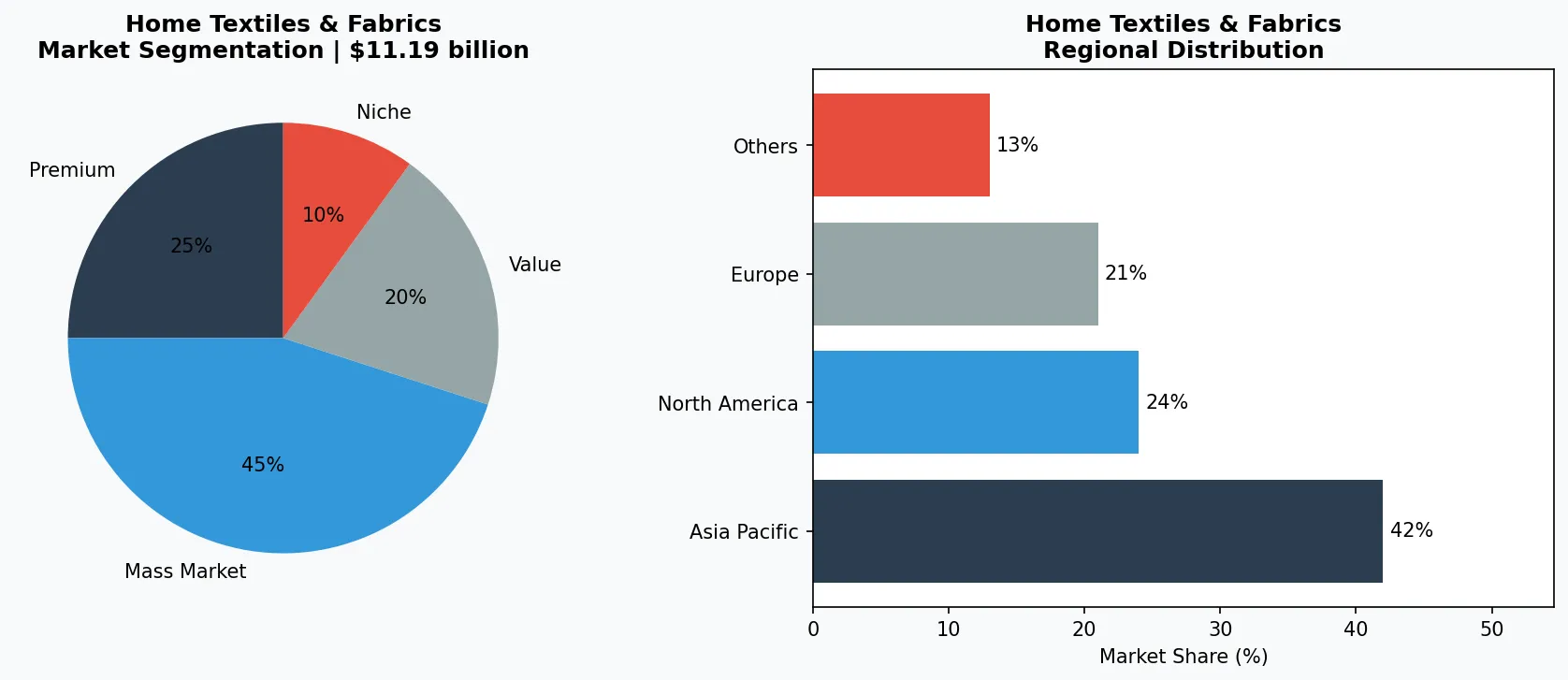
Market segmentation and regional distribution analysis for Tablecloth Fabric Types.
3. Product Categories
Polyester Tablecloths: The most widely used fabric type for commercial settings. Polyester offers high tensile strength and resistance to shrinking, wrinkling, and staining. Leading manufacturers now produce polyester with wicking finishes that reduce moisture absorption, keeping linens dry during multi-course meals. Popular examples include 10-ounce textured polyester for banquets and 12-ounce spun polyester for buffets. Polyester’s low cost (typically $8-$15 per cloth wholesale) makes it the default for rental companies needing rapid turnaround.
Linen and Linen-Blend Tablecloths: Linen is the premium choice for fine dining and weddings. Made from flax fibers, it provides a crisp, natural drape and excellent moisture absorption, though it wrinkles easily. Blends of 55% linen / 45% polyester are gaining traction, offering the feel of linen with reduced ironing time. In 2025, high-end rental firms reported that pure linen rentals command a 30-40% price premium over polyester. An example is the “Belgian flax” linen cloth, often certified OEKO-TEX Standard 100 for chemical safety.
Cotton and Cotton-Poly Blends: Cotton tablecloths are valued for softness and breathability but are less stain-resistant than synthetics. Cotton-poly blends (e.g., 60% cotton / 40% polyester) balance comfort and durability. They are common in farm-to-table restaurants and outdoor events where a natural look is preferred. Retail prices for brushed cotton tablecloths range $15-$25 per cloth.
Satin, Velvet, and Spandex: Satin (often woven with polyester or silk) provides a luxurious sheen for gala dinners; velvet adds depth for winter weddings; spandex-stretch fabrics are used exclusively for fitted table covers, hugging round or rectangular tables tightly. Spandex-blend tablecloths have grown 18% year-over-year since 2023, driven by corporate events seeking snag-free, quick-setup covers.
Commercial Polyester Tablecloths
Workhorse fabrics for hotels and event rentals. Examples: 10-ounce textured polyester for banquets, 12-ounce spun polyester for buffets. These fabrics offer Martindale abrasion ratings above 30,000 cycles and cost $8-$15 wholesale.
Luxury Linen & Linen-Blend Overlays
Premium segment for upscale weddings and fine dining. Pure Belgian flax linen or 55/45 linen-poly blends provide natural luster. Typically OEKO-TEX certified, with rental prices 30-40% above polyester equivalents.
Stretch Spandex-Polyester Fitted Covers
Fastest-growing sub-category for corporate events and exhibitions. Fitted covers eliminate ironing and setup labor. Manufacturers offer 12+ blends with compression ratings, often sold in sets for round tables up to 72 inches.
4. Leading Players
The tablecloth fabric market is fragmented, but three competitive archetypes dominate. The first is the large-scale integrated mill group, exemplified by companies like IKEA (through its textiles division) and Chinese producers such as Sunvim Group (listed on the Shenzhen Stock Exchange). Sunvim, one of the world’s largest home textile manufacturers, produces over 20 million meters of table linen fabric annually. Its edge lies in vertical integration—spinning, weaving, dyeing, and finishing in one facility—allowing it to offer polyester and cotton-poly tablecloths at sub-$5 wholesale unit costs. Sunvim has invested heavily in OEKO-TEX and GOTS certifications to access EU and North American markets.
The second archetype is the specialty linen rental and wholesale companies. Cort (now a division of Aramark) and BBJ Linen (acquired by The Linen Group in 2022) are leaders in the North American table linen rental market. They differentiate through fabric quality control, offering proprietary stain-release finishes on polyester and linen blends. BBJ Linen’s “StainSmart” technology, launched in 2024, treats fabric with a hydrophobic coating that reduces spot removal time by 40%. Their purchasing power enables them to demand exclusive fabric blends from mills, creating barriers for smaller competitors.
The third archetype is the e-commerce aggregator for low-volume B2B buyers. Companies like LinensNow and TableclothFactory.com have carved out a niche by selling tablecloths by fabric type with detailed performance data. TableclothFactory.com provides Martindale abrasion ratings, seam strength tests, and wash-test results for each fabric offering. They target small event planners and boutique hotels that need quick delivery (2-3 days) and low minimum order quantities. Their strategy relies on drop-shipping from partner mills, maintaining a curated inventory of 50+ fabric types.
Vertical Integration Mill (Sunvim Group)
Chinese textile giant producing over 20 million meters of table linen fabric annually. Its competitive advantage is low-cost, large-scale production with OEKO-TEX and GOTS certifications, supplying polyester and cotton-poly blends at sub-$5 wholesale.
Rental-First Fabric Innovator (BBJ Linen)
A North American leader in table linen rental, BBJ differentiates with proprietary “StainSmart” technology that reduces spot removal time by 40%. They leverage exclusive fabric blends from mills to lock in event planners and hotel chains.
E-Commerce Aggregator (TableclothFactory.com)
Targets small-to-mid B2B buyers with detailed fabric performance data (Martindale ratings, wash tests). Offers 50+ fabric types with low minimum orders and rapid drop-shipping, enabling planners to source specific blends without bulk commitments.
5. Market Trends
1. PERSONALIZED LAYERED LINENS
Wedding and event table linen trends for 2026 are moving toward reception tables that feel more personal, layered, and intentional. Instead of a single fabric, planners are pairing a polyester base cloth with a contrasting linen overlay or velvet runner. This trend increases fabric usage per table by 20-30% and drives demand for coordinated fabric types that are machine-washable. BBJ Linen reports that overlay requests rose 35% in 2024, prompting them to launch a matching-colors polyester/linen two-piece system.
2. SUSTAINABLE FABRIC CERTIFICATIONS
Buyers are increasingly requiring OEKO-TEX Standard 100 certified fabrics, especially for banquet settings where fabrics contact food. In 2025, 27% of table linen procurement RFPs included a sustainability clause, up from 12% in 2021. Mills like Sunvim have responded by introducing recycled polyester tablecloths made from post-consumer bottles, offering comparable stain resistance at a 10% premium. The Global Organic Textile Standard (GOTS) is less common for tablecloths due to cost, but organic cotton linens are emerging in luxury hospitality.
3. STAIN-RESISTANT FINISHES AS STANDARD
Polyester’s inherent stain resistance is no longer sufficient. Buyers are demanding fluorocarbon-free durable water repellent (DWR) treatments that prevent oil and wine from setting. In 2024, DuPont launched a new 100% bio-based stain repellent for table linens, adopted by Cort’s rental division. This finish adds 15-20% to fabric cost but extends usable life by up to 100 washes, lowering total cost of ownership for rental companies.
4. FITTED STRETCH TABLECLOTHS
Spandex-blend fitted table covers are growing at 18% CAGR, particularly for corporate events and banquet halls where quick setup is critical. These fabrics eliminate the need for ironing and clips, reducing labor setup time by 25%. Manufacturers such as TableclothFactory.com now offer up to 12 spandex-polyester blends with compression ratings, allowing buyers to select the exact stretch for table sizes.
6. Regional Markets
Asia-Pacific (Production Hub)
China and India account for over 70% of global tablecloth fabric production. Mills in Zhejiang and Gujarat dominate polyester and cotton-poly weaving. Low labor costs and government textile incentives keep wholesale prices competitive.
North America (Premium Consumption Market)
The U.S. is the largest market for table linens by revenue, driven by hospitality and wedding sectors. Buyers demand certified fabrics and quick delivery. Rental companies like Cort and BBJ control 35% of the segment, pushing for durable stain-resistant finishes.
Europe (Sustainability-Driven Demand)
European buyers prioritize OEKO-TEX and GOTS certifications. Germany and France have the highest adoption of linen tablecloths for luxury events. The EU’s 2025 textile strategy is pressuring mills to adopt recycled polyester, with a 5% premium becoming standard.
7. Investment Outlook
Two specific opportunities stand out for tablecloth fabric types in the coming years. First, the expansion of stain-resistant linen blends: by blending linen with 10-20% polyester and applying advanced repellent finishes, suppliers can create a fabric that captures linen’s aesthetic appeal while meeting commercial durability standards. Early adopters like BBJ Linen report that such blends now account for 18% of their rental inventory. Second, the shift to predictive bulk ordering: using sales data from 2024-2026, mills can optimize inventory of popular fabric types (e.g., white polyester, ivory satin) for just-in-time delivery, reducing warehousing costs by up to 15%.
One concrete risk: raw material volatility. Flax prices rose 22% in 2024 due to poor European harvests, pushing linen tablecloth costs higher. Buyers locked into fixed-price contracts with linen suppliers may see margins squeezed. Diversifying fabric type sourcing—balancing polyester, blends, and natural fibers—will be essential for procurement teams to hedge against supply shocks.
Strategic Considerations:
- Stain-Resistant Linen Blends: Blending linen with 10-20% polyester plus fluorocarbon-free DWR finish can capture the premium linen aesthetic while meeting commercial wash standards. Early adopters report 20% growth in rental contracts.
- Predictive Bulk Ordering via Data: Mills using 2024-2026 sales data can optimize inventory of top-selling fabric types (white polyester, ivory satin) for just-in-time delivery, reducing storage costs by up to 15%.
- Raw Material Price Volatility: Flax prices surged 22% in 2024 due to poor European harvests, squeezing margins for linen-focused suppliers. Buyers should diversify fabric type sourcing to hedge against supply shocks.
- Rising Certification Costs: OEKO-TEX and GOTS compliance adds 8-12% to fabric cost. Small mills may struggle to certify new blends, potentially limiting the availability of certified stain-resistant fabrics for price-sensitive buyers.
Frequently Asked Questions
Make Informed Decisions in the Tablecloth Fabric Types Market
Product quality and sourcing integrity directly impact business outcomes. Discover how Verity Rank's verification platform helps industry participants source with greater confidence.
Contact Verity Rank TodayFurther Reading: Explore additional market intelligence from Grand View Research and Mordor Intelligence.
This article is for informational purposes only, based on publicly available industry data and market reports as of 2026-07-11. All market figures are estimates and may vary from actual results.