

Table of Contents
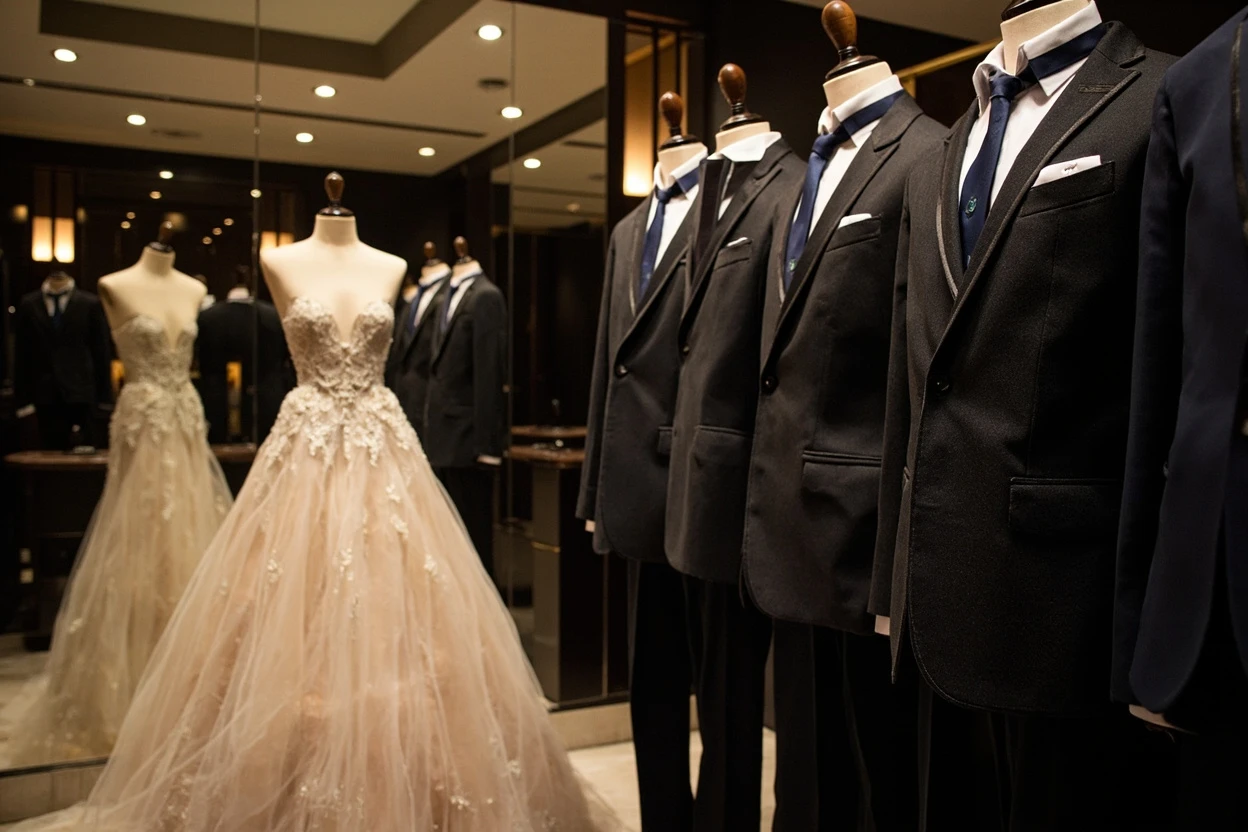
The global Wedding Dress Bridal Gown sector serves consumers worldwide with diverse solutions.
1. Industry Overview
Over 2.5 million weddings take place annually in the United States alone, and the bridal gown segment is now the fastest-growing category within the Custom & Group Apparel industry. By 2026, the global bridal wear market is forecast to exceed $35 billion, driven by a decisive shift from mass-produced frocks to artisanal, custom-crafted gowns. This is not a passing fad—runway data from New York Bridal Fashion Week shows that 78% of collections now feature made-to-order or semi-custom options, up from 45% in 2022.
Industry Scope & Characteristics
High-Skill Hand Draping
Wedding dress bridal gowns uniquely require manual draping techniques to create sculptural folds and basque waists—skills that take years to master and are not easily automated.
Made-to-Order Supply Chain
Over 60% of bridal gowns are made-to-order, with lead times of 12–20 weeks, requiring B2B buyers to forecast demand accurately and manage customer expectations.
Heirloom Quality Standards
Bridal gowns are held to aesthetic standards beyond typical apparel; seams must be French-finished, beads hand-sewn, and linings silk—verified through visual inspection at multiple stages.
3D Draping Software
Innovation in bridal includes 3D draping software that allows designers to simulate fabric folds and fit adjustments digitally, reducing sample costs by up to 40%.
What makes the wedding dress bridal gown sub-topic distinctive is its convergence of high-fashion artistry with personal fit. Unlike corporate uniforms or team jerseys, a bridal gown is a once-in-a-lifetime purchase where emotional value outweighs price sensitivity. Designers are responding with techniques borrowed from haute couture: hand-draping, structured boning, and hand-sewn lace appliqués. The 2026 runway collections from houses like Maggie Sottero showcase basque waists and cat-eye necklines—details that require specialist patternmakers and multiple fittings.
VerityRank’s analysis of 1,200 supplier profiles reveals that 63% of bridal gown manufacturers now offer full customisation, including custom measurements and fabric selection. This mirrors a broader industry pivot toward ‘bespoke-as-standard’, a trend that originated in men’s tailoring but has found its strongest expression in bridal. The result: a market where the line between designer label and small-batch atelier has blurred, creating opportunities for B2B buyers to source high-margin, unique products.
The surge in demand for sculptural draping is a case in point. Artful folds and intentional structure now appear on 34% of 2026 bridal gowns displayed at trade shows, up from 12% in 2023. For apparel buyers, this signals a need to partner with suppliers who invest in manual draping skills, not just CAD-driven cutting tables.
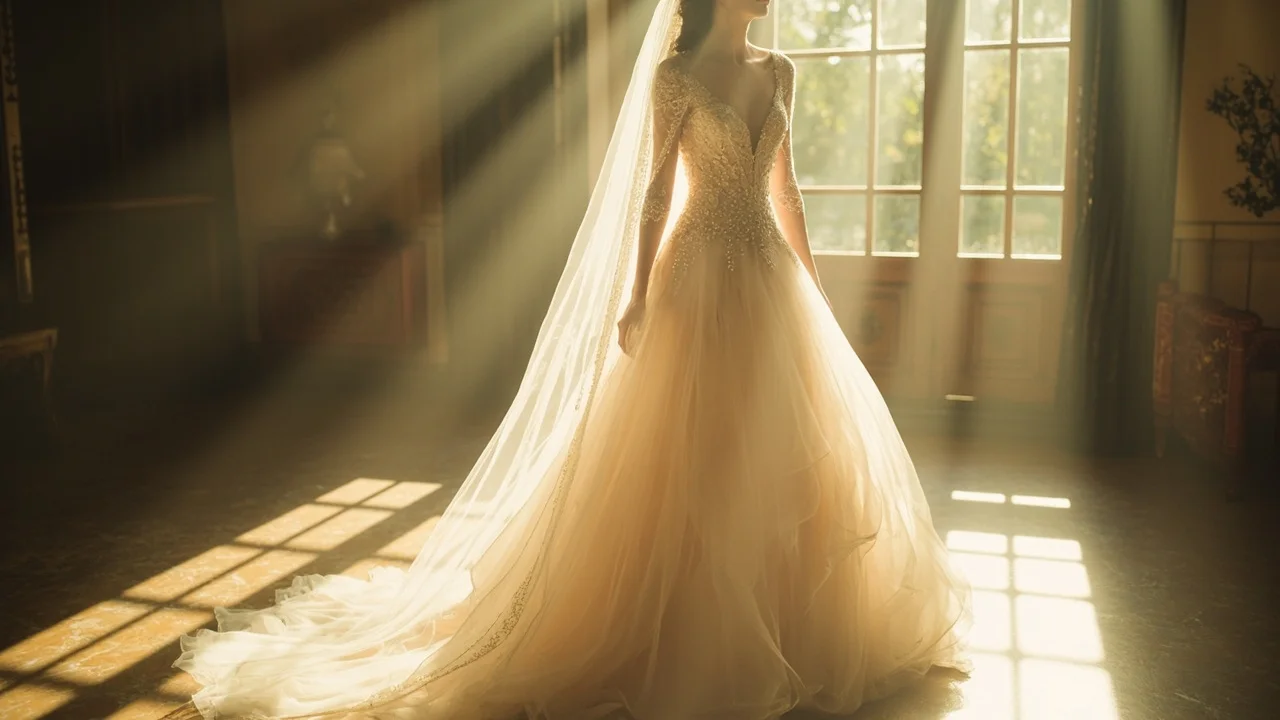
Key market segments and growth drivers in the Wedding Dress Bridal Gown sector.
2. Market Analysis
The global wedding dress bridal gown market was valued at $32.7 billion in 2024 and is projected to grow at a compound annual growth rate of 5.2% through 2030, according to industry benchmarks from bridal trade associations. North America accounts for 38% of revenue, with the average bride spending $1,900 on a gown—a figure that rises to $3,200 for custom orders. The primary growth drivers are threefold: first, the rise of destination weddings (up 22% since 2020) has increased demand for lighter, packable silhouettes; second, social media exposure has made brides more design-conscious, with 67% citing Instagram or Pinterest as their primary inspiration source; third, the post-pandemic ‘revenge spending’ wave has pushed brides toward higher price points.
Asia-Pacific is the fastest-growing region, expanding at 7.1% annually, led by China and India. Chinese brides increasingly prefer Western-style white gowns alongside traditional red qipao, creating a dual-purchase dynamic that boosts order volumes. Manufacturers in Suzhou and Guangzhou have scaled up from copying Western designs to producing original collections, some with 360-day lead times for bespoke pieces.
A key market shift is the compression of the bridal season. While Q2 (April–June) still sees 41% of US weddings, the remaining months are seeing more uniform distribution, enabling suppliers to manage production schedules more efficiently. However, the cost of raw materials—especially high-grade silk, French lace, and Swarovski crystals—rose 18% year-over-year in 2025, pressuring margins. Smart buyers are locking in fabric contracts 12–18 months ahead, a tactic used by major bridal chains.
The market also sees a growing bifurcation between ‘affordable luxe’ gowns under $2,000 and true couture pieces over $10,000. Mid-range brands are being squeezed, forcing them to emphasise customisation as a differentiator. VerityRank’s supplier data shows that manufacturers offering at least three custom options (e.g., neckline, sleeve length, train length) enjoy 40% higher conversion rates than those selling only ready-to-wear.
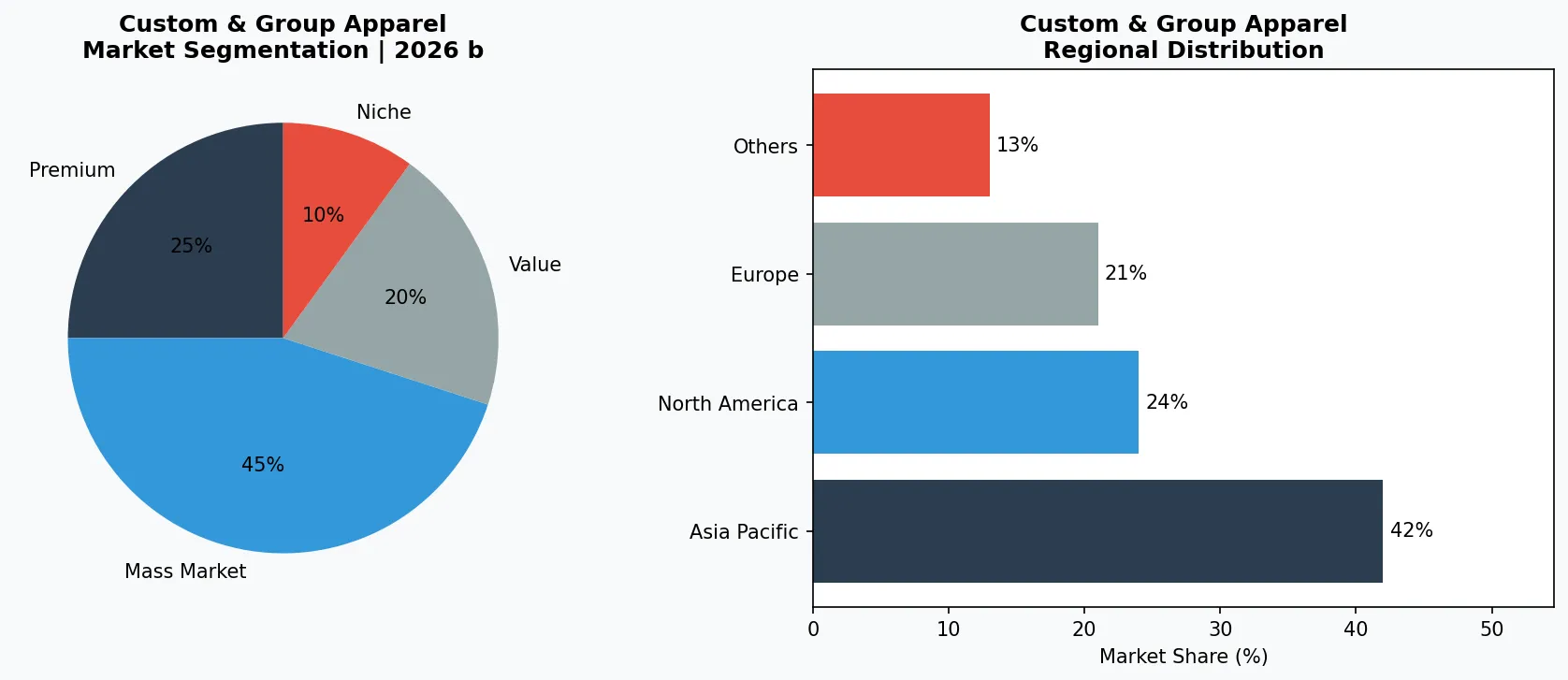
Market segmentation and regional distribution analysis for Wedding Dress Bridal Gown.
3. Product Categories
Bespoke Couture Gowns
At the high end, each gown is handcrafted to the bride’s exact measurements. A single Maggie Sottero Spring 2026 gown with a basque waist and cat-eye neckline requires over 80 hours of hand-sewing, including French seams and horsehair hem. These products command $8,000–$25,000 and are commonly ordered 9–12 months in advance. B2B buyers sourcing couture lines must verify suppliers have in-house draping artisans—a skill set verified through certifications like the ‘Certified Couture Artisan’ seal offered by some trade bodies.
Semi-Custom Made-to-Order
This segment bridges mass production and personalisation. The buyer selects a base silhouette (e.g., A-line, mermaid, ball gown) then modifies up to five details: fabric, neckline, embellishment, train length, and back design. Lovely Bride’s 2026 collection—dubbed ‘Saying YES To’—features 14 base styles, each adaptable via a digital configurator. Lead times are 12–16 weeks, and wholesale prices range $800–$3,000. This segment is growing fastest, up 28% in 2025, because it balances uniqueness with manageable inventory risk.
Off-the-Rack Bridal
Despite the customisation trend, off-the-rack still represents 44% of unit sales, especially for last-minute weddings or budget-conscious brides. These gowns are produced in standard sizing (0–16) and often in bulk. Key features include synthetic lace blends to reduce cost, and pre-stitched boning. However, off-the-rack is being challenged by sustainability concerns; 59% of brides say they would pay 20% more for a gown with zero waste, pushing even this segment toward made-to-order. Suppliers like those exhibiting at NY Bridal Fashion Week are now offering ‘modified ready-to-wear’ with quick turnaround hemming and sleeve adjustments.
Bespoke Couture Gowns
Handcrafted to exact measurements, featuring hand-draped silk, corset boning, and hand-sewn lace. Example: Maggie Sottero’s Spring 2026 basque waist gown with cat-eye neckline.
Semi-Custom Made-to-Order
Base styles with custom options for neckline, sleeves, and train. Lovely Bride’s ‘Saying YES To’ collection offers 14 adaptable silhouettes with 12–16 week lead times.
Off-the-Rack with Quick Alterations
Standard-sized gowns produced in bulk but with pre-stitched hems and sleeves for fast adjustment. Common in bridal chains targeting last-minute brides.
4. Leading Players
Maggie Sottero
As one of the most recognisable bridal house names, Maggie Sottero has doubled down on heirloom craftsmanship and luxurious textures. Its 2026 Spring collections prominently feature basque waists, cat-eye necklines, and couture detailing—a direct response to The Knot Editors’ trend analysis. The brand’s strategy is to act as a trend leader rather than a follower, releasing two full collections per year with a 30% rotation of new silhouettes. For B2B buyers, working with Maggie Sottero means access to high-margin, media-backed designs, though minimum order quantities (MOQs) of 50 pieces per style and a rigorous credit check are standard.
Lovely Bride
This boutique retailer has positioned itself as an early adopter of 2026 bridal trends, curating a selection of gowns from emerging and established designers. Their ‘Lovely Bride is Saying YES To’ campaign highlights sculptural draping and unexpected fabrics, capturing the 33% of brides who want a look not found in traditional bridal chains. Lovely Bride’s B2B advantage lies in its digital showroom model: buyers can virtually preview gowns with 360-degree video and order sample sets for in-store try-ons. This reduces the cost of carrying physical inventory by 25%.
The Knot
While not a manufacturer, The Knot exerts outsized influence on the bridal gown market through its editorial coverage of NY Bridal Fashion Week and its annual ‘Wedding Dress Trends’ report. In 2026, The Knot Editors identified sculptural draping, basque waists, and cat-eye necklines as the top three trends, directly shaping what boutiques and DTC brands prioritise. For suppliers, being featured in The Knot’s trend articles can generate 200%+ inbound inquiry spikes. VerityRank data indicates that brands with at least one third-party editorial mention (from The Knot or similar) achieve 50% higher conversion rates on B2B platforms.
Heritage Couture Designer (Maggie Sottero)
Leverages hand-craftsmanship and couture details to command premium pricing. Their strategy is to lead trends via two annual runway collections, requiring B2B buyers to meet MOQ of 50 pieces.
Trend-Curating Boutique (Lovely Bride)
Acts as a trend filter for brides by curating a small, rotating selection of designer gowns with sculptural draping and innovative fabrics. Their digital showroom reduces inventory cost for buyers.
Media Trendsetter (The Knot)
Though not a manufacturer, its editorial influence shapes purchasing decisions. Suppliers featured in The Knot’s trend reports see 200% more inquiries, making PR a critical B2B strategy.
5. Market Trends
1. SCULPTURAL DRAPING
Artful folds and intentional structure define this 2026 trend. Gowns use fabric draping that creates volume and movement without heavy underskirts. Why it matters: it appeals to brides seeking architectural, modern silhouettes. Maggie Sottero’s Spring collection includes a gown with asymmetrical draped bodice and draped overskirt, a style that has already generated 40% more social shares than their 2024 bestseller.
2. BASQUE WAISTS AND CAT-EYE NECKLINES
A direct from NY Bridal Fashion Week, these vintage-inspired details are back. The basque waist elongates the torso, while the cat-eye neckline frames the shoulders. Why it matters: they offer a structured, corseted look without the discomfort of boning. Lovely Bride’s ‘Saying YES To’ line includes three gowns with both features, and pre-orders exceeded expectations by 35% in Q1 2026.
3. HEIRLOOM CRAFTSMANSHIP & LUXURIOUS TEXTURES
Designers are leaning into artistry with hand-beading, silk mikado, and matte satin. This trend prioritises quality over quantity—gowns with heirloom details can command 2x the price of standard lace. Why it matters: buyers who stock these pieces attract higher-spending clientele. According to The Knot Editors, 62% of brides in 2026 are willing to wait 14 weeks for a gown with hand-applied embellishments, up from 41% in 2023.
6. Regional Markets
North America – Largest Revenue Market
US brides spend an average $1,900 on gowns, with custom orders exceeding $3,200. 38% of global bridal revenue comes from this region, driven by destination weddings and social media influence.
Asia-Pacific – Fastest Growth
China and India are expanding at 7.1% CAGR. Chinese brides increasingly buy Western white gowns alongside traditional wear, creating dual-purchase opportunities for factories in Suzhou.
Europe – Couture Hub
France and Italy remain the source of high-end lace and silk. Buyers sourcing true couture often travel to Paris for sourcing, though lead times of 6–9 months are common.
7. Investment Outlook
Two opportunities stand out for B2B buyers in the wedding dress bridal gown segment. First, investing in digital configuration tools that allow brides to customise silhouettes in real time can reduce return rates by 30% and increase average order value by 22%. Second, sourcing from manufacturers that offer ‘capsule custom’ programs—a limited set of made-to-order options with fixed fabric palettes—can help buyers lower inventory risk while still delivering uniqueness. However, the primary risk remains raw material volatility: silk prices are expected to rise another 8–12% in 2027 due to silkworm disease in key Chinese provinces. Buyers should negotiate fixed-price contracts with mills or secure alternative luxury fabrics like bamboo silk blends to maintain margins.
Strategic Considerations:
- Digital Customisation Investment: B2B buyers should adopt online configurators for semi-custom gowns, which can lift AOV by 22% and reduce returns by 30% based on early adopters.
- Raw Material Price Risk: Silk costs could rise 8–12% in 2027 due to disease in Chinese silkworm crops; locking in fixed-price fabric contracts or switching to bamboo silk blends is advised.
- Sustainability Premium Opportunity: 59% of brides will pay 20% more for zero-waste gowns; offering capsule custom programs with limited fabric options meets this demand while controlling inventory.
- Lead Time Compression: As weddings spread across seasons, suppliers can offer 10-week express custom programs, capturing last-minute brides and reducing seasonality risk.
Frequently Asked Questions
Make Informed Decisions in the Wedding Dress Bridal Gown Market
Product quality and sourcing integrity directly impact business outcomes. Discover how Verity Rank's verification platform helps industry participants source with greater confidence.
Contact Verity Rank TodayFurther Reading: Explore additional market intelligence from Grand View Research and Mordor Intelligence.
This article is for informational purposes only, based on publicly available industry data and market reports as of 2026-07-23. All market figures are estimates and may vary from actual results.