

Table of Contents

The global Women Cardigan Sweater sector serves consumers worldwide with diverse solutions.
1. Industry Overview
The global cardigan market is projected to expand at a compound annual growth rate (CAGR) of 5.8% from 2023 to 2030, according to Cognitive Market Research. Yet this seemingly straightforward category—a front-opening knitted sweater—has quietly evolved into one of the most versatile and trend-driven segments within women's apparel. Unlike pullovers or crewnecks, the cardigan offers a unique layering flexibility that crosses seasons, climates, and style codes. In 2025, fashion editors at InStyle identified six key cardigan trends for 2026: Verdant Green cardigans, matching sets, cropped silhouettes, argyle patterns, powder pink hues, and zip-front designs. These trends signal a shift away from the basic boyfriend cardigan toward intentional, statement-making pieces.
Industry Scope & Characteristics
Front-Opening Versatility
Unlike pullovers, women cardigan sweaters offer adjustable layering with buttons, zippers, or toggles, making them adaptable to fluctuating temperatures and styling needs.
Yarn and Gauge Diversity
Cardigans span from fine 12-gauge cashmere to chunky 6-gauge cable knits, requiring manufacturers to maintain multiple knitting machine types and yarn inventory systems.
Color Consistency Standards
Matching sets demand dye-lot uniformity across different garment types; suppliers often use spectrophotometer testing to ensure ΔE < 1.0 between cardigan and coordinating piece.
Seamless Knitting Innovation
Whole-garment (3D knit) technology is increasingly used for cardigans, reducing fabric waste by up to 30% and enabling complex patterns like argyle without post-stitching.
What makes the women cardigan sweater distinctive is its dual role as both a functional layer and a fashion anchor. Cable knits, for example, are expected to dominate 2026, but with a critical balance: big texture on top demands sleek, fitted bottoms. This interplay of volume and silhouette requires manufacturers to rethink yarn weights, stitch patterns, and finishing techniques. For B2B buyers, the cardigan is no longer a commodity filler item—it is a margin driver that demands attention to raw material sourcing, trend forecasting, and quality control.
The segment's consistent expansion reflects growing consumer demand for adaptable wardrobes. Cardigans pair seamlessly with jeans, dresses, skirts, and shorts, making them a year-round staple. For retailers and suppliers, this breadth of use cases means that a single style can serve multiple price points and regions. However, the rapid turnover of trends—from argyle to cropped to matching sets—requires agility in supply chains and a deep understanding of regional preferences.
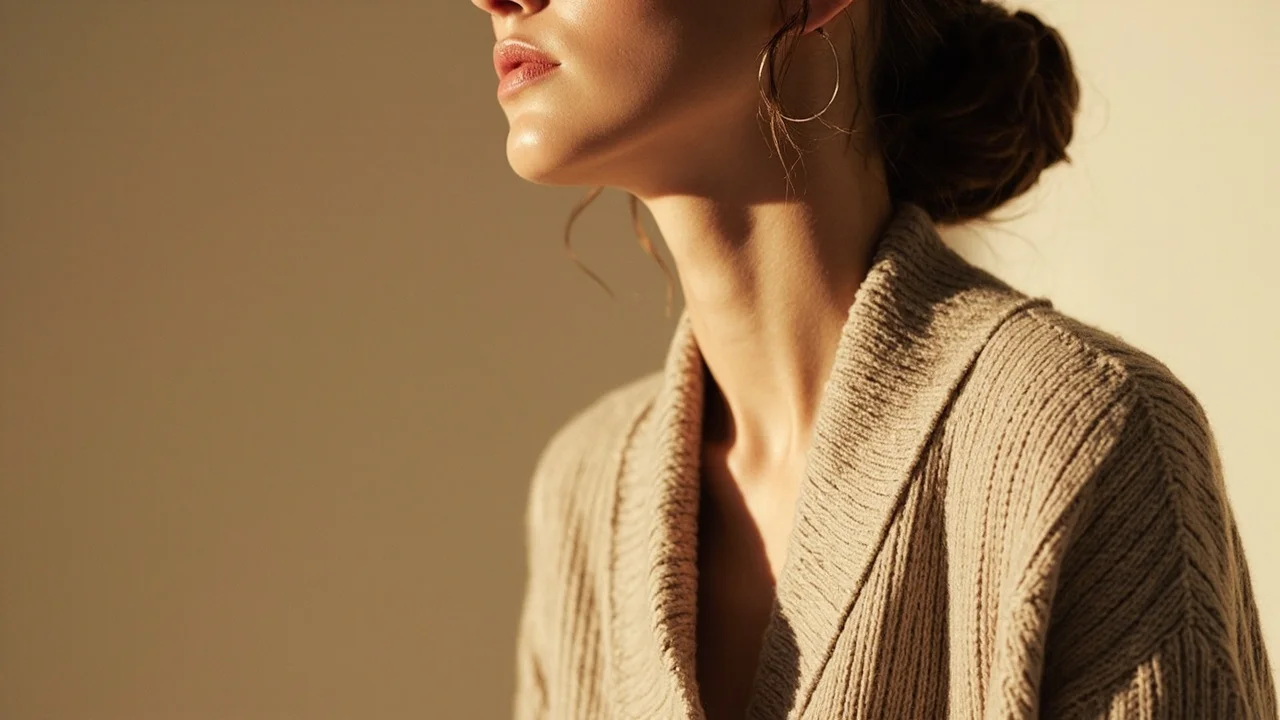
Key market segments and growth drivers in the Women Cardigan Sweater sector.
2. Market Analysis
According to Cognitive Market Research, the global cardigans market size is projected to grow at a CAGR of 5.80% from 2023 to 2030. While the base year figure is not specified in the data, a 5.8% CAGR over seven years implies a market that could increase by nearly 50% in value by the end of the forecast period. This growth is driven by three primary factors: the rise of versatile work-leisure wardrobes, increased demand for seasonal transition pieces, and the influence of social media trend cycles.
First, the post-pandemic shift to hybrid work has normalized the cardigan as a professional-yet-comfortable layering piece. Unlike structured blazers, cardigans offer breathability and ease of movement while maintaining a polished appearance—especially in fine-gauge merino or cashmere blends. Second, climate variability has extended transitional seasons in many markets. Consumers in temperate zones now purchase cardigans for spring, fall, and even mild winter days, spreading demand beyond the traditional Q4 peak.
Third, social media platforms like TikTok and Instagram have accelerated the lifecycle of cardigan trends. The 2026 trends identified by InStyle—Verdant Green, matching sets, cropped, argyle, powder pink, and zip cardigans—each have distinct visual identities that perform well in short-form video. For suppliers, this means that speed-to-sample and flexible minimum order quantities are becoming key competitive advantages. Brands that can quickly translate a trending silhouette into a production run of 500–1,000 units will capture early-adopter sales before mass-market imitators flood the channel.
Geographically, North America and Europe remain the largest markets, but Asia-Pacific is expected to see the fastest growth due to rising disposable incomes and a growing appetite for Western-style layering. Chinese consumers, in particular, have embraced cardigans as a bridge between traditional knitwear and global fashion trends. For B2B buyers, verifying the credibility of manufacturers in these regions is critical—especially for certifications like OEKO-TEX or GOTS that increasingly influence purchasing decisions.
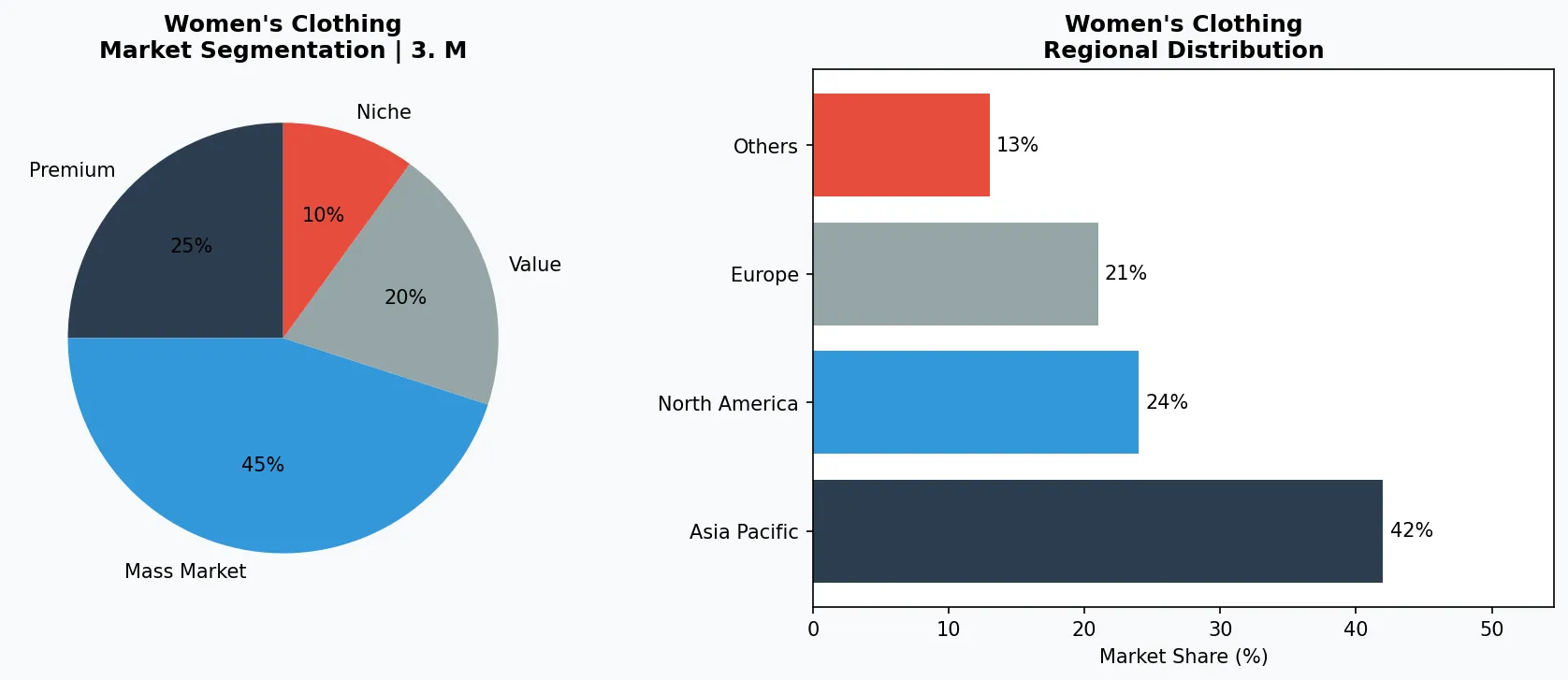
Market segmentation and regional distribution analysis for Women Cardigan Sweater.
3. Product Categories
The women cardigan sweater market can be segmented into three distinct product types that cater to different use cases and price tiers.
Fine-Gauge & Cashmere Cardigans
These lightweight, slim-fit styles are designed for layering under blazers or over dresses. They typically use 12–14 gauge knitting and yarn counts of 2/28 or finer. Examples include the classic ribbed cardigan in powder pink or neutral tones, often featuring small buttons or a zip closure. These are best paired with fitted trousers or pencil skirts for a polished office look. InStyle editors specifically highlighted zip cardigans as a 2026 trend, blending functionality with a sporty edge.
Chunky & Cable-Knit Cardigans
Defined by heavy texture and oversized silhouettes, these cardigans use thicker yarns (worsted weight or bulky) and larger needles (US 10–13). The 2026 cable knit trend demands oversized texture on top balanced by sleek bottoms—think wide sleeves, deep cable patterns, and dropped shoulders. Verdant Green and argyle patterns are key here. These cardigans function as standalone outerwear in mild climates and pair well with slim jeans or leggings. Matching sets—cardigan plus coordinating tank or skirt—are a growing subcategory that requires precise dye-lot consistency.
Cropped & Short Cardigans
Hemming at or above the natural waist, cropped cardigans appeal to younger demographics and are often styled with high-waisted jeans, midi skirts, or shorts. They require careful proportion engineering to avoid a boxy look. The 2026 trend for cropped cardigans emphasizes a fitted torso with slightly flared ribbing at the hem. These are typically produced in lighter weights (sport or DK yarn) to allow layering without bulk. Manufacturers must ensure stable stitch tension in shorter lengths to prevent curling.
Fine-Gauge & Cashmere Cardigans
Lightweight styles (12–14 gauge) ideal for office layering; examples include the powder pink zip cardigan and classic ribbed button-front in neutral tones.
Chunky & Cable-Knit Cardigans
Heavy texture cardigans (worsted or bulky yarn) featuring oversized cables or argyle patterns; Verdant Green and matching set variations are lead 2026 styles.
Cropped & Short Cardigans
Hemmed at or above waist, often with fitted ribbing; popular with high-waisted jeans and skirts, requiring careful proportion engineering to avoid boxiness.
4. Leading Players
The competitive landscape for women cardigan sweaters is fragmented, but three archetypal players dominate distinct niches.
Fast-Fashion Giants
These vertically integrated retailers excel at speed-to-market, often taking a cardigan from trend identification to shelf in under four weeks. Their strategy relies on low-cost labor in Bangladesh, Vietnam, and China, with minimum order quantities as low as 300 pieces per style. They prioritize volume over material quality, using acrylic and polyester blends to hit price points under $30. However, their margins are thinning due to rising raw material costs and increased scrutiny on labor practices. For B2B buyers, these players offer reliability in lead times but risk quality consistency, especially in cable knits where uneven tension is common.
Premium Knitwear Specialists
These manufacturers focus on heritage techniques and natural fibers like merino wool, cashmere, and alpaca. Often based in Italy, Scotland, or Japan, they operate with MOQs of 1,000–3,000 pieces per style and charge $40–$120 wholesale. Their competitive advantage lies in superior yarn sourcing, certified supply chains (e.g., GOTS, OEKO-TEX, Responsible Wool Standard), and innovative finishing processes like anti-pilling treatments. They are the go-to partners for brands launching capsule collections around trends like argyle or cable knits. Their weakness is slower turnaround times (8–12 weeks) and higher inventory risk.
Direct-to-Consumer (DTC) Brands
Digital-native labels that design cardigans in-house and outsource production to contract manufacturers in China or Portugal. Their strategy is data-driven: they test small batches on social media, then scale winning styles. For 2026 trends like matching sets or powder pink cardigans, DTC brands can pivot quickly because they own customer relationships and feedback loops. However, they face challenges in quality assurance across multiple factories and often lack the negotiating power of larger players. For suppliers, working with DTC brands requires flexibility in packaging, labeling, and drop-ship capabilities.
Fast-Fashion Volume Producers
Compete on speed and low cost (under $30 wholesale), using acrylic blends and MOQs as low as 300 pieces. Dominant in trend-driven basics but face quality risks in complex knits.
Premium Knitwear Specialists
Focus on heritage fibers (merino, cashmere, alpaca) and certified supply chains (GOTS, OEKO-TEX). Offer MOQs of 1,000–3,000 pieces with 8–12 week lead times; ideal for capsule collections.
Direct-to-Consumer Digital Brands
Test small batches via social media, then scale winning styles through contract partners. Require flexible packaging and drop-ship capabilities; data-driven design reduces inventory risk.
5. Market Trends
1. VERDANT GREEN CARDIGANS
This trend, highlighted by InStyle for 2026, replaces basic black and navy with a saturated forest green. It matters because green is a high-contrast neutral that flatters a wide range of skin tones and works across seasons. Brands adopting this trend need to source consistent dye lots—especially for matching sets where the cardigan and top must align perfectly. Fashion editors recommend pairing green cardigans with cream jeans or olive skirts for a tonal look.
2. MATCHING CARDIGAN SETS
The coordinated set (cardigan + tank, crop top, or skirt) is 2026's answer to effortless dressing. It matters because it simplifies consumer decision-making and increases basket size—customers buy two items at once. For manufacturers, it demands precise color matching across different garment constructions and fabric weights. Knitting set components on the same machine gauge is critical to avoid aesthetic mismatches.
3. CROPPED CARDIGANS
Hemlines are rising: cropped cardigans ending at the natural waist or higher are a major 2026 silhouette. This trend matters because it caters to Gen Z and Millennial consumers who prefer high-waisted bottoms. It also reduces yarn usage per unit, lowering material cost—but requires careful pattern grading to ensure the cropped length flatters different heights. Matching cropped cardigans with coordinating tanks (part of the set trend) amplifies the look.
4. ARGYLE CARDIGANS
The preppy diamond pattern returns in 2026, often in contrasting colorways like navy/white or green/pink. This trend matters because argyle is a perennial that gains traction cyclically—and 2026's iteration is more modern, with oversized diamonds and chunky yarns. For suppliers, argyle requires jacquard or intarsia knitting machines, which have higher setup costs and longer production times. Brands must commit to larger order quantities to amortize these costs.
5. POWDER PINK CARDIGANS
A soft, blushing pink replaces last year's Barbiecore hot pink. This trend matters because it taps into the broader 'quiet luxury' aesthetic—subtle color, fine gauge, minimal hardware. Powder pink works well in cashmere and merino blends. It is a strong candidate for capsule collections aimed at the 35–55 age demographic who prefer understated elegance.
6. ZIP CARDIGANS
The front zipper is no longer reserved for hoodies. 2026 sees zippered cardigans gaining traction, offering easy on-off and a sporty edge. This trend matters because zippers introduce functional complexity (YKK or Riri zippers are preferred) and require precise alignment during assembly. Brands like InStyle's editors recommend zip cardigans as a transitional piece for spring and fall.
6. Regional Markets
North America – Trend Adoption Hub
Fastest adoption of 2026 trends like cropped and matching sets; demand for sustainable certifications is high, pushing suppliers toward GOTS and OEKO-TEX compliance.
Europe – Heritage Knitting Core
Italy, Scotland, and Portugal produce high-end cardigans with traditional techniques; strong demand for argyle and cable knits in luxury segment.
Asia-Pacific – Fastest Growing Market
Rising middle class in China and India embraces cardigans as layering staples; local manufacturers in Zhejiang and Jiangsu offer competitive pricing for volume orders.
7. Investment Outlook
Two concrete opportunities stand out for the women cardigan sweater market. First, the matching sets trend offers a ready-made upselling mechanism: brands can increase average order value by 30–50% by pairing cardigans with coordinating tops or skirts. Suppliers who offer integrated set production with guaranteed color consistency will win premium contracts. Second, the rise of Verdant Green and Powder Pink cardigans opens a door for volume-focused manufacturers to produce seasonal color capsules across multiple yarn weights, reducing changeover costs through shared dye programs.
One significant risk is the volatility of trend cycles. Argyle and cropped cardigans require specialized machinery and higher unit costs; if consumer demand shifts faster than expected, unsold inventory could erode margins. Additionally, the 5.8% CAGR projection assumes steady economic growth; a downturn could push consumers toward basic pullovers instead of trend-driven cardigans. B2B buyers should mitigate this by negotiating flexible MOQ terms with suppliers and maintaining a core range of timeless styles (e.g., fine-gauge zip cardigans) alongside trendy pieces.
Strategic Considerations:
- Matching Sets Upsell: Brands can increase average order value by 30–50% by offering cardigan + coordinating tank/skirt sets; suppliers offering dye-lot guarantees will lead.
- Seasonal Color Capsules: Verdant Green and Powder Pink are strong candidates for volume manufacturers to produce shared-dye capsules across multiple weights, reducing changeover costs.
- Trend Volatility: Argyle and cropped styles require specialized machinery and higher setup costs; a sudden shift in consumer preference could leave unsold inventory.
- Economic Downturn Impact: A recession could push consumers toward basic pullovers; B2B buyers should balance trend-focused orders with a core range of timeless cardigans.
Frequently Asked Questions
Make Informed Decisions in the Women Cardigan Sweater Market
Product quality and sourcing integrity directly impact business outcomes. Discover how Verity Rank's verification platform helps industry participants source with greater confidence.
Contact Verity Rank TodayFurther Reading: Explore additional market intelligence from Grand View Research and Mordor Intelligence.
This article is for informational purposes only, based on publicly available industry data and market reports as of 2026-06-17. All market figures are estimates and may vary from actual results.