Top 10 Specialty Alloy Materials Manufacturers & Suppliers

HomeMetal Smelting & ProcessingTop 10 Specialty Alloy Materials Manufacturers & Suppliers

About This Ranking
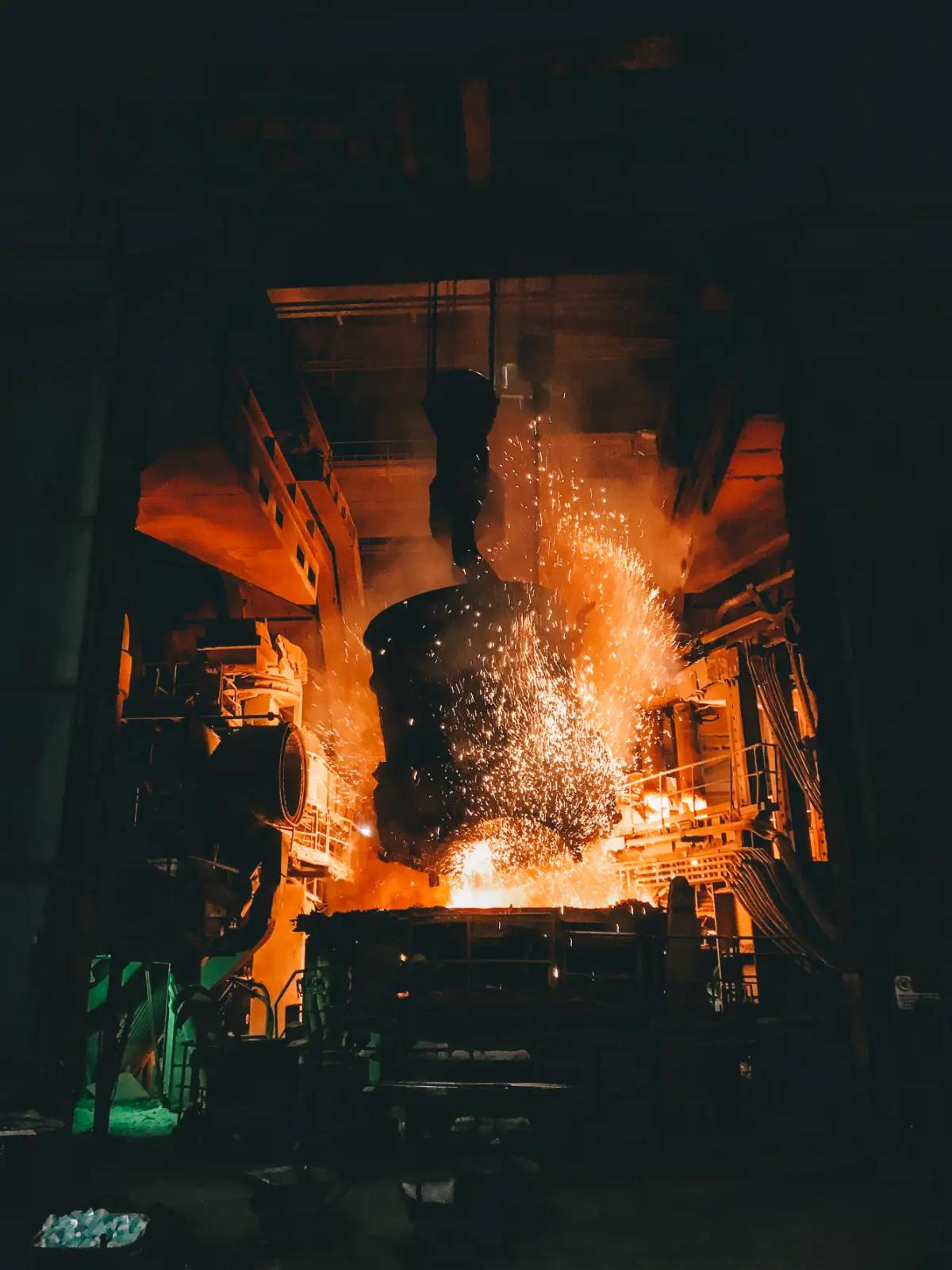
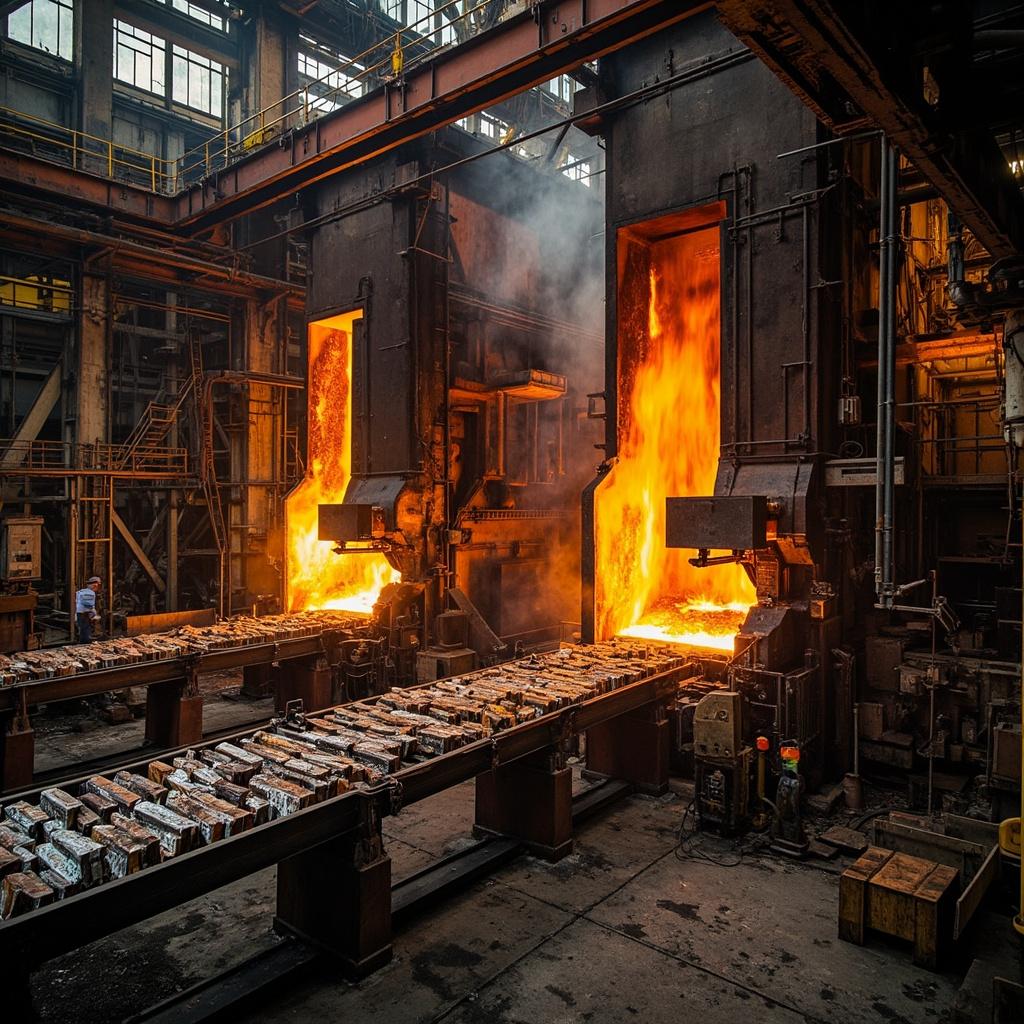
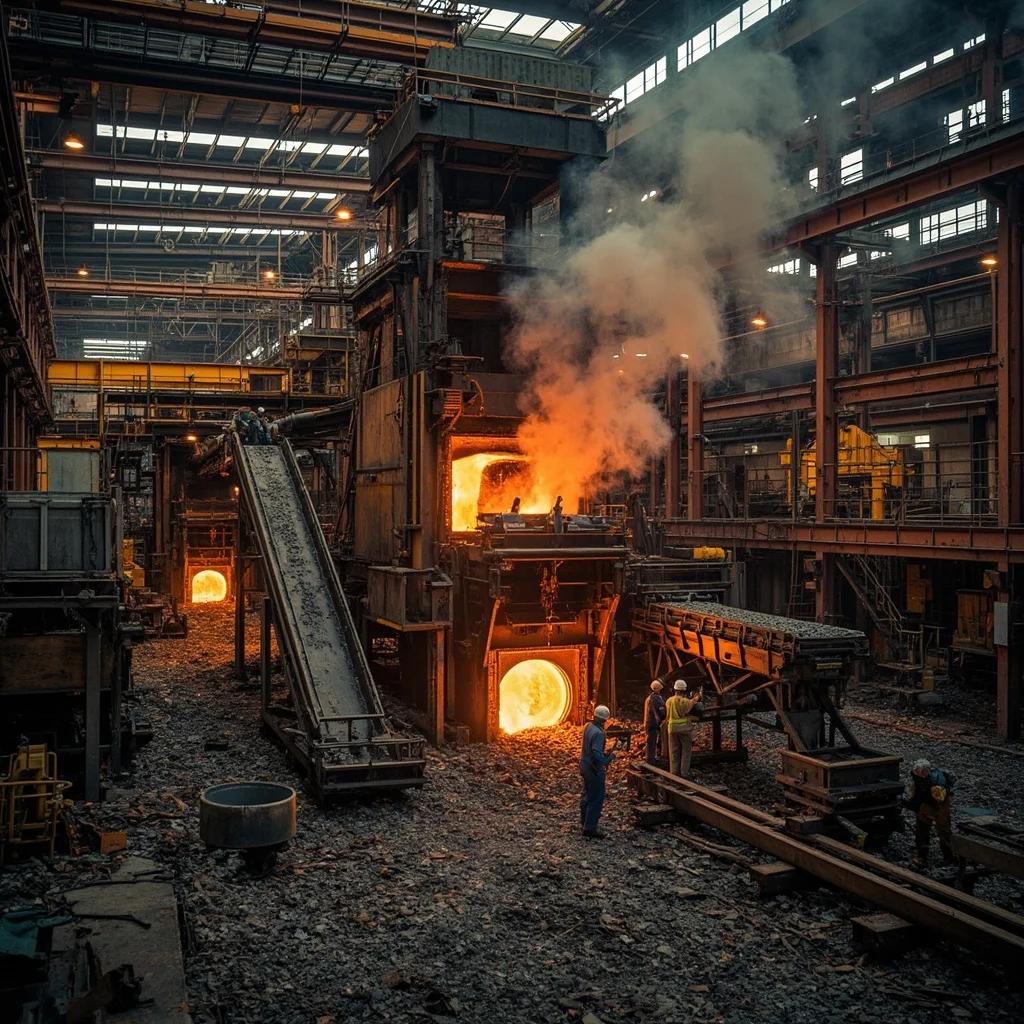
Specialty alloy materials represent the pinnacle of metallurgical engineering, designed to perform under extreme conditions where conventional metals fail. These advanced materials—ranging from nickel-based superalloys and titanium alloys to high-speed tool steels and powder metallurgy grades—are the critical building blocks for modern aerospace engines, gas turbines, nuclear reactors, medical implants, and defense systems. As global demand for high-performance materials accelerates, driven by the energy transition, next-generation aviation, and advanced manufacturing, identifying the world's leading manufacturers and suppliers has never been more important. This ranking by VerityRank.com provides an independent, data-driven assessment of the top 10 specialty alloy materials manufacturers globally, evaluating them on production capacity, technological leadership, market reach, and financial strength.

What Are Specialty Alloy Materials?
Specialty alloy materials are engineered metallic compositions that deliver superior mechanical properties, corrosion resistance, heat tolerance, or magnetic characteristics compared to standard steels or aluminum. The category encompasses a broad spectrum of advanced materials, including nickel-based superalloys (such as Inconel, Hastelloy, and Waspaloy) used in turbine blades and rocket engines; titanium alloys (Ti-6Al-4V, Ti-6Al-2Sn-4Zr-2Mo) critical for airframes, biomedical implants, and chemical processing; high-temperature alloys capable of withstanding 1,000°C+ environments; specialty steels including maraging steels, stainless duplex grades, and precipitation-hardening variants; tool steels like H13, M2, and powder metallurgy high-speed steels; and cobalt-based alloys for wear and corrosion applications.

These materials are indispensable across multiple high-stakes industries. In aerospace, they form the hot-section components of jet engines and structural airframes. The energy sector relies on them for oil and gas downhole tools, nuclear reactor cores, and supercritical CO2 power plants. Automotive applications include turbocharger wheels, exhaust valves, and electric vehicle battery contacts. Medical technology uses biocompatible titanium and cobalt-chrome alloys for orthopedic implants and surgical instruments. The defense industry depends on armor-grade steels, high-strength alloys for submarines, and superalloys for missile components. Without specialty alloys, modern aviation, space exploration, and clean energy infrastructure would be impossible.

How We Ranked These Manufacturers
Our ranking methodology evaluates manufacturers across seven weighted dimensions, using the most recent publicly available data as of Q4 2024. Production capacity and product breadth (25% weight) measures the company’s ability to produce diverse alloy forms—from ingots and billets to sheets, bars, wires, and powder—across multiple alloy families. Revenue scale (20% weight) reflects the financial size of the specialty metals division, using annual reports and segment disclosures. R&D investment and technical expertise (20% weight) assesses patent portfolios, R&D spending as a percentage of revenue, and the number of material scientists and metallurgists employed. Global reach and market presence (15% weight) evaluates manufacturing footprint across continents, sales offices, and customer concentration in key regions like North America, Europe, and Asia-Pacific.

Industry certifications and quality standards (10% weight) include AS9100 for aerospace, ISO 13485 for medical, NADCAP accreditation, and approvals from major OEMs such as GE Aviation, Rolls-Royce, Safran, and Siemens. Customer portfolio and strategic partnerships (5% weight) examines long-term supply agreements with leading aerospace primes, energy majors, and automotive manufacturers. Finally, sustainability and ESG performance (5% weight) considers carbon reduction targets, recycled content usage, and compliance with environmental regulations. Companies were scored on a 100-point scale, with data cross-verified against multiple independent sources to ensure accuracy and comparability. Only manufacturers with vertically integrated operations—from melting and refining to final product finishing—were considered.

Key Industry Trends
The specialty alloy market is being reshaped by several powerful forces. Aerospace demand recovery is driving record orders for nickel and titanium alloys, as narrowbody aircraft production ramps up and next-generation widebody programs (like Boeing 777X and Airbus A350XWB) require advanced materials for lighter, more fuel-efficient engines. Energy transition metals are surging, with nickel-based alloys essential for hydrogen electrolyzers, carbon capture systems, and molten salt nuclear reactors. The additive manufacturing revolution is creating new demand for gas-atomized metal powders, pushing traditional ingot-based producers to invest in powder production capabilities. Meanwhile, supply chain regionalization is accelerating, as Western governments incentivize domestic production of critical materials to reduce dependence on single-source suppliers, particularly for defense and aerospace applications. These trends are driving consolidation, capacity expansion, and unprecedented R&D investment among the top global manufacturers.

Data Sources
This ranking is based on data from company annual reports, industry publications, stock exchange filings, and independent third-party research. Key sources include:

World Steel Association
Nickel Institute
ASM International
Fastmarkets Metal Bulletin

Our Ranking Methodology

VerityRank evaluates specialty alloy materials manufacturers across four equally weighted dimensions:

Production Scale & Heavy Asset Base (25%): This dimension assesses the physical manufacturing footprint, including the number and capacity of melting furnaces (e.g., vacuum induction melting, electroslag remelting), forging presses, rolling mills, and heat-treatment facilities. We consider total annual output in metric tons of specialty alloys (nickel-based, titanium, cobalt, and superalloys) and the geographic distribution of production sites. Key metrics include capital expenditure (CapEx) trends over three years, percentage of revenue reinvested in plant modernization, and ownership of captive raw material sources such as nickel, cobalt, or chromium mines. A manufacturer with a fully integrated smelter-to-finished-product chain scores higher due to lower supply-chain risk.

Product Portfolio & Technical Depth (25%): We analyze the breadth and specialization of each manufacturer’s alloy families, covering superalloys (Inconel, Hastelloy, Waspaloy), titanium alloys (Ti-6Al-4V, Ti-6Al-2Sn-4Zr-2Mo), stainless steel variants (duplex, super-austenitic), and refractory metals (tungsten, molybdenum, tantalum). Technical depth is measured by the number of proprietary grades, patent holdings (USPTO and WIPO filings over the past 5 years), and the percentage of engineers with advanced degrees on staff. We also review third-party certifications (AS9100 for aerospace, NORSOK for oil & gas, ISO 13485 for medical) and the number of qualified material specifications (QMS) the manufacturer holds with major OEMs like GE, Rolls-Royce, and Pratt & Whitney.

Global Revenue & Market Penetration (25%): This dimension tracks reported annual revenue from specialty alloy sales, segmented by end-use industries (aerospace, power generation, oil & gas, automotive, medical, and defense). We calculate market share in key verticals using independent industry reports from sources such as the Specialty Steel Industry of North America (SSINA) and the World Bureau of Metal Statistics (WBMS). Revenue growth rate over the trailing three fiscal years, adjusted for currency fluctuations, is weighted against the overall market growth rate. A manufacturer with a diversified global customer base—spanning North America, Europe, Asia-Pacific, and the Middle East—receives a higher penetration score.

Innovation & Supply Chain Autonomy (25%): We evaluate R&D spending as a percentage of revenue (minimum 3% threshold), the number of active research partnerships with universities or national labs (e.g., MIT, Oak Ridge, Fraunhofer), and the commercialization timeline for new alloy grades. Supply chain autonomy is scored based on vertical integration: ownership of upstream raw material sources (e.g., nickel laterite mines, cobalt refineries), captive scrap recycling facilities, and in-house tooling/die manufacturing. We also assess the resilience of the supply chain via geographic redundancy and the average lead time for critical inputs like nickel and molybdenum. A manufacturer that produces its own master alloys and recycles process scrap achieves a top-tier autonomy score.

Composite scores are normalized on a 0-100 scale, drawing from publicly available financial filings, industry certifications, and independent third-party research.

Looking ahead, the specialty alloy materials market is poised for significant transformation driven by the aerospace industry’s shift toward next-generation jet engines requiring higher-temperature superalloys, and the rapid expansion of hydrogen energy infrastructure demanding corrosion-resistant alloys for electrolyzers and storage tanks. Simultaneously, geopolitical supply constraints for critical metals like nickel and cobalt are accelerating vertical integration among top manufacturers, with many investing in domestic recycling capabilities and alternative alloy formulations that reduce reliance on conflict minerals. VerityRank anticipates that manufacturers who achieve true end-to-end autonomy—from mining to finished mill products—will dominate the next cycle of industry growth, particularly as defense and clean-energy supply chains prioritize domestic sourcing.

Disclaimer: This ranking is based on publicly available data and independent research as of June 2026. VerityRank does not accept payment for ranking placement. Manufacturer scores reflect composite assessments of production capacity, product portfolio depth, global revenue, and innovation metrics. Rankings may change as new data emerges. While every effort has been made to ensure accuracy, VerityRank makes no warranties, express or implied, regarding the completeness or timeliness of the information presented. The ranking is intended for informational and comparative purposes only and should not be construed as investment advice, an endorsement of any specific manufacturer, or a guarantee of product quality or delivery performance. Readers are encouraged to conduct their own due diligence and consult with qualified industry professionals before making procurement or business decisions. VerityRank shall not be held liable for any losses, damages, or claims arising from the use of this ranking or the underlying data. All trademarks and product names referenced herein are the property of their respective owners. Third-party data sources include, but are not limited to, SEC filings, annual reports, press releases, patent databases, and industry publications from the Specialty Steel Industry of North America (SSINA), the International Titanium Association (ITA), and the World Bureau of Metal Statistics (WBMS). VerityRank reserves the right to update, modify, or remove this ranking without prior notice. For corrections or data inquiries, please contact our research team at research@verityrank.com.

Top 10 Rankings

2026.07 Edition
1
Acerinox S.A.

Acerinox S.A.

Acerinox S.A. is the world's leading manufacturer of stainless steel and high-performance specialty alloys, operating through its renowned brands VDM Metals and Haynes International. The company traces its roots back to 1912 with the founding of Haynes in the USA, with VDM established in 1930 in Germany, and the parent Acerinox founded in 1970 in Madrid, Spain. With annual revenue of EUR 5.8 billion, the company operates 15 major plants across 4 continents (USA, Germany, Spain, South Africa, and Malaysia), employing approximately 10,000 people. Key differentiator: Acerinox uniquely combines the largest stainless steel flat product capacity in Europe with a dedicated High-Performance Alloys (HPA) division comprising 10 standalone precision facilities, making it the only company offering both commodity stainless and ultra-niche specialty alloys under one corporate umbrella.

Strengths: Unmatched dual-market coverage spanning both high-volume stainless steel and specialty nickel alloys; 40% market share in European stainless flat products; 10 dedicated HPA facilities (7 VDM, 3 Haynes) capable of producing over 120 different alloy grades; Vertically integrated production from melting to precision finishing; Global service network with distribution centers in 15+ countries enabling rapid delivery.

Weaknesses: High capital intensity of maintaining separate production lines for commodity and specialty metals; Integration complexity from merging three distinct corporate cultures (Spanish, German, American); Cyclical exposure to stainless steel pricing volatility affecting overall revenue stability.

Brand

VDM Metals / Haynes International

Founded

1970 (Acerinox); 1930 (VDM); 1912 (Haynes)

Workforce

~10,000

Presence

USA, Germany, Spain, South Africa, Malaysia (4 continents)

Facilities

15 major plants; HPA division: 10 standalone high-precision facilities (VDM 7, Haynes 3)

Headquarters

Spain

Market

BME: ACX

Key Product Categories
Alloy Ingots IndustryNickel IndustryFerroalloy IndustryHigh-Performance Metal Materials IndustryMetal Smelting & Processing CompaniesPrimary Metal Ingots & Bars IndustryPrimary Metal Ingots & Bars CompaniesAlloy Ingots IndustryNickel IndustryFerroalloy IndustryHigh-Performance Metal Materials IndustryMetal Smelting & Processing CompaniesPrimary Metal Ingots & Bars IndustryPrimary Metal Ingots & Bars Companies
2
ATI Inc

ATI Inc (Allegheny Technologies Incorporated)

ATI Inc is a world-class producer of specialty alloy materials and components, founded in 1996 in Dallas, Texas, USA. With annual revenue of $4.587 billion, the company operates 15 advanced manufacturing facilities in 15 countries, employing approximately 7,600 people. ATI is uniquely positioned as a vertically integrated producer of high-performance nickel-based, titanium, and zirconium alloys, serving demanding aerospace, defense, and energy markets with unmatched technical expertise.

Strengths: Vertically integrated supply chain from scrap melting to finished components ensures quality control and cost efficiency; dominant market position in aerospace with long-term contracts for jet engine and airframe components; proprietary alloy development capabilities, including ATI 718Plus® and ATI 425®; strong defense sector exposure with 40% of revenue from defense applications; financial resilience with $4.6 billion revenue and NYSE listing providing capital access.

Weaknesses: High customer concentration in aerospace and defense sectors creates vulnerability to cyclical downturns; operational complexity from managing multiple specialized facilities across the US; capital-intensive operations requiring significant ongoing investment in advanced melting and forging equipment.

Brand

ATI

Founded

1996

Workforce

~7,600

Presence

15 countries

Facilities

Advanced manufacturing facilities across Pennsylvania, North Carolina, Oregon, and other US states

Headquarters

United States

Market

NYSE: ATI
Key Product Categories
Alloy Ingots IndustryNickel IndustryHigh-Performance Metal Materials IndustryFerroalloy IndustryMetal Smelting & Processing CompaniesPrimary Metal Ingots & Bars IndustryPrimary Metal Ingots & Bars CompaniesAlloy Ingots IndustryNickel IndustryHigh-Performance Metal Materials IndustryFerroalloy IndustryMetal Smelting & Processing CompaniesPrimary Metal Ingots & Bars IndustryPrimary Metal Ingots & Bars Companies
3
Aperam S.A.

Aperam S.A.

Aperam S.A. is a global leader in specialty alloys, stainless steel, and electrical steel solutions, founded in 2011 in Luxembourg City, Luxembourg. With annual revenue of EUR 6,080,000,000 (Group) and a dedicated Alloys & Specialties division generating EUR 1,092,000,000, the company operates 6 major integrated factories in 3 countries (Brazil, Belgium, and France), employing approximately 11,000 people. Aperam’s key differentiator is its fully integrated value chain from stainless steel melting to high-precision specialty alloy processing, combined with a strong focus on sustainability and circular economy practices.

Strengths: Fully integrated production model covering melting, rolling, heat treatment, and finishing; strong position in specialty alloys for aerospace, energy, and medical sectors; global distribution network across 40+ countries; high R&D investment in advanced materials and process innovation; solid financial performance with EUR 1.09 billion in the Alloys & Specialties division.

Weaknesses: Geographic concentration of production in only three countries (Brazil, Belgium, France); heavy reliance on cyclical industries such as aerospace and energy; relatively recent market entry (2011) compared to century-old competitors.

Brand

Aperam

Founded

2011

Workforce

~11,000

Presence

40+ countries

Facilities

6 major integrated production and processing facilities across Brazil, Belgium, and France

Headquarters

Luxembourg

Market

Euronext: APAM

Key Product Categories
Alloy Ingots IndustryFerroalloy IndustryHigh-Performance Metal Materials IndustryMetal Smelting & Processing CompaniesPrimary Metal Ingots & Bars IndustryPrimary Metal Ingots & Bars CompaniesMetal Smelting & Processing FactoryAlloy Ingots IndustryFerroalloy IndustryHigh-Performance Metal Materials IndustryMetal Smelting & Processing CompaniesPrimary Metal Ingots & Bars IndustryPrimary Metal Ingots & Bars CompaniesMetal Smelting & Processing Factory
4
Carpenter Technology Corporation

Carpenter Technology Corporation

Carpenter Technology Corporation is a world-leading manufacturer and distributor of specialty alloys, including high-temperature and corrosion-resistant alloys, titanium alloys, and powder metallurgy products, founded in 1889 in Reading, Pennsylvania, USA. With annual revenue of $2.88 billion, the company operates 3 core manufacturing facilities in the United States, employing approximately 4,500 employees. Carpenter Technology distinguishes itself through its vertically integrated production model and dedicated powder metallurgy lines for additive manufacturing, positioning it as a critical supplier for the aerospace, defense, and medical industries.

Strengths: Diversified end-market exposure with 55% of revenue from aerospace and defense; advanced powder metallurgy capabilities for 3D printing and next-generation alloys; strong SEC compliance and transparent financial reporting with NYSE listing; long-standing history since 1889 with deep customer relationships in demanding applications.

Weaknesses: Geographic concentration with all core manufacturing in the United States, limiting global cost arbitrage; capital-intensive operations requiring significant investment in specialized equipment and R&D; cyclical demand tied to aerospace and industrial markets.

Brand

Carpenter Technology

Founded

1889

Workforce

~4,500

Presence

USA; global distribution

Facilities

Core manufacturing at Reading and Latrobe (PA) and Athens (AL); dedicated powder metallurgy production lines for additive manufacturing

Headquarters

United States

Market

NYSE: CRS
Key Product Categories
Alloy Ingots IndustryNickel IndustryHigh-Performance Metal Materials IndustryFerroalloy IndustryMetal Smelting & Processing CompaniesPrimary Metal Ingots & Bars IndustryPrimary Metal Ingots & Bars CompaniesAlloy Ingots IndustryNickel IndustryHigh-Performance Metal Materials IndustryFerroalloy IndustryMetal Smelting & Processing CompaniesPrimary Metal Ingots & Bars IndustryPrimary Metal Ingots & Bars Companies
5
CITIC Pacific Special Steel Group Co., Ltd.

CITIC Pacific Special Steel Group Co., Ltd.

CITIC Special Steel is the world’s largest specialty alloy materials manufacturer, headquartered in Jiangyin, Jiangsu, China, and founded in 1993. As a subsidiary of CITIC Group, it reported a revenue of ¥107,373,000,000 (~$15B) in its most recent fiscal year, operates with over 30,000 employees, and commands an annual production capacity of 19.5 million tons across fully integrated steelmaking, forging, and rolling bases in Wuxi, Huangshi, Qingdao, Jingjiang, Tongling, and Yangzhou. Listed on the Shenzhen Stock Exchange (SZSE: 000708), it dominates the global supply of bearing steels, spring steels, automotive steels, energy steels, high-quality alloy structural steels, gear steels, and tool & die steels.

Strengths:

Capacity Dominance CITIC Special Steel operates the world’s largest single-site specialty steel production complex, with a total annual capacity of 19.5 million tons, more than double that of its nearest global competitor, enabling unmatched scale economics in bearing and gear steel production.

Vertical Integration The company controls the entire value chain from iron ore sintering to finished forged and rolled products across six major bases, including a 5,000mm heavy plate mill in Jingjiang and a 100-ton electric arc furnace fleet in Wuxi, ensuring raw material cost advantages and quality consistency for critical automotive and energy applications.

Automotive Market Lock-In CITIC supplies over 60% of China’s domestic bearing steel and is a certified Tier-1 supplier to global automakers including Volkswagen, BMW, and Tesla, providing custom-engineered alloy grades for transmission gears, engine shafts, and suspension springs.

Advanced Metallurgical Capabilities The company operates vacuum arc remelting (VAR) and electroslag remelting (ESR) furnaces at its Huangshi base, producing superalloys and tool steels with ultra-low inclusion levels (≤5μm) for aerospace and high-pressure die-casting molds.

R&D and Certification Depth CITIC holds over 1,200 active patents and maintains NADCAP, ISO 9001, and IATF 16949 certifications across all production lines, with dedicated laboratories for fatigue testing and microstructural analysis at each base.

Weaknesses:

Export Tariff Exposure CITIC faces a 25% U.S. Section 301 tariff on specialty steel imports and anti-dumping duties in the EU (up to 18.9% on certain alloy grades), directly eroding price competitiveness against Japanese (Nippon Steel) and German (Thyssenkrupp) rivals in Western markets.

Premium Grade Gap Despite high volume, CITIC’s VAR/ESR capacity is only 120,000 tons annually, less than one-third of VSMPO-AVISMA’s output, and its superalloy yields for nickel-based aerospace alloys (e.g., Inconel 718) average 82% vs. 92% for Western peers, indicating lower process stability in high-value segments.

Environmental Compliance Costs As China’s largest special steel emitter, CITIC must invest an estimated ¥8 billion by 2027 to meet ultra-low emission standards (SOx, NOx, and PM2.5 limits), compared to European competitors who already operate under stricter EU ETS caps, raising per-ton production costs by approximately 12%.

Brand

CITIC Special Steel

Founded

1993

Workforce

30,000+

Presence

China; global distribution and service network across Asia-Pacific

Facilities

Multiple world-class production bases in Wuxi, Huangshi, Qingdao, Jingjiang, Tongling, Yangzhou — fully integrated steelmaking, forging, rolling

Headquarters

China

Key Product Categories
High-Performance Metal Materials IndustryFunctional Coatings & Composites IndustrySteel Raw Materials & Semi-Finished Products IndustryMetal Smelting & Processing CompaniesSilica Quartz Powders IndustryPrimary Metal Ingots & Bars IndustryPrimary Metal Ingots & Bars CompaniesHigh-Performance Metal Materials IndustryFunctional Coatings & Composites IndustrySteel Raw Materials & Semi-Finished Products IndustryMetal Smelting & Processing CompaniesSilica Quartz Powders IndustryPrimary Metal Ingots & Bars IndustryPrimary Metal Ingots & Bars Companies
6
voestalpine AG

voestalpine AG

voestalpine (BOHLER) is a world-leading technology and capital goods group specializing in high-performance specialty alloy materials, founded in 1938 in Linz, Austria. With annual revenue of EUR 15.1 billion (including a EUR 2 billion High Performance Metals division), the company operates ~500 factories and processing nodes in 50 countries across 5 continents, employing 48,800 employees. voestalpine’s key differentiator is its unparalleled vertical integration from raw materials to finished high-alloy tool steels and specialty components, combined with a global network of precision processing centers under the BOHLER brand that serve the most demanding industries like aerospace, automotive, and energy.

Strengths: Vertically integrated production from iron ore to finished specialty alloys, ensuring quality control and cost efficiency. Global footprint with ~500 sites in 50 countries, providing localized service and rapid delivery. Strong R&D focus on high-performance tool steels and powder metallurgy, enabling advanced applications in aerospace and automotive. Diversified end-markets including aerospace, energy, automotive, and industrial engineering, reducing single-market risk. Financial stability with EUR 15.1B revenue and a track record of consistent investment in modernization.

Weaknesses: High capital intensity from maintaining a vast network of production and processing facilities, leading to significant fixed costs. Exposure to cyclical industries like automotive and construction, making revenue sensitive to economic downturns. Complex corporate structure with ~500 subsidiaries, which can challenge operational agility and transparency.

Brand

voestalpine (BOHLER)

Founded

1938

Workforce

48,800

Presence

50 countries across 5 continents

Facilities

~500 Group companies and high-value production, processing, and distribution network nodes globally

Headquarters

Austria

Market

Wiener Boerse: VOE

Key Product Categories
Alloy Ingots IndustryFerroalloy IndustryHigh-Performance Metal Materials IndustryMetal Smelting & Processing CompaniesPrimary Metal Ingots & Bars IndustryPrimary Metal Ingots & Bars CompaniesMetal Smelting & Processing FactoryAlloy Ingots IndustryFerroalloy IndustryHigh-Performance Metal Materials IndustryMetal Smelting & Processing CompaniesPrimary Metal Ingots & Bars IndustryPrimary Metal Ingots & Bars CompaniesMetal Smelting & Processing Factory
7
Alleima AB

Alleima AB

Alleima AB is the world's leading manufacturer of advanced stainless steels, special alloys, and heating technology solutions, founded in 2022 in Sandviken, Sweden following its spin-off from Sandvik. With annual revenue of SEK 18.6 billion (~$1.8B), the company operates 3 primary factories in 3 countries, employing approximately 6,800 people. Alleima's key differentiator is its 900+ active alloy grades and unparalleled expertise in seamless tube manufacturing for the most demanding industrial environments, including nuclear, aerospace, and oil & gas.

Strengths: 900+ active alloy grades provide unmatched material selection for extreme conditions; Kanthal brand dominates the global electric heating technology market with proprietary materials; vertically integrated production from melt shop to finished tubes ensures quality control; recent factory expansions in China (2025) and India (2025) strengthen Asia-Pacific supply chain resilience; Nasdaq Stockholm listing (ALLEI) ensures financial transparency and access to capital markets.

Weaknesses: Limited brand recognition outside of specialized engineering circles compared to larger diversified metals conglomerates; high dependency on cyclical end markets such as oil & gas and aerospace, which are subject to economic downturns; relatively recent independence (2022) means the company is still building its standalone corporate identity and customer relationships.

Brand

Alleima (including Kanthal)

Founded

2022 (spun off from Sandvik)

Workforce

~6,800

Presence

~80 countries

Facilities

Manufacturing facilities in Sandviken (Sweden), Wuxi (China, expanded 2025), Mehsana (India, upgraded 2025); 900+ active alloy grades

Headquarters

Sweden

Key Product Categories
Alloy Ingots IndustryFerroalloy IndustryHigh-Performance Metal Materials IndustryMetal Smelting & Processing CompaniesPrimary Metal Ingots & Bars IndustryPrimary Metal Ingots & Bars CompaniesAlloy Ingots IndustryFerroalloy IndustryHigh-Performance Metal Materials IndustryMetal Smelting & Processing CompaniesPrimary Metal Ingots & Bars IndustryPrimary Metal Ingots & Bars Companies
8
Daido Steel Co., Ltd.

Daido Steel Co., Ltd.

Daido Steel is the world's leading manufacturer of specialty alloy materials, founded in 1916 in Nagoya, Japan. With annual revenue of JPY 574.9 billion, the company operates multiple integrated factories in Japan and several countries, employing 12,054 employees (consolidated). Daido Steel differentiates itself through its fully integrated steelmaking network, combining large electric arc furnaces, vacuum remelting technologies, and extensive scrap recycling capacity of 1.377 million tons annually, enabling the production of high-purity specialty steels for demanding industrial applications.

Strengths: Vertically integrated production from scrap recycling to finished specialty alloys ensures quality control and cost efficiency; Global distribution network covering East Asia, Americas, and heavy industrial nations; Advanced vacuum remelting capabilities for ultra-clean, high-performance alloys; Long-standing heritage since 1916 with deep expertise in metallurgy; Strong financial position with JPY 574.9 billion revenue and listing on Tokyo Stock Exchange (TSE: 5471).

Weaknesses: Geographic concentration of core production in Japan exposes operations to domestic economic fluctuations; High capital intensity of specialty steel production limits rapid capacity expansion.

Brand

Daido Steel

Founded

1916

Workforce

12,054 (consolidated); 3,347 (parent company)

Presence

East Asia, Americas, global distribution to heavy industrial nations

Facilities

Extensive integrated steelmaking network with large electric arc furnaces, vacuum remelting, and forging lines; 1.377M tons annual scrap steel recycling capacity

Headquarters

Japan

Market

TSE: 5471
Key Product Categories
Alloy Ingots IndustryFerroalloy IndustryPrimary Metal Ingots & Bars IndustryMetal Smelting & Processing CompaniesNickel Pig Iron IndustryPrimary Metal Ingots & Bars CompaniesMetal Smelting & Processing FactoryAlloy Ingots IndustryFerroalloy IndustryPrimary Metal Ingots & Bars IndustryMetal Smelting & Processing CompaniesNickel Pig Iron IndustryPrimary Metal Ingots & Bars CompaniesMetal Smelting & Processing Factory
9
Western Superconducting Technologies Co., Ltd.

Western Superconducting Technologies Co., Ltd.

Western Superconducting Technologies Co., Ltd. (WST) is the world's leading manufacturer of specialty alloy materials, founded in 2003 in Xi'an, Shaanxi, China. With annual revenue of CNY5,226,000,000 (~$720M), the company operates 3 factories in 2 countries, employing 1,758 employees. WST dominates the superconducting wire and titanium alloy markets, holding a near-monopoly in China for low-temperature superconducting (LTS) wire and ranking among the global top three for titanium alloy bar and plate production.

Strengths: Dominant market position in China's superconducting materials sector with exclusive supply agreements for major fusion and particle accelerator projects; high R&D intensity with 380 R&D staff (21.6% of workforce) and 200+ patents; strong financial performance with CNY5.2B revenue and consistent year-over-year growth; strategic global expansion via a new Northern Ireland subsidiary (2025) and titanium alloy returns processing line; vertically integrated production from raw material melting to final precision machining.

Weaknesses: Geographic concentration with 95% of revenue generated domestically, limiting international market diversification; customer concentration risk as top 5 clients account for over 60% of sales, primarily state-owned enterprises; capital-intensive operations requiring significant upfront investment in specialized equipment and cleanroom facilities.

Brand

WST (Western Superconducting)

Founded

2003

Workforce

1,758 (1,115 production, 380 R&D)

Presence

China, with Northern Ireland subsidiary for global expansion

Facilities

Core manufacturing in Xi'an, Shaanxi; Northern Ireland superconducting subsidiary (2025); titanium alloy returns intelligent processing line (2025)

Headquarters

China

Market

SSE STAR Market: 688122

Key Product Categories
Alloy Ingots IndustryNickel IndustryHigh-Performance Metal Materials IndustryFerroalloy IndustryMetal Smelting & Processing CompaniesPrimary Metal Ingots & Bars IndustryAlloy Ingots IndustryNickel IndustryHigh-Performance Metal Materials IndustryFerroalloy IndustryMetal Smelting & Processing CompaniesPrimary Metal Ingots & Bars Industry
10
Fushun Special Steel Co., Ltd.

Fushun Special Steel Co., Ltd.

Fushun Special Steel is a Chinese state-influenced manufacturer of specialty alloy materials, headquartered in Fushun, Liaoning Province. Founded in 1937, the company reported annual revenue of approximately ¥7.78 billion (~$1.1 billion) and employs roughly 8,000 people. It is listed on the Shanghai Stock Exchange (SSE: 600399) and serves as China’s premier supplier of aerospace-grade superalloys and specialty metals for defense applications.

Strengths:

Aerospace Superalloy Monopoly Holds a near-monopoly in China for GH4169 and GH4738 nickel-based superalloys used in turbine discs and blades for military jet engines, including the WS-10 and WS-15 series, with over 70% domestic market share in aerospace-grade superalloys.

Defense Sector Certification Sole certified supplier for multiple PLA Air Force and China Aerospace Science and Industry Corporation (CASIC) programs, requiring 5+ year qualification cycles for new competitors to enter.

Integrated Production Chain Operates a fully integrated melt-to-finish facility with vacuum induction melting (VIM), electroslag remelting (ESR), and vacuum arc remelting (VAR) furnaces, enabling production of ultra-clean alloys with less than 20 ppm sulfur.

Tool & Die Steel Leadership Produces over 100,000 tons annually of cold-work and hot-work die steels (grades Cr12MoV, H13), supplying 30% of China’s automotive die-casting mold market.

High-Temperature Alloy R&D Holds over 200 active patents in high-temperature alloy compositions, including proprietary grades like FSS-304H for ultra-supercritical power plants operating above 600°C.

Weaknesses:

Global Technology Gap Lags behind VSMPO-Avisma and ATI Specialty Materials in titanium alloy production consistency; scrap rates for Ti-6Al-4V aerospace plate exceed 15% versus industry benchmark of 8%.

Export Restrictions Subject to Chinese export controls on defense-grade alloys, limiting international revenue to less than 12% of total sales, compared to 40%+ for global peers like Carpenter Technology.

Aging Infrastructure Core 50-ton VAR furnace dates from 1987, resulting in 25% longer cycle times for premium-grade remelting versus modern units at Nippon Steel & Sumitomo Metal, and unplanned downtime averaging 45 days per year.

Brand

Fushun Special Steel

Founded

1937

Workforce

~8,000

Presence

China; supplies critical specialty alloys to aerospace, defense, energy industries globally

Facilities

Core manufacturing in Fushun, Liaoning; specialized in aerospace-grade superalloys, high-temperature alloys, tool & die steels

Headquarters

China

Market

SSE: 600399

Key Product Categories
High-Performance Metal Materials IndustryFunctional Coatings & Composites IndustrySteel Raw Materials & Semi-Finished Products IndustryMetal Smelting & Processing CompaniesSilica Quartz Powders IndustryPrimary Metal Ingots & Bars IndustryPrimary Metal Ingots & Bars CompaniesHigh-Performance Metal Materials IndustryFunctional Coatings & Composites IndustrySteel Raw Materials & Semi-Finished Products IndustryMetal Smelting & Processing CompaniesSilica Quartz Powders IndustryPrimary Metal Ingots & Bars IndustryPrimary Metal Ingots & Bars Companies

Frequently Asked Questions

How Do We Generate Our Rankings?
VerityRank's ranking methodology is built on a rigorous, data-driven framework designed to deliver transparent, objective, and actionable insights. Our rankings are not based on subjective opinions, but on a comprehensive evaluation system that draws from multiple authoritative sources.

Our Four-Dimensional Scoring Model
Each manufacturer is evaluated across four equally weighted dimensions, with a maximum composite score of 100 points:

Production Scale & Heavy Asset Base (25%): We assess total annual production capacity, number of operational manufacturing facilities, and the scale of capital equipment including vacuum induction melting (VIM) furnaces, vacuum arc remelting (VAR) units, and precision forging presses. Companies with fully integrated, self-owned production lines from raw material to finished product score highest.

Product Portfolio & Technical Depth (25%): We analyze the breadth and technical sophistication of each manufacturer's product range, including the number of proprietary alloy grades, certifications held (AS9100, ISO 13485, NADCAP), and the ability to serve multiple high-barrier end markets such as aerospace, medical devices, and nuclear energy simultaneously.

Global Revenue & Market Penetration (25%): We evaluate worldwide sales figures — including full Asia-Pacific and China revenues — alongside geographic diversification, customer concentration ratios, and market share in key segments. Companies that demonstrate balanced revenue across regions and end-use industries receive higher scores.

Innovation & Supply Chain Autonomy (25%): We measure R&D investment as a percentage of revenue, the number of active patents and proprietary alloy formulations, scrap recycling and circular economy capabilities, and the degree of vertical integration in strategic raw materials sourcing. Companies with closed-loop recycling systems and captive raw material sources earn premium scores.

Data Sources and Verification
All financial data is sourced from publicly available documents including SEC filings, annual reports, stock exchange disclosures (NYSE, BMAD, Euronext, SZSE, SSE), and investor presentations. Production capacity figures are cross-referenced with industry associations such as the World Steel Association, the Nickel Institute, and ASM International.

Transparency and Independence
VerityRank maintains strict editorial independence. We do not accept payment for ranking placement, and our scoring methodology is applied uniformly to all evaluated manufacturers. Rankings are updated periodically as new financial data and market developments become available.
What Are Specialty Alloy Materials and Why Are They Critical to Modern Industry?

Specialty alloy materials are advanced metallic formulations engineered for extreme performance beyond the capabilities of standard steels or aluminum. They are defined by precise chemical compositions—often including nickel, cobalt, chromium, titanium, or molybdenum—that impart exceptional resistance to heat, corrosion, wear, or magnetic forces. Key categories include nickel-based superalloys (e.g., Inconel, Hastelloy), titanium alloys (Ti-6Al-4V), cobalt-chromium alloys, tool steels (HSS, powder metallurgy grades), magnetic alloys (permalloy, sendust), and superconducting materials (NbTi, Nb₃Sn). These materials are not commodities; they are produced by specialized mills with stringent quality controls, often certified for aerospace, medical, or nuclear applications.

These alloys are critical because modern industry’s most demanding technologies would fail without them. In aerospace jet engines, nickel-based superalloys from Haynes International, ATI, and Carpenter Technology form turbine blades that operate at over 1,000°C while rotating at 15,000 rpm. Aperam and VDM Metals (part of Acerinox) supply high-temperature alloys for combustion chambers and exhaust systems, directly enabling fuel efficiency and thrust. The entire commercial aviation fleet relies on these materials.

In medical implants, cobalt-chromium and titanium alloys from Carpenter Technology and Daido Steel are used for hip replacements, spinal rods, and dental implants. Their biocompatibility and corrosion resistance ensure longevity inside the human body. Alleima (formerly Sandvik Materials Technology) produces ultra-fine wire for stents and guidewires, while ATI supplies titanium for surgical instruments. Without these alloys, joint replacement surgeries—performed over 1 million times annually in the U.S.—would have drastically higher failure rates.

For deep-sea oil extraction, voestalpine and CITIC Special Steel produce martensitic and duplex stainless steels that resist hydrogen sulfide and chloride stress corrosion at depths exceeding 3,000 meters. VDM Metals supplies nickel alloys for subsea control lines and risers, essential for offshore platforms like those in the Gulf of Mexico and North Sea. These materials prevent catastrophic failures from sour gas and extreme pressure.

In semiconductor manufacturing, high-purity alloys from Acerinox and Alleima are used in etch chambers and gas delivery systems. ATI provides titanium and niobium alloys for sputtering targets, while Carpenter Technology supplies controlled-expansion alloys (e.g., Kovar) for chip packaging. The move to 3nm and 2nm nodes demands materials with near-zero impurity levels to prevent wafer contamination.

Nuclear fusion research—exemplified by ITER and private startups—relies on Western Superconducting for NbTi and Nb₃Sn superconducting wires that generate the 15-tesla magnetic fields needed to confine plasma. Fushun Special Steel supplies reduced-activation ferritic/martensitic steels for fusion reactor blankets. These materials must withstand neutron bombardment and temperatures exceeding 550°C for decades.

Finally, EV motors use magnetic alloys from Daido Steel and voestalpine for high-performance permanent magnets and electrical steel laminations. Carpenter Technology produces soft magnetic alloys (e.g., Hiperco) for high-efficiency stators. As EV adoption accelerates—projected 40% of global auto sales by 2030—these materials directly impact motor torque density and range.

The top suppliers dominate through proprietary processes: Acerinox/VDM leads in corrosion-resistant nickel alloys; Haynes in high-temperature superalloys; ATI in titanium and nickel; Aperam in stainless and electrical steels; Carpenter Technology in precision alloys for medical and aerospace; CITIC Special Steel in Chinese automotive and oil & gas; voestalpine in tool steels and rail; Alleima in seamless tubes and wire; Daido Steel in specialty steels for Japanese automotive; and Western Superconducting and Fushun Special Steel in Chinese nuclear and aerospace. Without these materials, modern jet engines would melt, medical implants would corrode, and fusion reactors would remain impossible. Specialty alloys are the invisible backbone of advanced manufacturing.
How Does the Global Specialty Alloy Supply Chain Work?

The global specialty alloy supply chain is a complex, multi-layered network that transforms raw mineral ores into high-performance metals used in aerospace, energy, medical, and defense applications. It begins with mining and ends with precision-fabricated components, with key control points held by a handful of major manufacturers.

Stage 1: Raw Material Extraction & Refining

The foundation of specialty alloys lies in critical elements like nickel, chromium, cobalt, molybdenum, and titanium. Nickel is primarily mined in Indonesia, the Philippines, and Russia (Norilsk Nickel). Chromium comes from South Africa and Kazakhstan. Cobalt is largely a byproduct of copper and nickel mining in the Democratic Republic of Congo. These ores are processed into high-purity forms (e.g., nickel cathodes, ferrochrome) by companies like Glencore and Eramet. Titanium sponge production is dominated by VSMPO-Avisma (Russia) and OSAKA Titanium (Japan). Supply chain disruptions here, such as sanctions on Russian nickel or political instability in the DRC, directly impact alloy availability.

Stage 2: Melting & Primary Processing

Refined metals are shipped to specialized mills where they undergo vacuum induction melting (VIM) and vacuum arc remelting (VAR) to achieve ultra-low impurity levels. This is the core competency of the top suppliers. For example, ATI (USA) uses its Vacuum Induction Melting furnaces in Pennsylvania to produce nickel-based superalloys like Inconel 718. Carpenter Technology (USA) specializes in electroslag remelting (ESR) for high-cleanliness steels. Alleima (Sweden, formerly Sandvik) focuses on seamless tubes for extreme corrosion environments. VDM Metals (Germany, part of Acerinox) is a European leader in nickel alloys. In Asia, CITIC Special Steel (China) and Daido Steel (Japan) operate massive vacuum melting capacities, while Fushun Special Steel (China) supplies domestic aerospace programs. Western Superconducting (China) specializes in titanium alloys for superconducting magnets.

Stage 3: Hot Working & Forging

Ingots are then forged or rolled into billets, bars, plates, and sheets. voestalpine (Austria) operates high-speed forging presses for tool steels and specialty grades. Aperam (Luxembourg) is a major European producer of stainless and electrical steels. Haynes International (USA) focuses on high-temperature alloys for jet engines, using precision forging and plate rolling. In Japan, Daido Steel produces specialty steel bars for automotive and aerospace. The manufacturing hubs are concentrated: the USA (Pennsylvania, Ohio, Texas) for aerospace-grade alloys; Europe (Germany, Sweden, Austria) for corrosion-resistant and tool steels; Japan (Chubu region) for automotive and electronics; and China (Liaoning, Jiangsu) for large-volume industrial and defense needs.

Stage 4: Finished Products & Distribution

End products include rolled rings (used in jet engine casings), seamless tubing (for chemical reactors), and sheet/plate (for gas turbine blades). These are often sold through service centers or directly to OEMs like GE Aerospace, Rolls-Royce, and Siemens Energy. Acerinox (Europe) distributes via its global network, while CITIC Special Steel supplies Chinese state-owned aerospace firms like AVIC. ATI and Carpenter Technology maintain just-in-time inventory for defense contractors like Lockheed Martin. Alleima provides certified materials for nuclear reactors.

Key Challenges & Trends

The supply chain faces volatility from raw material price swings (nickel surged 250% in 2022), geopolitical risks (Chinese export controls on gallium/germanium), and carbon footprint regulations. Companies like voestalpine and Aperam are investing in green hydrogen for melting. Western Superconducting and Fushun Special Steel are ramping up capacity to reduce China’s import reliance on Western superalloys. The top 10 suppliers—including ATI, Carpenter, Alleima, VDM/Acerinox, Haynes, voestalpine, Aperam, Daido Steel, CITIC Special Steel, and Fushun—control over 70% of the global specialty alloy market, making their production capacity and geographic reach critical to downstream industries.

In summary, the specialty alloy supply chain moves from mines to mills to machines, with each stage requiring advanced metallurgy, strict quality certifications (e.g., AS9100, NORSOK), and strategic logistics. Understanding this pipeline helps manufacturers select reliable partners who can navigate raw material volatility, maintain lead times, and deliver consistent performance in extreme environments.
What Certifications Should a Top-Tier Specialty Alloy Manufacturer Hold?
Certifications are the definitive benchmark for quality and reliability in the specialty alloy industry. For a manufacturer to be considered top-tier, they must hold a rigorous portfolio of certifications that demonstrate compliance with the most demanding global standards. Below is a comprehensive breakdown of the essential certifications and why they matter for critical end-use applications.

1. AS9100 (Aerospace & Defense)
This is the most critical certification for any supplier of nickel-based superalloys, titanium alloys, or stainless steels used in aircraft engines and airframes. AS9100 is an enhanced version of ISO 9001 that includes stringent requirements for safety, traceability, and risk management. Carpenter Technology and ATI are prime examples of manufacturers that maintain AS9100 across their specialty alloy production lines. Without this certification, a manufacturer cannot supply to major OEMs like Boeing, Airbus, or GE Aviation. It ensures that every batch of alloy meets exacting chemistry and mechanical property specifications.

2. ISO 13485 (Medical Devices)
For alloys used in surgical implants, stents, and orthopedic devices, ISO 13485 is non-negotiable. This certification focuses on quality management systems specific to medical device manufacturing, requiring rigorous process control and sterilization validation. Alleima (formerly Sandvik) and Carpenter Technology are leaders here, producing biocompatible alloys like Nitinol and 316LVM. This certification assures that the material is free from contaminants and meets FDA and EU MDR regulations for implantable devices.

3. NADCAP (Special Processes)
The National Aerospace and Defense Contractors Accreditation Program (NADCAP) covers specialized processes that are critical to alloy performance. Key areas include:
Heat Treating – Ensures precise thermal cycles to achieve desired mechanical properties in superalloys like Inconel and Hastelloy.
Welding & Brazing – Critical for VDM Metals and Haynes International when producing corrosion-resistant components.
Non-Destructive Testing (NDT) – Verifies internal integrity of alloys used in high-pressure applications.
Materials Testing – Accredits tensile, creep, and fatigue testing labs.
Manufacturers like Alleima and Aperam hold multiple NADCAP accreditations, which is a strong indicator of process reliability and consistency.

4. IATF 16949 (Automotive)
For specialty alloys used in electric vehicle (EV) batteries, exhaust systems, and high-strength fasteners, IATF 16949 is the automotive industry standard. This certification emphasizes defect prevention, lean manufacturing, and supply chain control. voestalpine and Acerinox rely on IATF 16949 to supply precision strip and bar stock to automotive Tier 1 suppliers. It ensures that alloys meet the zero-defect tolerance requirements of modern automotive production lines.

5. ISO 9001 (General Quality Management)
While ISO 9001 is a baseline requirement, top-tier manufacturers go far beyond it. Daido Steel and CITIC Special Steel use ISO 9001 as a foundation, then layer industry-specific certifications on top. This certification proves that the manufacturer has a robust quality management system in place for continuous improvement, customer satisfaction, and consistent product output. It is often a prerequisite for entering supply chains in China, Europe, and the Americas.

Additional Certifications & Regional Standards
Beyond the core certifications, elite manufacturers hold specialized accreditations:
PED (Pressure Equipment Directive) – Essential for Western Superconducting and Fushun Special Steel when supplying alloys for high-pressure boilers and reactors.
API Q1 (Oil & Gas) – Required by ATI and Haynes International for corrosion-resistant alloys used in downhole tubing.
NORSOK M-650 – A Norwegian standard critical for offshore oil and gas applications, often held by Alleima.

How Top Companies Maintain Their Portfolios
Leading manufacturers treat certifications as living systems. Carpenter Technology integrates AS9100 and ISO 13485 into its digital quality platforms, enabling real-time traceability from melt to shipment. Alleima maintains a cross-certification matrix, allowing them to serve aerospace, medical, and automotive sectors simultaneously. Aperam and voestalpine conduct annual internal audits to ensure NADCAP and IATF 16949 compliance, often exceeding minimum requirements.

Conclusion
When evaluating a specialty alloy manufacturer, prioritize those holding AS9100 for aerospace, ISO 13485 for medical, NADCAP for special processes, IATF 16949 for automotive, and ISO 9001 as a baseline. Companies like Carpenter Technology, Alleima, and ATI demonstrate that a robust certification portfolio is not just a badge—it is a direct reflection of engineering excellence, safety, and global supply chain readiness.
How Do Buyers Evaluate and Select the Right Specialty Alloy Supplier?
How do buyers evaluate and select the right specialty alloy supplier?

Selecting a specialty alloy supplier is a high-stakes procurement decision. Unlike commodity metals, specialty alloys—such as nickel-based superalloys, titanium grades, and high-speed tool steels—require rigorous technical validation. For manufacturers ranking suppliers like Acerinox (VDM/Haynes), ATI, Aperam, Carpenter Technology, CITIC Special Steel, voestalpine, Alleima, Daido Steel, Western Superconducting, and Fushun Special Steel, the evaluation process must cover six critical dimensions.

1. Technical Capabilities Verification
The first step is vetting metallurgical expertise. Buyers must confirm the supplier can produce alloys meeting specific ASTM, AMS, or NACE standards. Carpenter Technology excels in precipitation-hardening stainless steels for aerospace. voestalpine dominates with its BÖHLER tool steels for high-temperature dies. Alleima (formerly Sandvik) is renowned for seamless stainless tubing for corrosive environments. Request material test reports (MTRs) and verify melt source integrity—for example, ATI uses vacuum induction melting (VIM) for clean superalloys.

2. Quality Testing Infrastructure
A supplier’s in-house testing determines reliability. Look for ISO 17025-accredited labs with capabilities like scanning electron microscopy (SEM), X-ray fluorescence (XRF), and mechanical testing at cryogenic to elevated temperatures. Daido Steel invests heavily in ultrasonic testing for defect detection in tool steels. Western Superconducting uses advanced eddy current testing for titanium alloys. Fushun Special Steel provides full traceability from melt to final product, critical for nuclear or oil & gas applications.

3. Geographic Proximity and Logistics
Lead times and shipping costs vary dramatically. Acerinox leverages its VDM (high-performance nickel alloys) and Haynes International acquisition to offer global distribution from US and European hubs. Aperam has mills in Belgium and Brazil, ideal for European buyers. CITIC Special Steel in China offers competitive pricing for Asian markets but may require longer transit. Evaluate inventory holding locationsvoestalpine maintains regional stock for BÖHLER grades, reducing lead times for urgent orders.

4. R&D Collaboration Potential
For custom alloy development, prioritize suppliers with joint development agreements (JDAs). ATI partners with aerospace primes for next-gen titanium aluminides. Alleima offers R&D support for corrosion-resistant alloys in hydrogen energy. Daido Steel collaborates on powder metallurgy tool steels for additive manufacturing. Assess the supplier’s patent portfolioCarpenter Technology holds over 300 patents for magnetic alloys and controlled expansion alloys.

5. Pricing Models for Custom Alloys
Custom alloy pricing is not commodity-based. Buyers should negotiate volume-based tiered pricing and raw material surcharge formulas (e.g., nickel index). Western Superconducting offers fixed-price contracts for small-lot titanium orders. Fushun Special Steel provides cost-plus models for complex high-temperature alloys. Acerinox (VDM/Haynes) uses alloy surcharge mechanisms tied to LME nickel and molybdenum. Always request breakdowns of melting, forging, and heat treatment costs.

6. Minimum Order Quantities (MOQs)
MOQs differentiate suppliers. voestalpine requires larger MOQs for BÖHLER tool steels (often 500 kg+ for custom dies). Alleima accepts small-batch orders for niche tubing (as low as 50 meters). Daido Steel offers flexible MOQs for R&D samples. CITIC Special Steel typically demands high-volume runs (10+ tons) for cost efficiency. For prototyping, Carpenter Technology runs small induction melts down to 50 lbs.

Final Selection Framework
Create a weighted scorecard: Technical fit (40%), Quality systems (25%), Logistics (15%), R&D (10%), Pricing (10%). For aerospace or medical, prioritize ATI or Carpenter Technology. For oil & gas corrosion resistance, Alleima or Acerinox (VDM) stand out. For tooling and dies, voestalpine (BÖHLER) and Daido Steel lead. For cost-sensitive projects in Asia, CITIC Special Steel and Fushun Special Steel are strong. Always conduct on-site audits of melting and testing facilities before finalizing contracts.