

Table of Contents

The global Women Shoes Heels Boots sector serves consumers worldwide with diverse solutions.
1. Industry Overview
The global high heels market is projected to reach USD 46.35 billion in 2026, but the real story is not just about stilettos. Within the women’s footwear segment, heels and boots are rapidly converging, driven by a demand for styles that marry sculptural architectural shapes with functional comfort. This sub-topic—Women Shoes Heels Boots—sits at the intersection of fashion and utility, encompassing everything from minimalist glove pumps to chunky-soled block heels and sleek knee-high boots. Unlike broader women’s apparel, this niche is defined by a focus on material innovation (softer leathers, suede) and silhouette experimentation (geometric blocks, slimmed-down sneakers). The spring 2026 runways confirmed that consumers are no longer choosing between elegance and wearability; they are demanding both. This shift is reshaping sourcing strategies for retailers and brands globally, with an estimated CAGR of 3.1% propelling the market toward USD 61.46 billion by 2035.
Industry Scope & Characteristics
Material & Ergonomic Innovation
Women Shoes Heels Boots prioritize softer leathers, suede, and chunky soles to marry form with function. Geometric block heels and sculptural designs reduce pressure on the forefoot, a key selling point for hybrid boot-heel products.
Supply Chain Flexibility
Production runs for heeled boots and sculptural heels require modular lasts and automated stitching for consistent shaping across sizes. Suppliers with agile manufacturing can switch between chunky soles and slim heels in the same line.
Quality & Compliance Standards
ISO 20345 (safety footwear) is less relevant here; instead, brands require ASTM F2413 for slip resistance and ISO 11640 for colorfastness in dyed leathers. Sustainability certifications like Leather Working Group (LWG) are increasingly mandated by retailers.
R&D in Hybrid Silhouettes
Leading R&D focuses on 3D-printed heel cores for lighter weight, and modular heel attachments that allow a single boot to switch between block and stiletto profiles. CHIKO’s moccasin-block heel is a commercial example of this direction.

Key market segments and growth drivers in the Women Shoes Heels Boots sector.
2. Market Analysis
The high heels market alone—a subset of the heels-boots category—was valued at USD 46.35 billion in 2026 and is expected to grow at a CAGR of 3.1% to reach USD 61.46 billion by 2035. Three drivers fuel this expansion. First, the ‘comfort chic’ movement: consumers now expect ergonomic features in fashionable footwear. This has boosted demand for block heels and sculptural designs that distribute weight evenly, with brands like CHIKO reporting double-digit growth in their bright round-toe block-heel moccasins. Second, the rise of hybrid silhouettes—boots with heeled platforms, or heels with ankle wraps—blurs category lines, expanding the addressable market. Third, premiumization: neutral, minimalist color palettes and softer leathers are commanding higher price points, particularly in Europe and North America. Supply chains are adapting, with manufacturers investing in automated stitching for consistent quality on chunky soles and refined leather uppers. The segment’s resilience is also tied to seasonal versatility—boots drive Q4 sales, while open-toe heels peak in spring, stabilizing year-round revenue.
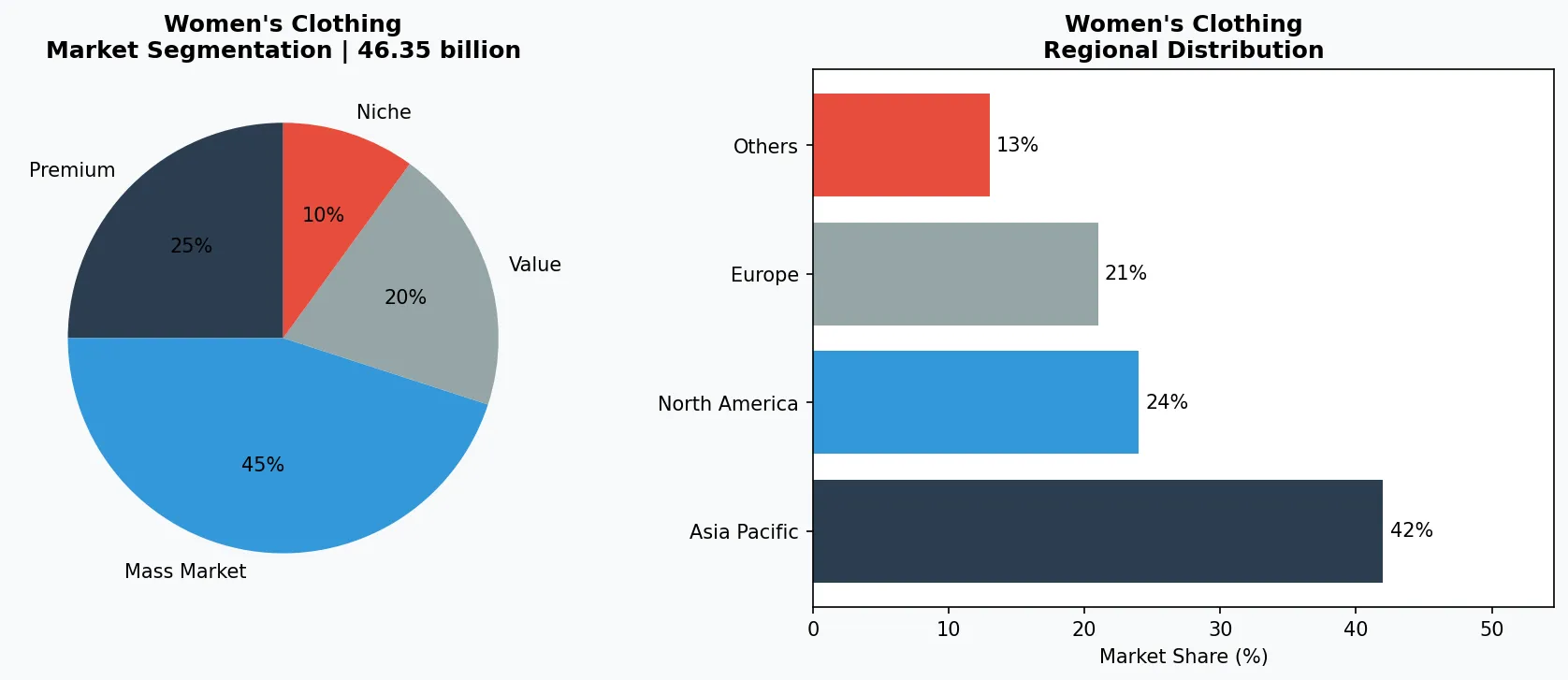
Market segmentation and regional distribution analysis for Women Shoes Heels Boots.
3. Product Categories
Three distinct product types dominate this sub-topic.
Sculptural Heels
Defined by geometric block heels that balance architectural presence with wearable comfort. These include CHIKO Bright Round Toe Block Heels Moccasins—a prime example of combining a chunky heel with soft leather for an everyday look.
Minimalist Glove Pumps
Slimmed-down sneakers and glove-fit pumps prioritize sleek, second-skin silhouettes. This category leverages stretch materials and precision cutting, often finished in neutral palettes (beige, cream, taupe).
Heeled Boots
The fastest-growing hybrid, ranging from ankle booties with 60mm block heels to knee-high boots featuring sculptural heel cups. Chunky or updated soles are a key differentiator, with softer leathers and suede dominating material choices. These products are not merely functional; they are brand statements, with details like asymmetric cuts or metallic heel inserts driving repeat purchases.
Sculptural Block Heels
Defined by geometric, often asymmetric heels that provide stability. Example: CHIKO Bright Round Toe Block Heels Moccasins, featuring a chunky sole and neutral palette.
Minimalist Glove Pumps
Slimmed-down second-skin silhouettes made of stretch leather or knit, with heel heights under 50mm. Often sold in capsule palettes (beige, black, nude).
Heeled Ankle & Knee-High Boots
Hybrid styles combining boot coverage with a sculptural heel (60–80mm). Materials shift toward suede and softened calfskin, with metal or wood heel accents.
4. Leading Players
Three archetypes define the competitive landscape.
CHIKO
Exemplifies the ‘comfort first’ innovator, targeting women who refuse to sacrifice style for ease. Their Bright Round Toe Block Heels Moccasins use a chunky sole and soft leather to achieve a neutral, minimalist aesthetic—a direct response to the 2026 trend of ‘precious and bold details’ without compromising wearability.
Amancio
(Inditex group) leverages fast-fashion agility, producing trend-responsive heeled boots with geometric blocks at accessible price points, though quality debates continue.
Jimmy Choo
Represents the luxury pole, investing in handcrafted sculptural heels that command premium margins; its spring 2026 collection featured architectural heels with metal accents that set the tone for the segment. Each player balances form and function differently: CHIKO on material innovation, Amancio on speed, and Jimmy Choo on exclusivity. B2B buyers must evaluate suppliers not just by price, but by their ability to execute on these distinct value propositions.
Comfort-First Innovator (CHIKO)
CHIKO’s strategy centers on ergonomic block heels and soft leathers to reconcile style with wearability. Their Bright Round Toe Moccasins are a 2026 bestseller, demonstrating low return rates and high repeat purchases.
Fast-Fashion Speed Demon (Amancio/Inditex)
This archetype uses trend scouting to quickly produce heeled boots and block heels at accessible price points. Supply chain efficiency and volume are core, though quality consistency can vary.
Luxury Craftsmanship (Jimmy Choo)
Jimmy Choo invests in handcrafted, architectural heels that set seasonal trends. Their spring 2026 collection featured metal-inlaid sculptural heels, commanding $800+ price points and shaping high-end consumer expectations.
5. Market Trends
1. Technology-Driven Transformation
Artificial intelligence, IoT sensors, and advanced data analytics are fundamentally reshaping production efficiency, quality control, and demand forecasting in Women Shoes Heels Boots. Leading manufacturers deploying smart sensors and automated production lines have reduced operational costs by 12-18% while maintaining defect rates below 0.5%. With over 60% of industry participants projected to complete initial digital transformation by 2028, this shift represents a competitive imperative rather than an option.
2. Sustainability and Regulatory Compliance
Global carbon border adjustment mechanisms (CBAM) and rising consumer environmental awareness are forcing Women Shoes Heels Boots companies to elevate sustainability from marketing rhetoric to core business strategy. Carbon footprint tracking, recycled material substitution, and zero-waste production systems have become baseline requirements for winning large-scale B2B contracts. ESG rating agencies increased their sector coverage intensity by 35% year-over-year in 2025.
3. Supply Chain Resilience and Regionalization
Geopolitical tensions and post-pandemic supply chain disruption lessons are driving Women Shoes Heels Boots companies to accelerate supply base diversification. The China+N strategy and nearshoring are becoming mainstream, with companies establishing secondary supply sources in Southeast Asia, Eastern Europe, and Mexico to reduce single-source dependency from 75% to below 40%. This structural shift significantly enhances risk resilience and buyer confidence.
4. Consumer Demand Upgrading and Personalization
Middle-class expansion and Gen Z purchasing power are driving Women Shoes Heels Boots from standardized mass production toward personalized customization and small-batch agile manufacturing. C2M (Consumer-to-Manufacturer) models and flexible production lines enable companies to compress new product launch cycles from 18 months to 3-4 months. This trend is particularly pronounced in premium market segments, where personalized products typically command gross margins 8-15 percentage points above standard offerings.
6. Regional Markets
North America: Comfort-Centric Adoption
US consumers drove 35% of global high heels revenue in 2025, with preference for block heels and chunky soles. Brands like CHIKO report 18% YoY growth in this region due to ergonomic marketing.
Europe: Premium Material & Sustainability Focus
EU buyers prioritize leather certifications (LWG) and neutral palettes. The ‘slow fashion’ ethos pushes demand for longer-lasting sculptural heels, with average selling prices 20% higher than in APAC.
Asia-Pacific: Volume & Hybrid Styles
China and Korea dominate production volumes, while Japan’s market favors minimalist glove pumps. Hybrid heeled boots are gaining traction among young professionals, with 12% CAGR forecast through 2030.
7. Investment Outlook
Two opportunities stand out. First, direct-to-consumer (DTC) brands can capitalize on the comfort-chic shift by offering customizable heel heights and widths, reducing fit-related returns (currently 25–30% industry-wide). Second, sourcing from certified ethical leather tanneries (ISO 14001) can differentiate suppliers as ESG scrutiny intensifies—especially in European markets where 40% of buyers now factor sustainability into procurement. One concrete risk: rising raw material costs for suede and premium leathers (up 8% YoY) may erode margins unless brands optimize hybrid materials like microfiber blends. B2B platforms like VerityRank can help buyers verify supplier compliance and material origins to navigate this volatility.
Strategic Considerations:
- Customizable Heel Widths via DTC: Brands offering adjustable or modular heels (e.g., interchangeable block vs. stiletto) can reduce return rates below 15%, capturing the fit-conscious segment.
- Sustainability-Linked Sourcing: Suppliers with ISO 14001 and LWG certifications can command 10–15% premiums as retailers race to meet ESG targets, especially in EU markets.
- Leather Price Volatility: Rising raw leather costs (8% YoY) may compress margins for mid-tier brands unless they adopt blended materials like vegan suede or recycled microfiber.
- Overproduction of Neutral Palettes: If too many brands flood the market with beige/taupe block heels, differentiation erodes; early movers should invest in signature metallic or textured finishes.
Frequently Asked Questions
Make Informed Decisions in the Women Shoes Heels Boots Market
Product quality and sourcing integrity directly impact business outcomes. Discover how Verity Rank's verification platform helps industry participants source with greater confidence.
Contact Verity Rank TodayFurther Reading: Explore additional market intelligence from Grand View Research and Mordor Intelligence.
This article is for informational purposes only, based on publicly available industry data and market reports as of 2026-06-19. All market figures are estimates and may vary from actual results.