We Use Cookies 🍪
We Use Cookies And Other Similar Technologies To Improve Your Browsing Experience And The Functionality Of Our Site. Learn More In Our Privacy Policy.

Brand Rankings in the Women's Clothing Industry

Last Updated: January 05, 2026


Welcome to the global Brand Rankings in the Women‘s Clothing Industry, presented by Verity Rank. This list cuts through the marketing veneer, evaluating top brands based on rigorous multi-dimensional criteria including financial performance, global market penetration, authentic consumer sentiment, and cultural impact. We are committed to delivering a transparent and credible hierarchy of industry leaders. Our rankings are synthesized from third-party authoritative sources, such as public financial filings, reports from international research institutions (e.g., Euromonitor, BrandZ), and AI-aggregated web sentiment and search volume data, ensuring an objective reference for your insights and decision-making.

Chanel Ltd

Chanel Limited is a world-leading luxury brand operator headquartered in London, UK, with its origins in Paris, France. Anchored by haute couture as its creative foundation, core business spans women's ready-to-wear (iconic tweed jackets, little black dresses), handbags (Classic Flap, 2.55), footwear (two-tone shoes), and accessories. Leveraging its proprietary Paraffection artisan network (over 45 ateliers) and owned production sites in France and Italy, Chanel ensures unparalleled craftsmanship and scarcity. Estimated 2025 revenue exceeds $20 billion, with 38,400 employees operating in 110 countries. As a privately held company by the Wertheimer family, Chanel strengthens supply chain control through acquisitions (Grey Mer, Mantero Seta) and, with the successful debut of new artistic director Matthieu Blazy, continues to solidify its leadership in global luxury.
Strengths: Chanel's core strengths lie in its unrivaled heritage and ultimate craftsmanship, with haute couture defining fashion heights; iconic pieces like the tweed jacket and 2.55 handbag remain timeless classics. Its vertically integrated Paraffection artisan network and owned raw material sources (e.g., Grasse flower fields) create an insurmountable scarcity barrier, while strict purchase limits sustain exceptional brand value and customer loyalty.
Weaknesses: Chanel's main weaknesses include over-reliance on the Asia-Pacific market, particularly China, where frequent price hikes and subdued consumption caused a 7% revenue fluctuation in early 2025. Additionally, its premium pricing alienates aspirational consumers, and it faces sustainability scrutiny over traditional craft resource consumption, requiring a delicate balance between heritage and innovation.
Chanel
Chanel
Brand Name
London, United Kingdom
Address
1910
Founded
38.4K+
Number of Employees
110+ Countries
Business Scope
45+ Workshop
Production Base
Unlisted ( Privately Held )
Listing Status
Official Website
Women's Clothing Industry
Women's Tops Industry
Dresses & Skirts Industry
Women's Outerwear Industry
Women's Pants Industry
Formalwear Industry
Footwear Industry
Women's Shoes Industry
Luggage & Accessories Industry
Handbags Industry
Wallets & Card Holders Industry
Fashion Accessories Industry
Head Accessories Industry
Neck Accessories Industry
Waist Belts Industry
Wrist & Hand Industry
Custom & Group Apparel Industry
Personalized Gear Industry
Sustainable Fashion Industry
Organic Materials Industry
Women's Clothing Industry
Women's Tops Industry
Dresses & Skirts Industry
Women's Outerwear Industry
Women's Pants Industry
Formalwear Industry
Footwear Industry
Women's Shoes Industry
Luggage & Accessories Industry
Handbags Industry
Wallets & Card Holders Industry
Fashion Accessories Industry
Head Accessories Industry
Neck Accessories Industry
Waist Belts Industry
Wrist & Hand Industry
Custom & Group Apparel Industry
Personalized Gear Industry
Sustainable Fashion Industry
Organic Materials Industry

Hermès International S.A.

Hermès International S.A. is the ultimate symbol of global luxury, headquartered in Paris, France. As a Euronext Paris-listed company (RMS), its Textile & Apparel business encompasses men's suits, women's ready-to-wear, silk scarves, footwear, and its absolute core: leather bags and accessories, with iconic handbags like Birkin and Kelly defining the pinnacle of luxury standards. In 2025, Hermès achieved €16.002 billion in revenue, growing 9% with an operating margin of 41%, operating 294 boutiques and employing 26,494 people. Through 24 French leather workshops and 54 production sites, it manufactures over 70% of its products in-house, strictly controlling capacity growth at around 7% to maintain scarcity. Leveraging extreme vertical integration and centuries-old craftsmanship, Hermès achieved record growth amid the 2025 luxury market slowdown.
Strengths: Hermès' core strength in Textile & Apparel lies in its extreme vertical integration—from leather tanning and silk printing to hand-stitching, all in-house. Its 24 French leather workshops and 54 domestic production sites form an irreplicable craftsmanship moat. Leather goods represented by Birkin and Kelly bags are not merely products but globally recognized value stores. The strategy of strictly limiting capacity growth to around 7% annually ensures ultimate scarcity and pricing power, validated by industry-leading 41% operating margins.
Weaknesses: Hermès' main weaknesses stem from strict capacity constraints causing severe supply-demand imbalance, with multi-year waiting lists for iconic handbags fueling significantly inflated secondary market premiums and controversial "purchase history" requirements, diminishing ordinary consumers' experience. Its business heavily relies on core leather goods, with fragrance, beauty, and watch divisions showing significant slowdown or decline in 2025, revealing innovation gaps in non-core categories. High regional concentration in Asia-Pacific (42% of revenue) also poses concentration risk.
Hermès
Hermès
Brand Name
Paris, France
Paris, France
Address
1837
Founded
26.4K+
Number of Employees
45+ Countries
Business Scope
54+ Production Bases
Self-operated Production Facilities in Mainland France
Official Website
Men's Clothing Industry
Men's Tops Industry
Men's Outerwear Industry
Men's Bottoms Industry
Men's Formalwear Industry
Women's Clothing Industry
Women's Tops Industry
Dresses & Skirts Industry
Women's Outerwear Industry
Women's Pants Industry
Formalwear Industry
Footwear Industry
Men's Shoes Industry
Women's Shoes Industry
Luggage & Accessories Industry
Backpacks Industry
Handbags Industry
Luggage Industry
Wallets & Card Holders Industry
Fashion Accessories Industry
Head Accessories Industry
Neck Accessories Industry
Waist Belts Industry
Formal Neckwear Industry
Wrist & Hand Industry
Home Textiles & Fabrics​​ Industry
Bedding Sets Industry
Rugs & Mats Industry
Sustainable Fashion Industry
Recycled Fabrics Industry
Men's Clothing Industry
Men's Tops Industry
Men's Outerwear Industry
Men's Bottoms Industry
Men's Formalwear Industry
Women's Clothing Industry
Women's Tops Industry
Dresses & Skirts Industry
Women's Outerwear Industry
Women's Pants Industry
Formalwear Industry
Footwear Industry
Men's Shoes Industry
Women's Shoes Industry
Luggage & Accessories Industry
Backpacks Industry
Handbags Industry
Luggage Industry
Wallets & Card Holders Industry
Fashion Accessories Industry
Head Accessories Industry
Neck Accessories Industry
Waist Belts Industry
Formal Neckwear Industry
Wrist & Hand Industry
Home Textiles & Fabrics​​ Industry
Bedding Sets Industry
Rugs & Mats Industry
Sustainable Fashion Industry
Recycled Fabrics Industry

Christian Dior SE

Christian Dior SE is a global leading luxury holding company headquartered in Paris, France, whose core brand “Dior” is operated under the Fashion & Leather Goods division of LVMH Moët Hennessy Louis Vuitton, of which Dior SE is the controlling shareholder. Founded upon the revolutionary 1946 “New Look,” Dior has evolved into a complete luxury empire encompassing Haute Couture, ready-to-wear, leather goods (notably iconic handbags like Lady Dior), fragrance & beauty, fine jewelry & watches, and home arts. By masterfully blending its legendary heritage with contemporary narratives under strong creative directors and leveraging a powerful portfolio of hit products, Dior achieves an exceptional balance between creativity and commerce, with estimated brand revenue exceeding €10 billion in 2024, solidifying its status as a benchmark at the pinnacle of the global luxury industry in terms of brand value, cultural influence, and financial performance.
Strengths: Dior's core strengths lie in its unparalleled brand equity, which perfectly merges the classic "New Look" heritage with trend-setting contemporary creativity and craftsmanship; backed by the vast resources of LVMH, it possesses a formidable ability to create commercial hit products, enjoys exceptionally high profitability, and demonstrates balanced and robust growth across all product categories and geographic regions.
Weaknesses: Dior's main weaknesses include the significant pressure to maintain its exceptionally high growth rate from an already massive revenue base; its heavy reliance on key markets (e.g., China) for growth makes it vulnerable to macroeconomic fluctuations; furthermore, its extreme popularity brings challenges such as widespread counterfeiting and the risk of aesthetic fatigue among some core clientele.
Dior
Dior
Brand Name
Paris, France
Paris, France
Address
1946
Founded
190K+
Number of Employees
90+ Countries
Business Scope
250+ Stores
Production Base
Official Website
Men's Clothing Industry
Men's Tops Industry
Men's Outerwear Industry
Men's Bottoms Industry
Men's Formalwear Industry
Women's Clothing Industry
Women's Tops Industry
Dresses & Skirts Industry
Women's Outerwear Industry
Women's Pants Industry
Formalwear Industry
Footwear Industry
Men's Shoes Industry
Women's Shoes Industry
Luggage & Accessories Industry
Handbags Industry
Luggage Industry
Wallets & Card Holders Industry
Fashion Accessories Industry
Head Accessories Industry
Neck Accessories Industry
Waist Belts Industry
Wrist & Hand Industry
Men's Clothing Industry
Men's Tops Industry
Men's Outerwear Industry
Men's Bottoms Industry
Men's Formalwear Industry
Women's Clothing Industry
Women's Tops Industry
Dresses & Skirts Industry
Women's Outerwear Industry
Women's Pants Industry
Formalwear Industry
Footwear Industry
Men's Shoes Industry
Women's Shoes Industry
Luggage & Accessories Industry
Handbags Industry
Luggage Industry
Wallets & Card Holders Industry
Fashion Accessories Industry
Head Accessories Industry
Neck Accessories Industry
Waist Belts Industry
Wrist & Hand Industry

LVMH Moët Hennessy Louis Vuitton SE

LVMH Moët Hennessy Louis Vuitton SE is the absolute global leader in the high-end consumer goods industry, headquartered in Paris, France. As a publicly traded European company (Euronext Paris: LVMH), its core business is centered on Textile & Apparel and leather goods. In 2025, despite market adjustments, the group achieved €80.8 billion in revenue, with its Fashion & Leather Goods division, the primary profit engine, contributing 74% of operating profit. Its flagship brand, Louis Vuitton, retained the global fashion crown with a brand value of $40.7 billion. Operating 6,283 boutiques across 81 countries and leveraging the vertical integration of 117 French artisan workshops, LVMH defines the standards of global luxury fashion in women's wear, footwear, and its absolute core: leather bags and accessories.
Strengths: LVMH's core strength in Textile & Apparel lies in its monopolistic matrix of prestigious brands like Louis Vuitton and Dior, enabling full-chain vertical integration from design to production for women's wear, footwear, and its profit cornerstone, leather goods. This, combined with the artisanal mastery of its French ateliers and traceability of premium raw materials, creates an unassailable brand premium and high industry barriers.
Weaknesses: LVMH's primary weakness is its hypersensitivity to macroeconomic fluctuations due to its ultra-luxury positioning, evidenced by a 5% revenue decline in its core Fashion & Leather Goods division in 2025, revealing vulnerability during economic downturns. Furthermore, its core business is heavily concentrated on Western European artisanal capacity, creating potential operational risks from over-reliance on a single manufacturing region amid geopolitical tensions and global supply chain restructuring.
Louis Vuitton
Louis Vuitton
Brand Name
Paris, France
Paris, France
Address
1987
Founded
215K+
Number of Employees
81+ Countries
Business Scope
117+ Workshop
Handmade Production Workshop in Mainland France
Official Website
Men's Clothing Industry
Men's Tops Industry
Men's Outerwear Industry
Men's Bottoms Industry
Men's Formalwear Industry
Men's Sportswear Industry
Women's Clothing Industry
Women's Tops Industry
Dresses & Skirts Industry
Women's Outerwear Industry
Women's Pants Industry
Formalwear Industry
Footwear Industry
Men's Shoes Industry
Women's Shoes Industry
Athletic Shoes Industry
Luggage & Accessories Industry
Backpacks Industry
Handbags Industry
Luggage Industry
Wallets & Card Holders Industry
Specialty Bags Industry
Fashion Accessories Industry
Head Accessories Industry
Neck Accessories Industry
Waist Belts Industry
Formal Neckwear Industry
Wrist & Hand Industry
Designer Collabs Accessories Industry
Sustainable Fashion Industry
Organic Materials Industry
Men's Clothing Industry
Men's Tops Industry
Men's Outerwear Industry
Men's Bottoms Industry
Men's Formalwear Industry
Men's Sportswear Industry
Women's Clothing Industry
Women's Tops Industry
Dresses & Skirts Industry
Women's Outerwear Industry
Women's Pants Industry
Formalwear Industry
Footwear Industry
Men's Shoes Industry
Women's Shoes Industry
Athletic Shoes Industry
Luggage & Accessories Industry
Backpacks Industry
Handbags Industry
Luggage Industry
Wallets & Card Holders Industry
Specialty Bags Industry
Fashion Accessories Industry
Head Accessories Industry
Neck Accessories Industry
Waist Belts Industry
Formal Neckwear Industry
Wrist & Hand Industry
Designer Collabs Accessories Industry
Sustainable Fashion Industry
Organic Materials Industry

Guccio Gucci S.p.A.

Guccio Gucci S.p.A. is a globally top-tier luxury brand headquartered in Florence, Italy, listed on the Paris Euronext as the flagship of Kering Group. Founded in 1921, its portfolio encompasses leather goods, ready-to-wear, footwear, and accessories, distributed through 500+ directly-operated boutiques across 50+ countries. With 20+ specialized Italian workshops, Gucci reported approximately €10 billion revenue in 2024 and employs ~20,000 people. Leveraging its century-old heritage, exceptional Italian craftsmanship, and innovative design capabilities, it maintains absolute leadership in the global luxury market.
Strengths: Gucci's core strengths are its unparalleled century-old brand value and profound Italian cultural legacy; exceptional leather craftsmanship and artisanal heritage establishing top-tier quality standards; and a global network of 500+ directly-operated boutiques ensuring ultimate client experience and brand control, with leather goods contributing 55% of revenue.
Weaknesses: Gucci faces intensifying luxury market competition, requiring continuous response to emerging brand challenges; performance remains highly sensitive to global economic cycles, with fluctuations significantly impacting luxury demand; and it confronts cost pressures from rising raw materials, artisanal labor expenses, and sustainability transition requirements.
Gucci
Gucci
Brand Name
Florence, Tuscany, Italy
Address
1921
Founded
20K+
Number of Employees
50+ Countries
Business Scope
500+ Stores
Global Stores
Official Website
Men's Clothing Industry
Men's Tops Industry
Men's Outerwear Industry
Men's Bottoms Industry
Men's Formalwear Industry
Women's Clothing Industry
Women's Tops Industry
Dresses & Skirts Industry
Women's Outerwear Industry
Women's Pants Industry
Formalwear Industry
Footwear Industry
Men's Shoes Industry
Women's Shoes Industry
Athletic Shoes Industry
Luggage & Accessories Industry
Backpacks Industry
Handbags Industry
Luggage Industry
Wallets & Card Holders Industry
Fashion Accessories Industry
Head Accessories Industry
Neck Accessories Industry
Waist Belts Industry
Formal Neckwear Industry
Wrist & Hand Industry
Designer Collabs Accessories Industry
Custom & Group Apparel Industry
Personalized Gear Industry
Sustainable Fashion Industry
Organic Materials Industry
Men's Clothing Industry
Men's Tops Industry
Men's Outerwear Industry
Men's Bottoms Industry
Men's Formalwear Industry
Women's Clothing Industry
Women's Tops Industry
Dresses & Skirts Industry
Women's Outerwear Industry
Women's Pants Industry
Formalwear Industry
Footwear Industry
Men's Shoes Industry
Women's Shoes Industry
Athletic Shoes Industry
Luggage & Accessories Industry
Backpacks Industry
Handbags Industry
Luggage Industry
Wallets & Card Holders Industry
Fashion Accessories Industry
Head Accessories Industry
Neck Accessories Industry
Waist Belts Industry
Formal Neckwear Industry
Wrist & Hand Industry
Designer Collabs Accessories Industry
Custom & Group Apparel Industry
Personalized Gear Industry
Sustainable Fashion Industry
Organic Materials Industry

Prada S.p.A.

Prada S.p.A. is a globally leading luxury goods group headquartered in Milan, Italy, renowned for its sophisticated ready-to-wear, leather goods, and footwear that blend intellectual aesthetics with exquisite craftsmanship. Operating core brands Prada and Miu Miu, it sells directly to consumers through a network of approximately 600 company-owned stores worldwide. With FY2024 net revenues of €5.26 billion, the group—bolstered by co-creative directors Miuccia Prada and Raf Simons—continues to lead global high fashion and achieve robust commercial success, leveraging its powerful brand equity, a compelling product mix of icons and hit seasonal items (e.g., Re-Nylon bags, platform shoes), and vertical integration over key manufacturing processes.
Strengths: Prada's core strengths are its unparalleled cultural influence and creative authority as one of the world's most iconic luxury brands; its powerful product portfolio driven by a balance of iconic classics and seasonal hits, particularly in handbags and footwear; and the superior craftsmanship control and supply chain flexibility afforded by its vertical integration over key leather goods and apparel manufacturing.
Weaknesses: The group's main weaknesses are the significant sensitivity of its performance, as a high-end discretionary purchase, to global macroeconomic fluctuations, geopolitical tensions, and currency exchange volatility; intense competition from luxury conglomerates like LVMH and Kering for marketing resources and global retail expansion; and the inherent risk associated with its high dependence on the continual market success of each season's creative designs.
Prada
Prada
Brand Name
Lombardy, Italy
Lombardy, Italy
Address
1913
Founded
15K+
Number of Employees
70+ Countries
Business Scope
600+ Stores
Global Stores
Official Website
Men's Clothing Industry
Men's Tops Industry
Men's Outerwear Industry
Men's Bottoms Industry
Men's Formalwear Industry
Women's Clothing Industry
Women's Tops Industry
Dresses & Skirts Industry
Women's Outerwear Industry
Women's Pants Industry
Formalwear Industry
Footwear Industry
Men's Shoes Industry
Women's Shoes Industry
Athletic Shoes Industry
Luggage & Accessories Industry
Backpacks Industry
Handbags Industry
Luggage Industry
Wallets & Card Holders Industry
Fashion Accessories Industry
Head Accessories Industry
Neck Accessories Industry
Wrist & Hand Industry
Designer Collabs Accessories Industry
Men's Clothing Industry
Men's Tops Industry
Men's Outerwear Industry
Men's Bottoms Industry
Men's Formalwear Industry
Women's Clothing Industry
Women's Tops Industry
Dresses & Skirts Industry
Women's Outerwear Industry
Women's Pants Industry
Formalwear Industry
Footwear Industry
Men's Shoes Industry
Women's Shoes Industry
Athletic Shoes Industry
Luggage & Accessories Industry
Backpacks Industry
Handbags Industry
Luggage Industry
Wallets & Card Holders Industry
Fashion Accessories Industry
Head Accessories Industry
Neck Accessories Industry
Wrist & Hand Industry
Designer Collabs Accessories Industry

Industria de Diseño Textil, S.A. - Zara

Zara, the flagship brand of Spanish giant Inditex, is a world-leading fashion retailer headquartered in A Coruña, Spain. It redefined fast fashion with its iconic "flexible supply chain," delivering new designs from concept to store in just 2-3 weeks. Core business spans men's and women's apparel, footwear, accessories, and childrenswear, extending into textiles via Zara Home to create a comprehensive ready-to-wear and accessories portfolio. In FY2025, Zara alone generated approximately €28.5 billion in revenue, contributing to Inditex's €6.1 billion net profit. Operating physical stores in over 90 countries and online in 200+, this Madrid-listed company (ITX) leverages AI-assisted design to keep inventory backlog below 10% and utilizes near-shore production hubs (50% of output) in Spain, Portugal, and Turkey, solidifying its status as a global efficiency benchmark in apparel retail.
Strengths: Zara's core strength lies in its ultra-fast, vertically integrated supply chain, launching over 20,000 new designs annually with a 2-3 week trend-to-market cycle. Its digital innovation, including AI forecasting and cinematic livestream commerce, combined with organic social media buzz, builds an unassailable brand moat.
Weaknesses: Zara's primary weaknesses stem from persistent sustainability controversies inherent to fast fashion. Despite its Join Life line using recycled fabrics, it faces pressure from stricter EU "green claim" regulations. Furthermore, its business concentration in core apparel makes it vulnerable to global logistics disruptions, and it must deepen its investment in sustainable materials to navigate escalating regulatory challenges effectively.
Zara
Zara
Brand Name
Tordera, Barcelona, Spain
Address
1985
Founded
130K+
Number of Employees
200+ Countries
Business Scope
5800+ Stores
Global Stores
Official Website
Men's Clothing Industry
Men's Tops Industry
Men's Outerwear Industry
Men's Bottoms Industry
Men's Sportswear Industry
Women's Clothing Industry
Women's Tops Industry
Dresses & Skirts Industry
Women's Outerwear Industry
Women's Pants Industry
Formalwear Industry
Women's Activewear Industry
Swimwear Industry
Footwear Industry
Men's Shoes Industry
Women's Shoes Industry
Athletic Shoes Industry
Luggage & Accessories Industry
Backpacks Industry
Handbags Industry
Wallets & Card Holders Industry
Intimates & Hosiery Industry
Women's Underwear Industry
Men's Underwear Industry
Basic Hosiery Industry
Kids & Baby Clothing Industry
Infant Clothing Industry
Children's Everyday Wear Industry
Fashion Accessories Industry
Head Accessories Industry
Neck Accessories Industry
Waist Belts Industry
Wrist & Hand Industry
Loungewear & Sleepwear Industry
Sleep Sets Industry
Loungewear Industry
Sustainable Fashion Industry
Recycled Fabrics Industry
Men's Clothing Industry
Men's Tops Industry
Men's Outerwear Industry
Men's Bottoms Industry
Men's Sportswear Industry
Women's Clothing Industry
Women's Tops Industry
Dresses & Skirts Industry
Women's Outerwear Industry
Women's Pants Industry
Formalwear Industry
Women's Activewear Industry
Swimwear Industry
Footwear Industry
Men's Shoes Industry
Women's Shoes Industry
Athletic Shoes Industry
Luggage & Accessories Industry
Backpacks Industry
Handbags Industry
Wallets & Card Holders Industry
Intimates & Hosiery Industry
Women's Underwear Industry
Men's Underwear Industry
Basic Hosiery Industry
Kids & Baby Clothing Industry
Infant Clothing Industry
Children's Everyday Wear Industry
Fashion Accessories Industry
Head Accessories Industry
Neck Accessories Industry
Waist Belts Industry
Wrist & Hand Industry
Loungewear & Sleepwear Industry
Sleep Sets Industry
Loungewear Industry
Sustainable Fashion Industry
Recycled Fabrics Industry

Burberry Group plc

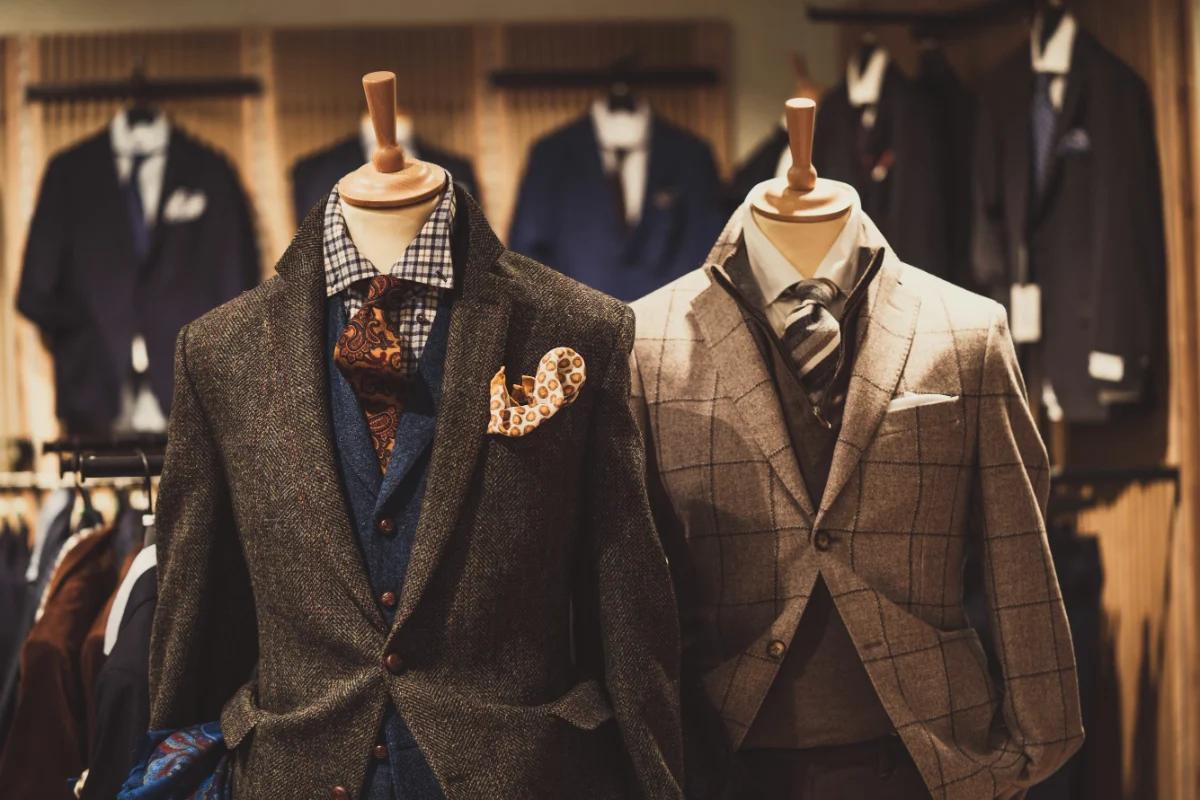
Burberry Group plc is a globally iconic luxury brand headquartered in London, UK, renowned for its classic trench coats, signature check pattern, and definition of British style. Its business spans high-end ready-to-wear, leather goods and handbags, footwear, and accessories, sold directly to consumers through a network of approximately 425 company-owned stores worldwide. With FY2024 revenue of £3.0 billion, the company is undergoing a profound brand transformation under Creative Director Daniel Lee, aiming to fuse its deep British heritage with contemporary design to reshape its modern luxury appeal and drive future growth.
Strengths: Burberry's core strengths are its unmatched brand recognition and deep heritage—the iconic trench coat and check are globally recognized cultural symbols—and the clear, cohesive transformation strategy demonstrated through product renewal, retail upgrades, and targeted marketing.
Weaknesses: The company's main weaknesses are the yet-to-be-fully-proven commercial success of its brand renewal strategy, particularly amid a challenging global luxury consumption environment; over-reliance on the Asia-Pacific market (especially China), making it vulnerable to regional economic and consumer sentiment swings; and significant pressure in the highly competitive leather goods and ready-to-wear markets.
Burberry
Burberry
Brand Name
London, United Kingdom
Address
1856
Founded
87K+
Number of Employees
50+ Countries
Business Scope
425+ Stores
Production Base
Official Website
Men's Clothing Industry
Men's Tops Industry
Men's Outerwear Industry
Men's Bottoms Industry
Men's Formalwear Industry
Women's Clothing Industry
Women's Tops Industry
Dresses & Skirts Industry
Women's Outerwear Industry
Women's Pants Industry
Formalwear Industry
Footwear Industry
Men's Shoes Industry
Women's Shoes Industry
Luggage & Accessories Industry
Handbags Industry
Luggage Industry
Wallets & Card Holders Industry
Fashion Accessories Industry
Head Accessories Industry
Neck Accessories Industry
Waist Belts Industry
Wrist & Hand Industry
Men's Clothing Industry
Men's Tops Industry
Men's Outerwear Industry
Men's Bottoms Industry
Men's Formalwear Industry
Women's Clothing Industry
Women's Tops Industry
Dresses & Skirts Industry
Women's Outerwear Industry
Women's Pants Industry
Formalwear Industry
Footwear Industry
Men's Shoes Industry
Women's Shoes Industry
Luggage & Accessories Industry
Handbags Industry
Luggage Industry
Wallets & Card Holders Industry
Fashion Accessories Industry
Head Accessories Industry
Neck Accessories Industry
Waist Belts Industry
Wrist & Hand Industry

Yves Saint Laurent SAS ( YSL )

Yves Saint Laurent SAS is a globally top-tier luxury house under the French Kering Group, defining contemporary avant-garde luxury with its iconic “rock, modern, sexy” aesthetic. Under the creative direction of Anthony Vaccarello and through production outsourced to top-tier European manufacturers, the brand leverages the group's retail network to offer a complete portfolio including sharply tailored ready-to-wear, iconic handbags (e.g., Niki, Cassandra), premium footwear, and beauty & fragrance. As a benchmark for growth and profitability within Kering, Saint Laurent's revenue is estimated to exceed €3 billion in 2024. It maintains its position at the pinnacle of global designer brands through its impeccable brand image, formidable hit-making capability, and exceptional financial performance.
Strengths: Saint Laurent's core strengths are its powerful, consistent, and emotionally resonant avant-garde brand image, which perfectly merges rock ‘n’ roll spirit with supreme craftsmanship; concurrently, the brand demonstrates top-tier profitability and exceptional hit-making capability, with its handbags and beauty products acting as high-margin engines driving unprecedented commercial success.

Weaknesses: Saint Laurent's main weaknesses are the inherent pressure to maintain its exceptionally high growth rate and continuous creative novelty after achieving massive commercial scale; its growth is heavily reliant on consumer demand in key markets (notably China), making it vulnerable to geo-economic fluctuations, and it faces intensified competition from giants like LVMH across all core product categories.
YSL
YSL
Brand Name
Paris, France
Paris, France
Address
1961
Founded
6K+
Number of Employees
80+ Countries
Business Scope
300+ Stores
Global Stores
Official Website
Men's Clothing Industry
Men's Tops Industry
Men's Outerwear Industry
Men's Bottoms Industry
Men's Formalwear Industry
Women's Clothing Industry
Women's Tops Industry
Dresses & Skirts Industry
Women's Outerwear Industry
Women's Pants Industry
Formalwear Industry
Footwear Industry
Men's Shoes Industry
Women's Shoes Industry
Luggage & Accessories Industry
Backpacks Industry
Handbags Industry
Luggage Industry
Wallets & Card Holders Industry
Intimates & Hosiery Industry
Women's Underwear Industry
Fashion Accessories Industry
Head Accessories Industry
Neck Accessories Industry
Waist Belts Industry
Men's Clothing Industry
Men's Tops Industry
Men's Outerwear Industry
Men's Bottoms Industry
Men's Formalwear Industry
Women's Clothing Industry
Women's Tops Industry
Dresses & Skirts Industry
Women's Outerwear Industry
Women's Pants Industry
Formalwear Industry
Footwear Industry
Men's Shoes Industry
Women's Shoes Industry
Luggage & Accessories Industry
Backpacks Industry
Handbags Industry
Luggage Industry
Wallets & Card Holders Industry
Intimates & Hosiery Industry
Women's Underwear Industry
Fashion Accessories Industry
Head Accessories Industry
Neck Accessories Industry
Waist Belts Industry

Nike, Inc.

Nike, Inc. is the world's leading sportswear and footwear giant, headquartered in Beaverton, Oregon, USA. As a publicly traded company on the NYSE (NKE), its core business focuses on Textile & Apparel, particularly athletic footwear, sportswear, and equipment, with "athletic shoes" as its absolute core, encompassing professional categories like basketball, running, training, and lifestyle collections. In 2025, Nike generated $46.31 billion in revenue, operating in approximately 170 countries with about 78,000 employees. Through its global network of around 545 contract factories (including 96 footwear factories), it produces over 450 million pairs of shoes annually, supported by more than 1.16 million supply chain workers. Leveraging its powerful brand (BSI 94.7), continuous innovation (e.g., Air cushioning), and DTC transformation, Nike continues to define global sports culture.
Strengths: Nike's core strength in Textile & Apparel lies in its formidable product innovation and brand moat centered on "athletic shoes." Through cutting-edge technologies like Air and Zoom, it sets professional sports equipment standards, while iconic athlete signature lines (e.g., Jordan, LeBron) build unparalleled cultural influence. Simultaneously, its asset-light model enables precise control over a global supply chain (over 545 contract factories) and a successful DTC strategy, ensuring market agility and premium brand pricing.
Weaknesses: Nike's main weaknesses stem from its asset-light model, leading to supply chain transparency issues and labor rights concerns, as well as over-reliance on footwear as its primary revenue driver, creating product portfolio concentration risk. In 2025, it lost market share in running to niche brands like On and Hoka, while facing intensified competition in Greater China from local players (Anta, Li Ning), revealing gaps in innovation speed and localization strategy amid fierce competition.
Nike
Nike
Brand Name
Beaverton, Washington County, Oregon, USA
Address
1964
Founded
78K+
Number of Employees
170+ Countries
Business Scope
545+ Contracted Factory
Global Full-category Cooperative Factory
Official Website
Men's Clothing Industry
Men's Sportswear Industry
Women's Clothing Industry
Women's Activewear Industry
Swimwear Industry
Footwear Industry
Athletic Shoes Industry
Luggage & Accessories Industry
Backpacks Industry
Specialty Bags Industry
Intimates & Hosiery Industry
Basic Hosiery Industry
Functional Socks Industry
Sports & Outdoor Gear Industry
Sports Apparel Industry
Footwear Industry
Performance Accessories Industry
Sports Equipment Industry
Kids & Baby Clothing Industry
Children's Everyday Wear Industry
Functional Wear Industry
Fashion Accessories Industry
Head Accessories Industry
Custom & Group Apparel Industry
Group Uniforms Industry
Personalized Gear Industry
Sustainable Fashion Industry
Recycled Fabrics Industry
Eco-Innovation Industry
Men's Clothing Industry
Men's Sportswear Industry
Women's Clothing Industry
Women's Activewear Industry
Swimwear Industry
Footwear Industry
Athletic Shoes Industry
Luggage & Accessories Industry
Backpacks Industry
Specialty Bags Industry
Intimates & Hosiery Industry
Basic Hosiery Industry
Functional Socks Industry
Sports & Outdoor Gear Industry
Sports Apparel Industry
Footwear Industry
Performance Accessories Industry
Sports Equipment Industry
Kids & Baby Clothing Industry
Children's Everyday Wear Industry
Functional Wear Industry
Fashion Accessories Industry
Head Accessories Industry
Custom & Group Apparel Industry
Group Uniforms Industry
Personalized Gear Industry
Sustainable Fashion Industry
Recycled Fabrics Industry
Eco-Innovation Industry

Women's Clothing Brands

There are no products to list in this category.

FAQ

Verity Rank is committed to delivering authentic, transparent, and verifiable industry insights. This ranking is not based on subjective opinions but on a rigorous multi-dimensional evaluation model. We systematically collect and cross-verify public data and authoritative information from global sources, conducting quantitative analysis on key dimensions for each company, including financial performance, market influence, supply chain control, consumer sentiment, and innovative sustainability. Our data sources include, but are not limited to: public financial filings of listed companies, reports from international market research authorities (e.g., Euromonitor, BrandZ), statistics from government and industry bodies, specialized research from leading universities and think tanks, as well as global public sentiment and search trend data integrated via AI technology. All data undergoes cleaning and weighted calculation to ensure the objectivity and neutrality of the final ranking, presenting you with a credible panorama of the industry.
Fast fashion refers to a business model that rapidly translates the latest fashion trends from the catwalk into affordable, mass-produced clothing available in stores. Key players like Zara and H&M excel at this by having incredibly agile supply chains, allowing new designs to hit shelves in as little as two weeks. While it democratizes style, this model is often criticized for its environmental impact due to resource-intensive production and textile waste, and for social concerns regarding manufacturing labor conditions. It has fundamentally reshaped consumer expectations, driving demand for constant newness and influencing how both high-street and luxury brands manage their own design and production cycles.
The women's apparel market consistently holds a larger share globally due to a combination of socio-cultural and economic factors. Traditionally, women face greater social pressure and have more occasions demanding varied outfits, from professional to social settings. The industry also caters to a wider range of body types and life stages (e.g., maternity wear). Economically, marketing heavily targets female consumers, and fast fashion has amplified consumption by offering low-cost, trend-driven pieces. While the men’s market is growing, especially in segments like athleisure, women‘s clothing benefits from higher purchase frequency, greater stylistic diversity, and a stronger cultural emphasis on fashion as a form of expression.
For clothing brands, ‘sustainable fashion‘ moves beyond a buzzword to encompass tangible actions across the entire product lifecycle. It means responsibly sourcing materials (like organic cotton or recycled polyester), reducing water and energy use in production, ensuring fair wages and safe conditions for workers, and designing for longevity and recyclability. Brands may obtain certifications (e.g., GOTS, BCI) and invest in innovative materials or circular models like clothing rental and repair. Ultimately, it’s about minimizing the environmental footprint and maximizing social equity, responding to growing consumer demand for transparency and ethical practices, though the industry still faces significant challenges in fully achieving these goals.
Women's clothing is highly diverse but can be broadly organized into key categories based on function and style. Core categories include: Tops (e.g., blouses, t-shirts, knitwear), Dresses & Skirts (from casual sundresses to formal gowns), Outerwear (coats, jackets, blazers), Pants & Bottoms (jeans, trousers, leggings, shorts), and Suits & Formalwear for professional or special occasions. Additionally, there are specialized segments like Activewear/Sportswear for fitness, Swimwear, Intimate Apparel, and Maternity Wear. Understanding these categories helps in navigating the market, from high-fashion runways to everyday retail.
Judging garment quality involves checking several tactile and visual details. First, examine the fabric: natural fibers like high-grade cotton, silk, or wool often indicate better durability and comfort. Check the weave for density and consistency. Second, look at the construction: seams should be straight, sturdy, and finished (not fraying); stitches should be even and tight. Check zippers, buttons, and buttonholes for smooth operation and secure attachment. Third, inspect the lining and finishing: a well-made piece often has a full lining, clean hemming, and patterns that align at the seams. While price isn‘t always a perfect indicator, very low-cost items often compromise on these aspects.