VerityRank

Top 10 Pharmaceutical Drug Manufacturers & Suppliers

HomeBiopharmaceutical ManufacturersTop 10 Pharmaceutical Drug Manufacturers & Suppliers

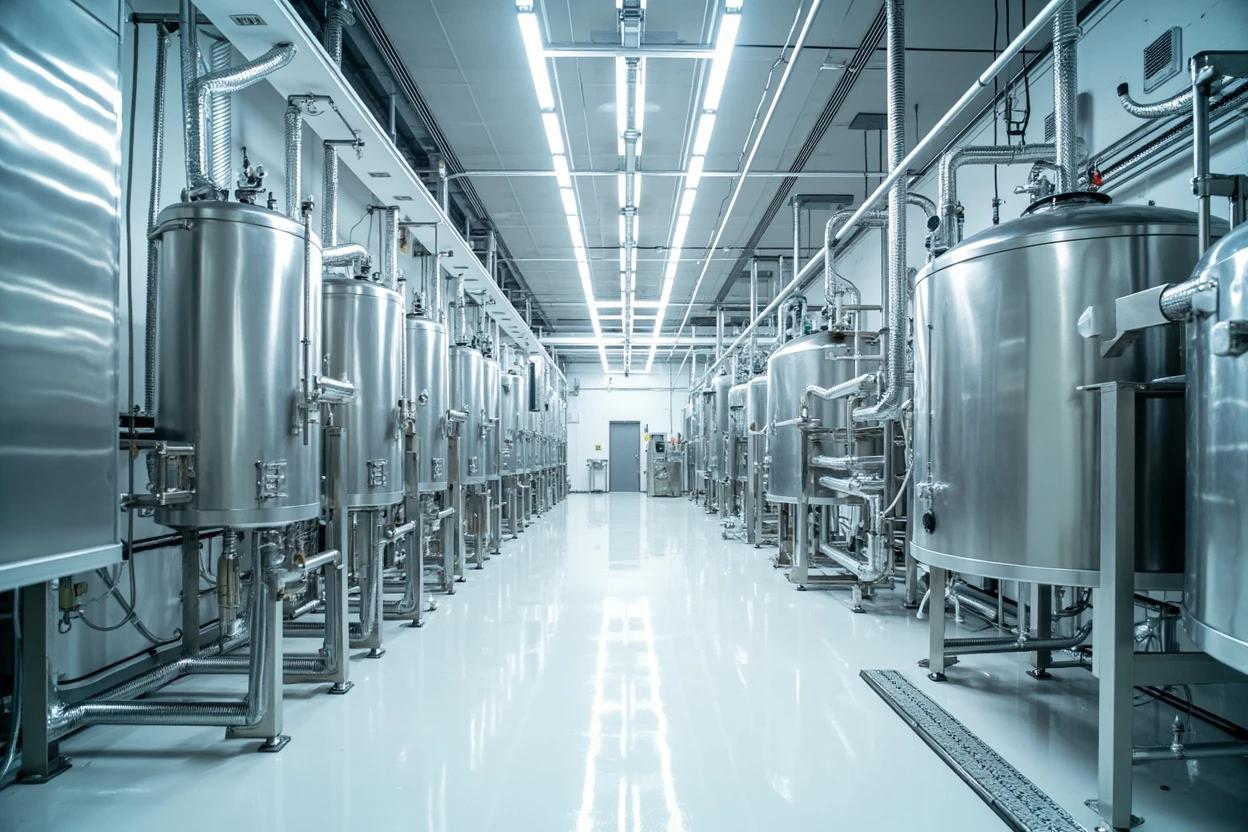
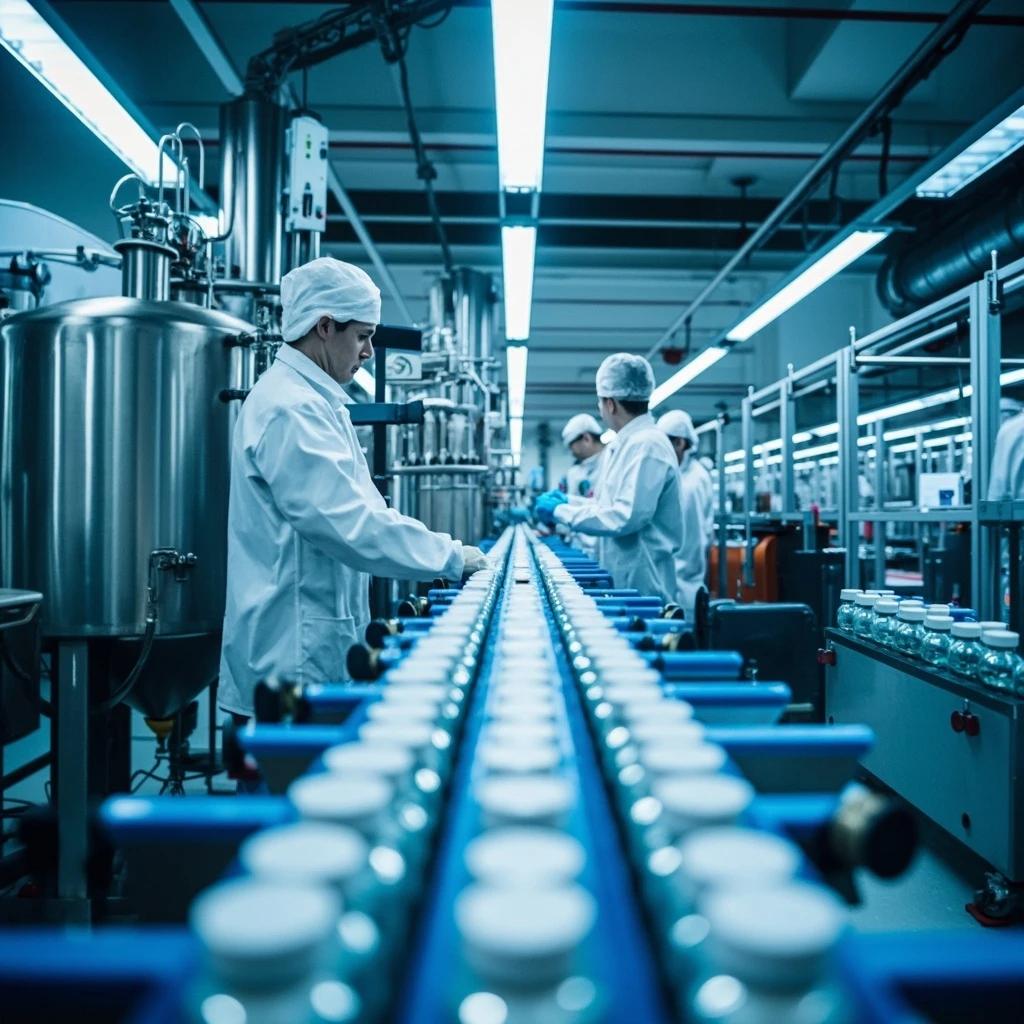
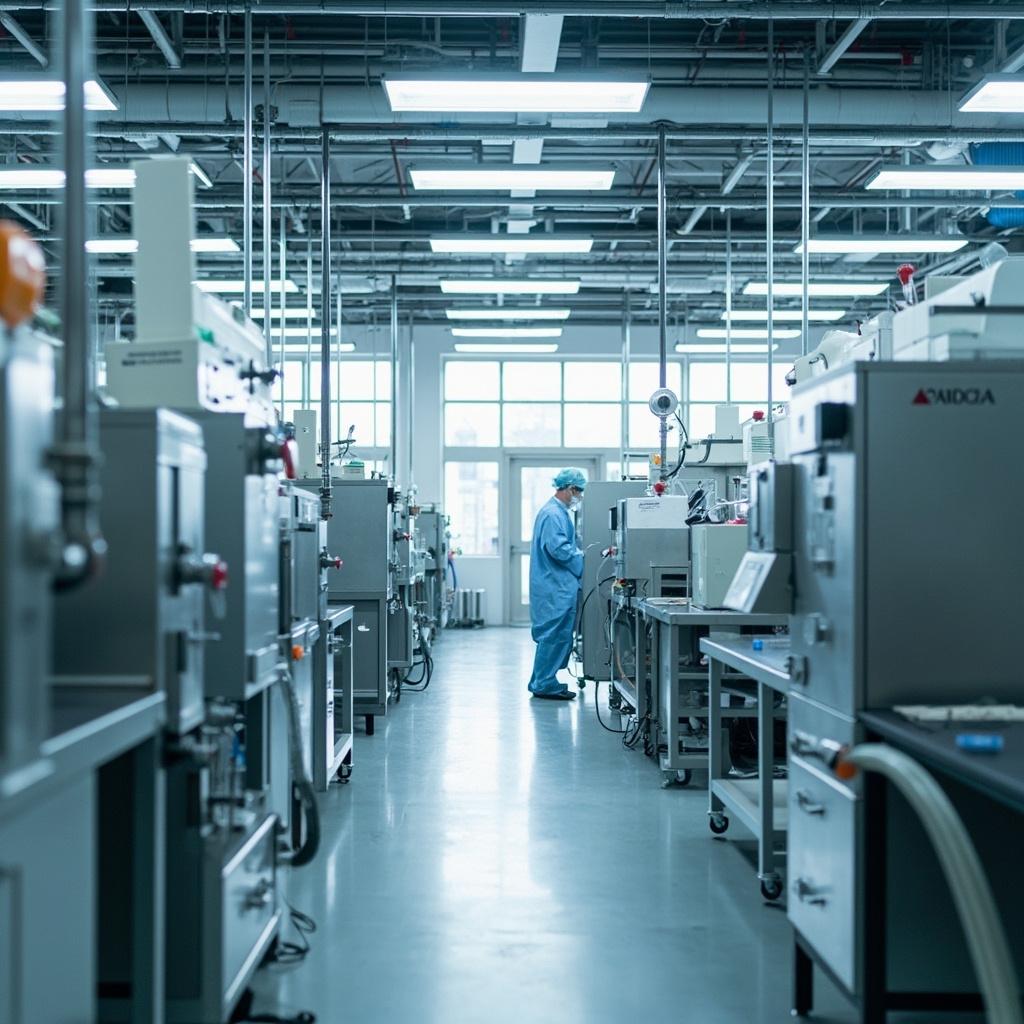
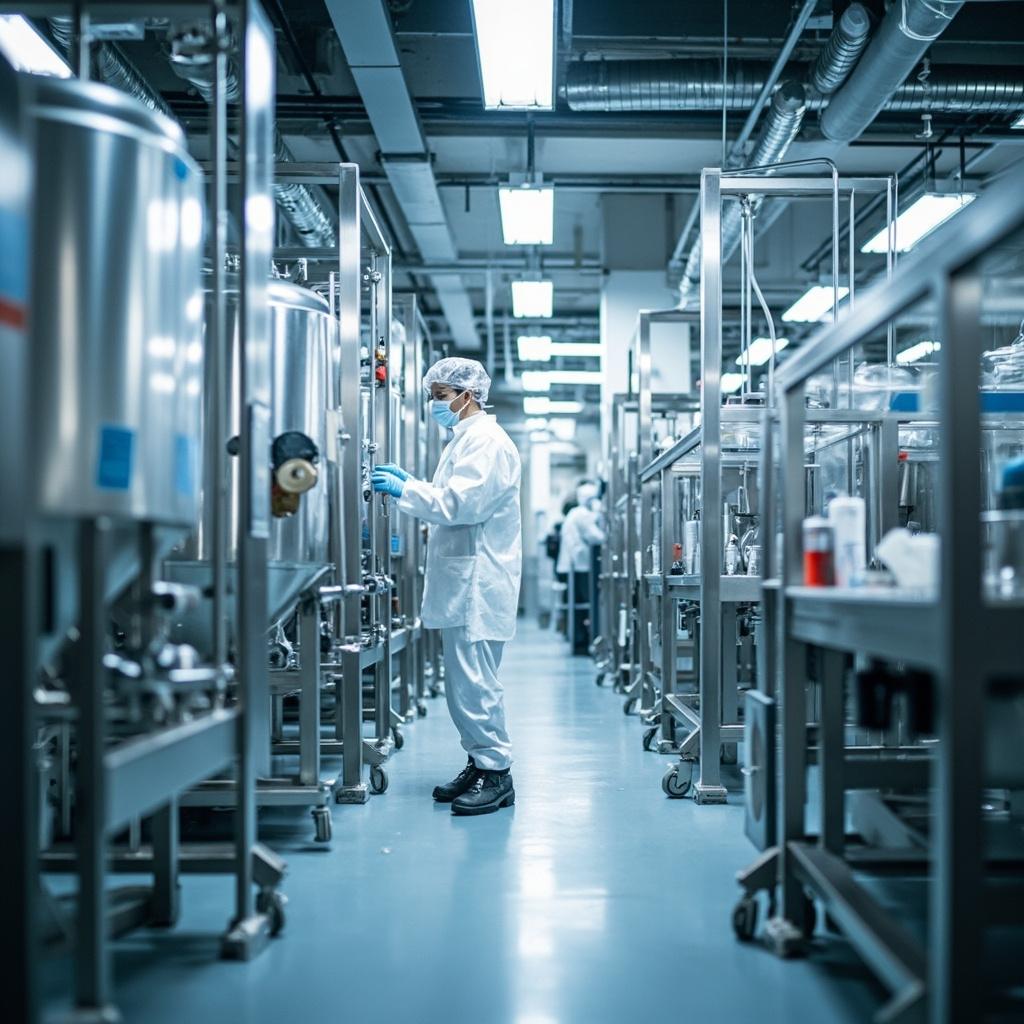
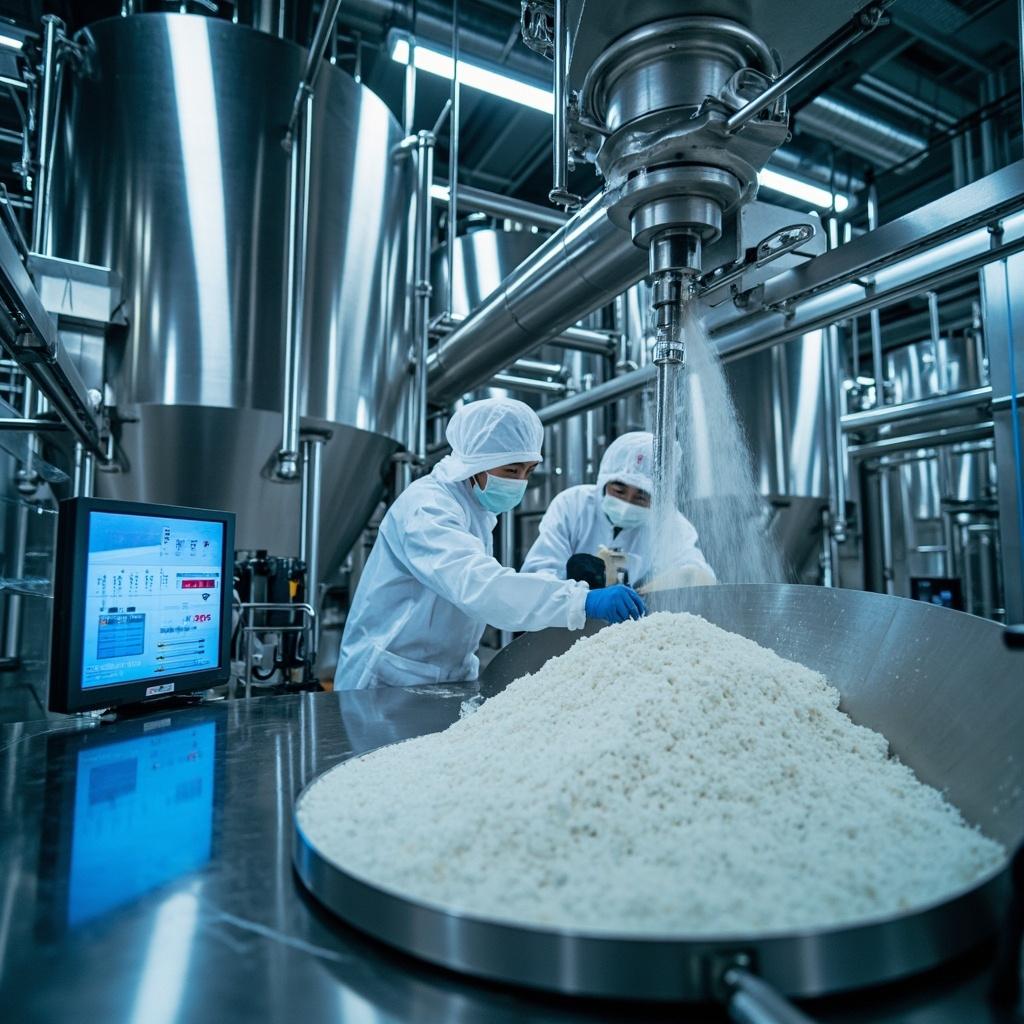
The global pharmaceutical drug manufacturing industry is undergoing a historic transformation as Big Pharma shifts from outsourced CDMO dependence to massive self-owned production capacity. In 2025, the world's top pharmaceutical manufacturers are investing hundreds of billions of dollars in new API synthesis facilities, biologics production plants, and continuous manufacturing platforms—fundamentally reshaping the $1.6 trillion global pharmaceutical supply chain. This ranking evaluates the top 10 pharmaceutical drug manufacturers based on four equally weighted criteria: production scale and self-manufacturing capability (25%), supply chain reach and global factory footprint (25%), technological integration and manufacturing innovation (25%), and sustainability and regulatory compliance (25%).

The competitive landscape is defined by unprecedented capital deployment. Roche's $50 billion US manufacturing commitment, Johnson & Johnson's sprawling global factory network, and Eli Lilly's multi-billion-dollar GLP-1 production expansion exemplify the industry's pivot toward heavy-asset, vertically integrated manufacturing. Meanwhile, Chinese champion Jiangsu Hengrui Pharmaceuticals has emerged as Asia's most formidable independent drug manufacturer, mastering the entire value chain from active pharmaceutical ingredient (API) synthesis to final fill-finish.

Our Ranking Methodology

VerityRank evaluates pharmaceutical drug manufacturers across four equally weighted dimensions:

Production Scale (25%): Annual production output, number of manufacturing facilities, bioreactor capacity, and self-manufacturing ratio versus contract manufacturing dependence.

Supply Chain Reach (25%): Geographic distribution of factories, cold chain logistics networks, and ability to supply 100+ country markets.

Technological Integration (25%): Adoption of continuous manufacturing, digital twin technology, modular production platforms, and advanced aseptic processing capabilities.

Sustainability & Compliance (25%): cGMP compliance record, FDA/EMA inspection history, environmental sustainability metrics, and green chemistry initiatives.

Disclaimer: The data in this ranking is compiled from third-party authoritative sources including annual reports, SEC filings, corporate sustainability reports, FDA inspection databases, and industry publications. Rankings reflect publicly available information as of May 2025 and are subject to change. This ranking does not constitute investment advice.

Top 10 Rankings

2026.05 Edition
1
Johnson & Johnson (J&J)

Johnson & Johnson (J&J)

Johnson & Johnson is the world's largest and most diversified healthcare manufacturer, operating an integrated network of 80+ pharmaceutical and medical device production sites across more than 150 countries. Following the separation of its consumer health division (Kenvue), J&J has concentrated its manufacturing resources on high-barrier-to-entry product lines—complex monoclonal antibodies for oncology and immunology (including Darzalex for multiple myeloma and Tremfya for inflammatory diseases), cardiovascular interventional devices, orthopedic implants, and surgical robotic systems. The company's FY2025 revenue reached approximately $94.2 billion, solidifying its position as the largest healthcare enterprise globally. J&J's manufacturing capabilities span chemical pharmaceutical preparations, biologic drug substances and sterile fill-finish, medical devices and diagnostics, surgical consumables, and advanced robotic surgery platforms—a breadth of in-house production that no other healthcare company can match. The company has accelerated digitalization and automation across its manufacturing network, deploying AI-driven quality control systems and predictive maintenance platforms to reduce deviation rates and improve overall equipment effectiveness (OEE).

Strengths: Unmatched manufacturing breadth: J&J operates across five of the ten core biopharmaceutical manufacturing categories with fully owned production facilities, providing natural risk diversification that competitors cannot replicate. Scale economics: With $94.2 billion in annual revenue and 80+ manufacturing sites, J&J achieves procurement, quality system, and technology transfer economies that reduce unit production costs across its portfolio. Regulatory track record: J&J's manufacturing sites maintain strong compliance histories with FDA, EMA, and other global regulators, supported by a centralized quality management system that enforces consistent standards across all facilities.

Weaknesses: Litigation overhang: Ongoing talc-related product liability litigation and associated financial reserves have diverted management attention and capital from manufacturing innovation investments. Patent cliff exposure: Key immunology products including Stelara face biosimilar competition beginning in 2025-2026, requiring manufacturing network rebalancing as volumes shift. Integration complexity: The continuous cycle of acquisitions (including Shockwave Medical, V-Wave, and other medtech targets) demands ongoing manufacturing site integration and quality system harmonization that consumes significant organizational resources.

Brand

J&J

Founded

1886

Workforce

135K+

Presence

150+ Countries

Facilities

80+ Manufacturing Sites

Headquarters

United States

Market

NYSE: JNJ
Key Product Categories
Biopharmaceutical CompaniesChemical Pharmaceutical Preparations IndustryFever Reducers & Pain Relievers IndustrySkin Medications (Topical) IndustryBiological Products & Vaccines IndustryCancer Immunotherapy IndustryBiopharmaceutical ManufacturersChemical Pharmaceutical Preparations IndustryFever Reducers & Pain Relievers IndustrySkin Medications (Topical) IndustryBiopharmaceutical CompaniesChemical Pharmaceutical Preparations IndustryFever Reducers & Pain Relievers IndustrySkin Medications (Topical) IndustryBiological Products & Vaccines IndustryCancer Immunotherapy IndustryBiopharmaceutical ManufacturersChemical Pharmaceutical Preparations IndustryFever Reducers & Pain Relievers IndustrySkin Medications (Topical) Industry
2
F. Hoffmann-La Roche AG

F. Hoffmann-La Roche AG

Roche is the world's largest biotechnology company and the undisputed leader in integrated pharmaceutical-diagnostics manufacturing, operating 15 pharmaceutical factories and 20 diagnostic production sites globally. The company's unique dual-engine business model—generating CHF 47.7 billion from pharmaceuticals and CHF 13.8 billion from diagnostics in FY2025, for a combined CHF 61.5 billion (~$74 billion)—creates manufacturing synergies in personalized healthcare that no pure-play pharmaceutical company can replicate. Roche/Genentech's biologics manufacturing prowess is anchored in large-scale mammalian cell culture for monoclonal antibodies (including oncology franchises Perjeta, Tecentriq, and Hemlibra), supported by $50 billion in committed US manufacturing investment over the next five years—the largest single capital commitment in pharmaceutical manufacturing history. In August 2025, Genentech broke ground on a $700+ million, 65,000-square-meter sterile fill-finish facility in Holly Springs, North Carolina, purpose-built for GLP-1 and next-generation peptide manufacturing. The company is simultaneously investing $550 million to transform its Indianapolis campus into a continuous glucose monitoring (CGM) device manufacturing and distribution hub, demonstrating its commitment to maintaining in-house production across both therapeutics and diagnostics.

Strengths: Pharma-diagnostics manufacturing synergy: Roche's ability to co-develop companion diagnostics alongside biologic therapeutics creates an integrated production quality loop—diagnostic manufacturing quality directly enables therapeutic efficacy through precise patient stratification. Capital commitment scale: The $50 billion US manufacturing investment program represents a generational bet on autonomous production capacity that will create durable competitive advantages in biologics, peptides, and diagnostics manufacturing for decades. Technology platform depth: Roche operates across monoclonal antibodies, bispecific antibodies, small molecules, tissue diagnostics, molecular diagnostics, and CGM devices—a manufacturing technology portfolio that provides resilience against single-platform disruption.

Weaknesses: Biosimilar exposure: Legacy oncology biologics (Herceptin, Avastin, Rituxan) face established biosimilar competition that has eroded manufacturing volumes and will require facility repurposing. Currency sensitivity: With the majority of manufacturing based in Switzerland and significant CHF-denominated costs, the strong Swiss franc creates structural margin pressure on exported products. Pipeline-to-manufacturing translation risk: The shift towards GLP-1/peptide manufacturing (Holly Springs facility) and CGM devices (Indianapolis campus) requires building entirely new manufacturing competencies outside Roche's traditional monoclonal antibody core.

Brand

Roche

Founded

1896

Workforce

100K+

Presence

150+ Countries

Facilities

15 Pharma + 20 Diagnostics

Headquarters

Switzerland

Market

SIX: ROG
Key Product Categories
Biopharmaceutical CompaniesBiological Products & Vaccines IndustryCancer Immunotherapy IndustryInfluenza Vaccines IndustryGrowth & Rare Disease Biologics IndustryAutoimmune & Inflammatory Disease Biologics IndustryBiopharmaceutical ManufacturersBiological Products & Vaccines IndustryCancer Immunotherapy IndustryInfluenza Vaccines IndustryBiopharmaceutical CompaniesBiological Products & Vaccines IndustryCancer Immunotherapy IndustryInfluenza Vaccines IndustryGrowth & Rare Disease Biologics IndustryAutoimmune & Inflammatory Disease Biologics IndustryBiopharmaceutical ManufacturersBiological Products & Vaccines IndustryCancer Immunotherapy IndustryInfluenza Vaccines Industry
3
Eli Lilly and Company

Eli Lilly and Company

Eli Lilly has executed the most aggressive manufacturing capacity expansion in pharmaceutical history, committing over $21 billion to Indiana-based manufacturing sites alone while simultaneously building global production capability across 10 countries. The company's FY2025 revenue surged to approximately $65.2 billion, driven by the extraordinary commercial success of its GLP-1/GIP receptor agonist portfolio—Mounjaro and Zepbound together generated over $36.5 billion in annual sales. Lilly's manufacturing strategy represents a fundamental rejection of the CDMO-dependent model: the company's Lebanon, Indiana API facility (initial and follow-on investments exceeding $4.5 billion) will be the largest active pharmaceutical ingredient manufacturing site in United States history upon full commissioning in 2027. The facility is purpose-built for solid-phase peptide synthesis at unprecedented scale, incorporating continuous chromatography systems, automated lyophilization suites, and integrated sterile fill-finish lines for auto-injector devices. Lilly has simultaneously opened its first dedicated genetic medicine manufacturing facility, establishing in-house production capability for RNA-based therapeutics and gene therapies that positions the company for the next wave of pharmaceutical innovation. The company's manufacturing workforce has expanded dramatically to support this buildout, with approximately 58,000 employees globally and 17% dedicated to research and development.

Strengths: GLP-1 manufacturing scale leadership: Lilly's multi-billion-dollar peptide synthesis infrastructure—combining solid-phase peptide synthesis, preparative HPLC purification, and automated fill-finish—creates manufacturing barriers that competitors will require years and billions of dollars to match. Vertical integration depth: From API synthesis through device assembly, Lilly controls the entire GLP-1 manufacturing chain, eliminating the quality and supply risks inherent in multi-vendor outsourcing models. Genetic medicine manufacturing capability: The new dedicated genetic medicine facility provides an early-mover advantage in RNA and gene therapy production—platforms expected to represent significant pharmaceutical manufacturing volume by 2030.

Weaknesses: Single-platform concentration risk: The extraordinary capital concentration in GLP-1 peptide manufacturing creates exposure to competitive displacement, pricing pressure, or therapeutic paradigm shifts that could strand specialized assets. Execution risk at unprecedented scale: Simultaneously building, qualifying, and operating multiple greenfield manufacturing sites strains talent pipelines, quality system maturity, and organizational bandwidth. Auto-injector device supply chain dependency: While Lilly has internalized API and fill-finish, device component manufacturing (injection-molded parts, spring mechanisms, needle assemblies) remains partially dependent on external suppliers.

Brand

Lilly

Founded

1876

Workforce

58K+

Presence

120+ Countries

Facilities

15 Manufacturing Sites (10 Countries)

Headquarters

United States

Market

NYSE: LLY
Key Product Categories
Biopharmaceutical CompaniesChemical Pharmaceutical Preparations IndustryCardiovascular & Blood Medicines IndustryAntidiabetic Drugs IndustryBiological Products & Vaccines IndustryDiabetes Biologics IndustryBiopharmaceutical ManufacturersChemical Pharmaceutical Preparations IndustryCardiovascular & Blood Medicines IndustryAntidiabetic Drugs IndustryBiopharmaceutical CompaniesChemical Pharmaceutical Preparations IndustryCardiovascular & Blood Medicines IndustryAntidiabetic Drugs IndustryBiological Products & Vaccines IndustryDiabetes Biologics IndustryBiopharmaceutical ManufacturersChemical Pharmaceutical Preparations IndustryCardiovascular & Blood Medicines IndustryAntidiabetic Drugs Industry
4
Merck & Co., Inc.

Merck & Co., Inc.

Merck & Co. operates one of the world's most sophisticated biologic and vaccine manufacturing networks, with over 50 global production sites supporting the pharmaceutical industry's single most valuable product franchise. The company's FY2025 revenue reached approximately $65 billion, anchored by Keytruda (pembrolizumab)—the world's best-selling pharmaceutical product at $31.68 billion in annual sales across 30+ approved indications—and the Gardasil HPV vaccine franchise at $5.23 billion. Merck's manufacturing infrastructure reflects these two pillars: large-scale mammalian cell culture capacity for monoclonal antibody production (fed-batch bioreactors at 15,000-20,000 liter scale with multi-column Protein A chromatography purification trains) and complex vaccine manufacturing platforms encompassing virus-like particle (VLP) production in yeast expression systems, adjuvant formulation, and aseptic filling. The company's animal health division adds a sixth biopharmaceutical manufacturing category, operating dedicated veterinary vaccine and parasiticide production facilities that contributed $6.4 billion in FY2025 revenue. Merck is strategically expanding its ADC manufacturing capability—building dedicated conjugation suites and cytotoxic containment facilities—to prepare for the post-Keytruda patent cliff in 2028, when the company will need new manufacturing platforms generating equivalent commercial volume.

Strengths: Keytruda manufacturing ecosystem: Merck has optimized its monoclonal antibody production network around Keytruda's specific process requirements over a decade of continuous improvement, achieving yield and consistency levels that would be difficult for a biosimilar entrant to replicate quickly. Vaccine manufacturing depth: The Gardasil VLP production platform—combining recombinant yeast fermentation, VLP assembly and purification, and adjuvant formulation—represents a specialized manufacturing competency with high barriers to entry. Manufacturing network scale: Fifty-plus owned production sites across human health and animal health provide geographic diversification, capacity redundancy, and technology transfer optionality that smaller manufacturing networks cannot match.

Weaknesses: Single-product manufacturing concentration: With Keytruda representing approximately 49% of total revenue, a significant portion of Merck's biologics manufacturing capacity is dedicated to a single product—creating catastrophic transition risk at patent expiry. ADC manufacturing buildout timeline: Building cytotoxic-capable conjugation facilities requires specialized engineering, containment validation, and workforce training that cannot be compressed beyond certain limits—the post-Keytruda pipeline requires manufacturing readiness on an aggressive timeline. Biosafety level requirements: Vaccine manufacturing at the Gardasil scale requires sustained investment in biosafety containment infrastructure that adds fixed cost overhead regardless of production volume.

Brand

Merck

Founded

1891

Workforce

68K+

Presence

140+ Countries

Facilities

50+ Manufacturing Sites

Headquarters

United States

Market

NYSE: MRK
Key Product Categories
Biopharmaceutical CompaniesChemical Pharmaceutical Preparations IndustryAntidiabetic Drugs IndustryBiological Products & Vaccines IndustryCancer Immunotherapy IndustryHPV Vaccines IndustryBiopharmaceutical ManufacturersChemical Pharmaceutical Preparations IndustryAntidiabetic Drugs IndustryBiological Products & Vaccines IndustryBiopharmaceutical CompaniesChemical Pharmaceutical Preparations IndustryAntidiabetic Drugs IndustryBiological Products & Vaccines IndustryCancer Immunotherapy IndustryHPV Vaccines IndustryBiopharmaceutical ManufacturersChemical Pharmaceutical Preparations IndustryAntidiabetic Drugs IndustryBiological Products & Vaccines Industry
5
Pfizer Inc.

Pfizer Inc.

Pfizer operates the pharmaceutical industry's most extensive manufacturing network, with 58 owned production sites—including 18 API plants, 32 finished dose facilities, and 8 dedicated vaccine manufacturing bases—distributed across six continents supporting $62.6 billion in FY2025 revenue. The company's manufacturing identity was forged in the COVID-19 pandemic, when Pfizer's mRNA vaccine production network scaled from zero to over 4 billion doses delivered in two years—an industrial achievement that demonstrated manufacturing agility and supply chain orchestration capability unmatched in pharmaceutical history. Post-pandemic, Pfizer has strategically redeployed its manufacturing capacity: the mRNA platform developed for Comirnaty is being adapted for influenza, shingles, and oncology applications; the $43 billion Seagen acquisition has been integrated with Pfizer's existing oncology manufacturing infrastructure, combining Seagen's ADC linker-payload technology with Pfizer's small molecule and biologic production sites; and the company's cost realignment program is optimizing global plant utilization while maintaining the surge capacity that proved critical during the pandemic. Pfizer's manufacturing breadth spans small molecule chemical synthesis (including the Eliquis anticoagulant franchise at $4.5 billion annual sales), large-scale recombinant protein production, mRNA-lipid nanoparticle manufacturing, sterile injectable fill-finish, and solid oral dose production—representing coverage across more biopharmaceutical manufacturing categories than any competitor.

Strengths: Manufacturing network scale and flexibility: With 58 owned facilities, 18 API plants, and 32 finished dose sites, Pfizer possesses the manufacturing redundancy and technology transfer optionality to redirect production across products and sites when supply disruptions or demand shifts occur. mRNA manufacturing platform: Pfizer's investment in mRNA production technology—including lipid nanoparticle formulation, cold chain logistics at -70°C for certain products, and rapid strain-change capability—represents a manufacturing platform with broad applicability beyond COVID-19. ADC manufacturing integration: The Seagen acquisition provides Pfizer with established ADC conjugation capability and cytotoxic containment infrastructure that would have required years to build independently.

Weaknesses: Post-COVID manufacturing overcapacity: Facilities built or expanded for Comirnaty and Paxlovid production face utilization challenges as COVID-specific demand declines, requiring repurposing that may not fully recover capital invested. Patent cliff exposure: Eliquis, Prevnar, and Ibrance face loss of exclusivity between 2026-2028, representing billions in manufacturing volume that must be replaced by pipeline products or external supply agreements. Cost realignment disruption: The multi-billion-dollar cost reduction program—involving plant consolidations, workforce reductions, and network optimization—risks disrupting the operational continuity and quality culture that underpin Pfizer's manufacturing reliability.

Brand

Pfizer

Founded

1849

Workforce

83K+

Presence

125+ Countries

Facilities

58 Manufacturing Facilities (18 API + 32 Finished Dose + 8 Vaccine)

Headquarters

United States

Market

NYSE: PFE
Key Product Categories
Biopharmaceutical CompaniesChemical Pharmaceutical Preparations IndustryCardiovascular & Blood Medicines IndustryAntidiabetic Drugs IndustryBiological Products & Vaccines IndustryCancer Immunotherapy IndustryBiopharmaceutical ManufacturersChemical Pharmaceutical Preparations IndustryCardiovascular & Blood Medicines IndustryAntidiabetic Drugs IndustryBiopharmaceutical CompaniesChemical Pharmaceutical Preparations IndustryCardiovascular & Blood Medicines IndustryAntidiabetic Drugs IndustryBiological Products & Vaccines IndustryCancer Immunotherapy IndustryBiopharmaceutical ManufacturersChemical Pharmaceutical Preparations IndustryCardiovascular & Blood Medicines IndustryAntidiabetic Drugs Industry
6
AbbVie Inc.

AbbVie Inc.

AbbVie has executed the pharmaceutical industry's most successful product transition in modern history—replacing over $160 billion in cumulative Humira revenue lost to biosimilar competition with next-generation immunology products Skyrizi ($17.6 billion in FY2025) and Rinvoq ($8.3 billion in FY2025) while simultaneously reshoring critical API manufacturing capacity to the United States. The company's FY2025 revenue reached approximately $61.2 billion, demonstrating that the post-Humira franchise is not merely surviving but thriving. AbbVie's manufacturing strategy centers on vertical integration of complex biologic production: the company has committed over $10 billion to US-based manufacturing expansion through 2035, including a $195 million expansion of chemical synthesis API capacity in North Chicago, Illinois—explicitly designed to reshore production of neuroscience, immunology, and oncology APIs previously manufactured by contract partners in Asia and Europe—and a $70 million biologics manufacturing and R&D expansion in Worcester, Massachusetts. Through the full integration of Allergan's manufacturing operations, AbbVie possesses the world's most sophisticated botulinum toxin production capability: the Botox manufacturing process—combining anaerobic bacterial fermentation of Clostridium botulinum, multi-step protein purification under biosafety level containment, and precision potency testing—represents one of the highest manufacturing complexity barriers in the entire pharmaceutical industry.

Strengths: Immunology manufacturing transition: AbbVie successfully transferred manufacturing resources, quality system focus, and supply chain infrastructure from the declining Humira franchise to the rapidly growing Skyrizi/Rinvoq portfolio without supply interruption—an operational achievement that many pharmaceutical companies have failed to execute during patent cliff transitions. Botox manufacturing exclusivity: The botulinum toxin manufacturing process—requiring specialized anaerobic fermentation, lethal toxin handling protocols, and extraordinary purification precision—creates a natural monopoly that biosimilar competition cannot easily breach. API reshoring momentum: The North Chicago API expansion represents a structural shift toward supply chain autonomy that will reduce geopolitical and quality risks over the coming decade.

Weaknesses: Dual-product concentration: With Skyrizi and Rinvoq representing a rapidly growing share of total revenue, the company's manufacturing network is increasingly concentrated around two molecules—creating a future transition risk analogous to the Humira dependency it just escaped. Aesthetics manufacturing singularity: The Botox franchise, while protected by extraordinary manufacturing complexity, represents a single-point-of-failure within the aesthetics division that has limited capacity redundancy. Reshoring execution cost: Building and qualifying new US-based API capacity while simultaneously maintaining supply from existing contract manufacturing relationships creates transitional cost layers that compress near-term manufacturing margins.

Brand

AbbVie

Founded

2012

Workforce

50K+

Presence

75+ Countries

Facilities

12 Manufacturing Facilities

Headquarters

United States

Key Product Categories
Biopharmaceutical CompaniesBiological Products & Vaccines IndustryCancer Immunotherapy IndustryAutoimmune & Inflammatory Disease Biologics IndustryRheumatoid Arthritis Drug IndustryPsoriasis Drug IndustryBiopharmaceutical ManufacturersBiological Products & Vaccines IndustryCancer Immunotherapy IndustryAutoimmune & Inflammatory Disease Biologics IndustryBiopharmaceutical CompaniesBiological Products & Vaccines IndustryCancer Immunotherapy IndustryAutoimmune & Inflammatory Disease Biologics IndustryRheumatoid Arthritis Drug IndustryPsoriasis Drug IndustryBiopharmaceutical ManufacturersBiological Products & Vaccines IndustryCancer Immunotherapy IndustryAutoimmune & Inflammatory Disease Biologics Industry
7
AstraZeneca PLC

AstraZeneca PLC

AstraZeneca PLC reinforced its status as the most glocalized of the pharmaceutical super-majors in FY2025, generating $58.7 billion in revenue (+8% at constant exchange rates) powered by simultaneous strength in oncology, CVRM, and rare disease portfolios. The company's 2025 performance was marked by extraordinary pipeline productivity: 16 positive Phase III readouts and 43 major regulatory approvals across global jurisdictions. AstraZeneca's China strategy has evolved beyond market access into deep industrial integration—a $15 billion commitment through 2030 aims to transform its Chinese operations into a global hub for cell therapy and radioconjugate manufacturing. The $1.2 billion upfront licensing deal (potential $18.5 billion total) for CSPC's preclinical GLP-1/GIP dual-agonist catapulted AstraZeneca into the metabolic disease arena. With 31 manufacturing sites across 16 countries, an independently operable dual-source supply system isolating Chinese and Western supply chains, and 80,000 employees (20,000+ in China alone), AstraZeneca has constructed a geopolitical risk-hedged operating model that competitors admire but struggle to replicate.

Strengths: The China dual-supply-chain strategy—maintaining completely independent, self-sufficient manufacturing and distribution networks in China and the West—represents the most sophisticated geopolitical risk management framework in the industry, insulating AstraZeneca from US-China decoupling scenarios that threaten competitors' single-source dependencies. Pipeline breadth across oncology (Tagrisso, Imfinzi, Enhertu partnership), CVRM (Farxiga), respiratory, rare disease, and now metabolic disease provides therapeutic diversification matched only by Roche and J&J. The 2025 productivity surge (16 positive Phase IIIs, 43 approvals) demonstrates clinical development execution at peak efficiency.

Weaknesses: The 2023-2024 China senior executive importation and data compliance scandal—though settled—left reputational scarring and elevated compliance oversight costs that continue to weigh on China operational agility. The CSPC obesity drug deal, while strategically necessary, came at an extraordinarily rich price for a Phase I asset, creating substantial binary risk. AstraZeneca's late entry into the GLP-1 metabolic market means competing against Lilly and Novo Nordisk's deeply entrenched physician prescribing habits and patient brand loyalty.

Brand

AstraZeneca

Founded

1999

Workforce

80,000+

Presence

130+ Countries

Facilities

31 core manufacturing bases across 16 countries

Headquarters

United Kingdom

Market

LSE/NYSE/STO: AZN

Key Product Categories
Pharmaceutical Drug CompaniesBiopharmaceutical CompaniesBiopharmaceutical ManufacturersChemical Pharmaceutical Preparations IndustryFever Reducers & Pain Relievers IndustryBiological Products & Vaccines IndustryCancer Immunotherapy IndustryAntidiabetic Drugs IndustryCardiovascular & Blood Medicines IndustryPharmaceutical Drug ManufacturersPharmaceutical Drug CompaniesBiopharmaceutical CompaniesBiopharmaceutical ManufacturersChemical Pharmaceutical Preparations IndustryFever Reducers & Pain Relievers IndustryBiological Products & Vaccines IndustryCancer Immunotherapy IndustryAntidiabetic Drugs IndustryCardiovascular & Blood Medicines IndustryPharmaceutical Drug Manufacturers
8
Novartis AG

Novartis AG

Novartis has executed the pharmaceutical industry's most distinctive manufacturing transformation—shedding the high-volume, low-complexity generics production of Sandoz to concentrate its 33 global manufacturing sites entirely on advanced therapeutic platforms where production complexity creates durable competitive moats. The company's FY2025 net sales reached $54.5 billion, driven by core innovative medicines including Cosentyx ($4.5 billion in immunology), Entresto ($3.5 billion in cardiovascular), and a rapidly growing radiopharmaceutical franchise. Novartis's strategic manufacturing differentiation lies in its leadership across three manufacturing paradigms that generic CDMOs cannot economically replicate: radioligand therapy (RLT) production—operating a network of regional manufacturing facilities (in California, Indiana, New Jersey, and Italy) that synthesize, conjugate, and distribute lutetium-177 and actinium-225-based therapies within the hours-long window dictated by isotope half-lives; CAR-T cell therapy manufacturing—producing Kymriah through patient-specific autologous cell processing at centralized facilities requiring parallel supply chains for viral vectors, cell processing, cryopreservation, and patient-specific logistics; and traditional large-molecule biologics—maintaining significant monoclonal antibody and therapeutic protein capacity. The company invests over $10.5 billion annually in R&D (19.4% of revenue), maintaining one of the industry's deepest pipelines with over 200 active development projects.

Strengths: RLT manufacturing monopoly characteristics: Novartis's regional radiopharmaceutical production network—requiring proximity to both isotope production (nuclear reactors/cyclotrons) and treatment centers, specialized radiation safety infrastructure, and just-in-time logistics—creates barriers to entry that will limit competition for years. CAR-T manufacturing experience curve: Having manufactured thousands of patient-specific Kymriah doses since the first CAR-T approval, Novartis has accumulated process knowledge, supply chain refinements, and regulatory relationships that late entrants cannot easily replicate. Portfolio balance: The combination of traditional biologics manufacturing (providing stable revenue and capacity utilization) with advanced therapy platforms (providing growth and differentiation) creates a manufacturing portfolio that is both commercially resilient and strategically forward-positioned.

Weaknesses: Manufacturing transition execution risk: The Sandoz spin-off required separating intertwined manufacturing operations, quality systems, and supply chains—a multi-year process with ongoing residual complexity. RLT capacity constraints: Isotope supply (particularly actinium-225) is inherently limited by nuclear reactor and cyclotron availability, creating a hard ceiling on RLT manufacturing growth that is outside Novartis's direct control. CAR-T manufacturing cost structure: Autologous cell therapy manufacturing—with per-patient production costs of $50,000-$100,000 before any margin—faces long-term pressure from allogeneic (off-the-shelf) approaches that promise dramatically lower manufacturing costs if technical barriers are solved.

Brand

Novartis

Founded

1996

Workforce

75K+

Presence

155+ Countries

Facilities

33 Manufacturing Sites

Headquarters

Switzerland

Market

SIX: NOVN
Key Product Categories
Biopharmaceutical CompaniesChemical Pharmaceutical Preparations IndustryCardiovascular & Blood Medicines IndustryAntidiabetic Drugs IndustryBiological Products & Vaccines IndustryCancer Immunotherapy IndustryBiopharmaceutical ManufacturersChemical Pharmaceutical Preparations IndustryCardiovascular & Blood Medicines IndustryAntidiabetic Drugs IndustryBiopharmaceutical CompaniesChemical Pharmaceutical Preparations IndustryCardiovascular & Blood Medicines IndustryAntidiabetic Drugs IndustryBiological Products & Vaccines IndustryCancer Immunotherapy IndustryBiopharmaceutical ManufacturersChemical Pharmaceutical Preparations IndustryCardiovascular & Blood Medicines IndustryAntidiabetic Drugs Industry
9
Sanofi S.A.

Sanofi S.A.

Sanofi operates one of the pharmaceutical industry's most geographically diversified manufacturing networks, with 45 owned production sites spanning Europe, North America, Asia, and emerging markets that support a €43.6 billion (~$53.9 billion) FY2025 revenue base. The French healthcare leader's manufacturing footprint reflects its distinctive three-pillar business structure: vaccines—producing influenza vaccines (global leader), pediatric combination vaccines, and travel vaccines across dedicated facilities with biosafety containment and egg-based and cell-based production platforms; specialty care—manufacturing Dupixent (€15.7 billion annual sales, the world's leading immunology biologic) and rare disease therapies including enzyme replacement treatments produced through sophisticated mammalian cell culture and purification processes; and consumer healthcare—operating dedicated OTC manufacturing lines for pain management, allergy, and digestive health products. Sanofi has committed at least $20 billion to US manufacturing expansion through 2030, signaling a strategic pivot toward onshoring production of high-value biologic and vaccine products that parallels the broader industry trend. The company's manufacturing workforce exceeds 15,000 across its global network, with 45 manufacturing sites, 20 R&D centers, and 15 logistics centers providing comprehensive production and distribution coverage.

Strengths: Vaccine manufacturing leadership: Sanofi's influenza vaccine production infrastructure—operating both egg-based (traditional) and cell-based (next-generation) manufacturing platforms across multiple facilities—provides pandemic preparedness capacity and seasonal supply reliability that governments prioritize in procurement decisions. Manufacturing geographic diversification: With 45 production sites distributed across Europe (35% of revenue), North America (30%), and emerging markets (25%), Sanofi's manufacturing network has inherent resilience against regional disruptions. Dupixent manufacturing platform: The fully in-house production of Dupixent—from CHO cell line-based API production through purification, formulation, and pre-filled syringe assembly—demonstrates Sanofi's capability to manufacture complex biologics at multi-billion-euro commercial scale.

Weaknesses: Legacy product manufacturing drag: Sanofi's established medicines portfolio (including diabetes products like Lantus facing biosimilar competition) occupies manufacturing capacity with declining volumes and margins, requiring facility repurposing that adds cost and complexity. Vaccine manufacturing volatility: Influenza vaccine production—dependent on seasonal strain selection, egg supply availability, and government tender cycles—introduces manufacturing planning variability that biologic drug production does not face. US manufacturing buildout timeline: The $20 billion commitment requires constructing, qualifying, and staffing multiple new facilities over a compressed timeline, competing for limited biopharmaceutical construction and engineering talent.

Brand

Sanofi

Founded

1973

Workforce

91K+

Presence

170+ Countries

Facilities

45 Manufacturing Sites

Headquarters

France

Key Product Categories
Biopharmaceutical CompaniesChemical Pharmaceutical Preparations IndustryAntidiabetic Drugs IndustryBiological Products & Vaccines IndustryDiabetes Biologics IndustryInfluenza Vaccines IndustryBiopharmaceutical ManufacturersChemical Pharmaceutical Preparations IndustryAntidiabetic Drugs IndustryBiological Products & Vaccines IndustryBiopharmaceutical CompaniesChemical Pharmaceutical Preparations IndustryAntidiabetic Drugs IndustryBiological Products & Vaccines IndustryDiabetes Biologics IndustryInfluenza Vaccines IndustryBiopharmaceutical ManufacturersChemical Pharmaceutical Preparations IndustryAntidiabetic Drugs IndustryBiological Products & Vaccines Industry
10
Jiangsu Hengrui Pharmaceuticals

Jiangsu Hengrui Pharmaceuticals Co., Ltd.

Jiangsu Hengrui Pharmaceuticals is China's largest innovative pharmaceutical company by market capitalization, operating 12 state-of-the-art GMP-compliant manufacturing facilities across China. Founded in 1970 in Lianyungang, Jiangsu Province, China, Hengrui has transformed from a generic pharmaceutical manufacturer into China's premier innovation-driven drug developer. With annual revenue of RMB 31.63 billion (~$4.45 billion, FY2025), the company employs 30,000 professionals including over 5,500 dedicated R&D scientists. Hengrui's innovative drug portfolio generated RMB 16.34 billion in sales (58.3% of total drug revenue), making it one of the few Chinese pharmaceutical companies where innovative products exceed generics—a milestone achieved through R&D investment of RMB 8.72 billion (27.6% of revenue) in FY2025.

Strengths:

Dominant Innovation Franchise: With 17 launched innovative drugs and over 100 new molecular entities (NMEs) in clinical development, Hengrui has built China's deepest innovative pipeline, ranking among the global top 2 by size of originated pipeline with approximately 20 potential first-in-class or best-in-class candidates entering clinical trials annually.

Unmatched R&D Intensity: Hengrui's R&D expenditure of RMB 8.72 billion (27.58% of revenue) in FY2025 exceeds most global pharmaceutical peers, funding 400+ clinical trials enrolling 22,000+ patients, spanning oncology (60%+ of pipeline), metabolic/cardiovascular, immunology, and neurology.

Global Deal Momentum: Since 2023, Hengrui has executed 12 out-licensing deals with global pharmaceutical partners totaling over $27 billion in aggregate deal value, validating its discovery capabilities through partnerships with Merck KGaA, Elevar Therapeutics, and other multinationals for assets including HRS-1167 (PARP1 inhibitor) and SHR-A1904 (Claudin18.2 ADC).

A+H Dual Listing: Listing on both the Shanghai Stock Exchange (SSE:600276) and Hong Kong Stock Exchange (HKEX:1276) provides access to both domestic Chinese and international capital markets, with a RMB 41 billion cash balance funding aggressive pipeline investment.

China Market Leadership: As the #1 pharmaceutical company in China by market capitalization and the #1 by number of NMEs, Hengrui operates an ~9,000-person commercial field force covering all 31 mainland Chinese provinces and penetrating tier-1 through tier-4 city hospitals.

Weaknesses:

Domestic Revenue Concentration: Despite global licensing deals, over 90% of Hengrui's product revenue remains generated in China, making the company highly vulnerable to centralized volume-based procurement (VBP) pricing pressures—Chinese generic drug prices have declined 50-90% under successive VBP rounds.

Limited International Commercial Infrastructure: Unlike global peers, Hengrui lacks a direct commercial presence in the United States and European markets, relying entirely on out-licensing partnerships for ex-China commercialization, which limits margin capture on international revenue.

Brand

Hengrui Pharma

Founded

1970

Workforce

30,000

Presence

Products distributed across all 31 provinces of China, with out-licensed products reaching global markets through international partners

Facilities

12 GMP-compliant manufacturing facilities in China

Headquarters

China

Key Product Categories
Pharmaceutical Drug CompaniesBiopharmaceutical CompaniesBiopharmaceutical ManufacturersChemical Pharmaceutical Preparations IndustryFever Reducers & Pain Relievers IndustrySkin Medications (Topical) IndustryCancer Immunotherapy IndustryAntidiabetic Drugs IndustryCardiovascular & Blood Medicines IndustryPharmaceutical Drug ManufacturersPharmaceutical Drug CompaniesBiopharmaceutical CompaniesBiopharmaceutical ManufacturersChemical Pharmaceutical Preparations IndustryFever Reducers & Pain Relievers IndustrySkin Medications (Topical) IndustryCancer Immunotherapy IndustryAntidiabetic Drugs IndustryCardiovascular & Blood Medicines IndustryPharmaceutical Drug Manufacturers

Frequently Asked Questions

How Are VerityRank's Manufacturer Rankings Compiled?
Our manufacturer rankings are built on verifiable production data, not marketing claims. At VerityRank, we combine quantitative manufacturing metrics with qualitative assessments to produce comprehensive, unbiased evaluations of the world's leading pharmaceutical drug manufacturers. Our research team analyzes data from multiple authoritative sources and applies a rigorous scoring framework.

Data Collection & Verification
We gather information from pharmaceutical companies' annual reports (10-K, 20-F filings), FDA and EMA inspection databases, corporate sustainability reports, manufacturing facility registrations, and industry publications including Pharmaceutical Technology, Contract Pharma, and FiercePharma. Each data point is cross-referenced across at least two independent sources before inclusion.

Scoring Framework
Companies are evaluated across four equally weighted dimensions: Production Scale (25%)—measuring annual output, number of manufacturing facilities, and bioreactor capacity; Supply Chain Reach (25%)—assessing geographic factory distribution and cold chain logistics; Technological Integration (25%)—evaluating continuous manufacturing adoption and digital twin technology; and Sustainability & Compliance (25%)—reviewing cGMP compliance, FDA/EMA inspection records, and environmental metrics. A composite score out of 100 is calculated.

Expert Review
Our preliminary rankings undergo review by industry analysts with pharmaceutical manufacturing expertise. This ensures our scoring accurately reflects real-world manufacturing capabilities rather than just financial metrics.

Transparency Commitment
All data sources used in our analysis are listed at the bottom of each ranking page with direct links. We encourage readers to verify our findings independently.

Important Disclaimer
This ranking reflects publicly available data as of May 2025. Manufacturing capabilities, regulatory status, and corporate strategies evolve continuously. VerityRank is an independent research initiative and is not affiliated with any pharmaceutical company. Our rankings do not constitute investment advice or product endorsements.
How Do Leading Drug Manufacturers Ensure Global Quality Control?
Global quality control in pharmaceutical manufacturing is one of the most rigorously regulated industrial processes on Earth, governed by a multi-layered system of international standards, national regulatory agencies, and internal corporate quality systems. For the top 10 pharmaceutical drug manufacturers ranked on this page, maintaining consistent product quality across dozens of manufacturing sites spanning multiple continents represents both an operational imperative and a existential business requirement—a single quality failure can trigger billion-dollar recalls, permanent reputational damage, and loss of patient trust.

The cGMP Foundation
At the core of pharmaceutical quality control lies Current Good Manufacturing Practice (cGMP) regulations, codified in the US under 21 CFR Parts 210 and 211 and in the EU under EudraLex Volume 4. These regulations mandate that manufacturers establish validated processes for every stage of production, from raw material receiving through final product release. Johnson & Johnson, for example, maintains over 50 manufacturing sites globally, each subject to the same unified Janssen Supply Chain quality management system—a standardized framework that ensures a tablet produced in Belgium meets identical specifications to one produced in Puerto Rico. The company's internal quality audits exceed 500 per year, complementing regular inspections by the FDA, EMA, PMDA (Japan), and NMPA (China).

Quality by Design (QbD) and Process Analytical Technology (PAT)
Modern pharmaceutical quality control has evolved beyond end-product testing toward Quality by Design (QbD), an approach pioneered in ICH Q8 guidelines that builds quality into the manufacturing process from development onward. Roche's continuous manufacturing platform for solid oral dosage forms exemplifies this philosophy: real-time Process Analytical Technology (PAT) sensors monitor critical quality attributes—tablet hardness, dissolution rate, API content uniformity—during production rather than after. This enables real-time release testing (RTRT), where batches are certified based on in-process data rather than laboratory testing of finished samples, dramatically reducing release cycle times while improving quality assurance.

Global Supply Chain Integrity
The globalization of pharmaceutical supply chains has introduced unprecedented complexity. A single blockbuster drug may incorporate APIs from China, excipients from India, packaging from Germany, and final assembly in the United States. Leading manufacturers address this through supplier qualification programs that audit every link in the chain. Pfizer's supplier quality management system, for instance, requires on-site audits of all critical raw material suppliers at least every three years, with higher-risk suppliers audited annually. The company's 2024 supplier audit program covered over 1,200 external manufacturing partners across 50 countries.

Regulatory Inspection Preparedness
Top manufacturers maintain permanent inspection readiness states—a philosophy that treats every day as if an FDA inspector might walk through the door. Novartis invests approximately $200 million annually in quality systems and employs over 8,000 quality professionals worldwide. Its "Quality Never Sleeps" program uses predictive analytics to identify sites at elevated risk of compliance issues before they trigger regulatory observations. After receiving an FDA Warning Letter for its Sandoz manufacturing sites in 2019, Novartis implemented a comprehensive remediation program that became a case study in proactive quality culture transformation.

The Digital Quality Revolution
The pharmaceutical industry is undergoing a digital transformation in quality management. Laboratory Information Management Systems (LIMS), electronic batch records (EBR), and blockchain-enabled supply chain traceability are replacing paper-based systems that dominated the industry for decades. Eli Lilly's $7 billion manufacturing expansion includes fully paperless quality management systems across all new facilities, with AI-powered deviation management that automatically classifies and routes quality events. AstraZeneca's "Quality 4.0" initiative deploys machine learning algorithms to analyze decades of batch records, identifying subtle process correlations that human analysts would never detect.

Pharmacovigilance and Post-Market Surveillance
Quality control extends far beyond the factory gate. Pharmacovigilance systems mandated by ICH E2E guidelines require manufacturers to continuously monitor adverse event reports, product complaints, and stability data throughout a drug's commercial life. AbbVie maintains a global safety database containing over 2 million individual case safety reports, analyzed by a dedicated team of 1,500 pharmacovigilance professionals. Any signal of a potential quality issue triggers a structured investigation that can cascade into field alerts, market withdrawals, or full recalls—the ultimate backstop ensuring that manufacturing quality translates into patient safety.
What Are the Key Manufacturing Trends Reshaping the Pharmaceutical Industry in 2025?
The pharmaceutical manufacturing landscape in 2025 is experiencing its most profound transformation since the advent of large-scale antibiotics production in the 1940s. Five interconnected trends are fundamentally reshaping how the world's top drug manufacturers design, build, and operate their production networks—with implications that will cascade through global healthcare systems for decades to come.

1. The Reshoring Revolution and Self-Manufacturing Pivot
The most significant trend of the 2024-2025 period is the dramatic reversal of two decades of outsourcing. After years of dependence on contract development and manufacturing organizations (CDMOs), Big Pharma is making unprecedented capital commitments to self-owned production capacity. Roche's announcement of a $50 billion US manufacturing investment represents the largest single manufacturing commitment in pharmaceutical history. Eli Lilly has committed over $23 billion to new manufacturing facilities since 2020, primarily for GLP-1 drug production. Johnson & Johnson is investing $55 billion in US-based manufacturing and R&D over the next four years. This reshoring wave is driven by three factors: supply chain vulnerabilities exposed during the COVID-19 pandemic, geopolitical tensions threatening API supply from China and India, and the Biden administration's CHIPS and Science Act-inspired incentives for domestic pharmaceutical manufacturing through the Biosecure Act.

2. Continuous Manufacturing Goes Mainstream
After a decade of pilot projects and regulatory encouragement, continuous manufacturing (CM) has crossed the chasm from experimental technology to commercial reality. Unlike traditional batch manufacturing—where production stops between each step—continuous processes feed raw materials in at one end and produce finished drug products at the other in an uninterrupted flow. The FDA has actively championed this transition, establishing an Emerging Technology Program that fast-tracks CM applications. Vertex Pharmaceuticals' ORKAMBI and SYMDEKO were among the first FDA-approved continuously manufactured drugs. In 2025, at least 15 commercial drug products are manufactured using continuous processes, up from just 4 in 2020. The benefits are transformative: 50-70% reduction in manufacturing footprint, 80% reduction in production cycle times, and real-time quality assurance through integrated PAT sensors that eliminate the 2-6 week wait for batch release testing.

3. Digital Twins and AI-Driven Smart Factories
The pharmaceutical industry is deploying digital twin technology—virtual replicas of physical manufacturing facilities—to simulate, optimize, and predict production outcomes before committing physical resources. Pfizer's digital twin program at its Kalamazoo, Michigan sterile injectables facility has reduced process development time by 40% and decreased failed batches by 25%. These virtual models integrate real-time sensor data with computational fluid dynamics, enabling engineers to simulate "what-if" scenarios—changing a mixing speed, adjusting temperature ramps—without risking actual product. Combined with machine learning algorithms trained on decades of batch records, smart factories are achieving unprecedented levels of process understanding. AstraZeneca's "Factory of the Future" concept deploys AI across every manufacturing function: predictive maintenance that reduces equipment downtime by 30%, computer vision systems that inspect 100% of filled vials at line speed, and reinforcement learning algorithms that continuously optimize bioreactor conditions for cell culture-based biologics production.

4. mRNA and Nucleic Acid Platform Technologies
The COVID-19 mRNA vaccines didn't just save millions of lives—they validated an entirely new manufacturing paradigm. mRNA platform technology enables production of entirely different drug products using substantially the same manufacturing process, equipment, and facilities. Unlike traditional biologics manufacturing, which requires bespoke processes for each new molecule, mRNA production involves a standardized enzymatic reaction followed by lipid nanoparticle encapsulation. This platform approach is now being applied beyond vaccines to cancer therapeutics (Moderna's individualized neoantigen therapy), rare disease treatments, and protein replacement therapies. The manufacturing implications are profound: a single flexible facility can produce dozens of different mRNA drug products with rapid changeover, dramatically improving capital efficiency. Pfizer-BioNTech's original COVID-19 vaccine facility in Kalamazoo has been retrofitted as a multi-product mRNA manufacturing center capable of producing pandemic vaccines, seasonal flu vaccines, and personalized cancer vaccines on the same production lines.

5. Green Chemistry and Sustainable Manufacturing
Pharmaceutical manufacturing has historically been one of the most environmentally intensive industrial sectors, generating 100-200 kg of waste per kg of API produced. Green chemistry principles are now being integrated into manufacturing process design from first principles. Merck's redesigned synthesis of Januvia (sitagliptin), a blockbuster diabetes drug, eliminated 220 pounds of waste per pound of product and increased overall yield by 56%—demonstrating that sustainability and economics are aligned, not opposed. The ACS Green Chemistry Institute Pharmaceutical Roundtable, which includes all top 10 manufacturers on this ranking, has committed to achieving a 50% reduction in process mass intensity by 2030. Sanofi's new "Evolutive Vaccine Facility" in Singapore is designed as a carbon-neutral manufacturing site powered entirely by renewable energy, with closed-loop water systems and solvent recovery processes that achieve 95% solvent reuse rates. The EU's upcoming revisions to the Industrial Emissions Directive will further accelerate this trend by imposing stricter environmental performance standards on pharmaceutical manufacturing facilities.
How Should Procurement Professionals Evaluate Pharmaceutical Drug Suppliers?
Selecting pharmaceutical drug suppliers is arguably the highest-stakes procurement decision in any industry. Unlike consumer goods where supplier failure means inventory shortages, pharmaceutical supplier failure can mean patient harm, regulatory enforcement actions, and existential business risk. For hospital systems, government health agencies, wholesale distributors, and pharmaceutical companies seeking CDMO partners, a structured evaluation framework is essential.

Regulatory Compliance as the Non-Negotiable Baseline
The first and most critical evaluation criterion is regulatory standing. Procurement teams should verify that any prospective supplier holds valid manufacturing authorizations from the regulatory authorities in their target markets. For the US market, this means confirming the facility is registered with the FDA and has no outstanding Warning Letters, import alerts, or consent decrees. The FDA's publicly accessible inspection database provides classification of all inspections since 2009. For the EU market, verification of GMP certificates issued by competent authorities within the EudraGMDP database is essential. Procurement professionals should also request the supplier's last three regulatory inspection reports, paying particular attention to any repeat observations indicating systemic quality system failures. A supplier with a history of FDA Official Action Indicated (OAI) classifications should be approached with extreme caution regardless of pricing advantages.

Manufacturing Capability and Capacity Assessment
Beyond regulatory compliance, procurement teams must evaluate whether a supplier possesses the specific technical capabilities required for the products in question. This includes: technology platform fit (does the supplier have the right equipment for the dosage form—oral solid, sterile injectable, topical, inhalation?), capacity availability (can the supplier accommodate your volumes within acceptable lead times?), and scale-up experience (has the supplier successfully scaled this type of product from development to commercial volumes?). For sterile injectable products, evaluation of the supplier's aseptic processing capabilities and environmental monitoring history is particularly critical—sterility assurance failures are among the most common causes of drug recalls. For biologics, evaluation of cell line development capabilities, bioreactor scale, and purification infrastructure determines whether a supplier can deliver consistent product quality at commercial scale.

Supply Chain Resilience and Business Continuity
The COVID-19 pandemic exposed devastating vulnerabilities in pharmaceutical supply chains, and procurement professionals have fundamentally re-weighted their evaluation criteria accordingly. Supply chain mapping—understanding every tier of the supplier's own supply base—has become a standard requirement rather than a best practice. Key questions include: Where are the supplier's critical raw materials sourced? What is the supplier's API country-of-origin breakdown? Does the supplier maintain qualified alternate sources for all sole-sourced materials? What is the supplier's safety stock policy for critical raw materials and finished products? The manufacturing footprint's geographic diversification also matters: a supplier with production sites in multiple regions offers natural redundancy against regional disruptions, whether from natural disasters, geopolitical events, or public health emergencies. Johnson & Johnson and Roche scored particularly highly in our supply chain resilience assessment due to their multi-continent manufacturing networks and robust dual-sourcing programs for critical materials.

Quality System Depth and Culture
Regulatory certificates confirm baseline compliance, but they don't reveal the depth of a supplier's quality culture. Experienced procurement professionals know that suppliers with proactive quality cultures vastly outperform those with compliance-minimalist approaches over the long term. During supplier qualification audits, look for: evidence of Quality by Design implementation rather than end-product testing reliance, robust deviation and CAPA systems that address root causes rather than symptoms, operator-level quality ownership (not just quality department ownership), and transparent communication about quality issues—the supplier who proactively informs you of a deviation demonstrates the maturity you want; the supplier whose problems you discover yourself represents unacceptable risk. Leading procurement organizations include quality culture assessments in their supplier scorecards, using tools adapted from the FDA's Quality Metrics Initiative and the St. Gallen Quality Culture Model.

Financial Stability and Long-Term Viability
Pharmaceutical manufacturing is capital-intensive, and supplier financial instability can manifest as deferred maintenance, reduced quality staffing, or even sudden facility closures. Procurement teams should evaluate financial health indicators including: revenue trends and profitability, capital expenditure as a percentage of revenue (declining CapEx often signals deferred investment), debt-to-equity ratios, and credit ratings from agencies such as Moody's and S&P. For CDMO suppliers, analysis of their customer concentration risk is equally important—a CDMO that derives 40% of revenue from a single customer faces existential risk if that relationship changes. The recent wave of pharmaceutical manufacturing reshoring has created additional financial complexity: companies making massive capital investments (such as Roche's $50 billion commitment) may face short-term balance sheet pressure even as they build long-term competitive advantages.

Pricing Structure and Total Cost of Ownership
While unit price matters, sophisticated procurement evaluates total cost of ownership (TCO) over the supplier relationship lifecycle. A supplier offering a 10% lower unit price but with 30% longer lead times, higher minimum order quantities, and a history of batch rejections can easily prove more expensive in practice. TCO analysis should incorporate: unit pricing and volume discount structures, logistics and cold chain costs, quality failure costs (rejected batches, re-testing, investigation resources), inventory carrying costs driven by lead times and MOQs, and switching costs should the relationship fail. The lowest-price supplier rarely delivers the lowest total cost.

Innovation Partnership Potential
The most valuable supplier relationships transcend transactional procurement to become innovation partnerships. Evaluate whether the supplier invests in R&D relevant to your product categories, whether they proactively suggest process improvements (yield optimization, cycle time reduction, cost-down initiatives), and whether they demonstrate willingness to invest in dedicated capacity or technology for strategic partners. The top-ranked manufacturers on this page—particularly Roche, Eli Lilly, and Pfizer—score highly on innovation partnership potential due to their substantial internal R&D capabilities and track records of collaborative process development with healthcare system partners.
How Often Are Manufacturer Rankings Updated?
VerityRank's pharmaceutical manufacturer rankings undergo a structured review cycle designed to balance timeliness with analytical rigor. We recognize that the pharmaceutical manufacturing landscape evolves continuously—companies announce major capital investments, FDA inspection outcomes shift regulatory standing, new facilities come online, and mergers and acquisitions reshape competitive dynamics. Our update cadence reflects these realities.

Quarterly Data Refresh Cycle
Every quarter, our research team conducts a comprehensive data refresh across all tracked manufacturers. This involves reviewing the latest quarterly earnings releases (10-Q filings for US-listed companies), monitoring FDA inspection database updates for new inspections and classification changes, tracking manufacturing facility announcements and construction milestones reported in industry publications, and updating production capacity metrics based on newly operational facilities or capacity expansions. While the formal ranking positions are not necessarily reordered quarterly, the underlying data supporting each company's profile, manufacturing metrics, and regulatory standing is updated to ensure accuracy.

Annual Major Re-Ranking (Q1/Q2 Each Year)
The primary ranking reevaluation occurs annually, typically in the first or second quarter of each calendar year. This timing aligns with the release of annual reports (10-K filings) by the majority of publicly traded pharmaceutical companies, which contain the most comprehensive disclosures about manufacturing operations, capital expenditure, facility counts, and production volumes. During the annual re-ranking, all 10 positions are reevaluated from scratch using the same four-dimensional scoring framework. Companies may move up or down based on: commissioning of new manufacturing capacity, regulatory compliance developments (positive or negative), changes in self-manufacturing ratios, technological capability advancements, and sustainability metric improvements relative to peers.

Event-Driven Updates
In addition to the regular quarterly and annual cycles, VerityRank implements event-driven updates when material developments could significantly impact a manufacturer's ranking position. Triggers for off-cycle review include: FDA Warning Letters or consent decrees that fundamentally alter a manufacturer's regulatory standing, major M&A transactions such as AbbVie's acquisitions or Bristol Myers Squibb's integration of acquired manufacturing networks, large-scale manufacturing investments exceeding $500 million that substantially alter capacity rankings, and critical quality events such as major product recalls or market withdrawals. When such events occur, we publish an updated ranking with a notation explaining the change.

Version History and Transparency
Every published ranking carries a version date stamp indicating the effective date of the underlying data. Previous versions of rankings are archived and available upon request, enabling longitudinal analysis of how manufacturer positions have evolved over time. This transparency allows procurement professionals, industry analysts, and investors to track changes in the competitive landscape and understand the data provenance behind each edition of the ranking.

Data Source Monitoring
Between formal review cycles, our research infrastructure continuously monitors key data sources for significant developments. This includes automated tracking of SEC EDGAR filings, RSS feeds from pharmaceutical industry publications including FiercePharma, Pharmaceutical Technology, and Endpoints News, and regulatory agency press releases. This continuous monitoring ensures that when our quarterly review process begins, all material developments have already been identified and flagged for analysis, reducing the risk of oversight during periodic reviews.

Commitment to Accuracy Over Speed
VerityRank prioritizes analytical accuracy over publication speed. We will not update a ranking based on preliminary or unverified information. All data incorporated into our rankings must be cross-referenced across at least two independent authoritative sources. When companies announce plans that have not yet materialized—such as proposed facility constructions still pending regulatory approval—these are noted in company profiles but do not directly impact current rankings until the facilities become operational.

User Notification
Subscribers to VerityRank's newsletter and registered users who have indicated interest in specific categories receive automated notifications when rankings are updated. Additionally, the "Last Updated" date prominently displayed at the top of each ranking page provides immediate transparency about the currency of the information presented.