At Verity Rank, our ranking methodology is built on data, not opinions. We aggregate and cross-validate information from multiple authoritative third-party sources to produce the most objective industry ranking possible.
1. Data Sources — Multi-Source Cross-Verification
Our primary data comes from four pillars:
• National Statistical Agencies: We collect macro-level industry data from government statistical bureaus across major economies, including the U.S. Bureau of Economic Analysis, Eurostat, China''s National Bureau of Statistics, and Japan''s Ministry of Economy, Trade and Industry. These provide verified data on production volumes, trade flows, and industry revenues.
• University-Affiliated Research Institutions: We incorporate peer-reviewed studies and industry reports from leading academic institutions such as MIT''s Supply Chain Management Program, ETH Zurich, Tsinghua University''s School of Economics and Management, and the London School of Economics. These give us deep insights into technology trends, material innovations, and market dynamics.
• AI-Driven Global Consumer Sentiment Analysis: We deploy natural language processing algorithms to analyze millions of consumer reviews, social media posts, forum discussions, and professional buyer feedback across platforms in over 40 languages. This captures real-time market perception that traditional surveys miss.
• Publicly Listed Company Financial Reports: For publicly traded companies, we analyze SEC filings, annual reports, earnings call transcripts, and ESG disclosures. This gives us verified revenue data, R&D spending, profit margins, and sustainability commitments.
2. The Four-Dimensional Scoring Model
Each company is evaluated across four equally weighted dimensions:
• Market Influence (25%): Global market share, revenue scale, distribution network breadth, number of countries served, and year-over-year growth rate.
• Brand Reputation (25%): Consumer satisfaction scores, professional buyer ratings, industry awards and certifications, media sentiment analysis, and brand recognition surveys.
• Innovation & R&D (25%): Number of active patents, R&D investment as percentage of revenue, new product launch frequency, technology partnerships, and contributions to industry standards.
• Sustainability & Ethics (25%): Environmental certifications (ISO 14001, LEED, etc.), carbon footprint reduction targets, labor practices and fair trade compliance, supply chain transparency, and corporate social responsibility initiatives.
3. Our Commitment to Independence
We do not accept payment for rankings. No company can pay to improve its position or to be included in our rankings. Our research team operates independently from our commercial operations. Rankings are updated quarterly to reflect the latest available data.
Disclaimer: The data in this ranking is compiled from third-party authoritative sources, including national statistical agencies, university-affiliated research institutions, AI-driven global consumer sentiment analysis, and publicly listed company financial reports. The ranking results are based on a multi-dimensional algorithm model and are intended for reference and market decision support only. They do not constitute direct investment advice or brand endorsement.
The building materials industry forms the physical backbone of every structure on Earth — from residential homes to skyscrapers, bridges to airports. With a global market value exceeding $1.3 trillion, this industry supplies the essential materials that make construction possible, directly employing over 100 million people worldwide.
Major Product Categories
• Structural Materials: The load-bearing skeleton of buildings — steel (rebar, structural beams, columns), concrete and cement (the world''s most consumed material after water, with 30 billion tons used annually), precast and prestressed concrete components, bricks and blocks (clay, concrete, AAC — autoclaved aerated concrete), and structural timber (glulam, CLT — cross-laminated timber, LVL — laminated veneer lumber).
• Finishing Materials: Interior and exterior surfaces — ceramic tiles (floor, wall, porcelain, mosaic), natural stone (marble, granite, limestone, slate, travertine), engineered stone (quartz, terrazzo), paint and coatings (architectural, protective, decorative), and wall coverings (wallpaper, wall panels, decorative plaster).
• Opening Systems: Windows (aluminum, uPVC, wood, steel — increasingly energy-efficient with double/triple glazing and Low-E coatings), doors (interior, exterior, fire-rated, security), and curtain wall systems for commercial buildings.
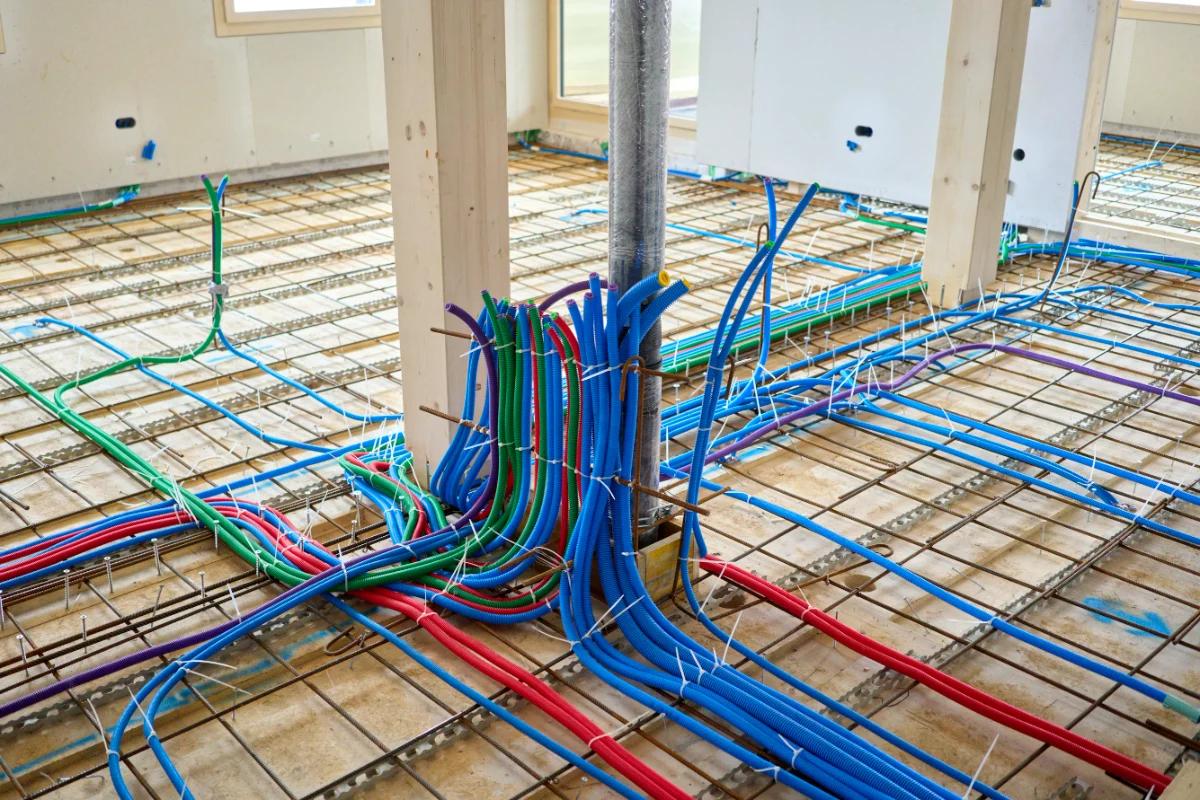
• Plumbing & Electrical: Pipes and fittings (copper, PEX, PVC, CPVC, HDPE), valves, pumps, water heaters, electrical wiring, switchgear, lighting fixtures, and smart home infrastructure.
• Insulation & Weatherproofing: Thermal insulation (fiberglass, mineral wool, spray foam, rigid foam boards, cellulose, aerogel), waterproofing membranes, vapor barriers, roofing materials (asphalt shingles, metal roofing, membrane roofing, clay/concrete tiles), and sealants.
• Specialty & Advanced Materials: Engineered wood products (OSB, MDF, plywood for construction), geosynthetics (geotextiles, geomembranes for civil engineering), fireproofing materials, acoustic materials, photovoltaic building materials (solar roof tiles), and self-healing concrete incorporating bacteria that produce limestone when cracks form.
Industry Dynamics
The building materials industry is highly cyclical, tied to construction activity, infrastructure spending, and housing markets. It is also one of the most carbon-intensive industries — cement production alone accounts for approximately 8% of global CO₂ emissions. This has triggered an unprecedented push toward low-carbon materials: geopolymer cements, carbon-cured concrete, recycled steel (EAF — electric arc furnace), mass timber for carbon sequestration, and materials with Environmental Product Declarations (EPDs) that enable whole-building lifecycle analysis. Digitalization is also transforming the sector, with BIM (Building Information Modeling), digital twins, and AI-driven material optimization reshaping how materials are specified, procured, and used.
The building materials industry operates at the intersection of structural engineering, materials science, and environmental regulation — and understanding its key quality drivers is essential for anyone sourcing or specifying construction products.
1. Material Standards & Testing
Building materials must meet rigorous standards because failure can be catastrophic. Key standards bodies include: ASTM International (dominant in North America and globally referenced — ASTM C150 for cement, A615 for rebar), EN (European Norms) (EN 197 for cement, EN 10025 for structural steel), ISO (global cross-reference), GB (Chinese National Standards), and JIS (Japanese Industrial Standards). Critical material properties tested include: compressive strength (concrete is typically specified at 20-50 MPa; ultra-high performance concrete exceeds 150 MPa), tensile and yield strength (structural steel — 250-690 MPa yield strength grades), fire resistance ratings (measured in hours — 1-hour, 2-hour, 3-hour ratings), thermal conductivity (U-value/R-value for insulation), water absorption and permeability, and durability/weathering (freeze-thaw resistance, sulfate resistance, salt spray corrosion).
2. Manufacturing Technologies
• Cement and Concrete: The industry is transitioning from traditional Portland cement to blended cements incorporating fly ash, slag, silica fume, and calcined clays that reduce CO₂ emissions by 30-50%. Carbon capture, utilization, and storage (CCUS) is being piloted at cement plants. 3D-printed concrete is moving from experimental to commercial — whole houses and building components are now being printed on-site.
• Steel: Electric Arc Furnace (EAF) steelmaking using recycled scrap produces 75% less CO₂ than blast furnace routes. Advanced thermomechanical processing develops higher-strength steels with less alloying content.
• Glass: Low-E (low-emissivity) coatings, electrochromic (smart) glass that tints on demand, vacuum insulated glass (VIG) achieving R-values comparable to insulated walls, and photovoltaic integrated glass (BIPV) that generates electricity.
• Engineered Wood: Cross-Laminated Timber (CLT) enables tall wood buildings up to 18+ stories. CLT sequesters approximately 1 ton of CO₂ per cubic meter.
3. Sustainability & Green Building
• LEED (Leadership in Energy and Environmental Design) and BREEAM are the dominant green building certifications, awarding points for materials with recycled content, regional sourcing, low VOC emissions, and Environmental Product Declarations (EPDs).
• Environmental Product Declarations (EPDs) are becoming mandatory in many markets — third-party verified reports of a product''s environmental impact across its lifecycle (cradle-to-gate or cradle-to-grave).
• Embodied carbon — the CO₂ emitted during material manufacturing and construction — is now tracked alongside operational carbon. Many jurisdictions (California, EU, UK) are introducing mandatory embodied carbon limits for new buildings.
• Circular economy principles are gaining traction: design for disassembly, material passports (digital records of all materials in a building for future reuse), and construction waste recycling (target of 70%+ diversion from landfill).
4. Digitalization & Smart Materials
• Building Information Modeling (BIM) enables multi-disciplinary coordination and clash detection before construction begins.
• Digital twins — real-time digital replicas of buildings — enable predictive maintenance and energy optimization.
• IoT-enabled materials: Sensors embedded in concrete monitor curing, detect cracks, and measure structural health over decades.
• Phase-change materials (PCMs) integrated into drywall or ceiling tiles absorb and release heat, reducing HVAC loads passively.
Sourcing building materials — whether you''re a general contractor, a developer, a distributor, or a government procurement officer — involves balancing structural performance, regulatory compliance, cost, logistics, and increasingly, sustainability credentials.
1. Technical Compliance & Certification
• Verify that materials meet the applicable standards for your jurisdiction. A steel beam certified to EN 10025 may not automatically comply with ASTM A992 requirements for the US market.
• Request mill test certificates (MTCs) for structural materials — these document the heat number, chemical composition, and mechanical properties of the specific batch.
• For concrete, verify mix designs and compressive strength test results (28-day cylinder breaks).
• For fire-rated products (doors, drywall, structural protection), demand fire test reports from accredited laboratories (UL, Intertek, FM Global, Warringtonfire).
• For products used in seismic zones, verify compliance with seismic qualification standards (ACI 355 for anchors, ASCE 7 for structural design).
2. Supply Chain & Logistics
Construction materials are heavy, bulky, and time-sensitive:
• Lead times: Custom architectural products (curtain walls, precast panels, specialty glazing) can have lead times of 12-20 weeks. Standard commodity materials (rebar, lumber, drywall) are typically 2-6 weeks.
• Delivery logistics: Can the supplier deliver to your site with appropriate equipment? Curtain wall panels may require flatbed trucks with specialized racking. Bulk cement requires pneumatic tankers. Just-in-time delivery is critical — storage on congested urban sites is limited.
• Geographic proximity: Heavy, low-value materials (aggregates, concrete, bricks) are typically sourced within 50-100 km due to transportation costs. High-value, lightweight products (specialty coatings, architectural hardware) can be sourced globally.
• Weather considerations: Some materials (certain adhesives, coatings, sealants) have temperature and humidity application requirements. Ensure suppliers can adjust delivery schedules around weather windows.
3. Quality Assurance & Factory Audits
• Factory production control (FPC): Required for CE marking in Europe and increasingly expected elsewhere. Verify that the manufacturer''s FPC system covers raw material inspection, in-process control, final product testing, and calibration of test equipment.
• Third-party inspection: For critical structural components, engage inspection agencies (SGS, Bureau Veritas, TÜV, Intertek) for factory acceptance testing (FAT) and pre-shipment inspection.
• Batch traceability: Can the manufacturer trace a defective batch back to the specific raw material shipment, production date, shift, and operator? This is critical for recall management.
• Warranty terms: Understand warranty coverage, duration, and exclusions. Structural warranties may span 10-25 years; finishes and coatings typically 1-5 years.
4. Cost & Commercial Considerations
• Total installed cost (TIC) — not just material price: material + freight + import duties + installation labor + waste factor + maintenance lifecycle cost.
• Price volatility: Steel, copper, lumber, and petroleum-based products (insulation, roofing, sealants) can experience 20-50% price swings within a year. Consider price escalation clauses or hedging strategies for large projects.
• Payment security: Letter of credit (L/C), performance bonds, and retention (typically 5-10% held until project completion) are standard in construction procurement.
• Sustainability premiums: Low-carbon concrete, FSC-certified timber, and products with EPDs may cost 5-15% more upfront but can contribute to green building certification points and increasingly satisfy regulatory requirements.
5. Regulatory & Sustainability Compliance
• Building codes: Materials must meet local building code requirements — IBC (International Building Code) in the US, Eurocodes in the EU, GB codes in China.
• VOC regulations: Paints, coatings, adhesives, and sealants must comply with VOC limits (CARB in California, EU Directive 2004/42/EC, China GB 18581/18582).
• Conflict minerals and forced labor: Verify supply chain integrity, particularly for materials sourced from high-risk regions (natural stone from certain countries, timber from illegal logging zones).
The global building materials industry is dominated by a handful of regions that combine abundant raw materials, manufacturing scale, construction demand, and export infrastructure. Understanding these regional dynamics is critical for procurement strategy and market analysis.
1. China — The Undisputed Giant
China produces and consumes more building materials than any other country by an enormous margin. The country accounts for approximately 57% of global cement production (2.1 billion tons annually), 52% of global steel production, over 40% of global ceramic tiles, and dominates in glass, aluminum profiles, stone processing, and sanitary ware. Key manufacturing clusters include Foshan (ceramic tiles — the world''s largest tile production hub), Nan''an (Fujian) (stone processing and sanitary ware), Tangshan (Hebei) (steel and sanitary ware), Yunfu (Guangdong) (natural stone), and Zibo (Shandong) (ceramic tiles and refractories). China''s building materials exports exceed $40 billion annually. Chinese manufacturers have increasingly invested in automated production lines from Italy (tiles) and Germany (glass processing), narrowing the quality gap with European producers while maintaining significant cost advantages.
2. European Union — Technology, Quality & Sustainability Leadership
Europe may not match China''s volume, but it leads in technology, design, and sustainability: Italy is the global leader in ceramic tile and stone processing machinery, and home to premium tile brands. The Sassuolo district produces approximately 80% of Italian tiles. Germany excels in building chemicals (BASF, Sika), high-performance glazing, energy-efficient windows and doors, and advanced insulation systems. Spain is a major ceramic tile producer and exporter. Turkey is a rapidly growing force in ceramic tiles, natural stone, and sanitary ware, leveraging its geographic position between Europe, the Middle East, and Africa. Poland is a major EU producer of windows, doors, and glass.
3. India — The Emerging Powerhouse
India is the world''s second-largest cement producer (after China, approximately 400 million tons annually) and is rapidly expanding capacity across all building material categories. India is a leading global producer of ceramic tiles (Gujarat''s Morbi district is one of the world''s largest tile clusters), natural stone (granite, marble, sandstone, slate — Rajasthan, Andhra Pradesh, Karnataka), and steel. The government''s massive infrastructure program (National Infrastructure Pipeline, Smart Cities Mission) and housing schemes (PMAY) are driving domestic demand growth of 7-10% annually.
4. Southeast Asia — Growth and Export Orientation
Vietnam is the world''s fifth-largest cement producer and a growing force in ceramic tiles, sanitary ware, and construction glass, with significant FDI from China, Japan, and Taiwan. Thailand has a well-developed building materials sector led by Siam Cement Group (SCG), with strengths in cement, ceramics, and petrochemical-based building products. Indonesia and Malaysia are significant regional producers with growing export ambitions.
5. Americas & Middle East
• United States: Despite the shift of many manufacturing sectors overseas, the US remains strong in engineered wood products (Weyerhaeuser, Louisiana-Pacific, Boise Cascade), gypsum/drywall (USG, CertainTeed), insulation (Owens Corning, Johns Manville), and roofing (GAF, Owens Corning). Proximity to the massive US construction market supports domestic production of heavy/bulky materials.
• Brazil: Major cement and ceramic tile producer serving South American markets.
• Mexico: Dominant cement producer (CEMEX is one of the world''s largest building materials companies) and growing in ceramics and glass.
• Middle East: UAE (Dubai''s Jebel Ali is a major ceramic production hub), Saudi Arabia (cement, driven by Vision 2030 megaprojects), and Iran (major ceramic tile producer).
Strategic Implications
For building materials procurement, the optimal strategy increasingly involves a hybrid approach: source commodity materials (tiles, sanitary ware, basic hardware) from high-volume, low-cost producers in Asia; source premium/specialty materials (high-performance glazing, advanced insulation, specialty chemicals) from technology leaders in Europe or North America; and source heavy/bulky materials (aggregates, concrete, bricks) locally. The carbon footprint of materials transportation is becoming a significant factor, with embodied carbon increasingly factored into procurement decisions and building regulations.