We Use Cookies 🍪
We Use Cookies And Other Similar Technologies To Improve Your Browsing Experience And The Functionality Of Our Site. Learn More In Our Privacy Policy.

All Subcategories Under the Building Materials Industry

Ranking List of Brands in the Cement & Tiles Industry

Last Updated: May 03, 2026


Welcome to Verity Rank's Global "Cement & Tiles Industry Brand Ranking".
In the world of construction, the costliest investment isn’t the final décor, but the "certainty" hidden within the mortar and between the tiles. From Holcim's global building materials empire to Mohawk's flooring kingdom; from Sika's chemical bonding mastery to Saint-Gobain's 350-year legacy in material science—these giants define the foundation of global architecture, yet they also form an impenetrable fog of complexity for the average consumer.
The truth is often buried within cold financial data and intricate supply chains. As contractors dismiss “imported cement” as a gimmick, as installers shrug at tile adhesive brands, and as “eco-friendly” labels proliferate—who is truly setting the industry standard? Whose "high-performance" products genuinely withstand the test of time? Where do these multi-billion-dollar conglomerates truly hold their core strength?
This ranking offers no corporate PR fluff. We adhere to the principle of "measuring strength with data, breaking down information barriers with facts." By consolidating data from 12 authoritative global sources, we cross-validate public company financial reports, professional testing agency results, AI-driven global search trends, and ESG (Environmental, Social, Governance) audits. We measure these ten global giants on a unified scale across four dimensions: Financial Scale, Technological Leadership, Global Footprint, and Sustainable Manufacturing.
You will clearly see: How vast is Holcim's global manufacturing network? How does Sika command a gross margin exceeding 50%? How is Saint-Gobain redefining building materials through "technology"? And how does Conch Cement leverage scale and cost advantages to maintain a leading global position within the traditional cement industry?
We won’t make the decision for you. We’re just here to shatter the industry’s informational barrier.
Disclaimer: The data in this ranking is compiled from third-party authoritative sources, including national statistical agencies, university-affiliated building materials research institutions, AI-driven global consumer sentiment analysis, and publicly listed company financial reports. The ranking results are based on a multi-dimensional algorithm model and are intended for reference and market decision support only. They do not constitute direct investment advice or brand endorsement.

Holcim Limited

Holcim Limited is the absolute global leader in the building materials industry and a Fortune 500 company, tracing its origins back to 1912. Headquartered in Zug, Switzerland, the company is listed on the SIX Swiss Exchange (ticker: HOLN). Operating through a capital-intensive vertically integrated model, Holcim deeply focuses on the full spectrum of building materials, establishing a complete industrial chain spanning cement (ordinary Portland cement, specialty cements, customized cements), aggregates (natural, manufactured, and specialty aggregates), ready-mix concrete, asphalt, low-carbon building materials (ECOPact green concrete, carbon-neutral cement), building systems, and circular economy solutions. With 2025 global revenue of CHF 29.0 billion, Holcim operates over 120 cement plants, 600 aggregate quarries, and 1,600 ready-mix concrete plants across more than 70 countries, with annual production capacity of 200 million tons of cement, 300 million tons of aggregates, and 50 million cubic meters of concrete, employing approximately 60,000 people. Powered by over 5,000 active patents and CHF 650 million in annual R&D investment, Holcim is leading the global building materials industry's transition toward carbon neutrality through its pioneering low-carbon technologies and circular economy practices.

Strengths: Holcim's core strength lies in its unmatched global scale economies and full value chain vertical integration, operating over 2,400 production facilities across 70 countries, creating a complete resource control chain from quarry extraction to concrete delivery, delivering significant procurement cost advantages and fixed cost dilution. Driven by dual engines of technological innovation and sustainability leadership, the company invests over CHF 650 million annually in R&D, holds more than 5,000 patents, has achieved a 30% alternative fuel substitution rate, and reduced carbon emissions intensity by 22% from the 2018 baseline, establishing global technology leadership in low-carbon cement and carbon capture utilization, with green building materials becoming a new growth engine.
Weaknesses: Holcim's primary weaknesses include heavy dependence on the global construction market cycle, facing compounded pressures from slowing European market growth, emerging market currency volatility, and rising carbon compliance costs. As a traditional high-emission industry, it faces substantial decarbonization investment requirements (continuing significant spending to meet 2030 targets), with carbon border adjustment mechanisms (CBAM) potentially undermining its export competitiveness. Additionally, it confronts intense price competition from regional champions like Conch Cement and China Building Materials in Asian markets, limiting market share expansion.
Holcim
Holcim
Brand Name
Zug, Canton of Zug, Switzerland
Address
2015
Founded
60K+
Number of Employees
70+ Countries
Business Scope
120+
Production Base
Official Website
Cement & Tiles Industry
Cement & Mixes Industry
Building Consumables Industry
Stone, Wood & Flooring Industry
Engineered Stone Industry
Wall Coverings Industry
Wall Panels Industry
Fireproofing & Waterproofing Solutions Industry
Waterproof Coatings Industry
Eco-Friendly & Energy Saving Materials Industry
Green Building Materials Industry
Aggregate ( Sand, Stone, Gravel ) Industry
Asphalt Industry
Ready-Mix Concrete Industry
Cement & Tiles Industry
Cement & Mixes Industry
Building Consumables Industry
Stone, Wood & Flooring Industry
Engineered Stone Industry
Wall Coverings Industry
Wall Panels Industry
Fireproofing & Waterproofing Solutions Industry
Waterproof Coatings Industry
Eco-Friendly & Energy Saving Materials Industry
Green Building Materials Industry
Aggregate ( Sand, Stone, Gravel ) Industry
Asphalt Industry
Ready-Mix Concrete Industry

Mohawk Industries, Inc.

Mohawk Industries, Inc. is the world's largest flooring manufacturer and a publicly traded company on the New York Stock Exchange (ticker: MHK), tracing its origins back to 1878 and headquartered in Calhoun, Georgia, USA. Operating through vertically integrated manufacturing and a multi-brand strategy, the company deeply focuses on flooring solutions within the full spectrum of building materials, establishing a complete product matrix spanning carpet (Mohawk, Karastan), laminate and resilient flooring (Pergo, Quick-Step), solid and engineered wood flooring, luxury vinyl tile (LVT, WPC), ceramic and porcelain tile (Marazzi, KAI), and installation accessories. With 2025 global revenue of $11.5 billion, Mohawk operates over 110 manufacturing facilities and 15 R&D centers worldwide, with annual production capacity exceeding 2 billion square feet of flooring products, employing approximately 42,000 people, and serving over 170 countries. Powered by more than 3,000 active patents and $230 million in annual R&D investment, Mohawk is solidifying its absolute leadership in global flooring through its three-pillar business structure of "carpet + hard surface + ceramic tile" and a comprehensive multi-brand portfolio.

Strengths: Mohawk's core strength lies in its world's largest flooring manufacturing scale and deep vertical integration, with over 110 production facilities across three continents and annual capacity exceeding 2 billion square feet, creating a complete cost control chain from fiber production to finished goods. Its portfolio of more than 20 renowned brands delivers full-market coverage from luxury to value segments, with Pergo and Quick-Step holding technology leadership in hard surfaces, Marazzi commanding the ceramic tile market, and Mohawk and Karastan leading global carpet. Sustained innovation investment has increased renewable material usage to 40%, with industry-leading achievements in low-VOC emissions and waterproof technology.
Weaknesses: Mohawk's primary weaknesses include heavy geographic concentration in North America (60% of revenue), making it highly sensitive to regional economic cycles and housing market fluctuations. Significant exposure to raw material price volatility, with wood and petrochemical cost increases continuing to pressure gross margins. As a traditional manufacturer, it faces intense price competition from regional players (such as Chinese flooring brands) on cost-sensitive segments, coupled with slowing growth in European markets. Additionally, increasing environmental compliance investments (carbon emissions, water recycling) impose sustained pressure on capital expenditure.
Mohawk
Mohawk
Brand Name
Calhoun, Georgia, USA
Address
1878
Founded
42K+
Number of Employees
170+ Countries
Business Scope
110+ Production Base
Processing Facilities
Official Website
Cement & Tiles Industry
1.2 Tile Catalog Industry
Stone, Wood & Flooring Industry
Natural Stone Industry
Engineered Stone Industry
Solid Wood Flooring Industry
Composite Flooring Industry
Wall Coverings Industry
Special Wall Finishes Industry
Eco-Friendly & Energy Saving Materials Industry
Green Building Materials Industry
Carpet Industry
Cement & Tiles Industry
1.2 Tile Catalog Industry
Stone, Wood & Flooring Industry
Natural Stone Industry
Engineered Stone Industry
Solid Wood Flooring Industry
Composite Flooring Industry
Wall Coverings Industry
Special Wall Finishes Industry
Eco-Friendly & Energy Saving Materials Industry
Green Building Materials Industry
Carpet Industry

Compagnie de Saint-Gobain S.A.

Compagnie de Saint-Gobain S.A. is the absolute global leader in the building materials industry and a publicly traded company on Euronext Paris (ticker: SGO), tracing its origins back to 1665 when it was founded as the Royal Glassworks by King Louis XIV, headquartered in Courbevoie, France. Rooted in materials science, the company deeply focuses on the full spectrum of building materials, establishing a diversified product portfolio spanning architectural glass (energy-efficient glass, Low-E glass, specialty glass), plasterboard and light construction systems (Placo®), thermal and acoustic insulation (Isover glass wool, stone wool), exterior insulation systems, roofing materials, construction chemicals (Chryso), high-performance plastic piping, industrial ceramics, and abrasives (Norton). With 2025 global revenue of €56.0 billion, Saint-Gobain operates over 1,200 manufacturing facilities and more than 150 R&D centers across 76 countries, employing approximately 180,000 people. Powered by over 10,000 active patents and annual R&D investment exceeding €1.1 billion, Saint-Gobain is leading the global building materials industry's green transformation through its 350-year legacy of materials innovation and its "lightweight and sustainable" strategic focus.

Strengths: Saint-Gobain's core strength lies in its 350-year materials science heritage and full value chain integration, holding global technology and market leadership positions across its three core pillars: architectural glass, plasterboard, and insulation, with brands like Placo® and Isover serving as industry benchmarks. Its "materials + systems + services" solution model extends beyond individual products to complete building envelope systems (exterior insulation, partition walls, ceilings), significantly enhancing customer stickiness and project pricing power. With over €1.1 billion in annual R&D investment and more than 150 R&D centers worldwide, the company has built a formidable innovation moat, with advanced materials expertise in ceramics and fiberglass creating unique competitive advantages in industrial markets such as automotive and aerospace.
Weaknesses: Saint-Gobain's primary weaknesses include its complex organizational structure spanning both building and industrial markets across 76 countries, resulting in higher management complexity and greater sensitivity to global economic cycles compared to more specialized building materials companies. The company faces significant energy cost exposure, with glass melting and gypsum calcination processes highly dependent on natural gas prices, making margins vulnerable to European energy market volatility. In emerging markets, it faces intense price competition from local players like China National Building Material and Xinyi Glass, constraining market share expansion. Additionally, while its high-performance materials business holds technological leadership, its heavy concentration in cyclical industries such as automotive and aerospace limits risk diversification.
Saint-Gobain
Saint-Gobain
Brand Name
Courbevoie, Île-de-France, France
Address
1971
Founded
180K+
Number of Employees
76+ Countries
Business Scope
1200+ Production Base
Processing Facilities
Official Website
Cement & Tiles Industry
Cement & Mixes Industry
Waterproofing Materials Industry
Stone, Wood & Flooring Industry
Engineered Stone Industry
Wall Coverings Industry
Wall Paints & Coatings Industry
Wall Panels Industry
Acoustic Solutions Industry
Ceiling Systems & Integration Industry
Ceiling Panels Industry
Doors & Windows Systems Industry
Exterior Windows Industry
Technical Door & Window Specialties Industry
Plumbing & Electrical Systems Industry
Water Piping Industry
Floor Heating Industry
Fireproofing & Waterproofing Solutions Industry
Fire Protection Industry
Adhesives & Repair Materials Industry
Structural Adhesives Industry
Eco-Friendly & Energy Saving Materials Industry
Thermal Insulation Industry
Renewable Energy Industry
Green Building Materials Industry
Cement & Tiles Industry
Cement & Mixes Industry
Waterproofing Materials Industry
Stone, Wood & Flooring Industry
Engineered Stone Industry
Wall Coverings Industry
Wall Paints & Coatings Industry
Wall Panels Industry
Acoustic Solutions Industry
Ceiling Systems & Integration Industry
Ceiling Panels Industry
Doors & Windows Systems Industry
Exterior Windows Industry
Technical Door & Window Specialties Industry
Plumbing & Electrical Systems Industry
Water Piping Industry
Floor Heating Industry
Fireproofing & Waterproofing Solutions Industry
Fire Protection Industry
Adhesives & Repair Materials Industry
Structural Adhesives Industry
Eco-Friendly & Energy Saving Materials Industry
Thermal Insulation Industry
Renewable Energy Industry
Green Building Materials Industry

Sika AG

Sika AG is the world's leading specialty chemicals company for construction and industrial bonding and sealing, listed on the SIX Swiss Exchange (ticker: SIKA). Founded in Zurich in 1910 by Kaspar Winkler and headquartered in Baar, Switzerland, the company operates through R&D-driven specialty chemicals, deeply focusing on chemical solutions within the full spectrum of building materials, establishing a comprehensive product and technology matrix spanning concrete admixtures (superplasticizers, performance additives), waterproofing systems (liquid membranes, sheets, injection grouts), sealing and bonding (polyurethane, silicone, MS polymers), tile adhesives and grouts, flooring systems (epoxy, polyurethane, wear-resistant floors), structural strengthening (anchoring adhesives, carbon fiber composites), fire protection coatings, and industrial bonding for automotive, marine, and wind energy sectors. With 2025 global revenue of CHF 12.5 billion, Sika operates over 400 manufacturing plants and more than 100 R&D centers across 100 countries, employing approximately 33,000 people. Powered by over 5,000 active patents and annual R&D investment exceeding CHF 560 million, Sika is delivering sustainable, high-performance solutions for construction and industry through its five technology platforms of sealing, bonding, damping, reinforcing, and protecting.

Strengths: Sika's core strength lies in its century-long chemical technology heritage and globally localized service network, holding technology leadership across three core segments: concrete admixtures, waterproofing systems, and sealants, with over 400 manufacturing plants across 100 countries enabling rapid response and localized technical support. Its "construction + industry" dual-market model significantly enhances risk resilience, with the construction business covering the full building lifecycle and the industrial business deeply embedded in premium manufacturing sectors including automotive, marine, and new energy, creating a unique cross-industry technology moat. With R&D investment at 4.5% of revenue and over 3,000 R&D personnel, the company continues to achieve breakthroughs in sustainable technologies such as bio-based materials and carbon reduction, with sustainable products now accounting for 55% of its portfolio.
Weaknesses: Sika's primary weaknesses include heavy dependence on petrochemical raw materials (epoxy resins, polyethers, isocyanates), with raw material price volatility persistently pressuring gross margins and limited ability to pass through costs amid market competition. It faces intense price competition in the global construction chemicals market from regional leaders such as Oriental Yuhong and MAPEI, with room for deeper localization in emerging markets. Its industrial business remains concentrated in cyclical sectors like automotive and commercial vehicles, making it vulnerable to industry downturns. Additionally, the integration challenges and goodwill impairment risks associated with recent large-scale acquisitions (such as Parex and MBCC) cannot be overlooked.
Sika
Sika
Brand Name
Baar, Zug, Switzerland
Address
1910
Founded
33K+
Number of Employees
100+ Countries
Business Scope
400+
Production Base
Official Website
Cement & Tiles Industry
Cement & Mixes Industry
Installation Materials Industry
Waterproofing Materials Industry
Fireproofing & Waterproofing Solutions Industry
Fire Protection Industry
Waterproof Membranes Industry
Waterproof Coatings Industry
Sealants & Fillers Industry
Adhesives & Repair Materials Industry
Structural Adhesives Industry
Sealants & Caulks Industry
Tile Adhesives Industry
Repair Compounds Industry
Eco-Friendly & Energy Saving Materials Industry
Thermal Insulation Industry
Cement & Tiles Industry
Cement & Mixes Industry
Installation Materials Industry
Waterproofing Materials Industry
Fireproofing & Waterproofing Solutions Industry
Fire Protection Industry
Waterproof Membranes Industry
Waterproof Coatings Industry
Sealants & Fillers Industry
Adhesives & Repair Materials Industry
Structural Adhesives Industry
Sealants & Caulks Industry
Tile Adhesives Industry
Repair Compounds Industry
Eco-Friendly & Energy Saving Materials Industry
Thermal Insulation Industry

CRH plc

CRH plc is a world-leading building materials solutions provider, publicly listed on the London Stock Exchange and Euronext Dublin (ticker: CRH). Originating in Ireland and headquartered in Dublin, the company has built a fully integrated value chain spanning aggregates, cement, asphalt, ready-mix concrete, building products, and distribution through sustained organic growth and strategic acquisitions. With 2025 global revenue of $47.0 billion, CRH operates over 900 aggregate quarries, 60 cement plants, 400 asphalt plants, and more than 1,000 ready-mix concrete facilities across 29 countries, employing approximately 73,000 people. Driven by its dominant market position in North America (75% of revenue), exceptional operational efficiency, and a proven track record of successful M&A integration, CRH stands as a global leader in the building materials industry and is a constituent of the FTSE 100 Index and Fortune 500.

Strengths: CRH's core strength lies in its unassailable North American market leadership and vertically integrated footprint, holding top positions across aggregates, asphalt, and ready-mix concrete, with over 900 quarries and 1,000 concrete plants creating formidable regional network barriers. Its three-division structure of “materials + products + solutions” captures the full value chain from raw materials to end-user services, driving industry-leading operating margins and consistent profit growth. A superior M&A integration capability enables the company to continuously strengthen market positions through strategic acquisitions, delivering significant synergies and shareholder value.
Weaknesses: CRH's primary weaknesses include heavy geographic concentration in North America (75% of revenue), making it highly sensitive to regional economic cycles and housing market fluctuations. Its European operations (25%) face slower growth pressures, and a fragmented presence across 27 countries adds management complexity. As a traditional high-emission industry, substantial investments in decarbonization—including carbon capture technologies and potential carbon border adjustment costs—will continue to pressure capital expenditure and margins. Additionally, volatility in raw material (energy, freight) prices and rising interest rates impacting construction activity pose ongoing profitability risks.
CRH
CRH
Brand Name
Dublin, Ireland
Dublin, Ireland
Address
1970
Founded
73K+
Number of Employees
29+ Countries
Business Scope
60+ Cement Plant
Processing Facilities
Official Website
Cement & Tiles Industry
Cement & Mixes Industry
Stone, Wood & Flooring Industry
Natural Stone Industry
Metal Structural Materials Industry
Railings & Fencing Industry
Custom Fabrication Industry
Wall Coverings Industry
Wall Panels Industry
Doors & Windows Systems Industry
Exterior Windows Industry
Plumbing & Electrical Systems Industry
Water Piping Industry
Wiring & Cables Industry
Plumbing Fittings Industry
Fireproofing & Waterproofing Solutions Industry
Sealants & Fillers Industry
Complete Kitchen Solutions Industry
Adhesives & Repair Materials Industry
Sealants & Caulks Industry
Construction Tools & Equipment Industry
Construction Power Tools Industry
Construction Hand Tools Industry
Eco-Friendly & Energy Saving Materials Industry
Green Building Materials Industry
Cement & Tiles Industry
Cement & Mixes Industry
Stone, Wood & Flooring Industry
Natural Stone Industry
Metal Structural Materials Industry
Railings & Fencing Industry
Custom Fabrication Industry
Wall Coverings Industry
Wall Panels Industry
Doors & Windows Systems Industry
Exterior Windows Industry
Plumbing & Electrical Systems Industry
Water Piping Industry
Wiring & Cables Industry
Plumbing Fittings Industry
Fireproofing & Waterproofing Solutions Industry
Sealants & Fillers Industry
Complete Kitchen Solutions Industry
Adhesives & Repair Materials Industry
Sealants & Caulks Industry
Construction Tools & Equipment Industry
Construction Power Tools Industry
Construction Hand Tools Industry
Eco-Friendly & Energy Saving Materials Industry
Green Building Materials Industry

Heidelbergcement AG - Heidelberg Materials

Heidelberg Materials AG is a world-leading producer of cement, aggregates, and ready-mixed concrete, listed on the Frankfurt Stock Exchange (ticker: HEI). Tracing its origins back to 1873 and headquartered in Heidelberg, Germany, the company operates through a capital-intensive vertically integrated model, deeply focusing on essential building materials within the full spectrum of construction products, establishing a comprehensive portfolio spanning cement (ordinary Portland cement, specialty cements), aggregates (natural, recycled), ready-mixed concrete, asphalt, and concrete products (pipes, pavers). With 2025 global revenue of €21.0 billion, Heidelberg Materials operates over 150 cement plants, 600 aggregate quarries, and 1,700 ready-mixed concrete plants across more than 50 countries, with annual capacity of 120 million tons of cement, 300 million tons of aggregates, and 50 million cubic meters of concrete, employing approximately 51,000 people. Powered by over 150 years of technical heritage and more than 3,000 active patents, the company is transforming from a traditional cement manufacturer into a sustainable building materials solutions provider through its leadership in low-carbon cement technologies and carbon capture, utilization, and storage (CCUS) practices.

Strengths: Heidelberg Materials' core strength lies in its scale advantages and resource control as the world's second-largest building materials manufacturer, with over 150 cement plants and 600 aggregate quarries across 50 countries, anchored by stable profit bases in Europe (50% of revenue) and North America (25%). Its forward-looking investments in low-carbon technologies have built a significant sustainability moat, with alternative fuel substitution reaching 25%, operational CCUS demonstration plants, and carbon emissions intensity reduced by 20% from 1990 baseline, positioning the company at the forefront of the cement industry's decarbonization race. The strategic rebranding from "HeidelbergCement" to "Heidelberg Materials" signals its evolution from a single-product cement supplier to a diversified basic materials and solutions provider.
Weaknesses: Heidelberg Materials' primary weaknesses include its heavy concentration in traditional cement, aggregates, and concrete businesses, creating a relatively narrow product portfolio and high sensitivity to construction market cycles. As a high-emission industry, it faces substantial decarbonization investment pressures, with CCUS technologies still in early commercialization stages, facing dual uncertainties around technical maturity and economic viability. Its relatively thin presence in emerging markets (Asia and Africa account for only 25% of revenue) leaves it exposed to intense price competition from regional giants like CNBM and Conch Cement in the Asia-Pacific region. Additionally, European energy price volatility and the progressive implementation of carbon border adjustment mechanisms (CBAM) will continue to pressure profit margins.
Heidelberg Materials
Brand Name
Heidelberg, Baden-Württemberg, Germany
Address
1874
Founded
51K+
Number of Employees
50+ Countries
Business Scope
150+ Cement Plant
Processing Facilities
Official Website
Cement & Tiles Industry
Cement & Mixes Industry
Building Consumables Industry
Eco-Friendly & Energy Saving Materials Industry
Green Building Materials Industry
Aggregate ( Sand, Stone, Gravel ) Industry
Asphalt Industry
Ready-Mix Concrete Industry
Cement Industry
Cement & Tiles Industry
Cement & Mixes Industry
Building Consumables Industry
Eco-Friendly & Energy Saving Materials Industry
Green Building Materials Industry
Aggregate ( Sand, Stone, Gravel ) Industry
Asphalt Industry
Ready-Mix Concrete Industry
Cement Industry
Cement & Tiles Industry
Cement & Mixes Industry
Building Consumables Industry
Eco-Friendly & Energy Saving Materials Industry
Green Building Materials Industry
Aggregate ( Sand, Stone, Gravel ) Industry
Asphalt Industry
Ready-Mix Concrete Industry
Cement Industry

Anhui Conch Cement Co., Ltd.

Anhui Conch Cement Co., Ltd. is the world's largest single-brand cement supplier and the undisputed leader of China's cement industry, dual-listed on the Shanghai Stock Exchange (600585) and Hong Kong Stock Exchange (0914). Headquartered in Wuhu, Anhui Province, the company operates through vertical integration and specialized manufacturing, deeply focusing on cement core business within the full spectrum of building materials, establishing a comprehensive portfolio covering ordinary Portland cement, specialty cement, cement clinker, construction aggregates, and ready-mixed concrete. With 2025 global revenue of RMB 180 billion (approximately $25 billion), Anhui Conch operates over 120 new dry process cement clinker production lines, 200 cement grinding plants, and 100 ready-mixed concrete plants across China and more than 10 countries including Southeast Asia, with annual capacity of 350 million tons of cement, over 100 million tons of aggregates, and 50 million cubic meters of concrete, employing approximately 35,000 people. Powered by industry-leading new dry process technology, intelligent production lines (automation rate exceeding 85%), and exceptional cost control capabilities, Anhui Conch is solidifying its position as the efficiency benchmark in the global building materials industry through its "T-shaped" strategy and high self-sufficiency in resources.

Strengths: Anhui Conch's core strength lies in its world-leading scale advantages and extreme cost control capabilities, with annual cement capacity of 350 million tons delivering industry-leading purchasing power and fixed cost dilution, maintaining gross margins consistently above 30%. Its exclusive use of new dry process technology and over 85% automation rate, combined with high self-sufficiency in captive limestone resources, creates a formidable resource and technology moat. The "T-shaped" strategy and integrated coastal/river logistics network enable the lowest transportation costs to reach China's most vibrant core markets, setting the industry benchmark for operational efficiency.
Weaknesses: Anhui Conch's primary weaknesses include heavy concentration in the single cement product category, resulting in a narrow product portfolio and high sensitivity to construction market cycles. Its relatively weak overseas presence (only 5% of revenue) lags far behind global peers like Lafarge and Heidelberg. In the Chinese market, it faces dual pressures of industry overcapacity and tightening environmental regulations, with rising decarbonization investment under the "dual carbon" goals and long-term demand suppression from the real estate downturn. Additionally, its downstream diversification into aggregates and ready-mixed concrete still accounts for a small share, indicating a long road ahead for business transformation.
Conch Cement
Conch Cement
Brand Name
Wuhu, Anhui Province, China
Address
1997
Founded
35K+
Number of Employees
10+ Countries
Business Scope
120+ Cement Production Line
Production Facilities
Official Website
Cement & Tiles Industry
Cement & Mixes Industry
Building Consumables Industry
Eco-Friendly & Energy Saving Materials Industry
Renewable Energy Industry
Green Building Materials Industry
Aggregate ( Sand, Stone, Gravel ) Industry
Ready-mixed Concrete Industry
Ready-Mix Concrete Industry
Cement Industry
Cement & Tiles Industry
Cement & Mixes Industry
Building Consumables Industry
Eco-Friendly & Energy Saving Materials Industry
Renewable Energy Industry
Green Building Materials Industry
Aggregate ( Sand, Stone, Gravel ) Industry
Ready-mixed Concrete Industry
Ready-Mix Concrete Industry
Cement Industry

Cemex S.A.B. de C.V.

Cemex, S.A.B. de C.V. is a world-leading building materials manufacturer and the third-largest cement producer globally, dual-listed on the Mexican Stock Exchange and the New York Stock Exchange (BMV: CEMEX / NYSE: CX). Headquartered in Monterrey, Mexico, the company operates through a vertically integrated model, deeply focusing on essential building materials within the full spectrum of construction products, establishing a comprehensive portfolio spanning cement (ordinary Portland cement, specialty cements), aggregates (natural, recycled), ready-mixed concrete, mortars, and sustainable solutions. With 2025 global revenue of $15.5 billion, Cemex operates over 60 cement plants, 250 aggregate quarries, and 500 ready-mixed concrete facilities across more than 30 countries, with annual capacity of 80 million tons of cement, 150 million tons of aggregates, and 45 million cubic meters of concrete, employing approximately 40,000 people. Powered by exceptional operational efficiency, innovative customer solutions, and leadership in low-carbon technologies, Cemex is solidifying its market leadership in the Americas through its global logistics network and digital transformation achievements.

Strengths: Cemex's core strength lies in its exceptional operational efficiency and global logistics network, with deep local roots in the Americas (60% of revenue) and strong positions in core markets including the US, Mexico, and Colombia. Its vertically integrated "aggregates-cement-concrete" value chain enables end-to-end control from raw materials to delivery, delivering industry-leading cost management and supply chain stability. Leading carbon capture utilization technologies and alternative fuel substitution rates (reaching 20%) have built a strong sustainability moat in low-carbon building materials, with outstanding innovation solutions capabilities.
Weaknesses: Cemex's primary weaknesses include heavy dependence on the Americas market (60% of revenue), with sluggish European market growth (25%) and significant exposure to geopolitical and currency volatility. The company historically faced high debt burdens, and despite recent financial improvements, leverage ratios remain higher than European peers like Lafarge and Heidelberg, with interest expenses persistently weighing on profits. As a traditional high-emission industry, rising decarbonization investment and the phased implementation of carbon border adjustment mechanisms (CBAM) could affect its export competitiveness to Europe. It also faces price competition from Chinese building material giants like CNBM and Anhui Conch in emerging markets.
Cemex
Cemex
Brand Name
Monterrey, Nuevo León, Mexico
Address
1906
Founded
40K+
Number of Employees
30+ Countries
Business Scope
60+ Cement Plant
Processing Facilities
Official Website
Cement & Tiles Industry
Cement & Mixes Industry
Building Consumables Industry
Stone, Wood & Flooring Industry
Engineered Stone Industry
Fireproofing & Waterproofing Solutions Industry
Waterproof Coatings Industry
Eco-Friendly & Energy Saving Materials Industry
Green Building Materials Industry
Aggregate ( Sand, Stone, Gravel ) Industry
Asphalt Industry
Ready-Mix Concrete Industry
Cement & Tiles Industry
Cement & Mixes Industry
Building Consumables Industry
Stone, Wood & Flooring Industry
Engineered Stone Industry
Fireproofing & Waterproofing Solutions Industry
Waterproof Coatings Industry
Eco-Friendly & Energy Saving Materials Industry
Green Building Materials Industry
Aggregate ( Sand, Stone, Gravel ) Industry
Asphalt Industry
Ready-Mix Concrete Industry

China National Building Material Group Co., Ltd. (CNBM)

China National Building Material Group Co., Ltd. (CNBM) is the world's largest comprehensive building materials industry group and a central state-owned enterprise under the supervision of SASAC, with multiple listed subsidiaries including China National Building Material Company Limited (3323.HK) and Beijing New Building Materials (000786.SZ). Operating through a full-industry-chain layout, the company deeply focuses on the full spectrum of building materials, establishing a comprehensive portfolio spanning cement (500 million tons annually, world No.1), ready-mixed concrete (400 million cubic meters annually), gypsum board (3 billion square meters annually, Asia No.1), fiberglass (world No.1 with 35% market share), wind turbine blades (10 GW annual capacity), carbon fiber, photovoltaic glass, lithium battery separators, and engineering technical services across 112 countries. With 2025 global revenue of RMB 450 billion, CNBM operates over 300 cement production bases, 150 new materials bases, and over 1,000 engineering projects under construction across 112 countries and regions, employing approximately 180,000 people. Powered by 10 national-level R&D platforms, over 20,000 active patents, and annual R&D investment exceeding RMB 15 billion, CNBM is leading the global building materials industry's transformation toward high-end, intelligent, and green development through its three-pillar business structure of "basic building materials + new materials + engineering technical services."

Strengths: CNBM's core strength lies in its world-leading scale advantages and full-industry-chain synergies, with 500 million tons of annual cement capacity, No.1 global fiberglass market share, and No.1 Asian gypsum board production, delivering unparalleled procurement bargaining power and fixed cost dilution. Its three-pillar business structure of "basic building materials + new materials + engineering technical services" creates strong counter-cyclical resilience, with the new materials segment (25% of revenue) led by fiberglass, wind turbine blades, and carbon fiber contributing the majority of profit growth. State-owned enterprise resource integration capabilities and innovation system advantages, including 10 national-level R&D platforms and leadership in establishing over a thousand international and national standards, have built formidable technical moats in low-carbon cement and industrial solid waste comprehensive utilization.
Weaknesses: CNBM's primary weaknesses include heavy dependence on the domestic Chinese market (78% of revenue), with the ongoing real estate downturn creating long-term demand pressure on basic materials like cement amid persistent industry overcapacity. As a traditional state-owned enterprise, it faces relatively lower market orientation and longer decision-making chains, competing against more agile private companies in emerging businesses such as carbon fiber and lithium battery separators. With overseas revenue accounting for only 22%, its internationalization level still lags behind global peers like Lafarge and Heidelberg. Under the "dual carbon" goals, traditional high-emission businesses face increasing investment burdens for decarbonization, presenting significant transformation pressures.
CNBM
CNBM
Brand Name
Chaoyang District, Beijing, China
Address
1984
Founded
180K+
Number of Employees
112+ Countries
Business Scope
300+ cement Plant
Processing Facilities
The Group Is Not Listed As A Whole
Listing Status
Official Website
Cement & Tiles Industry
Cement & Mixes Industry
Tile Catalog Industry
Innovations Building Materials Industry
Stone, Wood & Flooring Industry
Engineered Stone Industry
Metal Structural Materials Industry
Custom Fabrication Industry
Wall Coverings Industry
Wall Panels Industry
Ceiling Systems & Integration Industry
Ceiling Panels Industry
Doors & Windows Systems Industry
Exterior Windows Industry
Plumbing & Electrical Systems Industry
Wiring & Cables Industry
Fireproofing & Waterproofing Solutions Industry
Fire Protection Industry
Adhesives & Repair Materials Industry
Tile Adhesives Industry
Eco-Friendly & Energy Saving Materials Industry
Thermal Insulation Industry
Renewable Energy Industry
Green Building Materials Industry
Cement & Tiles Industry
Cement & Mixes Industry
Tile Catalog Industry
Innovations Building Materials Industry
Stone, Wood & Flooring Industry
Engineered Stone Industry
Metal Structural Materials Industry
Custom Fabrication Industry
Wall Coverings Industry
Wall Panels Industry
Ceiling Systems & Integration Industry
Ceiling Panels Industry
Doors & Windows Systems Industry
Exterior Windows Industry
Plumbing & Electrical Systems Industry
Wiring & Cables Industry
Fireproofing & Waterproofing Solutions Industry
Fire Protection Industry
Adhesives & Repair Materials Industry
Tile Adhesives Industry
Eco-Friendly & Energy Saving Materials Industry
Thermal Insulation Industry
Renewable Energy Industry
Green Building Materials Industry

Mapei S.p.A.

MAPEI S.p.A. is the world's largest manufacturer of adhesives, sealants, and chemical products for the building industry, founded in Milan in 1937 by the Squinzi family and remaining privately held. Operating through in-house R&D and manufacturing, the company deeply focuses on the full spectrum of building materials, encompassing tile adhesives and grouts, waterproofing systems, liquid membranes and membranes, cementitious self-leveling and repair mortars, resilient and wood flooring systems, epoxy resin floors and microcement, structural reinforcement with carbon fiber mesh, external thermal insulation systems, zero-carbon ZERO line, underfloor heating systems, and outdoor pool and sports surfaces. With 2025 global revenue of €4.61 billion, MAPEI operates 106 manufacturing plants and 39 R&D centers across five continents, employs over 13,200 people, and covers 59 countries. Named one of TIME's "World's Best Companies 2025", MAPEI is solidifying its global leadership in construction chemicals through its extreme "500-kilometer radius" supply chain strategy and a product portfolio exceeding 6,000 items.

Strengths: MAPEI's core strength lies in its unparalleled global manufacturing network, adhering to the "500-kilometer radius" principle with 106 self-owned plants worldwide, enabling exceptional local delivery and cost control. With 39 R&D centers and over 6,000 products, it has built formidable technical barriers in core categories like tile adhesives and waterproofing systems. Named one of TIME's "World's Best Companies 2025", its brand influence and ESG transparency rank at the industry's top.
Weaknesses: MAPEI's primary weaknesses include heavy dependence on the global construction market cycle, exposure to currency devaluation losses in regions like Latin America in 2025, and persistent margin pressure from volatile petrochemical raw material prices. As a family-held private company, it has relatively limited financing channels and flexibility in large-scale acquisitions. Additionally, it faces intense price competition in the Chinese market from local brands such as Oriental Yuhong and SKSHU.
Mapei
Mapei
Brand Name
Milan, Lombardy, Italy
Address
1937
Founded
13.2K+
Number of Employees
59+ Countries
Business Scope
106+ Factories
Number of Production Bases
Official Website
Cement Industry
Portland Cement
Specialty Cement
Concrete Industry
Ready-mix Concrete
Precast Components
Aggregates Industry
Ceramic Tiles Industry
Glazed Tiles
Polished Tiles
Masonry Materials
Flooring Materials
Waterproof Materials
Dry Mix Mortar
Cement Products
Construction Gypsum
Cement Industry
Portland Cement
Specialty Cement
Concrete Industry
Ready-mix Concrete
Precast Components
Aggregates Industry
Ceramic Tiles Industry
Glazed Tiles
Polished Tiles
Masonry Materials
Flooring Materials
Waterproof Materials
Dry Mix Mortar
Cement Products
Construction Gypsum

Cement & Tiles Brands

There are no products to list in this category.

FAQ

Verity Rank is committed to delivering authentic, transparent, and verifiable industry insights. This ranking is not based on subjective opinions but on a rigorous multi-dimensional evaluation model. We systematically collect and cross-verify public data and authoritative information from global sources, conducting quantitative analysis on key dimensions for each company, including financial performance, market influence, supply chain control, consumer sentiment, and innovative sustainability. Our data sources include, but are not limited to: public financial filings of listed companies, reports from international market research authorities, statistics from government and industry bodies, specialized research from leading universities and think tanks, as well as global public sentiment and search trend data integrated via AI technology. All data undergoes cleaning and weighted calculation to ensure the objectivity and neutrality of the final ranking, presenting you with a credible panorama of the industry.
The cement and tiles industry is a foundational pillar of the global construction and building materials sector. It encompasses the entire lifecycle of materials used to create, cover, and protect the surfaces of our built environment—from the structural skeleton to the final aesthetic finish.
In simple terms, this industry is divided into two interconnected halves:
1. The Cement & Concrete Side: The "Bones" of Construction
This segment focuses on the structural and preparatory materials. It includes not just the general-purpose Portland cement that forms concrete, but also a vast array of specialized products:
• Specialty Cements: High-strength repair cements, fast-setting self-leveling compounds, lightweight foamed concrete, and sulfate-resisting cement for harsh environments.
• Waterproofing & Adhesives: Critical systems like liquid waterproofing membranes, SBS torch-on membranes, and penetrating crystalline sealers.
• Substrate Preparation: Materials that ensure a perfect foundation, such as concrete primers, bonding agents, and tile leveling systems.
2. The Tiles & Finishes Side: The "Skin" of Architecture
This segment covers the visible surfaces that define a space's character and functionality. It goes far beyond simple ceramic tiles:
• Diverse Tile Types: From glossy glazed porcelain and matte antiqued tiles to wood-look planks and marble-patterned slabs.
• Functional & Aesthetic Surfaces: This includes specialized options like anti-slip floor tiles for safety, acid-resistant tiles for labs, 3D embossed wall tiles for design, and permeable grass pavers for landscaping.
• Innovative Materials: The industry is at the forefront of material science, with products like self-cleaning TiO₂ tiles, antibacterial nano-coated surfaces, and even light-transmitting concrete.
Why is this industry so critical? Its products provide the essential functions of a building: structural integrity, weather protection, hygiene, and thermal/acoustic insulation. In 2026, the industry is rapidly evolving, driven by trends like digital inkjet printing for hyper-realistic textures, zero-carbon manufacturing for sustainability, and the booming renovation market as global construction shifts from new builds to improving existing spaces.
When people think of "cement," they often picture the gray powder used for sidewalks. However, within the cement and tiles industry, the "Cement & Mixes" category is a sophisticated world of specialized materials, each engineered for a specific task. Here are the most crucial product families:
1. General-Purpose & White Cements: The Foundation
• Portland Cement (Type I/II): The most common type, used for general construction, pavements, and concrete structures. Type II offers moderate sulfate resistance for harsher environments.
• White Portland Cement: Used for architectural finishes, decorative concrete, and as a base for colored mortar and grout. It's the essential ingredient for creating aesthetically pleasing surfaces.
2. Performance & Specialty Cements: Solving Specific Problems
• High-Strength Repair Cement & Road Patch Concrete: Designed for quick fixes. These products set rapidly, often within 15-30 minutes, allowing for immediate repair of highways, bridges, and damaged driveways.
• Expansive & Waterstop Cement: Used to seal active leaks. This hydraulic cement expands as it cures, effectively plugging holes and cracks in basements, tunnels, and water tanks.
• Sulfate-Resisting & Refractory Cement: Sulfate-resisting cement is crucial for foundations in soil with high sulfate content, preventing deterioration. Refractory cement withstands extreme heat, used for fireplaces, chimneys, and industrial furnaces.
3. Advanced & Decorative Mixes: For Modern Construction
• Rapid Self-Leveling Compound: A polymer-modified cement mix that flows into a perfectly flat, smooth surface, ready for floor coverings like wood, carpet, or tiles in just a few hours.
• Lightweight Foam Concrete & Fiber-Reinforced Cement: Foam concrete is a low-density, insulating material used for roof screeds and void filling. Fiber-reinforced cement incorporates polypropylene or glass fibers to enhance tensile strength and reduce cracking.
• Artisan & Decorative Concrete Mix: These mixes, often combined with color hardeners, allow for stamped, stained, or polished concrete finishes, turning plain concrete into a beautiful, modern floor or countertop.
Many homeowners focus on the aesthetic of the tile itself—the color, the pattern, the finish. But the true secret to a lasting, beautiful tile installation lies in the materials you don't see: the adhesives and grout. Skimping on these is the number one cause of tiling failures. Here’s why they are so critical:
1. Adhesives: The Bond That Holds Everything Together
• Not All "Glue" is Created Equal: Traditional sand-mix mortar is no longer sufficient for modern, sophisticated tiles. Thin-set tile adhesives are polymer-modified cement-based products engineered for superior bonding, flexibility, and water resistance.
• Matching the Adhesive to the Tile: A large-format porcelain slab (like 120x240cm) requires a different adhesive than a small ceramic mosaic. Heavy tile mortars are designed with high "non-slip" properties to support heavy tiles without sagging on walls. For natural stone, a white, non-staining adhesive is essential to prevent discoloration.
• The Role of Bonding Agents & Primers: Applying a tile bonding agent or concrete primer before tiling ensures the adhesive properly adheres to the substrate, especially on smooth, non-absorbent surfaces like existing tiles or waterproofing membranes.
2. Grout & Caulk: The Seal That Protects and Defines
• More Than Just Filling Gaps: Grout is the "seal" of your tiled surface. It prevents water from seeping behind the tiles, which can lead to mold, mildew, and structural damage. Epoxy grout, in particular, is a high-performance option that is stain-resistant, waterproof, and doesn't need sealing.
• Aesthetics and Design: Grout is a design element. Using a contrasting or matching color can completely change the look of a tile installation. Today, UV-stable epoxy grouts and mildew-proof caulks ensure that the beauty of the grout line lasts for years without fading or staining.
• The Essential "Flex" Zone: Where tile meets a bathtub, countertop, or changes direction (like an inside corner), rigid grout will crack. This is where flexible, mildew-proof caulk (or silicone sealant) is used to absorb movement and provide a lasting, watertight seal.
3. The System Approach: Ensuring Longevity
Using the right tile leveling system and spacers is just as important. Leveling systems ensure a perfectly flat surface, eliminating "lippage" (uneven edges) that cause tripping hazards and look unprofessional. In short, high-quality tiles installed with subpar adhesives and grout will fail. The installation materials are the critical link that transforms a collection of beautiful ceramic pieces into a durable, functional, and waterproof surface that will last for decades.
In an era of climate change, the building materials industry is undergoing a massive transformation. "Green" or "sustainable" building materials are no longer a niche marketing term; they are becoming a core competitive strategy. In the cement and tiles industry, a green material is one that significantly reduces its environmental impact throughout its entire life cycle. Here are the key areas of innovation:
1. Low-Carbon Cement: The Holy Grail
Cement production accounts for approximately 8% of global CO2 emissions. Green innovation here is crucial.
• Blended & Alternative Cements: These replace a portion of the traditional clinker (the most carbon-intensive ingredient) with industrial byproducts like fly ash or slag. This reduces the carbon footprint of the final product by up to 30-40%.
• Carbon Capture & Utilization (CCU): Pioneering manufacturers like Holcim and Heidelberg Materials are investing in technologies to capture CO2 from their plants and either store it or use it to cure concrete, effectively mineralizing the carbon.
• Ultra-Low Carbon Concrete: New formulations, such as those offered by UltraTech, can reduce embodied carbon by over 50% compared to standard concrete.
2. Recycled & Circular Materials: Closing the Loop
Green materials prioritize recycled content and end-of-life recyclability.
• Recycled Aggregates & Glass: Many terrazzo tiles and cement mixes now incorporate crushed recycled glass, construction and demolition waste, or reclaimed marble dust.
• Fiber-Reinforced Cement: Products like cement boards often use recycled cellulose fibers, reducing reliance on virgin wood pulp.
• Tile Recycling: Some manufacturers are pioneering closed-loop systems where broken tiles and production waste are crushed and reincorporated into new tile bodies.
3. Energy-Efficient & Functional Materials: Reducing Operational Impact
Beyond embodied carbon, green materials help buildings consume less energy.
• Insulated & Hollow Bricks: These thermal insulation bricks reduce the need for heating and cooling, drastically lowering a building's operational carbon footprint.
• Cool Roof Coatings & Reflective Tiles: These materials reflect solar radiation, reducing the urban heat island effect and cutting air conditioning costs.
• Self-Cleaning & Air-Purifying Tiles: Photocatalytic TiO₂ tiles use sunlight to break down pollutants (like NOx), actively cleaning the air around them.
4. Zero-Carbon Manufacturing: The New Standard
Finally, the way these materials are made is just as important as the materials themselves. The industry is moving towards zero-carbon factories powered by renewable energy, utilizing water recycling systems, and achieving certifications like LEED and BREEAM for their facilities. When you choose a green building material, you are investing in a product that represents a lower environmental cost and a more sustainable future for the built environment.
Selecting the right tile isn't just about style; it's about matching the product's physical properties to the demands of a specific space. A tile that works beautifully on a living room wall can be a disaster on a wet bathroom floor. Here’s a practical guide for choosing tiles for different areas of your home:
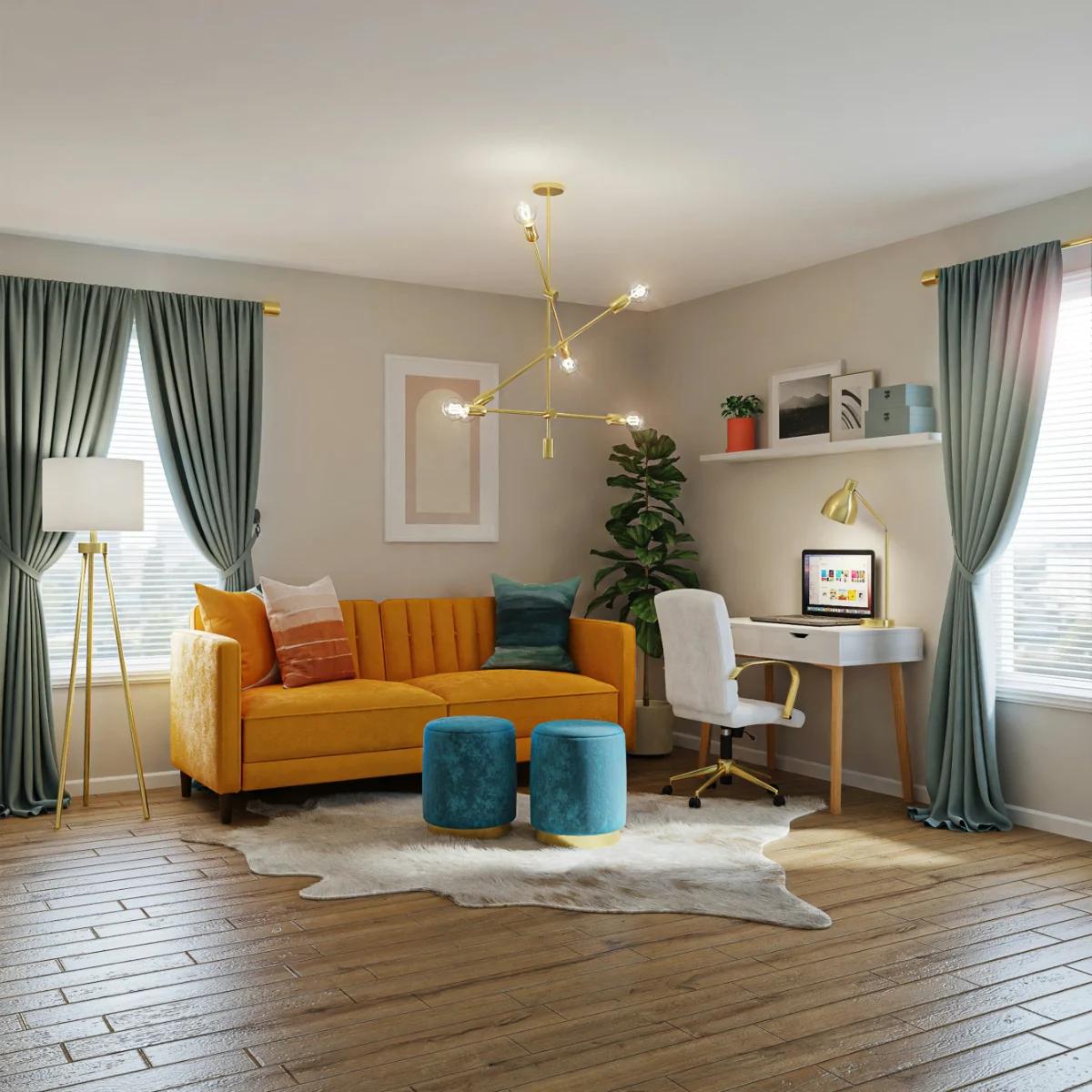
1. Living Room & Hallways: Focus on Durability and Aesthetics
• Best Choices: Polished glazed porcelain, matte porcelain, wood-look planks, or marble-look slabs.
• Key Properties: High abrasion resistance (PEI rating of 3 or 4) is crucial for high-traffic areas. Large-format tiles (like 60x120cm or 80x80cm) create a seamless, spacious look. For a cozy feel, wood-look porcelain planks are an excellent, low-maintenance alternative to real wood.
2. Kitchen: Prioritize Stain and Chemical Resistance
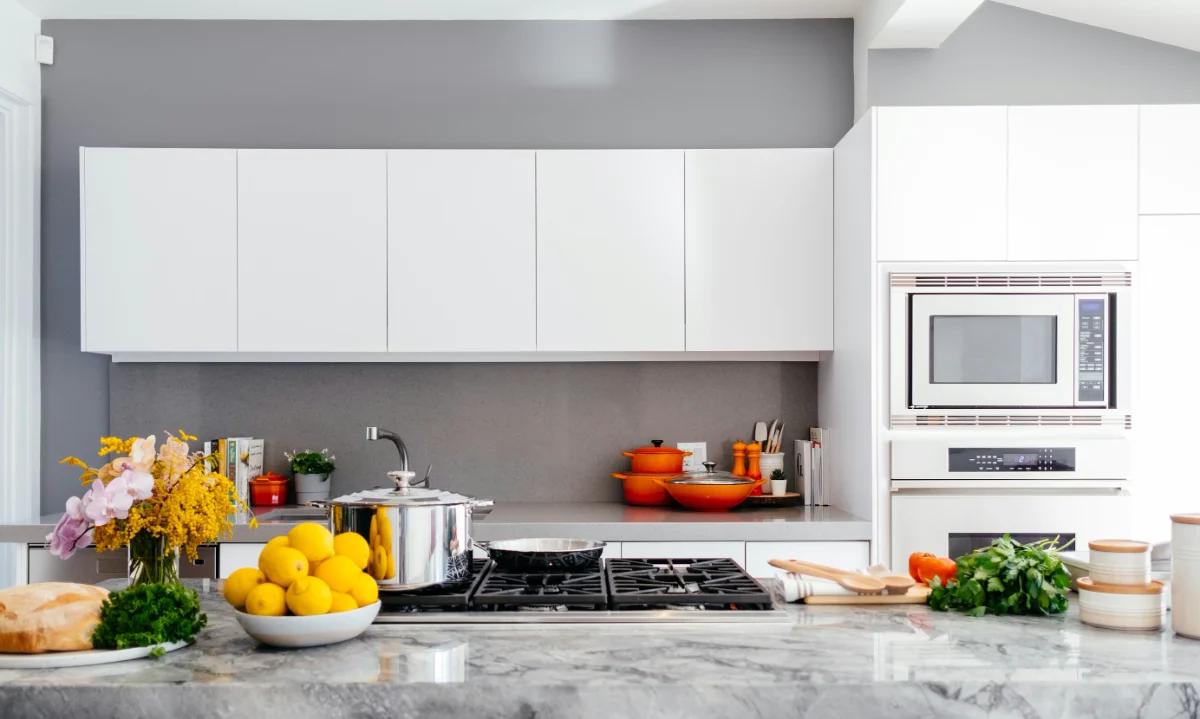
• Best Choices: Glazed porcelain, full-body porcelain, or anti-stain ceramic wall tiles.
• Key Properties: For backsplashes (wall), choose smooth, non-porous glazed tiles that are easy to wipe clean from grease and food splatters. For floors, opt for a slip-resistant finish with a high stain resistance rating to withstand spills. Avoid unglazed or natural stone in high-use cooking areas as they can absorb stains.
3. Bathroom & Wet Areas: Safety and Waterproofing are Paramount
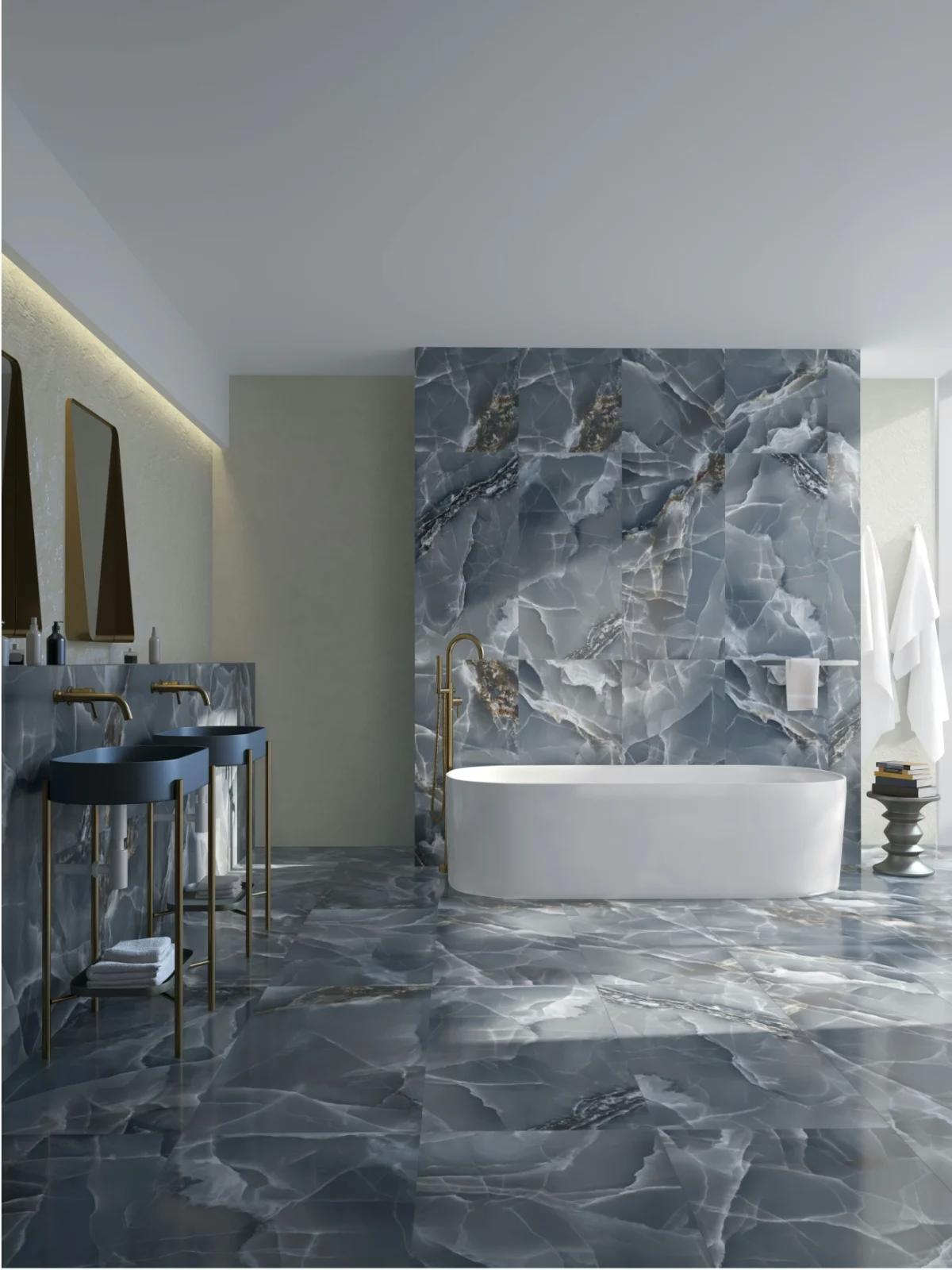
• Best Choices: Matte or textured porcelain tiles, slip-resistant floor tiles, and waterproof wall tiles.
• Key Properties: Floor tiles must have a high slip resistance (COF) to prevent falls. For showers and wet zones, use water absorption rates below 0.5% (which porcelain offers) to prevent water damage. Small mosaics are perfect for shower floors as they provide superior grip and can be easily sloped for drainage. Always use epoxy grout in wet areas to prevent mold and mildew.
4. Outdoor Areas & Balconies: Withstand the Elements
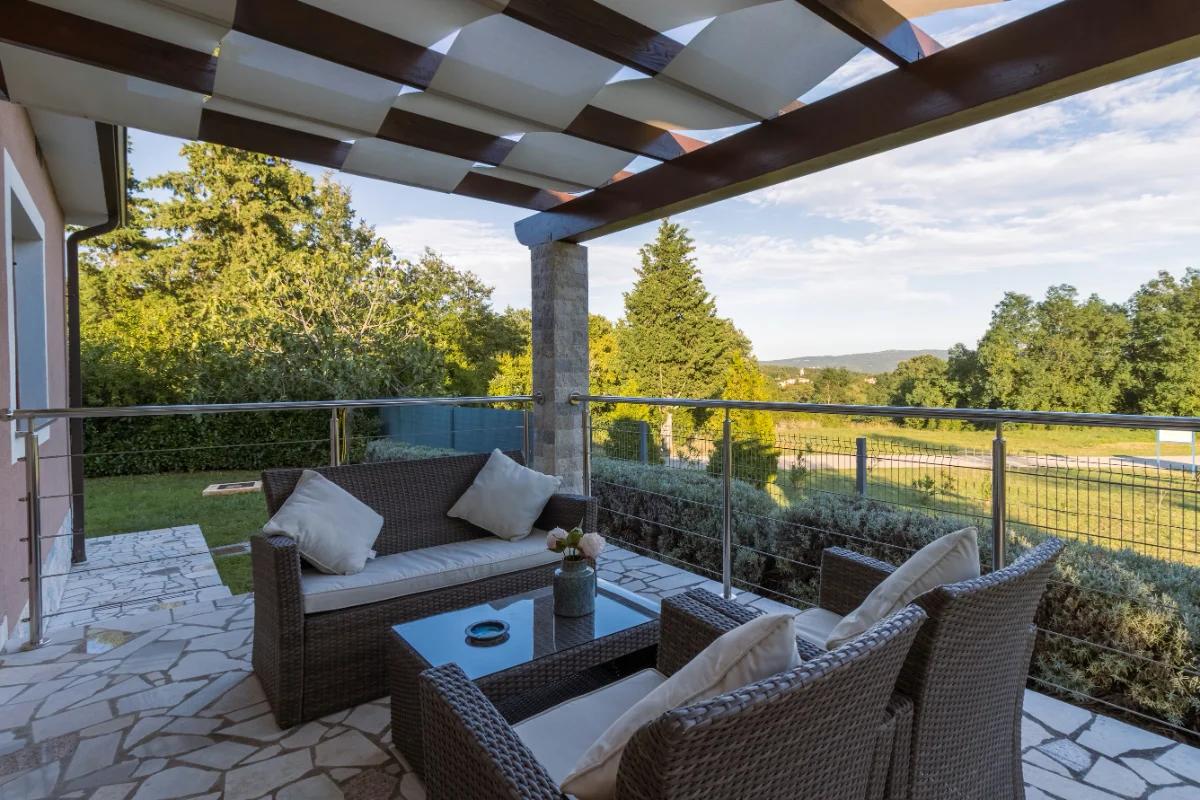
• Best Choices: Exterior cladding tiles (frost-proof), permeable grass pavers, and high-density porcelain.
• Key Properties: In cold climates, choose tiles with a low water absorption rate (<0.5%) to ensure they are frost-proof; water trapped inside can freeze and cause cracking. Look for skid-resistant surfaces with a textured finish. For patios and driveways, permeable grass pavers allow water to drain through, reducing runoff.
5. Specialty Areas: For Unique Needs
• Swimming Pools: Use specialized pool coping tiles and mosaics that are resistant to chemicals (like chlorine) and have high slip resistance.
• Garages or Workshops: Durable, non-slip, and stain-resistant floor tiles that can withstand heavy loads are key. Acid-resistant tiles are also an option for areas prone to chemical spills.
• Living Rooms with Underfloor Heating: Choose tiles with high thermal conductivity (porcelain is excellent) and ensure the adhesive and grout are also designed for heating systems to prevent cracking.