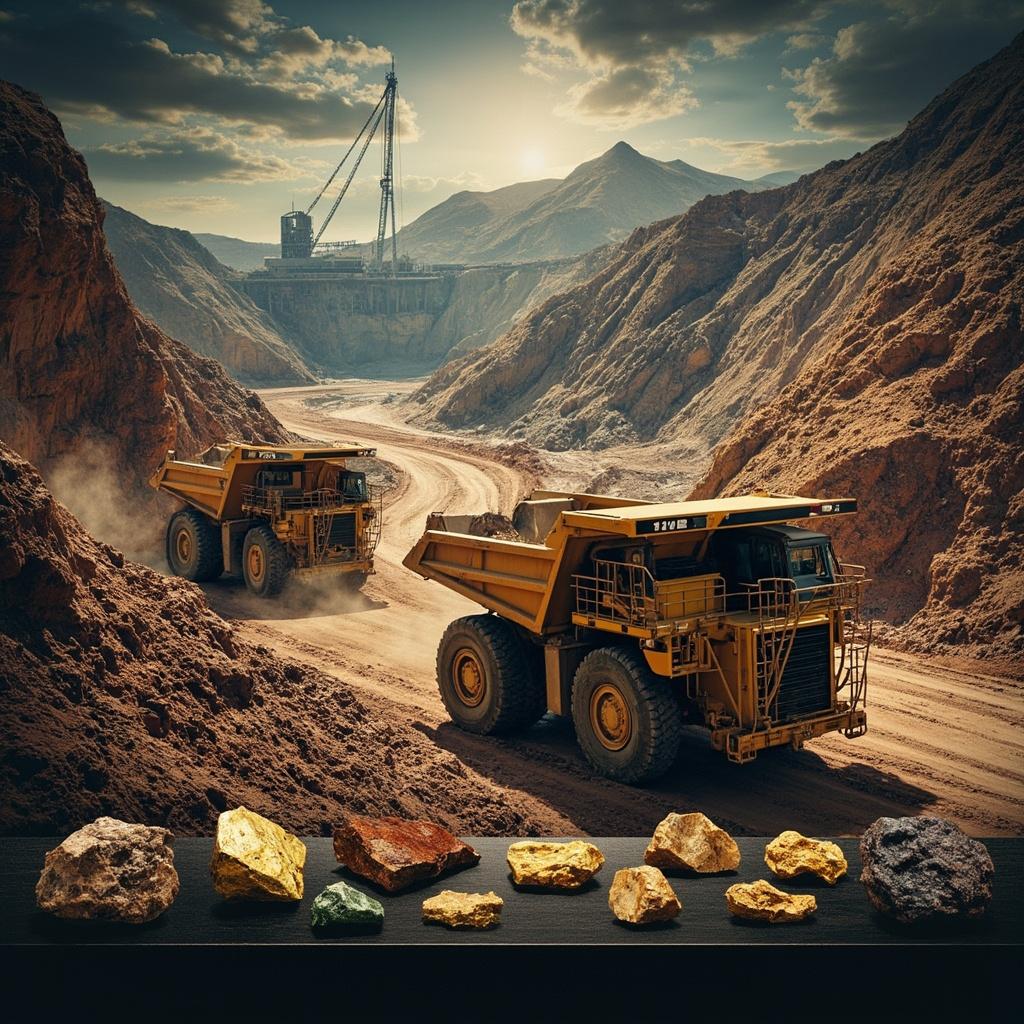
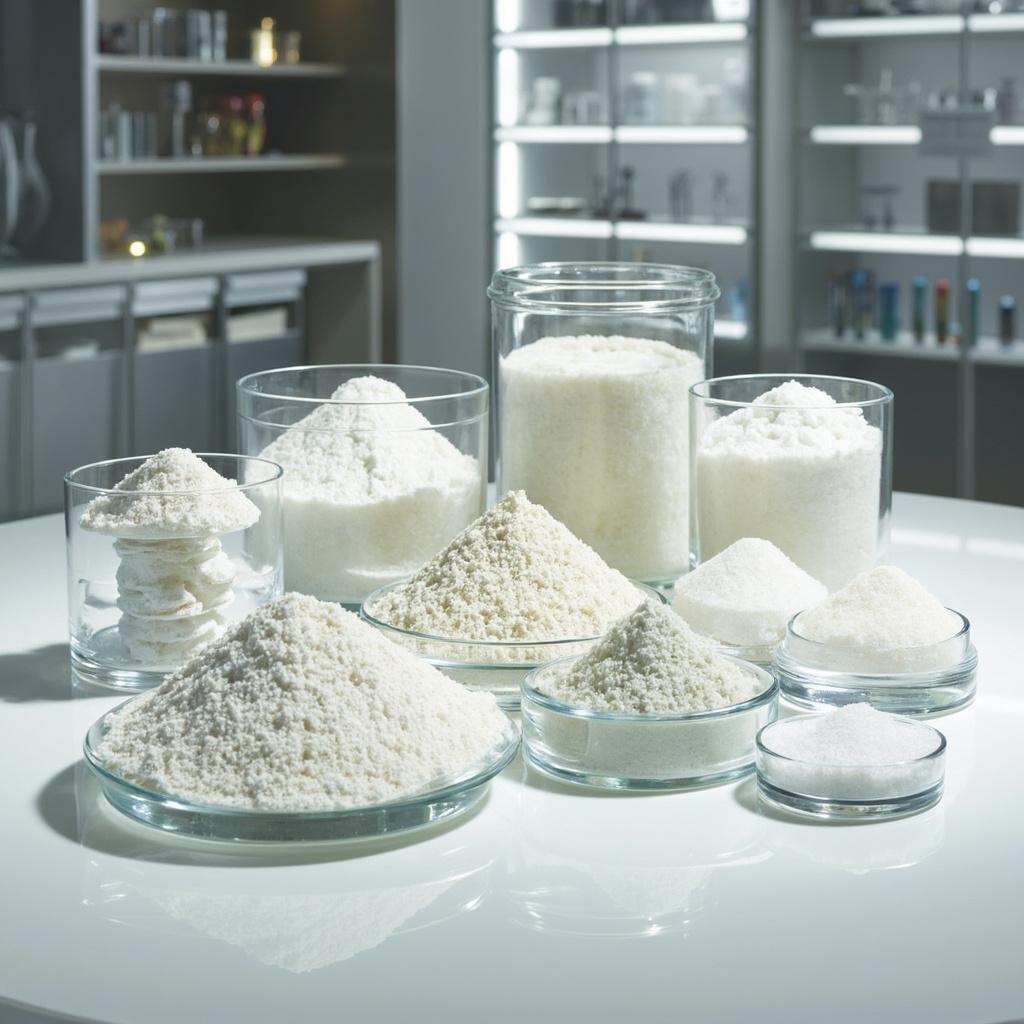
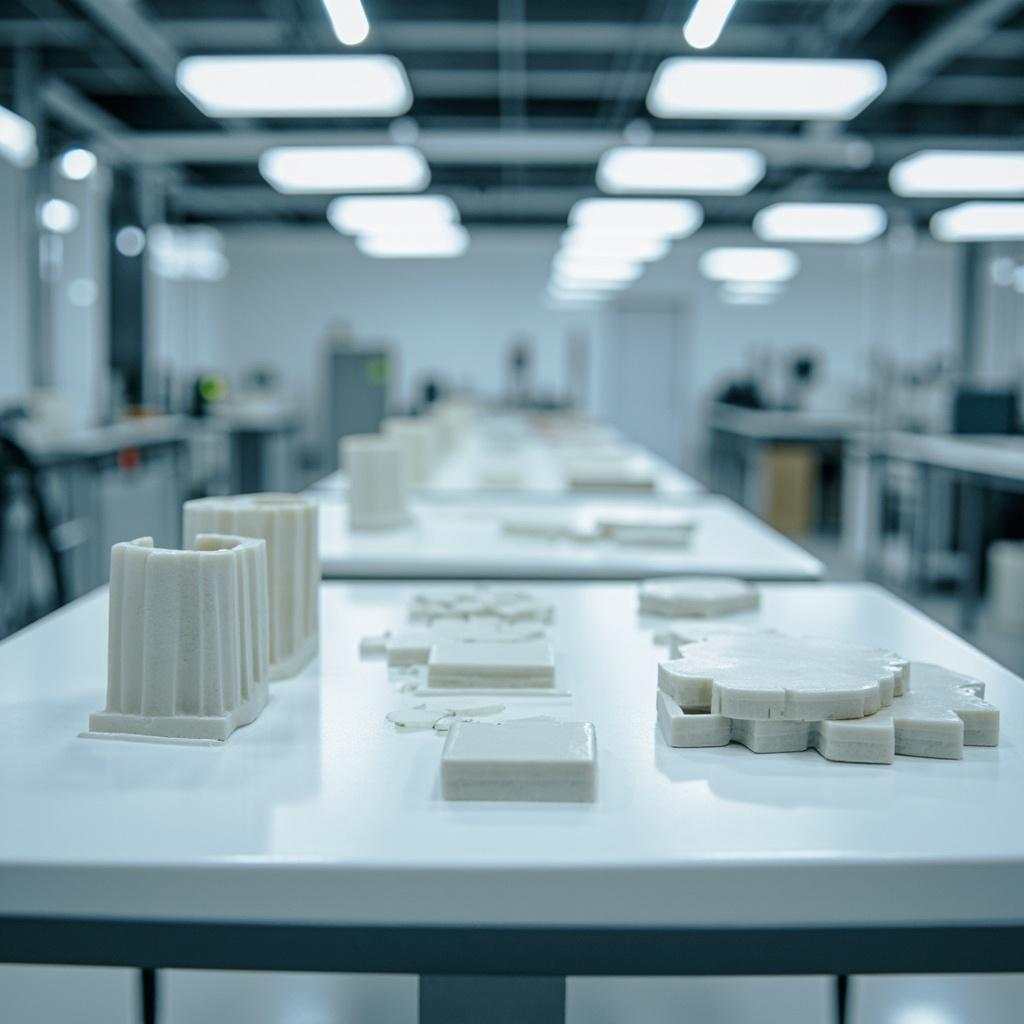
The global functional mineral materials and smart composites industry has evolved from a commodity-driven mineral processing sector into a technology-intensive materials science powerhouse that underpins the world's most critical industrial transformations. As of mid-2026, the advanced functional mineral materials market — encompassing engineered ceramics, specialty glasses, molecular sieves, high-performance composite substrates, conductive mineral additives, lithium battery separator materials, and catalytic mineral systems — is estimated to exceed $120 billion globally, growing at a compound annual rate of 6.8% driven primarily by the accelerating electrification of transportation, the exponential expansion of AI computing infrastructure, and the global transition toward hydrogen energy and carbon capture. The functional mineral materials value chain has undergone a fundamental restructuring: where once basic processed minerals served primarily as inert fillers or bulk commodities, today's leading materials science enterprises engineer minerals at the molecular and nanoscale level, transforming silica, alumina, zirconia, carbonates, zeolites, and rare-earth compounds into precision-engineered functional components that actively determine the performance, safety, and longevity of end products across industries from semiconductors to aerospace.
The competitive landscape of functional mineral materials brands is shaped by three fundamental forces: technological depth, resource control, and application breadth. At the apex of the market, Saint-Gobain stands as the world's most diversified functional materials conglomerate, with over 360 years of heritage in transforming sand, limestone, and gypsum into engineered solutions spanning high-performance ceramics (Hexoloy® SiC), advanced abrasives, construction chemicals, and composite systems, supported by revenues exceeding €48 billion. Kyocera has established an unparalleled position in fine ceramic components, leveraging proprietary co-firing and precision forming technologies to produce ceramic semiconductor packaging, industrial cutting tools, and electronic device substrates that define the standard for reliability in extreme environments. Imerys, as the world's largest specialty minerals company, converts over 20 mineral types into thousands of customer-specific functional additives, commanding 15%+ volume growth in conductive carbon additives for EV batteries and pioneering Europe's first domestic lithium extraction project. Clariant's functional minerals division delivers high-performance bentonite-based rheology modifiers, bleaching earths, and foundry additives that are essential to industries ranging from edible oil purification to precision metal casting, while its catalyst business transforms synthetic zeolites into emissions control solutions cleaning millions of vehicles globally.
Chinese and Asia-Pacific functional mineral brands are rapidly closing the technology gap with Western incumbents. Sinoma Science & Technology (中材科技), the advanced materials arm of CNBM, has scaled to become one of the world's largest wind turbine blade manufacturers while simultaneously capturing a dominant position in wet-process lithium battery separators — the thin polymer-ceramic membranes that are the single most critical safety component in EV batteries, supplying tier-one customers including CATL and BYD from an annual capacity exceeding 2 billion square meters. Chaozhou Three-Circle (CCTC) has transformed from a basic electronic component supplier into a diversified advanced ceramics powerhouse, producing MLCC ceramic powders, optical communication ceramic ferrules, ceramic packaging substrates for semiconductor devices, and solid oxide fuel cell (SOFC) electrolyte sheets at globally competitive yields and costs. RHI Magnesita, formed from the 2017 merger of RHI and Brazil's Magnesita, commands approximately 25% of the global refractories market outside China, with vertically integrated operations spanning captive magnesite and dolomite mines through to custom-engineered refractory linings for steel converters, cement kilns, and non-ferrous metal furnaces across 47 production sites. Sibelco maintains a near-irreplaceable position in ultra-high-purity quartz — the irreplaceable crucible material for silicon ingot production in both solar photovoltaic and semiconductor wafer manufacturing — while simultaneously serving as Europe's dominant supplier of glass-grade silica sand and industrial mineral solutions across 30+ countries.
Specialty niche leaders demonstrate that targeted technological excellence can create defensible market positions even against much larger competitors. Minerals Technologies Inc. (MTI) has built a global leadership position in precipitated calcium carbonate (PCC), operating satellite PCC plants co-located at paper mills to deliver just-in-time functional mineral additives that enhance paper brightness, bulk, and printability — a "local-for-local" model that competitors find prohibitively expensive to replicate at scale. The company's bentonite-based performance materials serve foundry, construction, and environmental remediation markets, while its recent expansion into pet litter and animal health minerals demonstrates the breadth of its mineral processing expertise. Zeochem, the Swiss specialty chemicals firm with roots dating to 1818, is one of the world's largest independent producers of molecular sieves — synthetic zeolites engineered for precise pore-size molecular separation in industrial gas purification, medical oxygen concentrators, petrochemical dehydration, and VOC abatement. Its position as a leading global supplier of deuterated chemicals for NMR spectroscopy and pharmaceutical research further illustrates how deep functional mineral expertise in narrow verticals can command premium pricing and customer loyalty that transcends price-based competition.
Our Ranking Methodology
VerityRank evaluates functional mineral materials and smart composites brands across four equally weighted dimensions:
• Technology & Innovation Leadership (25%): Depth of proprietary materials science — nanoscale surface engineering capability, patent portfolio strength (number and citation impact of active patents), R&D investment as percentage of revenue, and track record of introducing first-to-market functional material innovations in key application verticals (battery materials, semiconductor ceramics, catalytic systems, optical minerals).
• Product Portfolio Breadth & Depth (25%): Number of distinct functional mineral subcategories addressed (advanced ceramics, specialty glass, molecular sieves, conductive additives, composite substrates, catalytic minerals, battery materials), revenue diversification across end-market verticals, and demonstrated ability to serve both high-volume commodity and high-value specialty segments simultaneously.
• Global Manufacturing & Supply Chain Integration (25%): Geographic distribution of R&D centers and manufacturing facilities, vertical integration depth from raw mineral sourcing/reserve control through finished functional product, local-for-local production capability in key demand regions (Europe, North America, Asia-Pacific), and demonstrated supply chain resilience against geopolitical disruption and raw material price volatility.
• Market Position & Financial Strength (25%): Revenue scale within functional mineral materials, market share leadership in key subcategories, pricing power (demonstrated ability to pass through input cost increases), revenue growth trajectory (3-year CAGR), EBITDA margin stability, ESG compliance maturity, and brand recognition among Fortune 500 industrial customers.
Data Sources: The brand profiles, revenue figures, workforce data, and product portfolio information in this ranking are compiled from multiple authoritative sources, including: each company's most recent annual report and investor presentation (FY2024-FY2025); regulatory filings with the SEC, Euronext, Shanghai Stock Exchange, Shenzhen Stock Exchange, and SIX Swiss Exchange; third-party industry databases and market intelligence platforms including S&P Global Market Intelligence, Mordor Intelligence, Grand View Research, MarketsandMarkets, Fortune Business Insights, and Frost & Sullivan; corporate sustainability and ESG reports; patent databases including Espacenet and Google Patents; and direct company website disclosures.
Disclaimer: The data in this ranking is compiled from publicly available financial reports, corporate disclosures, and third-party authoritative industry sources. Rankings reflect an independent composite score calculated from the four equally weighted dimensions described above. While we strive for accuracy through cross-referencing multiple data sources, these rankings represent our analytical assessment and should not be construed as investment advice, product endorsement, or a guarantee of future performance. Company positions and VerityRank Scores may shift as new financial data, product announcements, and market intelligence become available. All trademarks and registered trademarks are the property of their respective owners.