Our rankings are built on data, not opinions.
We evaluate mining and minerals companies through a rigorous multi-dimensional framework that combines financial performance analysis (revenue, EBITDA margins, market capitalization), operational scale assessment (production volumes, mine-life reserves, processing capacity), brand influence measurement (B2B procurement preference, supply chain criticality scores, media sentiment analysis), and ESG compliance verification (GISTM tailings standards, carbon intensity, water stewardship). Each dimension receives equal 25% weighting, and the composite score ranges from 0-100.
Data sources include: PwC Mine 2025 Report, S&P Global Market Intelligence, company annual reports and regulatory filings (SEC, LSE, SSE, ASX), USGS Mineral Commodity Summaries, and national geological surveys. We cross-reference at least three independent sources for each data point used in scoring. Our methodology is reviewed quarterly and updated to reflect evolving industry standards and stakeholder expectations.
What makes our approach unique: Unlike simple revenue-based rankings, our model specifically rewards companies with diversified mineral portfolios, strong vertical integration (mine-to-market control), and demonstrable progress toward sustainable mining practices. Companies that own and operate their entire production chain — from geological exploration through to finished mineral products — receive significantly higher scores than those relying on contract mining or toll processing arrangements.
Transparency commitment: While individual company scores are proprietary, we publicly disclose our methodology framework, data sources, and weighting criteria. Companies can request a detailed scorecard breakdown by contacting our research team. Rankings are updated annually with quarterly reviews to capture material corporate events such as mergers, acquisitions, and significant operational changes.
World-class mining and minerals companies in 2025 are defined by their ability to navigate the energy transition while maintaining operational excellence. The most successful performers share five critical attributes that separate them from the thousands of mid-tier and junior miners globally.
First, future-oriented commodity exposure. Top-ranked companies have systematically reweighted their portfolios toward copper, lithium, rare earths, and high-purity quartz — the minerals essential for electrification, battery storage, semiconductors, and renewable energy infrastructure. Rio Tinto''s $6.7 billion Arcadium Lithium acquisition and Glencore''s expanding copper portfolio exemplify this strategic pivot away from declining thermal coal assets.
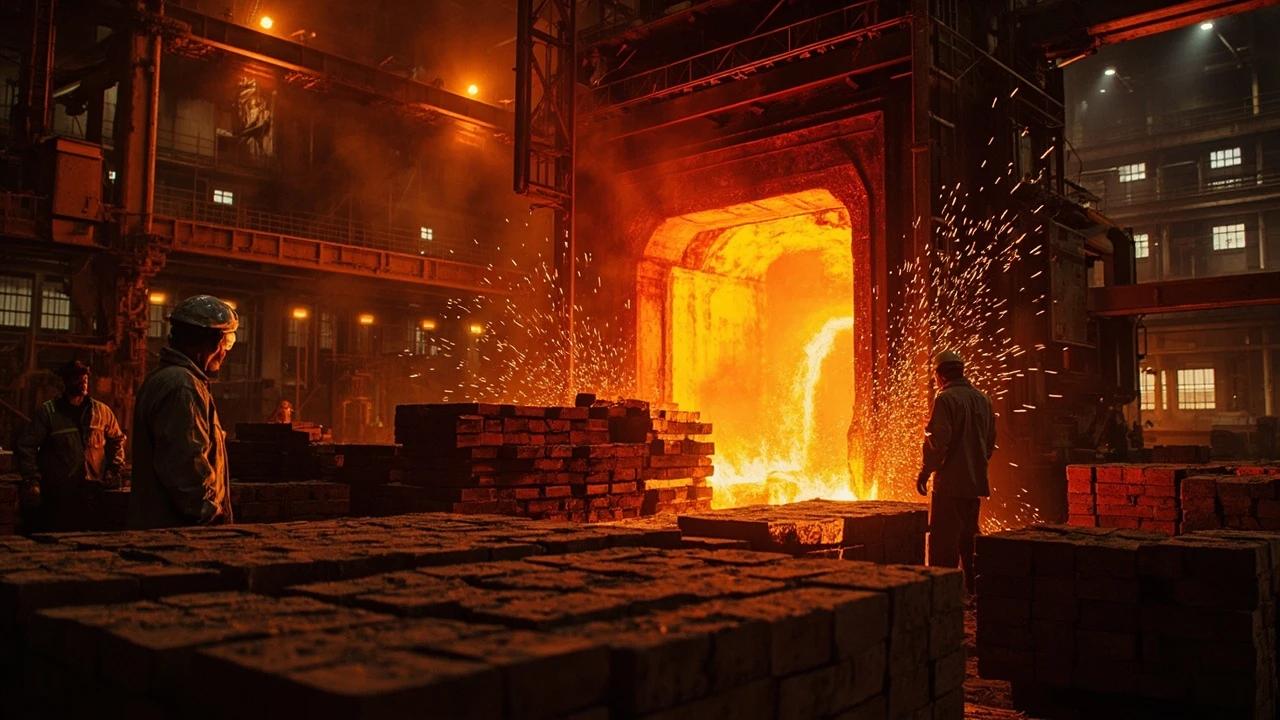
Second, mine-to-market vertical integration. Leading players such as China Minmetals and BHP control every link in the value chain — from geological exploration and mine development through smelting, refining, and logistics — creating insurmountable cost advantages and supply chain security for downstream customers. BHP''s privately-owned rail and port infrastructure in Western Australia delivers iron ore at costs that competitors cannot match.
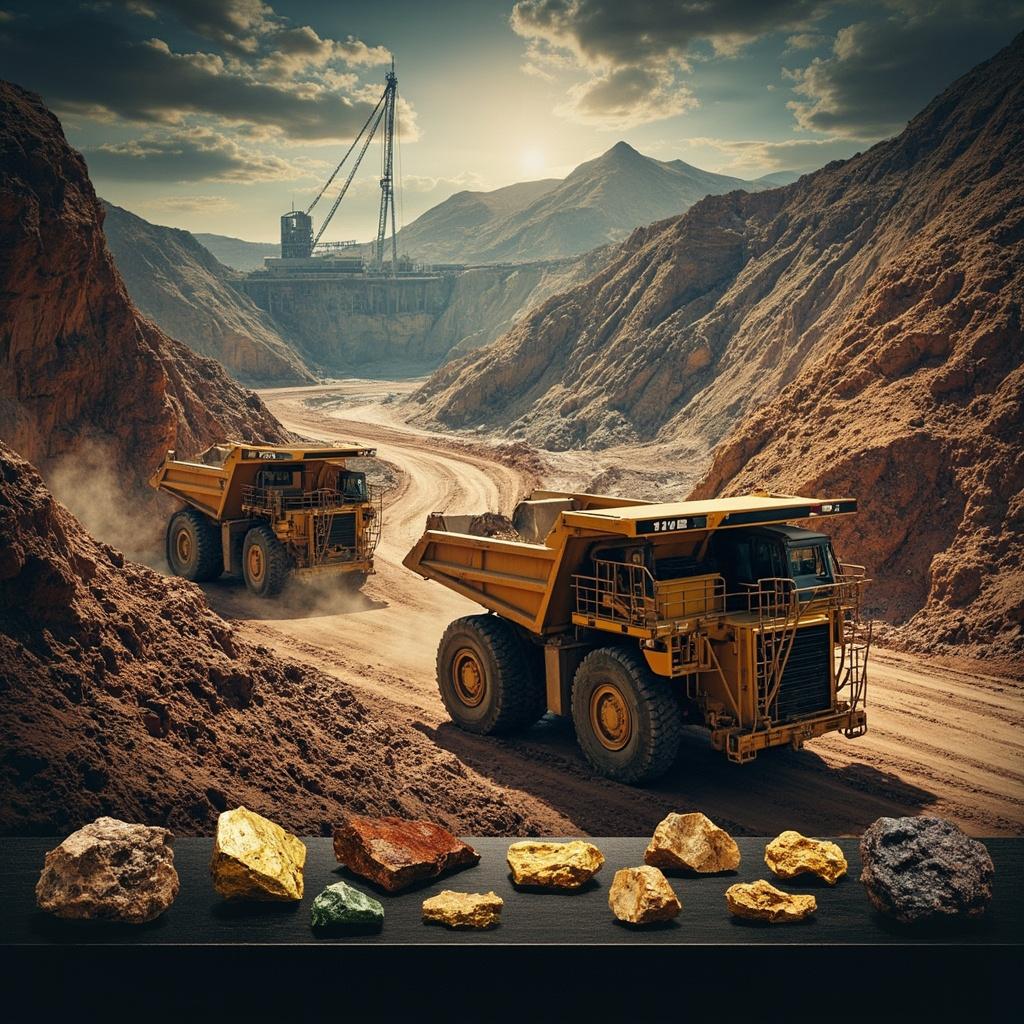
Third, technological and digital leadership. Rio Tinto''s fully autonomous "AutoHaul" heavy rail network and fleet of driverless haul trucks have redefined mining productivity benchmarks. Companies investing more than 3% of revenue in R&D and digital transformation consistently outperform peers on safety, recovery rates, and operating margins.
Fourth, ESG performance and social license. Following the catastrophic tailings dam failures of the past decade, the Global Industry Standard on Tailings Management (GISTM) has become non-negotiable. Companies achieving full GISTM compliance — such as Vale with its 81% Brumadinho compensation completion — earn significant rating premiums.
Fifth, balance sheet strength and capital discipline. The mining cycle is unforgiving to over-leveraged operators. Top companies maintain net debt-to-EBITDA ratios below 1.5x and generate sufficient free cash flow to fund growth capex, dividends, and strategic M&A through commodity price cycles.
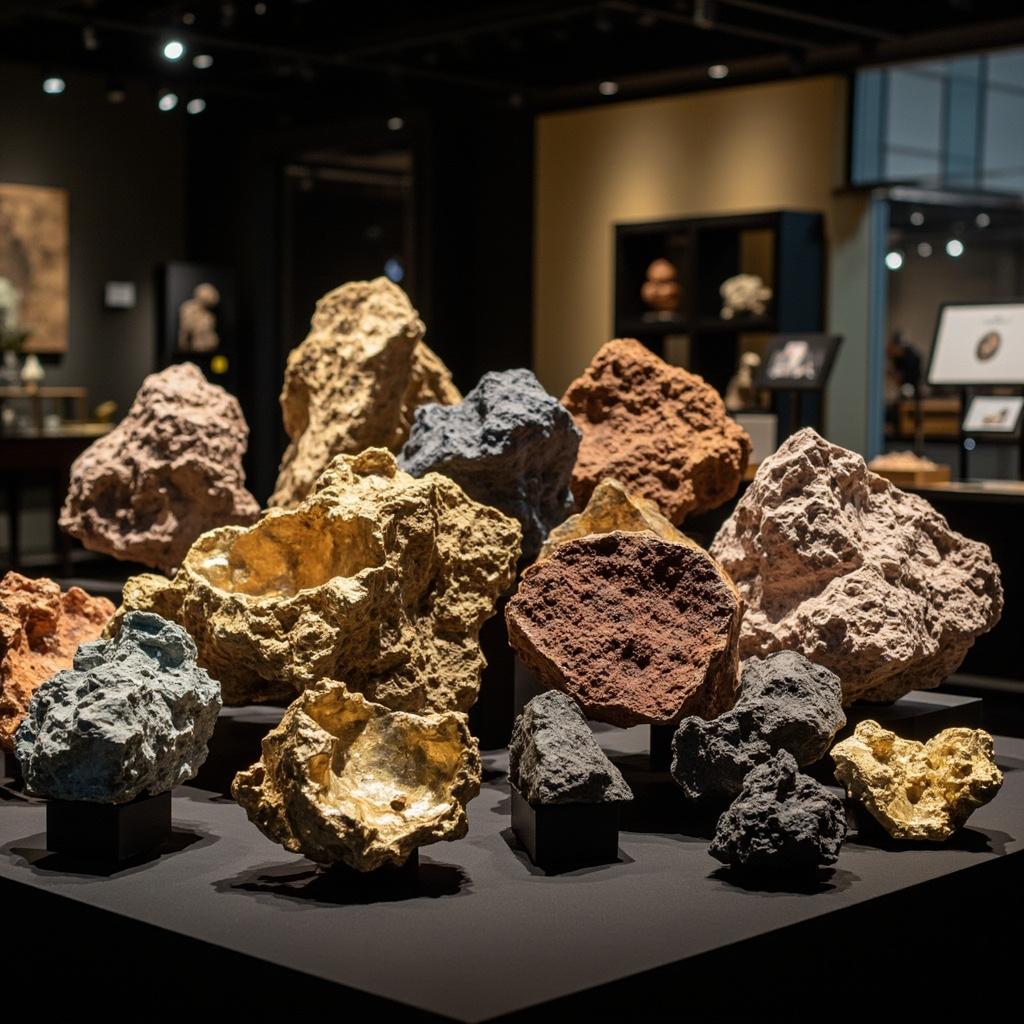
The global mining industry is undergoing its most profound transformation since the Industrial Revolution, driven by the energy transition''s insatiable demand for critical minerals. According to the International Energy Agency (IEA), achieving net-zero emissions by 2050 will require a 6-fold increase in mineral inputs compared to today''s consumption levels, with demand for lithium projected to grow 40x, graphite 25x, and cobalt and nickel 20x.
Copper: The metal of electrification. An electric vehicle requires approximately 83 kg of copper — four times more than a conventional internal combustion engine vehicle. Offshore wind turbines consume roughly 8 tonnes of copper per megawatt of capacity. With global copper demand projected to reach 50 million tonnes annually by 2035 (versus 26 million tonnes today), companies with large-scale, low-cost copper operations — Freeport-McMoRan, BHP, and Glencore — are positioned for sustained structural demand growth.
The lithium supply race. Albemarle, SQM, and now Rio Tinto (via Arcadium Lithium) are engaged in a global race to scale lithium production from approximately 1 million tonnes of lithium carbonate equivalent (LCE) in 2024 to over 4 million tonnes by 2030. The challenge is not resource availability but processing capacity, with lithium conversion facilities requiring 3-5 years from construction to commercial production.
Rare earths and geopolitics. China''s dominance of the rare earth supply chain — controlling approximately 60% of mining and 90% of processing — has become a critical national security concern for Western nations. This has catalyzed billions in government investment to develop alternative rare earth supply chains in the US, Australia, and Europe, creating new opportunities for diversified producers.
The M&A super-cycle. 2024-2025 has witnessed the most active mining M&A market in history, with BHP''s ultimately unsuccessful Anglo American bid, Rio Tinto''s Arcadium acquisition, and Glencore''s EVR deal collectively representing over $100 billion in transaction value. This consolidation is concentrating critical mineral supply among fewer, larger players — fundamentally reshaping competitive dynamics for decades to come.
Industrial procurement of minerals and metals requires a fundamentally different evaluation framework than consumer brand selection. For manufacturers of steel, batteries, electronics, glass, and construction materials, the choice of mineral supplier directly impacts production costs, product quality, and supply chain resilience. Four critical factors should guide B2B procurement decisions in the mining sector.
Supply security and mine-life reserves. The most critical metric for any long-term supply agreement is the remaining mine life of the producer''s reserves. Copper mines with less than 15 years of remaining reserves, lithium brines facing water depletion, or rare earth operations dependent on single geological formations create unacceptable supply continuity risk. Leading producers such as BHP (Escondida: 50+ year reserve life) and China Northern Rare Earth (Bayan Obo: 100+ year reserves) offer unmatched supply security.
Processing and purity capabilities. The value-add in modern mining lies increasingly in processing rather than extraction. A lithium producer that can deliver battery-grade lithium hydroxide (99.5%+ purity) commands significant premiums over one selling spodumene concentrate. Similarly, Sibelco''s ability to produce IOTA-grade high-purity quartz (99.998% SiO2) for semiconductor crucibles places it in a category of one. Buyers should evaluate a supplier''s full processing chain capability, not just mining output.
Logistics and delivery reliability. Mining operates in some of the world''s most logistically challenging environments — from the high Andes (2,500-5,000m elevation) to the Australian outback and Congolese rainforest. Suppliers with owned and operated transport infrastructure (private rail, dedicated ports, slurry pipelines) consistently achieve higher on-time delivery rates than those dependent on third-party logistics providers in remote locations.
ESG compliance and supply chain transparency. Downstream manufacturers — particularly in the automotive and electronics sectors — face increasing regulatory requirements to demonstrate supply chain due diligence under frameworks including the EU Battery Regulation, Uyghur Forced Labor Prevention Act (UFLPA), and forthcoming EU Critical Raw Materials Act. Suppliers offering full chain-of-custody documentation, third-party audited ESG reports, and mineral provenance certification provide essential compliance assurance.
ESG performance has evolved from a peripheral concern to a core competitive differentiator in the global mining industry, directly impacting companies'' access to capital, regulatory approvals, and social license to operate. Our analysis identifies four distinct tiers of ESG leadership based on GISTM tailings compliance, carbon reduction trajectory, water stewardship, community relations, and workforce diversity metrics.
Tier 1: Comprehensive ESG Leaders. BHP stands out as the first global mining company to achieve gender-balanced workforce targets (40%+ women, 40%+ men) while simultaneously reducing Scope 1 and 2 emissions by 5% year-over-year. Rio Tinto has published detailed Scope 1, 2, and 3 emissions reports with independently verified decarbonization pathways aligned to the Paris Agreement. Vale has achieved full GISTM compliance across all tailings facilities and has completed 81% of Brumadinho compensation obligations — transforming what was the industry''s worst ESG crisis into a case study in remediation and governance reform.
Tier 2: Strong Performers with Targeted Gaps. RHI Magnesita has achieved industry-leading refractory recycling rates of 15.9% — exceeding its own 15% target — reducing its carbon footprint to 1.54 tonnes CO2 per tonne of product while simultaneously lowering raw material costs. Sibelco''s glass recycling platform now processes 5 million tonnes of cullet annually, enabling glass manufacturers to reduce energy consumption by 3% for every 10% increase in recycled content.
Tier 3: Transitioning Legacy Operators. Glencore faces the industry''s most significant coal transition challenge, with its thermal coal portfolio generating intense pressure from ESG-focused investors despite the company''s market-leading copper and cobalt positions essential for the energy transition. China Minmetals is accelerating digital mine deployment and green smelting technologies across its operations, though transparency on specific environmental metrics remains below Western peer standards.
The circular economy frontier. The most exciting ESG development in mining is the emergence of urban mining and mineral recycling — recovering critical minerals from end-of-life batteries, electronic waste, and industrial byproducts. Companies investing in this space, including Sibelco (glass recycling) and RHI Magnesita (refractory recycling), are creating circular business models that decouple revenue growth from virgin resource extraction.