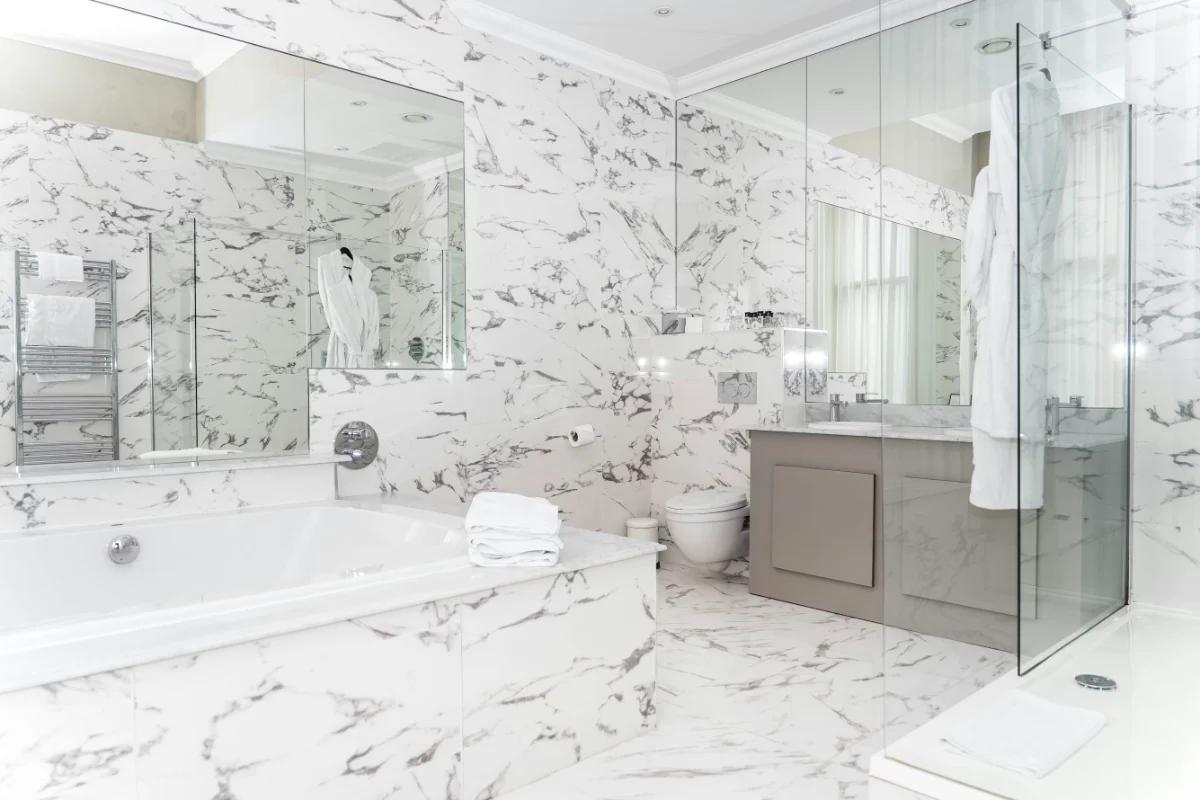
The bathroom fixtures industry encompasses the manufacturing and supply of all fixed installations, equipment, and accessories within a bathroom. It’s an industry that blends functionality, aesthetics, and technology. Products are centered around sanitation, water use, and personal care, falling into several key categories: 1. Toilet and Bidet Fixtures This is the core category, including toilets (water closets), smart toilet seats (bidet seats), and urinals. Integrated smart toilets combining washing, drying, and heating functions are a major growth area. 2. Showering and Water Delivery Systems This includes shower sets, showerheads, bathtub faucets, and basin taps. The focus is on water pressure experience, water-saving performance, and design, with popular products like rainfall showerheads, thermostatic mixers, and pull-down faucets. 3. Vanity and Storage Systems This refers to bathroom furniture, such as vanity cabinets, mirror cabinets, and various shelves. They provide crucial storage and significantly impact the overall style and tidiness of the bathroom. 4. Showering Enclosure Solutions Products like shower enclosures, bathtubs, and shower curtains create wet\/dry separation for enhanced safety and comfort. Common types are straight-line and corner shower stalls, and freestanding tubs. 5. Accessories and Safety Equipment A broad category including drains, towel racks, toilet brushes, caddies, as well as safety-focused items like grab bars and shower stools for accessibility. In summary, it’s an industry integral to daily health, living quality, and personal taste, evolving towards greater smart technology, customization, wellness features, and sustainability.
The industry is evolving rapidly, driven by consumer demand and technological innovation. Key trends include: 1. Smart Technology and Health Focus Smart toilets are becoming a standard. Features now extend beyond heating and washing to include UV sterilization, foot-sensor flushing, and health monitoring. Digital faucets with touch control and temperature displays are also gaining traction. 2. Personalization and Design Aesthetics Bathrooms are personal sanctuaries. This drives demand for minimalist designs (frameless showers, concealed-tank toilets), customizable options (vanities in various colors\/materials), and artistic, sculptural fixtures that serve as focal points. 3. Water Conservation and Sustainability Stricter regulations and eco-conscious consumers push for ultra-efficient products. Standards now include ultra-low-flow toilets (using less than 1 gallon per flush), air-injection showerheads, and fixtures made from recycled or sustainable materials. 4. Integrated Solutions and Space Optimization Brands are selling coordinated “bathroom suites” rather than single items. For smaller homes, space-saving designs like wall-hung toilets, floating vanities, integrated mirror cabinets, and recessed niches are highly popular. 5. Hygiene, Safety, and Accessibility Post-pandemic focus on cleanliness boosts demand for fixtures with anti-microbial surfaces. Additionally, an aging population is growing the market for safety and accessibility products like non-slip floors, grab bars, and shower seats.
Choosing bathroom fixtures involves balancing budget, space, style, and function. Follow these steps: 1. Set a Budget and Prioritize Allocate your total budget wisely. Prioritize high-use, high-impact items like toilets, showers, and faucets. Smart features or designer looks can be upgrades. 2. Measure Your Space Accurately Note the bathroom’s dimensions and the location of pipes, drains, and doors. This dictates the size of your shower, vanity, and tub. For small spaces, choose space-saving wall-hung or corner units. 3. Identify Functional Needs Consider your household. Do you need accessibility features for seniors? The convenience of a smart toilet? Do you love baths, or is shower space more critical? Is storage a priority? Answering these guides your choices. 4. Choose a Cohesive Style Fixtures should complement your home’s overall decor. Modern minimalist spaces suit clean lines and neutral colors. Scandinavian style pairs well with wood vanities. Traditional bathrooms call for ornate details and chrome or gold finishes. Keep tiles, cabinetry, and hardware cohesive. 5. Focus on Quality and Specifications · Ceramics: Look for smooth, low-absorption glazes from reputable brands to prevent staining and cracking. · Faucets: Solid brass bodies and ceramic disc cartridges are durable and reliable. Check that the finish (e.g., chrome, matte black) is even and high-quality. · Water Efficiency: Look for certifications like EPA WaterSense or local standards to ensure water-saving performance.
The difference lies in details, technology, and long-term value, not just appearance: 1. Design, Materials, and Craftsmanship · Design: Premium brands employ renowned designers, creating iconic, ergonomic products with patented looks. Standard brands often follow trends with simplified versions. · Materials: Premium brands use superior materials—high-grade brass for faucet bodies, denser ceramic, and durable finishes like PVD coating that resist corrosion and wear. Standard brands may compromise on material thickness or coating layers. · Craftsmanship: Precision manufacturing in premium products ensures tight tolerances, smooth operation, and a substantial feel. Glazes are even and mirror-smooth. 2. Technology Innovation and Patents Premium brands are innovation leaders. Their significant R&D investment results in core patents for unique flushing technologies, advanced smart sensors, and water-saving systems that directly enhance performance, reliability, and user experience. 3. Performance and Durability This is the key differentiator. Premium products undergo rigorous testing for longevity. A premium faucet cartridge may be rated for 500,000 cycles, and its finish can withstand extended salt spray tests. Their water efficiency is also consistently high. Standard products may show wear—dripping, reduced sensitivity, or tarnished finishes—sooner. 4. Service and Brand Value Premium brands offer full-service packages: consultation, installation, and after-sales support. They provide complete, coordinated collections. The purchase also includes intangible value from the brand’s heritage, prestige, and the satisfaction it brings.
The future of bathrooms lies in deeper tech integration and a focus on personal\/planetary well-being: 1. Advanced Intelligence and Interconnectivity Bathrooms will become a key node in the smart home. Fixtures will not only respond to voice\/app commands but also interact with other systems. Imagine lights and toilet seats activating as you enter, with water temperature pre-set to your preference. Systems will learn habits and offer proactive service or wellness reminders. 2. Personalized Health Monitoring and Diagnostics This could be transformative. Smart toilets or sinks with advanced biosensors may conduct basic health screenings (urinalysis, body composition, skin analysis), providing users or healthcare providers with valuable, anonymized data—shifting the role from cleaning to health management. 3. Advanced Water Recycling and Reuse Beyond conservation, future systems might treat “greywater” (from showers, sinks) at a household level for reuse in toilet flushing or irrigation. Fixtures will integrate into these closed-loop water systems, drastically reducing freshwater demand. 4. Widespread Adoption of Sustainable Materials The industry will expand use of recycled content (glass, ceramic), bio-based materials, and alternatives with lower carbon footprints. “Design for circularity” — creating products that are easy to disassemble, sort, and recycle — will become paramount. 5. Modular and Upgradeable Designs To adapt to fast-changing styles and tech, bathrooms may become more modular. Users could update the look and function by swapping panels or upgrading internal smart modules (e.g., in a toilet seat) without full replacement, aligning with sustainable consumption.