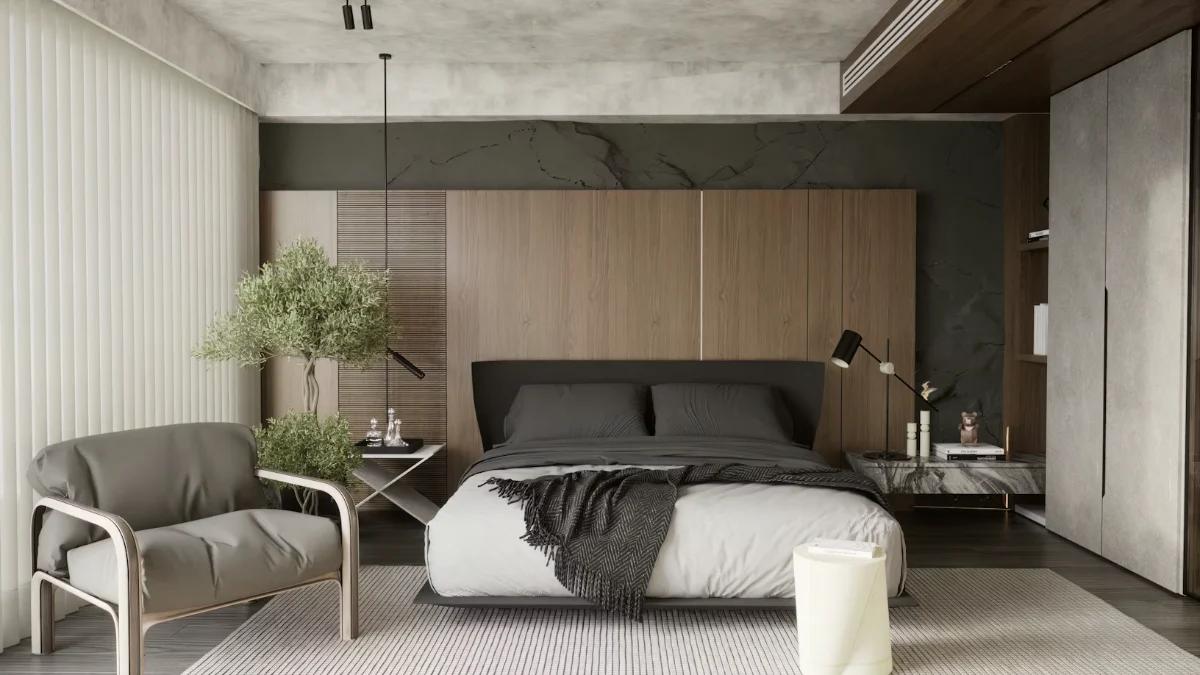
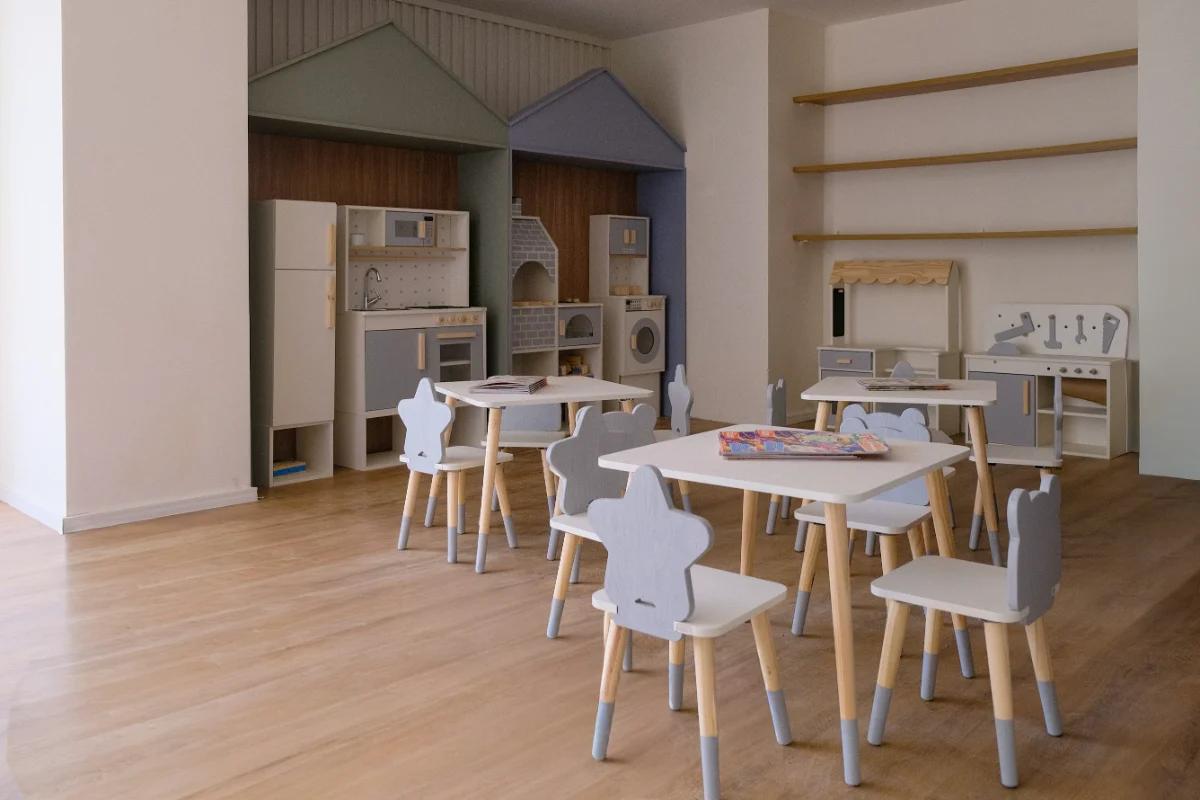
The bedroom furniture industry designs, manufactures, and sells all furniture specifically for bedrooms, forming a core segment of the home furnishings market. It provides complete solutions for sleep, storage, and personal care. 1. Beds & Bed Frames The central category, including platform beds, storage beds, upholstered beds, smart adjustable beds, and sofa beds. 2. Storage Solutions This includes wardrobes (sliding\/double door), custom closet systems, dressers, chests of drawers, and bedside cabinets for organized storage. 3. Vanities & Dressing Tables Furniture dedicated to personal grooming, often featuring mirrors, lighting, and storage for cosmetics and jewelry. 4. Nursery Furniture Specialized items for babies and young children, such as cribs (convertible cribs), changing tables, and kid-sized wardrobes. 5. Bedroom Decor & Accessories Items that complete the room’s functionality and aesthetics, including standing mirrors, accent chairs, laundry hampers, mattresses, and bedding.
Several global trends are fueling steady growth in the bedroom furniture sector. 1. Urbanization & Housing Development Rapid urbanization, especially in Asia-Pacific and emerging markets, continuously generates demand for new residential furniture. 2. Rising Health & Wellness Awareness A growing focus on quality sleep is driving demand for ergonomic mattresses, supportive bed frames, and smart beds with health-monitoring features. 3. Home-Centric Lifestyle The post-pandemic shift towards spending more time at home has increased investment in creating comfortable and personalized living spaces. 4. Demand for Space Optimization In compact urban homes, multifunctional furniture (e.g., storage beds, modular wardrobes) is becoming essential to maximize utility. 5. Sustainability Focus Increasing consumer preference for eco-friendly products pushes brands to use sustainable materials and adopt responsible manufacturing practices.
The industry’s future is being shaped by technology integration, adaptive design, and conscious consumption. 1. Smart & Health-Focused Integration Furniture will evolve into connected wellness hubs, featuring sleep tracking, automatic adjustment, and integration with home environmental systems. 2. Multifunctional & Transformable Designs To address urban space constraints, innovations in modular systems, fold-away beds (e.g., Murphy beds), and dual-purpose furniture will become standard. 3. Sustainability as Standard Practice The use of certified renewable materials, recycled components, and designs that support product longevity and recyclability will transition from a niche to an industry norm. 4. Personalized Customization Digital tools and flexible manufacturing will enable consumers to co-create furniture tailored to their exact spatial dimensions, functional needs, and aesthetic preferences.
The global market features a diverse mix of players, typically categorized as follows: 1. Global Mass-Market Leaders Brands like IKEA and Ashley Furniture dominate with vast product ranges, competitive pricing, and extensive global retail networks, offering complete bedroom sets. 2. Premium & Luxury Design Houses Companies such as Flexform, Poliform, and Roche Bobois focus on high-end materials, iconic design, artisanal craftsmanship, and often provide bespoke services for a discerning clientele. 3. Regional Powerhouses & Full-Home Brands Strong local players like China’s KUKA Home, QuanU, and Japan’s Nitori leverage integrated supply chains to offer wide product assortments that cover the entire home. 4. Specialized Category Experts Brands like Sleemon excel by focusing deeply on a specific category (e.g., mattresses and sleep systems), building authority through technical innovation and focused branding.
Making the right choice involves balancing several practical and personal considerations. 1. Space & Needs Assessment Precisely measure your room dimensions and layout. Clearly define your storage needs and how the space will be used daily. 2. Budget Planning Establish a realistic budget that includes main pieces, delivery, assembly, and potential additional accessories. 3. Quality & Material Inspection Prioritize durable construction (e.g., solid wood frames, dovetail joints), safe and non-toxic finishes, and materials suited to long-term use. 4. Style & Cohesion Choose a design style (modern, Scandinavian, traditional, etc.) that creates a harmonious and relaxing atmosphere for your personal retreat. 5. Comfort & Ergonomics Never compromise on comfort, especially for the bed and mattress. Test them in person whenever possible to assess support and feel. 6. Brand Reputation & Service Research the brand’s customer service reviews, warranty terms, and return policies to ensure a secure and supportive purchase experience.