VerityRank

Brand Rankings in the Home Furniture Industry

HomeHome FurnitureBrand Rankings in the Home Furniture Industry

The global home furniture market, valued at approximately $691 billion in 2025 and projected to reach $902 billion by 2030 at a CAGR of 5.45%, is experiencing a renaissance driven by the convergence of remote work, urbanization, and the redefinition of domestic space. The pandemic-era shift toward home-centric living has proven durable: hybrid work models have made the home office a permanent fixture, while the "nesting" trend has elevated interior design from discretionary spending to a core expression of identity and wellness. Digital commerce now accounts for over 30% of furniture sales globally, with augmented-reality room visualization and AI-powered style recommendation engines collapsing the traditional barriers to online furniture purchasing. China's furniture export engine, producing over 40% of the world's furniture, continues to dominate manufacturing, but trade tensions and sustainability regulations are accelerating a reshoring trend in Europe and North America. The rise of "fast furniture"—cheap, trend-driven pieces with short lifecycles—has sparked a countermovement toward heirloom-quality craftsmanship, circular design, and furniture-as-a-service rental models. Consumers increasingly demand that their sofas and dining tables tell a story of provenance, sustainability, and design integrity alongside practical functionality.

The competitive landscape of home furniture is a study in contrasts: sprawling global conglomerates versus agile DTC natives, industrial mass-producers versus artisanal workshops. IKEA, with its 470+ stores across 63 markets and €45 billion in annual retail sales, remains the undisputed category-definer, democratizing Scandinavian design through flat-pack logistics that have become a cultural touchstone. Ashley Furniture, the largest American manufacturer-retailer, dominates the North American mid-market with vertically integrated production and a 1,000+ store network. Yet the fastest-growing quadrant belongs to DTC brands like Article, Burrow, and Floyd, which have stripped away showroom overhead to deliver designer aesthetics at accessible price points—often backed by 30-day trial periods that turn the purchase decision into a zero-risk proposition. At the premium end, Herman Miller (now MillerKnoll) and RH (Restoration Hardware) demonstrate that furniture can command luxury-brand economics when design, craftsmanship, and aspirational lifestyle marketing converge. The battle for the living room is increasingly fought on digital terrain, where content marketing, influencer partnerships, and social proof determine which brand's sofa arrives in the shipping container.

Our Ranking Methodology

VerityRank evaluates home furniture brands across four equally weighted dimensions:

Market Influence (25%): Global revenue and unit sales volume, geographic market penetration, distribution channel diversity (retail, e-commerce, B2B), and market share in core categories.

Brand Reputation (25%): Consumer satisfaction ratings and review sentiment, design awards and industry recognition, social media engagement and influencer ecosystem strength, and brand search volume trends.

Innovation & R&D (25%): New product introduction cadence, material and manufacturing technology patents, smart furniture and IoT integration capabilities, and design patent portfolio strength.

Sustainability & Ethics (25%): FSC and sustainable forestry certifications, carbon footprint transparency, circular economy initiatives (take-back, refurbishment, rental), and labor conditions in manufacturing supply chains.

Data Sources & References

Mordor Intelligence — Furniture Market Report

Grand View Research — Furniture Market Analysis

Forest Stewardship Council (FSC) — Certification Database

Statista — Furniture Industry Data

UN Comtrade — Furniture Trade Statistics

Disclaimer: The data in this ranking is compiled from third-party authoritative sources, including global market research firms, international trade databases, publicly listed company financial reports, and AI-driven consumer sentiment analysis. The ranking results are derived from a multi-dimensional algorithmic model and are intended for reference and market decision support only. They do not constitute direct investment advice or an absolute brand endorsement.

Top 10 Rankings

2026.05 Edition
1
INGKA Holding B.V. - IKEA

INGKA Holding B.V. - IKEA

INGKA Holding B.V. is the largest franchise operator of the world's leading home furnishings retailer, IKEA, registered in the Netherlands. Centered on the 'Democratic Design' philosophy, the brand utilizes a unique business model of flat-packaging and self-assembly to offer well-designed, functional, and affordable home solutions globally. Its business spans furniture, home decor, and an extensive range of home textiles. In FY2023, INGKA Holding generated revenue of EUR 47.6 billion and operates approximately 460 stores across 63 markets, maintaining a deep global retail and supply chain network.
Strengths: IKEA's core strengths are its unparalleled global brand value and profound lifestyle influence, making its products a default choice for the mass market; concurrently, its uniquely optimized, integrated business model—spanning design, scaled sourcing, flat-pack logistics, and immersive retail—forms an exceptionally high and difficult-to-replicate moat of efficiency and cost advantage.
Weaknesses: IKEA's main weaknesses stem from its massive global scale (approx. 460 stores, EUR 47.6 billion revenue), which challenges its agility in responding to rapidly shifting market trends and advancing digital transformation; furthermore, its complex worldwide operations network continually exposes it to risks from geopolitics, supply chain volatility, and local competition, while the transition to a fully circular business model entails significant short-term cost pressures.

Brand

IKEA

Founded

1943

Workforce

158K+

Presence

63+ Countries

Headquarters

Sweden

Market

Unlisted ( Privately Held Company )

Key Product Categories
Bedroom Furniture BrandsHome Textiles IndustryBedding Sets IndustryBedding Inserts IndustryBath Linens IndustryRugs & Mats IndustryBedroom Furniture SuppliersLiving Room Furniture IndustrySeating Furniture IndustryTV & Media Furniture IndustryBedroom Furniture BrandsHome Textiles IndustryBedding Sets IndustryBedding Inserts IndustryBath Linens IndustryRugs & Mats IndustryBedroom Furniture SuppliersLiving Room Furniture IndustrySeating Furniture IndustryTV & Media Furniture Industry
2
Ashley Furniture Industries, Inc.

Ashley Furniture Industries, Inc.

Ashley Furniture Industries, Inc. is a globally leading home furniture manufacturing retailer headquartered in Arcadia, Wisconsin, USA, operating as a private family-owned enterprise. Employing a vertically integrated model, it controls the entire chain from raw material sourcing and furniture manufacturing to retail, operating in 100+ countries worldwide. With 35 manufacturing plants, 25 distribution centers and 1,000+ retail stores, Ashley employs ~35,000 people and reported $5 billion revenue in 2024. Leveraging its strong vertical integration, comprehensive retail network and continuous product innovation, it maintains important leadership in the global furniture market.

Strengths: Ashley's core strengths are its powerful vertical integration enabling full supply chain control from materials to retail, providing outstanding cost control and quality stability; comprehensive global retail network offering one-stop shopping through 1,000+ stores and omnichannel platforms; excellent product innovation capability annually developing new collections across all styles while expanding smart furniture lines.

Weaknesses: Ashley faces growing cost control challenges from raw material volatility and rising labor costs impacting profitability; intensifying market competition with online retailers and new entrants creating price pressures; supply chain risks from geopolitical factors and trade policy changes affecting global operational stability.

Brand

Ashley Furniture Industries

Founded

1945

Workforce

35K+

Presence

100+ Countries

Facilities

35+ Factories

Headquarters

United States

Market

Unlisted

Key Product Categories
Bedroom Furniture BrandsLiving Room Furniture IndustrySeating Furniture IndustryTV & Media Furniture IndustryTables Furniture IndustryStorage & Display Furniture IndustryBedroom Furniture SuppliersLiving Room Furniture IndustrySeating Furniture IndustryTV & Media Furniture IndustryBedroom Furniture BrandsLiving Room Furniture IndustrySeating Furniture IndustryTV & Media Furniture IndustryTables Furniture IndustryStorage & Display Furniture IndustryBedroom Furniture SuppliersLiving Room Furniture IndustrySeating Furniture IndustryTV & Media Furniture Industry
3
Natuzzi S.p.A.

Natuzzi S.p.A.

Natuzzi S.p.A. is a globally leading premium upholstered furniture manufacturer headquartered in Santeramo in Colle, Italy, listed on the New York Stock Exchange. It specializes in designing and manufacturing sofas, armchairs and other soft furnishings, employing a vertically integrated model controlling the entire chain from design to production. Operating in 123 countries with 8 production bases in Italy, China and other locations, it employs ~5,000 people, reported €450 million revenue in 2024, and has a daily capacity of ~2,000 units. Leveraging its exceptional Italian design capabilities, top-tier craftsmanship standards and premium brand value, it maintains important leadership in the global high-end upholstered furniture market.

Strengths: Natuzzi's core strengths are its exceptional Italian design innovation with 60 years of heritage and international designer collaborations; top-tier craftsmanship standards maintaining traditional artisanship and strict quality control; premium brand value positioning building strong recognition and loyalty among global high-end consumers.

Weaknesses: Natuzzi faces growing cost control pressures from raw material fluctuations and rising labor costs impacting profitability; intensifying high-end market competition requiring continuous response to new entrants and price pressures; global economic volatility creating demand uncertainties with exchange rate risks and trade policy changes adding operational challenges.

Brand

Natuzzi S.p.A

Founded

1959

Workforce

5K+

Presence

123+ Countries

Facilities

8+ Production Base

Headquarters

Italy

Market

NYSE:NTZ

Key Product Categories
Bedroom Furniture BrandsLiving Room Furniture IndustrySeating Furniture IndustryTV & Media Furniture IndustryTables Furniture IndustryStorage & Display Furniture IndustryBedroom Furniture SuppliersLiving Room Furniture IndustrySeating Furniture IndustryTV & Media Furniture IndustryBedroom Furniture BrandsLiving Room Furniture IndustrySeating Furniture IndustryTV & Media Furniture IndustryTables Furniture IndustryStorage & Display Furniture IndustryBedroom Furniture SuppliersLiving Room Furniture IndustrySeating Furniture IndustryTV & Media Furniture Industry
4
Flexform S.p.A.

Flexform S.p.A.

Aceitera General Deheza (AGD) is a leading vertically integrated edible oil and grain processing company in Argentina, headquartered in General Deheza, Córdoba. Its operations span oilseed processing, grain trading, and edible oil production, maintaining a complete supply chain from cultivation to export. As a privately held family business with estimated annual revenue of US$2 billion, AGD holds a significant position in Argentina's grain and oil sector through its strong agricultural resource base and professional export capabilities.

Strengths: AGD's core strengths are its vertically integrated operations enabling full control from farming to processing and export, abundant agricultural resources with large-scale cultivation bases ensuring stable raw material supply, and professional export capabilities with well-established logistics networks enhancing international competitiveness.

Weaknesses: As a privately held company, it lacks financial transparency, limiting deeper understanding for external investors. Profitability is vulnerable to dual impacts from agricultural commodity price fluctuations and exchange rate variations. The business faces geographic concentration risk with focus on South American markets and potential threats from climate change.

Brand

Flexform S.p.A

Founded

1959

Workforce

300+

Presence

80+ Countries

Facilities

3+ Factories

Headquarters

Italy

Market

Unlisted

Key Product Categories
Bedroom Furniture BrandsLiving Room Furniture IndustrySeating Furniture IndustryTV & Media Furniture IndustryTables Furniture IndustryStorage & Display Furniture IndustryBedroom Furniture SuppliersLiving Room Furniture IndustrySeating Furniture IndustryTV & Media Furniture IndustryBedroom Furniture BrandsLiving Room Furniture IndustrySeating Furniture IndustryTV & Media Furniture IndustryTables Furniture IndustryStorage & Display Furniture IndustryBedroom Furniture SuppliersLiving Room Furniture IndustrySeating Furniture IndustryTV & Media Furniture Industry
5
Poltrona Frau S.p.A.

Poltrona Frau S.p.A.

Poltrona Frau S.p.A. is a globally top-tier luxury furniture manufacturer headquartered in Tolentino, Italy, listed on the Milan Stock Exchange. It specializes in designing and manufacturing premium seating and leather sofas, inheriting century-old craftsmanship since 1912. Operating in 90+ countries with 4 Italian production bases and ~1,200 employees, it reported €350 million revenue in 2024 with an annual capacity of ~50,000 luxury furniture pieces. Leveraging its exceptional century-old heritage, premium leather processing technology and globally recognized luxury brand value, it maintains absolute leadership in the global luxury furniture market.

Strengths: Poltrona Frau's core strengths are its exceptional century-old craftsmanship with 112 years of heritage and complete traditional artisan system; premium leather processing technology mastering exclusive treatment techniques while consuming 100,000+ sqm annual leather; globally recognized luxury brand value maintaining irreplaceable market position as Italy's luxury furniture benchmark.

Weaknesses: Poltrona Frau faces handmade production constraints with only 50,000 annual capacity struggling to meet top-tier demand; persistent cost pressures from rising premium material and artisan labor expenses; master artisan scarcity challenges traditional craftsmanship inheritance due to talent shortages.

Brand

Poltrona Frau S.p.A

Founded

1912

Workforce

1.2K+

Presence

90+ Countries

Headquarters

Italy

Market

Borsa Italiana : PFG

Key Product Categories
Bedroom Furniture SuppliersLiving Room Furniture IndustrySeating Furniture IndustryTV & Media Furniture IndustryTables Furniture IndustryStorage & Display Furniture IndustryDining Room Furniture FactoryLiving Room Furniture IndustrySeating Furniture IndustryTV & Media Furniture IndustryBedroom Furniture SuppliersLiving Room Furniture IndustrySeating Furniture IndustryTV & Media Furniture IndustryTables Furniture IndustryStorage & Display Furniture IndustryDining Room Furniture FactoryLiving Room Furniture IndustrySeating Furniture IndustryTV & Media Furniture Industry
6
Kuka Home Co., Ltd.

Kuka Home Co., Ltd.

Kuka Home Co., Ltd. is a leading Chinese upholstered furniture manufacturer headquartered in Hangzhou, Zhejiang, listed on the Shanghai Stock Exchange. Employing a vertically integrated model, its business spans design, manufacturing and retail of sofas, beds and complementary furniture, achieving full-chain control from design to sales. With 12 global production bases, ~15,000 employees, operations in 120+ countries, it reported RMB 22 billion revenue in 2024, with annual capacities of 1 million sofas and 500,000 beds. Leveraging its comprehensive vertical integration, extensive channel network and leading brand value, it maintains absolute leadership in China's upholstered furniture market.

Strengths: Kuka Home's core strengths are its complete vertical integration enabling full-chain control from design to retail, providing significant scale benefits and cost advantages; extensively covered channel network offering one-stop shopping through 6,000+ global stores; leading brand value with 30 years of heritage and exceptional consumer recognition in China.

Weaknesses: Kuka Home's internationalization remains limited with overseas revenue contributing only 20%, heavily relying on domestic market; faces intensifying market competition requiring continuous response to cost control and shifting consumer demand; rising raw material and labor costs persistently squeeze profit margins.

Brand

Kuka Home

Founded

1982

Workforce

15K+

Presence

120+ Countries

Headquarters

China

Market

SSE : 603816

Key Product Categories
Bedroom Furniture BrandsLiving Room Furniture IndustrySeating Furniture IndustryTV & Media Furniture IndustryTables Furniture IndustryStorage & Display Furniture IndustryBedroom Furniture SuppliersLiving Room Furniture IndustrySeating Furniture IndustryTV & Media Furniture IndustryBedroom Furniture BrandsLiving Room Furniture IndustrySeating Furniture IndustryTV & Media Furniture IndustryTables Furniture IndustryStorage & Display Furniture IndustryBedroom Furniture SuppliersLiving Room Furniture IndustrySeating Furniture IndustryTV & Media Furniture Industry
7
MillerKnoll, Inc. ( Herman Miller )

MillerKnoll, Inc. ( Herman Miller )

MillerKnoll, Inc. (Herman Miller) is a globally leading ergonomic furniture manufacturer headquartered in Zeeland, Michigan, USA, listed on NASDAQ. It specializes in designing and manufacturing ergonomic office seating, smart furniture, and health-focused workplace solutions, operating 15 global production facilities and 8 R&D centers. With ~11,000 employees across 100+ countries, it reported $2.5 billion revenue in 2024, with annual capacities of 2 million office chairs and 500,000 office desks. Leveraging its advanced ergonomic technology, exceptional brand value and premium product design, it maintains absolute leadership in the global high-end office furniture market.

Strengths: Herman Miller's core strengths are its globally leading ergonomic technology with numerous patents and sustained R&D investment (4% of revenue); exceptional brand value built over a century establishing industry standard-setting authority; premium product design and quality with iconic products like Aeron and Embody becoming industry benchmarks.

Weaknesses: Herman Miller faces intensifying high-end market competition requiring continuous response to new entrants; growing cost control pressures from rising material costs and R&D investments driving up operational expenses; urgent technology iteration demands necessitating ongoing investments to maintain technological leadership.

Brand

Herman Miller

Founded

1905

Workforce

11K+

Presence

100+ Countries

Facilities

15+ Processing Facilities

Headquarters

United States

Market

Nasdaq:MLKN

Key Product Categories
Home Furniture BrandsLiving Room Furniture IndustrySeating Furniture IndustryTables Furniture IndustryOffice & Study Furniture IndustryDesks for Work IndustryHome Furniture ManufacturersLiving Room Furniture IndustrySeating Furniture IndustryTables Furniture IndustryHome Furniture BrandsLiving Room Furniture IndustrySeating Furniture IndustryTables Furniture IndustryOffice & Study Furniture IndustryDesks for Work IndustryHome Furniture ManufacturersLiving Room Furniture IndustrySeating Furniture IndustryTables Furniture Industry
8
Suofeiya Home Collection Co., Ltd.

Suofeiya Home Collection Co., Ltd.

Suofeiya Home Collection Co., Ltd. is a leading Chinese customized home furnishings enterprise headquartered in Guangzhou, Guangdong, listed on the Shenzhen Stock Exchange. It specializes in designing and manufacturing whole-home customization, wardrobes and cabinets, employing a C2M model providing end-to-end services from design to installation. With 7 major production bases and 4,000+ retail stores nationwide, ~10,000 employees, it reported RMB 11.5 billion revenue in 2024 with an annual capacity exceeding 10 million square meters of customized furniture. Leveraging its advanced flexible customization capabilities, comprehensive national distribution network and strong brand value, it maintains absolute leadership in China's customized home furnishings market.

Strengths: Suofeiya's core strengths are its leading flexible customization enabling mass personalized production and rapid delivery; extensive national retail network covering 1,800+ cities through 4,000+ stores; powerful brand value with 20 years of heritage and exceptional consumer recognition.

Weaknesses: Suofeiya faces intensifying market competition with homogenized rivalry and price wars persistently impacting profitability; growing cost control challenges from raw material fluctuations and rising labor costs squeezing margins; real estate market volatility directly affects demand patterns.

Brand

Suofeiya Home Collection

Founded

2001

Workforce

10K+

Presence

Nationwide, China

Headquarters

China

Key Product Categories
Home Furniture BrandsLiving Room Furniture IndustryStorage & Display Furniture IndustryBedroom Furniture IndustryWardrobes IndustryDrawers IndustryHome Furniture ManufacturersLiving Room Furniture IndustryStorage & Display Furniture IndustryBedroom Furniture IndustryHome Furniture BrandsLiving Room Furniture IndustryStorage & Display Furniture IndustryBedroom Furniture IndustryWardrobes IndustryDrawers IndustryHome Furniture ManufacturersLiving Room Furniture IndustryStorage & Display Furniture IndustryBedroom Furniture Industry
9
QuanU Furniture Co., Ltd.

QuanU Furniture Co., Ltd.

QuanU Furniture Co., Ltd. is a leading vertically integrated, full-category home furnishings manufacturer in China. Headquartered in Chengdu, Sichuan, it is a non-listed private enterprise. It designs, manufactures, and sells a comprehensive range of products including panel furniture, upholstered furniture, and customized furniture. Operating 10 production bases nationally with ~20,000 employees and 3,000+ stores, it reported ~RMB 18 billion revenue in 2024 with an annual capacity exceeding 10 million furniture pieces. Leveraging its integrated vertical capabilities, economies of scale, and extensive distribution network, it holds an absolute leadership position in China's home furnishings manufacturing market.

Strengths: QuanU's core strengths are its comprehensive vertical integration enabling full supply chain control from raw materials to finished products; significant economies of scale with 10+ major bases and 10M+ piece annual capacity; and an extensive distribution network deeply covering the market via 3,000+ stores.

Weaknesses: QuanU faces persistent intensifying market competition with homogenized rivalry and price wars impacting profitability; growing cost control challenges from rising raw material and labor costs squeezing margins; alongside ongoing pressure from tightening environmental regulations and shifting consumer demands due to market upgrades.

Brand

QuanU Furniture

Founded

1986

Workforce

20K+

Presence

60+ Countries

Facilities

10+ Factories

Headquarters

China

Market

Unlisted

Key Product Categories
Bedroom Furniture BrandsLiving Room Furniture IndustrySeating Furniture IndustryTV & Media Furniture IndustryTables Furniture IndustryStorage & Display Furniture IndustryBedroom Furniture SuppliersLiving Room Furniture IndustrySeating Furniture IndustryTV & Media Furniture IndustryBedroom Furniture BrandsLiving Room Furniture IndustrySeating Furniture IndustryTV & Media Furniture IndustryTables Furniture IndustryStorage & Display Furniture IndustryBedroom Furniture SuppliersLiving Room Furniture IndustrySeating Furniture IndustryTV & Media Furniture Industry
10
Roche Bobois Group

Roche Bobois Group

Roche Bobois Group is a high-end luxury furniture brand operator headquartered in Paris, France, and listed on Euronext Paris. Specializing in luxury indoor/outdoor furniture, home accessories, and design services, it leverages authentic French design, exquisite craftsmanship, and a direct-to-retail model, operating in 45 countries globally. With approximately 260 brand galleries and 1,200 employees, it reported revenue of €350 million in 2024. Its competitive edge in the global high-end furniture market stems from exceptional design value, masterful handcrafted quality, and a distinct luxury brand positioning.

Strengths: Roche Bobois' core strengths are its exceptional French design capabilities, maintained through collaborations with international designers ensuring innovation; masterful handcrafted quality using premium materials and traditional techniques; and clear luxury positioning with a global direct retail network across 45 countries.

Weaknesses: Roche Bobois faces intensifying competition in the luxury segment; its handmade production limits scalability and expansion pace; its high-end positioning makes it vulnerable to economic fluctuations affecting demand stability; and its relatively niche market scale constrains rapid revenue growth potential.

Brand

Roche Bobois

Founded

1960

Workforce

1.2K+

Presence

45+ Countries

Headquarters

France

Market

Euronext Paris:RBO

Key Product Categories
Bedroom Furniture BrandsLiving Room Furniture IndustrySeating Furniture IndustryTables Furniture IndustryStorage & Display Furniture IndustryBedroom Furniture IndustryBedroom Furniture SuppliersLiving Room Furniture IndustrySeating Furniture IndustryTables Furniture IndustryBedroom Furniture BrandsLiving Room Furniture IndustrySeating Furniture IndustryTables Furniture IndustryStorage & Display Furniture IndustryBedroom Furniture IndustryBedroom Furniture SuppliersLiving Room Furniture IndustrySeating Furniture IndustryTables Furniture Industry

Frequently Asked Questions

How Do We Generate Our Rankings?
At Verity Rank, our ranking methodology is built on data, not opinions. We aggregate and cross-validate information from multiple authoritative third-party sources to produce the most objective industry ranking possible.

1. Data Sources — Multi-Source Cross-Verification
Our primary data comes from four pillars:
National Statistical Agencies: We collect macro-level industry data from government statistical bureaus across major economies, including the U.S. Bureau of Economic Analysis, Eurostat, China''s National Bureau of Statistics, and Japan''s Ministry of Economy, Trade and Industry. These provide verified data on production volumes, trade flows, and industry revenues.
University-Affiliated Research Institutions: We incorporate peer-reviewed studies and industry reports from leading academic institutions such as MIT''s Supply Chain Management Program, ETH Zurich, Tsinghua University''s School of Economics and Management, and the London School of Economics. These give us deep insights into technology trends, material innovations, and market dynamics.
AI-Driven Global Consumer Sentiment Analysis: We deploy natural language processing algorithms to analyze millions of consumer reviews, social media posts, forum discussions, and professional buyer feedback across platforms in over 40 languages. This captures real-time market perception that traditional surveys miss.
Publicly Listed Company Financial Reports: For publicly traded companies, we analyze SEC filings, annual reports, earnings call transcripts, and ESG disclosures. This gives us verified revenue data, R&D spending, profit margins, and sustainability commitments.

2. The Four-Dimensional Scoring Model
Each company is evaluated across four equally weighted dimensions:
Market Influence (25%): Global market share, revenue scale, distribution network breadth, number of countries served, and year-over-year growth rate.
Brand Reputation (25%): Consumer satisfaction scores, professional buyer ratings, industry awards and certifications, media sentiment analysis, and brand recognition surveys.
Innovation & R&D (25%): Number of active patents, R&D investment as percentage of revenue, new product launch frequency, technology partnerships, and contributions to industry standards.
Sustainability & Ethics (25%): Environmental certifications (ISO 14001, LEED, etc.), carbon footprint reduction targets, labor practices and fair trade compliance, supply chain transparency, and corporate social responsibility initiatives.

3. Our Commitment to Independence
We do not accept payment for rankings. No company can pay to improve its position or to be included in our rankings. Our research team operates independently from our commercial operations. Rankings are updated quarterly to reflect the latest available data.

Disclaimer: The data in this ranking is compiled from third-party authoritative sources, including national statistical agencies, university-affiliated research institutions, AI-driven global consumer sentiment analysis, and publicly listed company financial reports. The ranking results are based on a multi-dimensional algorithm model and are intended for reference and market decision support only. They do not constitute direct investment advice or brand endorsement.
What is the Home Furniture Industry and What Are Its Main Categories?
The home furniture industry encompasses the design, manufacturing, and distribution of furnishings for residential spaces — one of the world''s largest consumer goods sectors with a global market value exceeding $650 billion. From the sofa in your living room to the bed frame in your bedroom, home furniture shapes how we live, work, and relax in our personal spaces.

Major Furniture Categories
Living Room Furniture: The centerpiece of most homes, including sofas, sectionals, armchairs, coffee tables, TV stands, entertainment centers, and bookshelves. This category accounts for the largest share of consumer furniture spending and is most influenced by interior design trends.
Bedroom Furniture: Beds, mattresses, nightstands, dressers, wardrobes, and vanity units. The mattress segment alone is a $43 billion global market, driven by direct-to-consumer brands and sleep technology innovations.
Dining Room Furniture: Dining tables, chairs, sideboards, buffets, and bar carts. This category is closely tied to housing market activity — new home purchases typically drive dining set sales.
Kitchen Furniture: Kitchen cabinets, islands, pantry storage, and breakfast nooks. Kitchen cabinetry represents one of the largest single investments in home furnishing, often integrated with home renovation projects.
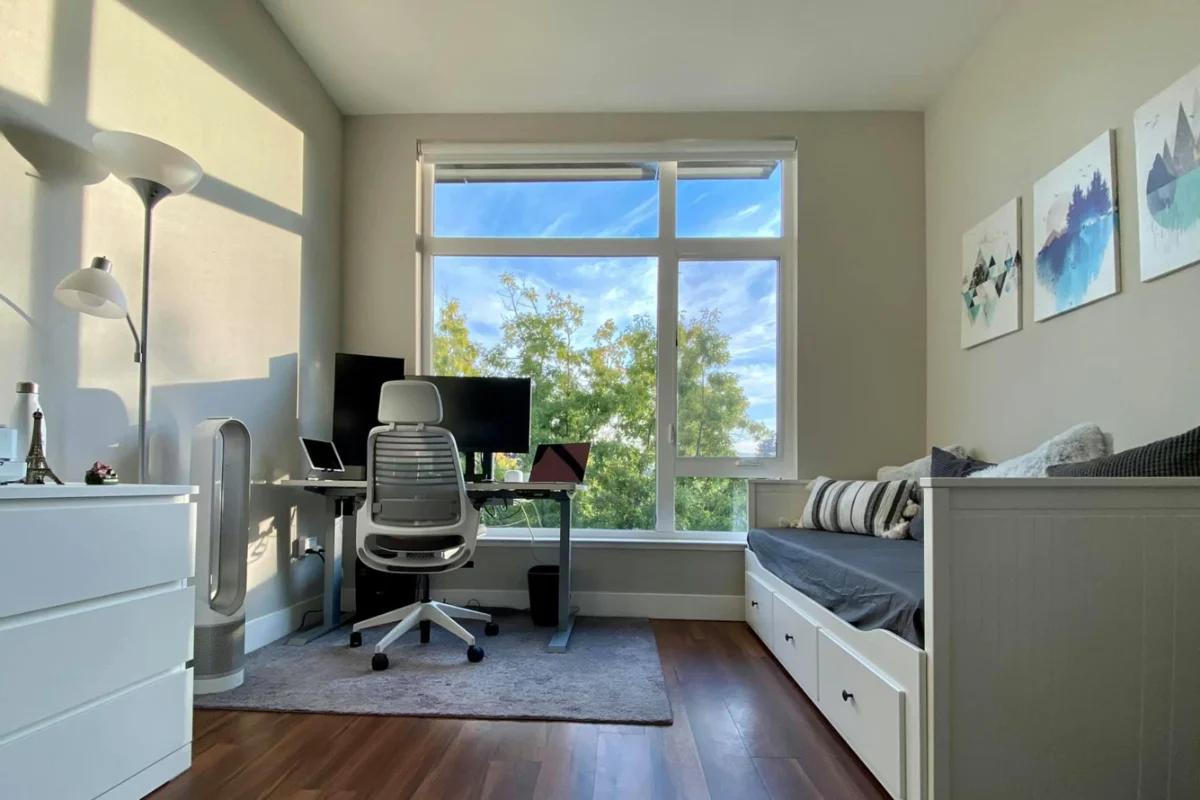
Home Office & Study Furniture: Desks, office chairs, filing cabinets, and bookcases. This category has exploded since 2020, with remote work driving unprecedented demand for ergonomic and space-efficient home office solutions.
Outdoor & Garden Furniture: Patio sets, loungers, hammocks, outdoor dining sets, and garden benches. Materials must withstand weather exposure — teak, aluminum, synthetic wicker, and powder-coated steel dominate.
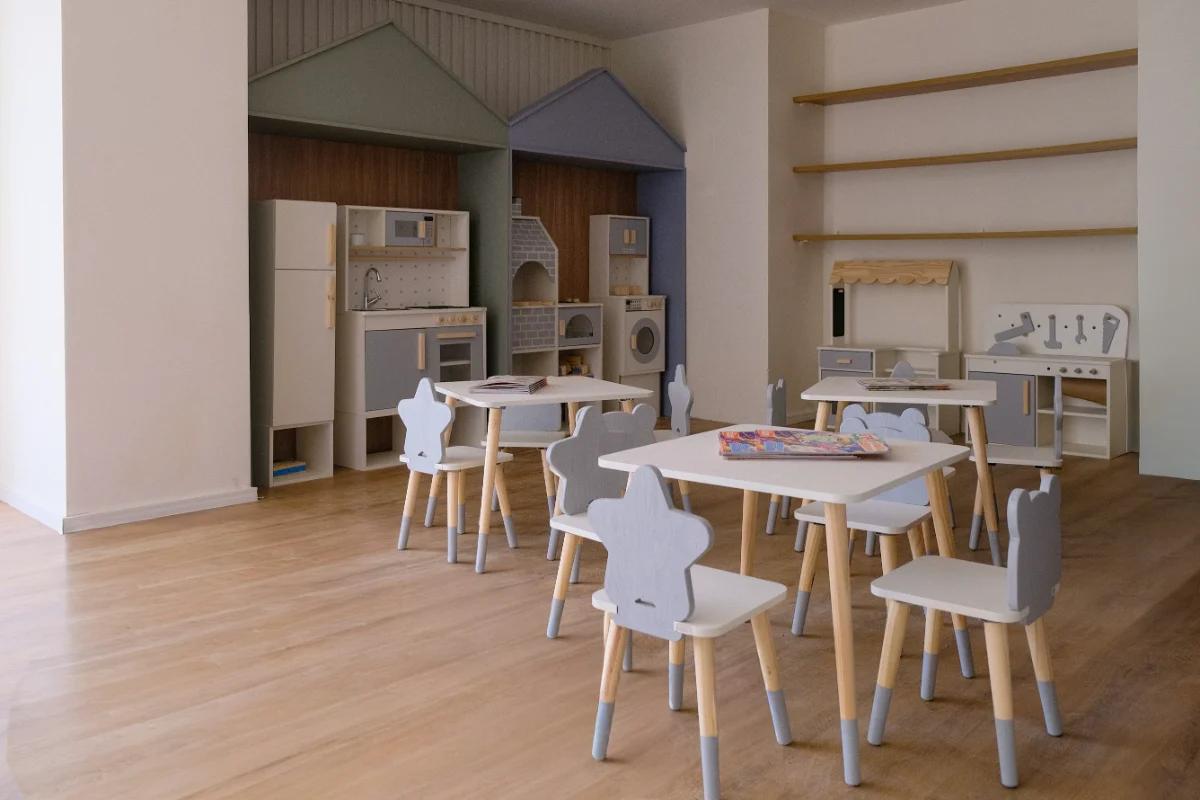
Kids'' Furniture: Beds, bunk beds, study desks, toy storage, and themed furniture designed with safety features and scaled proportions for children.
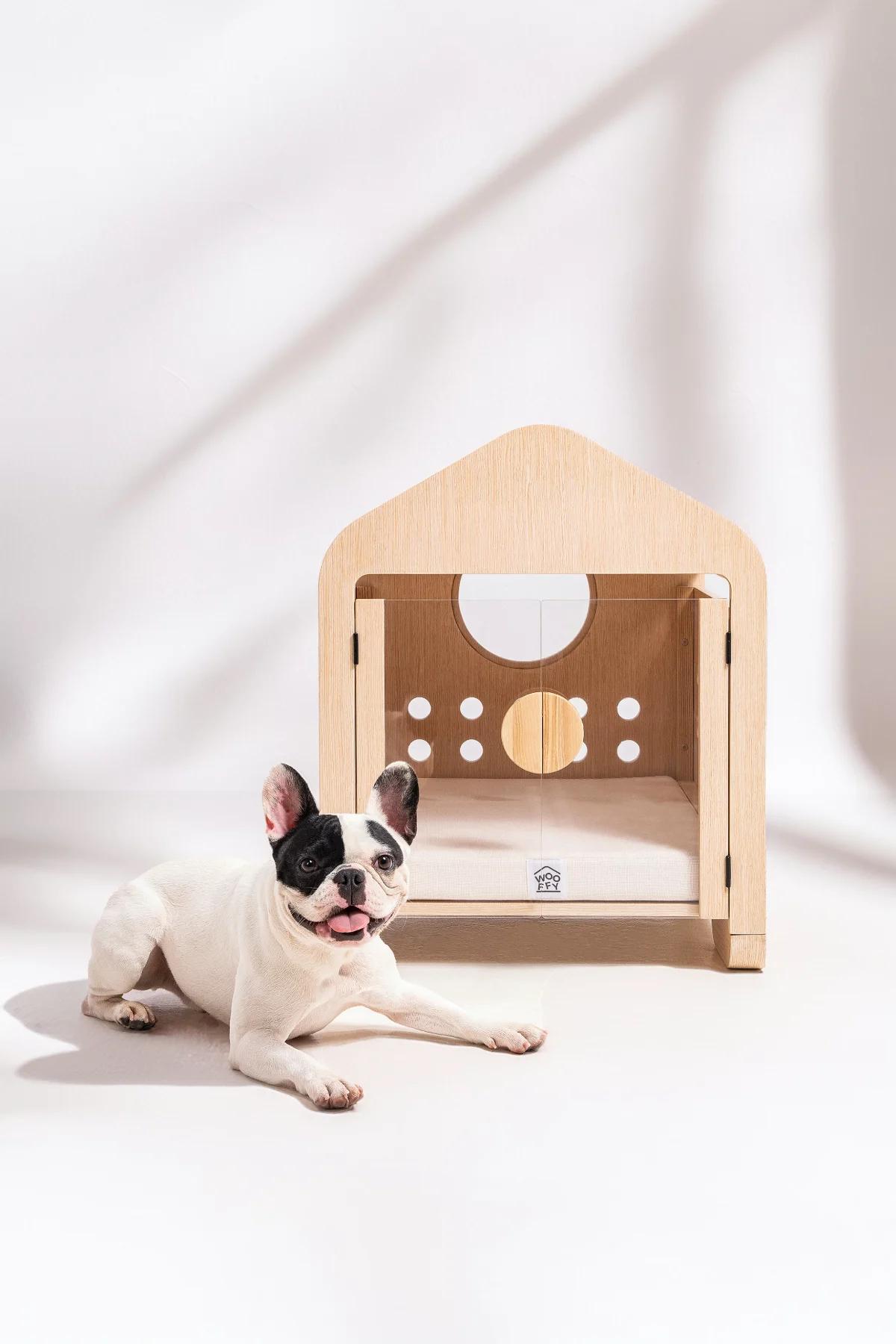
Pet Furniture: A rapidly growing niche — pet beds, cat trees, feeding stations, and furniture-integrated pet solutions.
Home Storage & Organization: Shelving units, modular storage systems, closet organizers, and multi-functional furniture with hidden storage.

Industry Dynamics
The furniture industry operates at the intersection of fashion, function, and manufacturing. Styles change with interior design trends (currently: Japandi minimalism, biophilic design, curved silhouettes), while consumers increasingly demand sustainability certifications (FSC-certified wood, GREENGUARD Gold for low emissions), customization options, and flat-pack convenience for e-commerce delivery. The industry is undergoing rapid digitalization, with augmented reality (AR) tools allowing consumers to visualize furniture in their homes before purchase, and direct-to-consumer brands disrupting traditional retailer-dominated distribution channels.
What Are the Key Materials, Construction Methods, and Quality Factors in Furniture Manufacturing?
The quality, durability, and value of furniture are determined by the materials used, the construction methods employed, and the finishing processes applied. Understanding these factors helps buyers distinguish between furniture that will last generations and pieces that will fail within years.

1. Wood — The Core Material
Solid Hardwood: Oak, maple, walnut, cherry, teak, and mahogany are premium materials known for durability, beautiful grain patterns, and the ability to be refinished multiple times. Kiln-drying is essential — properly dried wood (6-8% moisture content) resists warping and cracking. FSC certification ensures the wood comes from responsibly managed forests.
Engineered Wood: Plywood (cross-laminated veneers) offers excellent strength-to-weight ratio and dimensional stability. MDF (Medium-Density Fiberboard) provides a smooth, uniform surface ideal for painted finishes but is heavier and less moisture-resistant. Particleboard is the most economical option but has the lowest durability — commonly found in flat-pack furniture.
Veneer: A thin layer of real wood bonded to an engineered wood core, offering the look of solid wood at a lower cost. Quality veneer furniture uses thick-cut veneers (0.6mm+) with careful grain matching.

2. Joinery — How Furniture is Constructed
Mortise and Tenon: The gold standard of wood joinery — a projecting tenon fits into a precisely cut mortise, creating an incredibly strong mechanical bond. Found in heirloom-quality furniture.
Dovetail Joints: Interlocking wedge-shaped pins and tails, primarily used in drawer construction. Through dovetails indicate high-quality craftsmanship; French (half-blind) dovetails are also excellent.
Dowel Joints: Cylindrical wooden pins glued into aligned holes. Strong when properly executed with sufficient dowel count, common in mid-range furniture.
Cam Lock & Dowel: The standard for flat-pack (RTA) furniture. Functional and cost-effective but less durable than traditional joinery — not suitable for pieces subjected to frequent movement or heavy loads.
Corner Blocks & Brackets: Reinforcing elements that add structural integrity to chairs, tables, and case goods. Screwed and glued corner blocks dramatically increase frame strength.

3. Upholstery — Comfort and Durability
Frame Construction: Kiln-dried hardwood frames (maple, birch) with double-doweled, glued, and screwed joints are the benchmark. Avoid softwood frames (pine) and frames held together solely by staples.
Suspension Systems: Eight-way hand-tied springs represent the pinnacle of seating comfort and durability. Sinuous (zigzag) springs are a more affordable alternative offering good support. Webbing (elastic or jute) is used in lower-cost furniture but sags over time.
Cushion Materials: High-resilience (HR) foam with a density of 2.5 lbs/ft³ or higher provides the best balance of comfort and longevity. Down-and-feather wraps add luxurious softness but require regular fluffing. Polyester fiberfill is economical but compresses quickly.
Fabric Durability: Measured in Martindale or Wyzenbeek rub counts. For residential use, 15,000+ rubs is acceptable; 25,000+ is excellent; commercial-grade fabrics exceed 40,000+. Performance fabrics (solution-dyed acrylic, Crypton, Sunbrella) offer stain resistance and cleanability.

4. Finishes — Protection and Appearance
Catalyzed lacquer and conversion varnish provide the most durable clear finishes, resistant to water, heat, and chemicals. Nitrocellulose lacquer offers a beautiful hand-rubbed look but is less durable. Polyurethane (oil or water-based) provides excellent protection for high-use surfaces. UV-cured finishes are increasingly used in high-volume manufacturing for their speed and low VOC emissions.

5. Metal & Mixed Materials
Stainless steel (304 or 316 grade for outdoor use) resists corrosion. Powder-coated steel offers durability and color options. Aluminum is lightweight and rustproof — ideal for outdoor and modern furniture. Solid brass and copper are used for decorative hardware and accents. Tempered glass (minimum 8mm thickness for tabletops) must meet safety standards for shatter resistance.
What Should Buyers Consider When Sourcing Home Furniture?
Sourcing home furniture — whether you''re a retailer, an interior designer, a hotel procurement manager, or an e-commerce brand — involves balancing quality, cost, logistics, and compliance across an increasingly complex global supply chain.

1. Manufacturing Capabilities & Specialization
Not all furniture factories are interchangeable. Assess:
Category expertise: A factory producing upholstered sofas requires completely different equipment and skills than one making solid wood dining tables. Look for specialized manufacturers whose core competency aligns with your product type — upholstery, case goods, outdoor furniture, or flat-pack RTA each represent distinct manufacturing disciplines.
Production capacity: Monthly output capacity, peak season flexibility, and ability to scale. A factory producing 50 containers per month operates differently from one producing 5.
In-house capabilities: Does the factory do its own wood drying, metal fabrication, foam cutting, sewing, and finishing, or does it outsource these processes? Vertical integration typically means better quality control and shorter lead times.
Customization capability: Can they modify dimensions, materials, finishes, and fabrics? Do they have in-house design support for custom development?

2. Quality Control Infrastructure
Furniture quality defects are expensive — returns, replacements, and brand damage multiply quickly:
In-line inspection: The best factories conduct quality checks at every production stage — incoming material inspection, in-process inspection (frame construction, foam application, upholstery), pre-finishing inspection, and final random inspection (FRI).
Testing capabilities: Do they have in-house testing labs for stability tests (ANSI/BIFMA), flammability (TB 117-2013, CAL 133), finish durability (cross-hatch adhesion, hot/cold check), fabric rub tests (Martindale/Wyzenbeek), and load/durability testing?
AQL standards: Acceptable Quality Levels should be specified in the purchase agreement. AQL 2.5 is standard; AQL 1.5 or 1.0 for premium or contract-grade furniture.
Third-party inspection: For import buyers, engaging inspection companies (SGS, Bureau Veritas, Intertek, QIMA) for pre-shipment and during-production inspections provides independent quality verification.

3. Materials & Sustainability Compliance
Wood sourcing: Verify FSC (Forest Stewardship Council) or PEFC chain-of-custody certification for wood products. Understand the source species — some woods (like certain rosewoods) are CITES-restricted and require import/export permits.
Chemical compliance: CARB Phase 2 / TSCA Title VI compliance for formaldehyde emissions from composite wood products is mandatory for the US market. REACH (EU) regulates chemicals in all materials. Proposition 65 (California) requires warnings for products containing listed chemicals.
Flammability standards: Different markets have different requirements — TB 117-2013 (California), UK Fire Safety Regulations (BS 5852, BS 7177), and EN 1021 (EU). Verify that products meet the standards of your target market.
Sustainability certifications: GREENGUARD Gold (low chemical emissions for indoor air quality), OEKO-TEX® (for textile components), BIFMA level® (sustainability standard for commercial furniture), and LEED contribution are increasingly demanded by institutional and eco-conscious buyers.

4. Logistics, Packaging & Total Landed Cost
Furniture is bulky, heavy, and damage-prone — logistics can make or break profitability:
Packaging standards: Furniture must survive ocean/overland transport, warehouse handling, and last-mile delivery. Look for ISTA 3A or 6A certified packaging, corner protection, foam cushioning, and moisture barriers. Knock-down (KD) packaging dramatically reduces freight costs versus fully assembled shipping.
Container optimization: Experienced manufacturers design products and packaging to maximize container utilization. A 2% improvement in container fill rate can mean millions in annual savings at scale.
Total landed cost calculation: FOB price × quantity + ocean freight + insurance + import duties + customs brokerage + drayage + warehousing + last-mile delivery + returns/damage allowance. Furniture duties can range from 0% (many countries under FTAs) to 20%+ for countries without preferential access.
Lead times: Typical furniture production lead time is 45-90 days plus 30-45 days ocean transit. Near-shoring (Mexico for US, Eastern Europe/Turkey for EU) can reduce total lead time to 4-8 weeks.

5. Factory Ethics & Labor Compliance
Social compliance audits: Require SMETA (Sedex), BSCI, or SA8000 certification from accredited audit firms. Review audit reports for findings related to working hours, wages, forced labor, child labor, and health & safety.
Worker safety: Furniture manufacturing involves hazardous processes — wood dust, chemical finishing, heavy lifting. Verify proper dust collection systems, spray booth ventilation, PPE provision, and fire safety measures.
Supplier code of conduct: Establish clear expectations and audit rights in the supply agreement. The most responsible brands invest in long-term factory partnerships that incentivize continuous improvement rather than "audit-and-switch" approaches.
Which Regions and Countries Lead in Global Furniture Manufacturing?
The global furniture manufacturing landscape spans every continent, but production is heavily concentrated in a few key regions that have developed deep manufacturing ecosystems, skilled workforces, and efficient logistics networks.

1. China — The World''s Furniture Factory
China produces approximately 40% of the world''s furniture, with exports exceeding $100 billion annually. The country''s dominance stems from massive industrial clusters where every component — lumber, hardware, fabrics, foam, finishes — is available within a single industrial zone. Key manufacturing regions: Guangdong Province (Dongguan, Shenzhen, Foshan, Zhongshan) specializes in modern and contemporary furniture, upholstered seating, and office furniture. Foshan''s Lecong and Longjiang towns form the world''s largest furniture wholesale market spanning over 3 million square meters. Zhejiang Province (Anji — known as the "chair capital" producing 30% of the world''s office chairs; Yuhuan — European-style classical furniture). Shandong Province leads in solid wood furniture, particularly from North American hardwoods. Jiangsu and Fujian also host significant furniture manufacturing clusters. Chinese manufacturers have increasingly moved upmarket, investing in Italian and German machinery, hiring European designers, and developing proprietary brands.

2. Vietnam — The Fastest-Growing Alternative
Vietnam has emerged as the second-largest furniture exporter to the US, driven by trade diversion from China, competitive labor costs, and improving manufacturing sophistication. Vietnam''s furniture exports exceeded $16 billion in recent years. Key strengths include outdoor furniture (acacia wood), indoor case goods, and upholstered seating. Manufacturing is concentrated around Ho Chi Minh City, Binh Duong, and Dong Nai in the south, with a growing cluster in the north near Hanoi. Many factories are foreign-invested (Taiwan, China, South Korea, and increasingly US and European brands establishing their own or partner facilities). Challenges include wood supply (Vietnam imports significant volumes of hardwood from the US and Europe for re-export), logistics infrastructure, and skilled labor shortages at the supervisory level.

3. European Union — Design Leadership and High-End Manufacturing
Europe''s furniture industry focuses on design, quality, and premium segments rather than mass-market volume:
Italy: The global capital of high-end design furniture, anchored by the Salone del Mobile in Milan. The Brianza district (north of Milan) is home to hundreds of luxury furniture and lighting manufacturers. Italian furniture is synonymous with craftsmanship, design heritage, and premium materials. Global brands like Poltrona Frau, B&B Italia, Minotti, Molteni&C, and Cassina define the luxury segment.
Germany: Europe''s largest furniture producer, excelling in kitchen systems (Bulthaup, Poggenpohl, SieMatic), office furniture, and engineered wood technology. German manufacturing is characterized by automation, precision engineering, and sustainability leadership.
Poland: Europe''s fastest-growing furniture exporter, benefiting from proximity to Western European markets, EU membership, and a strong wood processing sector. Poland is now the second-largest furniture exporter in the EU (after Germany), with strengths in upholstered furniture and case goods.
Nordic Countries (Denmark, Sweden, Norway, Finland): Scandinavian design remains globally influential, with brands like IKEA (Sweden) reshaping global furniture retail. Danish modern design from mid-century masters continues to inspire premium furniture globally.

4. United States — Domestic Manufacturing Resurgence
While much US furniture production moved offshore from the 1990s-2010s, domestic manufacturing has experienced a resurgence driven by near-shoring demand, automation, and customization trends. The US remains strong in upholstered furniture (Mississippi, North Carolina — the traditional furniture belt), mattresses, custom cabinetry, and office furniture (Herman Miller, Steelcase, Haworth in Michigan). The High Point Market in North Carolina remains the world''s largest home furnishings trade show.

5. Emerging Manufacturing Hubs
Mexico: Growing rapidly as a near-shoring destination for the US market, with strengths in upholstered furniture, case goods, and outdoor furniture. Monterrey and Guadalajara are key clusters.
India: An emerging force in solid wood furniture, handicraft furniture, and textile-based home furnishings. Jodhpur, Jaipur, and Saharanpur are traditional furniture manufacturing centers.
Malaysia and Indonesia: Major exporters of wood furniture (rubberwood, teak, mahogany) and rattan products. Malaysia is particularly strong in office and bedroom furniture.
Turkey: Growing as a near-shoring hub for European and Middle Eastern markets, combining competitive costs with reasonable quality and fast delivery times.

Strategic Sourcing Approach
The optimal furniture sourcing strategy depends on your market position. Mass-market and e-commerce brands benefit from the scale and ecosystem depth of Chinese and Vietnamese manufacturing. Premium and design-focused brands may find better alignment with European (particularly Italian, German, or Scandinavian) manufacturers. Brands prioritizing speed-to-market and customization may benefit from near-shoring to Mexico (for US) or Eastern Europe/Turkey (for EU). Most sophisticated furniture companies maintain a multi-country sourcing portfolio, matching each product category to the region best suited for it.