We Use Cookies 🍪
We Use Cookies And Other Similar Technologies To Improve Your Browsing Experience And The Functionality Of Our Site. Learn More In Our Privacy Policy.

Manufacture Rankings in the ​​Custom & Group Apparel Industry

Last Updated: January 24, 2026


Welcome to Verity Rank's Global “Custom & Group Apparel Industry Manufacturer Rankings”. This list goes beyond brands to identify the foundational production powerhouses. We assess manufacturers on hard metrics: production capacity, vertical integration, technical expertise, quality control, and elite client portfolios. Find partners for bulk orders or specialized technical apparel. Our rankings are built from industry analyses, trade data, patent reviews, and AI-driven intelligence, offering an objective reference for your sourcing decisions.

Gildan Activewear Inc.

Gildan Activewear Inc. is a globally vertical-integrated apparel manufacturing giant listed on the New York and Toronto stock exchanges, headquartered in Montreal, Canada. Its core business is supplying high-value, blank basic apparel to the B2B market, with product lines anchored by T-shirts, hoodies, underwear, and socks. These products serve as the foundational canvas for group customization, promotional merchandise, and mass retail. Operating 15 large-scale vertical-integration factories globally with over 50,000 employees, Gildan maintains deep control over its supply chain from yarn to finished garment. With 2023 revenue reaching US$3.197 billion, it is an “invisible champion” and efficiency benchmark within the industry.

Strengths: Gildan’s core strengths lie in its deeply vertical-integrated global production network (e.g., factories in Honduras, Bangladesh), which grants it unparalleled cost control, extreme economies of scale, and reliable product consistency; concurrently, its established position as the “industry standard” within B2B sectors (like screen printing and promotional products) and its strong customer partnerships form an exceptionally stable business foundation and entry barrier.
Weaknesses: Gildan’s main weaknesses stem from its role as an “invisible” manufacturer, lacking brand recognition and emotional connection with end consumers, resulting in limited pricing power and profits vulnerable to fluctuations in commodity prices like cotton; furthermore, its extensive global production network faces ongoing ESG scrutiny regarding environmental and labor practices, leading to high compliance costs and reputational risks.
Gildan
Gildan
Brand Name
Montreal, Quebec, Canada
Address
1984
Founded
50K+
Number of Employees
60+ Countries
Business Scope
15+ Factories
Production Base
Official Website
Men's Clothing Industry
Men's Tops Industry
Men's Outerwear Industry
Men's Bottoms Industry
Men's Sportswear Industry
Women's Clothing Industry
Women's Tops Industry
Women's Outerwear Industry
Women's Pants Industry
Women's Activewear Industry
Intimates & Hosiery Industry
Women's Underwear Industry
Men's Underwear Industry
Basic Hosiery Industry
Children's Everyday Wear Industry
Fashion Accessories Industry
Head Accessories Industry
Neck Accessories Industry
Wrist & Hand Industry
Loungewear & Sleepwear Industry
Sleep Sets Industry
Loungewear Industry
Custom & Group Apparel Industry
Group Uniforms Industry
Personalized Gear Industry
Men's Clothing Industry
Men's Tops Industry
Men's Outerwear Industry
Men's Bottoms Industry
Men's Sportswear Industry
Women's Clothing Industry
Women's Tops Industry
Women's Outerwear Industry
Women's Pants Industry
Women's Activewear Industry
Intimates & Hosiery Industry
Women's Underwear Industry
Men's Underwear Industry
Basic Hosiery Industry
Children's Everyday Wear Industry
Fashion Accessories Industry
Head Accessories Industry
Neck Accessories Industry
Wrist & Hand Industry
Loungewear & Sleepwear Industry
Sleep Sets Industry
Loungewear Industry
Custom & Group Apparel Industry
Group Uniforms Industry
Personalized Gear Industry

Cintas Corporation

Cintas Corporation (NASDAQ: CTAS) is a leading U.S.-based provider of workplace solutions, whose core business model revolves around renting, cleaning, delivering, and managing the full lifecycle of uniforms, corporate apparel, and protective clothing for businesses. As a B2B integrated service provider rather than a traditional apparel manufacturer, it transforms textile products into a highly sticky, subscription-based service via an extensive network of over 400 operational facilities across North America. With fiscal 2024 revenue of $9.57 billion and a consistently strong market valuation, Cintas has become a benchmark in the corporate services sector, renowned for its operational excellence, stable recurring revenue, and near-dominant market position in North America.

Strengths:Cintas’ core strengths are its dense, integrated service network across North America, which creates an exceptionally high operational and competitive barrier; concurrently, its ‘rental + service’ subscription business model generates remarkably stable recurring revenue and high customer retention, with significant switching costs for clients.
Weaknesses:Cintas’ main weaknesses stem from its heavy geographic concentration in the North American market, which limits growth potential and exposes it to regional economic cycles; simultaneously, as a labor-intensive service enterprise, it faces persistent pressures from rising labor costs and recruitment challenges, and the efficacy of replicating its service model in other global markets remains unproven.
Cintas
Cintas
Brand Name
Cincinnati, Ohio, USA
Address
1929
Founded
48K+
Number of Employees
North America
Business Scope
400+ Facilities
Operation and Production Facilities
Official Website
Men's Clothing Industry
Women's Clothing Industry
Protective Products Industry
Protective Apparel Industry
Respiratory Protection Industry
Hand Protection Industry
Foot Protection Industry
Face & Eye Protection Industry
Specialized Gear Industry
Custom & Group Apparel Industry
Corporate Workwear Industry
Group Uniforms Industry
Event Apparel Industry
Small Batch Industry
Specialized Supply Industry
Professional Formalwear & Business Uniforms Industry
Workwear & General Uniforms Industry
Group Events & Promotional Apparel Industry
Custom Executive Suits Industry
Custom Professional Suits Industry
Custom Polo Shirt Industry
Custom T-shirt Industry
Men's Clothing Industry
Women's Clothing Industry
Protective Products Industry
Protective Apparel Industry
Respiratory Protection Industry
Hand Protection Industry
Foot Protection Industry
Face & Eye Protection Industry
Specialized Gear Industry
Custom & Group Apparel Industry
Corporate Workwear Industry
Group Uniforms Industry
Event Apparel Industry
Small Batch Industry
Specialized Supply Industry
Professional Formalwear & Business Uniforms Industry
Workwear & General Uniforms Industry
Group Events & Promotional Apparel Industry
Custom Executive Suits Industry
Custom Professional Suits Industry
Custom Polo Shirt Industry
Custom T-shirt Industry

Shenzhou International Group

Shenzhou International Group Holdings Limited is a globally leading vertically integrated knitwear manufacturer headquartered in Ningbo, Zhejiang, listed on the Hong Kong Stock Exchange. It employs a unique vertical integration model covering fabric R&D, knitting, dyeing to garment manufacturing, providing OEM/ODM services for global brands like Nike, Adidas, and UNIQLO. With 6 production bases across China, Vietnam, and Cambodia, it employs ~89,000 people, reported RMB 30.5 billion revenue in 2024, and produces ~500 million garments annually. Leveraging its full supply chain integration, premium client portfolio, and scaled manufacturing capabilities, it maintains leadership in global apparel manufacturing.
Strengths: Shenzhou International's core strengths are its unique vertical integration enabling end-to-end control from fabric to garment with rapid response and quality assurance; premium client relationships with long-term partnerships with global brands like Nike and Adidas; outstanding manufacturing scale producing 500 million garments annually with global layout providing significant cost advantages.
Weaknesses: Shenzhou International faces cost control pressures from raw material fluctuations and rising labor costs impacting profitability; geopolitical risks from international trade policy changes challenge its global production layout; relatively low OEM model margins and increasing environmental requirements add operational cost pressures.
Shenzhou
Shenzhou
Brand Name
Ningbo, Zhejiang Province, China
Address
2005
Founded
89K+
Number of Employees
3+ Countries
Business Scope
6+ Factory
Processing Facilities
Official Website
Men's Clothing Industry
Men's Tops Industry
Men's Sportswear Industry
Women's Clothing Industry
Women's Tops Industry
Women's Activewear Industry
Intimates & Hosiery Industry
Women's Underwear Industry
Men's Underwear Industry
Loungewear & Sleepwear Industry
Loungewear Industry
Sustainable Fashion Industry
Recycled Fabrics Industry
Men's Clothing Industry
Men's Tops Industry
Men's Sportswear Industry
Women's Clothing Industry
Women's Tops Industry
Women's Activewear Industry
Intimates & Hosiery Industry
Women's Underwear Industry
Men's Underwear Industry
Loungewear & Sleepwear Industry
Loungewear Industry
Sustainable Fashion Industry
Recycled Fabrics Industry

Lu Thai Textile Co., Limited

Lu Thai Textile Co., Limited is a globally leading premium yarn-dyed fabric manufacturer headquartered in Zibo, Shandong, listed on the Shenzhen Stock Exchange. It employs a vertically integrated model covering the entire chain from spinning, weaving, dyeing to garment manufacturing, specializing in high-end yarn-dyed fabrics and shirts. Operating in global major markets with 8 production bases and ~15,000 employees, it reported RMB 8.5 billion revenue in 2024 with annual fabric capacity of 200 million meters. Leveraging its complete industrial chain integration, advanced R&D capabilities, and premium client resources, it maintains absolute leadership in the global yarn-dyed fabric market.
Strengths: Lu Thai's core strengths are its comprehensive vertical integration enabling full control from spinning to garments, ensuring excellent quality stability and rapid response; leading R&D capabilities with 500+ valid patents and sustained investment; premium client resources maintaining long-term partnerships with international brands like UNIQLO and Burberry.
Weaknesses: Lu Thai faces raw material price volatility, particularly cotton costs directly impacting profitability; persistent cost pressures from rising energy, labor, and environmental investments; international trade uncertainties from exchange rate fluctuations and geopolitical factors affecting global business stability.
Lutal
Lutal
Brand Name
Zibo City, Shandong Province, China
Address
1987
Founded
15K+
Number of Employees
Nationwide, China
Business Scope
8+ Factory
Production Facilities
Official Website
Men's Clothing Industry
Men's Tops Industry
Men's Formalwear Industry
Women's Clothing Industry
Women's Tops Industry
Loungewear & Sleepwear Industry
Bedding Sets Industry
Protective Products Industry
Technical Fabrics Industry
Custom & Group Apparel Industry
Corporate Workwear Industry
Group Uniforms Industry
Sustainable Fashion Industry
Recycled Fabrics Industry
Natural Dyes Industry
Men's Clothing Industry
Men's Tops Industry
Men's Formalwear Industry
Women's Clothing Industry
Women's Tops Industry
Loungewear & Sleepwear Industry
Bedding Sets Industry
Protective Products Industry
Technical Fabrics Industry
Custom & Group Apparel Industry
Corporate Workwear Industry
Group Uniforms Industry
Sustainable Fashion Industry
Recycled Fabrics Industry
Natural Dyes Industry

Sancanal Garment Co., Ltd.

Sancanal Garment Co., Ltd. is a wholly-owned subsidiary of Heilan Home Group Co., Ltd., specializing in high-end corporate wear and group customization. As a vertically integrated, self-producing brand, its business is entirely B2B-focused, providing one-stop tailored uniform solutions for financial institutions, utilities, government agencies, and large enterprises. Leveraging the group's robust supply chain, the company operates modern production facilities with an annual capacity of 15 million meters of worsted fabric, 3 million suits, and 10 million shirts, ensuring full control from fabric R&D to garment manufacturing. Sancanal does not engage in retail; it has established a leadership position in China's corporate wear customization sector through reliable product quality, professional service, and deep industry expertise.
Strengths:Sancanal's core strengths are the unparalleled quality control, cost advantages, and stable delivery capabilities afforded by its vertically integrated “fabric-to-garment” supply chain; concurrently, the exceptionally high professional reputation and client trust it has built within the B2B market, particularly in systemic sectors like finance and energy, form a profound business moat.
Weaknesses:Sancanal's main weaknesses are its complete dependence on corporate and government procurement, making its growth highly susceptible to macroeconomic and budgetary cycles; simultaneously, as a purely B2B brand, its substantial commercial value cannot be translated into brand equity in the consumer market, with brand recognition confined to professional circles.
Sancanal
Sancanal
Brand Name
Jiangyin, Wuxi, Jiangsu, China
Address
1997
Founded
2K+
Number of Employees
Nationwide, China
Business Scope
100+ Service Centers
Sales and Service Network
Official Website
Men's Clothing Industry
Men's Outerwear Industry
Men's Bottoms Industry
Men's Formalwear Industry
Women's Clothing Industry
Women's Tops Industry
Women's Outerwear Industry
Women's Pants Industry
Formalwear Industry
Custom & Group Apparel Industry
Corporate Workwear Industry
Group Uniforms Industry
Professional Formalwear & Business Uniforms Industry
Group Events & Promotional Apparel Industry
Custom Executive Suits Industry
Custom Professional Suits Industry
Workwear & General Uniforms Industry
Custom Polo Shirt Industry
Custom T-shirt Industry
Men's Clothing Industry
Men's Outerwear Industry
Men's Bottoms Industry
Men's Formalwear Industry
Women's Clothing Industry
Women's Tops Industry
Women's Outerwear Industry
Women's Pants Industry
Formalwear Industry
Custom & Group Apparel Industry
Corporate Workwear Industry
Group Uniforms Industry
Professional Formalwear & Business Uniforms Industry
Group Events & Promotional Apparel Industry
Custom Executive Suits Industry
Custom Professional Suits Industry
Workwear & General Uniforms Industry
Custom Polo Shirt Industry
Custom T-shirt Industry

Anta Sports Products Limited

Anta Sports Products Limited is a leading Chinese sports products group headquartered in Quanzhou, Fujian, listed on the Hong Kong Stock Exchange. Employing a multi-brand strategy, it operates brands including ANTA, FILA, and DESCENTE, covering professional sports, fashion sports, and outdoor segments. Operating in 30+ countries with 12,000+ Chinese stores, it maintains 10+ production bases and 5 R&D centers. 2024 revenue reached RMB 62 billion with ~55,000 employees, with the ANTA brand contributing 40%. Leveraging its comprehensive multi-brand portfolio, continuous technological innovation, and extensive omnichannel network, it maintains absolute leadership in China's sports market.
Strengths: Anta's core strengths are its comprehensive multi-brand portfolio achieving full price-segment coverage through ANTA, FILA, etc.; sustained technological innovation with core patents like Nitrogen Technology and 4% R&D investment ratio; extensive omnichannel network operating 12,000+ Chinese stores while advancing DTC transformation.
Weaknesses: Anta faces insufficient internationalization with 90% revenue from China requiring overseas breakthrough; high multi-brand management complexity challenges brand synergy and integration; cost control pressures persist from rising raw material costs and DTC transformation investments affecting profitability.
Anta
Anta
Brand Name
Quanzhou, Fujian Province, China
Address
1991
Founded
55K+
Number of Employees
30+ Countries
Business Scope
1000+ Factory
Group Supply Chain Network
Official Website
Men's Clothing Industry
Men's Sportswear Industry
Women's Clothing Industry
Women's Activewear Industry
Footwear Industry
Athletic Shoes Industry
Luggage & Accessories Industry
Backpacks Industry
Specialty Bags Industry
Intimates & Hosiery Industry
Basic Hosiery Industry
Functional Socks Industry
Sports & Outdoor Gear Industry
Sports Apparel Industry
Outerwear Industry
Footwear Industry
Performance Accessories Industry
Sports Equipment Industry
Kids & Baby Clothing Industry
Children's Everyday Wear Industry
Functional Wear Industry
Fashion Accessories Industry
Head Accessories Industry
Technical Fabrics Industry
Custom & Group Apparel Industry
Group Uniforms Industry
Sustainable Fashion Industry
Recycled Fabrics Industry
Men's Clothing Industry
Men's Sportswear Industry
Women's Clothing Industry
Women's Activewear Industry
Footwear Industry
Athletic Shoes Industry
Luggage & Accessories Industry
Backpacks Industry
Specialty Bags Industry
Intimates & Hosiery Industry
Basic Hosiery Industry
Functional Socks Industry
Sports & Outdoor Gear Industry
Sports Apparel Industry
Outerwear Industry
Footwear Industry
Performance Accessories Industry
Sports Equipment Industry
Kids & Baby Clothing Industry
Children's Everyday Wear Industry
Functional Wear Industry
Fashion Accessories Industry
Head Accessories Industry
Technical Fabrics Industry
Custom & Group Apparel Industry
Group Uniforms Industry
Sustainable Fashion Industry
Recycled Fabrics Industry

Youngor Group Co., Ltd.​

Youngor Group Co., Ltd. is a diversified industrial group headquartered in Ningbo, China, and listed on the Shanghai Stock Exchange (SSE: 600177). The group operates under a unique "trinity" business model, with branded apparel as its core, complemented by real estate development and financial investments. In the apparel sector, Youngor has achieved vertical integration spanning from the cultivation of special fibers like hemp, through high-end fabric R&D, to intelligent garment manufacturing and retail. Its flagship brand is the absolute leader in the Chinese men's dress shirt and suit market. With total revenue reaching RMB 14.36 billion in 2024, the group demonstrates the robust strength of a domestic industrial giant through deep vertical integration and synergistic diversification, while simultaneously facing the critical challenge of brand rejuvenation and intergenerational appeal.
Strengths: Youngor's core strengths are its unparalleled vertically integrated apparel supply chain, which creates deep moats in quality, cost, and supply chain resilience; concurrently, its "trinity" business model of "apparel + real estate + investment" provides stable cash flow and risk-hedging capabilities, granting profound financial foundation and strategic patience for its core business development.
Weaknesses: Youngor's main weaknesses lie in the relatively traditional and aging image of its flagship brand, presenting a significant challenge in attracting younger consumers and achieving intergenerational renewal; its heavy reliance on the domestic market makes it vulnerable to local economic cycles and consumption trends, while the management complexity of its diversified operations and the cyclical volatility of its real estate segment pose additional operational risks.
Youngor
Youngor
Brand Name
Ningbo, Zhejiang, China
Address
1979
Founded
20K+
Number of Employees
Nationwide, China
Business Scope
5+ Production Base
Production Facilities
Official Website
Men's Clothing Industry
Men's Tops Industry
Men's Outerwear Industry
Men's Bottoms Industry
Men's Formalwear Industry
Women's Clothing Industry
Women's Tops Industry
Dresses & Skirts Industry
Women's Outerwear Industry
Intimates & Hosiery Industry
Men's Underwear Industry
Functional Socks Industry
Fashion Accessories Industry
Neck Accessories Industry
Formal Neckwear Industry
Custom & Group Apparel Industry
Personalized Gear Industry Rankings
Men's Clothing Industry
Men's Tops Industry
Men's Outerwear Industry
Men's Bottoms Industry
Men's Formalwear Industry
Women's Clothing Industry
Women's Tops Industry
Dresses & Skirts Industry
Women's Outerwear Industry
Intimates & Hosiery Industry
Men's Underwear Industry
Functional Socks Industry
Fashion Accessories Industry
Neck Accessories Industry
Formal Neckwear Industry
Custom & Group Apparel Industry
Personalized Gear Industry Rankings

Fristads Kansas Group AB

Fristads Kansas Group AB is a Sweden-origin, globally leading manufacturer and supplier of professional workwear with over a century of industry heritage. The company deeply focuses on the corporate workwear and functional protective apparel sector, providing durable, safe, and functional uniform solutions for clients in construction, industry, healthcare, and service sectors. It operates via a hybrid model of “in-house design + global partnered production,” with its core business spanning over 20 European countries and generating annual sales of approximately €400 million. Leveraging its profound expertise, stringent product standards, and strong reputation in the B2B vertical, Fristads has established itself as a benchmark in the European professional workwear market.
Strengths:Fristads' core strengths are its century-old brand reputation and unparalleled product prowess within the professional workwear vertical, where its garments are renowned for extreme durability, precise functionality, and safety compliance; concurrently, its combination of in-house control over core processes and a globally certified supply chain ensures consistently superior product quality.
Weaknesses:Fristads' main weaknesses are its brand influence being highly confined to the professional B2B sphere, with negligible recognition in the consumer market; simultaneously, its revenue heavily relies on its core European markets, making growth potential and risk resilience subject to regional economic cycles, and its status as a privately held company limits capital operation flexibility compared to listed peers.
Fristads
Fristads
Brand Name
Göteborg, Västra Götaland, Sweden
Address
1925
Founded
600+
Number of Employees
20+ Countries
Business Scope
10+ Factories
Global Cooperative Factories
Unlisted ( Private Company )
Listing Status
Official Website
Men's Clothing Industry
Women's Clothing Industry
Protective Products Industry
Protective Apparel Industry
Specialized Gear Industry
Custom & Group Apparel Industry
Corporate Workwear Industry
Group Uniforms Industry
Small Batch Industry
Specialized Supply Industry
Professional Formalwear & Business Uniforms Industry
Workwear & General Uniforms Industry
Custom Executive Suits Industry
Custom Professional Suits Industry
Custom Polo Shirt Industry
Custom T-shirt Industry
Men's Clothing Industry
Women's Clothing Industry
Protective Products Industry
Protective Apparel Industry
Specialized Gear Industry
Custom & Group Apparel Industry
Corporate Workwear Industry
Group Uniforms Industry
Small Batch Industry
Specialized Supply Industry
Professional Formalwear & Business Uniforms Industry
Workwear & General Uniforms Industry
Custom Executive Suits Industry
Custom Professional Suits Industry
Custom Polo Shirt Industry
Custom T-shirt Industry

Shanghai Shenda Co., Ltd

Shanghai Shenda Co., Ltd. is an important Chinese textile manufacturing and trading enterprise headquartered in Shanghai, listed on the Shanghai Stock Exchange. As a state-controlled company, it employs an industry-trade integration model covering fabric manufacturing, apparel production, and textile trading. With 8 domestic production bases and ~5,000 employees, it reported RMB 8 billion revenue in 2024, with annual capacities of 150 million meters fabric and 20 million garments. Leveraging its unique industry-trade integration, state-backed advantages, and diversified business structure, it maintains a significant position in China's textile industry.
Strengths: Shenda's core strengths are its unique industry-trade integration enabling manufacturing-trading synergy and supply chain advantages; state backing providing government support and financing convenience with operational stability; relatively diversified business structure spanning fabric manufacturing, apparel production and trading services.
Weaknesses: Shenda faces intensifying industry competition with shrinking profit margins in traditional textiles; profitability improvement challenges with relatively low gross margins constraining development; urgent transformation needs to address talent/technology bottlenecks and digitalization pressures.
Shenda
Shenda
Brand Name
Shanghai, China
Shanghai, China
Address
1986
Founded
5K+
Number of Employees
Nationwide, China
Business Scope
8+ Production Base
Production Facilities
Official Website
Loungewear & Sleepwear Industry
Hotel Linens Industry
Protective Products Industry
Protective Apparel Industry
Technical Fabrics Industry
Automotive Interior Materials Industry
Automotive Carpet Industry
Seat Fabric Industry
Automotive Textile Industry
Consumer Protection Industry
Custom & Group Apparel Industry
Corporate Workwear Industry
Sustainable Fashion Industry
Recycled Fabrics Industry
Loungewear & Sleepwear Industry
Hotel Linens Industry
Protective Products Industry
Protective Apparel Industry
Technical Fabrics Industry
Automotive Interior Materials Industry
Automotive Carpet Industry
Seat Fabric Industry
Automotive Textile Industry
Consumer Protection Industry
Custom & Group Apparel Industry
Corporate Workwear Industry
Sustainable Fashion Industry
Recycled Fabrics Industry

Romon Group Co., Ltd.

Romon Group Co., Ltd. is a representative enterprise in China's menswear and formalwear manufacturing sector, renowned for its profound manufacturing heritage rooted in the intangible cultural heritage of “Hongbang Tailoring.” The group’s business centers on men's suits and shirts, supported by a complete vertical supply chain from fabric to finished garments within its modern, integrated industrial park spanning over a thousand acres in Ningbo, Zhejiang. The company pursues a dual-drive strategy of “retail branding + group customization,” with the “Romon” brand serving the retail market and its “Romon Custom” business holding a significant position in the professional and uniform sector. As a publicly listed company (associated code 600400.SH), Romon has established a solid position as a manufacturing expert within China's apparel industry, leveraging its solid craftsmanship, stable B2B operations, and national brand recognition.
Strengths:Romon's core strengths lie in its complete and powerful vertical integrated manufacturing supply chain, which creates unparalleled guarantees for quality, cost, and delivery in the group customization market; concurrently, its heritage of “Hongbang Tailoring” craftsmanship and historical national brand recognition constitute a deep reservoir of professional credibility and cultural equity.
Weaknesses:Romon's main weaknesses stem from its relatively traditional and aging brand image, posing significant challenges in attracting younger consumers and revitalizing its retail market presence; simultaneously, in the fiercely competitive C-end apparel market, its brand influence and channel scale lag behind industry leaders, necessitating new drivers for growth.
Romon
Romon
Brand Name
Ningbo, Zhejiang, China
Address
1978
Founded
5K+
Number of Employees
Nationwide, China
Business Scope
1000+ Stores
Global Retail Network
Official Website
Men's Clothing Industry
Men's Tops Industry
Men's Outerwear Industry
Men's Bottoms Industry
Men's Formalwear Industry
Custom & Group Apparel Industry
Corporate Workwear Industry
Group Uniforms Industry
Professional Formalwear & Business Uniforms Industry
Group Events & Promotional Apparel Industry
Custom Executive Suits Industry
Custom Professional Suits Industry
Custom Polo Shirt Industry
Custom T-shirt Industry
Workwear & General Uniforms Industry
Men's Clothing Industry
Men's Tops Industry
Men's Outerwear Industry
Men's Bottoms Industry
Men's Formalwear Industry
Custom & Group Apparel Industry
Corporate Workwear Industry
Group Uniforms Industry
Professional Formalwear & Business Uniforms Industry
Group Events & Promotional Apparel Industry
Custom Executive Suits Industry
Custom Professional Suits Industry
Custom Polo Shirt Industry
Custom T-shirt Industry
Workwear & General Uniforms Industry

Custom & Group Apparel Manufacturers

There are no products to list in this category.

FAQ

Verity Rank is committed to delivering authentic, transparent, and verifiable industry insights. This ranking is not based on subjective opinions but on a rigorous multi-dimensional evaluation model. We systematically collect and cross-verify public data and authoritative information from global sources, conducting quantitative analysis on key dimensions for each company, including financial performance, market influence, supply chain control, consumer sentiment, and innovative sustainability. Our data sources include, but are not limited to: public financial filings of listed companies, reports from international market research authorities (e.g., Euromonitor, BrandZ), statistics from government and industry bodies, specialized research from leading universities and think tanks, as well as global public sentiment and search trend data integrated via AI technology. All data undergoes cleaning and weighted calculation to ensure the objectivity and neutrality of the final ranking, presenting you with a credible panorama of the industry.
The Custom & Group Apparel industry refers to the specialized sector that provides design, production, and service solutions for the uniform and personalized clothing needs of businesses, organizations, or specific groups. It's far more than just "T-shirts with a logo"; it's a vast industry covering multiple scenarios and strong functionality. Based on core applications, it can be categorized into:
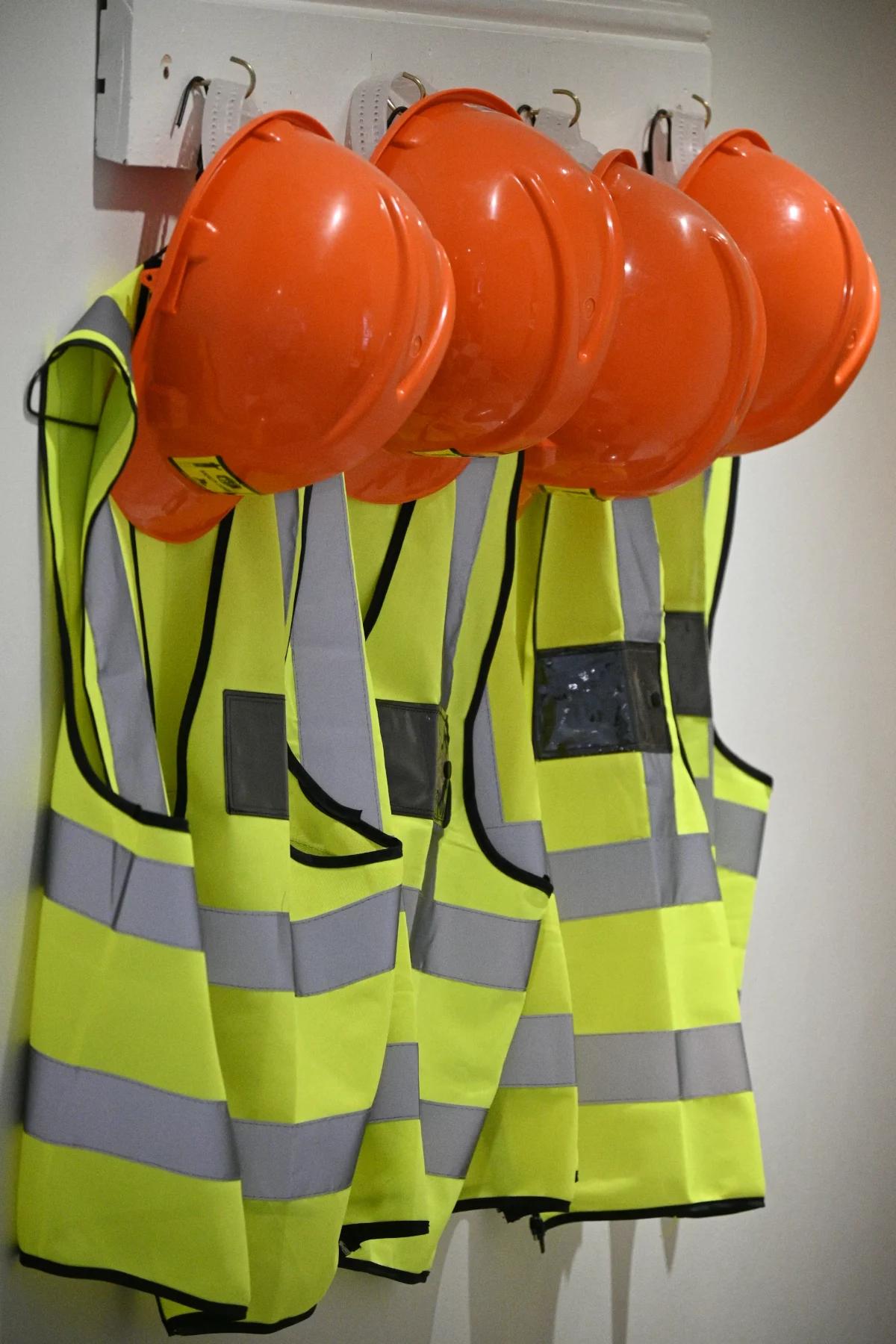
1. Corporate Workwear & Career Apparel: Ranging from executive suits in finance and restaurant staff uniforms to anti-static factory wear and hi-vis safety vests. It emphasizes professional image, identity, and occupational protection.
2. Group Uniforms: Such as student school uniforms, medical scrubs, firefighter gear, and sports team jerseys, focusing on group identity and specific functionalities.
3. Event & Promotional Apparel: Including marathon race shirts, company team-building T-shirts, and music festival merchandise, used for short-term events, brand promotion, or commemoration.
4. Personalized & Small-Batch Customization: Utilizing technologies like DTG printing and embroidery to provide customization with personal elements (names, photos) or small-batch orders (tens to hundreds of pieces).
5. Specialized Apparel for Specific Scenarios: Professional clothing for specific jobs like delivery riders, airport ground crew, and oil rig workers, highly emphasizing scenario adaptation and protective performance.
The essence of this industry is providing B2B2C solutions, connecting apparel manufacturing and brand management with the practical needs of enterprises and groups.
The custom and group apparel market is vast and continuously growing. Taking China as an example, the group procurement and customization market size is projected to reach approximately RMB 167 billion in 2025, expanding at a double-digit annual growth rate. Its growth is primarily driven by:
1. Corporate Image & Culture Building: More companies view unified, professional workwear as a crucial tool for corporate image, brand communication, and internal culture cohesion.
2. Stricter Regulations & Safety Standards: In sectors like manufacturing, energy, healthcare, and firefighting, increasingly stringent global regulations on occupational safety are mandating the demand for high-performance, compliant specialized workwear.
3. Digitization & Transparency in Procurement: The shift from offline to online bidding platforms for corporate procurement has standardized processes, promoting higher service standards and quality among suppliers.
4. Consumption Upgrade & Personalization Trend: Even for group orders, there is a growing demand for personalized elements (e.g., differentiated designs for departments) and higher-quality, more comfortable fabrics.
5. Advances in Flexible Supply Chain Tech: Technologies like digital printing and on-demand production have made small-batch, quick-response customization feasible, lowering the entry barrier and meeting the needs of more small businesses, communities, and events.
The ecosystem primarily features three types of players with distinct business models:
1. Brand Operators (e.g., VF Corp, Heilan Home): They own strong consumer or B2B professional brands. Their core model is brand-value driven, securing orders through brand influence and established product lines. Production is typically outsourced to manufacturers, while they focus on design, marketing, and channel management. They offer "branded" solutions.
2. Vertically Integrated Manufacturers (e.g., Gildan, Shenzhou International): They are the industry's backbone. Companies like Gildan control the entire chain from yarn to garment, producing "blank" basics with extreme scale and cost efficiency for decorators. Top contract manufacturers like Shenzhou International provide integrated services from fabric R&D to garment manufacturing for global sportswear brands, acting as "hidden champions." Their model is scale and technology-driven.
3. Integrated Facility Services Providers (e.g., Cintas): They offer "uniforms as a service." Clients don't buy clothes but pay a monthly rental fee for a full suite of services including custom design, delivery, repair, cleaning, and replacement. Their model is service-subscription driven, building a heavy but high-retention physical network with owned factories and laundries to deeply lock in large corporate clients.
Technology is reshaping the industry's competitive landscape, with core trends centering on personalization, agility, and sustainability:
1. Digital Printing & Decoration Tech: Technologies like Direct-to-Garment (DTG) and Direct-to-Film (DTF) printing have revolutionized small-batch, multi-design, full-color production, enabling "print-on-demand." They are the technical backbone for event and personalized apparel.
2. Flexible Supply Chain & On-Demand Production: Integrating design, order, production, and logistics through software and data enables rapid response. This reduces inventory waste and allows brands/platforms to handle smaller, more diverse orders.
3. 3D Virtual Sampling & AI Sizing: 3D modeling software allows for virtual design and fit review before physical sampling, drastically shortening development cycles. AI sizing technology generates accurate body measurements from phone photos/videos, lowering the barrier for remote customization and improving fit.
4. Functional & Smart Fabrics: Fabric innovation is key for high-end workwear and specialized apparel. Smart fabrics with temperature regulation, moisture management, anti-microbial, UV protection, flame resistance, and anti-static properties are moving from niche to broader professional use.
5. Sustainable Tech & Circular Economy: The use of eco-friendly dyes, waterless or low-water printing, and renewable materials (e.g., recycled polyester) is increasingly critical. Industry leaders are exploring designing for recyclability from the outset to build closed-loop systems.
When selecting a supplier, look beyond unit price and conduct a systematic evaluation. Key dimensions include:
1. Specialization & Product Fit: Does the supplier have proven experience serving your industry (e.g., IT firms, restaurants, factories)? Do their flagship products (e.g., polos, suits, functional outerwear) match your core needs? Avoid using a T-shirt specialist for high-standard suits.
2. Supply Chain Reliability & Capacity: Understand their Minimum Order Quantity (MOQ), standard lead times, and rush order capability. Do they own production capacity or partner with stable factories? This directly impacts on-time, quality delivery, especially during peak seasons or for urgent needs.
3. Technology & Quality Control: Assess their printing/embroidery techniques, fabric sourcing, and quality inspection processes. Request physical samples to check details like stitching, color fastness, and print clarity. For functional wear, verify compliance with relevant safety certifications (e.g., flame resistance standards).
4. Service Process & Communication: Does the supplier offer professional design support, clear quotations, and smooth communication? A responsive team that understands your needs and provides expert advice significantly improves the experience and prevents issues.
5. Sustainability & Social Responsibility: More companies are incorporating environmental and ethical factors. Inquire about the use of eco-materials, energy-saving measures, and whether their factories meet basic social compliance audits (e.g., BSCI). This relates not only to corporate image but also to long-term supply chain stability.