At Verity Rank, our ranking methodology is built on data, not opinions. We aggregate and cross-validate information from four pillars: National Statistical Agencies, University-Affiliated Research Institutions, AI-Driven Global Consumer Sentiment Analysis, and Publicly Listed Company Financial Reports.
Four-Dimensional Scoring: Market Influence (25%), Brand Reputation (25%), Innovation & R&D (25%), Sustainability & Ethics (25%).
We do not accept payment for rankings. Rankings updated quarterly.
Disclaimer: The data is compiled from third-party authoritative sources and intended for reference and market decision support only. It does not constitute direct investment advice or brand endorsement.
The home textiles & fabrics industry is a vital segment of the global economy, encompassing the design, production, and distribution of essential products that serve diverse end markets worldwide.
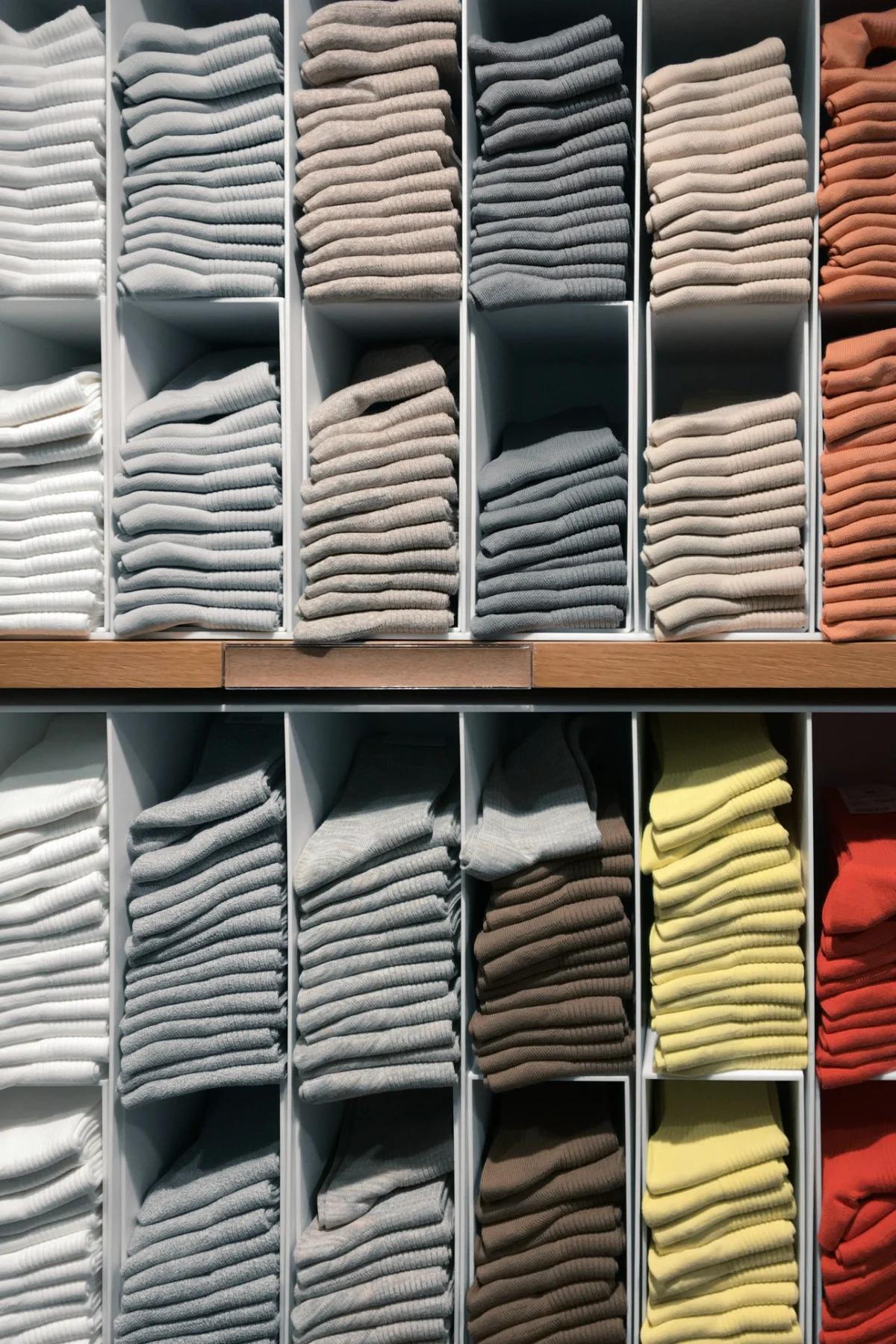
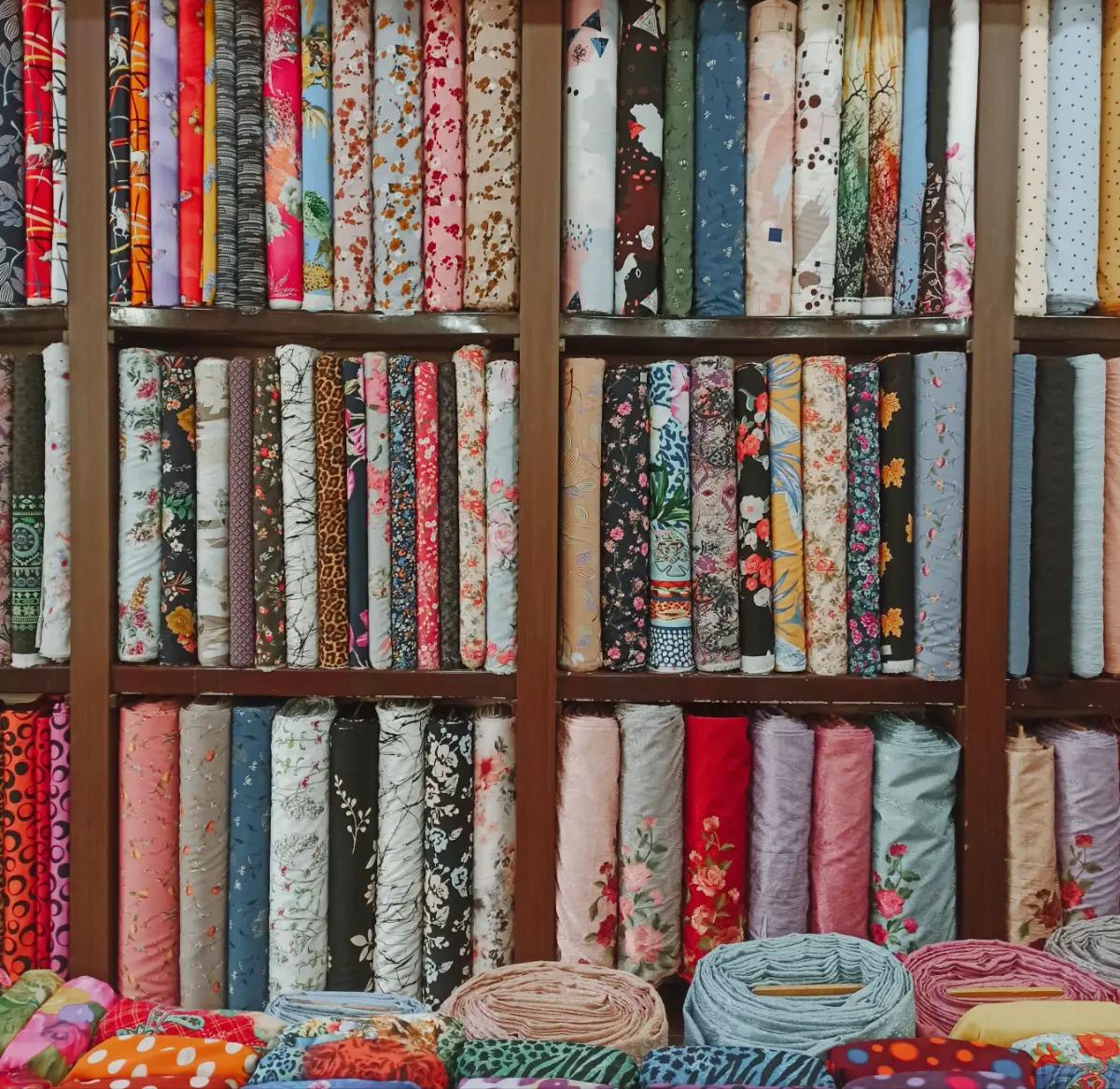
Major Categories: Bedding (sheets, duvets, pillowcases, comforters), bath textiles (towels, bath mats, robes), window treatments (curtains, drapes, blinds), table linens, kitchen textiles, decorative pillows and throws, and upholstery fabrics. The global home textiles market exceeds $120 billion.
Key Segments: Basic/utility, mid-range fashion, and luxury/premium segments. Thread count, fiber quality, weave construction, and finishing treatments differentiate quality tiers. Sustainable and organic home textiles are the fastest-growing premium segment.
Industry Dynamics: The home textiles & fabrics sector is characterized by continuous innovation, evolving consumer demands, and increasing emphasis on sustainability. Companies that invest in technology, quality systems, and supply chain resilience are best positioned for long-term success in competitive global markets.
The home textiles & fabrics industry is shaped by several critical factors that determine competitive success — from raw material quality and manufacturing technology to regulatory compliance and market positioning.
1. Fiber Quality: Long-staple cotton (Egyptian, Pima, Supima), linen, bamboo, TENCEL, and silk represent premium offerings. Microfiber and polyester blends offer durability and affordability.
2. Weave & Construction: Percale (crisp, cool), sateen (smooth, lustrous), jersey (soft, stretchy), and twill for sheets. Ring-spun, combed, and mercerized cotton treatments improve strength, softness, and luster.
3. Finishing Treatments: Anti-wrinkle, stain-resistant, antimicrobial, moisture-wicking, and flame-retardant finishes add functional value. OEKO-TEX certification ensures chemical safety.
4. Sustainability: GOTS-certified organic cotton, recycled polyester (rPET), BCI cotton, and closed-loop lyocell production are key sustainability credentials.
Quality Standards: Leading companies in the home textiles & fabrics sector typically hold ISO 9001 certification as a baseline, with many also maintaining industry-specific certifications. Product testing, material traceability, and third-party inspection are essential quality assurance practices. Sustainability certifications are increasingly required by major buyers and regulators worldwide.
Sourcing home textiles & fabrics products requires thorough evaluation of supplier capabilities, quality systems, cost structures, and compliance credentials.
1. Material Verification: Request fiber content testing, thread count verification (for cotton sheets), and GSM (grams per square meter) for towels. Mislabeling is common in the industry.
2. Durability Testing: Evaluate colorfastness (washing, light, rubbing), dimensional stability (shrinkage), tensile strength, seam slippage, and pilling resistance after multiple wash cycles.
3. Certifications: OEKO-TEX Standard 100 (chemical safety), GOTS (organic), GRS (recycled content), and BCI (sustainable cotton). These are increasingly baseline requirements for major retailers.
4. Packaging & Presentation: Retail-ready packaging, care label compliance, and country of origin marking. Luxury home textiles require premium packaging and presentation.
5. Supply Chain: Home textiles are seasonal and trend-driven — understand lead times, minimum order quantities, and the supplier''s design and sampling capabilities.
Key Recommendations: Visit supplier facilities when possible, request and verify third-party certifications, start with trial orders before committing to large volumes, and build relationships with multiple qualified suppliers to reduce concentration risk. Establish clear quality specifications and inspection protocols in purchase agreements.
The global home textiles industry has a distinctive geographic footprint shaped by raw material access, manufacturing heritage, labor costs, and market proximity.
1. China: World''s largest producer — Nantong (Jiangsu) is a major home textile cluster; Keqiao (Zhejiang) for fabrics; Shandong for towels.
2. India: Major cotton home textile producer — Welspun, Trident, Himatsingka — strong in towels, sheets, and rugs.
3. Pakistan: Significant cotton home textile exporter — towels, bed linen, and denim.
4. Turkey: Premium cotton towels and bathrobes — Denizli region; growing near-shoring advantage for European markets.
5. Portugal: Premium home textiles — established manufacturing tradition, strong in luxury and hotel/contract segments.
Strategic Implications: Successful procurement in the home textiles industry requires understanding regional specialization and maintaining diversified sourcing strategies that balance cost, quality, lead time, and geopolitical risk. Sustainability certifications and supply chain transparency are increasingly becoming prerequisites for market access in premium segments.