VerityRank

Manufacture Rankings in the Home Decor Industry

HomeHome FurnitureManufacture Rankings in the Home Decor Industry

Welcome to the Home Decor Industry Manufacturer Rankings by Verity Rank. This list goes beyond brands to spotlight the “engine of creation”—the world’s leading manufacturers. We assess true industrial strength by examining scale, vertical integration, smart manufacturing capabilities, supply chain resilience, and proven experience partnering with global brands. Our goal is to highlight the core forces that shape product quality and industry efficiency. The ranking is derived from third-party industry analyses, global supply chain reports, and professional data platforms. It serves as an objective reference for industry professionals.

Top 10 Rankings

2026.05 Edition
1
INGKA Holding B.V. - IKEA

INGKA Holding B.V. - IKEA

INGKA Holding B.V. is the largest franchise operator of the world's leading home furnishings retailer, IKEA, registered in the Netherlands. Centered on the 'Democratic Design' philosophy, the brand utilizes a unique business model of flat-packaging and self-assembly to offer well-designed, functional, and affordable home solutions globally. Its business spans furniture, home decor, and an extensive range of home textiles. In FY2023, INGKA Holding generated revenue of EUR 47.6 billion and operates approximately 460 stores across 63 markets, maintaining a deep global retail and supply chain network.
Strengths: IKEA's core strengths are its unparalleled global brand value and profound lifestyle influence, making its products a default choice for the mass market; concurrently, its uniquely optimized, integrated business model—spanning design, scaled sourcing, flat-pack logistics, and immersive retail—forms an exceptionally high and difficult-to-replicate moat of efficiency and cost advantage.
Weaknesses: IKEA's main weaknesses stem from its massive global scale (approx. 460 stores, EUR 47.6 billion revenue), which challenges its agility in responding to rapidly shifting market trends and advancing digital transformation; furthermore, its complex worldwide operations network continually exposes it to risks from geopolitics, supply chain volatility, and local competition, while the transition to a fully circular business model entails significant short-term cost pressures.

Brand

IKEA

Founded

1943

Workforce

158K+

Presence

63+ Countries

Headquarters

Sweden

Market

Unlisted ( Privately Held Company )

Key Product Categories
Bedroom Furniture BrandsHome Textiles IndustryBedding Sets IndustryBedding Inserts IndustryBath Linens IndustryRugs & Mats IndustryBedroom Furniture SuppliersLiving Room Furniture IndustrySeating Furniture IndustryTV & Media Furniture IndustryBedroom Furniture BrandsHome Textiles IndustryBedding Sets IndustryBedding Inserts IndustryBath Linens IndustryRugs & Mats IndustryBedroom Furniture SuppliersLiving Room Furniture IndustrySeating Furniture IndustryTV & Media Furniture Industry
2
Ashley Furniture Industries, Inc.

Ashley Furniture Industries, Inc.

Ashley Furniture Industries, Inc. is a globally leading home furniture manufacturing retailer headquartered in Arcadia, Wisconsin, USA, operating as a private family-owned enterprise. Employing a vertically integrated model, it controls the entire chain from raw material sourcing and furniture manufacturing to retail, operating in 100+ countries worldwide. With 35 manufacturing plants, 25 distribution centers and 1,000+ retail stores, Ashley employs ~35,000 people and reported $5 billion revenue in 2024. Leveraging its strong vertical integration, comprehensive retail network and continuous product innovation, it maintains important leadership in the global furniture market.

Strengths: Ashley's core strengths are its powerful vertical integration enabling full supply chain control from materials to retail, providing outstanding cost control and quality stability; comprehensive global retail network offering one-stop shopping through 1,000+ stores and omnichannel platforms; excellent product innovation capability annually developing new collections across all styles while expanding smart furniture lines.

Weaknesses: Ashley faces growing cost control challenges from raw material volatility and rising labor costs impacting profitability; intensifying market competition with online retailers and new entrants creating price pressures; supply chain risks from geopolitical factors and trade policy changes affecting global operational stability.

Brand

Ashley Furniture Industries

Founded

1945

Workforce

35K+

Presence

100+ Countries

Facilities

35+ Factories

Headquarters

United States

Market

Unlisted

Key Product Categories
Bedroom Furniture BrandsLiving Room Furniture IndustrySeating Furniture IndustryTV & Media Furniture IndustryTables Furniture IndustryStorage & Display Furniture IndustryBedroom Furniture SuppliersLiving Room Furniture IndustrySeating Furniture IndustryTV & Media Furniture IndustryBedroom Furniture BrandsLiving Room Furniture IndustrySeating Furniture IndustryTV & Media Furniture IndustryTables Furniture IndustryStorage & Display Furniture IndustryBedroom Furniture SuppliersLiving Room Furniture IndustrySeating Furniture IndustryTV & Media Furniture Industry
3
Kuka Home Co., Ltd.

Kuka Home Co., Ltd.

Kuka Home Co., Ltd. is a leading Chinese upholstered furniture manufacturer headquartered in Hangzhou, Zhejiang, listed on the Shanghai Stock Exchange. Employing a vertically integrated model, its business spans design, manufacturing and retail of sofas, beds and complementary furniture, achieving full-chain control from design to sales. With 12 global production bases, ~15,000 employees, operations in 120+ countries, it reported RMB 22 billion revenue in 2024, with annual capacities of 1 million sofas and 500,000 beds. Leveraging its comprehensive vertical integration, extensive channel network and leading brand value, it maintains absolute leadership in China's upholstered furniture market.

Strengths: Kuka Home's core strengths are its complete vertical integration enabling full-chain control from design to retail, providing significant scale benefits and cost advantages; extensively covered channel network offering one-stop shopping through 6,000+ global stores; leading brand value with 30 years of heritage and exceptional consumer recognition in China.

Weaknesses: Kuka Home's internationalization remains limited with overseas revenue contributing only 20%, heavily relying on domestic market; faces intensifying market competition requiring continuous response to cost control and shifting consumer demand; rising raw material and labor costs persistently squeeze profit margins.

Brand

Kuka Home

Founded

1982

Workforce

15K+

Presence

120+ Countries

Headquarters

China

Market

SSE : 603816

Key Product Categories
Bedroom Furniture BrandsLiving Room Furniture IndustrySeating Furniture IndustryTV & Media Furniture IndustryTables Furniture IndustryStorage & Display Furniture IndustryBedroom Furniture SuppliersLiving Room Furniture IndustrySeating Furniture IndustryTV & Media Furniture IndustryBedroom Furniture BrandsLiving Room Furniture IndustrySeating Furniture IndustryTV & Media Furniture IndustryTables Furniture IndustryStorage & Display Furniture IndustryBedroom Furniture SuppliersLiving Room Furniture IndustrySeating Furniture IndustryTV & Media Furniture Industry
4
Natuzzi S.p.A.

Natuzzi S.p.A.

Natuzzi S.p.A. is a globally leading premium upholstered furniture manufacturer headquartered in Santeramo in Colle, Italy, listed on the New York Stock Exchange. It specializes in designing and manufacturing sofas, armchairs and other soft furnishings, employing a vertically integrated model controlling the entire chain from design to production. Operating in 123 countries with 8 production bases in Italy, China and other locations, it employs ~5,000 people, reported €450 million revenue in 2024, and has a daily capacity of ~2,000 units. Leveraging its exceptional Italian design capabilities, top-tier craftsmanship standards and premium brand value, it maintains important leadership in the global high-end upholstered furniture market.

Strengths: Natuzzi's core strengths are its exceptional Italian design innovation with 60 years of heritage and international designer collaborations; top-tier craftsmanship standards maintaining traditional artisanship and strict quality control; premium brand value positioning building strong recognition and loyalty among global high-end consumers.

Weaknesses: Natuzzi faces growing cost control pressures from raw material fluctuations and rising labor costs impacting profitability; intensifying high-end market competition requiring continuous response to new entrants and price pressures; global economic volatility creating demand uncertainties with exchange rate risks and trade policy changes adding operational challenges.

Brand

Natuzzi S.p.A

Founded

1959

Workforce

5K+

Presence

123+ Countries

Facilities

8+ Production Base

Headquarters

Italy

Market

NYSE:NTZ

Key Product Categories
Bedroom Furniture BrandsLiving Room Furniture IndustrySeating Furniture IndustryTV & Media Furniture IndustryTables Furniture IndustryStorage & Display Furniture IndustryBedroom Furniture SuppliersLiving Room Furniture IndustrySeating Furniture IndustryTV & Media Furniture IndustryBedroom Furniture BrandsLiving Room Furniture IndustrySeating Furniture IndustryTV & Media Furniture IndustryTables Furniture IndustryStorage & Display Furniture IndustryBedroom Furniture SuppliersLiving Room Furniture IndustrySeating Furniture IndustryTV & Media Furniture Industry
5
WMF Group GmbH

WMF Group GmbH

WMF Group GmbH is a world-leading premium kitchenware and coffee technology brand of German origin, now part of the French SEB Group, with Geislingen as its technological and manufacturing heart. Its business is deeply focused on the kitchen and dining ecosystem, where its iconic Cromargan® stainless-steel technology sets the standard for high-end cutlery and cookware, while its professional and household coffee machines hold a leadership position globally. As a vertically integrated manufacturer with 8 owned factories worldwide, WMF contributed approximately 20% to its parent company's sales in 2025 and employs around 6,500 people globally. Leveraging over 170 years of industrial design heritage, a strong portfolio of patented technologies, and deep roots in the B2B professional market, WMF has established undisputed brand authority in the premium consumer goods sector. Its business does not involve core home lighting.

Strengths: WMF's core strengths are the extremely high technological barriers and “Made in Germany” quality reputation established in core materials (e.g., Cromargan® stainless steel) and precision manufacturing (e.g., professional coffee machines), coupled with its full-channel brand influence and product matrix successfully covering markets from premium household and gifting to hotel and foodservice professionals.

Weaknesses: WMF's main weaknesses stem from its premium positioning, resulting in high product prices that limit its penetration and sales volume in the mainstream mass market; concurrently, as a wholly-owned subsidiary of the SEB Group, its strategic direction and resource allocation must align with group-wide planning, potentially constraining its operational independence and innovation agility.

Brand

WMF Group

Founded

1853

Workforce

6.5K+

Presence

100+ Countries

Facilities

8+ Factories

Headquarters

Germany

Market

Unlisted

Key Product Categories
Home Decor ManufacturersKitchen & Dining IndustryAppliances IndustryWater Purifier IndustryWater Dispenser IndustryDining Ware IndustryKitchen Furniture BrandsKitchen & Dining IndustryAppliances IndustryWater Purifier IndustryHome Decor ManufacturersKitchen & Dining IndustryAppliances IndustryWater Purifier IndustryWater Dispenser IndustryDining Ware IndustryKitchen Furniture BrandsKitchen & Dining IndustryAppliances IndustryWater Purifier Industry
6
Higold Group Co., Ltd.

Higold Group Co., Ltd.

Higold Group Co., Ltd. is a leading Chinese enterprise in high-end functional hardware and outdoor furniture, driven by “original design” and “industrial technology,” headquartered in Foshan, Guangdong Province. Starting from precision cabinet hardware, the Group has successfully built an integrated premium solution portfolio covering whole-house storage systems, kitchen & bathroom spaces, and outdoor gardens. Its core Outdoor & Garden business, as a strategic growth engine, centers on original outdoor furniture collections (e.g., Sheer, Sail Shadow series) that integrate Italian Pininfarina design aesthetics, combined with smart shading systems and landscape lighting, aiming to provide artistic and durable outdoor living scenarios for global high-end residential and commercial spaces. 2025 estimated Group revenue reached RMB 2.68 billion. With its over 200,000 sqm Star City smart manufacturing base in Shunde and approximately 3,820 employees globally, Higold is listed on the Shenzhen Stock Exchange (SZSE: 001221). Leveraging its deeply vertically integrated supply chain, dozens of accumulated international design awards, and a high gross margin over 35%, Higold is evolving from “Made in China” to a global premium brand exemplar of “Designed in China.”

Strengths:Higold's core strength in the outdoor garden sector lies in its deep integration of years of precision hardware manufacturing expertise with top-tier industrial design (e.g., collaboration with Pininfarina), endowing outdoor furniture with exceptional structural integrity, detail quality, and unique aesthetics. Simultaneously, its strong, fully self-controlled industrial chain capabilities and smart manufacturing level, built upon the functional hardware business, ensure superior consistency and rapid iteration for premium products.

Weaknesses:Higold's main weaknesses are its still-developing international brand influence; compared to century-old top outdoor brands in mature Western markets, its brand narrative and consumer recognition require time to solidify. Additionally, its premium positioning and design-driven model result in high product prices, primarily serving a niche high-end market, posing challenges for penetration and channel coverage in the mass consumer segment.

Brand

Higold Group

Founded

2004

Workforce

3.8K+

Presence

110+ Countries

Headquarters

China

Key Product Categories
Home Decor ManufacturersBedroom Furniture Accessories IndustryDining Room Furniture IndustryDining Tables IndustryDining Chairs IndustryOutdoor Lighting IndustryHome Storage Organization ManufacturersBedroom Furniture Accessories IndustryDining Room Furniture IndustryDining Tables IndustryHome Decor ManufacturersBedroom Furniture Accessories IndustryDining Room Furniture IndustryDining Tables IndustryDining Chairs IndustryOutdoor Lighting IndustryHome Storage Organization ManufacturersBedroom Furniture Accessories IndustryDining Room Furniture IndustryDining Tables Industry
7
Ganz Midwest-CBK LLC

Ganz Midwest-CBK LLC

Ganz Midwest-CBK LLC is a leading North American designer and importer of gifts, home decor, and seasonal merchandise, headquartered in Woodbridge, Ontario, Canada. Formed through the merger of Ganz and Midwest-CBK, this privately held, family-operated company employs an agile “design-driven + global sourcing” model, focusing on high-iteration decorative products for specialty retailers. Its core Outdoor & Garden business does not involve traditional large furniture but centers on infusing gardens and patios with festive and artistic accents through highly designed landscape decor (e.g., wind chimes, garden stakes, solar ornaments) and outdoor accessories (e.g., decorative planters), aligning perfectly with its “giftable home” positioning. 2025 estimated global sales were approximately $0.8-1.0 billion. Its products are sold through a powerful distribution network covering over 30,000 retail outlets in North America, supported by large logistics centers in the US and Canada. As a consolidator in the gift and decor industry, Ganz is a significant force defining seasonal decor aesthetics for North American middle-class households, leveraging its robust artist network, acute grasp of holiday trends, and decades of Asian supply chain management expertise.

Strengths:Ganz's core strengths are its powerful artist-driven design engine and efficient global sourcing system, enabling rapid translation of trends into a vast array of decorative products (especially holiday and tabletop items), and its extensive direct sales force and retailer network for swift market penetration, building formidable responsiveness and distribution barriers in the gift and seasonal home decor sector.

Weaknesses:Ganz's main weaknesses are its heavy concentration on decorative, gift-oriented, and seasonal categories with short product lifecycles and susceptibility to consumer sentiment shifts. As a pure “design + import” model, it has weak control over production and relies heavily on the North American retail market, capping growth potential and risk resilience.

Brand

Ganz Midwest-CBK

Founded

1950

Workforce

1K+

Presence

North America

Headquarters

Canada

Market

30,000+North American Retailer Outlets Unlisted (Privately Held Company)

Key Product Categories
Home Decor ManufacturersLiving Room Furniture IndustrySeating Furniture IndustryTables Furniture IndustryStorage & Display Furniture IndustryBedroom Furniture IndustryHome Decor ManufacturersLiving Room Furniture IndustrySeating Furniture IndustryTables Furniture IndustryStorage & Display Furniture IndustryBedroom Furniture Industry
8
MAS Holdings (Pvt) Ltd

MAS Holdings (Pvt) Ltd

Choosing the right pajamas for each season isn't just about comfort—it can actually improve your sleep quality. Your body’s temperature naturally drops as you fall asleep, and the right sleepwear can help facilitate that process. Here’s a seasonal guide to help you build the perfect pajama wardrobe. 1. Spring/Fall: The Season of Transition During mild weather, you need fabrics that can handle fluctuating temperatures. • Best Fabrics: Mid-weight Cotton and Modal are ideal. They are breathable enough for warmer days but provide enough coverage for cooler nights. • Style Tips: This is the perfect time for long-sleeve tops with long pants, or a short-sleeve top with pants. Look for sets that aren’t too heavy. • Key Brands: Uniqlo’ s standard cotton pajamas or Aerie’s modal sets are great transitional options. 2. Summer: Beat the Heat Summer sleepwear is all about maximizing breathability and minimizing heat retention. • Best Fabrics:     • Lightweight Cotton (Voile or Percale): These weaves are incredibly airy and crisp.     • Linen: The ultimate breathable natural fiber, though it wrinkles easily.     • Modal/Tencel: These are excellent for summer as they wick moisture away from the body.     • Silk: Naturally temperature-regulating, silk keeps you cool. • Style Tips: Opt for short-sleeve or tank-top sets with shorts. A camisole and shorts set is a summer classic. • Key Brands: SKIMS ’ Cotton Sleep line and many of Oysho’s summer collections focus on lightweight, breathable pieces. 3. Winter: Embrace the Warmth Winter sleepwear should trap body heat to keep you cozy without overheating. • Best Fabrics:     • Flannel: Brushed cotton flannel is soft, warm, and comfortable.     • Fleece (Polar or Coral Fleece): Synthetic and extremely warm, like a warm hug. Brands like Oysho and Fenteng are famous for their cute and cozy fleece sets.     • Thermal Knits (HEATTECH): For a more technical approach, Uniqlo’s HEATTECH line uses special fibers that absorb moisture and convert it into heat. • Style Tips: Choose long-sleeve tops with long pants. Some people also love a matching robe (12.2) for extra warmth when getting out of bed. • Key Brands: Look for Oysho, Fenteng, and Uniqlo (HEATTECH) for winter-specific collections. 4. The “All-Season” Wardrobe Staples If you live in a climate with mild seasons or prefer not to switch your entire wardrobe, invest in versatile fabrics. • Mid-Weight Cotton: A year-round staple. • Modal: Surprisingly comfortable in both summer and winter due to its breathability and softness. 5. Beyond Fabric: Consider Your Sleeping Environment • Hot Sleeper? Even in winter, you might prefer Modal or lightweight cotton over heavy flannel. • Cold House? If you keep your home cool at night, you’ll need warmer fabrics even in the summer. • Layering: A simple cotton set plus a separate robe gives you the ultimate flexibility to adjust your temperature.

Brand

MAS

Founded

1987

Workforce

102K+

Facilities

53+ Factories

Headquarters

Sri Lanka

Market

Unlisted ( Family Business )

Key Product Categories
Bathroom Fixtures BrandsHome Lighting IndustryMain Lighting IndustryAmbient Lights IndustrySmart Lighting IndustryOutdoor Lighting IndustryBathroom Fixtures ManufacturersHome Lighting IndustryMain Lighting IndustryAmbient Lights IndustryBathroom Fixtures BrandsHome Lighting IndustryMain Lighting IndustryAmbient Lights IndustrySmart Lighting IndustryOutdoor Lighting IndustryBathroom Fixtures ManufacturersHome Lighting IndustryMain Lighting IndustryAmbient Lights Industry
9
Suofeiya Home Collection Co., Ltd.

Suofeiya Home Collection Co., Ltd.

Suofeiya Home Collection Co., Ltd. is a leading Chinese customized home furnishings enterprise headquartered in Guangzhou, Guangdong, listed on the Shenzhen Stock Exchange. It specializes in designing and manufacturing whole-home customization, wardrobes and cabinets, employing a C2M model providing end-to-end services from design to installation. With 7 major production bases and 4,000+ retail stores nationwide, ~10,000 employees, it reported RMB 11.5 billion revenue in 2024 with an annual capacity exceeding 10 million square meters of customized furniture. Leveraging its advanced flexible customization capabilities, comprehensive national distribution network and strong brand value, it maintains absolute leadership in China's customized home furnishings market.

Strengths: Suofeiya's core strengths are its leading flexible customization enabling mass personalized production and rapid delivery; extensive national retail network covering 1,800+ cities through 4,000+ stores; powerful brand value with 20 years of heritage and exceptional consumer recognition.

Weaknesses: Suofeiya faces intensifying market competition with homogenized rivalry and price wars persistently impacting profitability; growing cost control challenges from raw material fluctuations and rising labor costs squeezing margins; real estate market volatility directly affects demand patterns.

Brand

Suofeiya Home Collection

Founded

2001

Workforce

10K+

Presence

Nationwide, China

Headquarters

China

Key Product Categories
Home Furniture BrandsLiving Room Furniture IndustryStorage & Display Furniture IndustryBedroom Furniture IndustryWardrobes IndustryDrawers IndustryHome Furniture ManufacturersLiving Room Furniture IndustryStorage & Display Furniture IndustryBedroom Furniture IndustryHome Furniture BrandsLiving Room Furniture IndustryStorage & Display Furniture IndustryBedroom Furniture IndustryWardrobes IndustryDrawers IndustryHome Furniture ManufacturersLiving Room Furniture IndustryStorage & Display Furniture IndustryBedroom Furniture Industry
10
Nitori Co., Ltd

Nitori Co., Ltd

Nitori Co., Ltd. (TYO: 9843) is the absolute leader in Japan's home furnishing retail market, renowned for its vertically integrated (SPA) business model that delivers high-value furniture and home goods for the entire house. Its extensive product portfolio spans large furniture for living rooms, bedrooms, and dining areas, as well as high-repurchase categories like home textiles and storage items, famous for functional innovations like moisture-warming bedding. With FY2023 sales of ¥948 billion and over 50% market share in Japan, it operates over 1,000 stores globally, focusing overseas expansion on China. Nitori has achieved a legendary 36-year growth streak through its ultimate supply chain control, unparalleled price competitiveness, and deep-rooted national brand trust.

Strengths:Nitori's core strengths are its unrivaled cost control and pricing power achieved through vertical integration across the entire chain from design and procurement to logistics and retail; concurrently, its over 50% absolute market share and deep-seated “national brand” recognition in Japan constitute formidable scale and mindshare barriers for competitors.

Weaknesses:Nitori's main weaknesses lie in the need for deeper localization adaptation in overseas markets like China, where its standardized model faces fierce competition and consumer habit disparities; simultaneously, its aggressive global expansion targets (e.g., 900 stores in China) present extremely high execution difficulty and risk in complex and volatile market environments.

Brand

Nitori

Founded

1967

Workforce

3K+

Presence

20+ Countries

Headquarters

Japan

Key Product Categories
Bedroom Furniture BrandsLiving Room Furniture IndustrySeating Furniture IndustryTables Furniture IndustryStorage & Display Furniture IndustryBedroom Furniture IndustryHome Decor BrandsLiving Room Furniture IndustrySeating Furniture IndustryTables Furniture IndustryBedroom Furniture BrandsLiving Room Furniture IndustrySeating Furniture IndustryTables Furniture IndustryStorage & Display Furniture IndustryBedroom Furniture IndustryHome Decor BrandsLiving Room Furniture IndustrySeating Furniture IndustryTables Furniture Industry

Frequently Asked Questions

What is the home decor industry and what products does it primarily include?
The home decor industry focuses on enhancing and personalizing living spaces through a variety of non-structural items. Think of it as the “styling” and “accessorizing” of a home, which works after the fundamental construction and furniture are in place, aiming to elevate aesthetic appeal and comfort. 1. Core Product Categories It encompasses a wide range of products designed to add beauty and personality. Key categories include: Wall Decor (e.g., art, clocks), Tabletop Accents and Decorative Objects (e.g., vases, figurines), Indoor Plants and Planters (both live and faux), Smart Storage Solutions, and Ambient Lighting (e.g., decorative lamps, string lights). These elements work together to define the style and atmosphere of a room. 2. Distinction from Furniture It’s important to distinguish home decor from furniture. Furniture refers to the large, functional pieces like sofas, beds, and cabinets that provide essential utility. Home Decor, in contrast, consists of the smaller, more changeable accessories and accents that express personal taste and can be easily updated to refresh a space’s look with trends or seasons.
What are the current major trends in home decor?
Home decor trends are dynamic, with several key directions shaping contemporary interiors worldwide: 1. Nature & Sustainability There’s a strong shift towards eco-friendly materials (like bamboo, rattan, and recycled goods) and integrating indoor greenery. This trend responds to a desire for biophilic design that connects us with nature and a growing consumer preference for environmentally responsible and non-toxic products. High-quality faux plants and preserved moss art have also gained popularity as low-maintenance alternatives. 2. Smart Integration & Technology Technology is becoming an invisible yet integral part of decor. Products like self-watering planters, app-controlled ambient lighting (allowing color and intensity changes), and stylish digital displays (for weather, time, or air quality) blend functionality with aesthetic appeal, making the home more responsive and personalized. 3. Personalization & Emotional Connection Mass-produced looks are giving way to curated, personal spaces. Consumers are using their homes to tell their stories, opting for custom photo collages, unique artisanal decor pieces, and statement art that reflects their individual journeys and tastes. The home is increasingly viewed as a canvas for self-expression.
How do I choose the right decor style for my home?
Choosing a decor style is a journey of identifying what resonates with you personally. Here’s a practical approach: 1. Gather Inspiration & Self-Reflect Start by browsing platforms like Pinterest, Instagram, or design magazines, saving images that instinctively appeal to you. Then, analyze them: Are you drawn to clean lines and minimalism, or rich colors and maximalist layers? Do you prefer the warmth of natural materials or the sleekness of modern metals? Your saved collection will reveal a pattern in your taste. 2. Start with a Focal Point or Color Palette If defining an overall style feels overwhelming, begin with a single item you absolutely love—a standout piece of art, a unique vase, or a colorful rug. Build your color scheme and select complementary pieces around it. Alternatively, establishing a cohesive color palette (often 2-3 main colors) for a room is a foolproof way to create harmony before introducing various stylistic elements. 3. Prioritize Cohesion and Negative Space Remember the principle of “less is more.” Avoid filling a room with too many competing, strong statements from different styles. Ensure there is visual connection through repeated colors, materials, or shapes across your furniture, textiles, and decor items. Additionally, embrace negative space (empty areas); it allows the eye to rest and your chosen decor pieces to truly shine.
How should I allocate my budget wisely for home decor?
A strategic budget allocation maximizes the impact of your home decor. Think of your budget as a pie to be divided purposefully: 1. Invest in “Anchor” Pieces & High-Use Items Allocate a significant portion to items that see daily use and set the foundational tone of a room. This includes a quality area rug for the living room, comfortable and beautiful cushions\/throws, premium bed linens, and key ambient lighting fixtures (like a floor lamp or a statement ceiling light). These “anchor” pieces form the backbone of your decor and are worth the investment for durability and style. 2. Use “Statement” Pieces for Style Elevation Dedicate a moderate part of your budget to a few carefully chosen statement or accent pieces. This could be a large piece of wall art above the sofa, a sculptural vase for the dining table, or a unique conversation-starting decor object. These items inject personality and define the style narrative of your space. 3. Budget for Flexibility & Seasonal Updates Reserve a smaller, flexible portion for items you might want to change periodically. This covers seasonal decor (like holiday ornaments), easily switchable soft furnishings (pillow covers, throws, lightweight curtains), and fresh flowers or plants. This allows you to refresh the look of your home without a major overhaul, keeping it feeling current and lively.
What types of smart home decor products are worth paying attention to?
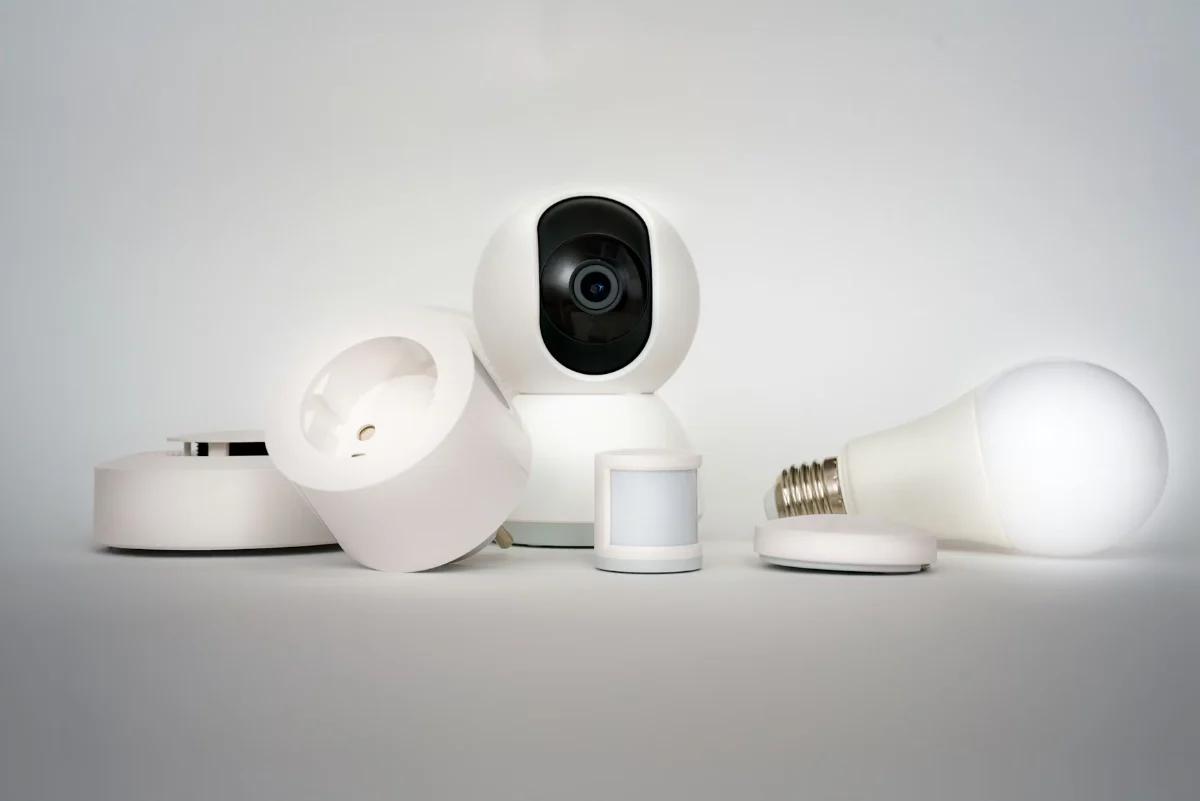
Smart home decor seamlessly blends technology with aesthetics to enhance daily living. Here are key categories to watch: 1. Smart Ambiance Creators These products directly alter the sensory environment. Smart color-changing light bulbs and LED strips allow you to adjust brightness and select from millions of colors via an app or voice command, instantly creating moods for entertainment, relaxation, or focus. Smart essential oil diffusers can be scheduled, controlled remotely, or even activated based on air quality sensors. 2. Smart Functionality & Organization Technology brings elegance to utility. Self-watering plant pots with soil sensors and water reservoirs take the guesswork out of plant care. Innovative smart storage solutions might include inventory-tracking boxes or motorized organizers. Items like stylish digital hygrometers or weather display globes present practical information through beautiful interfaces, doubling as sophisticated desk decor. 3. Interactive & Entertainment Decor This category adds a layer of dynamism and fun. Galaxy projectors transform a ceiling into a starry night sky, while electric fireplaces offer realistic flame visuals without the hazards of real fire. Products like kinetic sand art frames or liquid motion decor provide endlessly changing, mesmerizing visuals, turning a static corner into a conversation piece.