The Outdoor & Garden Furniture industry encompasses all products designed to furnish, equip, and enhance outdoor living spaces like patios, gardens, balconies, and backyards. It’s not just about furniture; it’s a comprehensive sector creating complete outdoor experiences. 1. Core Categories: This industry is broadly divided into several key segments. Patio Furniture includes seating sets, dining tables, sun loungers, and modular sofas. Gardening Tools cover everything from basic hand tools to powered equipment like lawn mowers and smart irrigation systems. Garden Decor focuses on aesthetics with items like solar lights, fountains, and planters. Outdoor Recreation adds fun with swings, trampolines, and game sets. Smart Gardening brings technology outdoors with app-controlled planters and soil sensors. Finally, Outdoor Accessories like grill covers and mosquito nets provide practical solutions. 2. The Bigger Trend: Today, this industry is driven by the desire to extend comfortable living spaces outdoors. It blends durability, design, and increasingly, smart technology to create “outdoor rooms” suitable for relaxation, dining, gardening, and entertainment.
Selecting outdoor furniture requires balancing aesthetics with durability and practicality. Focusing on a few key factors will ensure your investment lasts and meets your needs. 1. Material & Durability: This is paramount. Common materials include PE Rattan\/Wicker (weather-resistant, low maintenance), Powder-Coated Aluminum (lightweight, rust-proof), Teak (durable but requires upkeep), and Stainless Steel. Consider your local climate—humidity, sun exposure, and rain—to choose the best-suited material. 2. Comfort & Functionality: Think about how you’ll use the space. Is it for large gatherings (requiring a big dining set) or quiet relaxation (deep-seated sofas and loungers)? Ensure cushions are made with quick-dry, UV-resistant fabrics. Modular furniture offers great flexibility for changing layouts. 3. Storage & Maintenance: If you have harsh winters or limited space, consider foldable or stackable pieces for easy storage. Assess the required maintenance: synthetic materials generally need only occasional cleaning, while natural wood may need regular oiling.
Absolutely. Smart Gardening is a fast-growing trend that uses technology to make gardening more efficient, accessible, and less labor-intensive, especially appealing to urban dwellers and tech enthusiasts. 1. Automated Plant Care: This includes Self-Watering Planter Boxes with water reservoirs, and Smart Irrigation Systems that connect to weather forecasts or soil moisture sensors to water plants automatically and precisely, conserving water. 2. Monitoring & Data-Driven Growing: Devices like Soil Sensors monitor moisture, light, and nutrient levels, sending data to your smartphone. This takes the guesswork out of plant care. Smart Greenhouses with automated climate control create optimal growing environments year-round. 3. High-Tech Tools: The category extends to tools like Electric Composters that turn food scraps into fertilizer quickly and odorlessly, and even robotic seed planters. These innovations lower the barrier to entry for beginners and maximize success for experienced gardeners.
The market offers diverse purchasing channels, each with pros and cons. Online shopping has become extremely reliable and is now a major force in the industry. 1. Traditional Retail Channels: Specialty Furniture\/Patio Stores offer high-end brands, full displays, and expert advice. Large Home Improvement Warehouses provide a wide range of tools, furniture, and plants under one roof. Garden Centers are ideal for plants, tools, and decorative items, often with knowledgeable staff. 2. The Rise of E-commerce: Online shopping is now a mainstream and reliable channel. Benefits include an unmatched selection of brands and styles, competitive pricing, detailed customer reviews for research, and direct home delivery. Reputable websites provide comprehensive product specs, material details, and size guides. Look for sites with good return policies and reliable customer service. 3. Hybrid & Direct Models: Many brands now adopt a Direct-to-Consumer (DTC) model online, offering better value. The “Omni-channel” approach lets customers research online and buy in-store (or vice-versa), offering the best of both worlds.
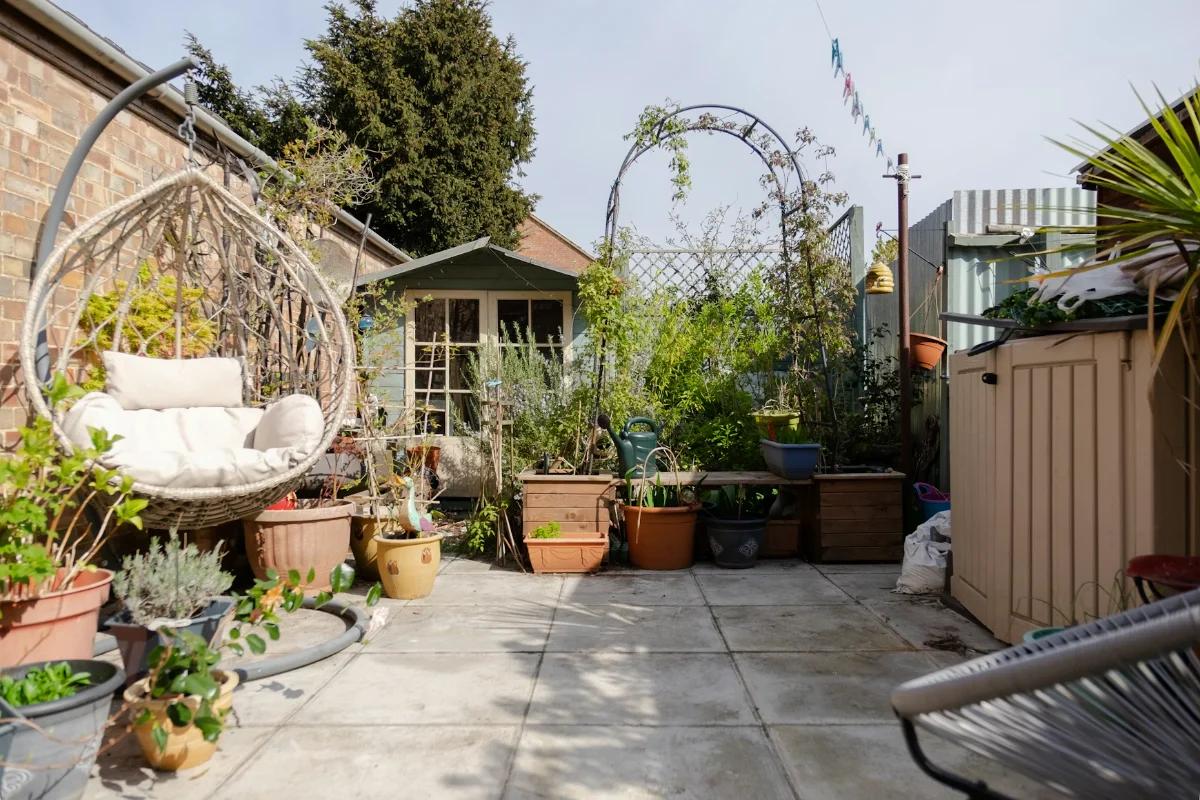
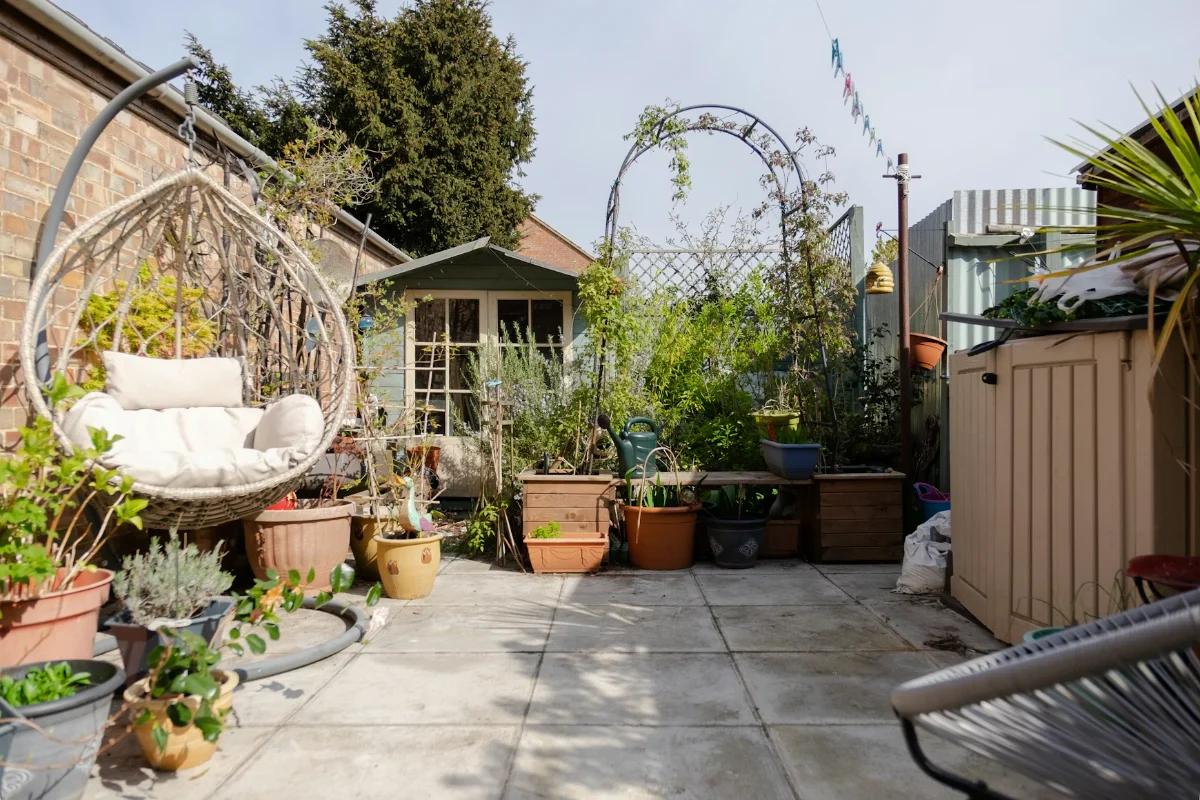
Creating a captivating outdoor space relies heavily on layers of decor, lighting, and personal touches beyond the main furniture set. 1. Layer with Textiles & Soft Furnishings: Add outdoor-rated cushions, rugs, and throw pillows in coordinating colors and patterns. A durable outdoor rug instantly defines the seating area and adds warmth. Consider a stylish market umbrella or a pergola with curtains for shade and a cozy feel. 2. Master the Lighting: Lighting is crucial for ambiance. Solar-powered path lights or string lights are easy, energy-efficient options. LED lanterns or flameless candles on tables create a soft glow. For a dramatic effect, consider small spotlights to highlight a favorite tree or sculpture. 3. Incorporate Greenery & Decor: Use vertical planters or wall-mounted pots to add life without taking up floor space. Decorative elements like a wind chime, a water feature for soothing sounds, or a fire pit for warmth and gathering can become the focal point and elevate the entire space’s character.