



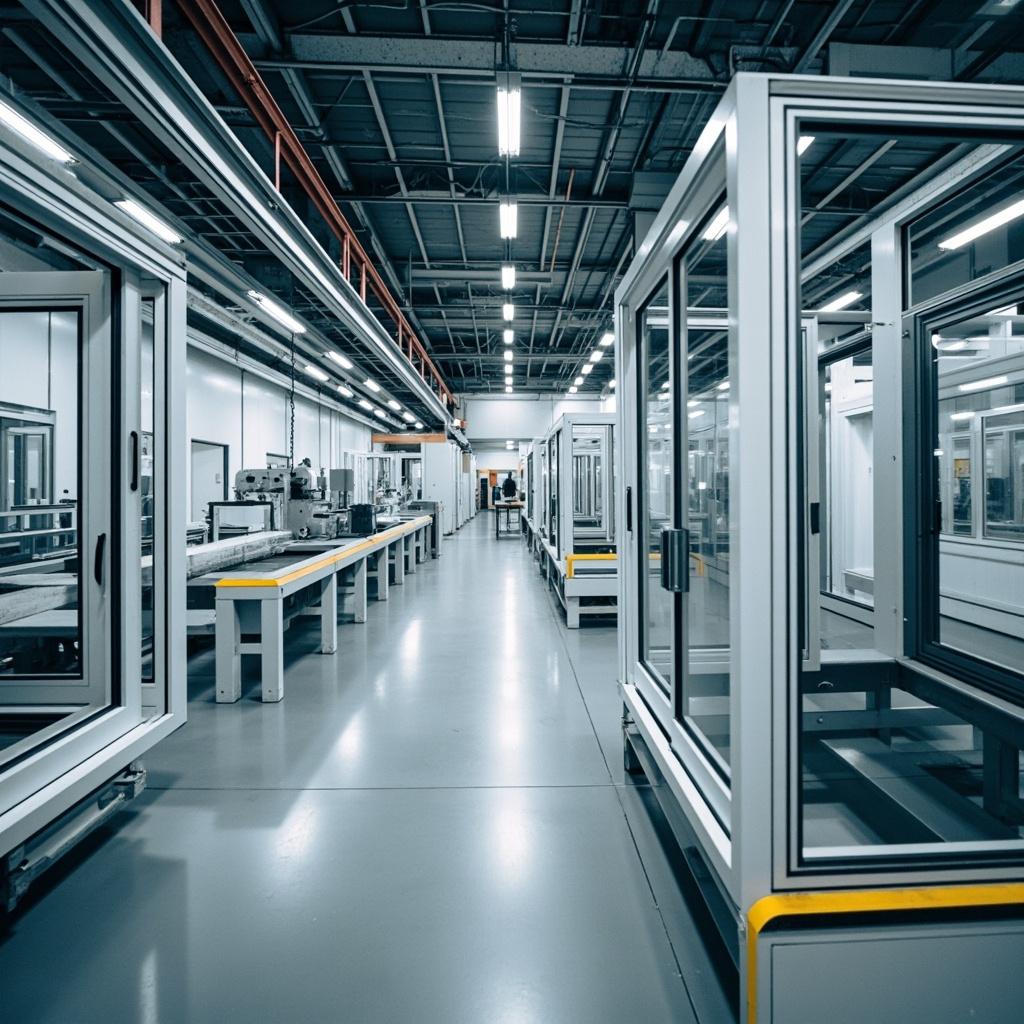

Global kitchen solutions manufacturing — spanning cabinetry production, countertop fabrication, appliance assembly, and integrated kitchen system engineering — represents a $400 billion industry in 2025, with production capacity concentrated across three major manufacturing hubs: Western Europe (precision-engineered cabinetry), China (scale manufacturing of appliances and mid-market cabinetry), and North America (custom and semi-custom production). The manufacturing dynamics of this sector differ fundamentally from other building materials categories, as the interplay between automated mass production, made-to-order customization, and regional installation logistics creates a uniquely complex production environment.
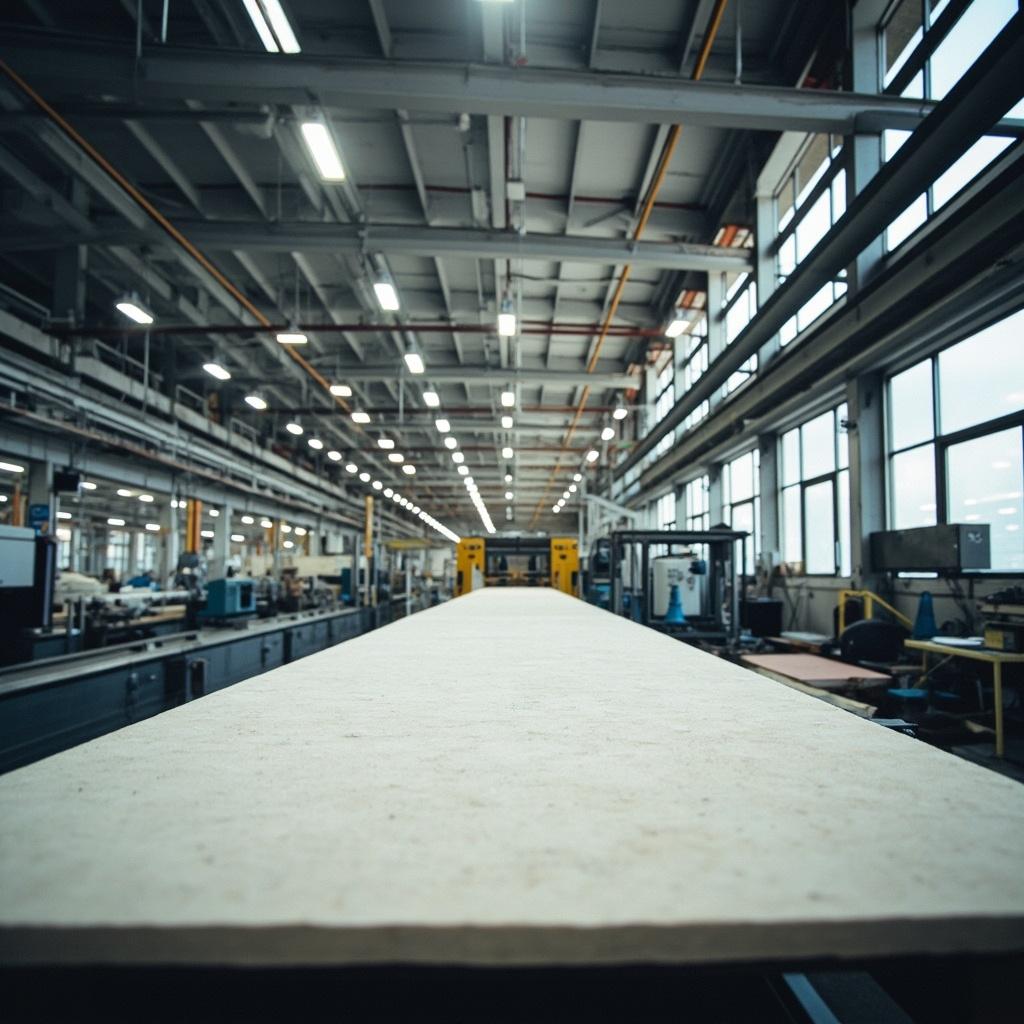
The manufacturing landscape is defined by three competitive axes. First, automation intensity separates productivity leaders from the field. German manufacturers nobilia, Schuller, and Hacker operate some of the world's most advanced cabinet production facilities, with nobilia's Verl and Gutersloh plants processing over 3,000 kitchen orders daily through fully automated cutting, edging, and drilling lines — achieving per-unit production costs that competitors with less automated facilities cannot match. Second, the scale-versus-customization tradeoff is being resolved through flexible manufacturing systems. American manufacturers MasterBrand (27,000 employees, 20+ manufacturing facilities) and American Woodmark (17,000 employees, 18 manufacturing facilities) have invested in CNC-driven production lines capable of producing semi-custom cabinetry at near-mass-production economics, serving the distinct demands of the US market where homebuilders require rapid turnaround on customized specifications. Third, vertical integration into component manufacturing is accelerating as kitchen manufacturers seek to control input costs and quality. Chinese leader OPPEIN operates integrated production campuses encompassing panel processing, hardware manufacturing, and assembly, with an annual output of over 700,000 kitchen sets from its Guangzhou headquarters alone.
Our Manufacturing Assessment Methodology
VerityRank evaluates manufacturers across four equally weighted dimensions:
• Production Scale & Capacity (25%): Annual output volume in units or revenue, number and geographic distribution of manufacturing facilities, total production floor area, workforce size, and ability to fulfill large-scale residential and commercial project orders.
• Automation & Manufacturing Technology (25%): CNC and robotic automation levels, digital design-to-manufacturing integration, Industry 4.0 deployment, production line flexibility (mass customization capability), and quality control systems.
• Vertical Integration (25%): Self-manufacturing of core components (panels, doors, hardware, countertops), control over raw material processing, and backward integration into key inputs including engineered wood products and surface materials.
• Supply Chain & Logistics (25%): Raw material sourcing sustainability (FSC/PEFC certification coverage), finished goods logistics network efficiency, installation and after-sales service infrastructure, and demonstrated ability to manage complex multi-site project delivery.
Disclaimer: Rankings are based on publicly available data including company annual reports, factory capacity disclosures, and industry databases. Private company manufacturing estimates are derived from published sources. VerityRank maintains editorial independence and does not accept compensation for manufacturer placements.