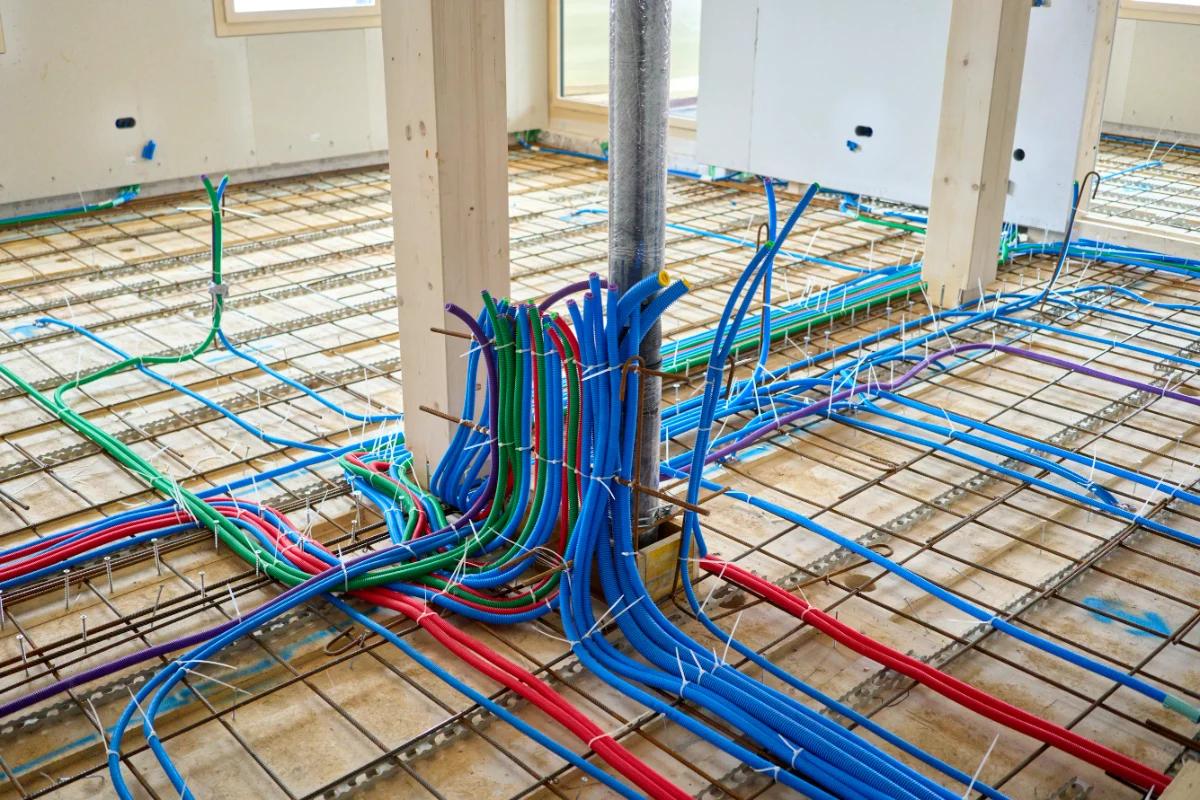
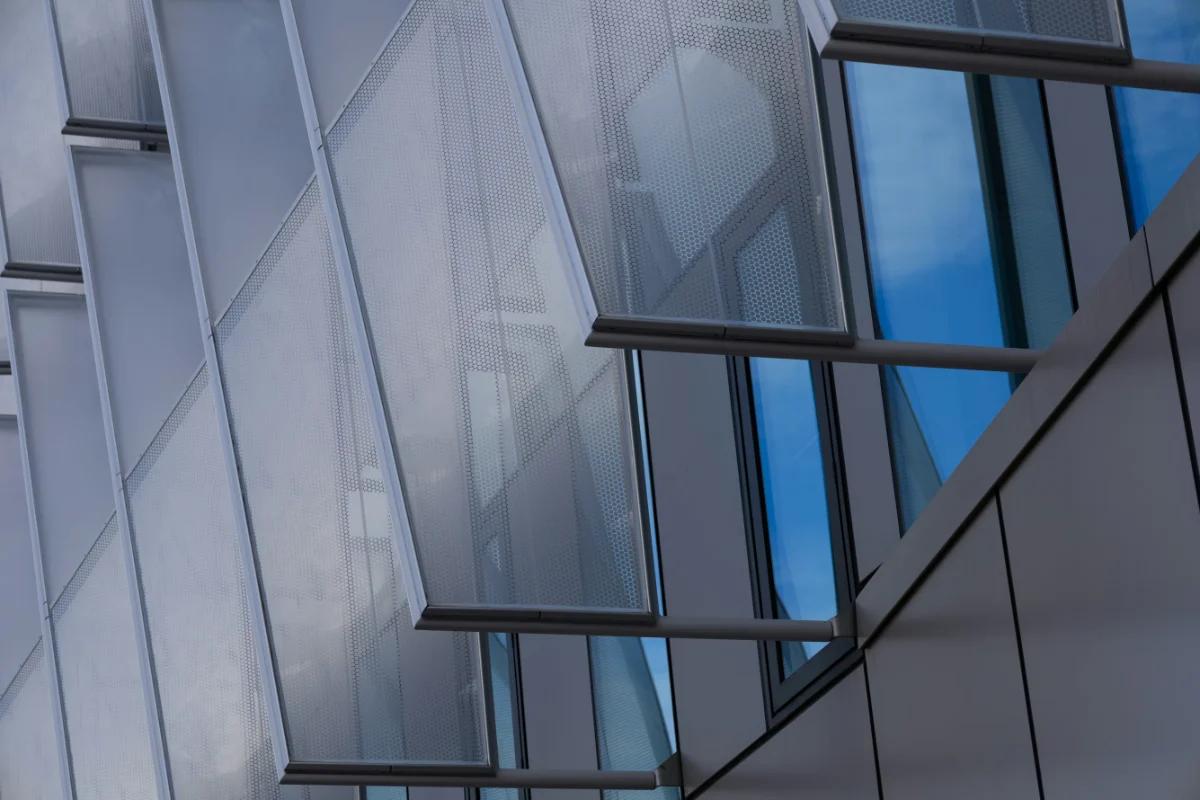
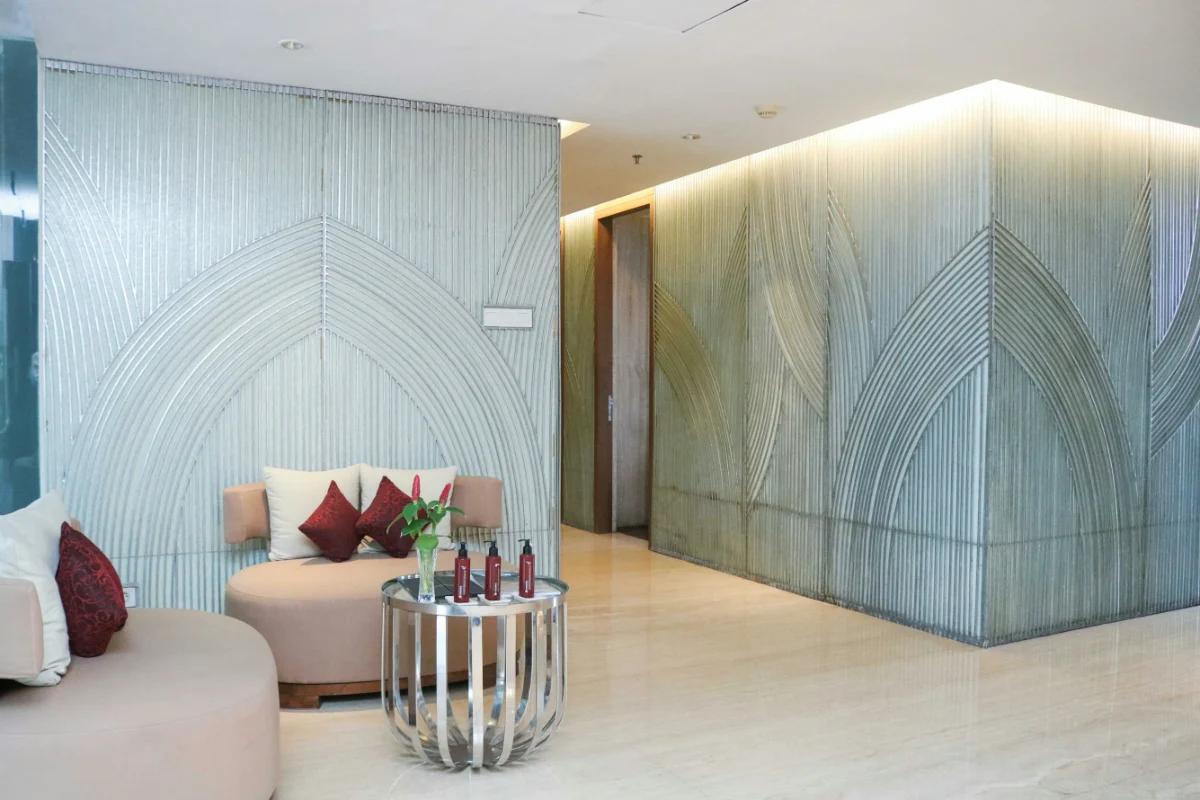
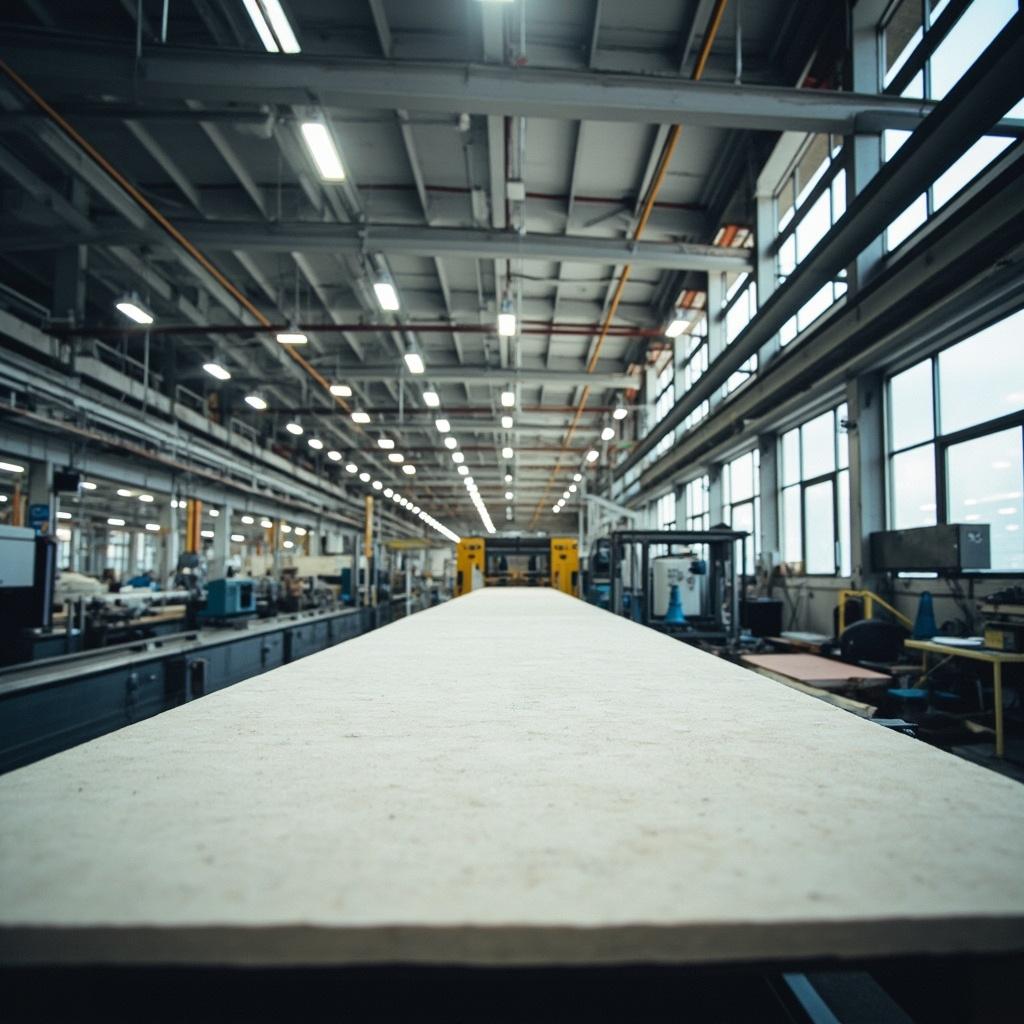
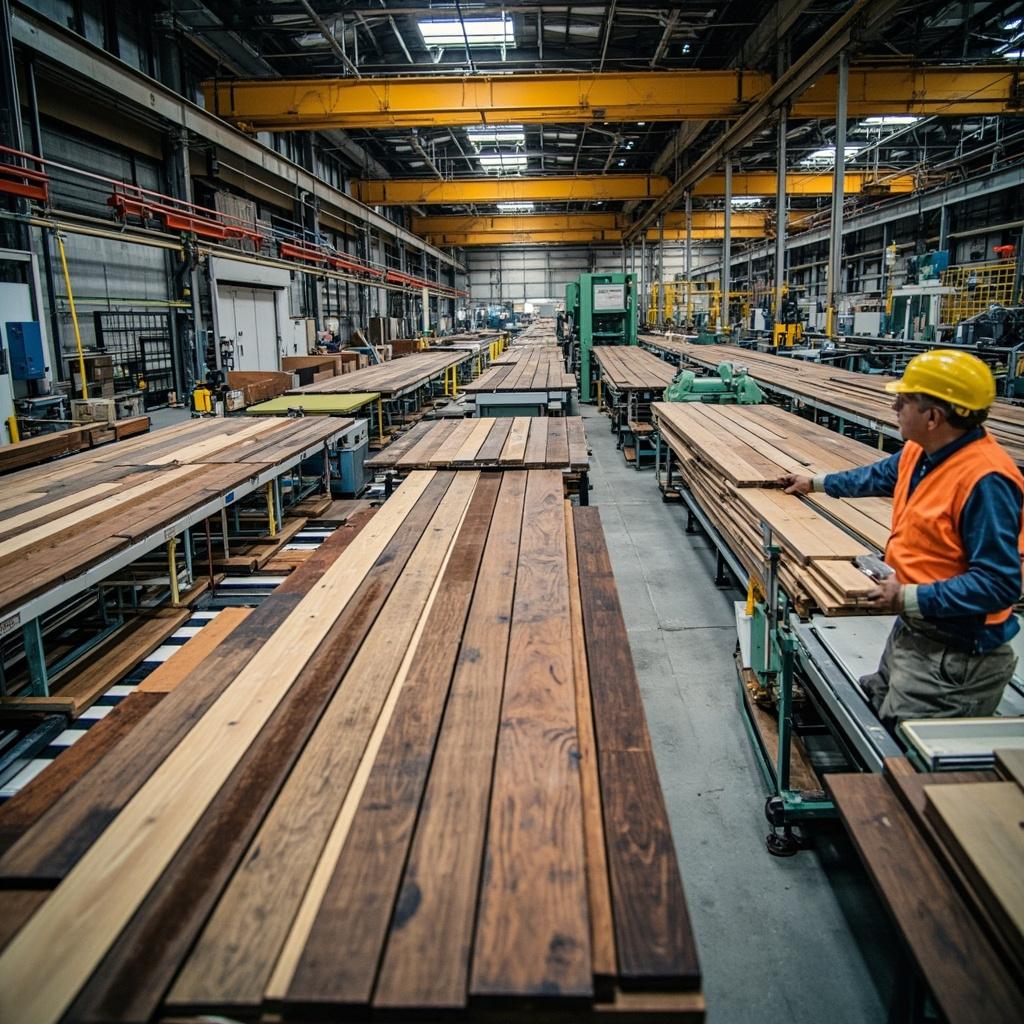
Metal structural materials refer to a broad category of metals—primarily steel, aluminum, and their alloys—that are used to bear loads, resist deformation, and provide structural integrity in buildings, infrastructure, industrial equipment, and energy systems. They are the “bones” of modern construction, enabling everything from skyscrapers to bridges, from factory roofs to solar farms. Unlike decorative metals or functional components, structural materials are defined by their mechanical properties: strength, ductility, toughness, weldability, and corrosion resistance. 1. Core Categories • Structural Steel: The most widely used. Includes hot-rolled sections (I-beams, H‑shapes, channels, angles), steel plates, hollow sections, and cold‑formed profiles (light gauge steel for framing). • Reinforcing Steel (Rebar): Embedded in concrete to provide tensile strength. High‑strength, seismic‑resistant grades (HRB400\/500) are standard in modern construction. • Aluminum Structural Alloys: Increasingly used for curtain walls, window\/door systems, and lightweight roof structures where corrosion resistance and weight savings are critical. • Coated & Pre‑painted Products: Galvanized, Galvalume®, Zn‑Al‑Mg (zinc‑aluminum‑magnesium) and color‑coated sheets that combine structural strength with built‑in corrosion protection—essential for exposed applications like roofing, cladding, and solar mounting. 2. Why They Matter Metal structural materials determine safety, durability, and lifecycle cost. A building’s ability to withstand earthquakes, a bridge’s service life under heavy traffic, or a solar farm’s performance in coastal salt fog—all hinge on the quality and specification of the structural metals used. In short: if concrete is the muscle, metal structural materials are the skeleton.
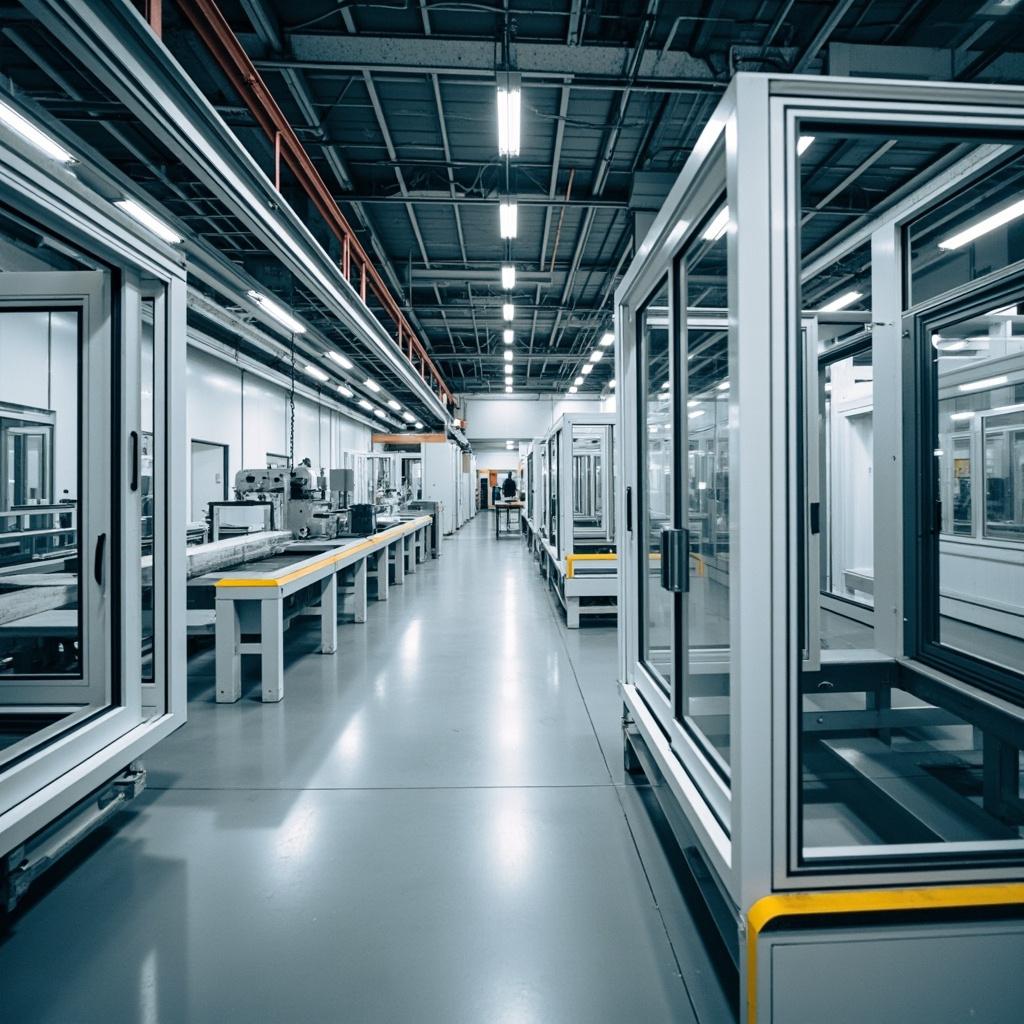
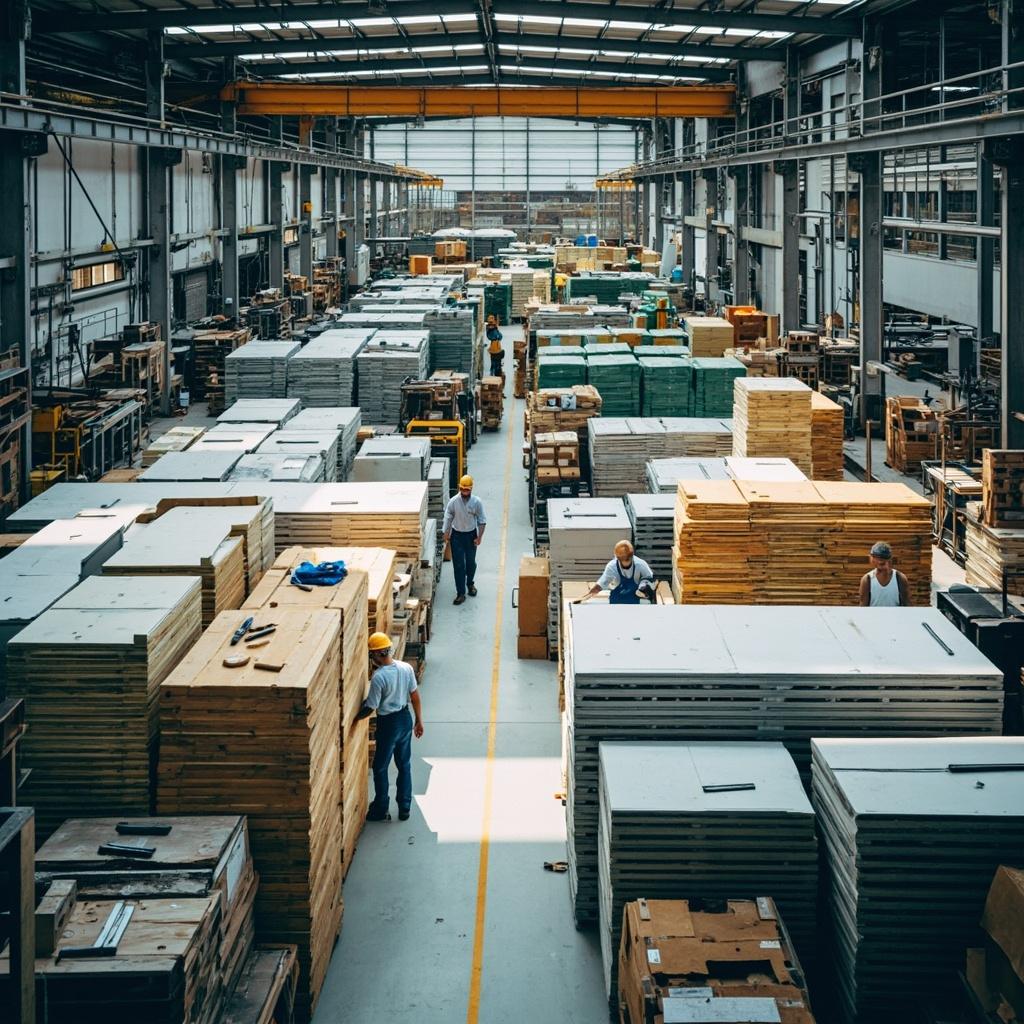
In the construction and industrial sectors, metal structural materials are typically classified by product form, manufacturing process, and end‑use application. The following six categories cover the vast majority of what is used in modern buildings and infrastructure. 1. Construction Steel This is the largest category. It includes hot‑rolled sections (I‑beams, H‑sections, channels, angles), reinforcing bars (rebar\/threaded steel), steel plates for heavy structures, hollow sections (square\/round tubes), pre‑painted & coated sheets (color‑coated corrugated sheets, galvanized steel), and light gauge steel framing materials (C\/U channels for drywall and light steel villas). 2. Doors & Windows Profiles Dedicated profiles for building envelopes: thermal‑break aluminum profiles, stainless steel door frames, curtain wall mullions, sliding\/folding track systems, and related hardware integration profiles. 3. Railings & Fencing Systems Products for safety, demarcation, and aesthetics: glass balustrade systems, wrought iron fences, stainless steel stair handrails, galvanized steel railings, highway guardrails, noise barrier panels, and temporary construction hoarding. 4. Solar Mounting Structures A fast‑growing category driven by renewable energy: roof and ground solar mounting frames, solar tracker systems, BIPV (Building Integrated Photovoltaic) structures, and specialized clamps for metal roofs—typically made from high‑strength, corrosion‑resistant Zn‑Al‑Mg coated steel or aluminum. 5. Custom Fabricated Metal Components Engineer‑to‑order products: steel canopies, heavy‑duty pallet racking, spiral stair stringers, machinery bases, stage trusses, seismic bracing kits, and highway guardrails. 6. Other Fabricated Metal Products A diverse mix of finishing and functional metal items: custom balcony railings, retractable clotheslines, invisible security grilles, garage shelving, steel corner brackets, and other accessory structural components. These six categories together form the complete ecosystem of metal structural materials used in construction, infrastructure, and industrial applications.
Metal structural materials are everywhere—often hidden behind concrete, glass, or paint, yet absolutely essential. Their applications span across buildings, infrastructure, energy systems, and industrial facilities. 1. Commercial & Residential Buildings • High‑rise buildings: Steel frames (H‑shapes, box columns) and composite floor decks form the primary structure. High‑strength steel plates are used for mega‑columns. • Industrial facilities & warehouses: Pre‑engineered metal buildings with steel trusses, purlins, and color‑coated roofing\/walling. • Light steel villas & prefab housing: Cold‑formed C\/U channels for framing, gypsum board framing, and light‑gauge steel structures. • Doors, windows & curtain walls: Aluminum thermal‑break profiles, stainless steel frames, and structural glazing mullions. 2. Infrastructure & Civil Engineering • Bridges & viaducts: Weathering steel (Corten), high‑performance steel plates for orthotropic decks, and prestressed steel strands. • Highways & transportation: W‑beam guardrails, noise barrier panels, steel sheet piles for retaining walls, and bridge expansion joints. • Airports & stadiums: Large‑span steel trusses, space frames, and custom fabricated steel canopies. 3. Renewable Energy Infrastructure • Solar photovoltaic (PV) power plants: Ground‑mounted and rooftop solar mounting structures—dominated by high‑strength Zn‑Al‑Mg coated steel (e.g., Magnelis®, PosMAC, ZAM) for corrosion resistance in harsh environments. • BIPV (Building Integrated Photovoltaics): Metal roofing systems that double as PV module carriers. 4. Industrial & Specialized Equipment • Material handling & storage: Heavy‑duty pallet racking, industrial shelving, and steel platforms. • Machinery bases & structural supports: Welded steel fabrications for manufacturing equipment. 5. Residential & Commercial Finishing • Balcony railings & stair handrails: Glass balustrades with aluminum or stainless steel posts, wrought iron fencing. • Outdoor structures: Steel carports, pergolas, sunrooms, and retractable awnings. In short, if it stands, spans, supports, or encloses—chances are metal structural materials are doing the heavy lifting.
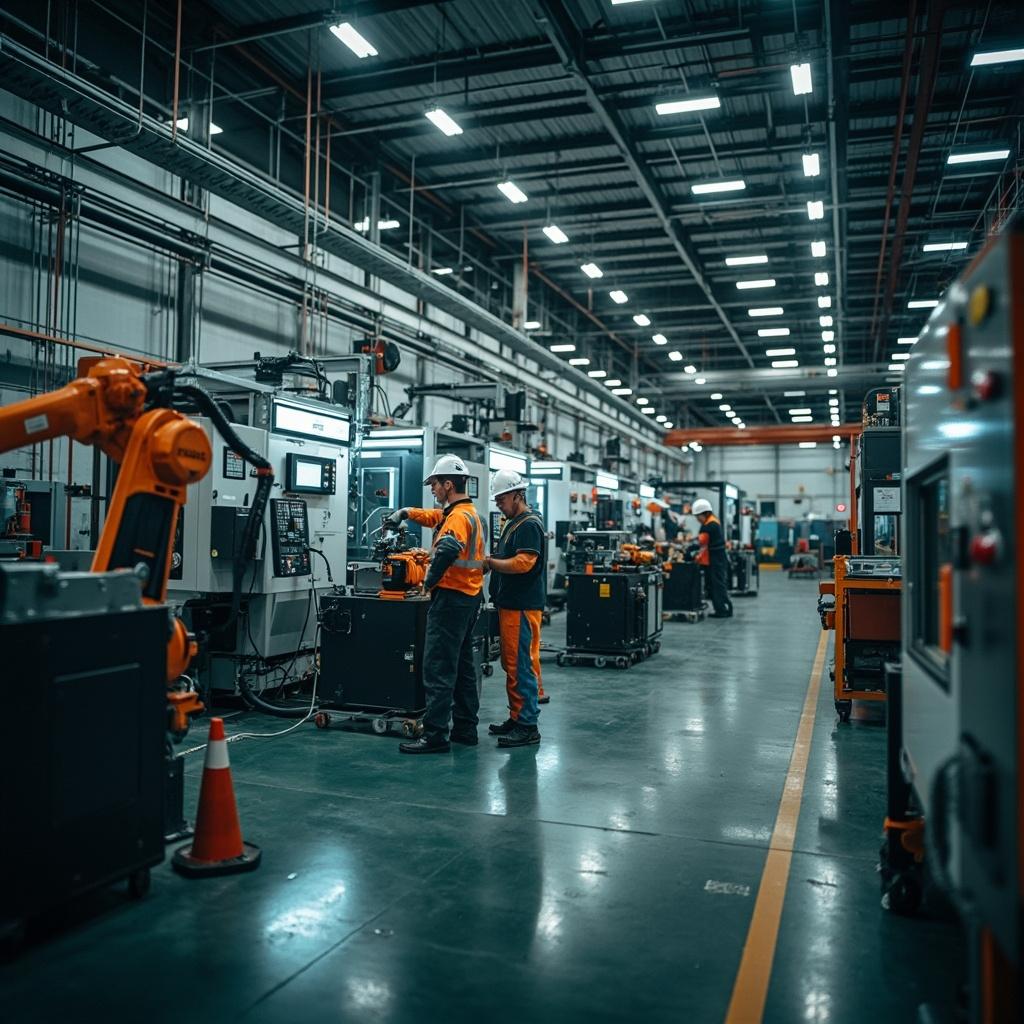
When selecting a manufacturer for structural metals—whether for a major infrastructure project, a solar farm, or a supply chain partnership—the decision should go far beyond price. The best manufacturers compete across four core dimensions. 1. Vertical Integration & Raw Material Control Manufacturers with captive iron ore, coking coal, or scrap networks can stabilize costs and secure supply through market cycles. For example, Tata Steel boasts 100% iron ore self‑sufficiency in India, while Baowu Steel holds stakes in major overseas mines including Simandou. Nucor dominates via its vast scrap recycling network—a different but equally powerful form of vertical integration. 2. Technical Manufacturing Capability & Product Differentiation Not all steel is equal. Top manufacturers invest heavily in proprietary alloys and coatings. ArcelorMittal’s Magnelis®, POSCO’s PosMAC, and Nippon Steel’s ZAM\/SuperDyma are Zn‑Al‑Mg coated products that command premium pricing due to superior edge corrosion resistance—critical for solar mounting and exposed structures. Similarly, Baowu’s high‑strength construction steel plates and Nippon Steel’s seismic structural steel represent technological moats that general mills cannot easily replicate. 3. Geographic Footprint & Delivery Reliability Global infrastructure projects require manufacturers with a multi‑continental production and distribution network. ArcelorMittal operates across Europe, the Americas, and Africa; Baowu combines Chinese scale with strategic overseas capacity; Nucor and Steel Dynamics blanket North America with mill locations optimized for regional demand. 4. ESG & Low‑Carbon Competitiveness Increasingly, public tenders and corporate supply chains demand low‑carbon materials. Nucor and Steel Dynamics lead in the US with 100% scrap‑based EAF (electric arc furnace) production. Hydro leverages Norwegian hydropower to produce aluminum with a fraction of the carbon footprint of coal‑based competitors. Manufacturers that can provide verified Environmental Product Declarations (EPDs) and low‑carbon steel products gain a clear advantage in regulated markets. Ultimately, the most competitive manufacturers are those that combine raw material security, technological differentiation, global reach, and credible sustainability credentials.
The metal structural materials industry is undergoing a fundamental shift—from being viewed as a “hard‑to‑abate” sector to becoming a frontrunner in industrial decarbonization. Three major trends are reshaping the landscape. 1. Green Steel: Scrap‑based EAF vs. Low‑Carbon BF‑BOF Two pathways dominate green steel production: • Electric Arc Furnace (EAF) with high scrap ratio: Companies like Nucor and Steel Dynamics in the US have long operated on 100% recycled steel, producing structural sections, rebar, and sheet with roughly one‑third the CO₂ intensity of traditional blast furnaces. • Low‑carbon blast furnace (BF‑BOF): Integrated mills like ArcelorMittal and Baowu Steel are investing heavily in hydrogen‑based reduction, carbon capture (CCUS), and increased scrap usage. ArcelorMittal’s XCarb® recycled and renewably produced products represent a major push to decarbonize the conventional integrated route. 2. High‑Performance Coatings for Longer Lifespan A product that lasts twice as long cuts its lifecycle carbon footprint in half. Zn‑Al‑Mg coated steels (Magnelis®, PosMAC, ZAM) offer far superior corrosion resistance compared to traditional galvanized products, enabling solar mounting structures and building envelopes to survive decades in harsh environments without recoating or replacement. This “design for durability” is a core principle of circular economy thinking in structural materials. 3. Low‑Carbon Aluminum: Hydropower & Closed‑Loop Recycling Aluminum production is electricity‑intensive, but the source of that electricity makes all the difference. Hydro produces aluminum using 100% renewable hydropower in Norway, achieving a carbon footprint that is up to 75% lower than the global average. Combined with its closed‑loop recycling system—where post‑consumer aluminum scrap is returned to high‑grade extruded profiles—Hydro demonstrates that even energy‑intensive metals can achieve deep decarbonization. 4. Transparency & Certification: EPDs and Scope 3 Accountability Leading manufacturers now publish Environmental Product Declarations (EPDs) verified by third parties. Major infrastructure tenders in Europe and North America increasingly require EPDs and specific carbon intensity thresholds. This transparency forces the entire supply chain—from raw material extraction to final fabrication—to account for its climate impact. The bottom line: In the coming decade, the ability to supply verifiably low‑carbon metal structural materials will become a license to operate in regulated markets, not just a marketing advantage.