Top 10 Environmental Mineral Solutions & Natural Remediation Products Companies

HomeMining & MineralsTop 10 Environmental Mineral Solutions & Natural Remediation Products Companies

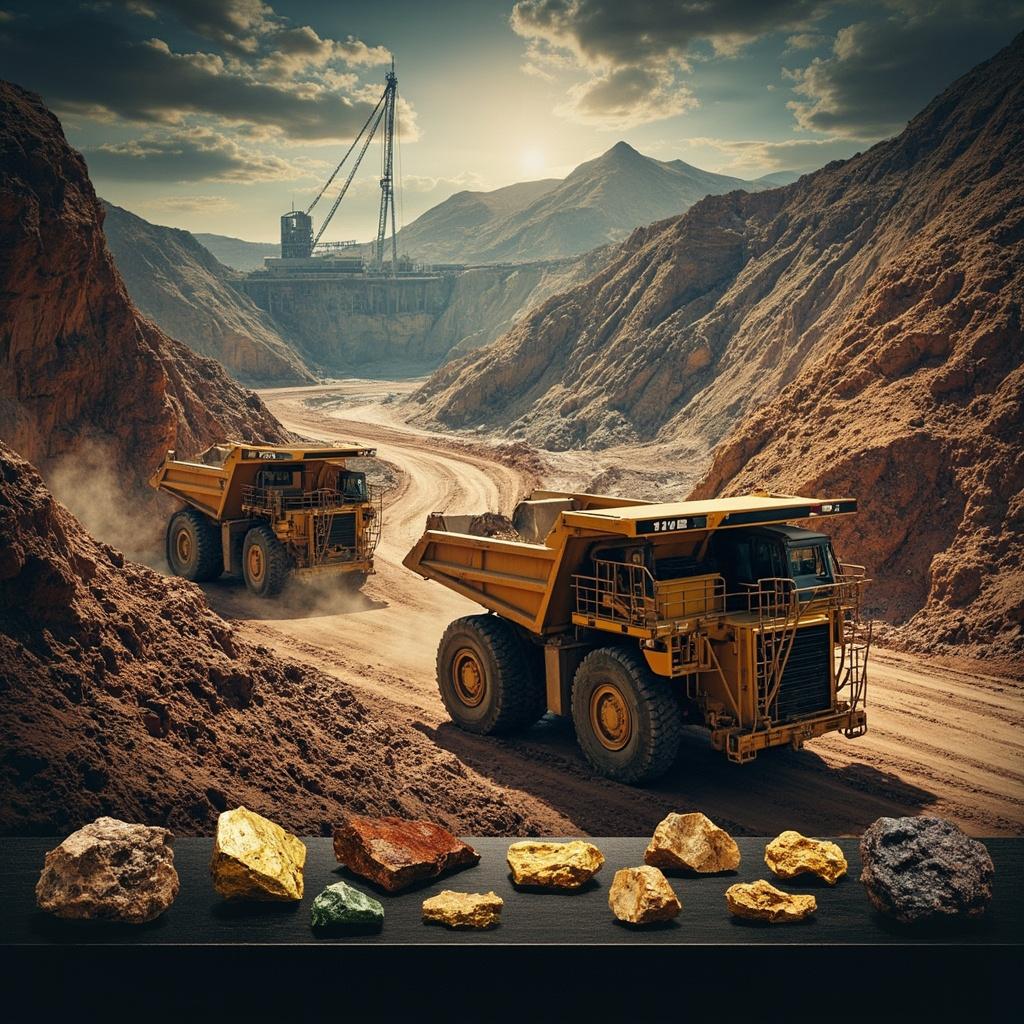
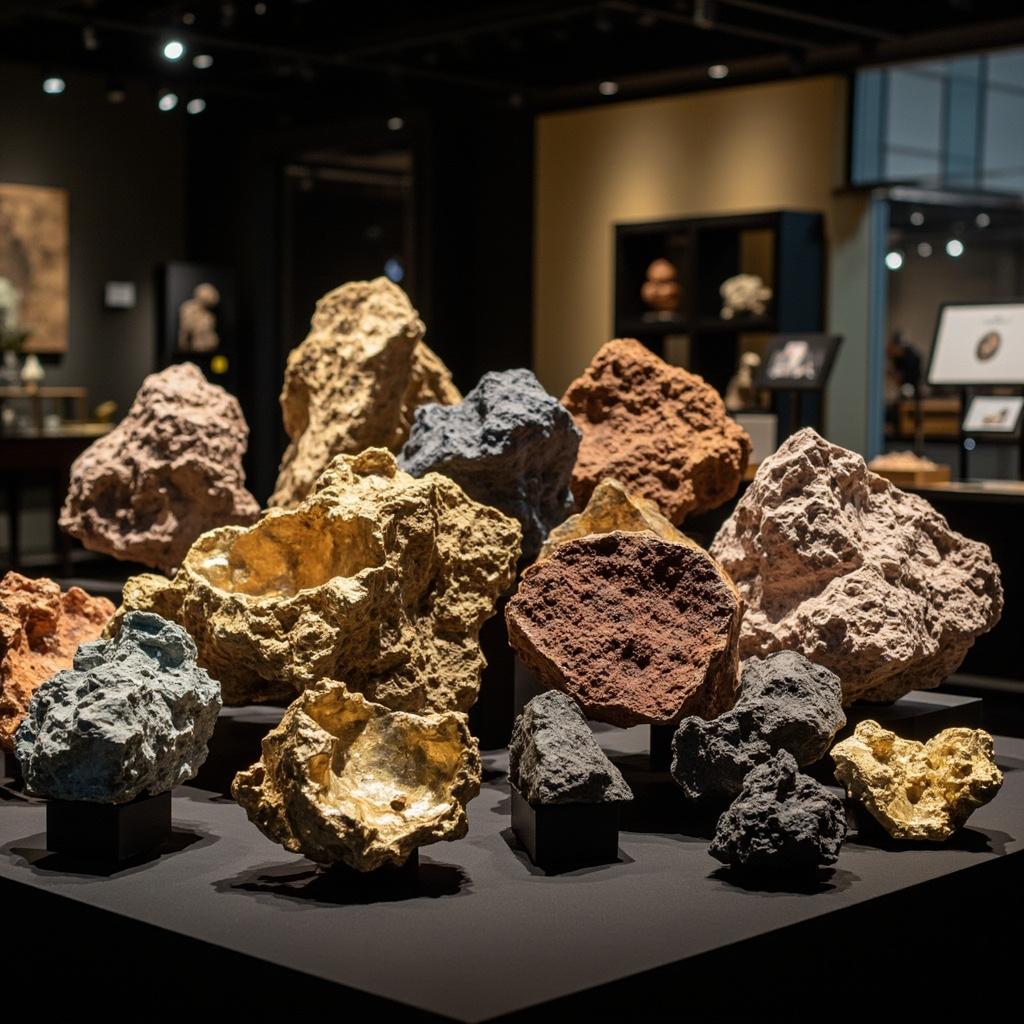
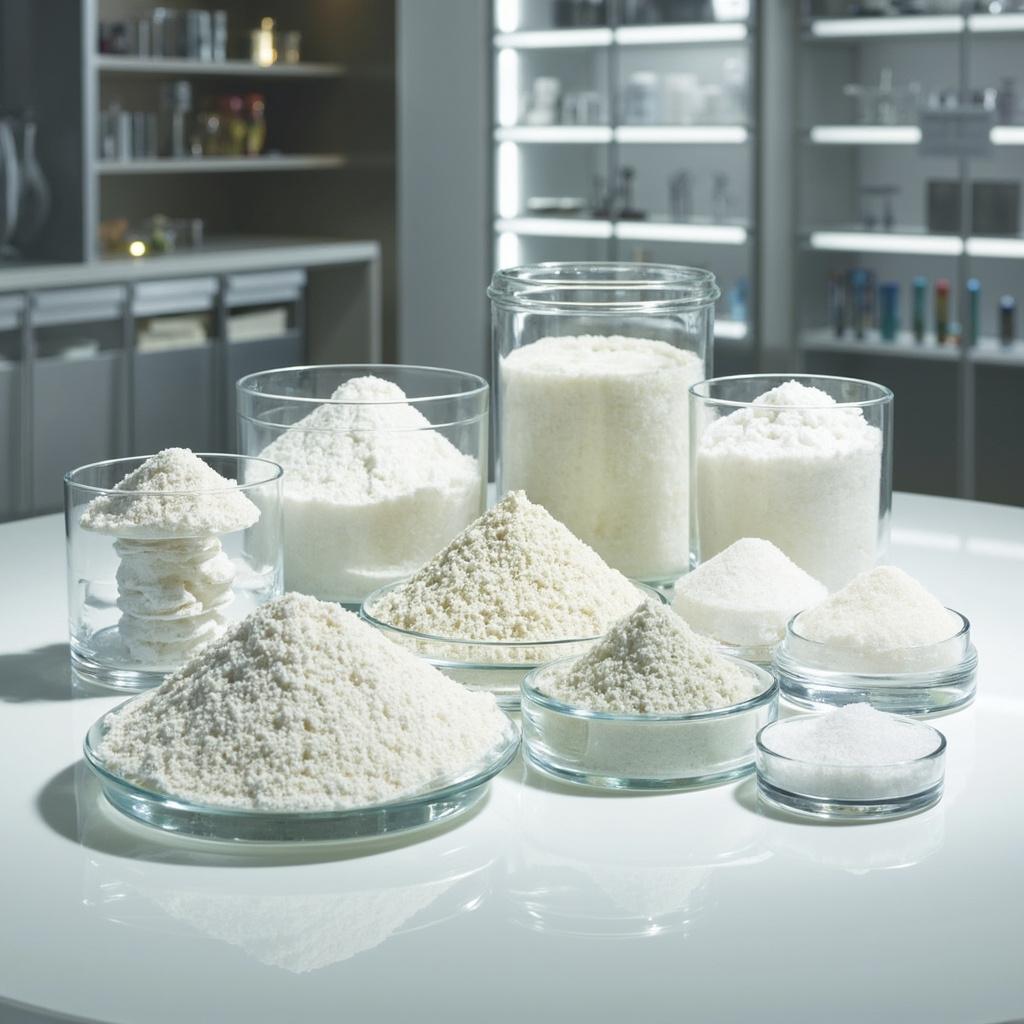
The global environmental mineral solutions market is undergoing a structural transformation, projected to grow from $141.87 billion in 2025 to $210.56 billion by 2030. This explosive trajectory is driven by tightening PFAS regulations, escalating heavy metal contamination crises, and the urgent need for sustainable remediation technologies across industrial, municipal, and mining sectors. Mineral-based solutions — leveraging the unique adsorption, ion-exchange, and chemical stabilization properties of bentonite, diatomaceous earth, zeolites, and specialty calcium compounds — have emerged as the most cost-effective and scalable pathway for addressing complex environmental contamination challenges. The industry is characterized by high barriers to entry: companies that control premium mineral deposits and possess advanced surface-modification technologies dominate the value chain.

The competitive landscape is shaped by vertically integrated industrial mineral giants and specialized technology leaders. European conglomerates like Imerys (€33.8B revenue) and Lhoist (€36B revenue) leverage century-scale mine ownership and global processing networks to supply municipal water treatment authorities and mining remediation projects worldwide. American specialists such as Minerals Technologies (MTX) through its CETCO brand command unrivaled positions in bentonite-based geosynthetic clay liners and PFAS containment, while EP Minerals (U.S. Silica) dominates the diatomaceous earth filtration and spill absorbent segments. Switzerland's Clariant and Zeochem (CPH Group) represent the technology frontier, engineering molecular-sieve minerals for precision VOC capture and pharmaceutical-grade purification. In the Asia-Pacific theater, India's Ashapura Minechem and China's Fenghong New Material are rapidly ascending, leveraging vast domestic mineral reserves and aggressive export strategies to challenge Western incumbents.

Our Ranking Methodology

VerityRank evaluates environmental mineral solutions companies across four equally weighted dimensions:

Environmental Application Breadth (25%): Coverage across water purification, soil remediation, solid waste stabilization, air quality treatment, and ecological restoration segments — measured by product portfolio depth and verified project deployments.

Mineral Asset Control & Processing Capability (25%): Ownership and quality of strategic mineral deposits (bentonite, diatomaceous earth, zeolite, limestone, silica), advanced processing infrastructure (activation kilns, surface modification reactors, nano-grinding systems), and demonstrated capacity for functional formulation.

Market Influence & Brand Authority (25%): Global revenue scale, geographic reach (countries served and facilities operated), regulatory influence (EPA/REACH standard-setting participation), and brand recognition in environmental engineering procurement channels.

Innovation & Sustainability Leadership (25%): R&D investment in next-generation remediation technologies (PFAS-targeting clays, bio-mineral composites, carbon-capture minerals), ESG performance including mine reclamation practices, and demonstrated circular-economy integration.

Data Sources

This ranking is compiled from corporate annual reports (FY2025), SEC and Euronext filings, EPA environmental technology databases, IBISWorld industry reports, Fortune Business Insights market research, and verified trade publication data. Fortune Business Insights — Environmental Remediation Market Report  |  EPA — Remediation Technologies for Contaminated Sites  |  Imerys — FY2025 Annual Report

Disclaimer: The data in this ranking is compiled from publicly available third-party authoritative sources, including corporate annual reports, industry association publications, and government environmental databases. Rankings reflect our independent assessment methodology and should not be construed as investment advice. Environmental remediation effectiveness may vary based on site-specific conditions.

Top 10 Rankings

2026.07 Edition
1
Imerys S.A.

Imerys S.A.

Imerys is the world's leading industrial mineral solutions provider, headquartered in Paris, France. Operating across more than 40 countries with approximately 18,000 employees, Imerys generated €5.5 billion in revenue in FY2025 through an unmatched portfolio of over 20 industrial minerals processed into thousands of high-value-added products. The company dominates global markets for kaolin, calcium carbonate, talc, bentonite, and specialty alumina, serving diverse end-markets including paper, plastics, construction, cosmetics, pharmaceuticals, and environmental applications. Imerys has strategically expanded into energy transition minerals, including its landmark EMILI lithium project in France that has attracted French government co-investment.

Strengths: Unmatched industrial mineral portfolio spanning over 20 mineral types and 1,500+ product formulations creates formidable barriers to entry and customer switching costs; global operational footprint with 120+ mining sites and 150+ processing facilities across 40+ countries enables localized supply with global scale advantages; powerful pricing discipline demonstrated by 1.3% year-over-year price increases in FY2025 despite weak demand in European and North American construction markets; strategic diversification into energy transition minerals including the EMILI lithium project backed by the French government positions the company for structural growth; €50-60 million structural cost reduction program demonstrates proactive operational efficiency management in challenging macroeconomic conditions.
Weaknesses: Revenue base remains significantly smaller than major metal mining competitors at €5.5 billion, limiting absolute R&D investment scale; heavy exposure to cyclical European and North American construction and industrial activity (~40% of revenue from these regions) creates vulnerability to regional economic downturns; fragmented global industrial minerals market limits pricing power in commoditized product segments; acquiring Great Lakes Minerals and Chemviron assets involves integration execution risk and cultural alignment challenges across geographies; mineral reserves are geographically dispersed requiring ongoing exploration expenditure to maintain long-term resource base.

Brand

Imerys

Founded

1880

Workforce

12,300

Presence

40+ countries globally

Facilities

120+ mining sites and 150+ processing facilities across 40+ countries

Headquarters

France

Market

Euronext Paris: NK

Key Product Categories
Mining & Minerals CompaniesMetallic Ore Raw Materials IndustryRefractory & High-Temperature Resistant Materials IndustryCalcium Carbonate Powders IndustryTalc Powders IndustryBentonite Clays IndustryMining & Minerals ManufacturersMining & Minerals CompaniesMining & Minerals CompaniesMineral Powder Fillers & Functional Additives CompaniesMining & Minerals CompaniesMetallic Ore Raw Materials IndustryRefractory & High-Temperature Resistant Materials IndustryCalcium Carbonate Powders IndustryTalc Powders IndustryBentonite Clays IndustryMining & Minerals ManufacturersMining & Minerals CompaniesMining & Minerals CompaniesMineral Powder Fillers & Functional Additives Companies
2
Minerals Technologies Inc.

Minerals Technologies Inc.

Minerals Technologies Inc. (MTI) is the global pioneer of satellite-plant precipitated calcium carbonate (PCC) technology and a leading specialty bentonite solutions provider, spun off from Pfizer in 1992 and headquartered in New York, United States. With annual revenue of $2.072 billion, MTI operates 60+ production facilities across 34 countries, employing 4,000 people. The company's unique on-site satellite PCC manufacturing model at customer paper mills creates exceptionally high switching costs and customer retention.

Strengths: Proprietary satellite PCC manufacturing model co-located at customer paper mills delivers unmatched logistics efficiency and customer lock-in; world-class bentonite reserves powering high-growth pet care (SIVO brand), renewable fuel purification, and animal health mineral additives; diversified revenue streams spanning paper PCC, construction materials, metal casting, and consumer products; underlying operational margins remain healthy at 13.9% excluding one-time charges; ongoing $10 million annual operational efficiency program.

Weaknesses: $215 million talc litigation provision in Q1 2025 created significant GAAP earnings pressure (EPS -$0.59) and ongoing legal overhang; North American commercial construction slowdown reduced building materials additives demand by ~18%; legacy talc-related asbestos liability creates long-term balance sheet uncertainty despite settlement trust establishment.

Brand

Specialty Minerals (MTI)

Founded

1992

Workforce

4,000

Presence

Operations in 34 countries

Facilities

60+ major production facilities plus satellite PCC plants at customer paper mills worldwide

Headquarters

United States

Market

NYSE: MTX
Key Product Categories
Mining & Minerals CompaniesMineral Powder Fillers & Functional Additives CompaniesCalcium Carbonate Powders IndustryBentonite Clays IndustryRefractory & High-Temperature Resistant Materials IndustryMining & MineralsRefractory & High-Temperature Resistant Materials IndustryThermal Insulation Materials IndustryGlass Substrate Raw Materials & Industrial Base Glass IndustryConductive & EMI Shielding IndustryMining & Minerals CompaniesMineral Powder Fillers & Functional Additives CompaniesCalcium Carbonate Powders IndustryBentonite Clays IndustryRefractory & High-Temperature Resistant Materials IndustryMining & MineralsRefractory & High-Temperature Resistant Materials IndustryThermal Insulation Materials IndustryGlass Substrate Raw Materials & Industrial Base Glass IndustryConductive & EMI Shielding Industry
3
Lhoist Group

Lhoist Group

Lhoist Group is the world's largest producer of quicklime, hydrated lime, and specialty dolomitic mineral products, founded in 1889 in Limelette, Walloon Brabant, Belgium. With estimated annual revenue of $3 billion, the privately-held company operates 130+ plants and terminals across over 25 countries, employing more than 6,400 people. Lhoist holds an irreplaceable monopoly position in industrial flue gas desulfurization, water treatment, and steelmaking flux minerals that are critical to global environmental compliance.

Strengths: Dominant market position in high-calcium lime and dolomitic products for heavy industrial environmental compliance (flue gas desulfurization, wastewater neutralization, soil stabilization); unparalleled "hyper-local" production network with mines and kilns strategically positioned near major industrial customers to minimize logistics costs; century-long private ownership enables long-horizon resource planning immune to quarterly earnings pressure; deep technical partnerships with steel, power, and construction customers creating embedded relationships; leadership in developing decarbonized soil amendment and sustainable construction binder solutions.

Weaknesses: Core lime calcination process is inherently CO₂-intensive hard-to-abate heavy industry, facing escalating EU Emissions Trading System (ETS) carbon costs; extremely low public brand visibility outside B2B industrial procurement circles; significant CAPEX burden for hydrogen/biomass kiln conversion projects required to meet 2030-2050 decarbonization targets.

Brand

Lhoist

Founded

1889

Workforce

6,400+

Presence

Operations in 25+ countries; sales network reaching 80+ countries

Facilities

130+ physical plants and logistics terminals globally

Headquarters

Belgium

Market

Private (family-owned, over 130 years)

Key Product Categories
Mining & Minerals CompaniesMineral Powder Fillers & Functional Additives CompaniesCalcium Carbonate Powders IndustryRefractory & High-Temperature Resistant Materials IndustryMining & MineralsMetal Smelting & ProcessingEnvironmental Mineral Solutions & Natural Remediation Products CompaniesEnvironmental Mineral Solutions & Natural Remediation Products Manufacturers & SuppliersMining & Minerals CompaniesMineral Powder Fillers & Functional Additives CompaniesCalcium Carbonate Powders IndustryRefractory & High-Temperature Resistant Materials IndustryMining & MineralsMetal Smelting & ProcessingEnvironmental Mineral Solutions & Natural Remediation Products CompaniesEnvironmental Mineral Solutions & Natural Remediation Products Manufacturers & Suppliers
4
Clariant

Clariant AG

Clariant is a Swiss specialty chemical company founded in 1995, spun off from the legendary Sandoz chemical division. Headquartered in Muttenz, Switzerland, Clariant generated CHF 3.92 billion in 2025 revenue. Its Care Chemicals division, the company's largest business, contributed CHF 2.11 billion. Clariant employs 10,281 people across 73 production sites. Clariant's acquisition of Lucas Meyer Cosmetics has transformed it into a premier high-end active ingredient supplier with integrated bio-actives capabilities.

Strengths:

Market-leading Aristoflex rheology modifier platform achieving industry-standard status

strategic acquisition of Lucas Meyer Cosmetics adding premium bio-actives

three consecutive years of EBITDA margin expansion to 17.8%

pioneer of Local-for-Local regional supply chain strategy

strong position in green surfactants and sustainable ingredient solutions.

Weaknesses:

Smaller absolute scale vs. BASF/Evonik limits production economics in commodity ingredients

ongoing portfolio pruning requiring careful execution

exposure to Middle East geopolitical risk affecting industrial catalyst business

specialty focus creates concentration vulnerability to individual market segments.

Brand

Clariant

Founded

1995

Workforce

10,465

Presence

Global, with strong presence in Europe, Americas, and Asia-Pacific

Facilities

73 production sites globally

Headquarters

Switzerland

Key Product Categories
Cosmetic Ingredients & Care IndustryCosmetic Ingredients & Care Manufacturers & SuppliersEnergy & Chemical SuppliersEnergy & ChemicalPlastics & Eco-Materials IndustryNew Energy & Eco-Materials IndustryElectronic Chemical Materials IndustryAutomotive Energy & Maintenance BrandsCosmetic Ingredients & Care CompaniesMining & Minerals CompaniesCosmetic Ingredients & Care IndustryCosmetic Ingredients & Care Manufacturers & SuppliersEnergy & Chemical SuppliersEnergy & ChemicalPlastics & Eco-Materials IndustryNew Energy & Eco-Materials IndustryElectronic Chemical Materials IndustryAutomotive Energy & Maintenance BrandsCosmetic Ingredients & Care CompaniesMining & Minerals Companies
5
Carmeuse Group

Carmeuse Group

Carmeuse Group is one of the world's largest producers of high-calcium lime and limestone-based mineral products, founded in 1860 in Louvain-la-Neuve, Walloon Brabant, Belgium. With annual revenue of €2.5 billion, the privately-held company operates approximately 90 integrated production facilities across around 20 countries, employing approximately 6,300 people. The company's strategic 2025 acquisition of Chilean cement giant Cementos Bío Bío expanded its footprint into South American mining and metallurgy supply chains.

Strengths: Massive scale in high-calcium lime production for steel flux agents, construction materials, and large infrastructure projects; transformative 2025 acquisition of Cementos Bío Bío (97.1% stake) providing $400M incremental revenue and direct access to South American copper/lithium mining reagent markets; twin-dominance with Lhoist over European and Americas basic alkaline mineral supply; deployment of Caterpillar autonomous haulage systems improving mining operational efficiency; extensive quarry reserves ensuring multi-generational raw material security.

Weaknesses: Traditional energy-intensive rotary kiln calcination generates a massive carbon footprint (~11.5 million tonnes CO₂ scope 1-3), creating substantial EU regulatory compliance costs; geographic concentration risk with heavy European exposure to tightening carbon regulations; relatively lower value-add compared to specialty chemical mineral modifiers, limiting margin upside in commoditized lime products.

Brand

Carmeuse

Founded

1860

Workforce

~6,300

Presence

Operations in approximately 20 countries

Facilities

~90 large integrated production facilities and mining sites globally

Headquarters

Belgium

Market

Private

Key Product Categories
Mining & Minerals CompaniesMineral Powder Fillers & Functional Additives CompaniesCalcium Carbonate Powders IndustryRefractory & High-Temperature Resistant Materials IndustryMining & MineralsMetal Smelting & ProcessingEnvironmental Mineral Solutions & Natural Remediation Products CompaniesMining & Minerals CompaniesMineral Powder Fillers & Functional Additives CompaniesCalcium Carbonate Powders IndustryRefractory & High-Temperature Resistant Materials IndustryMining & MineralsMetal Smelting & ProcessingEnvironmental Mineral Solutions & Natural Remediation Products Companies
6
Sibelco NV

Sibelco NV

Sibelco NV is a Belgium-based global leader in high-purity quartz (HPQ), specialty silica sand, and industrial minerals, headquartered in Antwerp, Belgium. The company operates 200+ production sites across 30+ countries with a workforce of approximately 10,000 employees. Sibelco''s North Carolina Spruce Pine mine produces the world''s purest quartz essential for semiconductor manufacturing and photovoltaic crucibles, giving it near-monopoly control over this critical supply chain. Through the landmark acquisition of Strategic Materials Inc (SMI) in 2025, Sibelco now operates the world''s largest glass recycling platform processing 5 million tonnes of cullet annually across 66 sites.

Strengths: Strategic monopoly over HPQ supply — without Sibelco''s Spruce Pine quartz, global semiconductor and solar industries would face immediate disruption; circular economy transformation through SMI acquisition positions it as the indispensable decarbonization partner for glass manufacturers; geographic diversification across Europe, Americas, and Asia-Pacific mitigates regional demand shocks; century-long operational expertise in mineral processing creates insurmountable technical barriers; vertically integrated recycling-to-raw-material model lowers customer CO2 emissions by 3% per 10% cullet addition.
Weaknesses: Single-source dependency at Spruce Pine creates catastrophic supply risk from natural disasters (Hurricane Helene disrupted operations); cyclical construction end-market exposure in traditional silica sand segment; limited public financial disclosure as a private company reduces transparency for ESG assessments.

Brand

Sibelco

Founded

1872

Workforce

5,075

Presence

30+ countries across Europe, Americas, and Asia-Pacific

Facilities

200+ production sites across 30+ countries

Headquarters

Belgium

Market

Euronext Brussels: BE0944264663

Key Product Categories
Mining & Minerals CompaniesMetallic Ore Raw Materials IndustryGlass Substrate Raw Materials & Industrial Base Glass IndustryEnergy Conversion IndustryCalcium Carbonate Powders IndustryMining & Minerals ManufacturersMining & Minerals CompaniesMining & Minerals ManufacturersMining & Minerals CompaniesMineral Powder Fillers & Functional Additives CompaniesMining & Minerals CompaniesMetallic Ore Raw Materials IndustryGlass Substrate Raw Materials & Industrial Base Glass IndustryEnergy Conversion IndustryCalcium Carbonate Powders IndustryMining & Minerals ManufacturersMining & Minerals CompaniesMining & Minerals ManufacturersMining & Minerals CompaniesMineral Powder Fillers & Functional Additives Companies
7
U.S. Silica Holdings

U.S. Silica Holdings, Inc.

U.S. Silica Holdings is North America's premier industrial silica sand, diatomaceous earth, and specialty mineral products producer, founded in 1900 and headquartered in Katy, Texas, United States. With annual revenue of $1.436-1.6 billion, the company operates 26 automated mining and processing facilities across the United States, employing 1,900 people. Acquired by Apollo Global Management in July 2024 and taken private, the company has transformed from an oil & gas proppant supplier into a diversified industrial and specialty minerals leader.

Strengths: Dominant North American industrial silica sand production capacity with strategically located reserves including the prized Northern White Sand deposits; successful strategic pivot from volatile oil & gas proppant markets to high-margin industrial & specialty products (ISP) segment generating $70M+ quarterly gross profit; EP Minerals acquisition added premium diatomaceous earth and perlite filtration products for food & beverage, pharmaceutical, and biotechnology applications; privatization by Apollo Global Management provides long-term capital for specialty materials expansion without quarterly earnings pressure; proprietary SandBox last-mile logistics system creates customer lock-in for oil & gas proppant delivery.

Weaknesses: Heavy geographic concentration in United States with limited international production diversification; legacy oil & gas proppant business remains exposed to North American drilling activity cycles; post-privatization transition creates management retention uncertainty and strategic realignment friction; single-country regulatory and political risk concentration despite export revenue diversification.

Brand

U.S. Silica (incl. EP Minerals)

Founded

1900

Workforce

1,900

Presence

Production concentrated in North America; high-value filtration products exported globally

Facilities

26 highly automated operating mines and deep processing facilities in the United States

Headquarters

United States

Key Product Categories
Mining & Minerals CompaniesMineral Powder Fillers & Functional Additives CompaniesCalcium Carbonate Powders IndustryBentonite Clays IndustryGlass Substrate Raw Materials & Industrial Base Glass IndustryMining & MineralsEnvironmental Mineral Solutions & Natural Remediation Products CompaniesEnvironmental Mineral Solutions & Natural Remediation Products Manufacturers & SuppliersMining & Minerals CompaniesMineral Powder Fillers & Functional Additives CompaniesCalcium Carbonate Powders IndustryBentonite Clays IndustryGlass Substrate Raw Materials & Industrial Base Glass IndustryMining & MineralsEnvironmental Mineral Solutions & Natural Remediation Products CompaniesEnvironmental Mineral Solutions & Natural Remediation Products Manufacturers & Suppliers
8
Ashapura Minechem Limited

Ashapura Minechem Limited

Ashapura Minechem Limited is the Indo-Pacific region's dominant bentonite and multi-mineral processing powerhouse, founded in 1960 and headquartered in Mumbai, Maharashtra, India. With consolidated annual revenue of ₹28.138 billion (~$340 million), the publicly-listed company controls over 1.35 billion tonnes of mineral reserves across multiple Indian states, employing approximately 3,500 people. The company supplies over 50 Fortune 500 companies and exports specialty mineral products to more than 80 countries, making it India's largest multi-mineral solution provider.

Strengths: Massive 1.35 billion-tonne mineral reserve base spanning bentonite, bauxite, kaolin, and attapulgite providing multi-generational resource security; dominant position in the Indo-Pacific bentonite market with integrated mining-to-processing capabilities for foundry, drilling, and iron ore pelletization applications; rapidly expanding functional mineral additives portfolio including rheology modifiers and thixotropic agents for paints and coatings; successfully executing a dual-track strategy balancing high-volume commodity minerals with specialized functional additives; strategic supplier status to over 50 Fortune 500 companies validates product quality and supply reliability.

Weaknesses: Revenue scale (~$340M) significantly smaller than Western competitors, limiting absolute R&D and capital investment capacity; heavy dependence on Indian domestic mining licenses and regulatory environment creates single-country political risk; legacy commodity mineral exposure (bauxite, raw bentonite) results in lower blended margins compared to pure-play specialty mineral companies; limited production presence outside India restricts proximity to key customer clusters in North America and Europe.

Brand

Ashapura

Founded

1960

Workforce

~3,500

Presence

Operations in India; exports to 80+ countries; supplier to 50+ Fortune 500 companies

Facilities

Multiple integrated mining, beneficiation, and processing facilities across India with over 1.35 billion tonnes of mineral reserves

Headquarters

India

Market

BSE: 526847, NSE: ASHAPURMIN

Key Product Categories
Mining & Minerals CompaniesMineral Powder Fillers & Functional Additives Manufacturers & SuppliersBentonite Clays IndustryCalcium Carbonate Powders IndustryMining & MineralsMetal Smelting & ProcessingEnvironmental Mineral Solutions & Natural Remediation Products CompaniesMining & Minerals CompaniesMineral Powder Fillers & Functional Additives Manufacturers & SuppliersBentonite Clays IndustryCalcium Carbonate Powders IndustryMining & MineralsMetal Smelting & ProcessingEnvironmental Mineral Solutions & Natural Remediation Products Companies
9
Zeochem AG

Zeochem AG

Zeochem AG is a Swiss specialty chemical and molecular sieve manufacturer founded in 1818, with headquarters in Zurich and a historic production site in Uetikon. The company employs approximately 500 people and generates annual revenue of around $200 million. As a private company, Zeochem is a global leader in zeolite synthesis, silica gels, deuterated chemicals, and chromatography gels, serving petrochemical, pharmaceutical, and analytical markets.

Strengths:
Over 200 years of chemical manufacturing heritage provides unmatched expertise in zeolite crystallization and adsorption technology.
Niche market leadership in deuterated chemicals and custom zeolites, enabling high-value, low-volume production with strong margins.
Swiss quality and precision ensure consistent product purity and performance, critical for pharmaceutical and analytical applications.
Diversified product portfolio across molecular sieves, silica gels, and deuterated compounds reduces market risk.
Strong customer relationships with major oil and gas companies and pharmaceutical firms.

Weaknesses:
Limited scale compared to global chemical giants like BASF or UOP, constraining production capacity and cost competitiveness.
High dependence on European markets, with less penetration in fast-growing Asian regions.
Vulnerability to raw material price fluctuations for specialty chemicals and rare earth elements used in zeolite synthesis.
Private ownership limits access to public capital markets for large-scale expansion or acquisitions.

Brand

Zeochem

Founded

1818

Workforce

~500

Presence

Operations across Europe, Asia, and Americas

Facilities

3 production sites in Switzerland

Headquarters

Switzerland

Market

Private

Key Product Categories
Mining & Minerals CompaniesChemical CompaniesEnergy & Chemical CompaniesFunctional Mineral Materials & Smart Composites IndustryMineral Powder Fillers & Functional Additives CompaniesFunctional Mineral Materials & Smart Composites CompaniesMineral Powder Fillers & Functional Additives IndustryElectronic Chemical Materials CompaniesEnvironmental Mineral Solutions & Natural Remediation Products CompaniesMining & Minerals CompaniesChemical CompaniesEnergy & Chemical CompaniesFunctional Mineral Materials & Smart Composites IndustryMineral Powder Fillers & Functional Additives CompaniesFunctional Mineral Materials & Smart Composites CompaniesMineral Powder Fillers & Functional Additives IndustryElectronic Chemical Materials CompaniesEnvironmental Mineral Solutions & Natural Remediation Products Companies
10
Fenghong New Material

Zhejiang Fenghong New Material Co., Ltd.

Zhejiang Fenghong New Material Co., Ltd. is China's flagship enterprise in high-performance bentonite deep processing and eco-friendly mineral formulations, headquartered in Anji County, Zhejiang Province. Established in 2008 (with industrial roots tracing back to 1982), the company operates 8 captive mines with proven reserves exceeding 10 million tons of premium bentonite. With an estimated annual revenue of ~$50 million, Fenghong exports over 60% of its production to more than 60 countries, serving global giants including AkzoNobel, Nippon Paint, and major municipal water treatment authorities worldwide. Fenghong is the national standards drafter for multiple bentonite product categories in China.

Strengths: Unrivaled raw material security with 8 super-large captive mines ensuring 100+ years of bentonite self-sufficiency. Industry-leading R&D ecosystem through joint laboratories with the Ningbo Institute of Materials (CAS) and Zhejiang University, mastering advanced organo-intercalation and lithium-hectorite modification technologies. Dominant domestic market position as the undisputed #1 bentonite processor in China, with prices protected by national standard-setting authority. Vertically integrated from mine-to-specialty-formulation, enabling cost advantages of 30-40% over European competitors in water treatment and rheology additive segments. Rapid international expansion with >60% export ratio, leveraging Shanghai and Ningbo ports for global distribution.

Weaknesses: Brand recognition outside Asia remains limited compared to century-old European competitors Imerys and Clariant in premium Western markets. Revenue scale of ~$50M is significantly smaller than global leaders, constraining R&D budget for next-generation molecular sieve and PFAS-targeting technologies. Reliance on the Chinese domestic construction and coatings market creates exposure to macroeconomic cycles, though environmental regulation tailwinds partially offset this. Limited presence in the high-margin pharmaceutical and medical-grade purification segments where European molecular sieve specialists dominate.

Brand

Fenghong

Founded

2008

Workforce

800+

Presence

Products exported to 60+ countries; serving AkzoNobel, Nippon Paint, and global water treatment markets

Facilities

8 captive mines with 10M+ tons bentonite reserves; advanced processing facilities in Anji, Zhejiang

Headquarters

China

Market

Not Listed (Private)

Key Product Categories
Mining & Minerals CompaniesBentonite Clays IndustryMineral Powder Fillers & Functional Additives CompaniesIndustrial Ceramic Substrates & Components CompaniesFunctional Mineral Materials & Smart Composites CompaniesSynthetic & Lab-Created Mineral Materials CompaniesEnvironmental Mineral Solutions & Natural Remediation Products CompaniesEnvironmental Mineral Solutions & Natural Remediation Products Manufacturers & SuppliersMining & Minerals CompaniesBentonite Clays IndustryMineral Powder Fillers & Functional Additives CompaniesIndustrial Ceramic Substrates & Components CompaniesFunctional Mineral Materials & Smart Composites CompaniesSynthetic & Lab-Created Mineral Materials CompaniesEnvironmental Mineral Solutions & Natural Remediation Products CompaniesEnvironmental Mineral Solutions & Natural Remediation Products Manufacturers & Suppliers

Frequently Asked Questions

How Do We Generate Our Environmental Mineral Solutions Rankings?
Our rankings are built on rigorous quantitative analysis of publicly available data, not subjective opinions. The VerityRank methodology for environmental mineral solutions companies evaluates each enterprise across four equally weighted dimensions: Environmental Application Breadth (25%), Mineral Asset Control & Processing Capability (25%), Market Influence & Brand Authority (25%), and Innovation & Sustainability Leadership (25%).

Environmental Application Breadth is assessed through verified product portfolio mapping
We analyze each company's active product lines across five critical remediation segments: water purification (drinking water, industrial wastewater, acid mine drainage), soil remediation (heavy metal stabilization, PFAS containment, brownfield restoration), solid waste stabilization (fly ash solidification, hazardous waste encapsulation), air quality treatment (VOC adsorption, flue gas desulfurization), and ecological restoration (wetland reconstruction, erosion control). Companies with demonstrable deployments across 4 or more segments score highest in this dimension.

Mineral Asset Control examines geological ownership and processing depth
This dimension weights proven mineral reserves (measured in millions of tons), mine ownership versus third-party sourcing, and the sophistication of downstream processing — including thermal activation capacity (kilns), surface modification technology (organo-intercalation reactors), and quality control certifications (ISO 9001, NSF/ANSI 60 for drinking water contact). Vertically integrated operators with captive mines and in-house formulation capabilities receive premium scores.

Market Influence captures revenue scale, geographic reach, and procurement authority
We incorporate fiscal 2025 reported revenue, number of countries with active commercial operations, total manufacturing and distribution facilities, and documented participation in regulatory standard-setting (EPA workgroups, EU REACH committees, national environmental standards authorship). Companies with over $1 billion in environmental-mineral-specific revenue and operations in more than 30 countries anchor the top tier.

Innovation & Sustainability evaluates future readiness
This dimension tracks R&D expenditure ratios, patent portfolios in PFAS remediation and carbon-capture minerals, mine reclamation performance (percentage of disturbed land restored), renewable energy integration in processing, and circular-economy initiatives including mineral waste recycling and closed-loop water systems. Companies investing more than 3% of revenue in next-generation environmental mineral R&D demonstrate the strongest innovation profiles.

Data sources are rigorously verified
All financial data is sourced from corporate annual reports (FY2025), SEC/Euronext/SIX filings, and investor presentations. Market data is cross-validated against Fortune Business Insights, IBISWorld, and Grand View Research industry reports. Technical capability assessments reference EPA Environmental Technology Verification reports, REACH registration dossiers, and peer-reviewed publications in environmental engineering journals. Rankings are updated semi-annually to reflect M&A activity and new product launches.
What Makes a World-Class Environmental Mineral Solutions Company?
World-class environmental mineral solutions companies distinguish themselves through five interconnected capabilities that transform raw geological resources into precision environmental remediation tools. The most successful operators have evolved far beyond simple mining and crushing — they are sophisticated materials science enterprises that engineer mineral structures at the molecular level to target specific contaminants.

1. Strategic Mineral Deposit Ownership with Geological Diversity
Top-tier companies control not just any mineral deposits, but specific high-quality deposits with unique adsorption and reactivity profiles. Imerys owns over 100 mineral deposits across 40 countries, spanning calcium carbonate, diatomaceous earth, bentonite, perlite, and specialty clays — each with distinct remediation properties. Minerals Technologies' CETCO division controls premium sodium bentonite deposits in Wyoming and the Black Hills region, where the unique volcanic ash geology produces clay with exceptionally high swell capacity (over 24x) ideal for geosynthetic clay liners. Lhoist's high-calcium limestone reserves, formed during specific Devonian and Carboniferous geological periods, produce the most reactive quicklime for acid mine drainage neutralization.

2. Advanced Thermal and Chemical Activation Infrastructure
The leap from raw mineral to remediation product requires capital-intensive processing: rotary kilns operating at 900 to 1200 degrees Celsius for limestone calcination, fluidized bed activators for diatomaceous earth flux-calcination, and proprietary organo-intercalation reactors for bentonite surface modification. Clariant operates specialized ion-exchange columns for producing ToxSorb and other functionalized adsorbents capable of removing arsenic, chromium, and selenium to parts-per-billion levels. Zeochem's hydrothermal synthesis autoclaves grow synthetic zeolite crystals with precisely engineered pore sizes (3 to 10 Angstroms) for molecular-sieving specific VOCs and dissolved contaminants.

3. Application Engineering and Site-Specific Formulation Expertise
Raw mineral processing capability means little without the engineering expertise to design site-specific remediation formulations. Carmeuse's environmental division employs geochemical engineers who design custom lime-based stabilization recipes based on soil contaminant profiles, pH buffering requirements, and local regulatory thresholds. EP Minerals' application scientists formulate diatomaceous earth filter aids with specific permeability-to-clarity ratios optimized for individual municipal water plants' raw water characteristics. This bespoke engineering capability — rather than off-the-shelf product catalogs — is what wins large-scale environmental infrastructure contracts.

4. Regulatory Navigation and Certification Depth
Environmental remediation is a heavily regulated industry where product certification directly determines addressable market size. Leading companies maintain NSF/ANSI 60 certification for drinking water treatment chemicals across their entire water purification product lines, REACH registration dossiers for EU market access, and EPA Safer Choice certification for environmentally preferred products. Minerals Technologies' participation in EPA's PFAS remediation roundtable and Ashapura's Bureau of Indian Standards (BIS) certification for water treatment bentonites exemplify the regulatory engagement that separates market leaders from followers.

5. Circular Economy Integration and Mine-to-Remediation Lifecycle Thinking
The most forward-thinking companies have moved beyond linear extract-process-sell models to closed-loop systems where mining waste becomes remediation feedstock. Sibelco's acquisition of glass recycling facilities in North America creates a circular value chain where post-consumer glass is crushed into filtration media for water treatment — simultaneously solving a waste problem and creating a remediation product. Imerys' mineral recovery programs extract functional minerals from industrial process residues, reducing landfill volumes while generating secondary remediation-grade material streams.
2025-2026 Environmental Mineral Solutions Market Trends and Growth Drivers
The environmental mineral solutions market is experiencing a convergence of regulatory, technological, and industrial forces that are fundamentally reshaping demand patterns and competitive dynamics through 2026. With the global remediation market projected to reach $210.56 billion by 2030 from $141.87 billion in 2025 (CAGR 8.2%), mineral-based solutions are capturing an increasing share as regulators mandate physical and chemical stabilization approaches over less permanent alternatives.

1. The PFAS Remediation Gold Rush
The EPA's designation of PFOA and PFOS as hazardous substances under CERCLA in April 2024 has triggered what industry analysts call the largest environmental remediation mobilization since Superfund's inception. Mineral-based solutions — particularly organo-modified bentonite clays and activated carbon-mineral composites — are emerging as the preferred containment media due to their irreversible adsorption capacity compared to granular activated carbon's reversible binding. Minerals Technologies' CETCO division reported a 300 percent year-over-year increase in PFAS-related product inquiries through Q1 2026, while Clariant's ToxSorb PFAS line has been specified in over 50 Superfund and Department of Defense remediation sites. The global PFAS remediation market alone is projected to reach $12.6 billion by 2030.

2. Acid Mine Drainage (AMD) Treatment Capacity Expansion
The global mining industry's expansion into lower-grade ore bodies — particularly for copper, lithium, and rare earth elements critical to energy transition — is generating unprecedented volumes of acid mine drainage requiring permanent mineral-based neutralization. Lhoist and Carmeuse, as the world's two largest lime producers, are direct beneficiaries: a single large-scale copper mine can consume 50,000 to 100,000 tons of high-calcium quicklime annually for pH adjustment and metals precipitation. Carmeuse's 2025 acquisition of Cementos Bio Bio in Chile directly targets the Andean copper belt's expanding AMD treatment demand, with the AMD treatment market projected to grow at 6.8 percent CAGR through 2030.

3. Municipal Drinking Water Infrastructure Modernization
Aging water treatment infrastructure across North America and Europe — combined with emerging contaminant regulations — is driving a generational upgrade cycle in municipal filtration systems. Diatomaceous earth and high-purity silica sand filtration media from Sibelco and EP Minerals are being specified in new-build plants for their superior turbidity reduction and lower backwash water consumption compared to conventional sand filters. The 2021 Bipartisan Infrastructure Law allocated $55 billion for water infrastructure, creating a multi-year demand tailwind for mineral media suppliers.

4. Developing Economy Environmental Enforcement Escalation
India, China, and Southeast Asian nations are rapidly converging toward developed-world environmental standards, creating massive new demand for mineral-based remediation products. India's National Green Tribunal has mandated bentonite-based geosynthetic clay liners for all new municipal solid waste landfills, directly benefiting domestic producers like Ashapura Minechem whose Q4 FY2026 revenue surged 107 percent quarter-over-quarter. China's War on Pollution Phase III has expanded heavy metal soil remediation mandates to 28 provinces, creating sustained demand for modified clay stabilizers.

5. Carbon Capture Mineralization — The Next Frontier
Mineral carbonation — the reaction of CO2 with calcium and magnesium-rich silicate minerals to form stable carbonates — is transitioning from academic research to pilot-scale industrial deployment. Companies with extensive limestone, olivine, and serpentine reserves are positioned to capture value from the emerging carbon removal credit market. Imerys and Sibelco have initiated pilot projects exploring mine tailings carbonation, potentially transforming waste liabilities into carbon credit assets. While still nascent at a projected $3-5 billion market by 2030, mineral carbonation represents the sector's most significant long-term growth vector.
How to Select the Right Environmental Mineral Solution for Your Remediation Project
Selecting the appropriate mineral-based remediation solution requires systematic evaluation of contaminant chemistry, site hydrogeology, regulatory requirements, and long-term performance objectives. A misaligned mineral selection can result in incomplete treatment, regulatory non-compliance, or premature system failure — making informed vendor evaluation and product specification critical to project success.

1. Characterize Your Contaminant Profile with Precision
Begin with comprehensive analytical testing that identifies not just the target contaminants but their speciation, concentration ranges, and co-contaminant interactions. Heavy metals behave differently depending on oxidation state — Cr(III) versus Cr(VI) requires different mineral stabilization approaches — and pH conditions, where lead mobility varies 1000x between pH 4 and 10. For organic contaminants like PFAS, understanding chain length distribution is critical: short-chain PFAS require highly engineered organo-clays with tailored interlayer spacing, while long-chain variants are effectively adsorbed by standard activated bentonite. Engage a certified environmental testing laboratory before approaching mineral suppliers, as contaminant characterization directly determines mineral specification requirements.

2. Match Mineral Chemistry to Treatment Mechanism
Different mineral classes operate through distinct remediation mechanisms. Bentonite and smectite clays primarily remove contaminants through cation exchange and interlayer adsorption, most effective for heavy metal cations like lead, cadmium, and copper, with sodium bentonite's high swell capacity also providing hydraulic containment for landfill liners. Diatomaceous earth removes contaminants through physical filtration via microporous silica frustules, ideal for suspended solids and adsorbable organic compounds in drinking water. Quicklime and hydrated lime operate through pH adjustment and chemical precipitation, converting soluble metal ions to insoluble hydroxides — critical for acid mine drainage and industrial wastewater with pH below 4. Zeolites, both natural and synthetic, function through molecular sieving and selective ion exchange, with clinoptilolite selectively removing ammonium and radioactive cesium from wastewater.

3. Evaluate Application Method Compatibility
Consider whether your remediation approach requires in-situ treatment applied directly to contaminated media in place, ex-situ treatment where material is excavated and treated above ground, or continuous flow-through systems. In-situ soil stabilization with lime or modified clays requires specialized mixing equipment and thorough geotechnical assessment of soil permeability. Flow-through filtration systems using diatomaceous earth or zeolite media require engineered vessel design with appropriate backwash capacity and media replacement schedules. Discuss application methodology with mineral suppliers' application engineering teams — the most effective companies like Carmeuse, EP Minerals, and CETCO maintain in-house environmental engineering groups specifically for this purpose.

4. Verify Regulatory Compliance Documentation
Insist on complete regulatory certification packages before procuring any mineral remediation product. For drinking water contact applications, mandatory certifications include NSF/ANSI 60 for the US and Canada, Regulation 31 for the UK DWI, and AS/NZS 4020 for Australia and New Zealand. For EU remediation projects, verify comprehensive REACH registration for the specific mineral grade and intended use. For US Superfund and NPL sites, ensure products are listed on the EPA's Remediation Technology Screening Matrix. Missing any required certification can delay project approval by 6 to 12 months.

5. Consider Total Cost of Ownership, Not Just Unit Price
Mineral remediation product pricing varies widely — from $50 to $500 per ton for commodity lime to over $5,000 per ton for engineered organo-clays — but unit price is a poor predictor of total project cost. Factor in application rate in tons per cubic meter of contaminated media, treatment duration, transportation costs where mineral density means freight can exceed product cost for long distances, waste disposal requirements for spent filtration media classification, and long-term monitoring obligations. Request pilot-scale treatability studies from suppliers — companies like Clariant and CETCO routinely provide bench-scale testing using site-specific contaminated media to optimize application rates and validate treatment efficacy before full-scale deployment.
Sustainability Leaders: ESG Performance in Environmental Mineral Solutions
The environmental mineral solutions industry faces a unique paradox: its products remediate environmental damage, yet mineral extraction and thermal processing carry significant environmental footprints of their own. The leading companies in this sector are those that aggressively decarbonize their own operations while maximizing the environmental benefits of their products — a dual mandate that separates genuine sustainability leaders from greenwashing practitioners.

Imerys has committed to a 42 percent reduction in Scope 1 and 2 emissions by 2030 (SBTi-validated) from a 2021 baseline, with interim progress of 18 percent through 2025. The company's sustainability strategy focuses on three pillars: renewable energy integration through solar and biomass at European processing plants, water recycling with closed-loop systems achieving over 85 percent water reuse at major facilities, and biodiversity net gain commitments on mined lands. Imerys published the industry's first comprehensive biodiversity roadmap in 2024, pledging to achieve net positive biodiversity impact on all operating sites by 2035. The company sources 22 percent of its energy from renewable sources and has electrified 35 percent of its mining fleet.

Lhoist's GLOBE project represents the lime industry's most ambitious decarbonization initiative to date. In March 2025, Lhoist inaugurated a 47 MW solar photovoltaic installation at its Lusical plant in Portugal in partnership with TotalEnergies — the largest solar deployment in the European lime sector — projected to reduce the facility's Scope 2 emissions by 60 percent. The GLOBE program additionally targets development of low-carbon dolomitic binders that cure through carbonation rather than hydration, sequestering CO2 during the curing process, oxy-fuel combustion pilot projects at Belgian kilns to enable carbon capture, and conversion of 40 percent of the European delivery fleet to electric and HVO-biofuel vehicles by 2028.

Clariant received a AAA ESG rating from MSCI in 2025 for the third consecutive year, placing it in the top 6 percent of chemical companies globally. Its environmental mineral division's sustainability achievements include development of bio-based binder systems that replace petroleum-derived surfactants in organo-clay production, zero-liquid-discharge manufacturing at its Swiss and German molecular sieve facilities, and a pioneering spent adsorbent take-back program that recovers and reactivates used filtration media from industrial customers — achieving 92 percent material recovery rates. Clariant has also eliminated all PFAS-based processing aids from its mineral treatment lines, a voluntary phase-out completed in 2025, three years ahead of EU regulatory deadlines.

Sibelco's circular economy pivot has transformed it from a traditional miner into a recycling-integrated environmental solutions provider. Through strategic acquisitions of glass recycling facilities in Massachusetts and Illinois in 2025, Sibelco now diverts over 500,000 tons of post-consumer glass annually from landfills, processing it into filtration media and construction aggregates. The company's 2025 sustainability report documented a 15 percent reduction in Scope 1 emissions versus 2019 through kiln electrification and biofuel substitution at European silica processing plants. Sibelco has also pioneered ecosystem services accounting at its quarry sites.

For procurement professionals, key ESG due diligence questions include: What percentage of energy consumption comes from renewable sources? Does the company mine in or adjacent to protected areas or indigenous territories? What is the mine reclamation completion rate as a percentage of disturbed land restored? Are there any active environmental enforcement actions or community conflicts at extraction sites? Does the company publicly disclose Scope 3 supply chain emissions? Leading companies provide comprehensive responses to these questions in annual sustainability reports verified by third-party auditors such as DNV and Bureau Veritas.