Top 10 Functional Mineral Materials & Smart Composites Companies

HomeMining & MineralsTop 10 Functional Mineral Materials & Smart Composites Companies

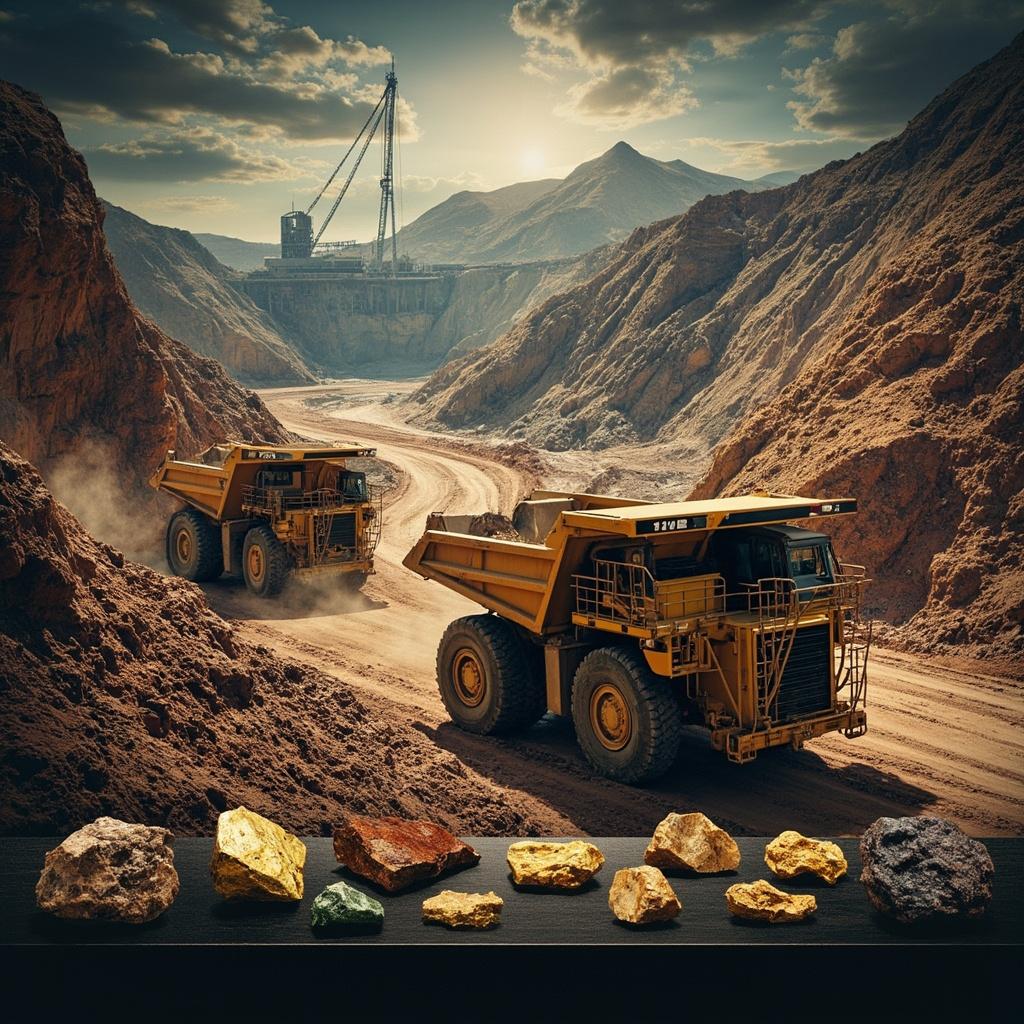
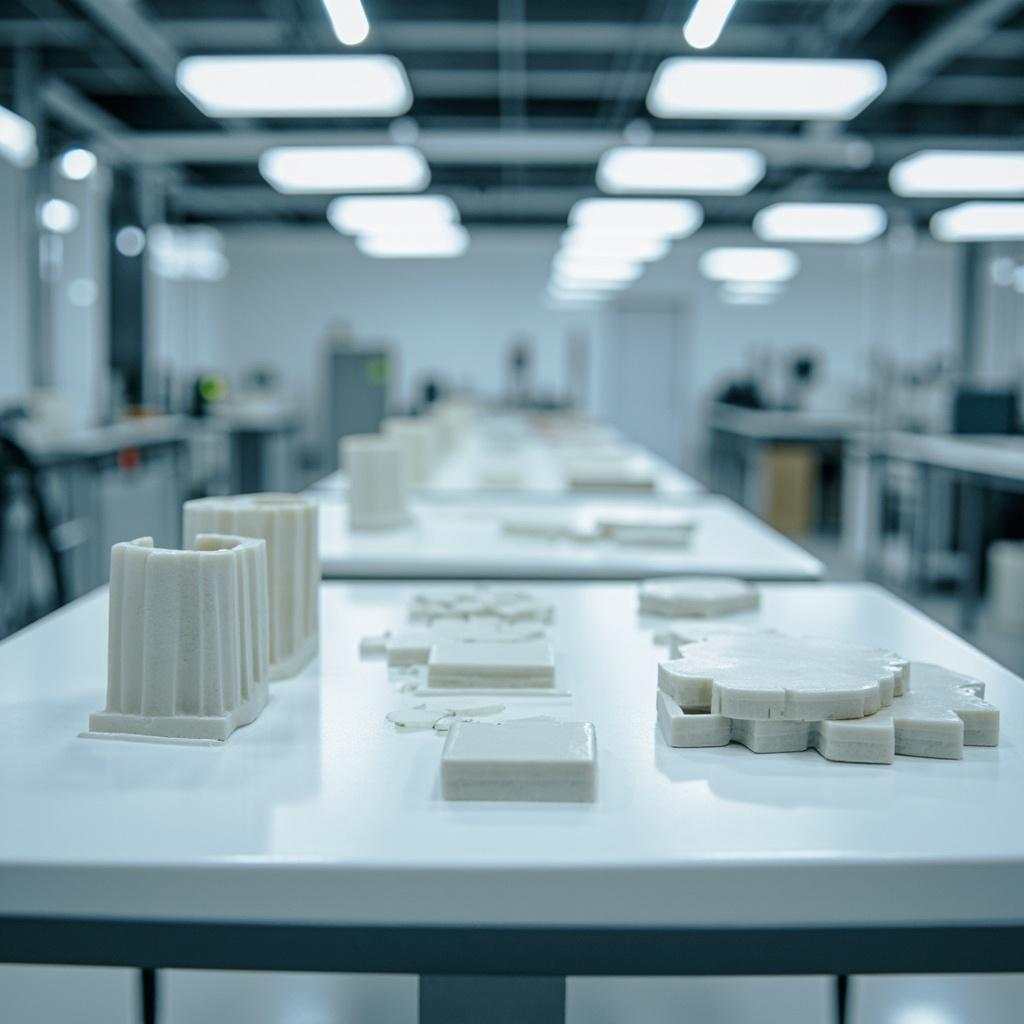
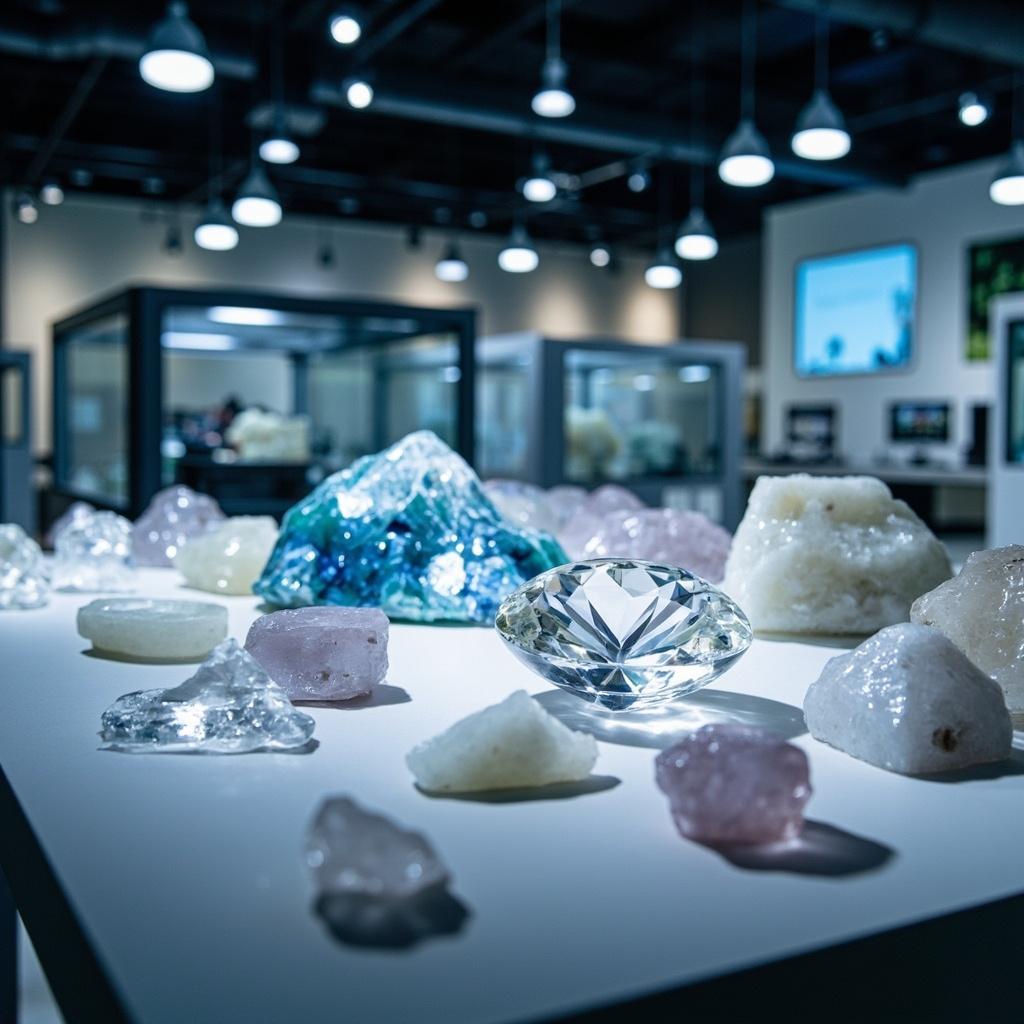
The global functional mineral materials and smart composites industry has evolved from a commodity-driven mineral processing sector into a technology-intensive materials science powerhouse that underpins the world's most critical industrial transformations. As of mid-2026, the advanced functional mineral materials market — encompassing engineered ceramics, specialty glasses, molecular sieves, high-performance composite substrates, conductive mineral additives, lithium battery separator materials, and catalytic mineral systems — is estimated to exceed $120 billion globally, growing at a compound annual rate of 6.8% driven primarily by the accelerating electrification of transportation, the exponential expansion of AI computing infrastructure, and the global transition toward hydrogen energy and carbon capture. The functional mineral materials value chain has undergone a fundamental restructuring: where once basic processed minerals served primarily as inert fillers or bulk commodities, today's leading materials science enterprises engineer minerals at the molecular and nanoscale level, transforming silica, alumina, zirconia, carbonates, zeolites, and rare-earth compounds into precision-engineered functional components that actively determine the performance, safety, and longevity of end products across industries from semiconductors to aerospace.

The competitive landscape of functional mineral materials brands is shaped by three fundamental forces: technological depth, resource control, and application breadth. At the apex of the market, Saint-Gobain stands as the world's most diversified functional materials conglomerate, with over 360 years of heritage in transforming sand, limestone, and gypsum into engineered solutions spanning high-performance ceramics (Hexoloy® SiC), advanced abrasives, construction chemicals, and composite systems, supported by revenues exceeding €48 billion. Kyocera has established an unparalleled position in fine ceramic components, leveraging proprietary co-firing and precision forming technologies to produce ceramic semiconductor packaging, industrial cutting tools, and electronic device substrates that define the standard for reliability in extreme environments. Imerys, as the world's largest specialty minerals company, converts over 20 mineral types into thousands of customer-specific functional additives, commanding 15%+ volume growth in conductive carbon additives for EV batteries and pioneering Europe's first domestic lithium extraction project. Clariant's functional minerals division delivers high-performance bentonite-based rheology modifiers, bleaching earths, and foundry additives that are essential to industries ranging from edible oil purification to precision metal casting, while its catalyst business transforms synthetic zeolites into emissions control solutions cleaning millions of vehicles globally.

Chinese and Asia-Pacific functional mineral brands are rapidly closing the technology gap with Western incumbents. Sinoma Science & Technology, the advanced materials arm of CNBM, has scaled to become one of the world's largest wind turbine blade manufacturers while simultaneously capturing a dominant position in wet-process lithium battery separators — the thin polymer-ceramic membranes that are the single most critical safety component in EV batteries, supplying tier-one customers including CATL and BYD from an annual capacity exceeding 2 billion square meters. Chaozhou Three-Circle (CCTC) has transformed from a basic electronic component supplier into a diversified advanced ceramics powerhouse, producing MLCC ceramic powders, optical communication ceramic ferrules, ceramic packaging substrates for semiconductor devices, and solid oxide fuel cell (SOFC) electrolyte sheets at globally competitive yields and costs. RHI Magnesita, formed from the 2017 merger of RHI and Brazil's Magnesita, commands approximately 25% of the global refractories market outside China, with vertically integrated operations spanning captive magnesite and dolomite mines through to custom-engineered refractory linings for steel converters, cement kilns, and non-ferrous metal furnaces across 47 production sites. Sibelco maintains a near-irreplaceable position in ultra-high-purity quartz — the irreplaceable crucible material for silicon ingot production in both solar photovoltaic and semiconductor wafer manufacturing — while simultaneously serving as Europe's dominant supplier of glass-grade silica sand and industrial mineral solutions across 30+ countries.

Specialty niche leaders demonstrate that targeted technological excellence can create defensible market positions even against much larger competitors. Minerals Technologies Inc. (MTI) has built a global leadership position in precipitated calcium carbonate (PCC), operating satellite PCC plants co-located at paper mills to deliver just-in-time functional mineral additives that enhance paper brightness, bulk, and printability — a "local-for-local" model that competitors find prohibitively expensive to replicate at scale. The company's bentonite-based performance materials serve foundry, construction, and environmental remediation markets, while its recent expansion into pet litter and animal health minerals demonstrates the breadth of its mineral processing expertise. Zeochem, the Swiss specialty chemicals firm with roots dating to 1818, is one of the world's largest independent producers of molecular sieves — synthetic zeolites engineered for precise pore-size molecular separation in industrial gas purification, medical oxygen concentrators, petrochemical dehydration, and VOC abatement. Its position as a leading global supplier of deuterated chemicals for NMR spectroscopy and pharmaceutical research further illustrates how deep functional mineral expertise in narrow verticals can command premium pricing and customer loyalty that transcends price-based competition.

Our Ranking Methodology

VerityRank evaluates functional mineral materials and smart composites brands across four equally weighted dimensions:

Technology & Innovation Leadership (25%): Depth of proprietary materials science — nanoscale surface engineering capability, patent portfolio strength (number and citation impact of active patents), R&D investment as percentage of revenue, and track record of introducing first-to-market functional material innovations in key application verticals (battery materials, semiconductor ceramics, catalytic systems, optical minerals).

Product Portfolio Breadth & Depth (25%): Number of distinct functional mineral subcategories addressed (advanced ceramics, specialty glass, molecular sieves, conductive additives, composite substrates, catalytic minerals, battery materials), revenue diversification across end-market verticals, and demonstrated ability to serve both high-volume commodity and high-value specialty segments simultaneously.

Global Manufacturing & Supply Chain Integration (25%): Geographic distribution of R&D centers and manufacturing facilities, vertical integration depth from raw mineral sourcing/reserve control through finished functional product, local-for-local production capability in key demand regions (Europe, North America, Asia-Pacific), and demonstrated supply chain resilience against geopolitical disruption and raw material price volatility.

Market Position & Financial Strength (25%): Revenue scale within functional mineral materials, market share leadership in key subcategories, pricing power (demonstrated ability to pass through input cost increases), revenue growth trajectory (3-year CAGR), EBITDA margin stability, ESG compliance maturity, and brand recognition among Fortune 500 industrial customers.

Data Sources: The brand profiles, revenue figures, workforce data, and product portfolio information in this ranking are compiled from multiple authoritative sources, including: each company's most recent annual report and investor presentation (FY2024-FY2025); regulatory filings with the SEC, Euronext, Shanghai Stock Exchange, Shenzhen Stock Exchange, and SIX Swiss Exchange; third-party industry databases and market intelligence platforms including S&P Global Market Intelligence, Mordor Intelligence, Grand View Research, MarketsandMarkets, Fortune Business Insights, and Frost & Sullivan; corporate sustainability and ESG reports; patent databases including Espacenet and Google Patents; and direct company website disclosures.

Disclaimer: The data in this ranking is compiled from publicly available financial reports, corporate disclosures, and third-party authoritative industry sources. Rankings reflect an independent composite score calculated from the four equally weighted dimensions described above. While we strive for accuracy through cross-referencing multiple data sources, these rankings represent our analytical assessment and should not be construed as investment advice, product endorsement, or a guarantee of future performance. Company positions and VerityRank Scores may shift as new financial data, product announcements, and market intelligence become available. All trademarks and registered trademarks are the property of their respective owners.

Top 10 Rankings

2026.06 Edition
1
Compagnie de Saint-Gobain S.A.

Compagnie de Saint-Gobain S.A.

Compagnie de Saint-Gobain S.A. is the global leader in lightweight and sustainable construction, founded in 1665 under the reign of King Louis XIV and headquartered in Courbevoie, France. With annual revenue of €46.5 billion (FY2025), the company operates 900+ manufacturing sites across 76 countries, employing approximately 160,000 people, making it one of the world's largest industrial groups. Saint-Gobain's unique multi-material expertise spans flat glass, high-performance ceramics, construction chemicals, insulation, gypsum, mortars, abrasives, and composite solutions.

Strengths: Saint-Gobain's unparalleled materials science heritage — spanning 360 years — gives it a depth of cross-material expertise that no competitor can match. The company's High-Performance Solutions (HPS) division, which includes its ceramics and refractories business, is the global leader in advanced silicon carbide (Hexoloy®), specialty abrasives, and technical textiles. In construction, Saint-Gobain's integrated building solutions approach — combining glass, insulation, gypsum, and mortars from a single supplier — provides a unique value proposition for sustainable building projects. The company's aggressive capital allocation strategy, completing 30+ acquisitions in 2024-2025 alone including Ceramco's industrial ceramics assets, continuously strengthens its technology portfolio. Saint-Gobain's commitment to carbon neutrality by 2050, with 100% of electricity already from renewable sources in multiple countries, positions it as the ESG leader in heavy industry. Its brand portfolio includes world-renowned names: CertainTeed (North America), Weber (global mortars), British Gypsum, Isover, and Saint-Gobain Glass.

Weaknesses: The company's extreme diversification across dozens of product categories creates management complexity and makes it challenging to achieve the same depth of specialization as focused competitors in any single category. Its heavy exposure to the European construction cycle (approximately 40% of revenue) introduces regional economic sensitivity. The building materials distribution network, while extensive, operates on thin margins and faces digital disruption from online platforms. Energy-intensive manufacturing processes in glass and ceramics production expose the company to volatile energy costs, particularly in Europe.

Brand

Saint-Gobain

Founded

1665

Workforce

~160,000

Presence

80 countries

Facilities

900+ manufacturing sites globally, 160+ in North America

Headquarters

France

Market

Euronext Paris: SGO

Key Product Categories
Building Materials CompaniesCement & Tiles IndustryCement & Mixes IndustryWaterproofing Materials IndustryStone, Wood & Flooring IndustryEngineered Stone IndustryBuilding Materials SuppliersCement & Tiles IndustryCement & Mixes IndustryWaterproofing Materials IndustryBuilding Materials CompaniesCement & Tiles IndustryCement & Mixes IndustryWaterproofing Materials IndustryStone, Wood & Flooring IndustryEngineered Stone IndustryBuilding Materials SuppliersCement & Tiles IndustryCement & Mixes IndustryWaterproofing Materials Industry
2
Kyocera

KYOCERA Corporation

KYOCERA Corporation is the undisputed global leader in advanced fine ceramics and electronic ceramic substrates, founded in 1959 in Kyoto, Japan. With annual revenue of approximately $133.5 billion, Kyocera operates 279 subsidiaries across multiple continents, employing 73,856 people worldwide. The company pioneered the full vertical integration of ceramic powder synthesis, tape casting, precision metallization, and 3D packaging for semiconductor applications.

Strengths: Absolute dominance in global ceramic substrate market share (>10%); breakthrough multilayer ceramic core substrate technology for AI semiconductors unveiled in 2026; unmatched vertical integration from ceramic powder to finished components; massive R&D investment with new smart factories under construction; commanding position in electronic, structural, aerospace, and medical ceramics.
Weaknesses: Significant operating profit decline in recent years due to legacy organic packaging business weakness (~¥43 billion impairment); strategic divestiture of non-core chemical business (sold to Sumitomo Bakelite); exposure to cyclical semiconductor and consumer electronics markets; heavy reliance on Japanese manufacturing base amid shifting geopolitics.

Brand

KYOCERA

Founded

1959

Workforce

73,856

Presence

Global (North America, Europe, Asia including China)

Facilities

279 subsidiaries worldwide, dozens of mega-factories across Japan, North America, Europe, and Asia (including multiple China sites)

Headquarters

Japan

Key Product Categories
Industrial Ceramic Substrates & Components CompaniesMining & Minerals CompaniesMining & MineralsMineral Powder Fillers & Functional Additives IndustryFunctional Mineral Materials & Smart Composites IndustryElectronic Chemical Materials CompaniesNew Energy & Eco-Materials CompaniesRefractory & High-Temperature Resistant Materials CompaniesRefractory & High-Temperature Resistant Materials IndustryThermal Insulation Materials IndustryIndustrial Ceramic Substrates & Components CompaniesMining & Minerals CompaniesMining & MineralsMineral Powder Fillers & Functional Additives IndustryFunctional Mineral Materials & Smart Composites IndustryElectronic Chemical Materials CompaniesNew Energy & Eco-Materials CompaniesRefractory & High-Temperature Resistant Materials CompaniesRefractory & High-Temperature Resistant Materials IndustryThermal Insulation Materials Industry
3
Imerys S.A.

Imerys S.A.

Imerys is the world's leading industrial mineral solutions provider, headquartered in Paris, France. Operating across more than 40 countries with approximately 18,000 employees, Imerys generated €5.5 billion in revenue in FY2025 through an unmatched portfolio of over 20 industrial minerals processed into thousands of high-value-added products. The company dominates global markets for kaolin, calcium carbonate, talc, bentonite, and specialty alumina, serving diverse end-markets including paper, plastics, construction, cosmetics, pharmaceuticals, and environmental applications. Imerys has strategically expanded into energy transition minerals, including its landmark EMILI lithium project in France that has attracted French government co-investment.

Strengths: Unmatched industrial mineral portfolio spanning over 20 mineral types and 1,500+ product formulations creates formidable barriers to entry and customer switching costs; global operational footprint with 120+ mining sites and 150+ processing facilities across 40+ countries enables localized supply with global scale advantages; powerful pricing discipline demonstrated by 1.3% year-over-year price increases in FY2025 despite weak demand in European and North American construction markets; strategic diversification into energy transition minerals including the EMILI lithium project backed by the French government positions the company for structural growth; €50-60 million structural cost reduction program demonstrates proactive operational efficiency management in challenging macroeconomic conditions.
Weaknesses: Revenue base remains significantly smaller than major metal mining competitors at €5.5 billion, limiting absolute R&D investment scale; heavy exposure to cyclical European and North American construction and industrial activity (~40% of revenue from these regions) creates vulnerability to regional economic downturns; fragmented global industrial minerals market limits pricing power in commoditized product segments; acquiring Great Lakes Minerals and Chemviron assets involves integration execution risk and cultural alignment challenges across geographies; mineral reserves are geographically dispersed requiring ongoing exploration expenditure to maintain long-term resource base.

Brand

Imerys

Founded

1880

Workforce

12,300

Presence

40+ countries globally

Facilities

120+ mining sites and 150+ processing facilities across 40+ countries

Headquarters

France

Market

Euronext Paris: NK

Key Product Categories
Mining & Minerals CompaniesMetallic Ore Raw Materials IndustryRefractory & High-Temperature Resistant Materials IndustryCalcium Carbonate Powders IndustryTalc Powders IndustryBentonite Clays IndustryMining & Minerals ManufacturersMining & Minerals CompaniesMining & Minerals CompaniesMineral Powder Fillers & Functional Additives CompaniesMining & Minerals CompaniesMetallic Ore Raw Materials IndustryRefractory & High-Temperature Resistant Materials IndustryCalcium Carbonate Powders IndustryTalc Powders IndustryBentonite Clays IndustryMining & Minerals ManufacturersMining & Minerals CompaniesMining & Minerals CompaniesMineral Powder Fillers & Functional Additives Companies
4
Clariant

Clariant AG

Clariant is a Swiss specialty chemical company founded in 1995, spun off from the legendary Sandoz chemical division. Headquartered in Muttenz, Switzerland, Clariant generated CHF 3.92 billion in 2025 revenue. Its Care Chemicals division, the company's largest business, contributed CHF 2.11 billion. Clariant employs 10,281 people across 73 production sites. Clariant's acquisition of Lucas Meyer Cosmetics has transformed it into a premier high-end active ingredient supplier with integrated bio-actives capabilities.

Strengths:

Market-leading Aristoflex rheology modifier platform achieving industry-standard status

strategic acquisition of Lucas Meyer Cosmetics adding premium bio-actives

three consecutive years of EBITDA margin expansion to 17.8%

pioneer of Local-for-Local regional supply chain strategy

strong position in green surfactants and sustainable ingredient solutions.

Weaknesses:

Smaller absolute scale vs. BASF/Evonik limits production economics in commodity ingredients

ongoing portfolio pruning requiring careful execution

exposure to Middle East geopolitical risk affecting industrial catalyst business

specialty focus creates concentration vulnerability to individual market segments.

Brand

Clariant

Founded

1995

Workforce

10,465

Presence

Global, with strong presence in Europe, Americas, and Asia-Pacific

Facilities

73 production sites globally

Headquarters

Switzerland

Key Product Categories
Cosmetic Ingredients & Care IndustryCosmetic Ingredients & Care Manufacturers & SuppliersEnergy & Chemical SuppliersEnergy & ChemicalPlastics & Eco-Materials IndustryNew Energy & Eco-Materials IndustryElectronic Chemical Materials IndustryAutomotive Energy & Maintenance BrandsCosmetic Ingredients & Care CompaniesMining & Minerals CompaniesCosmetic Ingredients & Care IndustryCosmetic Ingredients & Care Manufacturers & SuppliersEnergy & Chemical SuppliersEnergy & ChemicalPlastics & Eco-Materials IndustryNew Energy & Eco-Materials IndustryElectronic Chemical Materials IndustryAutomotive Energy & Maintenance BrandsCosmetic Ingredients & Care CompaniesMining & Minerals Companies
5
RHI Magnesita NV

RHI Magnesita NV

RHI Magnesita NV is the global market leader in refractory products and solutions, formed through the merger of Austria''s RHI and Brazil''s Magnesita. Headquartered in Vienna, Austria, the company operates 47 production sites and 70+ sales offices across 35+ countries, employing approximately 13,500 people. RHI Magnesita produces over 3 million tonnes of refractory materials annually for high-temperature industrial processes including steelmaking, cement production, glass manufacturing, and non-ferrous metal processing. The 2025 acquisition of Resco Group for EUR 271 million significantly expanded its North American footprint, adding 9 plants and 2 raw material sites while boosting regional revenue by 22%.

Strengths: Unquestioned global refractory leadership with the largest production capacity and broadest product portfolio; Local-for-Local strategy through Resco acquisition creates tariff-resistant regional supply chains in North America; circular economy leadership with 15.9% refractory recycling rate exceeding industry targets, reducing CO2 emissions to 1.54t per tonne; backward integration into magnesite and dolomite raw material mines secures cost advantages over competitors; essential supplier status — no steel, cement, or glass can be produced without refractories.
Weaknesses: High correlation with global steel production cycles creates earnings volatility during industrial downturns; heavy European manufacturing concentration exposes margins to regional energy cost inflation; significant acquisition debt from Resco integration increases financial leverage risk.

Brand

RHI Magnesita

Founded

1834 (RHI) / 2017 (merger)

Workforce

16,000

Presence

20+ countries across Europe, Americas, Asia, and Africa

Facilities

47 production sites across 20+ countries

Headquarters

Austria

Market

LSE: RHIM
Key Product Categories
Mining & Minerals CompaniesMetallic Ore Raw Materials IndustryRefractory & High-Temperature Resistant Materials IndustryThermal Insulation Materials IndustryMineral Wool Materials IndustryMining & Minerals ManufacturersMining & Minerals CompaniesMining & Minerals ManufacturersRefractory & High-Temperature Resistant Materials IndustryRefractory & High-Temperature Resistant Materials CompaniesMining & Minerals CompaniesMetallic Ore Raw Materials IndustryRefractory & High-Temperature Resistant Materials IndustryThermal Insulation Materials IndustryMineral Wool Materials IndustryMining & Minerals ManufacturersMining & Minerals CompaniesMining & Minerals ManufacturersRefractory & High-Temperature Resistant Materials IndustryRefractory & High-Temperature Resistant Materials Companies
6
Sibelco NV

Sibelco NV

Sibelco NV is a Belgium-based global leader in high-purity quartz (HPQ), specialty silica sand, and industrial minerals, headquartered in Antwerp, Belgium. The company operates 200+ production sites across 30+ countries with a workforce of approximately 10,000 employees. Sibelco''s North Carolina Spruce Pine mine produces the world''s purest quartz essential for semiconductor manufacturing and photovoltaic crucibles, giving it near-monopoly control over this critical supply chain. Through the landmark acquisition of Strategic Materials Inc (SMI) in 2025, Sibelco now operates the world''s largest glass recycling platform processing 5 million tonnes of cullet annually across 66 sites.

Strengths: Strategic monopoly over HPQ supply — without Sibelco''s Spruce Pine quartz, global semiconductor and solar industries would face immediate disruption; circular economy transformation through SMI acquisition positions it as the indispensable decarbonization partner for glass manufacturers; geographic diversification across Europe, Americas, and Asia-Pacific mitigates regional demand shocks; century-long operational expertise in mineral processing creates insurmountable technical barriers; vertically integrated recycling-to-raw-material model lowers customer CO2 emissions by 3% per 10% cullet addition.
Weaknesses: Single-source dependency at Spruce Pine creates catastrophic supply risk from natural disasters (Hurricane Helene disrupted operations); cyclical construction end-market exposure in traditional silica sand segment; limited public financial disclosure as a private company reduces transparency for ESG assessments.

Brand

Sibelco

Founded

1872

Workforce

5,075

Presence

30+ countries across Europe, Americas, and Asia-Pacific

Facilities

200+ production sites across 30+ countries

Headquarters

Belgium

Market

Euronext Brussels: BE0944264663

Key Product Categories
Mining & Minerals CompaniesMetallic Ore Raw Materials IndustryGlass Substrate Raw Materials & Industrial Base Glass IndustryEnergy Conversion IndustryCalcium Carbonate Powders IndustryMining & Minerals ManufacturersMining & Minerals CompaniesMining & Minerals ManufacturersMining & Minerals CompaniesMineral Powder Fillers & Functional Additives CompaniesMining & Minerals CompaniesMetallic Ore Raw Materials IndustryGlass Substrate Raw Materials & Industrial Base Glass IndustryEnergy Conversion IndustryCalcium Carbonate Powders IndustryMining & Minerals ManufacturersMining & Minerals CompaniesMining & Minerals ManufacturersMining & Minerals CompaniesMineral Powder Fillers & Functional Additives Companies
7
Minerals Technologies Inc.

Minerals Technologies Inc.

Minerals Technologies Inc. (MTI) is the global pioneer of satellite-plant precipitated calcium carbonate (PCC) technology and a leading specialty bentonite solutions provider, spun off from Pfizer in 1992 and headquartered in New York, United States. With annual revenue of $2.072 billion, MTI operates 60+ production facilities across 34 countries, employing 4,000 people. The company's unique on-site satellite PCC manufacturing model at customer paper mills creates exceptionally high switching costs and customer retention.

Strengths: Proprietary satellite PCC manufacturing model co-located at customer paper mills delivers unmatched logistics efficiency and customer lock-in; world-class bentonite reserves powering high-growth pet care (SIVO brand), renewable fuel purification, and animal health mineral additives; diversified revenue streams spanning paper PCC, construction materials, metal casting, and consumer products; underlying operational margins remain healthy at 13.9% excluding one-time charges; ongoing $10 million annual operational efficiency program.

Weaknesses: $215 million talc litigation provision in Q1 2025 created significant GAAP earnings pressure (EPS -$0.59) and ongoing legal overhang; North American commercial construction slowdown reduced building materials additives demand by ~18%; legacy talc-related asbestos liability creates long-term balance sheet uncertainty despite settlement trust establishment.

Brand

Specialty Minerals (MTI)

Founded

1992

Workforce

4,000

Presence

Operations in 34 countries

Facilities

60+ major production facilities plus satellite PCC plants at customer paper mills worldwide

Headquarters

United States

Market

NYSE: MTX
Key Product Categories
Mining & Minerals CompaniesMineral Powder Fillers & Functional Additives CompaniesCalcium Carbonate Powders IndustryBentonite Clays IndustryRefractory & High-Temperature Resistant Materials IndustryMining & MineralsRefractory & High-Temperature Resistant Materials IndustryThermal Insulation Materials IndustryGlass Substrate Raw Materials & Industrial Base Glass IndustryConductive & EMI Shielding IndustryMining & Minerals CompaniesMineral Powder Fillers & Functional Additives CompaniesCalcium Carbonate Powders IndustryBentonite Clays IndustryRefractory & High-Temperature Resistant Materials IndustryMining & MineralsRefractory & High-Temperature Resistant Materials IndustryThermal Insulation Materials IndustryGlass Substrate Raw Materials & Industrial Base Glass IndustryConductive & EMI Shielding Industry
8
Sinoma Science & Technology Co., Ltd.

Sinoma Science & Technology Co., Ltd.

Sinoma Science & Technology Co., Ltd. is a Chinese advanced materials conglomerate and a core subsidiary of CNBM, founded in 2001 and headquartered in Nanjing. With approximately 20,000 employees and annual revenue exceeding ¥30 billion, the company is a world leader in wind turbine blades, fiberglass composites, lithium battery separators, high-pressure composite cylinders, filtration materials, and engineered mineral products. Listed on the Shenzhen Stock Exchange (SSE: 002080), it serves global markets in clean energy, transportation, and industrial filtration.

Strengths:
World-leading scale in wind turbine blade manufacturing, with the largest production capacity globally and blades up to 100+ meters.
Vertical integration within the CNBM group ensures stable raw material supply and cost advantages.
Diversified product portfolio across six high-growth segments reduces dependency on any single market.
Strong R&D investment exceeding 5% of revenue, with over 1,000 patents in composites and materials science.
Global customer base including top wind turbine OEMs and major battery manufacturers.

Weaknesses:
Exposure to trade tensions and tariffs in key export markets like the US and Europe.
Overcapacity risk in the Chinese wind and battery separator markets due to rapid industry expansion.
Dependence on government subsidies and policy support for clean energy sectors.
Limited brand recognition outside of China compared to global competitors like SGL Carbon or Toray.

Brand

Sinoma Science

Founded

2001

Workforce

~20,000

Presence

Global operations across Asia, Europe, and Americas

Facilities

30+ production bases across China

Headquarters

China

Market

SSE: 002080

Key Product Categories
Mining & Minerals CompaniesGlass Substrate Raw Materials & Industrial Base Glass IndustryEnergy Conversion IndustryNew Energy & Eco-Materials CompaniesFunctional Mineral Materials & Smart Composites IndustryMineral Powder Fillers & Functional Additives CompaniesFunctional Mineral Materials & Smart Composites CompaniesFunctional Coatings & Composites IndustryMining & Minerals CompaniesGlass Substrate Raw Materials & Industrial Base Glass IndustryEnergy Conversion IndustryNew Energy & Eco-Materials CompaniesFunctional Mineral Materials & Smart Composites IndustryMineral Powder Fillers & Functional Additives CompaniesFunctional Mineral Materials & Smart Composites CompaniesFunctional Coatings & Composites Industry
9
Chaozhou Three-Circle

Chaozhou Three-Circle (Group) Co., Ltd.

Chaozhou Three-Circle (Group) Co., Ltd. (CCTC) is China's leading advanced ceramics company and the only Chinese entrant in the global top 10 industrial ceramic substrate rankings. Founded in 1970 in Chaozhou, Guangdong, China, CCTC generates approximately ¥9.0 billion (~$1.25 billion) in annual revenue with ~13,514 employees and massive industrial parks across China. The company exemplifies China's evolution from contract manufacturing follower to technology challenger in advanced ceramic materials.

Strengths: World's #1 producer of ceramic ferrules for fiber optic connectors and ceramic packaging bases; breakthrough penetration of micro-miniature, high-capacitance, high-reliability MLCC product lines challenging Japanese incumbents; AI-driven optical component demand driving 22%+ revenue growth in FY2025; unmatched massive-scale automated continuous manufacturing capacity (hundreds of billions of units annually); preparing for Hong Kong Stock Exchange H-share listing to fuel international expansion and next-gen ceramic technology R&D (SOFC fuel cells, piezoelectric ceramics); superior cost competitiveness from China-based manufacturing ecosystem.
Weaknesses: Revenue scale significantly smaller than Japanese peers ($1.25B vs $25-133B); concentrated manufacturing base in China creates geopolitical and supply chain concentration risk; traditional low-end resistor and consumer-grade ceramic components face intense price competition; brand recognition outside China still developing relative to established global names.

Brand

CCTC

Founded

1970

Workforce

~13,514

Presence

Global (China, Germany, Thailand, expanding internationally)

Facilities

Massive industrial parks in Chaozhou (headquarters) and Nanchong (Sichuan), with expanding operations in Germany and Thailand

Headquarters

China

Key Product Categories
Industrial Ceramic Substrates & Components CompaniesMining & Minerals CompaniesMining & MineralsMineral Powder Fillers & Functional Additives IndustryFunctional Mineral Materials & Smart Composites IndustryElectronic Chemical Materials CompaniesNew Energy & Eco-Materials CompaniesRefractory & High-Temperature Resistant Materials CompaniesIndustrial Ceramic Substrates & Components CompaniesMining & Minerals CompaniesMining & MineralsMineral Powder Fillers & Functional Additives IndustryFunctional Mineral Materials & Smart Composites IndustryElectronic Chemical Materials CompaniesNew Energy & Eco-Materials CompaniesRefractory & High-Temperature Resistant Materials Companies
10
Zeochem AG

Zeochem AG

Zeochem AG is a Swiss specialty chemical and molecular sieve manufacturer founded in 1818, with headquarters in Zurich and a historic production site in Uetikon. The company employs approximately 500 people and generates annual revenue of around $200 million. As a private company, Zeochem is a global leader in zeolite synthesis, silica gels, deuterated chemicals, and chromatography gels, serving petrochemical, pharmaceutical, and analytical markets.

Strengths:
Over 200 years of chemical manufacturing heritage provides unmatched expertise in zeolite crystallization and adsorption technology.
Niche market leadership in deuterated chemicals and custom zeolites, enabling high-value, low-volume production with strong margins.
Swiss quality and precision ensure consistent product purity and performance, critical for pharmaceutical and analytical applications.
Diversified product portfolio across molecular sieves, silica gels, and deuterated compounds reduces market risk.
Strong customer relationships with major oil and gas companies and pharmaceutical firms.

Weaknesses:
Limited scale compared to global chemical giants like BASF or UOP, constraining production capacity and cost competitiveness.
High dependence on European markets, with less penetration in fast-growing Asian regions.
Vulnerability to raw material price fluctuations for specialty chemicals and rare earth elements used in zeolite synthesis.
Private ownership limits access to public capital markets for large-scale expansion or acquisitions.

Brand

Zeochem

Founded

1818

Workforce

~500

Presence

Operations across Europe, Asia, and Americas

Facilities

3 production sites in Switzerland

Headquarters

Switzerland

Market

Private

Key Product Categories
Mining & Minerals CompaniesChemical CompaniesEnergy & Chemical CompaniesFunctional Mineral Materials & Smart Composites IndustryMineral Powder Fillers & Functional Additives CompaniesFunctional Mineral Materials & Smart Composites CompaniesMineral Powder Fillers & Functional Additives IndustryElectronic Chemical Materials CompaniesMining & Minerals CompaniesChemical CompaniesEnergy & Chemical CompaniesFunctional Mineral Materials & Smart Composites IndustryMineral Powder Fillers & Functional Additives CompaniesFunctional Mineral Materials & Smart Composites CompaniesMineral Powder Fillers & Functional Additives IndustryElectronic Chemical Materials Companies

Frequently Asked Questions

How are the rankings on this Top 10 Functional Mineral Materials & Smart Composites Companies page determined?
The rankings are determined through a multi-criteria weighted methodology that evaluates companies across five core pillars: technological innovation, market share and revenue, product portfolio breadth, supply chain resilience, and sustainability practices.

Technological innovation accounts for 30% of the total score, focusing on R&D spending as a percentage of revenue (benchmarked against industry averages of 5-8%), number of active patents in functional minerals and smart composites (e.g., US Patent Class 501 for ceramics, 502 for catalysts), and commercialization of next-generation products like lithium battery separators with ceramic coatings or self-healing smart composites. Market share and revenue (25%) uses publicly available financial data from annual reports, SEC filings, and market research from sources like Grand View Research and MarketsandMarkets, with a minimum revenue threshold of $50 million in the category.

Product portfolio breadth (20%) assesses the range of materials offered, including zeolites, silica gels, engineered ceramics, molecular sieves, and specialty glass materials, weighted by their application in high-growth sectors like electric vehicles (EVs) and 5G telecommunications. Supply chain resilience (15%) evaluates raw material sourcing diversity (e.g., rare earth elements for advanced ceramics), manufacturing footprint across regions, and lead times for critical products like high-performance ceramic substrates used in power electronics. Sustainability practices (10%) includes carbon footprint reduction targets, use of recycled content in advanced mineral additives, and compliance with ISO 14001 and REACH regulations.

Data is collected from company disclosures, industry databases (e.g., ICIS, S&P Global Commodity Insights), and expert interviews. Rankings are updated annually, with interim adjustments for major M&A or product launches. Companies must have at least three years of commercial operations in the category to be eligible.
What distinguishes functional minerals from commodity minerals in the context of this ranking?
Functional minerals are distinguished from commodity minerals by their engineered properties, specific performance characteristics, and application-driven customization. While commodity minerals like sand, gravel, or raw limestone are traded based on bulk volume and basic chemical composition, functional minerals undergo advanced processing to enhance attributes such as surface area, pore structure, thermal stability, and chemical reactivity.

For example, zeolites are crystalline aluminosilicates with uniform molecular-sized pores, making them essential as molecular sieves for gas separation, catalysis, and ion exchange in detergents and water treatment. In contrast, natural zeolite ore (a commodity) is crushed and sold for low-value uses like animal feed additives. Similarly, silica gels are manufactured with controlled pore sizes (e.g., 2-10 nm for desiccants, 10-30 nm for chromatography) and high surface areas (up to 800 m²/g), whereas commodity silica sand is used in glassmaking without such precision.

Functional minerals also include engineered ceramics like alumina (Al₂O₃) and zirconia (ZrO₂), which are sintered at high temperatures to achieve hardness, wear resistance, and thermal conductivity for applications in lithium battery separators (ceramic-coated separators improve safety) and high-performance ceramic substrates for LED and power modules. Smart composite materials further elevate functionality by integrating sensors, self-healing polymers, or shape-memory alloys into mineral matrices, enabling real-time structural health monitoring in aerospace or automotive components.

The market for functional minerals is growing at 6-8% CAGR (2024-2030), driven by demand in EVs, renewable energy, and electronics, while commodity minerals grow at 2-3% CAGR. This ranking focuses exclusively on companies that add significant value through processing, formulation, and application engineering, rather than those simply extracting and selling raw materials.
What are the key technology trends in smart composites and functional mineral materials for 2025-2026?
Key technology trends for 2025-2026 center on digital integration, sustainability-driven innovation, and performance enhancement for extreme environments. In smart composites, self-sensing materials embedded with carbon nanotubes or piezoelectric fibers are enabling real-time strain and temperature monitoring in wind turbine blades and aircraft fuselages, reducing maintenance costs by up to 30%. Self-healing composites using microcapsules of healing agents (e.g., dicyclopentadiene) or vascular networks are moving from lab to pilot production, with applications in automotive body panels and aerospace structures.

For functional minerals, nanostructured zeolites with hierarchical porosity (micro- and mesopores) are improving catalytic efficiency in petrochemical cracking and biomass conversion, with companies like BASF and Zeochem scaling production. Ceramic-coated lithium battery separators are evolving to use alumina or boehmite nanoparticles to enhance thermal stability (shrinkage below 1% at 200°C) and ionic conductivity, critical for next-gen solid-state batteries expected to enter EVs by 2026. High-performance ceramic substrates based on silicon nitride (Si₃N₄) and aluminum nitride (AlN) are achieving thermal conductivities above 200 W/mK for power electronics in 5G base stations and electric vehicle inverters.

Another trend is circular economy integration: companies are developing advanced mineral additives from recycled glass and ceramic waste for use in concrete and asphalt, reducing CO₂ emissions by 15-20%. Specialty glass materials with ultra-low expansion coefficients (e.g., Corning’s ULE®) are being used for EUV lithography masks in semiconductor manufacturing. Molecular sieves for carbon capture are gaining traction, with new formulations achieving CO₂/N₂ selectivity above 100 at flue gas temperatures. Investment in these areas is projected to exceed $12 billion globally by 2026, with Asia-Pacific leading in production scale-up.
What supply chain and procurement considerations should industrial buyers evaluate for functional mineral materials and smart composites?
Industrial buyers should evaluate supply chain diversification, raw material criticality, lead time variability, and quality consistency when procuring functional mineral materials and smart composites. Given that many advanced materials rely on rare earth elements (e.g., cerium for polishing powders, yttria for zirconia stabilization) or specialty chemicals (e.g., tetraethyl orthosilicate for silica gels), geopolitical risks (e.g., China controls 60% of rare earth production) necessitate multi-sourcing strategies. Buyers should assess suppliers’ geographic footprint—for instance, having production sites in both Asia and Europe can mitigate disruptions from trade tariffs or shipping delays.

Lead times for engineered ceramics like silicon carbide (SiC) substrates can range from 12 to 20 weeks due to complex sintering and machining processes, while molecular sieves for petrochemical catalysts may have 8-12 week lead times. Buyers should negotiate buffer stock agreements or vendor-managed inventory (VMI) for critical items like lithium battery separator coatings, where shortages can halt EV production lines. Quality consistency is paramount: zeolites must meet strict particle size distribution (e.g., D50 of 2-5 µm for detergent applications) and cation exchange capacity (CEC) tolerances of ±5%. Buyers should request certificates of analysis (CoA) for every batch and conduct third-party audits of suppliers’ ISO 9001 and IATF 16949 certifications.

Cost considerations include total cost of ownership (TCO) rather than unit price. For example, a cheaper silica gel with lower surface area may require more frequent replacement in desiccant systems, increasing lifecycle costs. Buyers should also evaluate sustainability credentials: suppliers using renewable energy for high-performance ceramic substrate production or offering take-back programs for smart composite waste can help meet corporate ESG goals. Finally, long-term contracts (3-5 years) with price escalation clauses tied to raw material indices (e.g., alumina price index) can stabilize costs in volatile markets.
How often is the data on this ranking page updated, and what sources are used?
The data on this ranking page is updated annually, with a full review conducted each January to incorporate the previous fiscal year’s financial results, product launches, and market shifts. However, interim updates are made quarterly to reflect significant events such as mergers and acquisitions (e.g., a major zeolite producer acquiring a smart composites startup), regulatory changes (e.g., new REACH restrictions on certain mineral additives), or disruptive technology breakthroughs (e.g., a novel lithium battery separator material achieving commercial scale).

Data sources are multi-faceted to ensure accuracy and comprehensiveness. Primary sources include company annual reports (10-K filings for US firms, annual reports for EU and Asian companies), press releases on new product developments (e.g., self-healing smart composites for aerospace), and investor presentations that detail R&D pipelines. Secondary sources include industry market research from firms like Grand View Research, MarketsandMarkets, and Frost & Sullivan, which provide revenue estimates and growth projections for segments like engineered ceramics (projected $12.5 billion by 2026) and molecular sieves ($5.8 billion by 2026).

Technical data on material properties—such as zeolite pore sizes, silica gel surface areas, or ceramic substrate thermal conductivity—is sourced from peer-reviewed journals (e.g., Journal of the American Ceramic Society, Microporous and Mesoporous Materials) and patent databases (USPTO, EPO, WIPO) to verify innovation claims. Supply chain metrics (lead times, raw material prices) are obtained from commodity intelligence platforms like ICIS, S&P Global Platts, and Fastmarkets, as well as procurement surveys conducted with 50+ industrial buyers in the chemicals and materials sector. All data is cross-referenced with third-party audits from organizations like TÜV Rheinland for quality certifications. Users can subscribe to email alerts for interim updates via the page’s notification feature.