








VerityRank

Brand Rankings in the ​​Loungewear & Sleepwear Industry

HomeTextile & Apparel Industry BrandsBrand Rankings in the ​​Loungewear & Sleepwear Industry

Welcome to Verity Rank's Global Loungewear & Sleepwear Brand Rankings. This list serves as your definitive guide to the industry's most influential players. We employ a rigorous, multi-dimensional analysis across seven key metrics — Financial Performance, Global Sales, User Sentiment, Search Popularity, Brand Influence, Supply Chain Structure, and Core Business Focus — to calculate a comprehensive “International Heat Index” for each brand. Our mission is to cut through the marketing noise and reveal the true market standing of each entity. Data is sourced from third-party market research firms, public financial filings, independent consumer platforms, and AI-integrated market analysis. Rankings are objective and provided for informational and decision-support purposes only.

Top 10 Rankings

2026.05 Edition
1
Victoria's Secret & Co.

Victoria's Secret & Co.

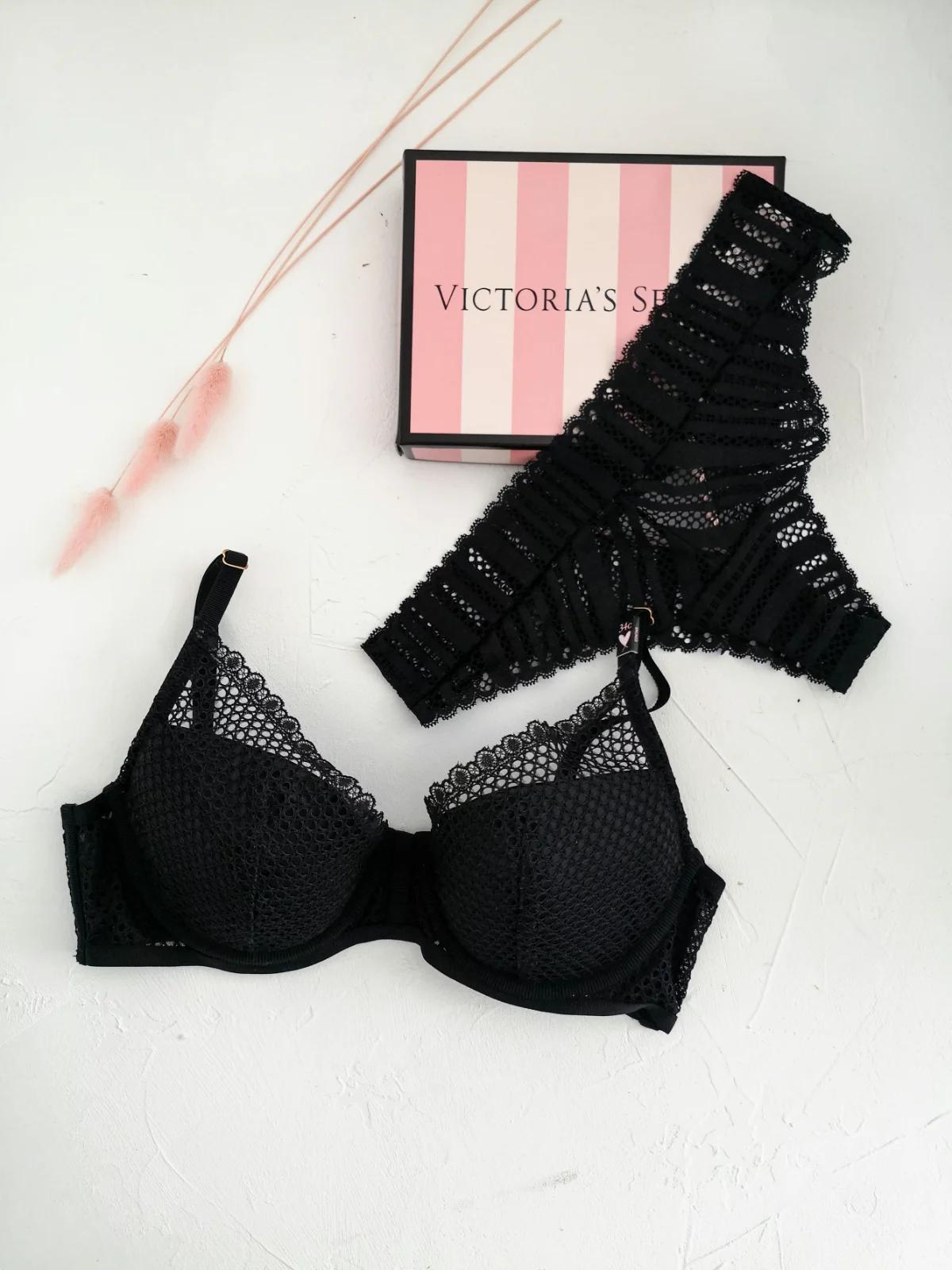
Victoria's Secret & Co., headquartered in Columbus, Ohio, USA, is a globally iconic specialty retailer of women's intimate apparel, sleepwear, and beauty products. Positioned to sell its self-designed fashion products through powerful brand marketing and an omnichannel retail network, its core business comprises women's lingerie and extended sleepwear and swimwear collections. As a company listed on the New York Stock Exchange, Victoria's Secret employs a capital-light global supply chain model, operating approximately 1,300 stores and online platforms in over 80 countries and regions, with annual sales exceeding $6 billion. The company is currently focused on driving a brand transformation towards greater inclusivity and diversity to consolidate its leadership in the global fashion consumer goods sector.

Strengths: Victoria's Secret's core strengths are its unparalleled global brand equity and cultural influence, which create a deep emotional connection and consumer perception moat; concurrently, its mature and extensive omnichannel retail network (brick-and-mortar and e-commerce) ensures broad market reach and efficient sales penetration.

Weaknesses: Victoria's Secret's main weaknesses are the challenging transformation of its brand image from a traditional "sexy" definition towards "inclusivity and empowerment," facing difficulties in reshaping consumer perception and loyalty; furthermore, the company's heavy reliance on the global supply chain under its capital-light model and intense competition from emerging DTC brands and comfort-focused lingerie giants present significant challenges.

Brand

Victoria's Secret &

Headquarters

USA

Founded

1977

Workforce

31K+

Presence

80+ Countries

Market

NYSE:VSCO

Key Product Categories
Homewear BrandsWomen's Clothing IndustryWomen's Activewear IndustrySwimwear IndustryIntimates & Hosiery IndustryWomen's Underwear IndustryIntimates & Hosiery CompaniesWomen's Clothing IndustryWomen's Activewear IndustrySwimwear IndustryHomewear BrandsWomen's Clothing IndustryWomen's Activewear IndustrySwimwear IndustryIntimates & Hosiery IndustryWomen's Underwear IndustryIntimates & Hosiery CompaniesWomen's Clothing IndustryWomen's Activewear IndustrySwimwear Industry
2
Calvin Klein Inc.

Calvin Klein Inc.

Calvin Klein, Inc. is one of the world’s most iconic modern fashion brands, operating as a wholly-owned subsidiary of the listed PVH Corp. and headquartered in New York. Renowned for its minimalist aesthetic, iconic “CK” branding, and provocative marketing, its core business spans underwear, denim, ready-to-wear, and loungewear. Utilizing an asset-light global licensing and wholesale model, its products are sold in over 100 countries, generating annual revenue of approximately US$3.7 billion. As the core growth engine for PVH Corp., Calvin Klein is continuously attracting a new global generation of consumers through DTC transformation and innovative marketing while preserving its classic DNA.

Strengths: Calvin Klein's core strengths are its unparalleled global brand recognition and iconic status embedded within popular culture, which elevates its products (especially underwear) beyond mere utility to become powerful social and emotional symbols; concurrently, its successful asset-light licensing business model enables rapid global expansion and considerable profit returns with relatively low owned capital, contributing stable annual revenue of approximately US$3.7 billion and serving as a robust financial pillar for PVH Corp.

Weaknesses: Calvin Klein's main weaknesses lie in the challenging balance its brand image must strike between adhering to its classic minimalist DNA and continuously innovating to align with rapidly evolving fashion trends and the preferences of younger consumers; furthermore, its heavy reliance on a global network of third-party licensees for production introduces inherent risks and challenges in maintaining consistent product quality, supply chain ethics, and unified brand image control.

Brand

Calvin Klein

Headquarters

USA

Founded

1968

Workforce

120K+

Presence

100+ Countries

Market

NYSE:PVH

Key Product Categories
Home Textiles & Fabrics BrandsMen's Clothing IndustryMen's Tops IndustryMen's Bottoms IndustryWomen's Clothing IndustryWomen's Tops IndustryIntimates & Hosiery CompaniesMen's Clothing IndustryMen's Tops IndustryMen's Bottoms IndustryHome Textiles & Fabrics BrandsMen's Clothing IndustryMen's Tops IndustryMen's Bottoms IndustryWomen's Clothing IndustryWomen's Tops IndustryIntimates & Hosiery CompaniesMen's Clothing IndustryMen's Tops IndustryMen's Bottoms Industry
3
Calida Holding AG

Calida Holding AG

Calida Holding AG, headquartered in Sursee, Canton of Lucerne, Switzerland, is a vertically integrated manufacturer and brand group specializing in premium intimate apparel, sleepwear, and outdoor home products. Positioned in the mid-to-high-end market, its core business encompasses comfortable women’s lingerie and sleepwear under the “Calida” brand, as well as outdoor home textiles operated through the “Lafuma Mobilier” brand. The group employs a unique vertical integration model “from yarn to finished product” to ensure “Swiss-made” quality standards, with annual revenue of approximately CHF 354 million. As a company listed on the Swiss Stock Exchange, Calida holds a solid leadership position and strong customer loyalty in its core European markets (particularly the DACH region) and is committed to driving long-term growth through sustainability and a robust multi-brand strategy.

Strengths: Calida's core strengths are its unique vertically integrated business model (controlling the entire supply chain from spinning to garment), which fundamentally ensures the high quality and reliability of its “Swiss-made” products, building a deep product moat; concurrently, the powerful brand reputation based on exceptional comfort and sustainability it has established in its core European markets generates exceptionally high customer loyalty and stable pricing power.

Weaknesses: Calida's main weaknesses are its high concentration in the European mid-to-high-end market, which limits its overall scale and growth potential, posing challenges for international expansion; furthermore, its high-cost “European manufacturing” structure places it at a disadvantage in intense global price competition, and as a strong regional brand, it has weaker awareness and marketing volume in the global mass market.

Brand

Calida

Headquarters

Switzerland

Founded

1941

Workforce

1.5K+

Presence

30+ Countries

Market

SIX:CALN

Key Product Categories
Loungewear & Sleepwear BrandsWomen's Clothing IndustryIntimates & Hosiery IndustryWomen's Underwear IndustryBras IndustryPanties IndustryLoungewear & Sleepwear WholesalersWomen's Clothing IndustryIntimates & Hosiery IndustryWomen's Underwear IndustryLoungewear & Sleepwear BrandsWomen's Clothing IndustryIntimates & Hosiery IndustryWomen's Underwear IndustryBras IndustryPanties IndustryLoungewear & Sleepwear WholesalersWomen's Clothing IndustryIntimates & Hosiery IndustryWomen's Underwear Industry
4
La Perla Global Management (UK) Ltd

La Perla Global Management (UK) Ltd

La Perla Global Management (UK) Ltd, originating from Bologna, Italy, is a globally top-tier luxury brand specializing in intimate apparel, swimwear, and evening wear. Positioned at the apex of the luxury sector, it is renowned for its unparalleled Italian craftsmanship (particularly from its haute couture atelier), luxurious materials (such as handmade lace and silk), and a sophisticated aesthetic of sensuality. Its core business encompasses luxury women’s lingerie, high-end swimwear, and evening gowns, serving an ultra-high-net-worth clientele through a network of approximately 150 carefully selected boutiques and private client services worldwide. Despite undergoing financial restructurings and changes in ownership, the brand maintains its legendary status as the “Rolls-Royce of lingerie,” upheld by its profound heritage, artisanal legacy, and powerful cultural influence on events like the red carpet.

Strengths: La Perla's core strengths are its irreplaceable Italian haute couture craftsmanship and nearly seven-decade brand heritage, which form an extremely deep technical moat and priceless brand prestige; concurrently, its successful extension of premier lingerie aesthetics into evening wear and swimwear, coupled with sustained exposure in prestigious settings like celebrity red carpets, solidly establishes its market position as the ultimate luxury symbol.

Weaknesses: La Perla's main weaknesses stem from its business model's heavy reliance on handcrafted products and an elite clientele, resulting in a naturally narrow market size and financially vulnerable performance sensitive to economic cycles; furthermore, the brand's history of multiple ownership changes and management instability poses ongoing challenges to the continuity of its long-term strategy and operational stability.

Brand

La Perla

Headquarters

London

Founded

1954

Workforce

800+

Presence

50+ Countries

Market

150+ StoresGlobal Cooperative Factories Unlisted ( Private Company )

Key Product Categories
Loungewear & Sleepwear BrandsWomen's Clothing IndustryWomen's Tops IndustryDresses & Skirts IndustryWomen's Outerwear IndustrySwimwear IndustryLoungewear & Sleepwear WholesalersWomen's Clothing IndustryWomen's Tops IndustryDresses & Skirts IndustryLoungewear & Sleepwear BrandsWomen's Clothing IndustryWomen's Tops IndustryDresses & Skirts IndustryWomen's Outerwear IndustrySwimwear IndustryLoungewear & Sleepwear WholesalersWomen's Clothing IndustryWomen's Tops IndustryDresses & Skirts Industry
5
Ryohin Keikaku Co., Ltd. - Muji(Mujirushi Ryohin)

Ryohin Keikaku Co., Ltd. - Muji(Mujirushi Ryohin)

Ryohin Keikaku Co., Ltd., headquartered in Tokyo, Japan, is a lifestyle brand and global retailer renowned for its core brand “MUJI” (Mujirushi Ryohin), founded on the philosophy of “no-brand quality goods.” The company is positioned to provide simple, functional, and environmentally conscious daily necessities spanning apparel, home goods, and food, with its core textile and apparel business encompassing basic men’s and women’s clothing, intimate apparel and hosiery, sleepwear, and home textiles. As a company listed on the Tokyo Stock Exchange, MUJI operates over 1,000 stores in more than 30 countries, generating revenue of 484.8 billion yen in fiscal year 2024. Leveraging its profound brand philosophy, robust global supply chain management, and cross-category product development capabilities, it is committed to promoting a back-to-basics, rational, and sustainable lifestyle worldwide.

Strengths: MUJI's core strengths are its profound and consistent “no-brand” philosophy and minimalist aesthetic, which have successfully built cross-border lifestyle cultural identity and exceptionally high customer loyalty; concurrently, its unique “no-factory manufacturer” model has established a powerful and stable global supply chain and quality control system, ensuring product quality consistency and strong cross-category synergies.

Weaknesses: MUJI's main weaknesses are slowing growth in some of its key overseas markets (notably China), where it faces intense competition and market fragmentation from local minimalist-style brands; furthermore, its product pricing has deviated from the initial “affordable quality” positioning in certain markets, sparking consumer debate over value perception, while the constant pressure for innovation presents challenges to its classic model.

Brand

Ryohin Keikaku Co.

Headquarters

Japan

Founded

1980

Workforce

18K+

Presence

30+ Countries

Market

TYO : 7453

Key Product Categories
Home Storage Organization BrandsLiving Room Furniture IndustrySeating Furniture IndustryTV & Media Furniture IndustryTables Furniture IndustryStorage & Display Furniture IndustryHomewear BrandsLiving Room Furniture IndustrySeating Furniture IndustryTV & Media Furniture IndustryHome Storage Organization BrandsLiving Room Furniture IndustrySeating Furniture IndustryTV & Media Furniture IndustryTables Furniture IndustryStorage & Display Furniture IndustryHomewear BrandsLiving Room Furniture IndustrySeating Furniture IndustryTV & Media Furniture Industry
6
Oysho España, S.A.

Oysho España, S.A.

Oysho España, S.A. is a global fast-fashion brand under the Spanish Inditex Group, specializing in fashionable apparel solutions for women centered around home, sport, and vacation scenarios. Positioned at the intersection of trend-driven design and comfort, its core business encompasses fashionable women's lingerie, sleepwear & loungewear, activewear, and swimwear collections. Leveraging the Group's powerful global supply chain and retail network, Oysho operates over 450 stores in more than 40 markets worldwide. Although benefiting from the Group's support system, the brand is undergoing strategic contraction and facing localization challenges in key markets like China, with global annual sales of approximately €740 million.

Strengths: Oysho's core strengths lie in its complete reliance on the Inditex Group's world-leading fast-fashion supply chain and retail management system, granting it unparalleled speed-to-market and cost efficiency; concurrently, its clear focus on a fashionable product portfolio for the female "home-sport-vacation" scenarios creates a differentiated market position and appeal to its target audience.

Weaknesses: Oysho's main weaknesses are its lack of a distinctive brand identity, as its positioning oscillates unclearly between fashion, basics, and sporty styles; furthermore, as a group brand, its strategic autonomy, localized marketing, and product adaptation in crucial regional markets (e.g., China) are insufficient, leading to significant business contraction and weaker competitiveness compared to specialized local brands.

Brand

Oysho España

Headquarters

Spain

Founded

2001

Workforce

2K+

Presence

40+ Countries

Market

BMAD : ITX

Key Product Categories
Homewear BrandsWomen's Clothing IndustryWomen's Tops IndustryDresses & Skirts IndustryWomen's Activewear IndustrySwimwear IndustryIntimates & Hosiery CompaniesWomen's Clothing IndustryWomen's Tops IndustryDresses & Skirts IndustryHomewear BrandsWomen's Clothing IndustryWomen's Tops IndustryDresses & Skirts IndustryWomen's Activewear IndustrySwimwear IndustryIntimates & Hosiery CompaniesWomen's Clothing IndustryWomen's Tops IndustryDresses & Skirts Industry
7
Aimer Co., Ltd.

Aimer Co., Ltd.

Aimer Co., Ltd. (SSE: 603511.SH) is a leading Chinese branded intimate apparel and apparel group headquartered in Beijing. As a vertically integrated company and hailed as "the first share of China's underwear industry," it comprehensively covers all-scenario close-to-body categories including women's underwear, men's underwear, loungewear, activewear, and swimwear through its core brand "Aimer" and a multi-brand portfolio (e.g., imi's, Aimer Men, Aimer Kids, Aimer Sports, EMPERORIENT). Its business model integrates proprietary design, large-scale intelligent manufacturing (e.g., Huaian Smart Industrial Park), and an omni-channel retail network (over 1,700 stores). With annual revenue reaching RMB 3.455 billion in FY2023, Aimer has established its leadership in the underwear industry through deep understanding of the Chinese market, complete supply chain control, and formidable offline channel barriers.

Strengths: Aimer's core strengths lie in its complete vertical industry chain integration and powerful multi-brand operation capability, achieving deep control over product quality and supply chain from R&D and design to in-house manufacturing; concurrently, its extensive network of over 1,700 offline retail points constitutes its most solid market moat, enabling high brand recognition and customer reach.

Weaknesses: Aimer's main weaknesses stem from slowing growth in traditional department store channels, necessitating accelerated transition towards shopping malls and online platforms; simultaneously, it faces dual pressures from both international premium brands and emerging digital-native competitors in an intensely competitive market, while its brand internationalization process remains slow with limited global influence.

Brand

Aimer

Headquarters

China

Founded

1980

Workforce

5K+

Presence

Nationwide, China

Market

SSE:603511

Key Product Categories
Homewear BrandsWomen's Clothing IndustryWomen's Tops IndustryWomen's Pants IndustryWomen's Activewear IndustrySwimwear IndustryIntimates & Hosiery CompaniesWomen's Clothing IndustryWomen's Tops IndustryWomen's Pants IndustryHomewear BrandsWomen's Clothing IndustryWomen's Tops IndustryWomen's Pants IndustryWomen's Activewear IndustrySwimwear IndustryIntimates & Hosiery CompaniesWomen's Clothing IndustryWomen's Tops IndustryWomen's Pants Industry
8
H & M Hennes & Mauritz AB

H & M Hennes & Mauritz AB

H&M Hennes & Mauritz AB (Ticker: HM-B) is a Swedish-origin global pioneer and leader in the fast-fashion industry. Listed on Nasdaq Stockholm, this global apparel retail giant operates on a core business model of rapidly translating the latest fashion trends into affordable merchandise via a powerful global design, sourcing, and supply chain network (collaborating with ~800 suppliers). Through its flagship H&M brand, sold via company-owned stores (4,367 stores across 70+ markets) and online channels, it offers a "one-stop" full range of fashion products including menswear, womenswear, children's wear, underwear, loungewear, footwear, accessories, and home textiles for all ages. With net sales of SEK 236 billion (~USD 22B) in FY2024, its scale, speed, and concept of "democratic fashion" have profoundly shaped global consumption patterns.

Strengths: H&M's core strengths are its unparalleled scale of global retail network and exceptionally high brand recognition, which create formidable distribution barriers and market penetration; concurrently, its mature, efficient global supply chain and rapid-response business model enable it to commercialize trends and deliver products worldwide with remarkable speed.

Weaknesses: H&M's main weaknesses stem from intense competitive pressure from ultra-fast-fashion e-commerce players like Shein and Temu regarding price, speed-to-market, and digital marketing; simultaneously, as an industry benchmark, it continually faces stringent scrutiny and public skepticism over supply chain ethics and environmental sustainability, incurring high brand reputation management costs.

Brand

H&M Kids

Headquarters

Sweden

Founded

1947

Workforce

140K+

Presence

70+ Countries

Key Product Categories
Baby Clothing (0-24 Months) BrandsChildren's Shoes IndustryBackpacks IndustrySpecialty Bags IndustryBasic Hosiery IndustryKids & Baby Clothing IndustryChildren's Clothing (For Ages 2-12) BrandsChildren's Shoes IndustryBackpacks IndustrySpecialty Bags IndustryBaby Clothing (0-24 Months) BrandsChildren's Shoes IndustryBackpacks IndustrySpecialty Bags IndustryBasic Hosiery IndustryKids & Baby Clothing IndustryChildren's Clothing (For Ages 2-12) BrandsChildren's Shoes IndustryBackpacks IndustrySpecialty Bags Industry
9
Guangdong Hongxing Industrial Co., Ltd. - Fenteng

Guangdong Hongxing Industrial Co., Ltd. - Fenteng

Guangdong Hongxing Industrial Co., Ltd. (SZSE: 001209.SZ) is a leading Chinese homewear brand operator and manufacturer, whose core brand “Fenteng” is a household name for loungewear. Listed on the Shenzhen Stock Exchange as “the first share in China's loungewear sector”, the company adopts a vertically integrated “R&D, production, and sales” model, specializing in providing full ranges of loungewear, sleepwear, basic intimates, and matching slippers for all family members (men, women, and children). Its business model is powered by strong e-commerce operations (online revenue exceeds 70%) and supported by over 1,000 offline points of sale nationwide. With annual revenue of RMB 1.314 billion in FY2024, Fenteng has established its leadership in China's loungewear segment through deep focus on the “home” scenario, a value-for-money product strategy, and a well-established brand image.

Strengths: Fenteng's core strengths lie in its vertically integrated control over the loungewear supply chain, where in-house production from fabric to finished goods ensures superior cost control, product quality, and agile supply chain response; concurrently, its powerful online operation capability, deeply embedded in mainstream e-commerce platforms, serves as the core engine for growth and grants it a leading position in the online loungewear market.

Weaknesses: Fenteng's main weaknesses stem from over-concentration on the single, niche category of loungewear, which limits its growth potential and risk resilience due to the market's size ceiling; simultaneously, its brand image is relatively traditional, facing significant pressure to modernize and appeal to younger consumers through brand rejuvenation and upscaling, amid fierce market competition.

Brand

Hongxing Industrial Co.

Headquarters

China

Founded

1997

Workforce

2.3K+

Presence

Nationwide, China

Market

SZSE : 001209

Key Product Categories
Loungewear & Sleepwear BrandsIntimates & Hosiery IndustryWomen's Underwear IndustryMen's Underwear IndustryLoungewear IndustryBasic Hosiery IndustryLoungewear & Sleepwear WholesalersIntimates & Hosiery IndustryWomen's Underwear IndustryMen's Underwear IndustryLoungewear & Sleepwear BrandsIntimates & Hosiery IndustryWomen's Underwear IndustryMen's Underwear IndustryLoungewear IndustryBasic Hosiery IndustryLoungewear & Sleepwear WholesalersIntimates & Hosiery IndustryWomen's Underwear IndustryMen's Underwear Industry
10
Hongdou Group Co., Ltd.

Hongdou Group Co., Ltd.

Hongdou Group Co., Ltd. (core listed subsidiary Jiangsu Hongdou Industrial Co., Ltd., SSE: 600400.SH) is a national-level, fully integrated textile and apparel group in China. Its strategic brand “Hodo Home” focuses on intimate apparel and home products with “softness and comfort” as the core value, offering a one-stop solution including underwear, loungewear, socks, slippers, and home textiles. Its business model leverages the group’s powerful vertically integrated manufacturing capacity (producing over 100 million garments annually) and an unparalleled offline channel network (over 3,000 “Hodo Home” stores), deeply penetrating the mass market. With listed company revenue of RMB 2.385 billion in 2024, Hongdou has established its leadership in the comfort underwear and loungewear segment through its precise grasp of basic comfort needs, profound manufacturing heritage, and extensive reach in lower-tier markets. Strengths: Hongdou's core strengths lie in the superior quality and cost control enabled by its complete vertical supply chain from textiles to finished garments; concurrently, its vast network of over 3,000 offline stores constitutes its deepest moat, providing unmatched brand exposure and market penetration capabilities. Weaknesses: Hongdou's main weaknesses stem from its relatively traditional and aging brand image, which poses challenges in attracting younger consumers and enhancing brand fashion appeal; simultaneously, compared to emerging digital-native brands, its operational efficiency and innovative capability in online channel management and digital marketing need strengthening.

Brand

Hodo Home

Headquarters

China

Founded

1957

Workforce

30K+

Presence

Nationwide, China

Market

SSE:600400

Key Product Categories
Loungewear & Sleepwear BrandsIntimates & Hosiery IndustryWomen's Underwear IndustryMen's Underwear IndustryLoungewear IndustryBasic Hosiery IndustryLoungewear & Sleepwear WholesalersIntimates & Hosiery IndustryWomen's Underwear IndustryMen's Underwear IndustryLoungewear & Sleepwear BrandsIntimates & Hosiery IndustryWomen's Underwear IndustryMen's Underwear IndustryLoungewear IndustryBasic Hosiery IndustryLoungewear & Sleepwear WholesalersIntimates & Hosiery IndustryWomen's Underwear IndustryMen's Underwear Industry

Frequently Asked Questions

What exactly is the Loungewear & Sleepwear industry, and how is it different from regular clothing?
The Loungewear & Sleepwear industry focuses on apparel designed for comfort at home. It bridges the gap between sleepwear and casual wear. Sleepwear (like pajamas and nightgowns) is primarily for sleeping. Loungewear (like hoodie sets and lounge dresses) is for relaxing, working from home, or light social activities while prioritizing comfort. This industry has grown significantly as people seek versatile, comfortable clothing for increased home time, driven by trends like remote work and a focus on wellbeing.
What are the main product categories within Loungewear & Sleepwear?
The industry is neatly categorized by use case and style: 1. Sleep Sets : Coordinated tops and bottoms for sleeping, including cotton, silk, or flannel pajamas, as well as matching family sets. 2. Robes: Worn over sleepwear or post-bath, ranging from plush fleece robes to lightweight silk kimonos and absorbent terry cloth bathrobes. 3. Homewear\/Loungewear: Designed for daytime comfort at home. This includes casual lounge sets, sleep dresses, cardigans, and more fashionable items like lace chemises. 4. Slippers: Completes the at-home comfort experience, from warm plush slippers to non-slip bathroom slides.
Are there different tiers or types of brands in this market?
Fabric is central to comfort. Key materials include: 1. Cotton: Breathable, soft, and hypoallergenic; a timeless choice for basics. 2. Silk: Luxuriously smooth, temperature-regulating, and gentle on skin and hair, but requires careful care. 3. Modal\/Bamboo Rayon: Exceptionally soft, breathable, and moisture-wicking; often used in premium sleepwear. 4. Flannel\/Fleece: Brushed fabrics that trap heat, perfect for cozy warmth in colder climates. 5. Innovative Blends & Tech Fabrics: Include temperature-regulating phase-change materials, antimicrobial treatments, and stretch blends for movement. The best choice depends on your climate, sensitivity, and desired feel.
What should I consider when buying Loungewear or Sleepwear?
Consider these factors for the perfect purchase: 1. Primary Use: Is it strictly for sleep, daytime lounging, or a hybrid (like WFH)? 2. Comfort & Fit: Prioritize softness, breathability, and a non-restrictive fit. Seamless or flat-seam construction enhances comfort. 3. Fabric & Season: Choose breathable cotton or modal for summer, and warmer flannel or fleece for winter. Silk is great for year-round temperature balance. 4. Care Requirements: Check labels. Some delicate materials (silk, lace) require hand-washing or dry cleaning. 5. Personal Style & Value: Decide if you seek basic function, trendy design, or long-term investment in quality.
Which Regions and Countries Lead in the Global Loungewear Industry?
The global loungewear industry has a distinctive geographic footprint shaped by raw material access, manufacturing heritage, labor costs, and market proximity.

1. China: Dominant manufacturer across all categories of loungewear and sleepwear.

2. Bangladesh & India: Major cotton-based loungewear and sleepwear producers.

3. Turkey: Growing premium cotton loungewear hub for European markets.

4. Vietnam & Cambodia: Increasingly important for mid-to-premium brands.

5. Sri Lanka: Specializes in high-quality sleepwear with strong ethical manufacturing credentials.

Strategic Implications: Successful procurement in the loungewear industry requires understanding regional specialization and maintaining diversified sourcing strategies that balance cost, quality, lead time, and geopolitical risk. Sustainability certifications and supply chain transparency are increasingly becoming prerequisites for market access in premium segments.