Top 10 Environmental Mineral Solutions & Natural Remediation Products Manufacturers & Suppliers

HomeMining & MineralsTop 10 Environmental Mineral Solutions & Natural Remediation Products Manufacturers & Suppliers

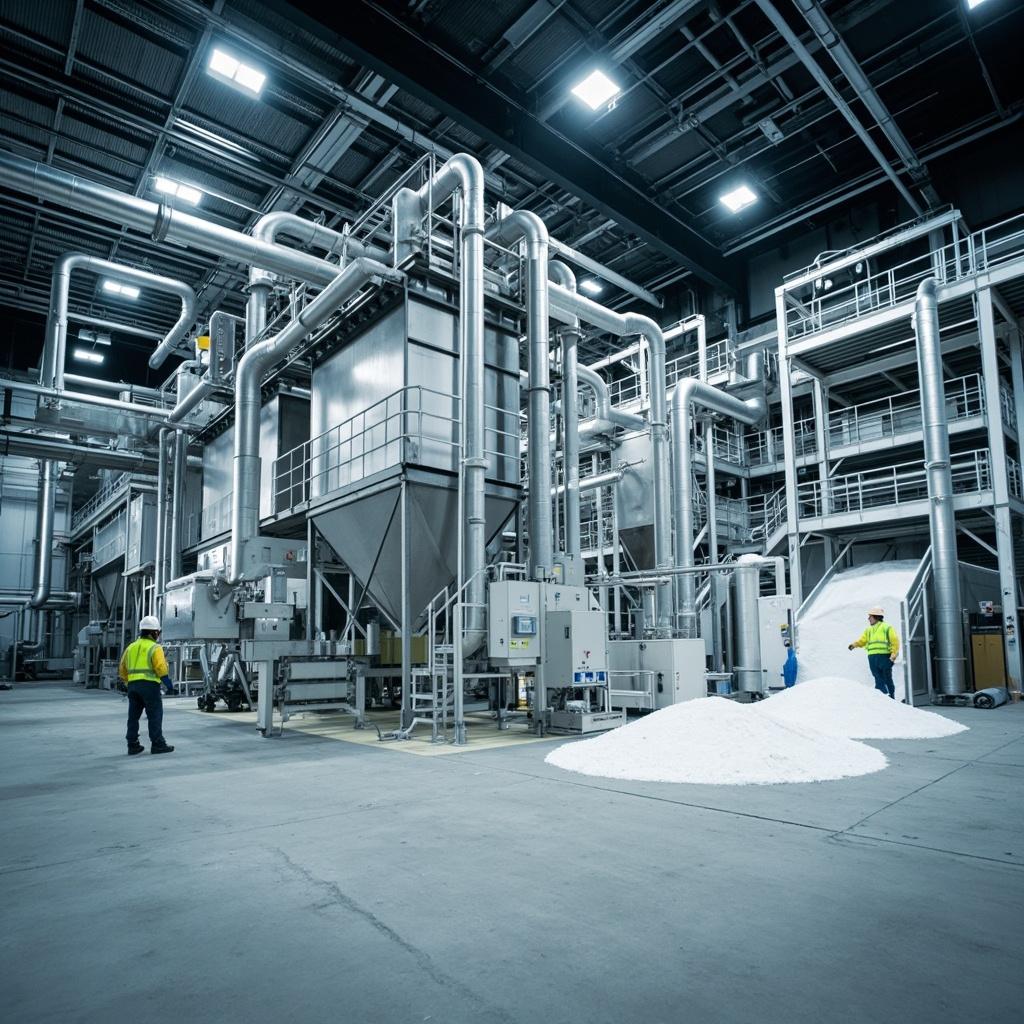
The global environmental mineral solutions manufacturing sector is experiencing a profound industrial transformation, driven by escalating environmental regulations, surging demand for PFAS remediation, and the imperative to decarbonize heavy industrial processes. As the environmental remediation market races toward $210.56 billion by 2030, the manufacturers profiled in this ranking represent the industrial backbone of the global response to water contamination, soil degradation, and industrial pollution. These companies operate at the intersection of geology, chemical engineering, and environmental science — transforming billions of tons of raw minerals into precision-engineered remediation agents through calcination, activation, surface modification, and nano-scale processing. What distinguishes the manufacturers in this ranking is not merely the scale of their mineral reserves, but the depth of their processing infrastructure, the sophistication of their formulation capabilities, and their ability to deliver consistent, certified remediation products at industrial volumes.

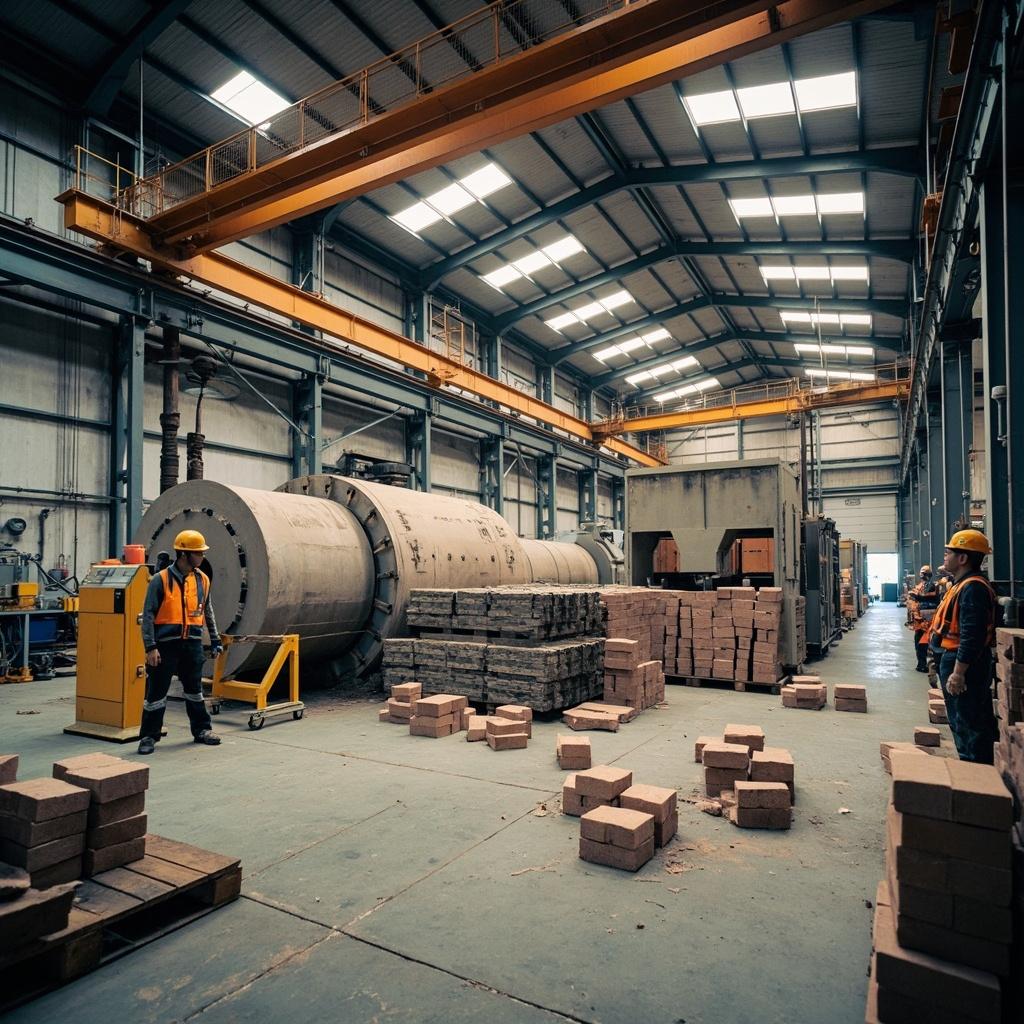
The competitive dynamics of environmental mineral manufacturing are shaped by three structural forces. First, vertical integration from mine to formulation has become a non-negotiable competitive requirement — manufacturers relying on third-party mineral sourcing face insurmountable quality consistency and cost disadvantages. Imerys, with over 100 owned deposits across 40 countries, and Sibelco, controlling premium silica and quartz reserves on three continents, exemplify the mine-to-market integration model. Second, thermal processing infrastructure — rotary kilns, fluidized bed calciners, and hydrothermal autoclaves — represents the industry's highest capital barrier, with a single large-scale kiln installation exceeding $50 million. Lhoist and Carmeuse, operating the world's largest lime kiln networks, have spent over a century building processing capacity that new entrants cannot economically replicate. Third, regulatory certification depth — NSF/ANSI 60, REACH, EPA Safer Choice — now functions as a de facto market access license, favoring established manufacturers with dedicated regulatory affairs teams and multi-jurisdictional compliance infrastructure.

Our Ranking Methodology

VerityRank evaluates environmental mineral solutions manufacturers across four equally weighted dimensions:

Production Scale & Manufacturing Infrastructure (25%): Annual production capacity (measured in millions of tons), number and geographic distribution of manufacturing facilities, kiln and processing line count, and demonstrated ability to supply large-scale environmental infrastructure projects with consistent, certified product.

Mineral Resource Control & Processing Depth (25%): Ownership and quality of strategic mineral deposits, degree of vertical integration (captive mining vs. third-party sourcing), sophistication of thermal and chemical processing capabilities (calcination temperatures, surface modification technologies, nano-grinding precision), and raw material self-sufficiency ratio.

Environmental Application Portfolio & Technical Certification (25%): Breadth of environmental remediation product lines (water treatment, soil remediation, air quality, solid waste stabilization), regulatory certifications held (NSF/ANSI 60, REACH, EPA), and documented deployments in major environmental remediation projects (Superfund sites, municipal water systems, mining reclamation).

Supply Chain Resilience & Global Reach (25%): Geographic distribution of manufacturing and distribution facilities, export market coverage, logistics infrastructure (port access, rail connectivity), and demonstrated supply continuity during recent geopolitical disruptions and raw material price volatility.

Data Sources

This ranking is compiled from corporate annual reports (FY2025), SEC/Euronext/SIX filings, USGS Mineral Commodity Summaries 2025, EPA Environmental Technology Verification reports, Fortune Business Insights market research, and verified trade publication data. Fortune Business Insights — Environmental Remediation Market  |  USGS — Mineral Commodity Summaries  |  EPA — Remediation Technologies Reference

Disclaimer: The data in this ranking is compiled from publicly available third-party authoritative sources. Rankings reflect our independent assessment methodology and should not be construed as investment advice. Manufacturing capabilities and capacities are based on publicly reported data and may differ from actual operational figures.

Top 10 Rankings

2026.07 Edition
1
Imerys S.A.

Imerys S.A.

Imerys is the world's leading industrial mineral solutions provider, headquartered in Paris, France. Operating across more than 40 countries with approximately 18,000 employees, Imerys generated €5.5 billion in revenue in FY2025 through an unmatched portfolio of over 20 industrial minerals processed into thousands of high-value-added products. The company dominates global markets for kaolin, calcium carbonate, talc, bentonite, and specialty alumina, serving diverse end-markets including paper, plastics, construction, cosmetics, pharmaceuticals, and environmental applications. Imerys has strategically expanded into energy transition minerals, including its landmark EMILI lithium project in France that has attracted French government co-investment.

Strengths: Unmatched industrial mineral portfolio spanning over 20 mineral types and 1,500+ product formulations creates formidable barriers to entry and customer switching costs; global operational footprint with 120+ mining sites and 150+ processing facilities across 40+ countries enables localized supply with global scale advantages; powerful pricing discipline demonstrated by 1.3% year-over-year price increases in FY2025 despite weak demand in European and North American construction markets; strategic diversification into energy transition minerals including the EMILI lithium project backed by the French government positions the company for structural growth; €50-60 million structural cost reduction program demonstrates proactive operational efficiency management in challenging macroeconomic conditions.
Weaknesses: Revenue base remains significantly smaller than major metal mining competitors at €5.5 billion, limiting absolute R&D investment scale; heavy exposure to cyclical European and North American construction and industrial activity (~40% of revenue from these regions) creates vulnerability to regional economic downturns; fragmented global industrial minerals market limits pricing power in commoditized product segments; acquiring Great Lakes Minerals and Chemviron assets involves integration execution risk and cultural alignment challenges across geographies; mineral reserves are geographically dispersed requiring ongoing exploration expenditure to maintain long-term resource base.

Brand

Imerys

Founded

1880

Workforce

12,300

Presence

40+ countries globally

Facilities

120+ mining sites and 150+ processing facilities across 40+ countries

Headquarters

France

Market

Euronext Paris: NK

Key Product Categories
Mining & Minerals CompaniesMetallic Ore Raw Materials IndustryRefractory & High-Temperature Resistant Materials IndustryCalcium Carbonate Powders IndustryTalc Powders IndustryBentonite Clays IndustryMining & Minerals ManufacturersMining & Minerals CompaniesMining & Minerals CompaniesMineral Powder Fillers & Functional Additives CompaniesMining & Minerals CompaniesMetallic Ore Raw Materials IndustryRefractory & High-Temperature Resistant Materials IndustryCalcium Carbonate Powders IndustryTalc Powders IndustryBentonite Clays IndustryMining & Minerals ManufacturersMining & Minerals CompaniesMining & Minerals CompaniesMineral Powder Fillers & Functional Additives Companies
2
Minerals Technologies Inc.

Minerals Technologies Inc.

Minerals Technologies Inc. (MTI) is the global pioneer of satellite-plant precipitated calcium carbonate (PCC) technology and a leading specialty bentonite solutions provider, spun off from Pfizer in 1992 and headquartered in New York, United States. With annual revenue of $2.072 billion, MTI operates 60+ production facilities across 34 countries, employing 4,000 people. The company's unique on-site satellite PCC manufacturing model at customer paper mills creates exceptionally high switching costs and customer retention.

Strengths: Proprietary satellite PCC manufacturing model co-located at customer paper mills delivers unmatched logistics efficiency and customer lock-in; world-class bentonite reserves powering high-growth pet care (SIVO brand), renewable fuel purification, and animal health mineral additives; diversified revenue streams spanning paper PCC, construction materials, metal casting, and consumer products; underlying operational margins remain healthy at 13.9% excluding one-time charges; ongoing $10 million annual operational efficiency program.

Weaknesses: $215 million talc litigation provision in Q1 2025 created significant GAAP earnings pressure (EPS -$0.59) and ongoing legal overhang; North American commercial construction slowdown reduced building materials additives demand by ~18%; legacy talc-related asbestos liability creates long-term balance sheet uncertainty despite settlement trust establishment.

Brand

Specialty Minerals (MTI)

Founded

1992

Workforce

4,000

Presence

Operations in 34 countries

Facilities

60+ major production facilities plus satellite PCC plants at customer paper mills worldwide

Headquarters

United States

Market

NYSE: MTX
Key Product Categories
Mining & Minerals CompaniesMineral Powder Fillers & Functional Additives CompaniesCalcium Carbonate Powders IndustryBentonite Clays IndustryRefractory & High-Temperature Resistant Materials IndustryMining & MineralsRefractory & High-Temperature Resistant Materials IndustryThermal Insulation Materials IndustryGlass Substrate Raw Materials & Industrial Base Glass IndustryConductive & EMI Shielding IndustryMining & Minerals CompaniesMineral Powder Fillers & Functional Additives CompaniesCalcium Carbonate Powders IndustryBentonite Clays IndustryRefractory & High-Temperature Resistant Materials IndustryMining & MineralsRefractory & High-Temperature Resistant Materials IndustryThermal Insulation Materials IndustryGlass Substrate Raw Materials & Industrial Base Glass IndustryConductive & EMI Shielding Industry
3
Sibelco NV

Sibelco NV

Sibelco NV is a Belgium-based global leader in high-purity quartz (HPQ), specialty silica sand, and industrial minerals, headquartered in Antwerp, Belgium. The company operates 200+ production sites across 30+ countries with a workforce of approximately 10,000 employees. Sibelco''s North Carolina Spruce Pine mine produces the world''s purest quartz essential for semiconductor manufacturing and photovoltaic crucibles, giving it near-monopoly control over this critical supply chain. Through the landmark acquisition of Strategic Materials Inc (SMI) in 2025, Sibelco now operates the world''s largest glass recycling platform processing 5 million tonnes of cullet annually across 66 sites.

Strengths: Strategic monopoly over HPQ supply — without Sibelco''s Spruce Pine quartz, global semiconductor and solar industries would face immediate disruption; circular economy transformation through SMI acquisition positions it as the indispensable decarbonization partner for glass manufacturers; geographic diversification across Europe, Americas, and Asia-Pacific mitigates regional demand shocks; century-long operational expertise in mineral processing creates insurmountable technical barriers; vertically integrated recycling-to-raw-material model lowers customer CO2 emissions by 3% per 10% cullet addition.
Weaknesses: Single-source dependency at Spruce Pine creates catastrophic supply risk from natural disasters (Hurricane Helene disrupted operations); cyclical construction end-market exposure in traditional silica sand segment; limited public financial disclosure as a private company reduces transparency for ESG assessments.

Brand

Sibelco

Founded

1872

Workforce

5,075

Presence

30+ countries across Europe, Americas, and Asia-Pacific

Facilities

200+ production sites across 30+ countries

Headquarters

Belgium

Market

Euronext Brussels: BE0944264663

Key Product Categories
Mining & Minerals CompaniesMetallic Ore Raw Materials IndustryGlass Substrate Raw Materials & Industrial Base Glass IndustryEnergy Conversion IndustryCalcium Carbonate Powders IndustryMining & Minerals ManufacturersMining & Minerals CompaniesMining & Minerals ManufacturersMining & Minerals CompaniesMineral Powder Fillers & Functional Additives CompaniesMining & Minerals CompaniesMetallic Ore Raw Materials IndustryGlass Substrate Raw Materials & Industrial Base Glass IndustryEnergy Conversion IndustryCalcium Carbonate Powders IndustryMining & Minerals ManufacturersMining & Minerals CompaniesMining & Minerals ManufacturersMining & Minerals CompaniesMineral Powder Fillers & Functional Additives Companies
4
Omya International AG

Omya International AG

Omya International AG is a Swiss family-owned global leader in industrial minerals, specialty chemicals, and polymer distribution, headquartered in Oftringen, Switzerland. The company operates 175+ plants across 50+ countries and employs approximately 9,000 people. Omya dominates the global market for ground calcium carbonate (GCC) used in paper, plastics, paints, and agriculture. In 2025, the company launched a new Performance Polymers Distribution division following the acquisition of Distrupol, expanding from pure mineral supply into integrated mineral-polymer solutions. Its unique on-site plant model — building production facilities directly at customer locations — has become an industry benchmark for B2B mineral supply chain efficiency.

Strengths: Unrivaled GCC market dominance with mining rights to premium calcium carbonate deposits globally; on-site plant model creates deep customer lock-in through co-located production facilities reducing logistics costs; diversified end-market exposure across paper, plastics, construction, agriculture, and water treatment; family-owned stability enables long-term strategic investments without quarterly earnings pressure; vertical expansion into polymer distribution transforms Omya from filler supplier to full-solution partner.
Weaknesses: Private company opacity limits detailed financial and ESG performance benchmarking; low-margin commodity GCC products face pricing pressure from regional competitors; heavy reliance on European manufacturing base exposes the company to regional industrial slowdowns.

Brand

Omya

Founded

1884

Workforce

9,000

Presence

50+ countries globally

Facilities

180+ production sites across 50+ countries

Headquarters

Switzerland

Market

Private (family-owned)

Key Product Categories
Mining & Minerals CompaniesMetallic Ore Raw Materials IndustryCalcium Carbonate Powders IndustryTalc Powders IndustryBentonite Clays IndustryMining & Minerals ManufacturersMining & Minerals CompaniesMining & Minerals ManufacturersMining & Minerals CompaniesMineral Powder Fillers & Functional Additives CompaniesMining & Minerals CompaniesMetallic Ore Raw Materials IndustryCalcium Carbonate Powders IndustryTalc Powders IndustryBentonite Clays IndustryMining & Minerals ManufacturersMining & Minerals CompaniesMining & Minerals ManufacturersMining & Minerals CompaniesMineral Powder Fillers & Functional Additives Companies
5
Lhoist Group

Lhoist Group

Lhoist Group is the world's largest producer of quicklime, hydrated lime, and specialty dolomitic mineral products, founded in 1889 in Limelette, Walloon Brabant, Belgium. With estimated annual revenue of $3 billion, the privately-held company operates 130+ plants and terminals across over 25 countries, employing more than 6,400 people. Lhoist holds an irreplaceable monopoly position in industrial flue gas desulfurization, water treatment, and steelmaking flux minerals that are critical to global environmental compliance.

Strengths: Dominant market position in high-calcium lime and dolomitic products for heavy industrial environmental compliance (flue gas desulfurization, wastewater neutralization, soil stabilization); unparalleled "hyper-local" production network with mines and kilns strategically positioned near major industrial customers to minimize logistics costs; century-long private ownership enables long-horizon resource planning immune to quarterly earnings pressure; deep technical partnerships with steel, power, and construction customers creating embedded relationships; leadership in developing decarbonized soil amendment and sustainable construction binder solutions.

Weaknesses: Core lime calcination process is inherently CO₂-intensive hard-to-abate heavy industry, facing escalating EU Emissions Trading System (ETS) carbon costs; extremely low public brand visibility outside B2B industrial procurement circles; significant CAPEX burden for hydrogen/biomass kiln conversion projects required to meet 2030-2050 decarbonization targets.

Brand

Lhoist

Founded

1889

Workforce

6,400+

Presence

Operations in 25+ countries; sales network reaching 80+ countries

Facilities

130+ physical plants and logistics terminals globally

Headquarters

Belgium

Market

Private (family-owned, over 130 years)

Key Product Categories
Mining & Minerals CompaniesMineral Powder Fillers & Functional Additives CompaniesCalcium Carbonate Powders IndustryRefractory & High-Temperature Resistant Materials IndustryMining & MineralsMetal Smelting & ProcessingEnvironmental Mineral Solutions & Natural Remediation Products CompaniesEnvironmental Mineral Solutions & Natural Remediation Products Manufacturers & SuppliersMining & Minerals CompaniesMineral Powder Fillers & Functional Additives CompaniesCalcium Carbonate Powders IndustryRefractory & High-Temperature Resistant Materials IndustryMining & MineralsMetal Smelting & ProcessingEnvironmental Mineral Solutions & Natural Remediation Products CompaniesEnvironmental Mineral Solutions & Natural Remediation Products Manufacturers & Suppliers
6
Clariant

Clariant AG

Clariant is a Swiss specialty chemical company founded in 1995, spun off from the legendary Sandoz chemical division. Headquartered in Muttenz, Switzerland, Clariant generated CHF 3.92 billion in 2025 revenue. Its Care Chemicals division, the company's largest business, contributed CHF 2.11 billion. Clariant employs 10,281 people across 73 production sites. Clariant's acquisition of Lucas Meyer Cosmetics has transformed it into a premier high-end active ingredient supplier with integrated bio-actives capabilities.

Strengths:

Market-leading Aristoflex rheology modifier platform achieving industry-standard status

strategic acquisition of Lucas Meyer Cosmetics adding premium bio-actives

three consecutive years of EBITDA margin expansion to 17.8%

pioneer of Local-for-Local regional supply chain strategy

strong position in green surfactants and sustainable ingredient solutions.

Weaknesses:

Smaller absolute scale vs. BASF/Evonik limits production economics in commodity ingredients

ongoing portfolio pruning requiring careful execution

exposure to Middle East geopolitical risk affecting industrial catalyst business

specialty focus creates concentration vulnerability to individual market segments.

Brand

Clariant

Founded

1995

Workforce

10,465

Presence

Global, with strong presence in Europe, Americas, and Asia-Pacific

Facilities

73 production sites globally

Headquarters

Switzerland

Key Product Categories
Cosmetic Ingredients & Care IndustryCosmetic Ingredients & Care Manufacturers & SuppliersEnergy & Chemical SuppliersEnergy & ChemicalPlastics & Eco-Materials IndustryNew Energy & Eco-Materials IndustryElectronic Chemical Materials IndustryAutomotive Energy & Maintenance BrandsCosmetic Ingredients & Care CompaniesMining & Minerals CompaniesCosmetic Ingredients & Care IndustryCosmetic Ingredients & Care Manufacturers & SuppliersEnergy & Chemical SuppliersEnergy & ChemicalPlastics & Eco-Materials IndustryNew Energy & Eco-Materials IndustryElectronic Chemical Materials IndustryAutomotive Energy & Maintenance BrandsCosmetic Ingredients & Care CompaniesMining & Minerals Companies
7
U.S. Silica Holdings

U.S. Silica Holdings, Inc.

U.S. Silica Holdings is North America's premier industrial silica sand, diatomaceous earth, and specialty mineral products producer, founded in 1900 and headquartered in Katy, Texas, United States. With annual revenue of $1.436-1.6 billion, the company operates 26 automated mining and processing facilities across the United States, employing 1,900 people. Acquired by Apollo Global Management in July 2024 and taken private, the company has transformed from an oil & gas proppant supplier into a diversified industrial and specialty minerals leader.

Strengths: Dominant North American industrial silica sand production capacity with strategically located reserves including the prized Northern White Sand deposits; successful strategic pivot from volatile oil & gas proppant markets to high-margin industrial & specialty products (ISP) segment generating $70M+ quarterly gross profit; EP Minerals acquisition added premium diatomaceous earth and perlite filtration products for food & beverage, pharmaceutical, and biotechnology applications; privatization by Apollo Global Management provides long-term capital for specialty materials expansion without quarterly earnings pressure; proprietary SandBox last-mile logistics system creates customer lock-in for oil & gas proppant delivery.

Weaknesses: Heavy geographic concentration in United States with limited international production diversification; legacy oil & gas proppant business remains exposed to North American drilling activity cycles; post-privatization transition creates management retention uncertainty and strategic realignment friction; single-country regulatory and political risk concentration despite export revenue diversification.

Brand

U.S. Silica (incl. EP Minerals)

Founded

1900

Workforce

1,900

Presence

Production concentrated in North America; high-value filtration products exported globally

Facilities

26 highly automated operating mines and deep processing facilities in the United States

Headquarters

United States

Key Product Categories
Mining & Minerals CompaniesMineral Powder Fillers & Functional Additives CompaniesCalcium Carbonate Powders IndustryBentonite Clays IndustryGlass Substrate Raw Materials & Industrial Base Glass IndustryMining & MineralsEnvironmental Mineral Solutions & Natural Remediation Products CompaniesEnvironmental Mineral Solutions & Natural Remediation Products Manufacturers & SuppliersMining & Minerals CompaniesMineral Powder Fillers & Functional Additives CompaniesCalcium Carbonate Powders IndustryBentonite Clays IndustryGlass Substrate Raw Materials & Industrial Base Glass IndustryMining & MineralsEnvironmental Mineral Solutions & Natural Remediation Products CompaniesEnvironmental Mineral Solutions & Natural Remediation Products Manufacturers & Suppliers
8
Tolsa Group

Tolsa S.A.

Tolsa Group (Tolsa S.A.) is the world's premier sepiolite mining and processing specialist, headquartered in Madrid, Spain. Founded in 1957, Tolsa has evolved from a regional clay miner into the undisputed global oligarch in sepiolite-based environmental solutions, controlling the world's largest and highest-quality sepiolite deposits. With estimated annual revenue of approximately €250 million and a workforce exceeding 900 employees, Tolsa exports specialized mineral formulations to more than 80 countries. The company's unique competitive position stems from its near-monopoly on high-grade sepiolite — a rare fibrous clay mineral with extraordinary adsorption capacity (up to 300% of its weight in liquids) that makes it irreplaceable in industrial spill containment, pet litter, and heavy metal soil remediation.

Strengths: Near-monopolistic control of the world's highest-quality sepiolite reserves, granting unmatched pricing power and supply security in clay-based absorbent markets. Proprietary nano-scale activation and surface modification technologies that transform raw sepiolite into high-value engineered adsorbents for PFAS, hydrocarbons, and heavy metals. Dominant market share in Southern Europe and Latin American environmental remediation markets, with deep regulatory relationships facilitating public-sector procurement. Vertically integrated from mine-to-formulation, enabling cost advantages of 25-40% over competitors relying on third-party clay sourcing. World-leading expertise in pet litter and industrial absorbent manufacturing, a stable cash-generating business that funds environmental R&D expansion.

Weaknesses: Extreme product concentration risk — sepiolite represents over 70% of revenue, making the company vulnerable to substitute materials (attapulgite, diatomaceous earth) discoveries or synthetic alternatives. Revenue scale of ~€250M is significantly smaller than multi-mineral competitors like Imerys (€33.8B), limiting absolute R&D investment in next-generation PFAS-targeting technologies. Limited manufacturing presence in Asia-Pacific — while products are exported to 80+ countries, the absence of local processing facilities in China and India constrains growth in the world's fastest-growing environmental remediation markets. Private ownership structure limits access to public equity capital for major acquisitions.

Brand

Tolsa

Founded

1957

Workforce

900+

Presence

Products exported to 80+ countries; market leader in Southern Europe and Latin America

Facilities

Proprietary sepiolite mines in Spain; advanced nano-scale modification facilities in Madrid region

Headquarters

Spain

Market

Private (not listed)

Key Product Categories
Mining & Minerals CompaniesMineral Powder Fillers & Functional Additives CompaniesIndustrial Ceramic Substrates & Components CompaniesFunctional Mineral Materials & Smart Composites CompaniesSynthetic & Lab-Created Mineral Materials CompaniesBentonite Clays IndustryEnvironmental Mineral Solutions & Natural Remediation Products Manufacturers & SuppliersMining & Minerals CompaniesMineral Powder Fillers & Functional Additives CompaniesIndustrial Ceramic Substrates & Components CompaniesFunctional Mineral Materials & Smart Composites CompaniesSynthetic & Lab-Created Mineral Materials CompaniesBentonite Clays IndustryEnvironmental Mineral Solutions & Natural Remediation Products Manufacturers & Suppliers
9
Jilin Yuantong Mineral

Jilin Yuantong Mineral Co., Ltd.

Jilin Yuantong Mineral Co., Ltd. is China's largest single-mineral diatomaceous earth producer and a rapidly ascending force in global environmental filtration media, headquartered in Linjiang City, Jilin Province. Founded in 1996, the company controls the prized Changbai Mountain diatomite deposits — one of the world's three major high-quality diatomaceous earth formations alongside deposits in the United States and Mexico. With estimated annual revenue of approximately $40 million and a workforce exceeding 600 employees, Yuantong has leveraged China's "War on Pollution" regulatory push to become the dominant domestic supplier of diatomite-based water purification media, industrial absorbents, and functional fillers. The company's fully captive mine-to-product integration — from geological extraction through high-temperature flux-calcination and precision air classification — ensures consistent product quality and formidable cost advantages over import-dependent competitors in Asia.

Strengths: Control of the Changbai Mountain diatomite belt, one of only three world-class deposits, providing multi-generational raw material security and unique mineralogical properties prized in premium filtration applications. Massive single-mineral production scale — the company operates some of Asia's largest rotary kilns for diatomaceous earth calcination, achieving economies of scale that smaller competitors cannot match. Dominant position in China's domestic water treatment and industrial filtration market, directly benefiting from the government's multi-billion-dollar wastewater infrastructure modernization program. Cost leadership through fully captive mining and processing in a lower-cost operating environment, enabling export pricing 30-50% below Western diatomite producers. Established distribution networks across Northeast Asia (Japan, Korea, Taiwan) where Changbai-sourced diatomite is preferred for its unique frustule morphology.

Weaknesses: Single-mineral concentration risk — unlike diversified competitors (Imerys, EP Minerals), Yuantong has no bentonite, perlite, or zeolite production to hedge against diatomite market fluctuations. Limited international brand recognition outside Northeast Asia, with minimal penetration in the high-value North American and European municipal water treatment markets. Revenue scale of ~$40M is modest compared to global leaders, constraining investment in advanced surface modification technologies (silane grafting, flux-calcination optimization). Geographic concentration in Changbai Mountain creates single-point supply chain vulnerability to natural disasters or regional regulatory changes.

Brand

Yuantong Diatomite

Founded

1996

Workforce

600+

Presence

Products exported to 30+ countries; dominant in Northeast Asian water filtration and absorbent markets

Facilities

Captive diatomaceous earth mines in Changbai Mountain region, Jilin Province; high-temperature calcination and fine classification facilities

Headquarters

China

Market

Private (not listed)

Key Product Categories
Mining & Minerals CompaniesMineral Powder Fillers & Functional Additives CompaniesIndustrial Ceramic Substrates & Components CompaniesFunctional Mineral Materials & Smart Composites CompaniesSynthetic & Lab-Created Mineral Materials CompaniesBentonite Clays IndustryEnvironmental Mineral Solutions & Natural Remediation Products Manufacturers & SuppliersMining & Minerals CompaniesMineral Powder Fillers & Functional Additives CompaniesIndustrial Ceramic Substrates & Components CompaniesFunctional Mineral Materials & Smart Composites CompaniesSynthetic & Lab-Created Mineral Materials CompaniesBentonite Clays IndustryEnvironmental Mineral Solutions & Natural Remediation Products Manufacturers & Suppliers
10
Fenghong New Material

Zhejiang Fenghong New Material Co., Ltd.

Zhejiang Fenghong New Material Co., Ltd. is China's flagship enterprise in high-performance bentonite deep processing and eco-friendly mineral formulations, headquartered in Anji County, Zhejiang Province. Established in 2008 (with industrial roots tracing back to 1982), the company operates 8 captive mines with proven reserves exceeding 10 million tons of premium bentonite. With an estimated annual revenue of ~$50 million, Fenghong exports over 60% of its production to more than 60 countries, serving global giants including AkzoNobel, Nippon Paint, and major municipal water treatment authorities worldwide. Fenghong is the national standards drafter for multiple bentonite product categories in China.

Strengths: Unrivaled raw material security with 8 super-large captive mines ensuring 100+ years of bentonite self-sufficiency. Industry-leading R&D ecosystem through joint laboratories with the Ningbo Institute of Materials (CAS) and Zhejiang University, mastering advanced organo-intercalation and lithium-hectorite modification technologies. Dominant domestic market position as the undisputed #1 bentonite processor in China, with prices protected by national standard-setting authority. Vertically integrated from mine-to-specialty-formulation, enabling cost advantages of 30-40% over European competitors in water treatment and rheology additive segments. Rapid international expansion with >60% export ratio, leveraging Shanghai and Ningbo ports for global distribution.

Weaknesses: Brand recognition outside Asia remains limited compared to century-old European competitors Imerys and Clariant in premium Western markets. Revenue scale of ~$50M is significantly smaller than global leaders, constraining R&D budget for next-generation molecular sieve and PFAS-targeting technologies. Reliance on the Chinese domestic construction and coatings market creates exposure to macroeconomic cycles, though environmental regulation tailwinds partially offset this. Limited presence in the high-margin pharmaceutical and medical-grade purification segments where European molecular sieve specialists dominate.

Brand

Fenghong

Founded

2008

Workforce

800+

Presence

Products exported to 60+ countries; serving AkzoNobel, Nippon Paint, and global water treatment markets

Facilities

8 captive mines with 10M+ tons bentonite reserves; advanced processing facilities in Anji, Zhejiang

Headquarters

China

Market

Not Listed (Private)

Key Product Categories
Mining & Minerals CompaniesBentonite Clays IndustryMineral Powder Fillers & Functional Additives CompaniesIndustrial Ceramic Substrates & Components CompaniesFunctional Mineral Materials & Smart Composites CompaniesSynthetic & Lab-Created Mineral Materials CompaniesEnvironmental Mineral Solutions & Natural Remediation Products CompaniesEnvironmental Mineral Solutions & Natural Remediation Products Manufacturers & SuppliersMining & Minerals CompaniesBentonite Clays IndustryMineral Powder Fillers & Functional Additives CompaniesIndustrial Ceramic Substrates & Components CompaniesFunctional Mineral Materials & Smart Composites CompaniesSynthetic & Lab-Created Mineral Materials CompaniesEnvironmental Mineral Solutions & Natural Remediation Products CompaniesEnvironmental Mineral Solutions & Natural Remediation Products Manufacturers & Suppliers

Frequently Asked Questions

How Do We Generate Our Environmental Mineral Solutions Manufacturer Rankings?
Our manufacturer rankings are built on rigorous analysis of production capabilities, mineral resource control, processing infrastructure, and environmental application portfolios — not on brand marketing metrics. The VerityRank methodology for environmental mineral solutions manufacturers evaluates each enterprise across four equally weighted dimensions: Production Scale & Manufacturing Infrastructure (25%), Mineral Resource Control & Processing Depth (25%), Environmental Application Portfolio & Technical Certification (25%), and Supply Chain Resilience & Global Reach (25%).

Production Scale is measured through verified manufacturing capacity data
We analyze each manufacturer's annual mineral processing capacity in millions of tons, the number and geographic distribution of operational manufacturing facilities, kiln and processing line counts, and documented ability to supply large-scale environmental infrastructure projects. Rotary kiln capacity for limestone calcination (measured in tons per day), fluidized bed activator throughput for diatomaceous earth flux-calcination, and autoclave capacity for synthetic zeolite production are weighted by technology sophistication. Companies operating more than 20 manufacturing facilities across multiple continents with demonstrated capacity exceeding 10 million tons annually anchor the top tier.

Mineral Resource Control examines geological ownership and vertical integration depth
This dimension weights proven and probable mineral reserves, the percentage of raw materials sourced from captive mines versus third-party suppliers, and the sophistication of downstream processing. Key metrics include: number of owned mineral deposits, reserve life index (years of production at current rates), processing technology portfolio (rotary kilns, multiple hearth furnaces, hydrothermal synthesis reactors, jet mills), and raw material self-sufficiency ratio. Vertically integrated manufacturers controlling premium mineral deposits and operating their own calcination and surface modification facilities receive the highest scores.

Environmental Application Portfolio evaluates product breadth and certification depth
We map each manufacturer's product portfolio across five critical remediation segments — water purification, soil remediation, solid waste stabilization, air quality treatment, and ecological restoration — and verify regulatory certifications including NSF/ANSI 60 (drinking water treatment chemicals), REACH registration dossiers, and EPA Safer Choice certification. Documented deployments in major environmental remediation projects (Superfund sites, municipal water treatment plants serving populations exceeding 500,000, large-scale mining reclamation) are weighted by project scale and regulatory significance.

Supply Chain Resilience captures geographic diversification and logistics capability
This dimension incorporates: number of countries with operational manufacturing and distribution facilities, port access and rail connectivity for bulk mineral logistics, inventory of backup production lines for critical product grades, and demonstrated supply continuity through recent disruptions (COVID-era logistics, Red Sea shipping diversions, raw material price spikes). Manufacturers with tri-continental production footprints and redundant processing capacity for their top five environmental product lines demonstrate strongest supply chain resilience.

Data verification follows a rigorous multi-source protocol. All capacity and production data is cross-referenced against corporate annual reports (FY2025), USGS Mineral Commodity Summaries, and national mining registries. Certification claims are verified against NSF International, EU REACH, and EPA public databases. Rankings are updated semi-annually to reflect M&A activity, new facility commissioning, and certification changes.
What Are the Five Core Manufacturing Capabilities of Top Environmental Mineral Producers?
World-class environmental mineral manufacturers distinguish themselves through five interconnected manufacturing capabilities that collectively determine their ability to produce consistent, certified remediation products at industrial scale. These capabilities represent the cumulative result of decades — and in some cases centuries — of capital investment, process engineering refinement, and geological asset development.

1. High-Temperature Thermal Processing Infrastructure
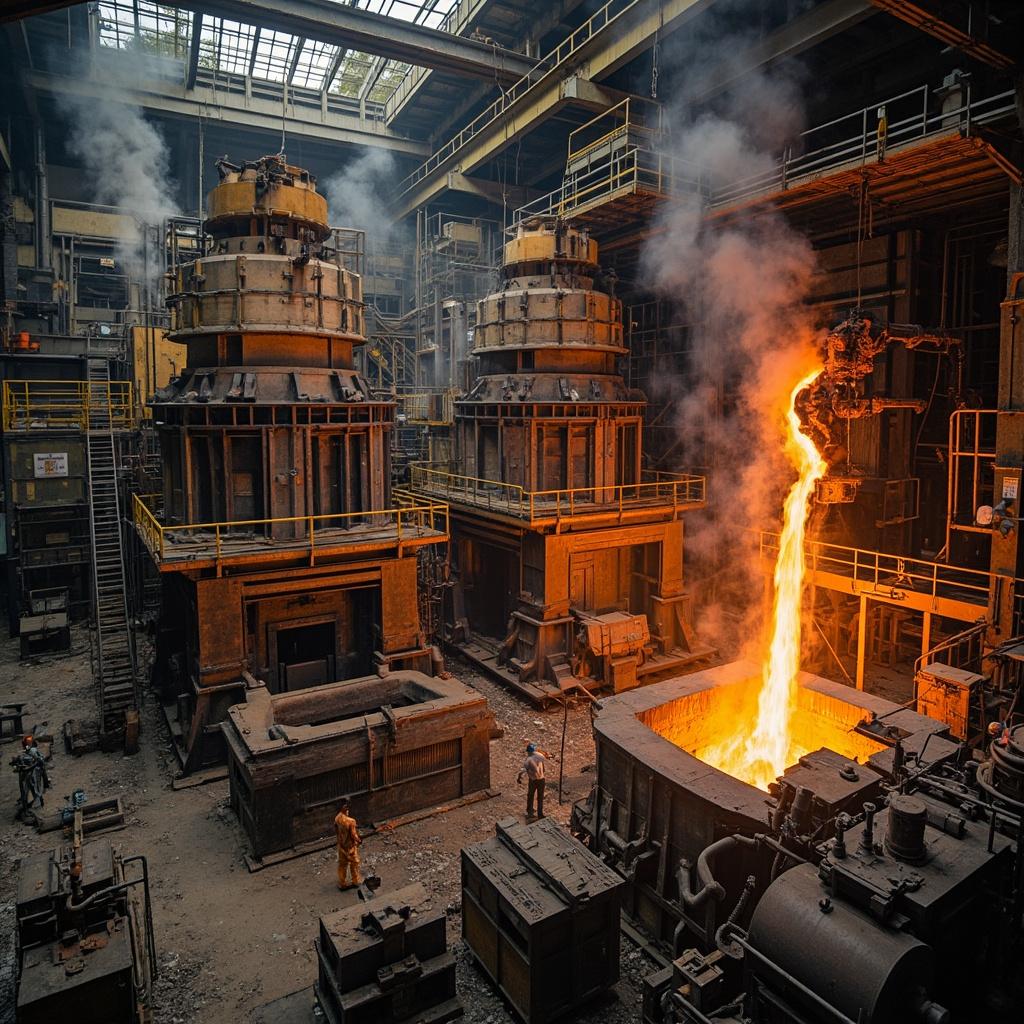
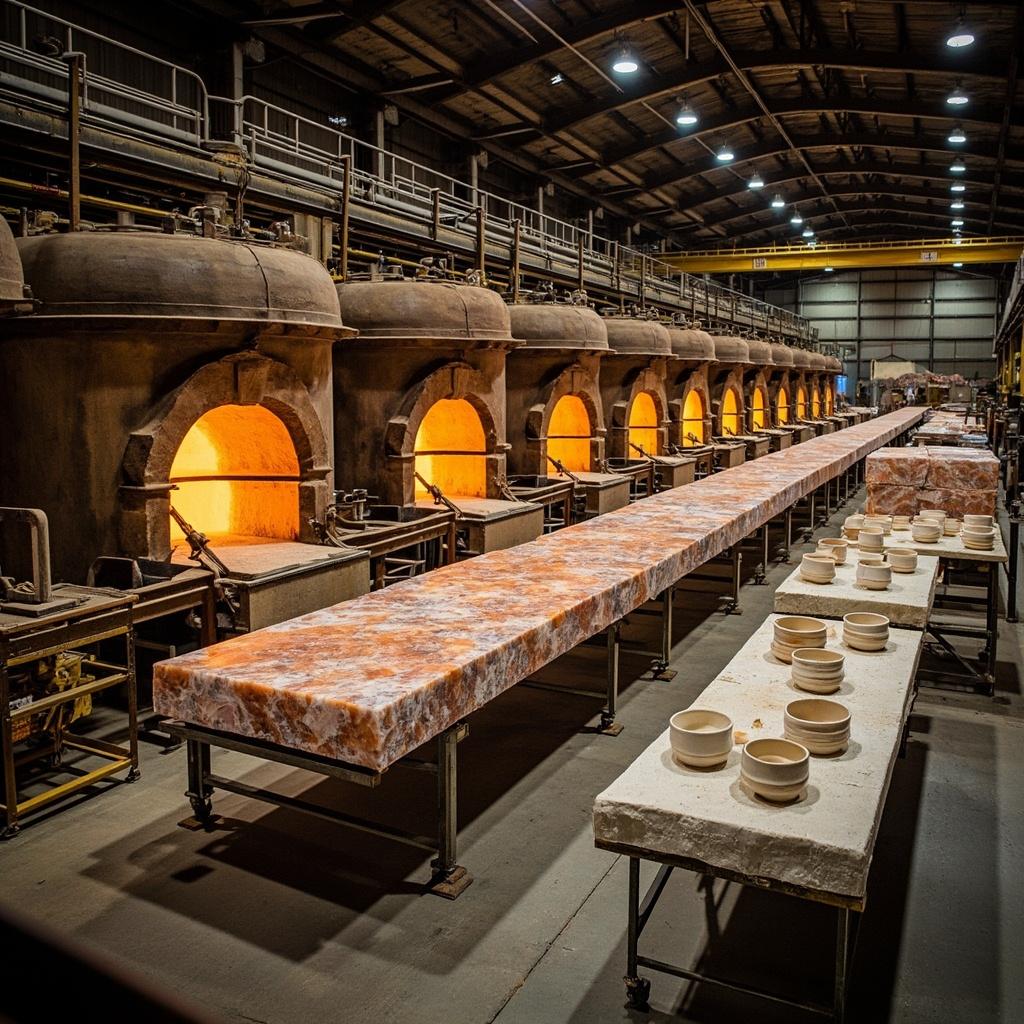
The single largest capital barrier in environmental mineral manufacturing is rotary kiln capacity for calcination and activation. Limestone must be heated to 900-1200 degrees Celsius to produce reactive quicklime (CaO) for acid mine drainage neutralization. Diatomaceous earth requires flux-calcination at 850-1000 degrees Celsius with sodium carbonate to achieve the permeability and inertness required for drinking water filtration. Bentonite activation involves thermal treatment at 200-400 degrees Celsius to enhance adsorption capacity. Lhoist operates over 100 kilns globally, representing billions in cumulative capital investment. Carmeuse's rotary kilns process millions of tons annually for environmental applications. The capital cost and permitting complexity of new kiln construction — typically $50-150 million per installation with 3-5 year lead times — creates a formidable moat around incumbent manufacturers.

2. Precision Classification and Particle Engineering
Environmental remediation performance is exquisitely sensitive to particle size distribution, surface area, and pore structure. Diatomaceous earth filter aids require precise particle size cuts (typically 5-40 microns) achieved through multi-stage air classification. Sibelco's silica sand filtration media undergoes hydrocyclone separation and spiral classification to achieve 99.5%+ purity with tightly controlled effective size (0.35-0.55 mm) and uniformity coefficient (<1.5). EP Minerals operates some of the world's largest air classification towers, capable of producing filter aid grades with permeability ranging from 0.05 to 20 Darcies. This precision engineering capability — rather than raw mining output — determines product value and application suitability.

3. Surface Modification and Chemical Activation
The transformation from commodity mineral to high-value environmental remediation agent occurs through surface chemistry modification. Organo-clay production — critical for PFAS adsorption — requires quaternary amine intercalation into bentonite's interlayer galleries, a process demanding precise stoichiometric control and multi-stage washing to remove excess surfactants. Minerals Technologies' CETCO division operates proprietary organo-intercalation reactors producing bentonite-based geosynthetic clay liners with hydraulic conductivity below 5x10^-11 m/s. Clariant's ion-exchange columns functionalize mineral surfaces with specific chemical moieties targeting arsenic, chromium, and selenium to parts-per-billion removal levels. This capability separates true manufacturers from simple miners.

4. Quality Assurance and Batch-to-Batch Consistency Systems
Environmental remediation projects — particularly municipal drinking water treatment and Superfund site remediation — demand absolute batch-to-batch consistency with full traceability. Leading manufacturers operate ISO 9001 and ISO 14001 certified facilities with in-house laboratories conducting X-ray diffraction (XRD) for mineral phase verification, X-ray fluorescence (XRF) for elemental composition, BET surface area analysis, and particle size distribution measurement on every production batch. Omya's 160-plant network maintains standardized quality protocols ensuring that calcium carbonate from a Swiss quarry performs identically to product from a Chilean plant. This quality infrastructure is expensive to build and maintain but essential for winning long-term municipal and industrial supply contracts.

5. Application Engineering and Customer Co-Development
The most valuable manufacturers do not simply sell mineral products — they co-develop site-specific remediation solutions with end users. Carmeuse's environmental division deploys geochemical engineers to mine sites to design custom lime-based acid neutralization regimens based on local water chemistry. Tolsa's application scientists work directly with industrial customers to formulate sepiolite-based spill control programs optimized for specific chemical inventories. This application engineering capability — combining mineral science with environmental engineering — creates sticky customer relationships and premium pricing power.
Global Quality Control and Certification Systems for Environmental Mineral Manufacturing
Environmental mineral products destined for drinking water contact, hazardous waste stabilization, or ecosystem restoration must navigate an intricate web of international quality standards and regulatory certifications. The certification landscape is both a quality assurance framework and a competitive filter — manufacturers lacking key certifications are effectively locked out of the most valuable market segments.

1. NSF/ANSI 60: Drinking Water Treatment Chemicals (USA and Canada)
NSF/ANSI Standard 60 is the mandatory certification for any mineral product contacting drinking water in the United States and Canada. The standard tests for extractable contaminants (heavy metals, organic compounds, radionuclides) that could leach from treatment chemicals into finished drinking water. Certification requires: comprehensive product formulation disclosure to NSF International, toxicology evaluation of each ingredient, annual unannounced facility audits, and ongoing product testing. For mineral manufacturers, NSF 60 certification covers products including: lime and hydrated lime for pH adjustment (Lhoist, Carmeuse), diatomaceous earth and perlite filter aids (EP Minerals, Imerys), bentonite-based coagulant aids (Minerals Technologies, Ashapura), and silica sand filtration media (Sibelco, U.S. Silica). Certification maintenance costs $15,000-50,000 per product line annually, with initial certification requiring 12-18 months. Products lose NSF 60 listing if formulation changes without re-approval — a powerful disincentive against process variability.

2. EU REACH Regulation (European Union)
REACH (Registration, Evaluation, Authorisation and Restriction of Chemicals) requires comprehensive registration dossiers for any mineral substance manufactured or imported into the EU at volumes exceeding 1 ton annually. For mineral manufacturers, REACH compliance involves: substance identity profiling (mineralogical characterization via XRD, XRF), physicochemical property documentation, toxicological and ecotoxicological assessment, exposure scenario development, and chemical safety reporting. Registration costs range from €50,000 for standard minerals to over €500,000 for complex or novel mineral formulations. Imerys, as the EU's largest mineral producer, maintains one of the industry's most comprehensive REACH portfolios. Non-EU manufacturers (Ashapura, Fenghong, Yuantong) must appoint EU-based Only Representatives to maintain REACH compliance — a significant administrative and financial barrier to European market entry.

3. EPA Safer Choice and Environmentally Preferable Purchasing (USA)
EPA's Safer Choice program certifies products that meet stringent human health and environmental toxicity criteria. For environmental mineral products, Safer Choice certification provides competitive differentiation in the growing green procurement market. Certified mineral-based products include: bio-based industrial absorbents, mineral-based cleaning abrasives, and non-toxic spill control agents. Certification requires full ingredient disclosure, EPA toxicological review of each component against Safer Choice criteria, and commitment to continuous improvement.

4. ISO 9001 and ISO 14001: Quality and Environmental Management
ISO 9001 certifies quality management system maturity, while ISO 14001 certifies environmental management system effectiveness. These are table-stakes certifications for supplying major industrial and municipal customers. All manufacturers in this ranking hold ISO 9001 certification for their primary processing facilities; the majority also hold ISO 14001. The distinction between manufacturers lies not in certification possession but in certification scope — manufacturers with site-specific ISO certifications at every major facility demonstrate deeper quality commitment than those with single-site umbrella certifications.

5. Industry-Specific Certifications
Additional certifications create specialized market access: Kosher and Halal certification for diatomaceous earth filter aids used in beverage and edible oil processing (required for supply to major food and beverage manufacturers), GMP (Good Manufacturing Practice) certification for mineral products used in pharmaceutical purification, REACH Food Contact registration for minerals used in food packaging, and Bureau of Indian Standards (BIS) certification mandatory for water treatment chemicals sold in India (held by Ashapura Minechem).

6. Environmental Product Declarations (EPDs) and Life Cycle Assessment
An emerging certification frontier is the Environmental Product Declaration (EPD), which provides third-party verified, comparable data about a product's environmental impact across its life cycle. Imerys published the industry's first comprehensive mineral product EPDs in 2024, covering its major environmental remediation product lines. Sibelco and Lhoist have initiated EPD programs covering their European manufacturing footprint. As green public procurement policies increasingly mandate EPDs for construction and environmental remediation materials, manufacturers with established EPD programs will gain significant competitive advantage.
Five Transformative Trends Reshaping Environmental Mineral Manufacturing by 2026
The environmental mineral manufacturing sector is being reshaped by five convergent trends that are redefining competitive advantage, production economics, and market access requirements. Manufacturers that anticipate and invest behind these trends are positioning themselves for the next decade of industry leadership.

1. PFAS Remediation: The Defining Environmental Challenge of the 2020s
The EPA's designation of PFOA and PFOS as CERCLA hazardous substances has triggered the largest remediation mobilization since the Superfund program's 1980 inception. Mineral manufacturers are racing to develop PFAS-specific products: organo-modified bentonites with tailored interlayer spacing for short-chain PFAS capture, mineral-activated carbon composites combining adsorption with permanent mineral encapsulation, and injectable colloidal mineral barriers for in-situ PFAS groundwater plume containment. Minerals Technologies reported a 300% year-over-year increase in PFAS product inquiries through Q1 2026. The PFAS remediation product market is projected to reach $12.6 billion by 2030, with mineral-based solutions capturing an estimated 35-45% share due to their irreversible binding characteristics and lower cost compared to synthetic alternatives. Manufacturers with existing organo-clay production infrastructure (CETCO, Clariant, Tolsa) are best positioned, while those lacking surface modification capability face a widening competitive gap.

2. Decarbonization of Mineral Processing: The Carbon-Neutral Kiln Imperative
Mineral calcination is inherently carbon-intensive — the chemical reaction CaCO3 → CaO + CO2 releases 0.44 tons of CO2 per ton of quicklime produced, independent of fuel source. With the EU Emissions Trading System (ETS) carbon price exceeding €100/ton in 2026 and the EU Carbon Border Adjustment Mechanism (CBAM) imposing equivalent costs on imports, carbon intensity is becoming a direct manufacturing cost and competitive differentiator. Manufacturers are pursuing multiple decarbonization pathways: Lhoist's GLOBE program includes oxy-fuel combustion pilot projects enabling carbon capture from kiln exhaust, solar pre-heating of kiln feed (47 MW installation at Lusical, Portugal), and development of carbonation-curing binders that sequester CO2 during product use. Imerys has committed to 42% Scope 1 and 2 emission reduction by 2030. The manufacturers that decarbonize fastest will gain cost advantages as carbon pricing expands, while carbon-intensive laggards face escalating regulatory penalties and exclusion from green procurement programs.

3. Circular Economy Integration: From Mining Waste to Remediation Product
The convergence of waste management and mineral processing is creating new manufacturing paradigms where industrial byproducts become environmental remediation feedstocks. Sibelco's acquisition of glass recycling facilities converts post-consumer glass into filtration media. Imerys' mineral recovery programs extract functional clays and carbonates from industrial process residues. U.S. Silica's EP Minerals division is exploring the use of spent diatomaceous earth filter cake (from breweries) as a soil amendment. This circular integration achieves three objectives simultaneously: reducing primary mining footprint, creating lower-cost manufacturing inputs, and generating sustainability credentials valued by environmentally conscious procurement officers. Manufacturers that build recycling and recovery infrastructure are creating second-mover advantages that pure-play miners cannot economically replicate.

4. Asia-Pacific Manufacturing Capacity Expansion
The geographic center of gravity for environmental mineral manufacturing is shifting toward Asia-Pacific, driven by domestic environmental enforcement escalation and infrastructure investment in China, India, and Southeast Asia. China's "War on Pollution" Phase III has expanded soil remediation mandates to 28 provinces. India's National Green Tribunal now mandates bentonite-based geosynthetic clay liners for all new municipal landfills. This demand pull is driving both domestic capacity expansion (Fenghong, Yuantong building new processing lines) and Western manufacturer investment (Imerys expanding Indian operations, Carmeuse's Chilean acquisition targeting Andean mining remediation). Asia-Pacific's share of global environmental mineral manufacturing capacity is projected to increase from approximately 25% in 2020 to over 35% by 2030.

5. Digital Manufacturing and Mineral Process Automation
The traditionally low-tech mineral processing industry is undergoing a digital transformation through AI-driven process control, predictive maintenance, and automated quality assurance. Carmeuse's deployment of Caterpillar's MineStar Command autonomous haulage at Michigan quarries represents the mining front-end. In processing, real-time XRD analyzers now provide continuous mineral phase monitoring, replacing daily laboratory sampling. Machine learning models optimize kiln temperature profiles for energy efficiency while maintaining product reactivity specifications. Automated particle size analyzers with closed-loop feedback to air classifiers maintain filter aid permeability within ±0.05 Darcy specifications. Manufacturers investing in digital manufacturing infrastructure are achieving 5-15% reductions in energy consumption and 10-20% improvements in first-pass quality yield.
How Often Are Environmental Mineral Manufacturer Rankings Updated?
VerityRank environmental mineral manufacturer rankings undergo comprehensive semi-annual review and update cycles, with interim updates triggered by material corporate events. This multi-tiered update cadence ensures rankings reflect the dynamic nature of the mineral manufacturing industry while maintaining analytical rigor.

Semi-Annual Comprehensive Updates (January and July)
Full ranking reassessment occurs twice yearly, aligned with the publication of annual financial reports (for calendar-year companies) and mid-year performance data. The January update incorporates Q3 year-to-date results and preliminary full-year guidance, while the July update processes finalized FY annual reports, audited sustainability data, and updated mineral reserve statements. Each comprehensive update re-evaluates all four scoring dimensions: Production Scale (new capacity data, facility commissioning/decommissioning), Mineral Resource Control (updated reserve estimates, new mine acquisitions), Environmental Application Portfolio (new certifications, new product launches), and Supply Chain Resilience (facility expansions, logistics investments).

Event-Driven Interim Updates
Material corporate events trigger out-of-cycle ranking reassessments:
Mergers and Acquisitions exceeding $100 million transaction value — Example: Carmeuse's 2025 acquisition of Cementos Bio Bio's Chilean operations triggered an immediate reassessment of its Latin American manufacturing footprint and supply chain resilience scores.
Major new manufacturing facility commissioning — New kiln, calciner, or processing line startups representing over 10% incremental capacity.
Significant mineral reserve acquisitions or discoveries — New mine purchases or exploration results materially altering reserve life indices.
Key regulatory certification achievements or revocations — NSF/ANSI 60 certification gains/losses, REACH registration changes, EPA enforcement actions.
Extraordinary corporate events — Significant litigation outcomes, environmental incidents, or ownership changes affecting operational continuity.

Continuous Data Monitoring
Between formal update cycles, VerityRank maintains continuous monitoring of:
Financial performance through quarterly earnings releases, SEC/Euronext/SIX filings, and investor presentations from all ranked manufacturers
Regulatory developments through EPA Federal Register monitoring, EU Official Journal tracking, and national environmental agency announcements
Industry news through trade publications (Industrial Minerals, Mining Engineering, Water Technology), company press releases, and industry conference proceedings
Market intelligence through Fortune Business Insights, IBISWorld, Freedonia Group, and Grand View Research industry reports

Update Transparency
Each ranking page displays its last comprehensive update date and lists any event-driven updates since the last comprehensive review. Significant ranking changes (position movements of two or more places) are accompanied by explanatory notes citing the specific corporate events or data revisions that triggered the movement. Users can subscribe to ranking update notifications through the VerityRank platform to receive alerts when rankings affecting followed companies or categories are revised.