At Verity Rank, our ranking methodology is built on data, not opinions. We aggregate and cross-validate information from multiple authoritative third-party sources to produce the most objective industry ranking possible.
1. Data Sources — Multi-Source Cross-Verification
Our primary data comes from four pillars:
• National Statistical Agencies: Government-published trade data, mineral production statistics, export/import records from agencies like the USGS, Australian Bureau of Statistics, Chinas National Bureau of Statistics, and others.
• University-Affiliated Research Institutions: Peer-reviewed mining industry studies, geological surveys, mineral economics research from institutions such as the Colorado School of Mines, Curtin University, and China University of Mining and Technology.
• AI-Driven Global Consumer Sentiment Analysis: Systematic analysis of buyer reviews, supply chain feedback, procurement satisfaction ratings, and downstream manufacturer evaluations across global platforms.
• Publicly Listed Company Financial Reports: Annual reports, SEC 20-F filings, ASX/LSE/HKEX disclosures, quarterly production reports, and audited financial statements from all ranked companies.
2. The Four-Dimensional Scoring Model
Each company is scored across four equally weighted dimensions:
• Market Influence (25%): Global revenue, production volumes, market share in key mineral categories, number of countries served, and downstream supply chain integration.
• Brand Reputation (25%): Industry awards, safety records, media sentiment analysis, ESG ratings from independent agencies, and buyer/supplier satisfaction scores.
• Innovation & R&D (25%): Patents filed in mining and mineral processing, R&D investment as percentage of revenue, deployment of autonomous mining technology, and technology partnerships.
• Sustainability & Ethics (25%): Carbon emissions reduction progress, water recycling rates, tailings management compliance (GISTM), community investment, and labor safety records.
3. Our Commitment to Independence
VerityRank does not accept payment for ranking placement. No company can pay to be included, excluded, or repositioned. Our methodology is transparent, and we update rankings quarterly based on the latest available data. All scores are independently verified.
Disclaimer: The data in this ranking is compiled from third-party sources and our proprietary analysis. Rankings are intended for informational and market research purposes only. They do not constitute investment advice or endorsement of any companys securities.
Metallic ore raw materials are naturally occurring mineral deposits from which economically valuable metals can be extracted through mining, beneficiation, and metallurgical processing. They form the absolute foundation of the global industrial supply chain — every building, vehicle, electronic device, power grid, and renewable energy system begins its lifecycle as raw metallic ore extracted from the earth.
The Scope of Metallic Ore Raw Materials
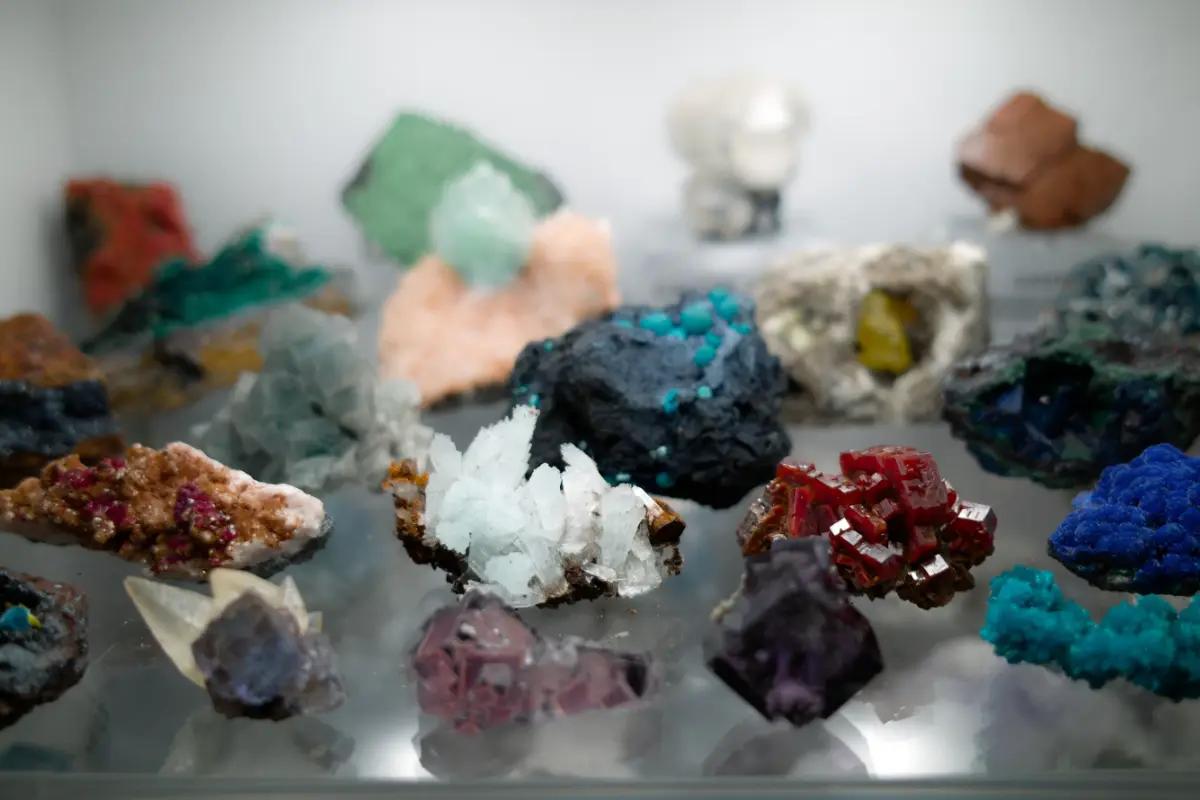
The metallic ore sector encompasses a remarkably diverse range of mineral categories, each serving distinct industrial end-uses:
Precious Metal Ores : This category includes primary gold ores and gold concentrates, silver-lead-zinc associated mineral extracts, and platinum group metal (PGM) ores and concentrates. Gold ores remain the cornerstone of global monetary reserves and jewelry manufacturing, while PGMs — primarily platinum, palladium, and rhodium — are irreplaceable in automotive catalytic converters and hydrogen fuel cell technologies. In 2025, Newmont Corporation alone produced 5.9 million ounces of gold from its global operations spanning four continents.
Ferrous Metal Ores : The backbone of the global steel industry, this category covers hematite and magnetite iron ores, high-grade sinter feed and pellets, manganese ores, and chromite. Iron ore is by far the largest-volume metallic commodity traded globally — BHP, Rio Tinto, Vale, and Fortescue together shipped over 1.1 billion tonnes of iron ore in 2025. These four companies effectively supply the raw material for approximately 70% of the worlds steel production.
Non-Ferrous Metal Ores : This is the most strategically critical category in the energy transition era. It includes copper sulfide and oxide concentrates (the nervous system of electrification), bauxite for aluminum production, zinc and lead sulfide concentrates, and both laterite and sulfide nickel ores. Copper alone has become so essential to AI infrastructure, EV manufacturing, and grid modernization that BHPs copper business contributed more EBITDA than its iron ore division for the first time in the companys 140-year history in 2025.
Light Rare Metal Ores : Encompassing spodumene (lithium), brine-extracted lithium raw materials, beryllium ores, and rubidium-cesium associated minerals. Lithium has emerged as the single most geopolitically contested mineral of the 2020s, driving Rio Tintos $6.7 billion Arcadium Lithium acquisition in 2025.
Heavy Rare Earth Ores Scattered Metal Ores and Nuclear Metal Ores : These niche but strategically vital categories include monazite and bastnaesite (rare earths for permanent magnets), molybdenite and germanium-gallium-indium concentrates (semiconductors and aerospace alloys), and pitchblende/uranium ores for carbon-free nuclear power generation.
Metallurgical Slags and Secondary Resources : An increasingly important category representing the circular mining economy — copper smelter tailings extraction, red mud byproduct metal recovery, and reprocessing of legacy tailings dams. Vale recovered 26 million tonnes of ore through circular mining methods in 2025 alone.
Why This Classification Matters
Understanding these categories is essential for procurement professionals, investors, and policy makers. A companys exposure to specific sub-categories directly determines its sensitivity to different macroeconomic drivers — iron ore producers respond to Chinese infrastructure spending, copper miners to global electrification, and lithium producers to EV adoption rates. The most resilient companies in our ranking maintain diversified exposure across multiple sub-categories.
Leadership in the metallic ore raw materials industry is determined by a combination of geological endowment, operational execution, and strategic positioning — not by brand marketing or short-term financial engineering. Unlike consumer goods industries where brand perception can be shaped through advertising, mining leadership is grounded in immutable physical and operational realities that take decades to build.
1. Mine Reserve Scale and Resource Quality (The Geological Moat)
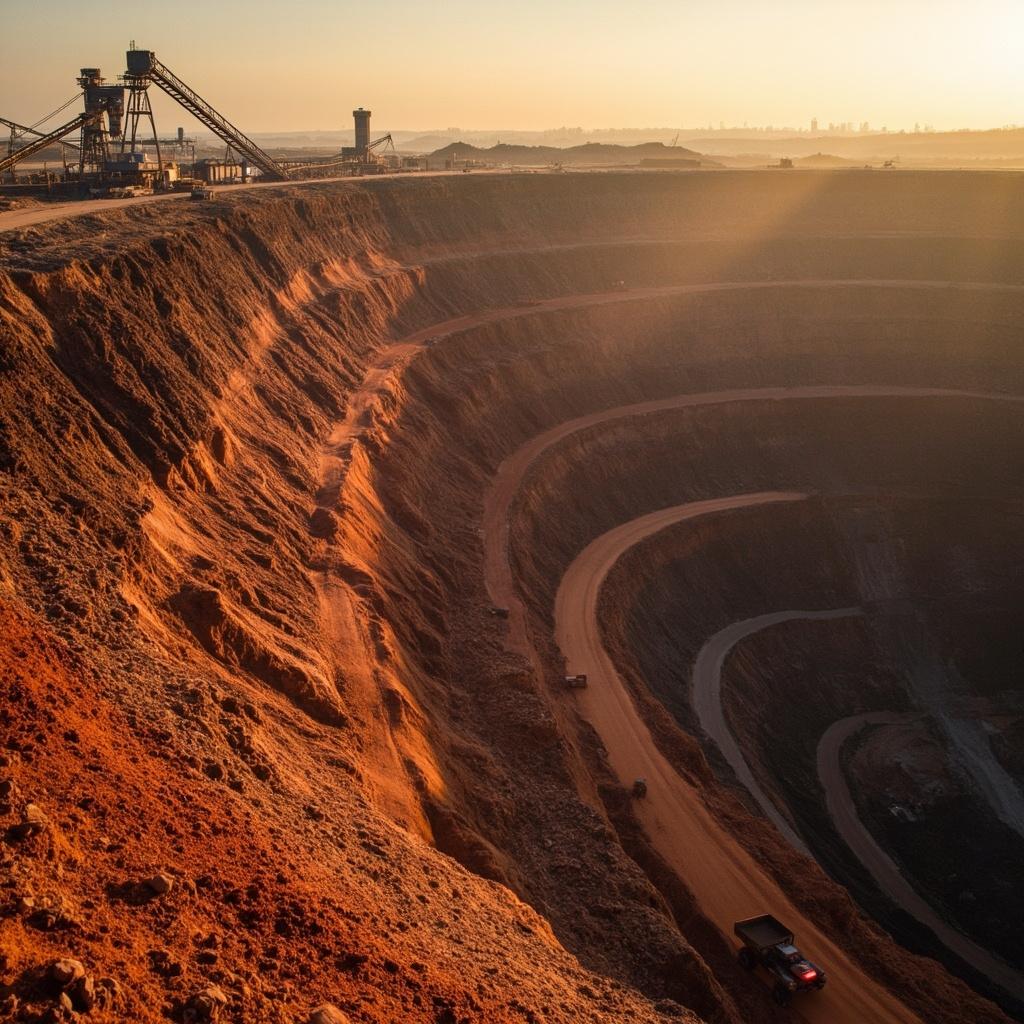
The single most important factor is the size and grade of a companys owned mineral reserves. High-grade, long-life, low-cost ore bodies — what the industry calls "Tier-1 assets" — provide an almost unassailable competitive advantage. BHPs Escondida copper mine in Chile holds the worlds largest copper reserve and can profitably operate through commodity price cycles that would bankrupt smaller, higher-cost producers. Similarly, Vales Carajás iron ore complex in Brazil contains iron content exceeding 66% — among the highest grades on earth — giving it a permanent cost advantage over competitors shipping lower-grade ores from Australia or Africa. Companies with proven and probable reserves measured in decades rather than years — like Newmonts 118.2 million ounces of gold reserves — have the luxury of planning multi-billion-dollar expansions with confidence.
2. Physical Production Scale and Processing Capacity
Raw tonnage matters enormously in mining. The four largest iron ore producers — BHP (290 Mt), Rio Tinto (327 Mt), Vale (336 Mt), and Fortescue (198 Mt) — collectively control such a large share of the seaborne market that their production decisions directly influence global benchmark prices. In copper, BHPs 2.017 Mt and Freeport-McMoRans 1.542 Mt of annual production create economies of scale in everything from explosives procurement to port logistics that smaller miners simply cannot replicate.
3. Cost Position and Operational Efficiency
In commodity markets, the lowest-cost producer always wins. Fortescues extraordinary C1 cash cost of $17.99 per wet metric tonne for iron ore — achieved through fully autonomous haulage, private rail infrastructure, and relentless operational discipline — provides a margin buffer that sustains profitability even when iron ore prices fall to levels that would force higher-cost competitors to shut down. BHPs 53% EBITDA margin across its portfolio similarly reflects decades of investment in automation, process optimization, and supply chain integration.
4. Vertical Integration and Infrastructure Control
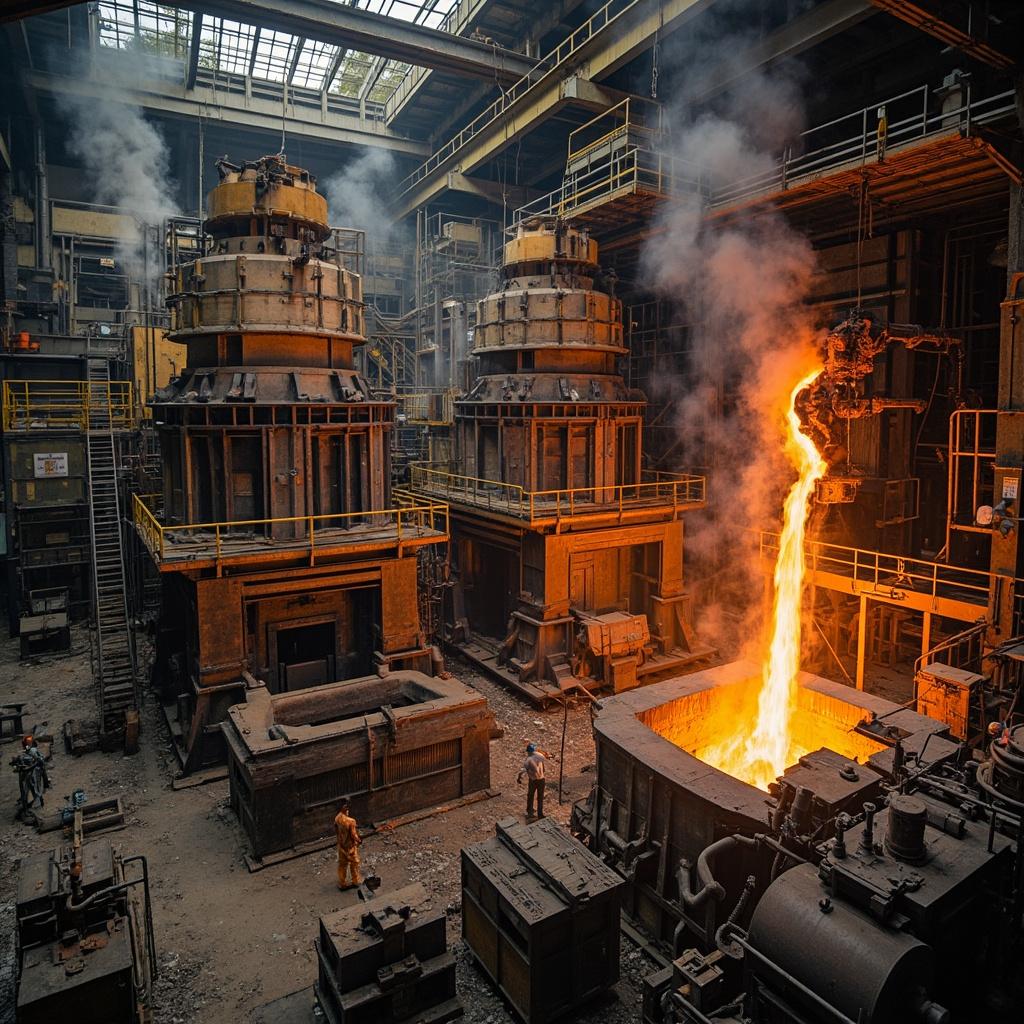
The worlds top miners do not merely dig ore out of the ground — they own the railways, ports, power plants, smelters, and refineries that transform raw ore into marketable metal products. Rio Tintos AutoHaul system — the worlds first fully autonomous heavy-haul railway — moves iron ore across 1,700 km of track in Western Australia with zero human drivers. Freeport-McMoRans 2025 commissioning of the Gresik copper smelter in Indonesia completed a 100% self-operated value chain from the Grasberg mine to finished copper cathode. This vertical control eliminates dependency on third-party infrastructure and captures margin at every processing stage.
5. Portfolio Diversification and Commodity Mix
The most resilient companies maintain exposure across multiple metals and geographic jurisdictions. When iron ore prices fell 15% in 2025, Rio Tintos copper and aluminum divisions provided a natural hedge. When cobalt prices softened, CMOCs copper production at TFM and KFM sustained revenue growth. Companies overly concentrated in a single commodity or single country face existential risk during sector-specific or jurisdiction-specific downturns.
6. ESG Performance and Social License to Operate
In 2025 and beyond, ESG is no longer a corporate responsibility checkbox — it is a hard operational requirement. Vales BRL 170 billion dam disaster settlement and the Brazilian courts suspension of its Germano mine expansion over climate change concerns demonstrate that poor environmental stewardship can directly terminate mining operations. Conversely, companies with strong ESG credentials — like Rio Tintos hydro-powered low-carbon aluminum or CMOCs renewable energy integration in the DRC — command premium pricing from downstream manufacturers seeking to decarbonize their supply chains.
Evaluating metallic ore raw materials suppliers requires a fundamentally different analytical framework than most industrial procurement categories — the geological, logistical, and geopolitical dimensions of mining create unique risk profiles that procurement professionals must systematically assess. Whether you are a steel mill sourcing iron ore, a battery manufacturer securing cobalt and nickel, or a construction firm procuring copper, the following framework provides a comprehensive evaluation structure.
1. Supply Reliability and Production Consistency
The most critical criterion is whether a supplier can deliver contracted volumes on schedule, every quarter, through all market conditions. Mining operations face inherent production variability — ore grades fluctuate, equipment fails, weather disrupts logistics, and labor strikes occur. Top-tier suppliers like BHP and Rio Tinto maintain buffer stockpiles at multiple ports, operate redundant processing circuits, and employ predictive maintenance AI to minimize unplanned downtime. When evaluating a supplier, procurement teams should examine: (a) the suppliers track record of meeting quarterly production guidance over the past 3-5 years; (b) the geographic diversification of its mining operations to mitigate single-site disruption risk; and (c) the ratio of contracted vs. spot sales, which indicates customer commitment levels.
2. Product Quality and Specification Consistency
Metallic ore quality directly impacts the efficiency and cost of downstream processing. For iron ore, the key specification parameters include Fe content (grade), impurity levels (silica, alumina, phosphorus), and physical characteristics (lump vs. fines ratio, moisture content). Vales Carajás iron ore commands a premium price because its 66%+ Fe content and low impurities reduce blast furnace coke consumption and increase steel mill throughput. For copper concentrates, buyers evaluate copper grade, penalty elements (arsenic, mercury, bismuth), and precious metals credits (gold, silver). Procurement contracts should specify precise quality parameters with clear penalty and bonus structures for deviations.
3. Logistics and Delivery Infrastructure
Even the highest-quality ore body is worthless without reliable logistics to move product from mine to customer. The worlds leading suppliers have invested billions in captive infrastructure: dedicated railways (BHPs 1,000km+ Pilbara network, Rio Tintos 1,700km AutoHaul system), deep-water ports capable of loading Cape-size vessels (200,000+ DWT), and owned or long-term-chartered shipping fleets. Procurement teams should map the full logistics chain from mine gate to receiving port, identifying single-point-of-failure risks such as single-berth ports, seasonally-restricted waterways, or jurisdictions with frequent port labor disputes.
4. Financial Stability and Long-Term Viability
Mining is a capital-intensive business with multi-decade investment horizons. A suppliers balance sheet strength — measured by debt-to-EBITDA ratios, free cash flow generation, and access to capital markets — determines whether it can fund mine development, equipment replacement, and environmental compliance over the full term of a supply contract. Companies like Glencore with investment-grade credit ratings and diversified revenue streams offer significantly lower counterparty risk than highly-leveraged single-mine operators.
5. ESG Compliance and Supply Chain Due Diligence
In 2025, downstream manufacturers face increasing regulatory requirements — including the EU Battery Regulation, the US Uyghur Forced Labor Prevention Act, and various carbon border adjustment mechanisms (CBAMs) — that mandate full supply chain traceability and carbon accounting for metallic raw materials. Procurement teams must verify that suppliers: (a) maintain GISTM-compliant tailings management; (b) publish independently-audited Scope 1, 2, and 3 emissions data; (c) operate free of forced or child labor with third-party verification; and (d) engage meaningfully with local communities, including indigenous groups where applicable. Suppliers who cannot provide this documentation face exclusion from premium-priced Western markets.
6. Pricing Mechanisms and Contract Flexibility
Metal ore pricing structures vary significantly by commodity and market convention. Iron ore is typically priced against the Platts 62% Fe CFR China index; copper concentrates use treatment and refining charges (TC/RCs) with precious metals credits; and lithium is increasingly moving toward exchange-traded spot pricing from historical long-term contract models. Procurement teams should negotiate pricing mechanisms that balance price certainty with market responsiveness, including collars, floors, and ceilings tied to independent benchmark indices.
The global metallic ore raw materials industry is shaped by an asymmetric geographic distribution of geological resources, creating distinct regional power centers with unique competitive advantages and strategic vulnerabilities. Understanding this regional architecture is essential for predicting supply chain dynamics, geopolitical risks, and future investment opportunities.
Regional Power Centers
Australia — The Uncontested Heavyweight: Australia is the Saudi Arabia of the mining world, hosting three of the top four iron ore producers (BHP, Rio Tinto, Fortescue) within its Pilbara region alone. With over 1 billion tonnes of annual iron ore production capacity, world-class copper-gold operations (BHPs Olympic Dam), and emerging lithium production (Greenbushes, Pilgangoora), Australia supplies approximately 40% of the worlds seaborne iron ore and is the largest exporter of lithium concentrates. The countrys political stability, transparent mining code, and proximity to Asian markets make it the lowest-risk jurisdiction for mining investment globally.
China — From Consumer to Competitor: China has undergone the most dramatic transformation in the global mining hierarchy. Historically the worlds largest importer of metallic ores (consuming 50%+ of global copper and 70%+ of seaborne iron ore), China has rapidly evolved into a producer of global significance through its state-backed mining champions. Zijin Mining now ranks among the top 5 copper producers globally with 1.09 Mt of self-mined copper. CMOC Group controls 39% of the worlds cobalt supply from its DRC operations. Chinas "going out" strategy has established physical mining assets across Africa, South America, and Central Asia, fundamentally altering the traditional Western-dominated supply chain architecture.
South America — The Copper and Iron Heartland: Chile and Peru together account for approximately 40% of global copper mine production, while Brazil hosts the worlds highest-grade iron ore reserves through Vales Carajás system. Chiles Escondida (BHP), Collahuasi (Anglo American/Glencore), and Perus Cerro Verde (Freeport-McMoRan) and Quellaveco (Anglo American) represent the backbone of global copper supply. However, the region faces growing challenges: resource nationalism (Chiles proposed mining royalty increases), community opposition to new projects, water scarcity in the Atacama Desert, and infrastructure deficits in remote mining regions.
Africa — The Critical Minerals Frontier: The Democratic Republic of Congo has emerged as the worlds most important source of cobalt and a major copper producer, hosting CMOCs TFM and KFM mega-mines as well as Glencores KCC and Mutanda operations. Guineas Simandou iron ore deposit — the worlds largest untapped high-grade iron ore resource — is being developed by a Rio Tinto-led consortium. South Africa remains the dominant producer of platinum group metals (Anglo American Platinum) and manganese. However, African mining operations face elevated risks: political instability, inadequate infrastructure, complex community relations, and evolving mining codes that create regulatory uncertainty.
North America — The Resurgent Producer: The United States and Canada are experiencing a mining renaissance driven by energy security and critical minerals policies. The US Inflation Reduction Acts EV tax credit provisions require increasing percentages of battery minerals to be sourced from free-trade-agreement countries, directly benefiting operations like Rio Tintos Resolution copper project (Arizona) and Lithium Americas Thacker Pass. Canadas Ring of Fire chromite and nickel deposits in Ontario represent one of the most significant undeveloped mineral districts in the Western Hemisphere.
Key Global Trends Shaping the Industry
The Oligopoly Consolidation Wave: The depletion of high-grade greenfield deposits has triggered an unprecedented M&A cycle. Rio Tintos $6.7 billion Arcadium Lithium acquisition, BHPs Vicuña Corp copper JV, and Glencores EVR coal integration all reflect the reality that buying existing production is now cheaper and faster than building new mines. This consolidation concentrates market power in fewer hands — the top 5 producers now control over 60% of the seaborne iron ore market and an increasing share of copper and lithium production.
The Copper Super-Cycle: Copper has transitioned from a cyclical industrial metal to a structural growth commodity. Global copper demand is projected to double by 2035, driven by data center construction (each hyperscale facility requires 30,000+ tonnes of copper), grid modernization (offshore wind farms use 8 tonnes of copper per MW), and EV manufacturing (an EV uses 4x the copper of an internal combustion vehicle). With the average new copper mine requiring 15-20 years from discovery to production, a structural supply deficit is widening, guaranteeing elevated prices for copper-focused producers like Freeport-McMoRan and BHP for the foreseeable future.
ESG as a Competitive Moat: Carbon accounting and supply chain transparency have evolved from compliance requirements to competitive differentiators. Steelmakers subject to the EUs Carbon Border Adjustment Mechanism preferentially source from miners offering independently verified low-carbon products — Rio Tintos hydro-powered aluminum and Fortescues green hydrogen-powered iron ore processing represent the future of premium-priced "green metals." Companies that fail to decarbonize will not only face regulatory penalties but will be systematically excluded from the most profitable customer segments.