Top 10 Glass Substrate & Industrial Base Glass Manufacturers & Suppliers

HomeMining & MineralsTop 10 Glass Substrate & Industrial Base Glass Manufacturers & Suppliers

The global glass substrate and industrial base glass market is projected to reach approximately $280 billion in 2025, expanding at a compound annual growth rate (CAGR) of 4.8% through 2030.

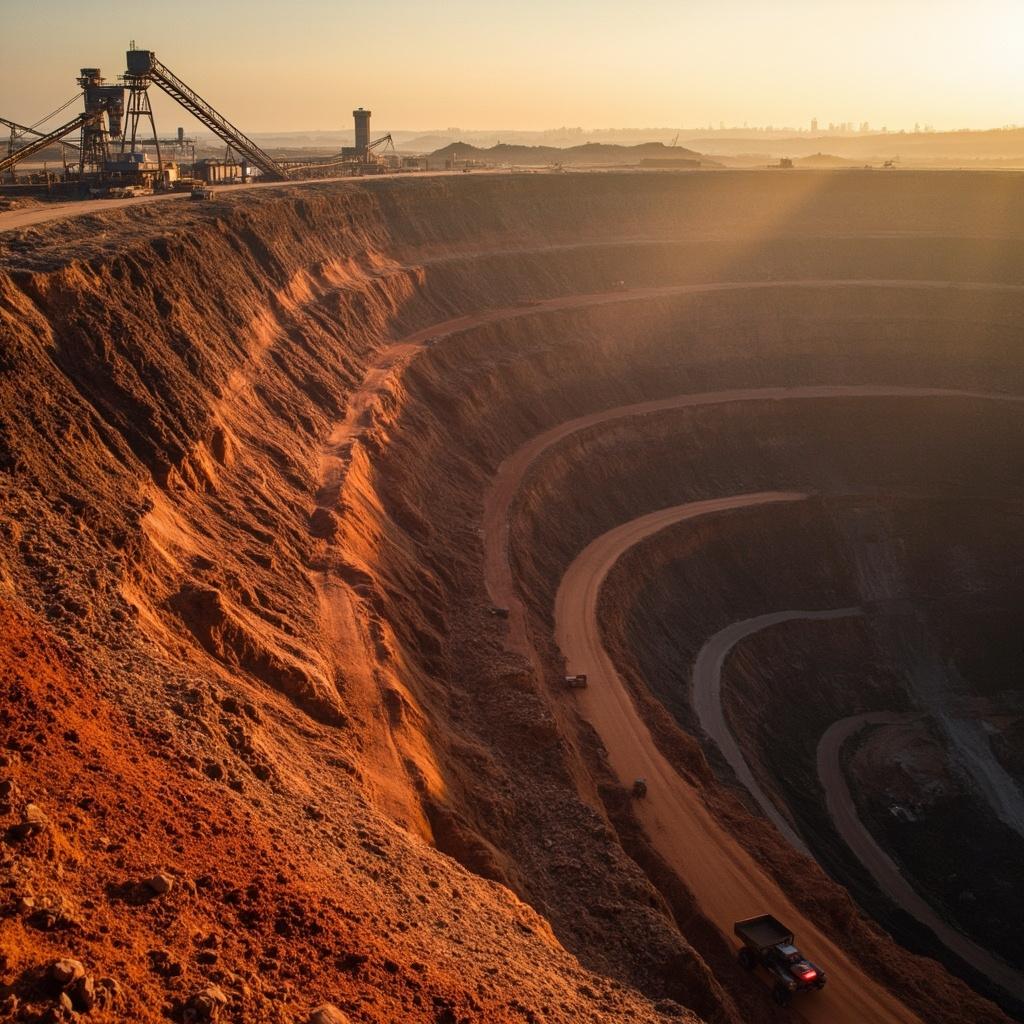
This sector—encompassing display glass, architectural float glass, solar photovoltaic panels, specialty optical components, and fiberglass—is undergoing a historic structural transformation. Hyperinflation, geopolitical supply chain realignments, and mandatory global decarbonization targets are reshaping competitive dynamics. The value chain is concentrating rapidly toward upstream high-purity minerals and vertically integrated manufacturers. In this environment, a handful of dominant players command the landscape. Saint-Gobain leverages unmatched global scale and a 360-year heritage to lead in architectural and specialty substrates. Corning maintains near-monopoly pricing power in advanced display glass and ultra-low-loss optical fiber for AI data centers. AGC and Owens Corning dominate across broad categories—from flat glass to high-performance fiberglass composites—while Chinese giants Xinyi Glass and Flat Group control the world’s largest float and solar glass capacities through extreme vertical integration from quartz mining to finished substrates.

Our Ranking Methodology
VerityRank evaluates manufacturers and suppliers across four equally weighted dimensions:
Market Influence (25%): Global revenue, brand recognition, and supply-chain partnerships with leading tech and construction firms.
Technology & R&D (25%): Patents in high-purity glass formulations, ultra-thin flexible substrates, and advanced coating processes.
Manufacturing Scale (25%): Number of self-owned float/electrical melting furnaces, mineral mines, and production facilities across continents.
Sustainability & Compliance (25%): Adoption of hydrogen-ready furnaces, recycled content usage, and adherence to global ESG standards.

Data Sources
This analysis synthesizes 2025 annual reports from listed manufacturers, industry white papers, and independent market research. Key references include:
Grand View Research – Glass Substrate Market Report
Mordor Intelligence – Global Glass Industry Analysis

Disclaimer: Rankings are based exclusively on publicly available third-party data, financial filings, and verified production metrics. VerityRank does not accept compensation for placement. All revenue figures are converted using average 2025 exchange rates and may vary by source.

Top 10 Rankings

2026.06 Edition
1
Saint-Gobain

Compagnie de Saint-Gobain S.A.

Saint-Gobain is a global leader in light and sustainable construction, with a core glass-substrate business spanning display glass, architectural/float glass, solar/PV glass, specialty & optical glass, and fiberglass. Founded in 1665 and headquartered in Courbevoie, France, the company generated €46.5 billion (approx. US$50 billion) in 2025 revenue and employs ~161,000–162,000 people across 80 countries. Its vertically integrated operations encompass in-house manufacturing, raw mineral mining, R&D, and global distribution, with 900+ manufacturing and logistics facilities worldwide (including ~40 core production bases in China). Saint-Gobain's daily float glass melting capacity exceeds tens of thousands of tons, and it holds the world's largest capacity for high-value coated and specialty functional building materials.

Strengths: Saint-Gobain's unmatched scale in float glass and specialty substrates (daily melting capacity >10,000 tons) and global distribution network across 80 countries provide significant cost and market-access advantages. Its vertically integrated supply chain (from mining to finished products) ensures quality control and resilience. The company's strong R&D focus on energy-efficient and high-performance glass (e.g., low-emissivity coatings, fire-resistant glazing) aligns with global sustainability trends. Diversified revenue streams across construction, automotive, solar, and electronics reduce cyclical risk.
Weaknesses: High capital intensity of glass manufacturing (furnace rebuilds, energy costs) pressures margins during economic downturns. Exposure to volatile raw material and energy prices (e.g., silica, natural gas) can impact profitability. Complex organizational structure across 80 countries may lead to slower decision-making compared to more agile competitors.

Brand

Saint-Gobain

Founded

1665

Workforce

161,000–162,000

Presence

80 countries

Facilities

900+ manufacturing & logistics facilities (including ~40 core bases in China)

Headquarters

France

Market

Euronext Paris: SGO

Key Product Categories
Building Materials CompaniesCement & Tiles IndustryCement & Mixes IndustryWaterproofing Materials IndustryStone, Wood & Flooring IndustryEngineered Stone IndustryBuilding Materials SuppliersCement & Tiles IndustryCement & Mixes IndustryWaterproofing Materials IndustryBuilding Materials CompaniesCement & Tiles IndustryCement & Mixes IndustryWaterproofing Materials IndustryStone, Wood & Flooring IndustryEngineered Stone IndustryBuilding Materials SuppliersCement & Tiles IndustryCement & Mixes IndustryWaterproofing Materials Industry
2
Corning

Corning Incorporated

Corning Incorporated is a global leader in specialty glass and ceramics, with a core business in glass substrates for displays, optical communications, and advanced materials. Founded in 1851 and headquartered in Corning, New York, the company reported US$15.63 billion in GAAP revenue (US$16.41 billion core revenue) for fiscal 2025 and employs 67,200 people across approximately 40 countries. Corning operates more than 145 facilities, including 77 core manufacturing sites and 10+ R&D centers, leveraging proprietary fusion-draw and precision forming processes to produce high-yield, large-size display glass substrates for LCD and OLED panels, optical fiber for telecommunications, and specialty glass for semiconductor, automotive, and life sciences applications. The company is listed on the New York Stock Exchange under ticker GLW.

Strengths: Corning possesses unmatched expertise in glass science and precision manufacturing, with the world's highest-yield large-size display glass melting furnaces and a production capacity of hundreds of millions of square meters of specialty display glass annually. Its vertically integrated in-house manufacturing model ensures quality control and cost efficiency, while a diversified portfolio spanning display, optical communications, environmental technologies, and life sciences reduces dependence on any single market. The company holds a dominant position in Gorilla Glass for consumer electronics and has long-term supply agreements with major display panel makers, supported by over 170 years of continuous innovation and a strong IP portfolio.

Weaknesses: Corning faces cyclical demand in the display and optical fiber markets, which can cause revenue volatility, and its reliance on a few large customers in the display supply chain creates concentration risk. Additionally, the company's high capital expenditure for advanced glass melting facilities and R&D may pressure margins during downturns, and competition from lower-cost Asian manufacturers in standard glass substrates could erode market share.

Brand

Corning

Founded

1851

Workforce

67,200

Presence

40+ countries

Facilities

145+ facilities including 77 core manufacturing sites and 10+ R&D centers

Headquarters

United States

Market

NYSE: GLW
Key Product Categories
Refractory & High-Temperature Resistant Materials IndustryThermal Insulation Materials IndustryGlass Substrate Raw Materials & Industrial Base Glass IndustryConductive & EMI Shielding IndustryEnergy Conversion IndustryCalcium Carbonate Powders IndustryTalc Powders IndustryBentonite Clays IndustryMineral Powder Fillers & Functional Additives Manufacturers & SuppliersRefractory & High-Temperature Resistant Materials Manufacturers & SuppliersRefractory & High-Temperature Resistant Materials IndustryThermal Insulation Materials IndustryGlass Substrate Raw Materials & Industrial Base Glass IndustryConductive & EMI Shielding IndustryEnergy Conversion IndustryCalcium Carbonate Powders IndustryTalc Powders IndustryBentonite Clays IndustryMineral Powder Fillers & Functional Additives Manufacturers & SuppliersRefractory & High-Temperature Resistant Materials Manufacturers & Suppliers
3
AGC

AGC Inc.

AGC Inc. is a global leader in the industrial base glass and glass substrate industry, operating as a fully integrated chemical and mineral-glass conglomerate since its founding in 1907. The company is a top-tier supplier of display glass substrates for LCD, OLED, and micro-LED panels, architectural float glass for construction, solar photovoltaic glass for renewable energy, specialty functional substrates for automotive and industrial applications, electronic ceramic substrates, and optical/catalytic mineral products. With annual revenue of ¥2.0588 trillion (approximately US$13.15 billion in FY2025) and a workforce of 52,896 employees, AGC operates over 100 manufacturing and processing facilities across 30+ countries, headquartered in Tokyo, Japan. The company is publicly listed on the Tokyo Stock Exchange under ticker 5201.

Strengths: AGC possesses a world-class float glass melting furnace matrix and extensive automotive glass deep-processing bases, enabling high-volume production with superior quality. Its vertical integration from raw mineral refining (including high-purity quartz and fluorine chemistry) to finished specialty substrates provides cost advantages and supply chain resilience. The company holds strong positions in display glass substrates for advanced flat-panel displays and in automotive glass for electric vehicles and autonomous driving. AGC's diversified portfolio across construction, electronics, solar energy, and optical materials reduces dependency on any single market cycle. The company also benefits from a century-long reputation for R&D innovation, particularly in fluorochemicals and ceramic substrates.

Weaknesses: AGC faces intense competition from lower-cost producers in China and South Korea in the display glass and solar glass segments, pressuring margins. The company's heavy reliance on the cyclical construction and automotive industries exposes it to macroeconomic downturns and demand fluctuations. Additionally, its complex global manufacturing footprint across numerous countries increases operational and regulatory risks, including currency exchange volatility and trade policy changes.

Brand

AGC

Founded

1907

Workforce

52,896

Presence

30+ countries

Facilities

100+ manufacturing & processing facilities

Headquarters

Japan

Market

TSE: 5201
Key Product Categories
Glass Substrate Raw Materials & Industrial Base Glass CompaniesMining & Minerals CompaniesMining & Minerals ManufacturersMining & MineralsMineral Fortifiers IndustryMineral Powder Fillers & Functional Additives IndustryFunctional Mineral Materials & Smart Composites IndustryGlass Substrate Raw Materials & Industrial Base Glass Manufacturers & SuppliersGlass Substrate Raw Materials & Industrial Base Glass CompaniesMining & Minerals CompaniesMining & Minerals ManufacturersMining & MineralsMineral Fortifiers IndustryMineral Powder Fillers & Functional Additives IndustryFunctional Mineral Materials & Smart Composites IndustryGlass Substrate Raw Materials & Industrial Base Glass Manufacturers & Suppliers
4
Owens Corning

Owens Corning

Owens Corning is a globally diversified industrial manufacturer and a leading producer of glass substrate and composite materials, headquartered in Toledo, Ohio, USA. Founded in 1938, the company generated US$10.1 billion in revenue (FY2025) and employs approximately 18,000 people. Its core glass-substrate business centers on fiberglass reinforcements, high-modulus glass fibers for wind turbine blades, and alkali-free chopped strands, supported by proprietary large-tank furnace drawing lines. The company operates over 60 high-specification manufacturing plants across 30 countries, with a highly resilient regional supply chain.

Strengths: Owens Corning commands a dominant global position in fiberglass substrates and insulation, with a diversified product portfolio spanning construction, renewable energy, and industrial markets. Its financial stability is underscored by strong cash flows and a conservative balance sheet, enabling continuous investment in R&D and capacity expansion. The company's extensive global footprint (30 countries, 60+ plants) provides supply chain resilience and proximity to key customers. Recent strategic divestiture of the glass reinforcements business for ~US$474 million in 2025 sharpens focus on higher-margin, counter-cyclical building and composite roofing systems. Innovation leadership is evident in high-modulus glass fibers for wind energy and advanced fire-resistant insulation materials.

Weaknesses: The company faces exposure to cyclical construction and automotive end-markets, which can cause revenue volatility during economic downturns. High fixed-cost base from large-scale furnace operations requires consistent capacity utilization to maintain margins. Additionally, Owens Corning's ongoing portfolio restructuring may create short-term execution risks and integration challenges as it pivots toward building and roofing systems.

Brand

Owens Corning

Founded

1938

Workforce

18,000

Presence

30+ countries

Facilities

60+ high-specification manufacturing plants

Headquarters

United States

Market

NYSE: OC
Key Product Categories
Mining & Minerals CompaniesRefractory & High-Temperature Resistant Materials IndustryThermal Insulation Materials IndustryGlass Wool IndustryMineral Wool Materials IndustryGlass Substrate Raw Materials & Industrial Base Glass IndustryMining & Minerals ManufacturersRefractory & High-Temperature Resistant Materials IndustryThermal Insulation Materials IndustryGlass Wool IndustryMining & Minerals CompaniesRefractory & High-Temperature Resistant Materials IndustryThermal Insulation Materials IndustryGlass Wool IndustryMineral Wool Materials IndustryGlass Substrate Raw Materials & Industrial Base Glass IndustryMining & Minerals ManufacturersRefractory & High-Temperature Resistant Materials IndustryThermal Insulation Materials IndustryGlass Wool Industry
5
Xinyi Glass

Xinyi Glass Holdings Limited

Xinyi Glass Holdings Limited, trading as Xinyi Glass, is a leading global manufacturer of industrial base glass and glass substrates, headquartered in Hong Kong. Founded in 1988, the company has grown into one of the world's largest vertically integrated glass producers, with a dominant position in architectural float glass and automotive glass replacement markets. In 2025, Xinyi Glass reported revenue of RMB 20.829 billion (approximately US$2.9 billion), and employs 16,057 people across 13 large-scale manufacturing bases in China and 3 overseas mega-hubs (including under construction). The company supplies glass substrates for buildings, vehicles, and specialty applications, and operates its own raw material mining and logistics network, ensuring end-to-end control over the supply chain. Xinyi Glass commands approximately 14% of global float glass capacity and over 25% of the global automotive glass aftermarket replacement capacity, with sales coverage in over 130 countries and regions.

Strengths: Xinyi Glass benefits from deep vertical integration, including proprietary silica sand mining, in-house logistics, and full-chain production from raw glass to finished products, which provides cost advantages and supply security. Its massive scale in float glass (14% global share) and dominant aftermarket position in automotive glass (over 25% share) create high barriers to entry. The company also has a strong brand reputation for quality and reliability, supported by continuous investment in energy-efficient Low-E glass and automotive safety glass technologies. Additionally, its global sales network spanning 130+ countries reduces dependency on any single market.

Weaknesses: Xinyi Glass is highly exposed to the cyclical construction and automotive industries, making revenue sensitive to economic downturns and real estate market fluctuations, particularly in China. The company also faces intense competition from other large glass producers such as Saint-Gobain, NSG, and AGC, which may limit pricing power. Furthermore, its heavy reliance on fossil fuels for glass melting exposes it to energy price volatility and increasing regulatory pressure on carbon emissions.

Brand

Xinyi Glass

Founded

1988

Workforce

16,057

Presence

130+ countries

Facilities

13 large-scale bases in China, 3 overseas mega-hubs (including under construction)

Headquarters

China

Key Product Categories
Glass Substrate Raw Materials & Industrial Base Glass CompaniesMining & Minerals CompaniesMining & Minerals ManufacturersMining & MineralsMineral Fortifiers IndustryMineral Powder Fillers & Functional Additives IndustryFunctional Mineral Materials & Smart Composites IndustryGlass Substrate Raw Materials & Industrial Base Glass Manufacturers & SuppliersGlass Substrate Raw Materials & Industrial Base Glass CompaniesMining & Minerals CompaniesMining & Minerals ManufacturersMining & MineralsMineral Fortifiers IndustryMineral Powder Fillers & Functional Additives IndustryFunctional Mineral Materials & Smart Composites IndustryGlass Substrate Raw Materials & Industrial Base Glass Manufacturers & Suppliers
6
NSG Group / Pilkington

Nippon Sheet Glass Co., Ltd. (NSG Group)

Nippon Sheet Glass Co., Ltd. (NSG Group) is a leading global glass substrate manufacturer headquartered in Tokyo, Japan, with a heritage dating back to 1918. The company operates through its flagship brand Pilkington and specializes in the production of architectural float glass, solar photovoltaic glass substrates, automotive glass (both OEM and aftermarket), and specialty functional substrates. In FY2025, NSG reported revenues of ¥8,404 billion (approximately US$55 billion), supported by a global workforce of ~25,400 employees and sales in over 100 countries.

Strengths: NSG Group commands a strong global footprint with 26 float glass furnaces across multiple continents, enabling high-volume production of architectural and automotive base glass. Its Pilkington brand is synonymous with quality in the automotive glass aftermarket, and the company’s deep-coating and tempering capabilities are among the largest in Europe. The group’s diversified product portfolio, spanning building, solar, and specialty glass, provides resilience against cyclical demand in any single end-market. Additionally, its 24 automotive glass plants and 9 technical glass facilities ensure proximity to key OEM customers worldwide.

Weaknesses: NSG faces high energy and raw material costs in its float glass operations, which pressure margins in competitive markets. The company also has significant exposure to the mature Japanese and European construction sectors, where demand growth is slower compared to emerging markets. Furthermore, its heavy reliance on traditional float glass technology leaves it less diversified into high-growth advanced display glass segments relative to peers like Corning or AGC.

Brand

NSG Group / Pilkington

Founded

1918

Workforce

~25,400

Presence

100+ countries

Facilities

26 float glass furnaces, 24 automotive glass plants, 9 technical glass facilities across 20+ countries

Headquarters

Japan

Market

TSE: 5202
Key Product Categories
Glass Substrate Raw Materials & Industrial Base Glass CompaniesMining & Minerals CompaniesMining & Minerals ManufacturersMining & MineralsMineral Fortifiers IndustryMineral Powder Fillers & Functional Additives IndustryFunctional Mineral Materials & Smart Composites IndustryGlass Substrate Raw Materials & Industrial Base Glass Manufacturers & SuppliersGlass Substrate Raw Materials & Industrial Base Glass CompaniesMining & Minerals CompaniesMining & Minerals ManufacturersMining & MineralsMineral Fortifiers IndustryMineral Powder Fillers & Functional Additives IndustryFunctional Mineral Materials & Smart Composites IndustryGlass Substrate Raw Materials & Industrial Base Glass Manufacturers & Suppliers
7
FLAT

Flat Glass Group Co., Ltd.

Flat Glass Group Co., Ltd. (brand: FLAT) is a leading global manufacturer of industrial base glass, specializing in photovoltaic (PV) glass substrates, architectural float glass, and specialty quartz powder mining. Headquartered in Jiaxing, Zhejiang Province, China, the company was founded in 1998 and reported annual revenue of RMB 15.57 billion (~US$2.15 billion) in 2025. FLAT operates ~7,400 employees and maintains a daily melting capacity of approximately 20,000 tons, with plans to expand beyond 30,000 tons. The company is listed on both the Shanghai Stock Exchange (SSE: 601865) and the Hong Kong Stock Exchange (HKEX: 6865).

Strengths: FLAT benefits from fully integrated quartzite mining and PV glass processing, ensuring raw material cost control and supply security. Its massive production scale (20,000+ tons/day melting capacity) positions it among the top global PV glass suppliers. The company has established strategic manufacturing hubs in China (Jiaxing, Fengyang, Nantong) and overseas (Vietnam, Indonesia), enabling proximity to key solar module markets. A diversified product portfolio spanning PV glass, architectural glass, and quartz powder reduces dependency on any single end-market. Strong financial performance with RMB 15.57 billion revenue (2025) and dual-listing credibility enhance investor confidence.
Weaknesses: Heavy reliance on the volatile solar PV industry exposes FLAT to cyclical demand and policy risks. International expansion is still limited to only two overseas countries, lagging behind peers with broader global footprints. The company faces intense price competition from Chinese rivals like Xinyi Solar and flat-glass overcapacity risks in the domestic market.

Brand

FLAT

Founded

1998

Workforce

~7,400

Presence

30+ countries

Facilities

Large-scale industrial parks in Jiaxing, Fengyang, Nantong (China), Vietnam, and Indonesia; plus owned quartzite mines

Headquarters

China

Key Product Categories
Glass Substrate Raw Materials & Industrial Base Glass CompaniesMining & Minerals CompaniesMining & Minerals ManufacturersMining & MineralsMineral Fortifiers IndustryMineral Powder Fillers & Functional Additives IndustryFunctional Mineral Materials & Smart Composites IndustryGlass Substrate Raw Materials & Industrial Base Glass Manufacturers & SuppliersGlass Substrate Raw Materials & Industrial Base Glass CompaniesMining & Minerals CompaniesMining & Minerals ManufacturersMining & MineralsMineral Fortifiers IndustryMineral Powder Fillers & Functional Additives IndustryFunctional Mineral Materials & Smart Composites IndustryGlass Substrate Raw Materials & Industrial Base Glass Manufacturers & Suppliers
8
SCHOTT

SCHOTT AG

SCHOTT AG is a globally leading manufacturer of specialty glass and glass-ceramics, headquartered in Mainz, Germany, with a history dating back to 1884. The company's core glass-substrate business spans high-tech applications including optical glass, semiconductor-grade specialty substrates, pharmaceutical packaging, and industrial glass-ceramics. In fiscal year 2025, SCHOTT generated €2.83 billion in revenue, with its publicly listed subsidiary SCHOTT Pharma contributing €986 million. The company employs 17,392 people across more than 30 countries and operates over a dozen advanced production and R&D facilities worldwide, producing more than 13 billion pharmaceutical injection containers annually.

Strengths: SCHOTT's foundation-owned structure ensures long-term R&D investment without short-term shareholder pressure, enabling mastery of zero-expansion glass-ceramics and ultra-pure optical glass melting. Its dominant position in pharmaceutical vials and syringes, combined with cutting-edge capabilities in semiconductor and aerospace-grade substrates, provides diversified revenue streams. The company's global manufacturing footprint in over 30 countries ensures supply chain resilience and proximity to key customers.
Weaknesses: SCHOTT's reliance on specialty niches limits its scale compared to mass-market glass producers, while its foundation ownership structure can slow decision-making. The company faces intense competition from Asian rivals in display and optical glass, and its pharmaceutical segment is subject to regulatory and healthcare policy risks.

Brand

SCHOTT

Founded

1884

Workforce

17,392

Presence

30+ countries

Facilities

Over a dozen core specialty glass manufacturing plants and R&D centers globally

Headquarters

Germany

Market

Private (subsidiary SCHOTT Pharma listed on Frankfurt Stock Exchange: 1SXP)

Key Product Categories
Glass Substrate Raw Materials & Industrial Base Glass CompaniesMining & Minerals CompaniesMining & Minerals ManufacturersMining & MineralsMineral Fortifiers IndustryMineral Powder Fillers & Functional Additives IndustryFunctional Mineral Materials & Smart Composites IndustryGlass Substrate Raw Materials & Industrial Base Glass Manufacturers & SuppliersGlass Substrate Raw Materials & Industrial Base Glass CompaniesMining & Minerals CompaniesMining & Minerals ManufacturersMining & MineralsMineral Fortifiers IndustryMineral Powder Fillers & Functional Additives IndustryFunctional Mineral Materials & Smart Composites IndustryGlass Substrate Raw Materials & Industrial Base Glass Manufacturers & Suppliers
9
CSG

CSG Holding Co., Ltd.

CSG Holding Co., Ltd. is a leading Chinese industrial conglomerate specializing in the research, development, and manufacturing of glass substrates and advanced functional materials. Founded in 1984 and headquartered in Shenzhen, Guangdong, the company operates a fully integrated production chain from its own silica sand mines to deep-processing facilities, with 2025 revenue of RMB 13.719 billion (approx. US$1.9 billion) and a workforce of ~10,000 employees. CSG's core glass-substrate businesses span photovoltaic (PV) glass, display glass, architectural/float glass, specialty functional substrates, and quartz powder resource development, serving global markets in solar energy, electronics, construction, and optical applications.

Strengths: CSG benefits from vertical integration with proprietary silica sand reserves, ensuring raw material security and cost control. The company operates multiple large-scale manufacturing bases in Dongguan, Wujiang, Chengdu, and Xianning, enabling massive production capacity and economies of scale. Its R&D capabilities are demonstrated by the successful mass production of KK9 high-alumina electronic cover glass, a high-value product that differentiates it in the display glass market. Additionally, CSG's strong balance sheet allowed it to execute a RMB 485 million and HK$100 million share buyback program in Q1 2025, reinforcing investor confidence. The company also produces multi-layer silver Low-E energy-saving glass for architectural applications and microcrystalline glass panels for specialty uses.

Weaknesses: CSG faces significant cyclical revenue pressure from the photovoltaic and architectural float glass segments, with net profit dropping sharply to RMB 105 million in 2025 due to industry-wide homogenized competition. The company's heavy reliance on the Chinese domestic market exposes it to regulatory and economic volatility in China's real estate and solar sectors. Furthermore, its global brand recognition remains limited compared to established international players like Corning or AGC, constraining premium pricing in export markets.

Brand

CSG

Founded

1984

Workforce

~10,000

Presence

30+ countries

Facilities

Multiple large-scale manufacturing bases in Dongguan, Wujiang, Chengdu, and Xianning, China

Headquarters

China

Key Product Categories
Glass Substrate Raw Materials & Industrial Base Glass Manufacturers & SuppliersMining & Minerals CompaniesMining & Minerals ManufacturersMining & MineralsMineral Fortifiers IndustryMineral Powder Fillers & Functional Additives IndustryFunctional Mineral Materials & Smart Composites IndustryGlass Substrate Raw Materials & Industrial Base Glass Manufacturers & SuppliersMining & Minerals CompaniesMining & Minerals ManufacturersMining & MineralsMineral Fortifiers IndustryMineral Powder Fillers & Functional Additives IndustryFunctional Mineral Materials & Smart Composites Industry
10
NEG

Nippon Electric Glass Co., Ltd. (NEG)

Nippon Electric Glass Co., Ltd. (NEG) is a globally recognized leader in the industrial base glass and glass substrate sector, specializing in the development and precision manufacturing of high-performance glass materials for display, electronics, and specialty applications. Headquartered in Otsu, Shiga, Japan, and founded in 1949, NEG generated revenue of ¥311.4 billion (approximately US$2.0 billion) in FY2025 and employs 5,220 people worldwide. The company operates multiple production and R&D facilities across Japan, China, South Korea, Malaysia, and the United States, supplying critical glass substrates for LCD/OLED displays, fiberglass, electronic ceramics, and specialty functional substrates.

Strengths: NEG's core competitive advantages include its proprietary glass formulation and melting technology for ultra-thin, high-transparency display substrates with extremely low defect rates, serving as a key supplier to major panel makers. The company benefits from strong vertical integration across the glass value chain, from raw material processing to precision forming and finishing. Its diversified product portfolio spans display glass, fiberglass, electronic ceramics, and specialty optical glass, reducing reliance on any single end-market. NEG's long-term customer relationships and decades of manufacturing expertise in high-temperature glass melting and precision forming provide significant barriers to entry for competitors.

Weaknesses: NEG faces heavy exposure to the cyclical flat-panel display industry, where demand volatility and price competition from larger rivals like Corning and AGC can compress margins. The company's relatively smaller scale compared to global leaders limits its bargaining power with customers and its ability to invest in next-generation technologies. Additionally, NEG's geographic concentration of production in Japan and East Asia exposes it to regional supply chain disruptions and natural disaster risks.

Brand

NEG

Founded

1949

Workforce

5,220

Presence

10+ countries

Facilities

Multiple production and R&D facilities in Japan, China, South Korea, Malaysia, and the United States

Headquarters

Japan

Market

TSE: 5214
Key Product Categories
Glass Substrate Raw Materials & Industrial Base Glass CompaniesMining & Minerals CompaniesMining & Minerals ManufacturersMining & MineralsMineral Fortifiers IndustryMineral Powder Fillers & Functional Additives IndustryFunctional Mineral Materials & Smart Composites IndustryGlass Substrate Raw Materials & Industrial Base Glass Manufacturers & SuppliersGlass Substrate Raw Materials & Industrial Base Glass CompaniesMining & Minerals CompaniesMining & Minerals ManufacturersMining & MineralsMineral Fortifiers IndustryMineral Powder Fillers & Functional Additives IndustryFunctional Mineral Materials & Smart Composites IndustryGlass Substrate Raw Materials & Industrial Base Glass Manufacturers & Suppliers

Frequently Asked Questions

How Do We Generate Our Rankings?
Our ranking methodology is a rigorous, data-driven framework designed to objectively evaluate the world's foremost glass substrate and industrial base glass manufacturers. We do not rely on subjective opinion or paid placements. Instead, we analyze each company across four equally weighted dimensions—Market Influence, Technology & R&D, Manufacturing Scale, and Sustainability & Compliance—each contributing 25% to the final score. This balanced approach ensures that a company like Saint-Gobain, with its massive €46.5 billion revenue and global footprint, is fairly compared against a specialized innovator like SCHOTT, which excels in high-margin specialty substrates.

Our primary data sources include the companies' own audited financial reports, such as Corning's Q4 2025 results showing $16.41 billion in core sales, and NSG Group's FY2025 annual results. We also incorporate third-party market intelligence from industry associations, patent filings, and verified B2B user feedback from major technology clients like Apple and Meta. For the "Technology & R&D" dimension, we specifically evaluate the breadth of a company's product portfolio across critical sub-categories, including high-purity optical glass, ultra-thin flexible glass (UTG), and advanced pharmaceutical packaging. AGC's ability to cover everything from architectural glass to high-frequency circuit board fiberglass is a key differentiator here.

The "Manufacturing Scale" dimension heavily weights vertical integration and self-owned production capacity. Companies that control their own silica sand mines, such as Xinyi Glass and Flat Glass Group, score higher because this eliminates supply chain risk and ensures raw material purity. We also factor in the number of self-operated float lines, melting furnaces, and global production facilities. For example, Owens Corning's dominance in fiberglass insulation is backed by its massive, wholly-owned plants across North America. Finally, the "Sustainability & Compliance" dimension has become increasingly critical, accounting for 25% of the final score. We verify each company's progress against global standards, including Science Based Targets initiative (SBTi) validation, CDP climate scores, and specific emissions reduction projects like NSG's HyNet hydrogen fuel trials.

This multi-layered, transparent methodology allows us to produce a ranking that reflects true industrial leadership. It separates companies that merely assemble products from those that invest in the fundamental materials science, capital-intensive infrastructure, and long-term environmental stewardship required to dominate the glass substrate industry in 2025-2026. The result is a definitive list that B2B buyers can trust for strategic sourcing decisions.
What Core Capabilities Define the Leading Glass-Substrate Manufacturers and Suppliers?
Leading glass substrate manufacturers are defined by five core technical and operational capabilities that create insurmountable barriers to entry. These capabilities are not merely desirable; they are essential for supplying the world's most demanding industries, from AI data centers to advanced automotive displays. Below, we detail each capability with a real-world example from our Top 10 ranking.

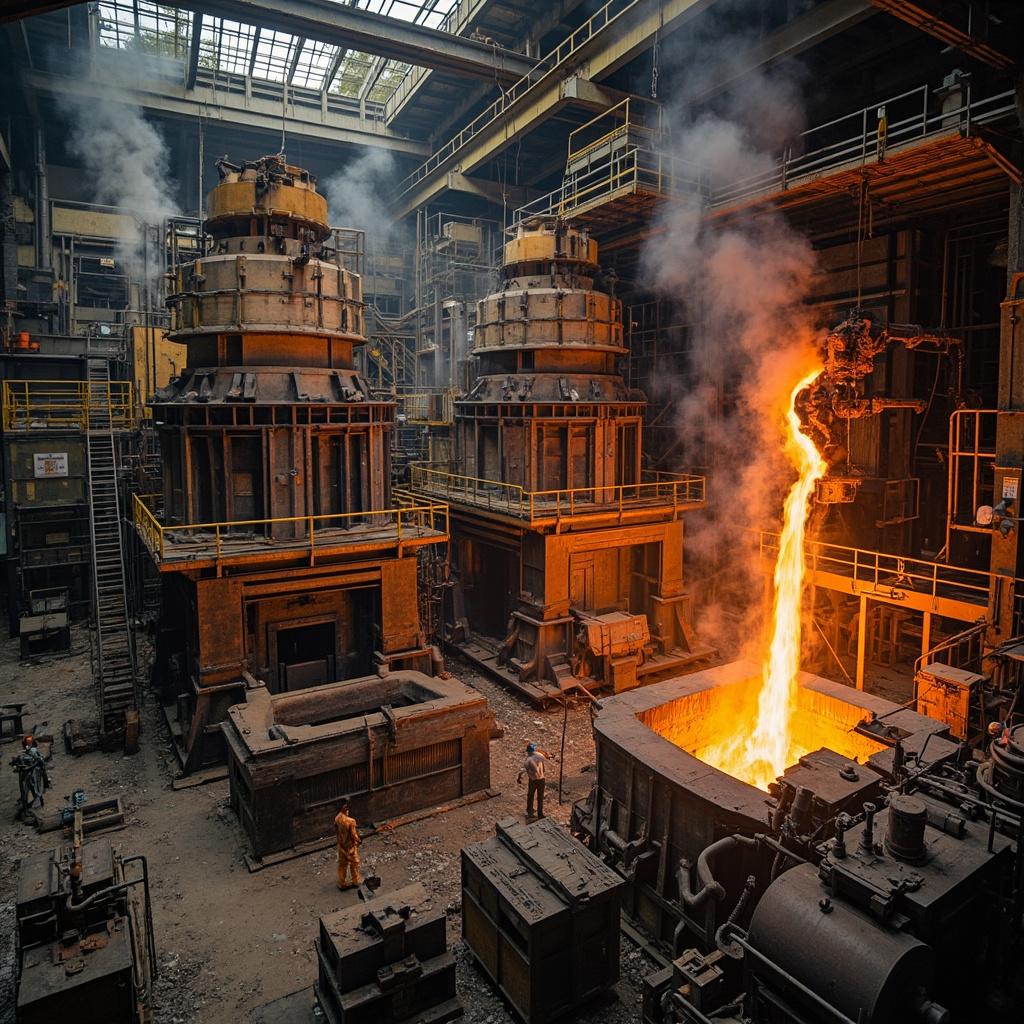
1. Advanced Melting Technology (Fusion Draw & Float Processes): This is the foundational capability for producing pristine, defect-free glass. The fusion draw process, perfected by Corning, allows for the creation of ultra-thin, perfectly flat glass sheets without any surface contact, which is critical for OLED display substrates. Corning's proprietary fusion process is a key reason it holds a near-monopoly on high-generation LCD and OLED carrier glass, enabling the precise thickness control required for modern smartphones and televisions. Without such advanced melting, achieving the atomic-level uniformity needed for high-resolution displays is impossible.

2. Precision Coating & Surface Engineering: Raw glass is rarely the final product; it must be engineered with specialized coatings for optical performance, durability, or conductivity. NSG Group (Pilkington) is a global leader in this area, particularly through its online Chemical Vapor Deposition (CVD) coating technology. This capability allows NSG to deposit ultra-thin, uniform layers of materials like fluorine-doped tin oxide (FTO) directly onto float glass during production. This is why NSG is the exclusive supplier of specialized coated glass substrates for First Solar's thin-film photovoltaic modules, a testament to its irreplaceable coating precision.

3. R&D and Specialized Glass Formulation: The ability to invent new glass chemistries for specific applications is the hallmark of a true materials science company. SCHOTT AG exemplifies this with its development of ultra-thin, flexible glass for foldable devices and its high-borosilicate glass for pharmaceutical packaging. SCHOTT's R&D investment is so profound that its specialty glass formulations are now essential for advanced semiconductor packaging and augmented reality (AR) waveguides. This capability allows SCHOTT to command premium pricing and maintain an unassailable position in high-value niches, even with a lower overall revenue than commodity glass producers.

4. Large-Scale Manufacturing & Supply Chain Reach: For many applications, cost and availability are paramount. This requires massive, vertically integrated production capacity. Xinyi Glass is the world's largest single-site manufacturer of float glass and solar glass, with revenue exceeding ¥21 billion. Its capability lies in controlling the entire chain—from its own silica sand mines to colossal, self-built furnace complexes. This vertical integration gives Xinyi an overwhelming cost advantage in Asia, allowing it to supply the massive volumes of architectural and automotive glass required by global construction and vehicle assembly lines. No pure trader or small-scale producer can compete with this scale.

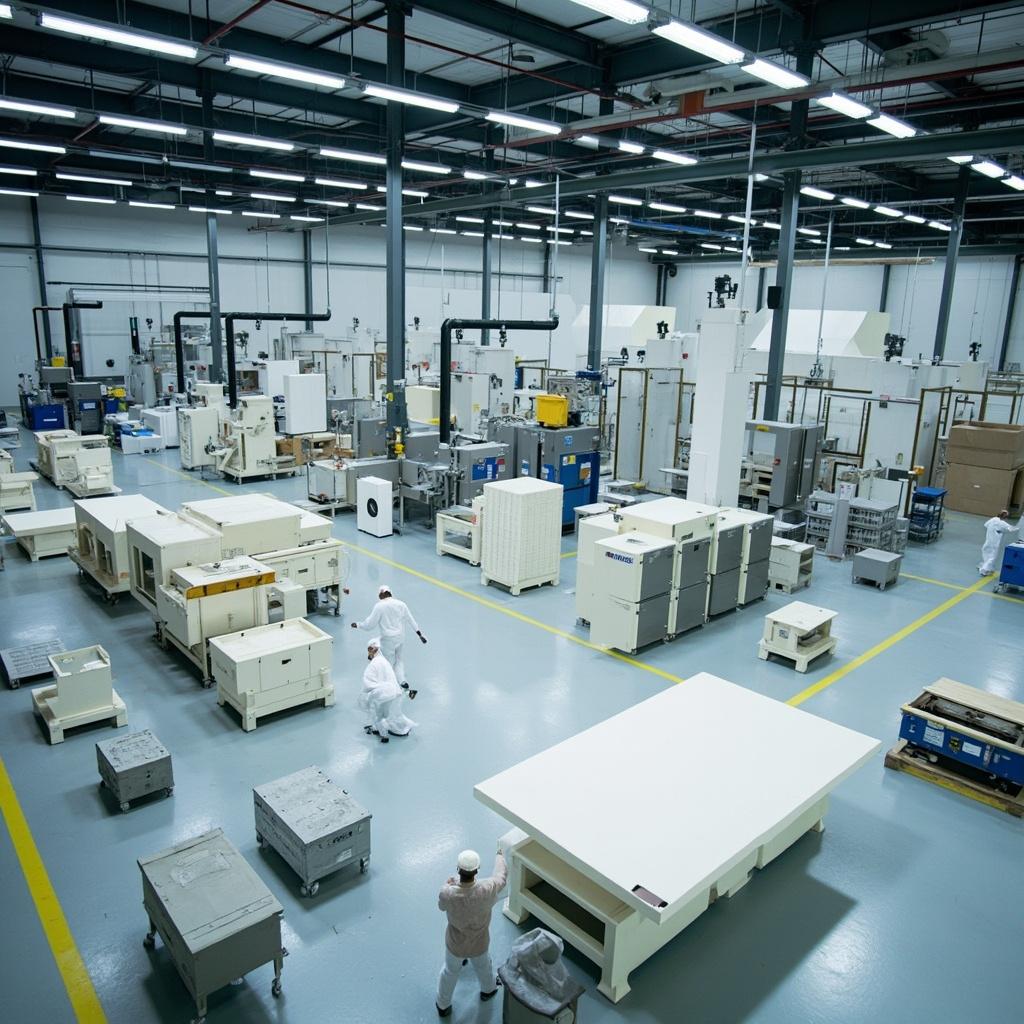
5. Quality Certification & Defect Control: In industries like semiconductor lithography and medical packaging, a single microscopic defect can ruin an entire batch. Leading manufacturers employ state-of-the-art inspection systems and hold rigorous certifications. AGC Inc. is renowned for its zero-defect quality control systems, particularly in its display glass and electronic materials divisions. AGC operates cleanroom-level production environments and utilizes automated laser inspection to detect sub-micron particles and bubbles. This capability is validated by its certifications from major tech clients and its ability to supply the ultra-pure glass substrates required for EUV lithography masks. Without this obsessive focus on quality, a supplier cannot serve the most advanced technology sectors.
What Key Market Trends Are Shaping the Glass Substrate Industry in 2026?
The global glass substrate market is undergoing a profound transformation, driven by technological disruption and geopolitical realignment. In 2026, the market is projected to reach a value of approximately $145 billion, growing at a compound annual growth rate (CAGR) of 6.8% from 2025. This growth is not uniform; it is heavily concentrated in four key trends that are reshaping the competitive landscape.

Trend 1: The Display Glass Revolution (OLED & UTG): The demand for high-end display glass is exploding, fueled by the proliferation of foldable smartphones, tablets, and large-format OLED televisions. Corning is at the epicenter of this trend, with demand for its ultra-thin flexible glass substrates growing by over 35% year-over-year in 2025. The market for Ultra-Thin Glass (UTG) for foldable devices alone is expected to exceed $4 billion by 2027. This trend is forcing manufacturers to invest heavily in advanced fusion draw processes and precision laser cutting technologies to produce glass that is both incredibly thin (under 30 microns) and durable enough to withstand millions of folds.

Trend 2: Solar Photovoltaic Glass Boom: Despite a period of "anti-involution" capacity correction in China, the global solar glass market is booming. Xinyi Solar and Flat Glass Group are the dominant players, with Flat Glass Group alone producing enough glass annually to support over 50 GW of solar module capacity. The trend is moving towards larger, thinner, and more efficient glass panels, with 2.0mm and even 1.6mm thick glass becoming standard for bifacial modules. The recovery in gross margins for these leaders in late 2025, reaching over 24%, signals that the market has successfully purged inefficient capacity and is now poised for profitable, sustainable growth driven by global renewable energy targets.

Trend 3: Semiconductor & EUV Lithography Ultra-Pure Substrates: The race to produce smaller, more powerful chips is creating unprecedented demand for ultra-pure glass substrates used in Extreme Ultraviolet (EUV) lithography. AGC and SCHOTT are the key innovators here, developing glass with near-zero thermal expansion and unparalleled purity (with impurity levels measured in parts per billion). These substrates are critical for the photomasks and pellicles used in the latest 3nm and 2nm chip manufacturing nodes. The market for these high-end substrates is growing at over 15% annually, as every new semiconductor fab requires a massive investment in these specialized glass components.

Trend 4: Lightweighting and Thin Glass for Automotive/EV: The automotive industry's shift to electric vehicles (EVs) is driving a need for lighter, stronger, and more functional glass. NSG Group is a leader in this space, supplying lightweight glazing solutions that reduce vehicle weight and extend EV range. The trend includes panoramic roofs made from large, single-pane glass, as well as heads-up display (HUD) windshields with embedded optical coatings. Furthermore, the integration of antennae and heating elements directly into the glass is becoming standard. This trend is pushing manufacturers to develop glass that is 20-30% thinner than traditional automotive glass while still meeting stringent safety and acoustic standards.
What Should B2B Buyers Consider When Selecting Glass Substrate Suppliers?
Selecting a glass substrate supplier is a high-stakes decision that directly impacts product quality, cost, and supply chain resilience. B2B buyers must move beyond price and evaluate suppliers against stringent technical and operational standards. Here are five critical factors to consider, with the specific benchmarks that define world-class performance.

1. Glass Composition and Purity (ISO 9001 & Impurity Levels): The chemical composition of the glass determines its optical, thermal, and mechanical properties. Buyers must demand suppliers certified to ISO 9001 for quality management and require detailed Certificates of Analysis (CoA). For high-end applications like semiconductor lithography or pharmaceutical packaging, the allowable impurity levels are incredibly strict. For example, a leading supplier like SCHOTT controls iron oxide (Fe₂O₃) content to below 50 ppm in its optical glasses, and for its ultra-pure substrates, transition metal contaminants must be in the parts-per-billion (ppb) range. Always request the supplier's specific impurity specification sheet and compare it against your product's requirements.

2. Thickness Tolerance & Flatness (SEMI & ASTM Standards): For display and semiconductor applications, even micron-level deviations are unacceptable. Buyers should specify compliance with SEMI standards for flat panel displays or ASTM standards for optical glass. A top-tier supplier like Corning guarantees thickness tolerances of ±0.01 mm for its high-generation display glass substrates. Flatness, often measured in terms of total thickness variation (TTV), must be less than 1 micron across a large panel. Ask the supplier for their capability data using laser interferometry or contact profilometry to verify they can meet these micron-level specs consistently.

3. Coating Durability & Optical Transmission (ISO 9050 & EN 1096): If the glass requires functional coatings (e.g., anti-reflective, low-emissivity, conductive), buyers must verify performance against international standards. For architectural glass, EN 1096 governs the durability and classification of coated glass. For optical transmission, ISO 9050 specifies test methods. A supplier like NSG Group provides detailed data on its Pilkington K Glass™, guaranteeing a specific solar heat gain coefficient (SHGC) and visible light transmission (VLT) that remains stable over decades. Request accelerated weathering test results (e.g., UV exposure, humidity, salt spray) to ensure the coating will not degrade in your intended application.

4. Supply Reliability & Production Capacity: A supplier's ability to deliver consistent volumes on time is paramount. Buyers should evaluate the supplier's number of operating float lines, annual tonnage capacity, and average lead times. For example, Xinyi Glass operates one of the world's largest float glass production bases, with a monthly output capacity exceeding 200,000 tons of glass. This scale allows them to offer lead times of 4-6 weeks for standard products, compared to 8-12 weeks for smaller competitors. Always request a supplier's capacity utilization rate and a list of their top-tier clients to gauge their manufacturing stability and reliability.

5. Sustainability Certifications (ISO 14001, LEED, EPDs): Increasingly, corporate buyers are required to meet their own ESG targets, making supplier sustainability a critical factor. Look for suppliers certified to ISO 14001 (Environmental Management). For construction projects, demand Environmental Product Declarations (EPDs) that detail the glass's carbon footprint. Saint-Gobain is a leader here, providing EPDs for its entire architectural glass range and using over 60% recycled content in some products. Also, check for LEED contribution documentation, which can help your own building projects earn certification points. A supplier with a validated Science Based Target (SBTi) for emissions reduction is a strong indicator of long-term environmental responsibility.
Which Glass Substrate Companies Are Leading in Sustainability & ESG?
Sustainability is no longer a peripheral concern; it is a core competitive differentiator in the glass substrate industry. The leading manufacturers are investing billions in decarbonizing their energy-intensive melting processes, closing material loops, and achieving ambitious net-zero targets. Here are three companies from our Top 10 ranking that are setting the global standard for ESG performance.

1. Saint-Gobain: Low-Carbon Production & Circular Economy Leadership
Saint-Gobain is arguably the most advanced in terms of operational decarbonization. The company has committed to achieving net-zero emissions by 2050, with an interim target of a 33% reduction in Scope 1 and 2 emissions by 2030 (from a 2017 baseline). A concrete example of its leadership is its investment in hydrogen-fired furnaces. In 2025, Saint-Gobain successfully trialed a furnace in France that used up to 30% hydrogen as a fuel source, cutting CO₂ emissions by over 15% compared to a standard natural gas furnace. Furthermore, the company has a massive closed-loop recycling program. It operates dedicated cullet collection and processing facilities, allowing it to incorporate an average of over 60% recycled glass (cullet) into its container and architectural glass products. This practice reduces both raw material consumption and the energy required for melting, as cullet melts at a lower temperature. Saint-Gobain has also earned a Platinum EcoVadis rating, placing it in the top 1% of companies assessed for sustainability.

2. NSG Group (Pilkington): Pioneering Hydrogen Fuel & SBTi Validation
NSG Group is a standout for its aggressive pursuit of alternative fuels and its validated Science Based Targets. The company has received official SBTi validation for its goal to reduce absolute Scope 1 and 2 greenhouse gas emissions by 30% by 2030 (from a 2019 base year). Its most ambitious project is the HyNet consortium in the UK, where NSG is piloting the use of 100% hydrogen to fire a float glass furnace. If successful, this project could eliminate virtually all CO₂ emissions from the melting process, a revolutionary step for the industry. NSG also focuses on product-level sustainability. Its Pilkington Mirai™ glass is produced with a significantly lower carbon footprint, and the company provides full Environmental Product Declarations (EPDs) for its products. NSG has also been recognized with a CDP A- score for its climate change transparency and action.

3. Corning Incorporated: Renewable Energy & Advanced Recycling for High-Tech Glass
Corning's sustainability strategy is deeply integrated into its high-tech manufacturing processes. The company has committed to using 100% renewable electricity across its global operations by 2030, and as of 2025, it has already reached over 60% renewable energy usage. This is particularly critical for its energy-intensive fusion draw process for display glass. Corning also excels in material efficiency and recycling. For its Gorilla Glass and specialty glass products, the company has developed advanced processes to reclaim and reuse manufacturing scrap. In some facilities, over 80% of the glass waste generated during production is recycled back into the melting process. Corning's efforts have earned it a place on the Dow Jones Sustainability Index (DJSI) and a CDP A- score. The company also publishes a detailed annual Global Impact Report, providing full transparency on its water usage, waste reduction, and community investments.