The VerityRank manufacturer evaluation methodology for the mineral powder fillers industry is specifically designed to assess production capability, processing technology depth, and manufacturing excellence rather than brand marketing metrics. Our ranking process begins with comprehensive data collection from multiple authoritative manufacturing sources including company annual reports (FY2024-2025), regulatory filings, industry association databases, and third-party market research. The evaluation framework prioritizes four equally weighted manufacturing-centric dimensions: Production Scale & Capability (25%), Technology & Processing Innovation (25%), Global Revenue & Financial Health (25%), and Sustainability & Operational Excellence (25%).
Unlike brand-focused rankings that may weight marketing presence or consumer recognition, our manufacturer methodology emphasizes tangible production assets and demonstrated processing competence. Production Scale measures total annual processing capacity, number of integrated facilities, geographical manufacturing diversification, and vertical integration depth from mine to finished powder. Technology Innovation evaluates investment in advanced grinding, classification, surface modification, and nano-particle production capabilities. Financial Health assesses consolidated manufacturing revenue, operating margin consistency, and CAPEX commitment to capacity expansion. Sustainability quantifies carbon intensity per tonne, mine rehabilitation performance, occupational safety records, and circular economy integration.
Each manufacturer receives a composite score (0-100) that integrates quantitative production metrics with qualitative assessments of manufacturing strategy and technological capability. All data points are verified through cross-referencing of at least three independent sources, with particular emphasis on verified production capacity, audited financial statements, and documented processing technology investments. The final ranking reflects a holistic assessment of each manufacturer''s ability to reliably produce consistent, high-quality mineral powder products at competitive costs while maintaining environmental and safety standards.
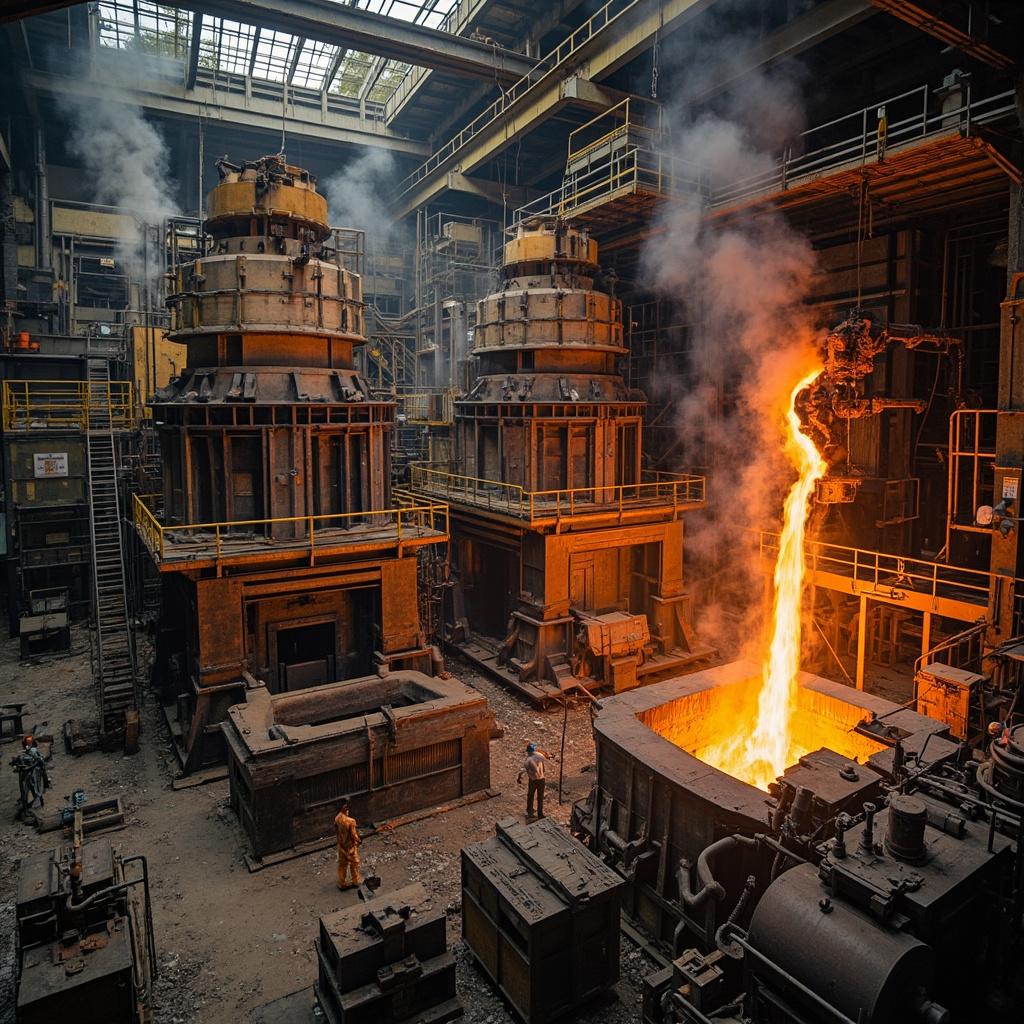
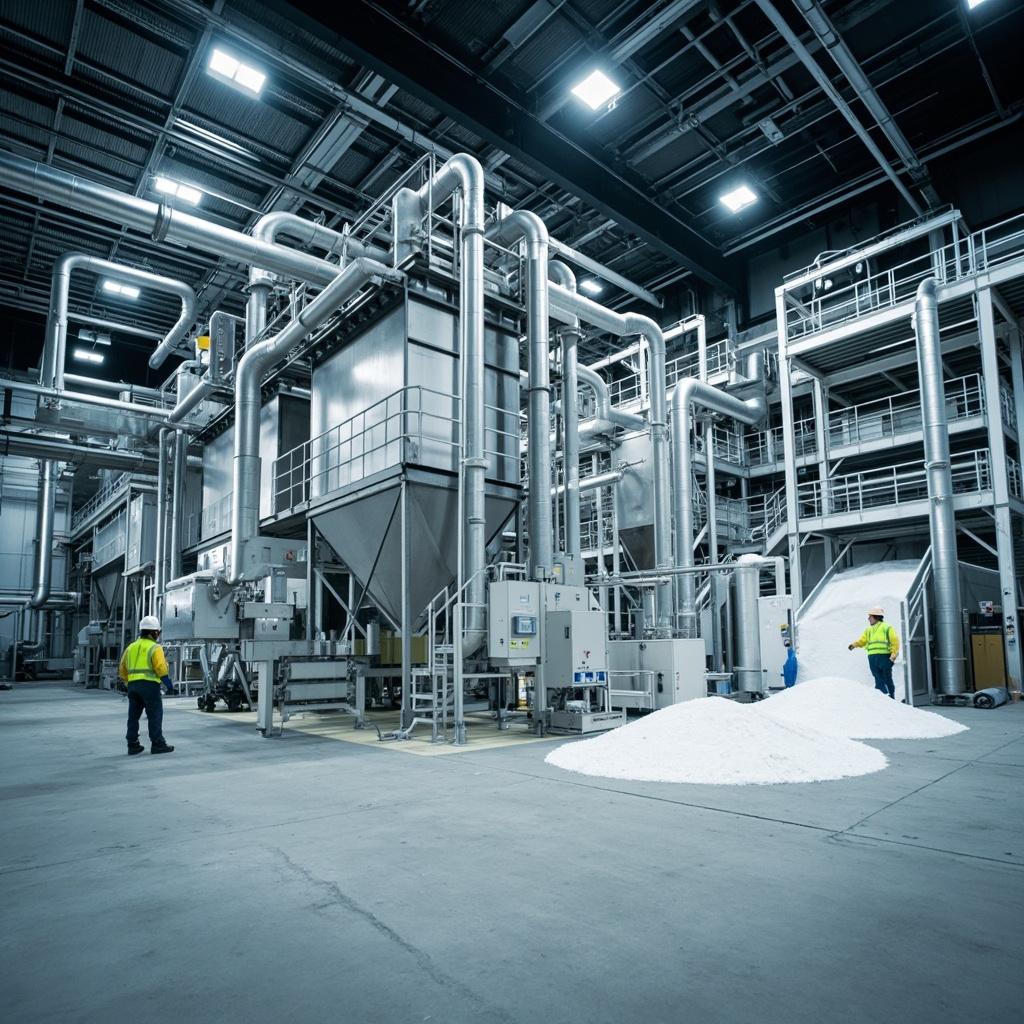
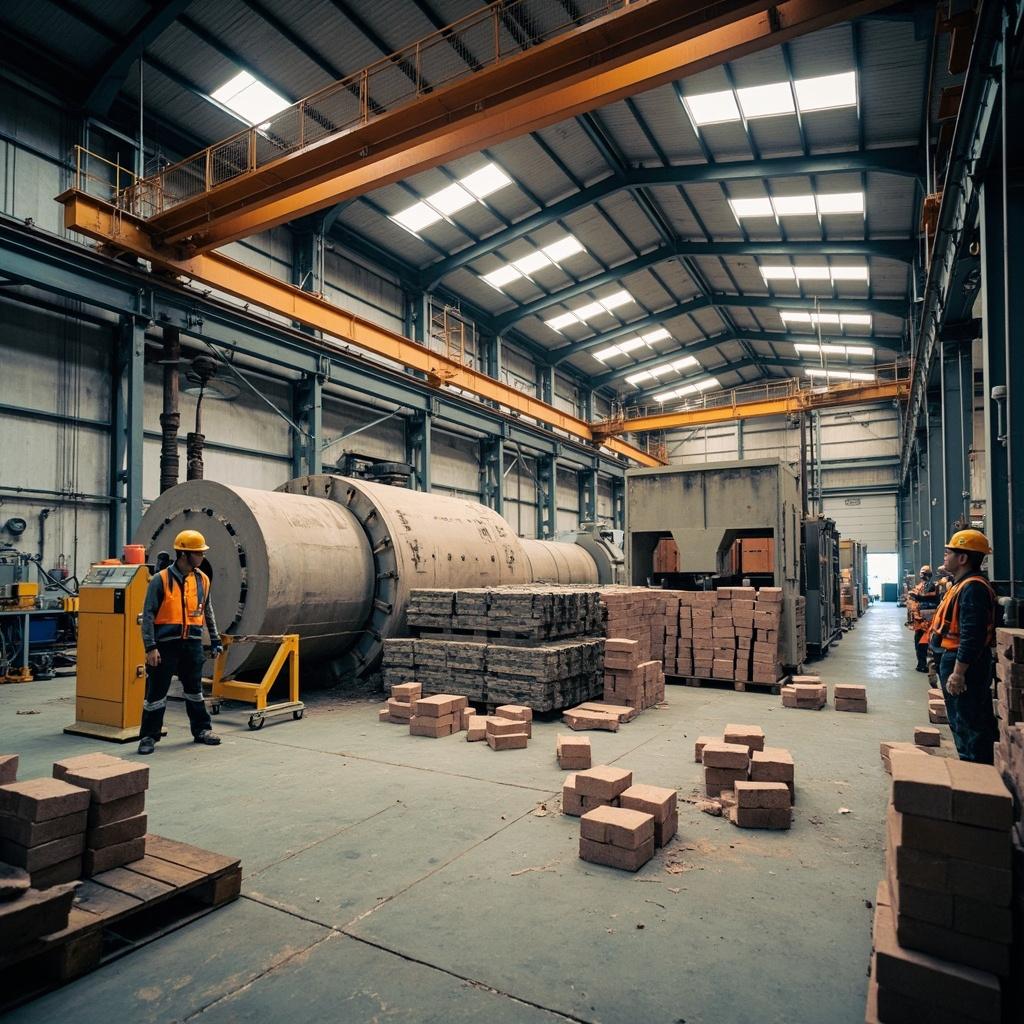
World-class mineral powder filler manufacturing requires mastery of a complex, multi-stage production chain that spans geology, mechanical engineering, chemical engineering, and quality assurance. The most capable manufacturers — those that consistently rank at the top of our evaluation — have invested in complete vertical integration from mine to finished powder, controlling every production step to ensure quality consistency, cost efficiency, and supply reliability.
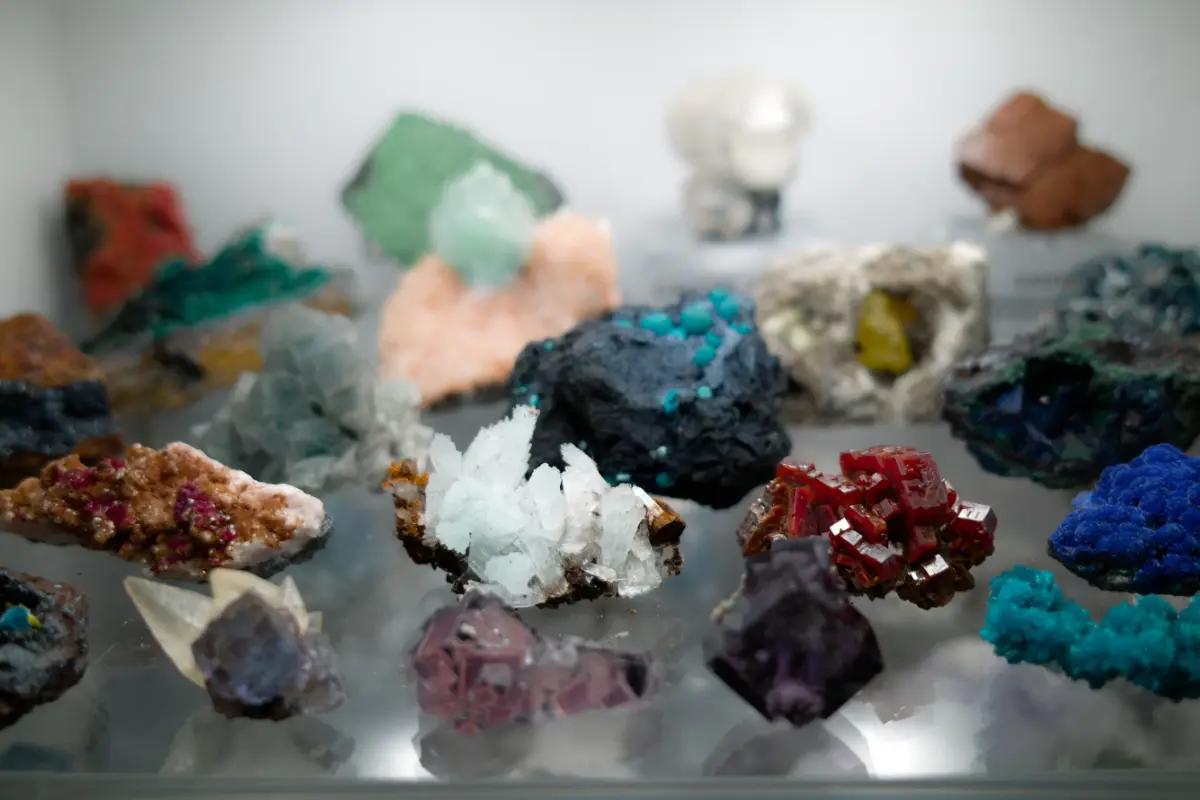
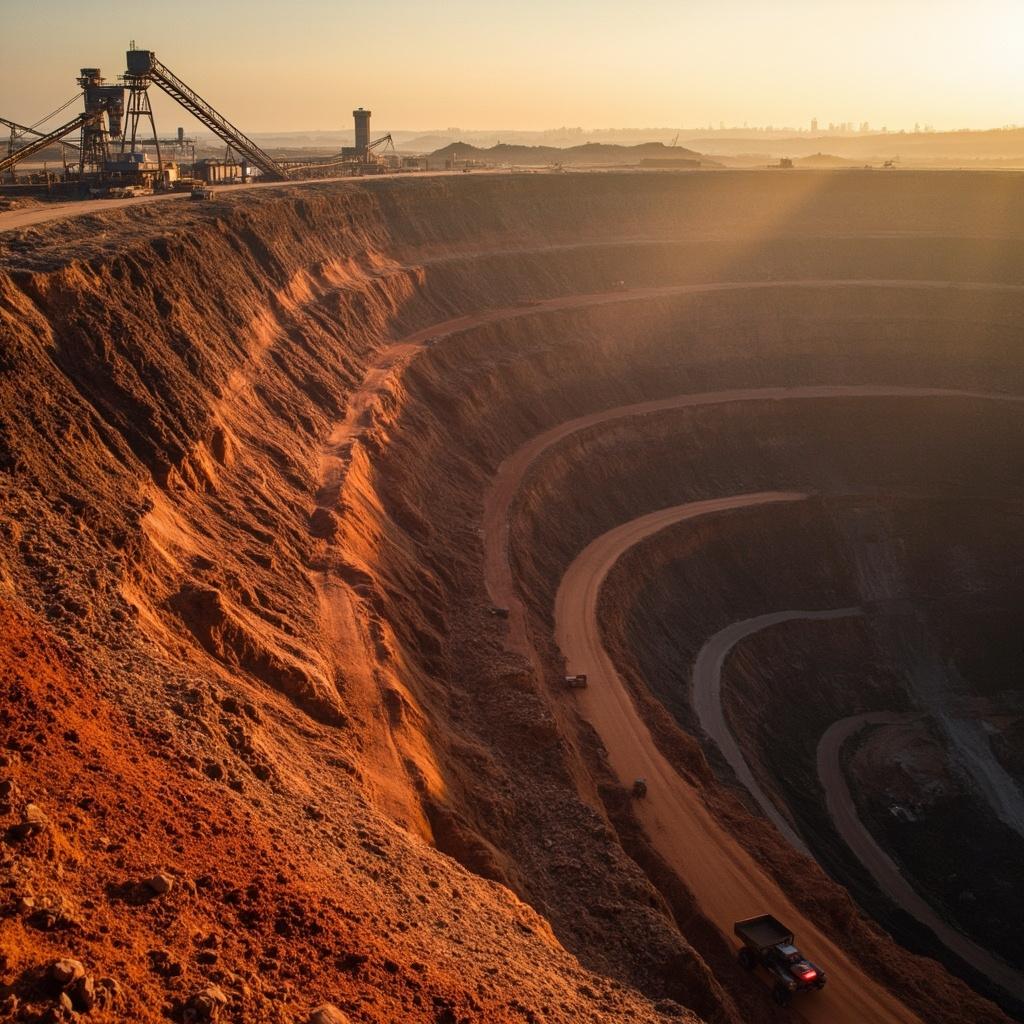
The manufacturing process begins with geological excellence — ownership of high-purity mineral reserves with documented quality parameters. Omya controls the world''s largest network of high-purity calcium carbonate deposits spanning over 160 production sites across 50 countries. Imerys maintains diversified mineral reserves including kaolin, calcium carbonate, talc, bentonite, diatomaceous earth, and specialty clays across 40 countries. The quality of the raw mineral directly determines product performance — brightness, particle morphology, impurity levels, and processing behavior are all functions of the deposit geology.
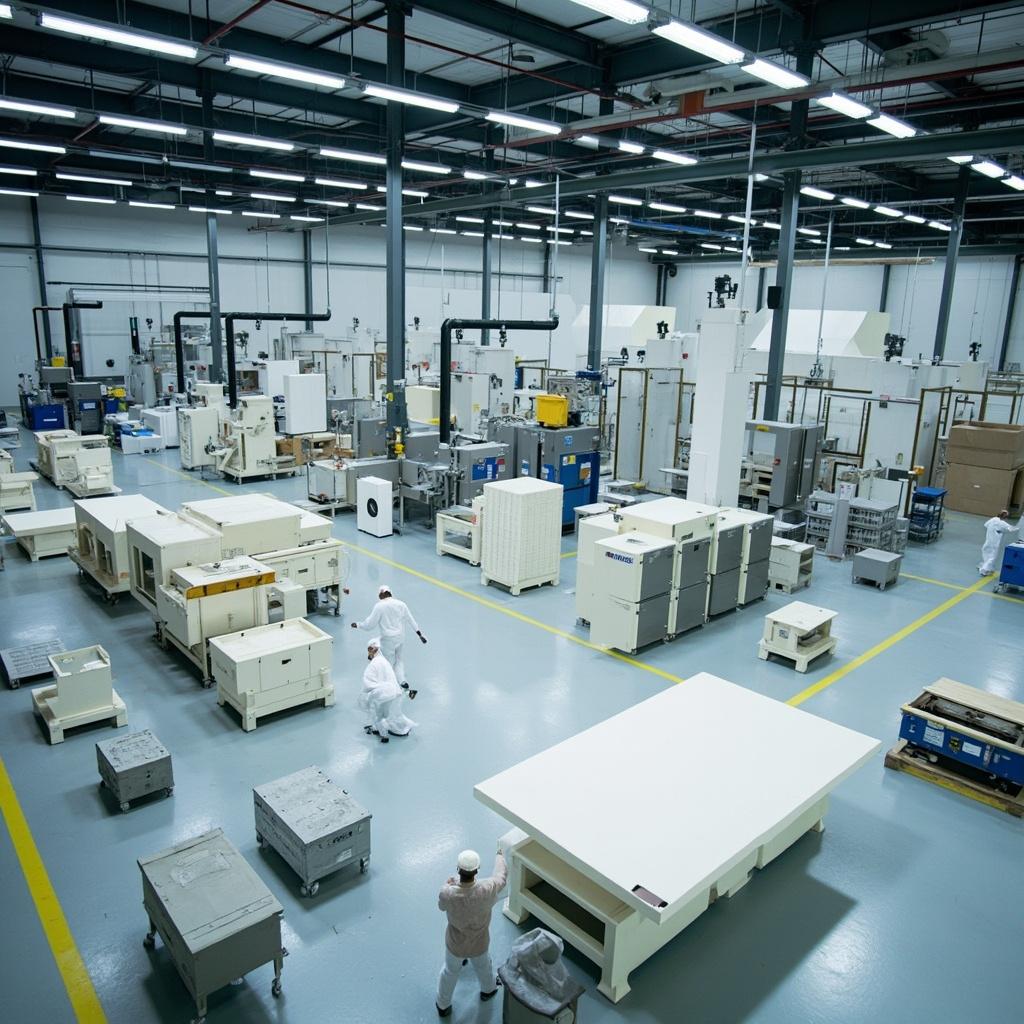
Advanced grinding and classification technology represents the core manufacturing differentiator. Stirred media mills deployed by Minerals Technologies and KaMin can achieve median particle sizes below 0.5 microns with d90/d10 ratios under 3.0 — essential for high-gloss coatings and premium paper grades. Multi-rotor air classifiers achieve cut points as fine as 2-3 microns at throughputs exceeding 10 tonnes per hour, enabling economical production of fine filler grades. Calcium carbonate producers operate wet grinding circuits with multiple stages of ball milling and classification to achieve the tight particle size distributions required for paint and polymer applications.
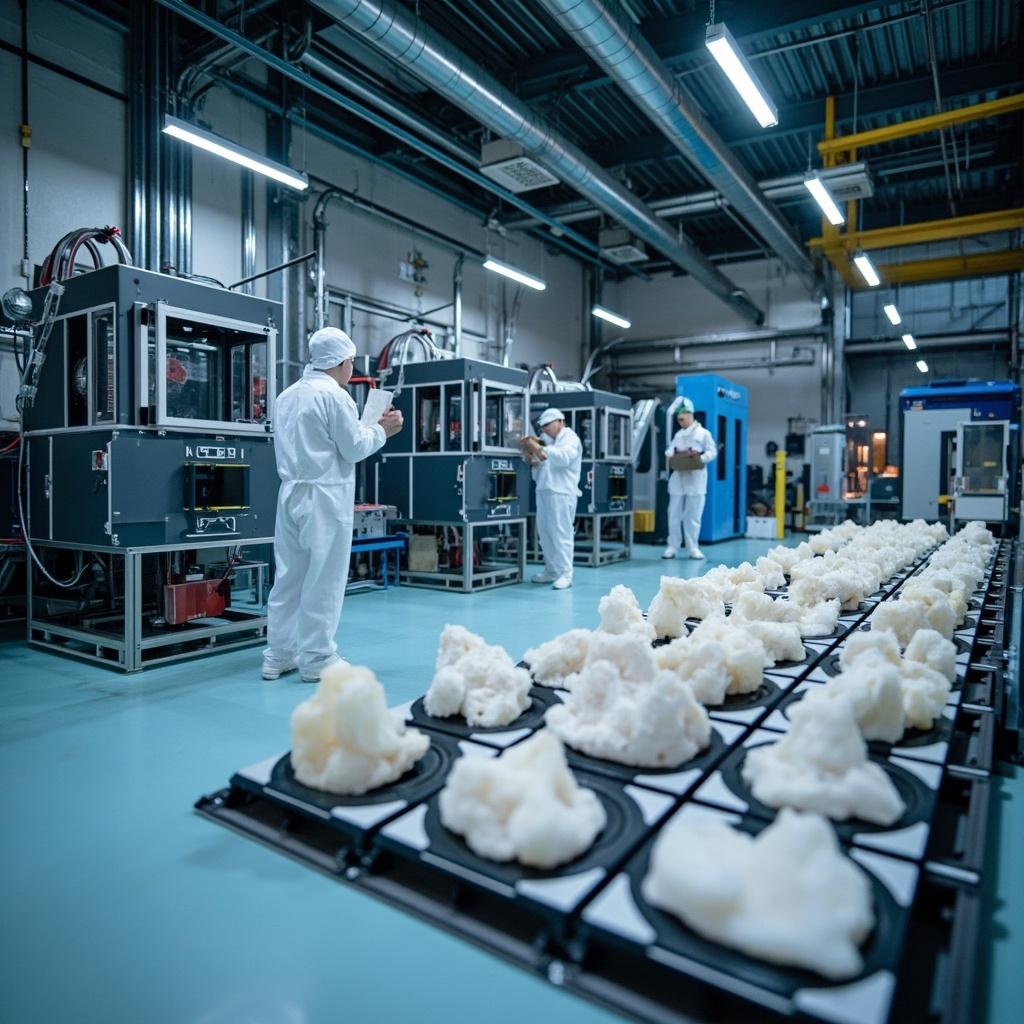
Surface treatment capability is the final and most value-adding manufacturing step. By chemically bonding organic functional groups onto mineral particle surfaces, processors transform inherently hydrophilic minerals into hydrophobic, polymer-compatible additives. Stearic acid-treated calcium carbonate achieves dispersion quality in polyolefins that untreated GCC cannot approach. Silane-treated kaolin and silica create covalent bonds between filler and polymer matrix in engineering thermoplastics, enabling filler loadings of 40-60%. The capital investment required for a complete surface treatment line — including heated mixers, dosing systems, cooling circuits, and bagging stations — exceeds several million dollars, representing a significant barrier to entry.
Sustainability has rapidly evolved from a peripheral corporate social responsibility initiative to a core manufacturing competitiveness factor in the mineral powder fillers industry. Three interconnected regulatory, customer, and financial forces are driving this transformation, fundamentally reshaping manufacturing investment decisions, operating practices, and competitive dynamics across the global industry.
The European Union Emissions Trading System (EU ETS) represents the most impactful regulatory force, directly taxing carbon emissions from mineral calcination operations. Lime and dolomite producers like Lhoist and Carmeuse face escalating carbon costs of €80-100 per tonne of CO₂ for their energy-intensive rotary kiln operations — costs that flow directly to the bottom line and cannot be easily passed through to customers in competitive markets. This regulatory pressure is forcing fundamental process redesign: investment in hydrogen and biomass-fueled kilns, electric-powered grinding circuits, and carbon capture and storage (CCS) technology. Manufacturers that complete this transition early will gain significant cost advantages over competitors still operating carbon-intensive legacy facilities.
Customer-driven sustainability requirements are becoming equally powerful, particularly in European markets where 81% of stakeholders now require low-carbon fillers compliant with REACH regulations. Multinational industrial buyers — including major paint companies, polymer compounders, and paper manufacturers — are imposing Scope 3 emissions reporting requirements on their mineral filler suppliers. Suppliers that cannot provide verified product carbon footprint data (measured in kg CO₂ equivalent per tonne of filler delivered) are being systematically excluded from procurement shortlists. This creates a powerful market incentive for manufacturing process transparency and carbon accounting infrastructure.
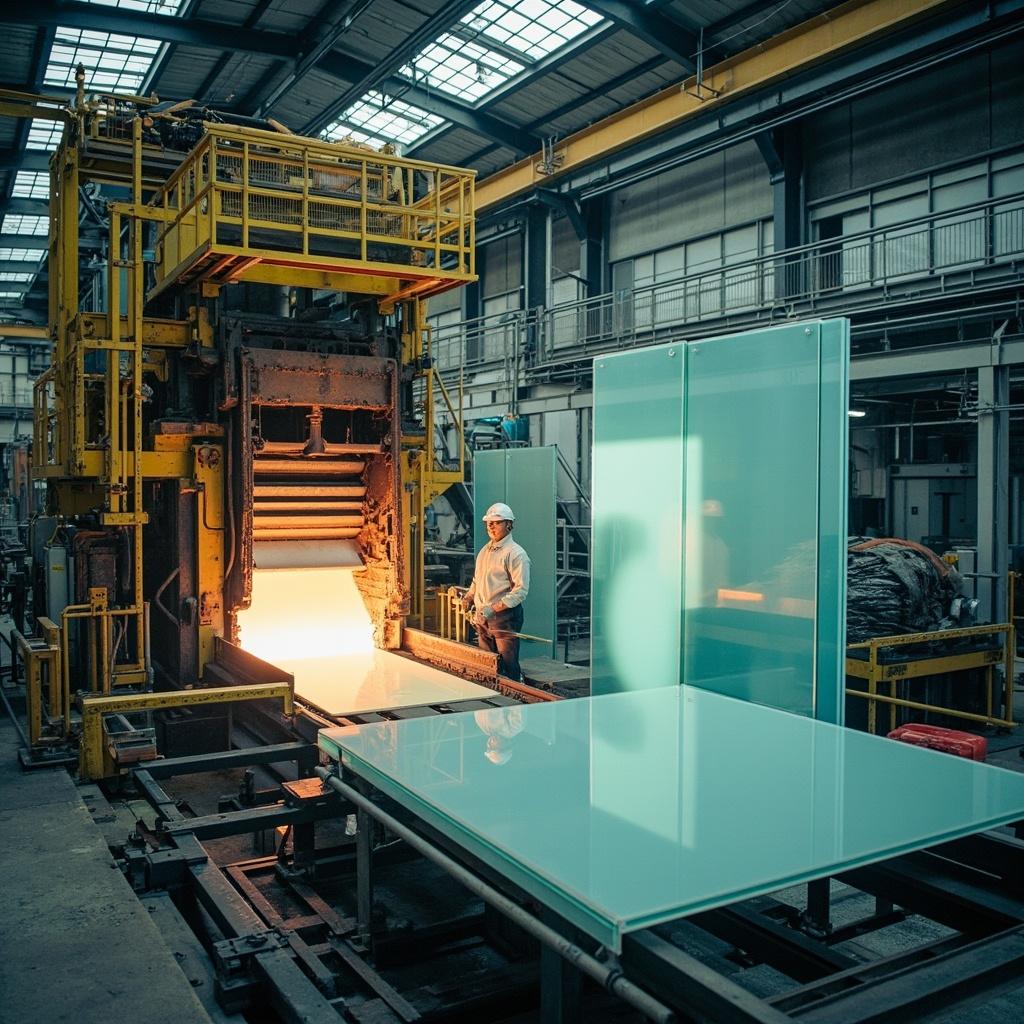
The circular economy is creating entirely new manufacturing paradigms in the minerals industry. Sibelco''s acquisition of multiple glass recycling networks across North America and Europe represents a strategic bet that "urban mining" — recovering mineral materials from post-consumer waste streams — will become a major source of industrial mineral feedstock. Recycled glass cullet can substitute for virgin silica sand in container glass manufacturing, reducing energy consumption by 2-3% for every 10% cullet addition while eliminating quarrying emissions. Similarly, calcium carbonate producers are exploring carbonation of industrial CO₂ waste streams to produce synthetic PCC, potentially transforming carbon emissions from a liability into a feedstock. These circular manufacturing models represent the industry''s most promising pathway to long-term sustainability.
Selecting a mineral powder filler manufacturing partner requires a technically rigorous evaluation framework that extends beyond price comparison to assess manufacturing capability, quality systems, supply chain resilience, and long-term partnership alignment. Industrial procurement professionals should systematically evaluate potential manufacturing partners across five critical dimensions.
First, conduct a manufacturing site audit covering the complete production chain from quarry to finished product warehouse. Verify the condition and maintenance status of primary crushing, grinding, classification, surface treatment, and packaging equipment. Assess the manufacturer''s quality control laboratory — including particle size analysis instrumentation (laser diffraction, sedimentation), brightness/color measurement, surface area analysis (BET), and chemical composition testing (XRF, ICP). Document the quality management system certification status (ISO 9001:2015) and review recent external audit findings. A world-class manufacturer should be able to provide 12-24 months of statistical process control (SPC) data demonstrating process capability (Cpk ≥ 1.33) for critical quality parameters.
Second, evaluate mineral reserve quality and mine life through independent geological assessment. Unlike synthetic chemical suppliers, mineral manufacturers are fundamentally constrained by the quality, purity, and morphology of their ore bodies. Request third-party mineralogical analysis confirming the deposit''s mineral composition, brightness, particle morphology, and impurity profile (particularly heavy metals, crystalline silica, and asbestos-form minerals). Verify proven and probable reserves with at least 20-year mine life projections at current production rates. Companies with multi-generational reserve horizons — such as Omya, Imerys, and Ashapura — provide procurement confidence for long-duration supply contracts.
Third, mandate business continuity and supply chain resilience through multi-site qualification. The 2020-2023 period demonstrated that single-source, single-site mineral supply chains are dangerously vulnerable to disruption from extreme weather, shipping container shortages, geopolitical trade restrictions, and regulatory changes. Qualify at least two geographically separated manufacturing sites for each critical filler grade. Negotiate vendor-managed inventory (VMI) programs with 30-60 day safety stock maintained at supplier warehouses within trucking distance of your manufacturing facilities. Verify that the manufacturer maintains at least 3-6 months of critical spare parts inventory for grinding mills, classifiers, and surface treatment equipment.
The Asia-Pacific region has emerged as both the world''s largest consumer of mineral powder fillers and an increasingly important manufacturing center, fundamentally reshaping global production geography, competitive dynamics, and supply chain architecture. Three interconnected trends — massive domestic demand growth, manufacturing capability upgrading, and supply chain regionalization — are driving this transformation.
China and India''s combined construction, infrastructure, and manufacturing sectors consume over 50% of global mineral filler production, creating enormous domestic demand that is reshaping global production geography. With 76% of Asia-Pacific enterprises prioritizing cost-effectiveness as their primary procurement criterion, the region has historically been served by lower-value, commoditized filler grades. However, this dynamic is rapidly evolving as Asian manufacturers upgrade their production capabilities to serve increasingly sophisticated domestic automotive, electronics, and specialty chemicals industries. Global multinationals have responded by establishing localized manufacturing capacity — Omya operates multiple calcium carbonate plants across China and Southeast Asia, while Imerys maintains significant kaolin and carbonate processing facilities in India and China.
Chinese mineral manufacturers are rapidly climbing the technology ladder, transforming from commodity suppliers to specialty mineral innovators. Liaoning Aihai Talc exemplifies this trend — the company processes some of the world''s highest-purity talc into 2-5 micron cosmetic and pharmaceutical grades that compete directly with European and American premium products. Similarly, Chinese ground calcium carbonate (GCC) manufacturers have invested in state-of-the-art wet grinding and classification systems that match the particle size distribution control of established Western producers, compressing the quality gap that historically justified premium pricing for imported fillers.
Indian mineral manufacturing is experiencing a parallel transformation driven by the country''s massive infrastructure build-out and "Make in India" industrialization policies. Ashapura Minechem''s 1.35 billion-tonne mineral reserve base and 50+ Fortune 500 customer relationships demonstrate that Indian manufacturers can achieve global quality standards at competitive cost structures. The combination of abundant high-quality mineral reserves, lower labor costs, improving infrastructure, and supportive government policy is positioning India as potentially the world''s most cost-competitive location for large-scale mineral filler manufacturing over the next decade. For global procurement professionals, the strategic implication is clear: Asian manufacturing capability is improving faster than many Western buyers recognize, and early qualification of high-quality Asian manufacturing partners can provide significant cost advantages while maintaining quality standards.