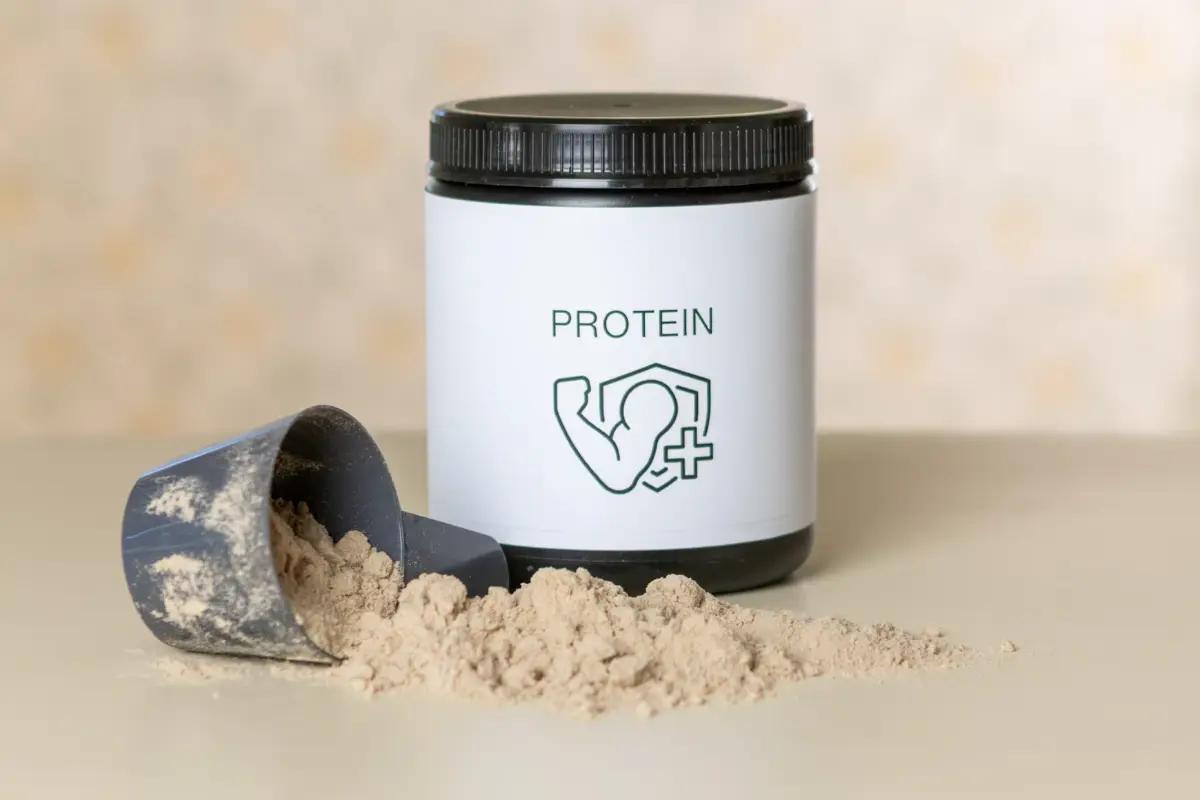
The nutritious food industry, often overlapping with dietary supplements and functional foods, focuses on products designed to provide targeted health benefits beyond basic nutrition. 1. Core Categories It encompasses a wide range, including protein powders, vitamin and mineral supplements, probiotics, meal replacements, and specialized products like medical nutrition formulas for clinical use. 2. Key Difference from Regular Food Unlike everyday food, these products are concentrated in specific nutrients or bioactive compounds. Their purpose is to supplement the diet, support specific bodily functions (e.g., immunity, energy), or address nutritional deficiencies, rather than simply satisfying hunger. 3. Key Difference from Medicine Crucially, these products are not drugs. They are not intended to diagnose, treat, cure, or prevent diseases. Legitimate products make structure\/function claims (e.g., “supports bone health”) based on nutritional science, not drug-like therapeutic claims. They are regulated as a food category, though standards (like FDA regulations or China’s “Blue Hat” system for health foods) vary globally to ensure safety and truthful labeling.
The market growth is primarily driven by two major demographic groups with distinct needs, alongside a universal shift towards preventative health. 1. The Aging Population As populations age globally, there is rising demand for products supporting long-term wellness and age-related concerns. This includes supplements for joint and bone health (e.g., calcium, glucosamine), cardiovascular support (e.g., omega-3s, CoQ10), and cognitive function. 2. Health-Conscious Younger Generations (Like Gen-Z) Younger consumers are proactively using nutrition to manage modern lifestyle challenges. They seek convenience, specific outcomes, and enjoyable formats. Popular categories include protein powders for fitness, probiotics for gut health, “beauty from within” supplements (e.g., collagen), and energy boosters. They strongly prefer gummies, ready-to-drink shakes, and snack bars. 3. The Preventive Health Trend Across all ages, there’s a significant shift from reactive “sick care” to proactive “health care.” People are increasingly investing in daily nutrition to maintain health, boost immunity, and enhance overall quality of life, making these products part of everyday wellness routines.
The shift from traditional pills and capsules to enjoyable, convenient formats is a major trend, driven by consumer demand and strategic innovation. 1. Improving User Experience and Compliance The primary goal is to make daily supplementation easier and more pleasant. Many people dislike swallowing pills. Tasty gummies, flavorful drinks, and chewable tablets remove this barrier, making it more likely for people to stick to their regimen consistently, which is key for seeing benefits. 2. Attracting New Consumer Groups Fun and tasty formats like gummies and jelly shots are particularly effective at attracting younger audiences and first-time users who might be intimidated by or disinterested in traditional “medicine-like” pills. It frames nutrition as a positive, daily self-care ritual. 3. Enabling Functional Blends and Better Absorption Liquid and powder formats allow for blending multiple functional ingredients (e.g., collagen+vitamins) into a single, convenient product. Some advanced forms, like liposomal liquids, are designed to enhance the absorption and bioavailability of certain nutrients (like Vitamin C) compared to standard tablets.
Absolutely. The industry is moving beyond one-size-fits-all multivitamins towards highly targeted solutions for specific lifestyles and health goals, known as “precision nutrition.” 1. Sports & Active Nutrition This is a massive and sophisticated segment. It includes not just protein for muscle support, but also pre-workout boosters (with caffeine, amino acids), intra-workout electrolytes, and post-workout recovery formulas (with BCAAs, glutamine). Products are tailored for different sports and fitness levels. 2. Beauty from Within (Oral Beauty) This fast-growing area focuses on supplements that support skin, hair, and nail health from the inside out. Key ingredients include collagen peptides, hyaluronic acid, vitamin C, and biotin. These are often marketed in appealing drink or gummy formats. 3. Gut Health & Microbiome Support Growing science on the gut-brain axis and overall health has fueled demand for products beyond basic probiotics. This now includes specific probiotic strains, prebiotic fibers to feed good bacteria, and postbiotic metabolites, all aimed at optimizing the digestive and immune system. 4. Stress Management & Sleep Support Addressing modern life pressures, supplements with ingredients like ashwagandha, L-theanine, magnesium, and melatonin (for sleep) have become increasingly popular for supporting mental balance and restful sleep.
Medical nutrition, or Medical Foods (in the US) \/ Foods for Special Medical Purposes (FSMP, in many regions), is a specialized and highly regulated category distinct from over-the-counter supplements. 1. Primary Purpose and Use These products are specifically designed to manage the nutritional needs of patients with specific diseases, disorders, or medical conditions. They are used under medical supervision for conditions like malnutrition, diabetes, cancer cachexia, digestive disorders (e.g., malabsorption), or metabolic disorders. They are often essential for patients who cannot meet their needs through diet alone. 2. Stringent Regulation and Evidence Unlike general wellness supplements, medical nutrition products are subject to much stricter regulatory scrutiny. Their formulation must be based on recognized medical and scientific principles, with evidence supporting their use for the specific dietary management of the condition they target. In markets like China, they require rigorous registration and approval from medical product authorities. 3. Distribution Channel They are typically not found on regular store shelves. Access is primarily through hospitals, clinics, pharmacies (with professional guidance), or by prescription, ensuring they are used appropriately under healthcare professional advice. Leading brands in this field include Nestlé Health Science, Abbott Nutrition, and Danone Nutricia.